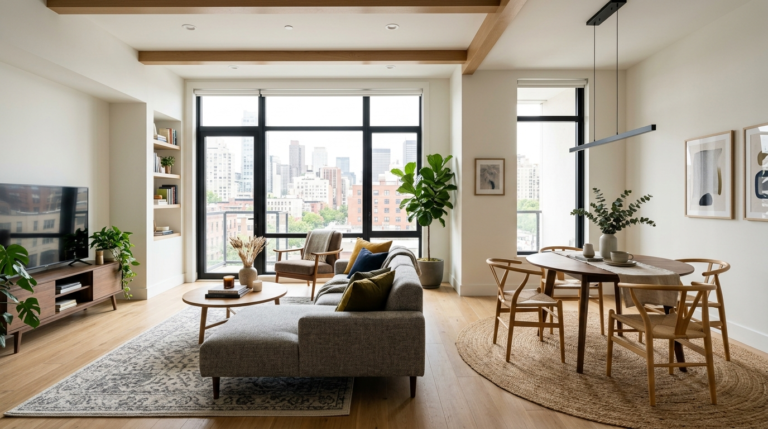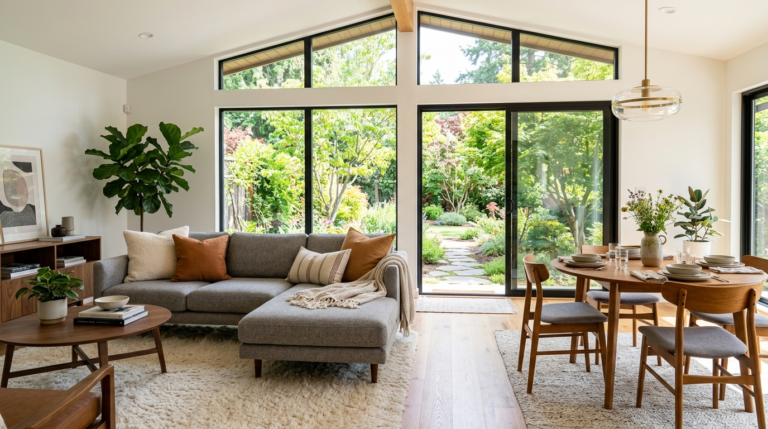
Living in a small apartment feels like a giant puzzle. You open your front door and see your couch. You also see your dining table. Everything sits in one cramped space. I remember my first studio in Seattle. It was 450 square feet of pure chaos. I had a massive sectional and a heavy oak table. I could barely walk to my fridge. I felt trapped in my own home.
That experience taught me a hard lesson. Small spaces do not need less furniture. They need smarter choices. You want a home that feels open but works hard. You need a place to eat and a place to rest. You can have both without losing your mind. This guide shares the best ways to fix your layout. These tips come from years of trial and error. I have seen these work in tiny NYC lofts and cozy suburban condos. We will look at furniture picks and layout tricks. You will see how to define zones without building walls. Let us turn your cramped room into a space you love.
1. Use A Low Profile Sofa To Open Sightlines
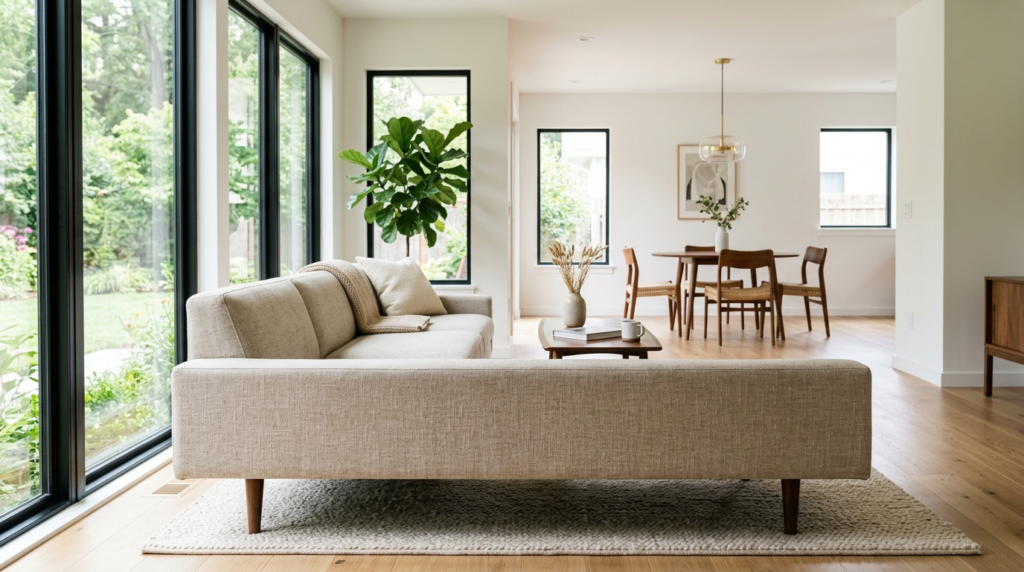
A big sofa kills a small room. It blocks the view and makes the ceiling feel low. I always suggest low profile seating for combos. Pick a sofa with low arms and a low back. This keeps the middle of the room clear. You can see from the living area into the dining area.
In my Seattle studio, I traded my high back couch for a sleek mid century piece. The change was instant. The room felt two feet wider. It allows light to flow across the whole floor. You do not feel boxed in. Pair it with thin legs to show more floor space. Seeing more floor tricks the brain into thinking the room is bigger.
2. Define Zones With Large Area Rugs
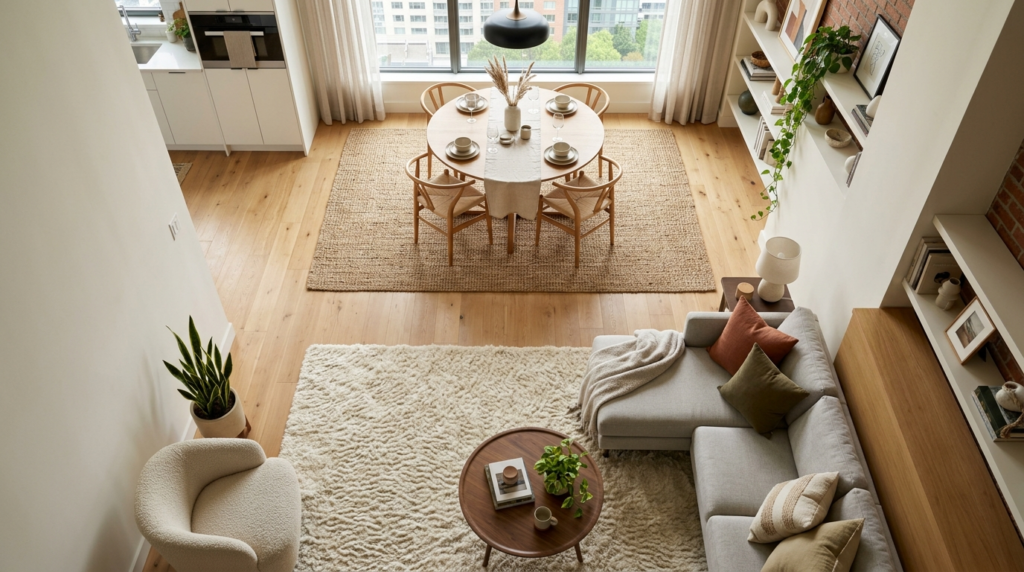
Rugs act like invisible walls. They tell your eyes where one room ends and the next begins. Place a large rug under your seating area. Use a different rug for the dining table. This creates two distinct “islands” in one sea of flooring.
I saw this work perfectly in a client’s tiny condo. We used a jute rug for the dining spot. We put a soft plush rug in the living zone. It stopped the furniture from looking like a pile of wood and fabric. Make sure the rug is big enough. All furniture legs should sit on it. If the rug is too small, the space looks cluttered and cheap.
3. Choose A Round Dining Table For Better Flow
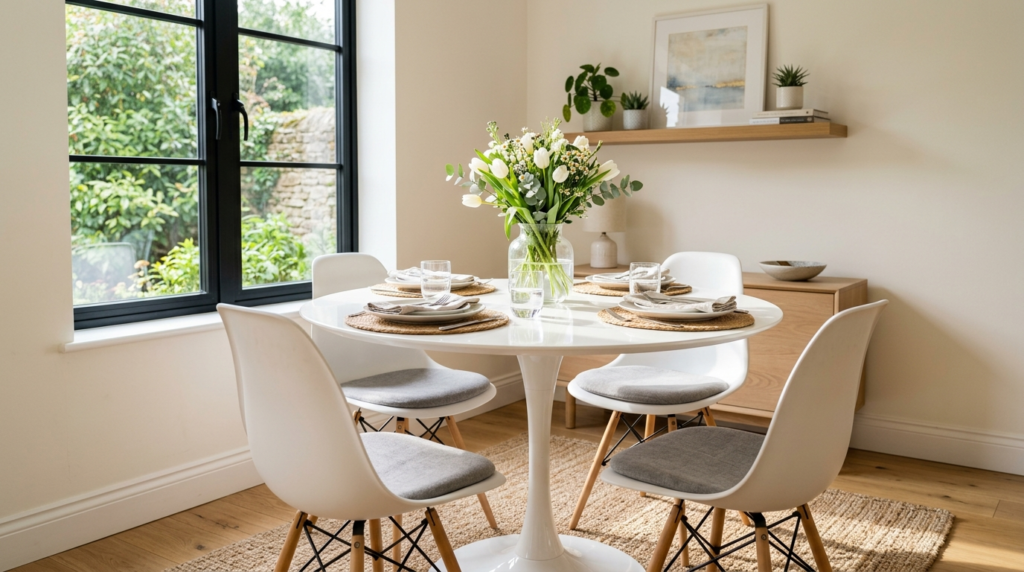
Square tables have sharp corners. In a combo room, you will hit those corners. I have bruised my hips too many times on square edges. Round tables are much kinder. They allow you to walk around them easily. They also fit more people in a pinch.
I recommend the Tulip style table from brands like West Elm or Ruggable. The central pedestal base saves leg room. You can tuck chairs in fully when you are not eating. This keeps the “walkway” clear. A 36 inch round table is perfect for two to four people. It fills the corner without taking over the room.
4. Float Your Sofa In The Middle Of The Room
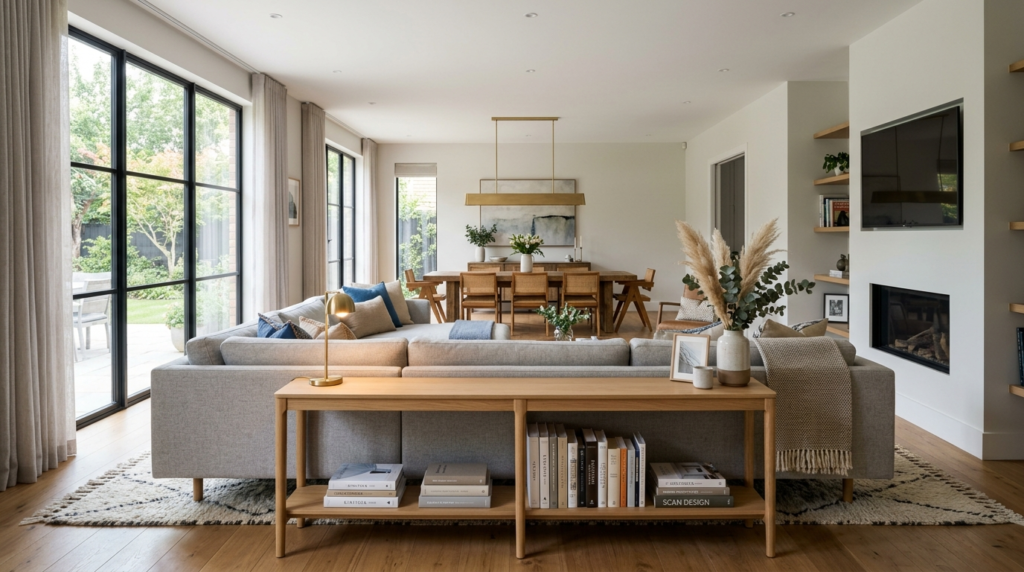
Most people push every piece of furniture against a wall. This is a mistake. It leaves a weird dead zone in the middle. Instead, pull your sofa out. Let the back of the sofa face the dining area.
This creates a natural divider. It acts like a short wall. In my experience, this makes the living room feel cozy. It creates a clear path behind the sofa to reach the table. You gain a sense of order. Use a slim console table behind the sofa for extra storage. It looks polished and keeps your keys or remotes in one place.
5. Hang A Mirror To Double Your Space
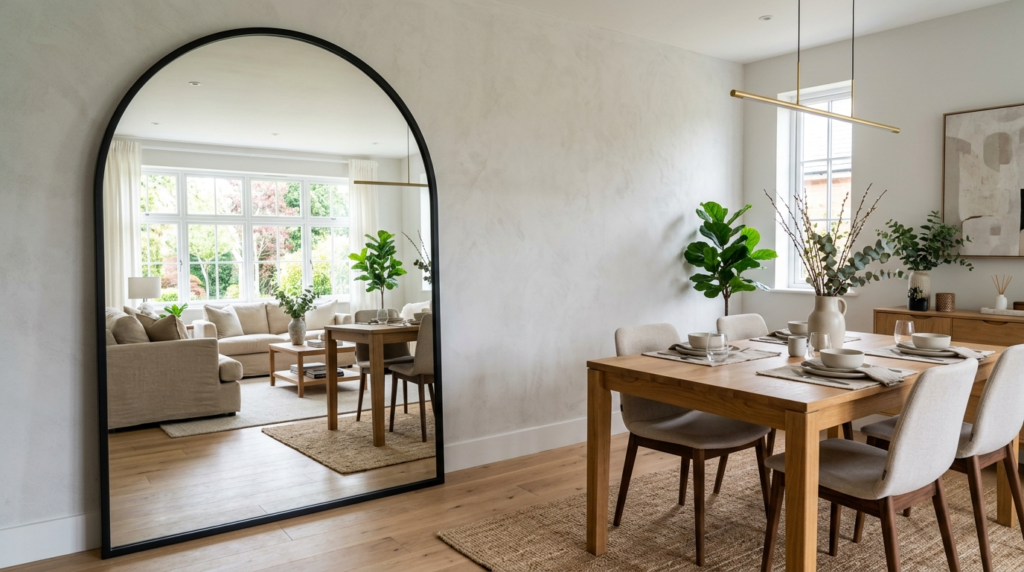
Mirrors are the oldest trick in the book because they work. A large mirror reflects light and the other side of the room. It creates depth where there is none. Place a mirror opposite your window.
I once worked on a dark basement apartment. We hung a floor to ceiling mirror behind the dining table. It looked like a second room opened up. The space felt twice as bright. Use a thin frame to keep it modern. Avoid heavy, ornate frames that feel bulky. A simple black or gold frame works best for a clean look.
6. Pick Acrylic Or Glass Furniture
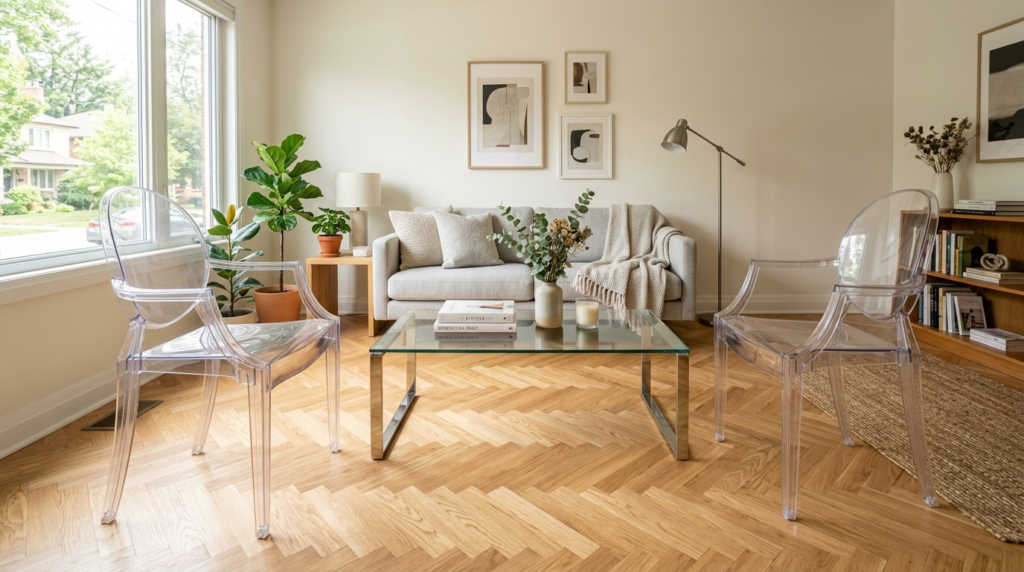
Visual weight is real. Dark wood furniture feels heavy and takes up space in your mind. Clear furniture disappears. An acrylic coffee table or glass dining table keeps the room airy.
I love using the Ghost chairs by Philippe Starck. They provide seating without the visual clutter. You see the floor and the rug through them. This is vital in a small combo. If you can see through your furniture, the room stays open. I used a glass desk in my guest nook last year. It made the corner look empty even when it was full of stuff.
7. Install Vertical Wall Shelving
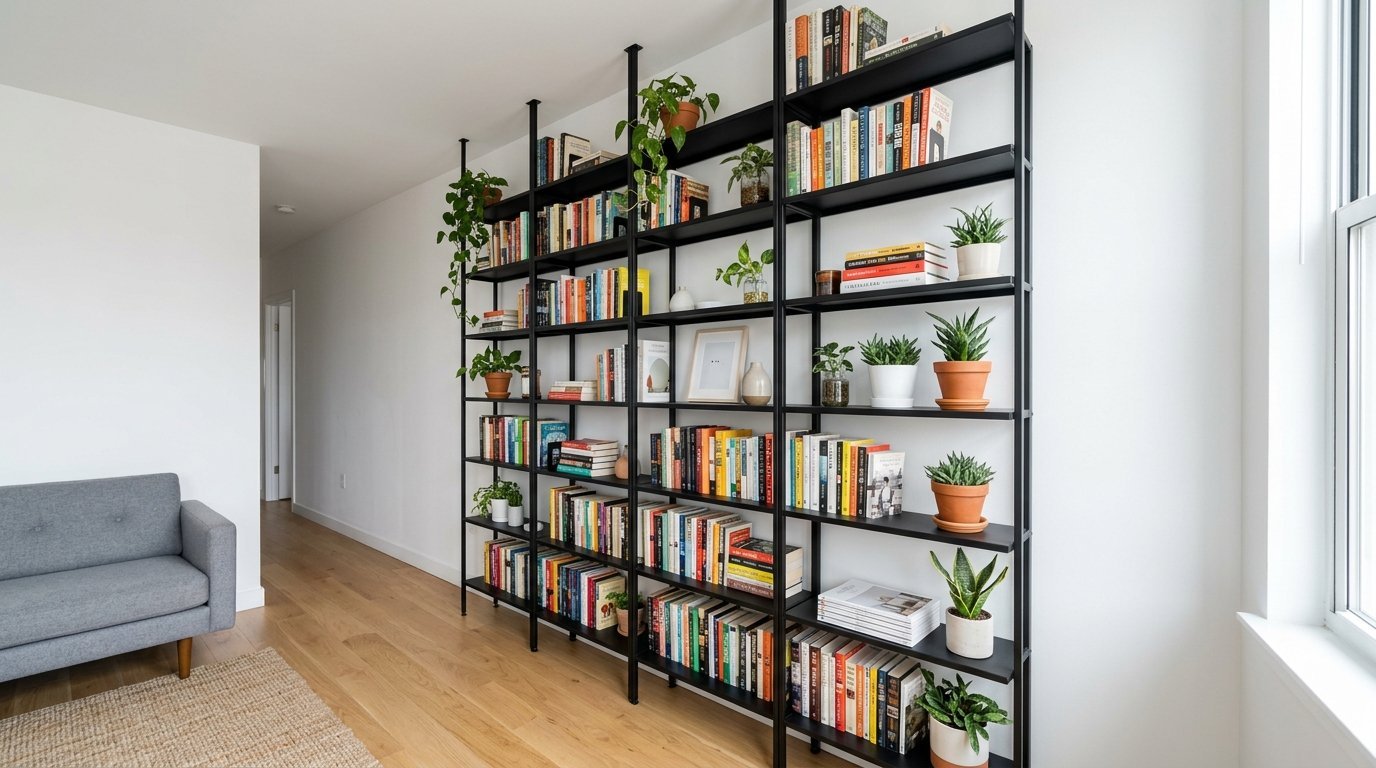
Floor space is precious. Stop using bulky bookcases that sit on the ground. Use the walls. Floating shelves or tall wall units draw the eye upward. This makes your ceilings look higher.
The IKEA Elvarli system is a great choice here. It is thin and reaches the ceiling. You can store books, plants, and dishes in one spot. This keeps your dining and living items organized but off the floor. I’ve noticed that vertical lines make any room feel grander. Use the top shelves for items you rarely use. Keep daily items at eye level.
8. Use A Backless Bench For Dining Seating
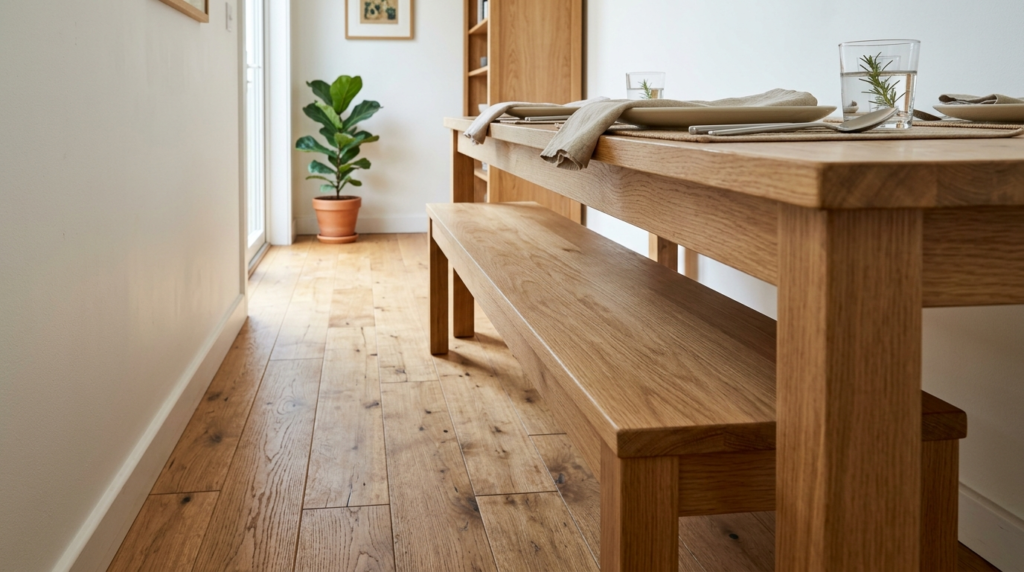
Standard dining chairs have tall backs. Four or six chair backs create a visual forest. It looks messy. Swap two chairs for a backless bench.
A bench can slide completely under the table when dinner is over. This clears the walkway instantly. It also provides a place for more people to sit during a party. I saw a family in a small townhouse use a wooden bench with sheepskin throws. It looked chic and saved three feet of floor space. It keeps the view to the living area wide open.
9. Create A Focal Point For Each Zone
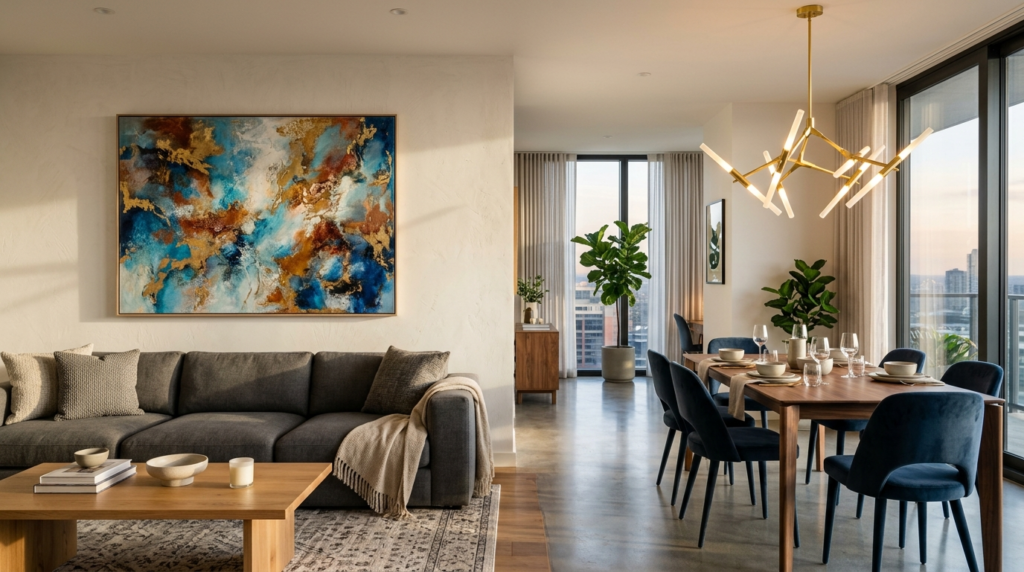
A combo room can feel like it has no soul. You need a reason to look at each area. In the living zone, use a piece of art or a TV. In the dining zone, use a statement light fixture.
I suggest a low hanging pendant light over the table. This anchors the dining spot. It says “this is where we eat.” Without a focal point, the furniture just floats. I tried this in my own home with a large abstract painting. It gave the seating area a sense of purpose. It makes the two halves of the room feel like separate “rooms.”
10. Stick To A Monochromatic Color Palette
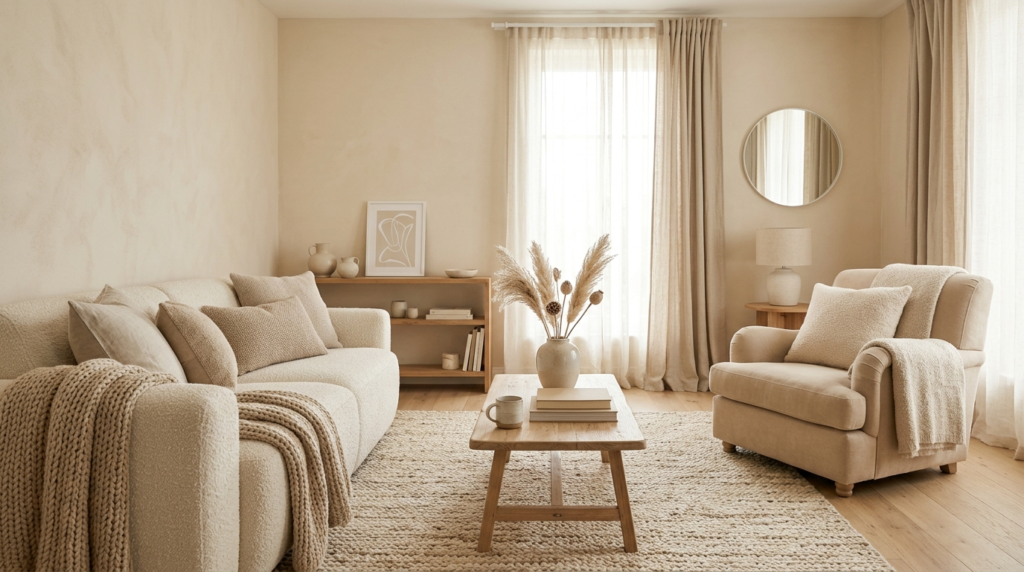
Too many colors make a small space feel hectic. If your living room is red and your dining room is blue, the walls will feel like they are closing in. Use different shades of one color.
Light greys, creams, or soft tans work best. This creates a “wash” of color that blurs the lines of the room. It makes the transition between eating and relaxing feel smooth. I used an all white palette in a tiny studio once. We used different textures like wool and linen to keep it interesting. It felt like a luxury hotel suite rather than a small apartment.
11. Use Multi Functional Ottomans As Coffee Tables
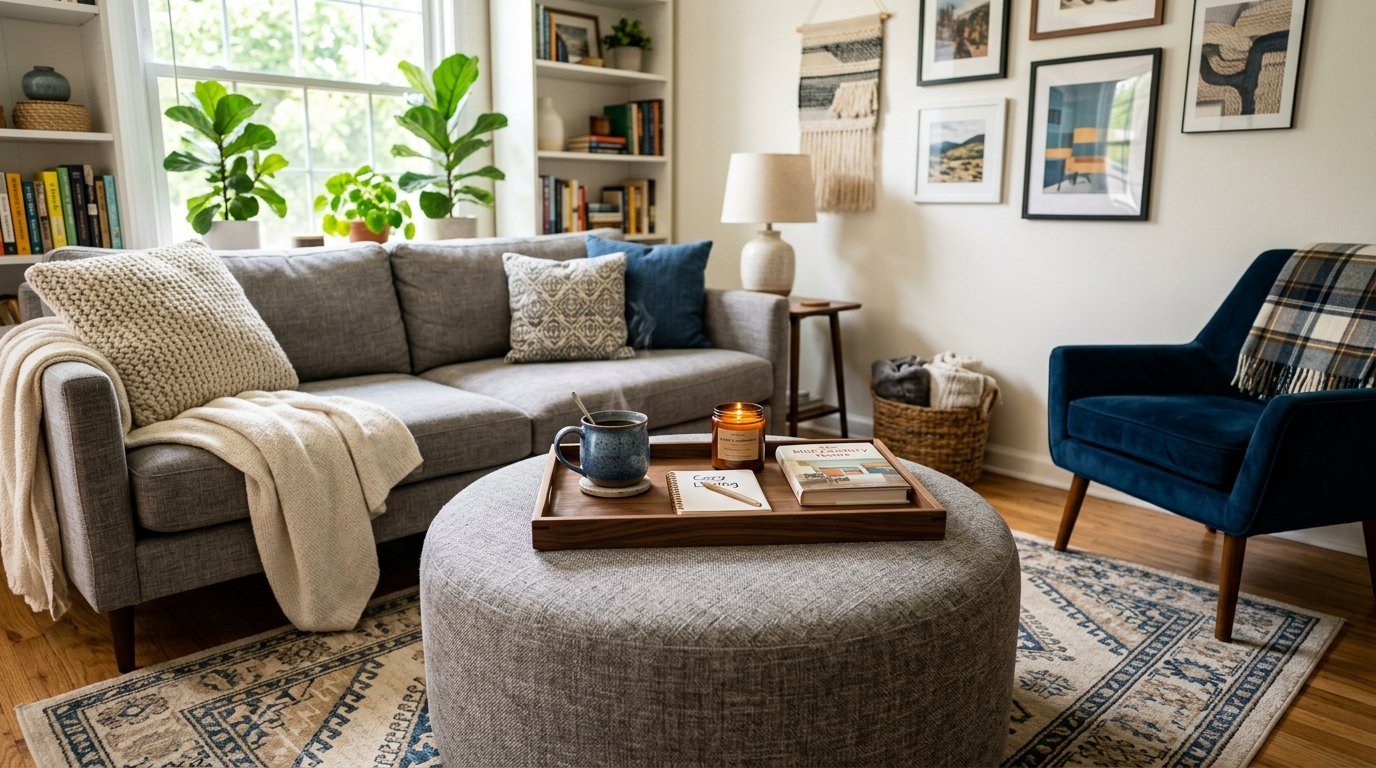
Big wooden coffee tables are space hogs. They are hard to move and serve only one purpose. Switch to a large upholstered ottoman.
You can use it as a footrest or extra seating for guests. Put a tray on top to hold drinks. If you need more floor space for a workout, just push it to the side. I’ve seen this work for parents with small kids. No sharp corners means fewer accidents. It adds a soft texture to the living zone that balances the hard lines of a dining table.
12. Position Your Dining Table Near A Window
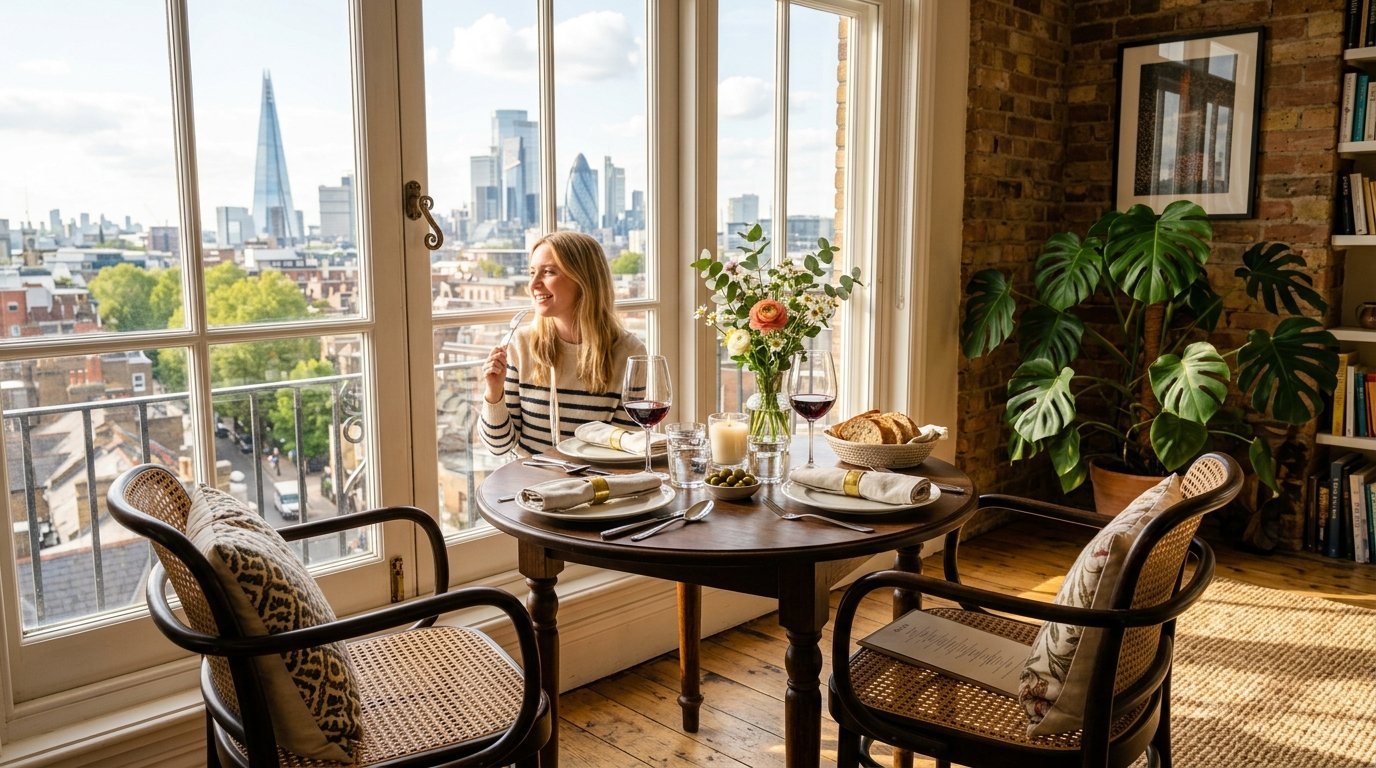
Eating in a dark corner is depressing. If you have a window, put your table there. Natural light makes the morning coffee feel better. It also makes the dining area feel like a “sunroom.”
In my experience, people use their dining table more when it has a view. If the table is tucked away in the back, it becomes a junk pile for mail. Clear the space near your best window. Even a small bistro table for two can change the vibe. It keeps the living area in the darker part of the room, which is better for watching movies anyway.
13. Incorporate A Corner Banquette
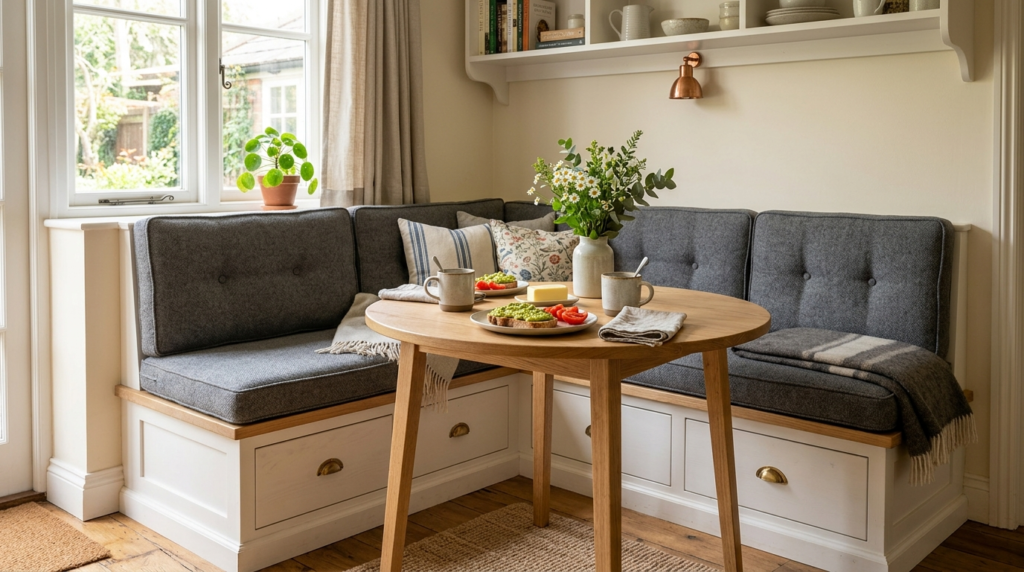
Corners are often wasted. A corner banquette or L-shaped bench uses every inch. It provides a lot of seating in a small footprint.
You can find these at places like Wayfair or Ballard Designs. They feel cozy and private. I used a custom built banquette in a kitchen combo last year. We added storage drawers under the seats. It held all the holiday dishes and extra linens. It turned a useless corner into the most popular spot in the house. It frees up the rest of the room for the living setup.
14. Keep Pathways Clear And Wide
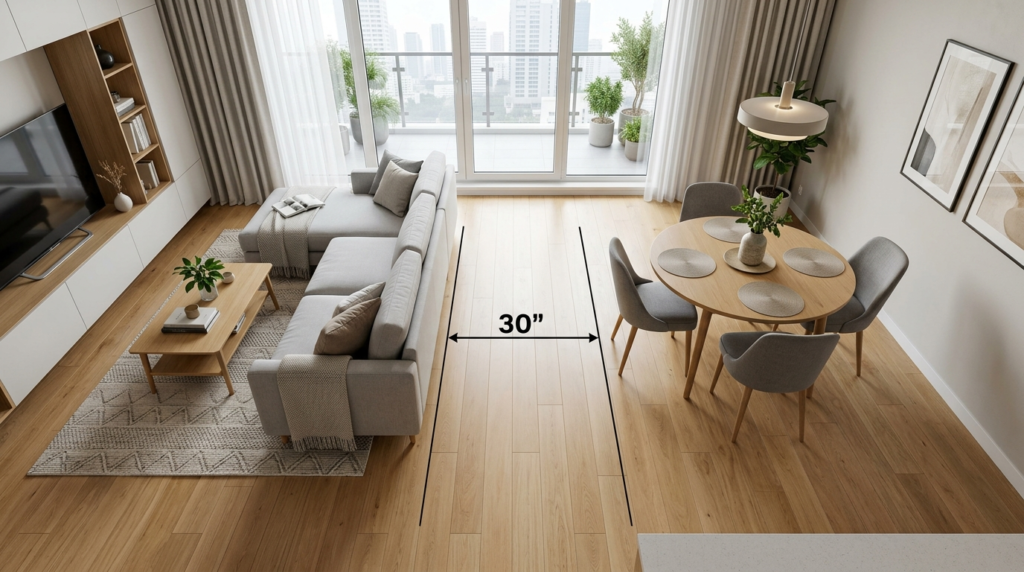
The biggest mistake in a combo room is blocking the path. You should be able to walk from the door to the window without dodging furniture. Aim for at least 30 inches of walking space.
I use blue painters tape to map out my floor plans. Tape the outline of the furniture on the floor. Walk through it for a day. If you hit the tape, the furniture is too big. This simple test saved me from buying a massive dining set that would have ruined my flow. It ensures the room feels easy to live in.
15. Use Sconces Instead Of Floor Lamps
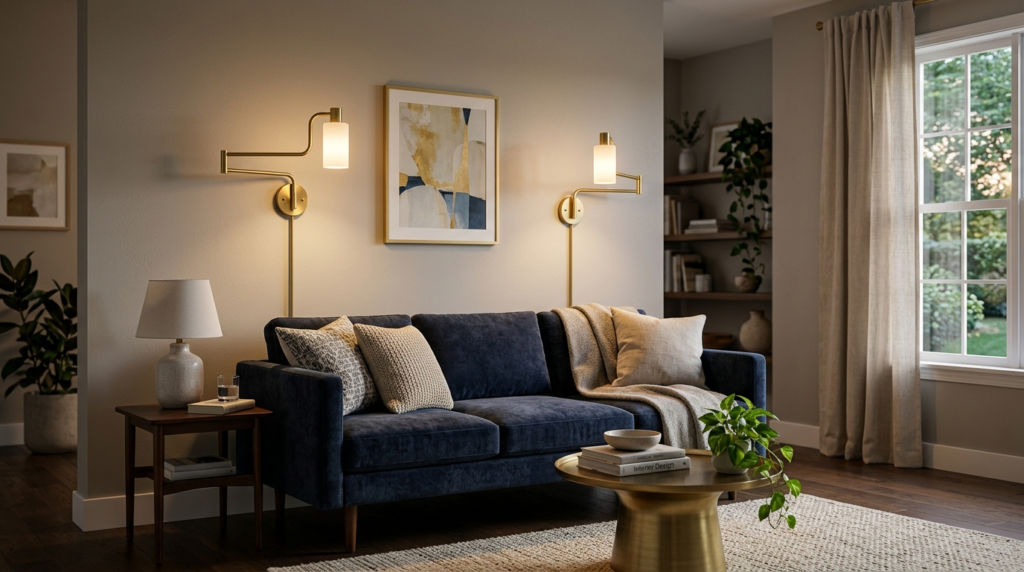
Floor lamps have bases that take up floor space. They also have cords that look messy. Wall sconces are a game changer. They provide light without touching the ground.
Plug in sconces are great for renters. You hang them like a picture frame. Place them over the sofa or next to the dining table. This keeps your side tables clear for books or drinks. I noticed that high lighting makes the walls feel wider. It adds a layer of “richness” to the design that simple overhead lights lack.
16. Select Armless Dining Chairs
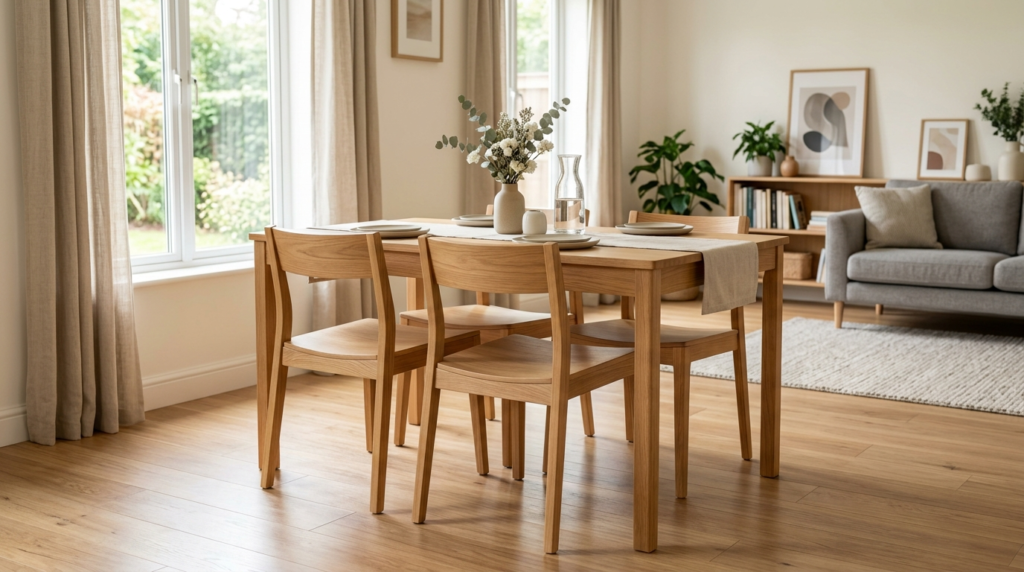
Dining chairs with arms are wider. They often do not tuck under the table fully. Armless chairs are slim and take up less visual space.
You can fit four armless chairs in the space of three armed chairs. I like the “S” style chairs or simple wooden spindle chairs. They look light and airy. In a small combo, every inch counts. Removing the arms from your chairs can save you a foot of space across the table. It makes the dining zone look much less crowded.
17. Add A Drop Leaf Table For Flexibility
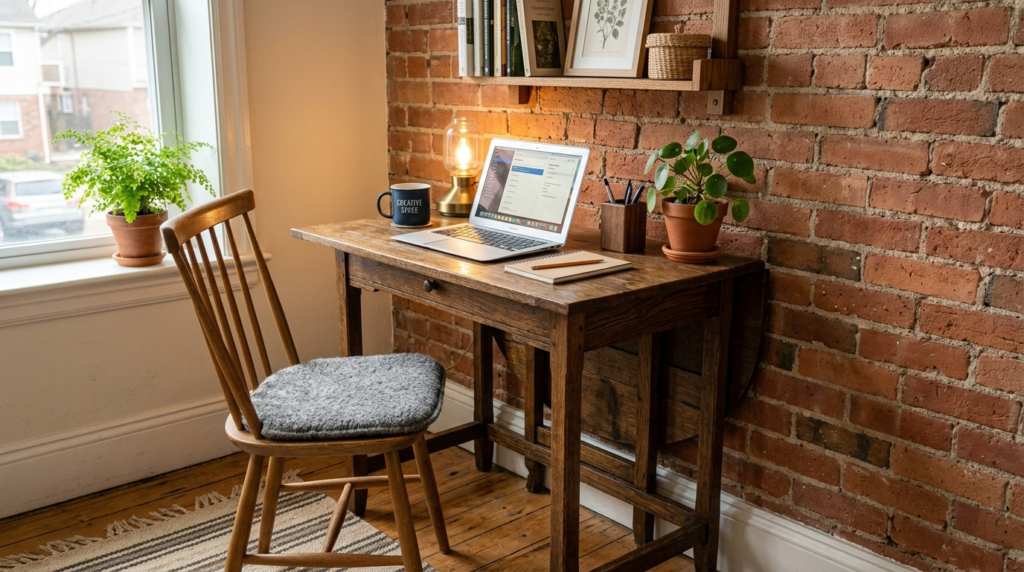
If you live alone but host friends, get a drop leaf table. It stays small for your daily life. You can fold the sides down and push it against a wall.
When guests come over, pull it into the center and lift the leaves. It goes from a two person desk to a six person table in seconds. IKEA has the Norden gateleg table which is a classic for this. I have used it as a craft table, a dining table, and a sideboard. It is the ultimate tool for a flexible living space.
18. Leverage The Power Of Scale
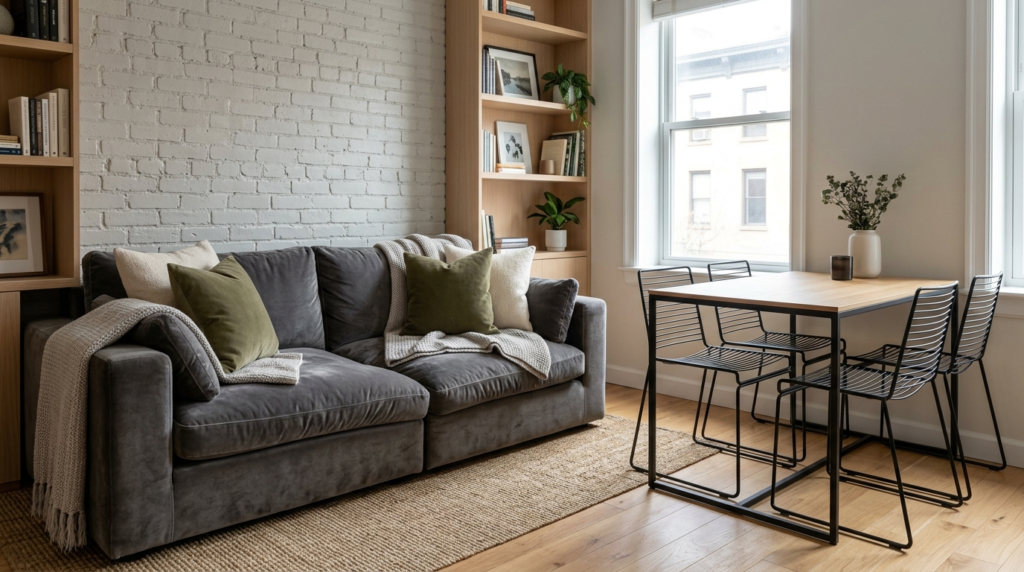
Size matters. Do not put a tiny rug under a big table. Do not put a giant lamp on a tiny table. Everything should feel like it belongs together.
I suggest picking one “hero” piece and keeping the rest small. Maybe you have a large, comfortable sofa. Keep the dining set very light and minimal. If you have a beautiful antique dining table, use a slim loveseat instead of a sectional. This balance prevents the room from feeling like a furniture showroom. It creates a hierarchy that is pleasing to the eye.
19. Integrate Hidden Storage Everywhere
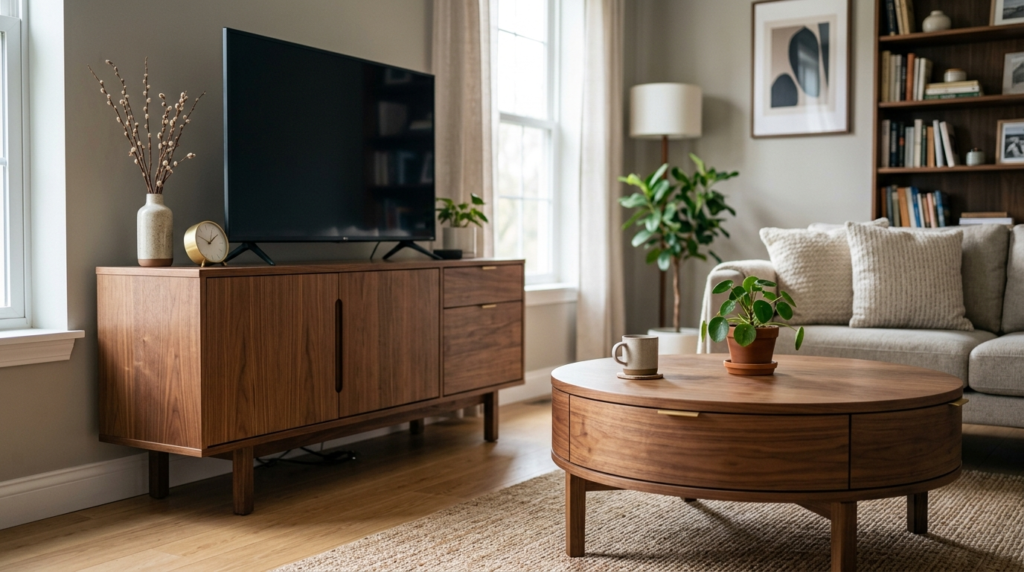
Clutter is the enemy of the small combo. If you see piles of paper or toys, the room feels tiny. Use furniture that hides your stuff.
Pick a coffee table with drawers. Use a TV stand with closed cabinets. I once saw a client use a vintage trunk as a coffee table. It held all their extra blankets and pillows. Closed storage keeps the visual lines clean. When the mess is hidden, the room feels calm and spacious. I try to find pieces that do two jobs at once.
20. Use Wallpaper To Anchor One Side
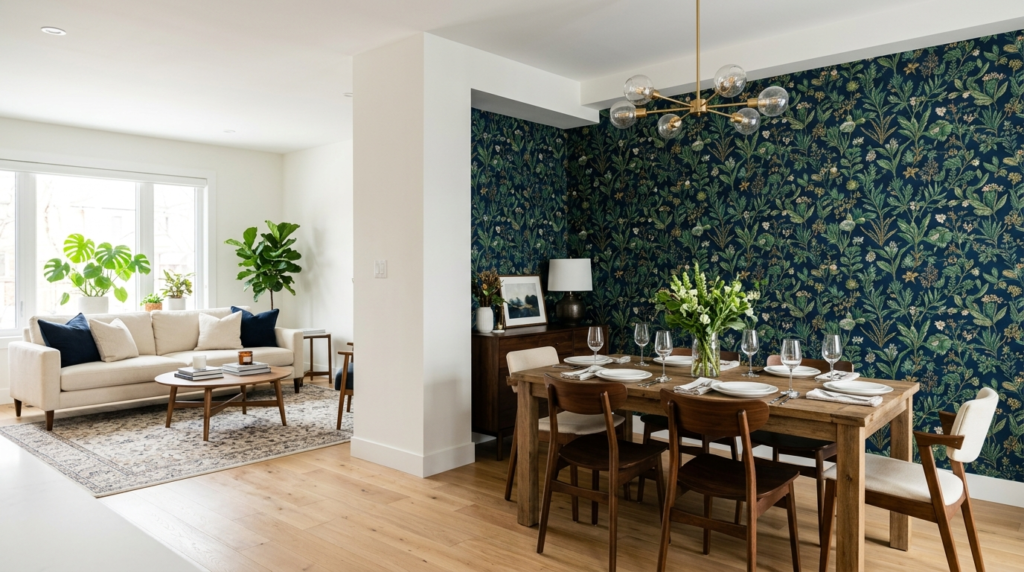
Sometimes a rug is not enough. You can use a bold wallpaper on the wall behind the dining table. This creates a “feature wall” that locks that zone in place.
It tells the brain that this specific wall is for dining. Peel and stick wallpaper is perfect for this. I used a dark floral print in a small condo dining nook. It made the area feel like a fancy restaurant. The living side remained neutral with white walls. This contrast creates a clear mental break between the two spaces.
21. Bring In Tall Plants For Natural Dividers
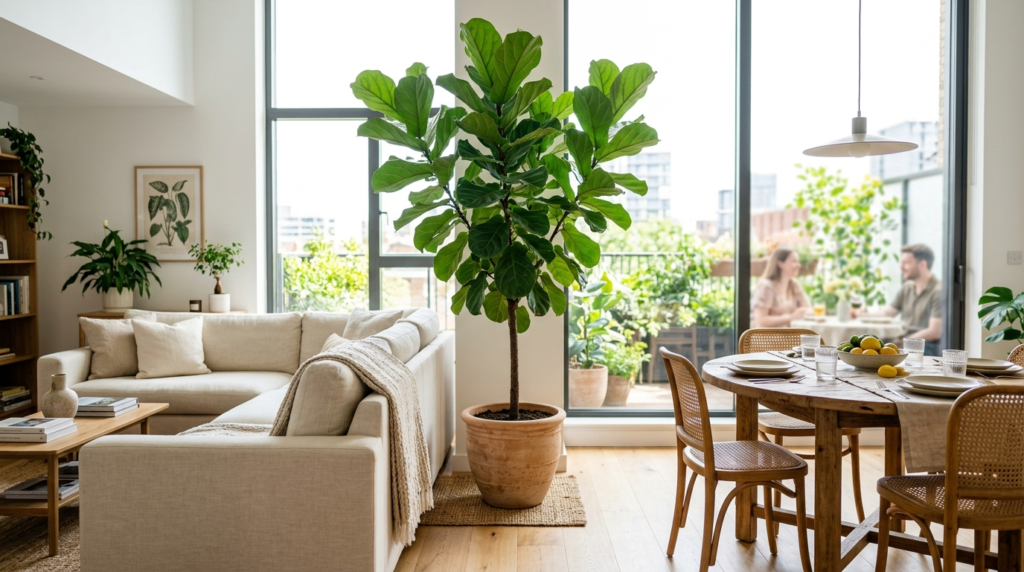
Plants add life and color. They also act as soft dividers. A tall fiddle leaf fig or a snake plant can sit between the sofa and the table.
It provides a screen that doesn’t block the light. It feels more natural than a folding screen or a bookshelf. I’ve seen a row of three tall planters used to separate a living area from a dining nook. It looked like a garden wall. It brings a sense of peace to a busy, multi use room.
Furniture Comparison For Small Combos
| Furniture Type | Best For | Space Saving Level | Why It Works |
| Round Pedestal Table | Small Families | High | No corner bumps, more leg room. |
| Armless Chairs | Tight Spaces | Medium | Tucks fully under the table. |
| Nesting Tables | Living Zones | High | Offers three tables in the footprint of one. |
| Backless Bench | Casual Dining | Very High | Hides under the table when not in use. |
| Acrylic Desk | Work Nooks | High | Virtually invisible, stays airy. |
Frequently Asked Questions
How do I arrange furniture in a long narrow room?
Divide the room into thirds. Put the living area at one end and the dining area at the other. Keep the middle third mostly clear as a walkway. Use rugs to anchor each end. This prevents the “bowling alley” look. I find that placing the sofa perpendicular to the long wall helps break up the space.
Should the dining table match the coffee table?
They do not need to match perfectly. In fact, matching sets can look a bit dated. Try to keep one common element. Maybe they both have black metal legs. Or maybe they are both made of light wood. This creates a “vibe” without being too matchy. It makes the room feel more curated and human.
How big should my rug be for a combo room?
The rug should be large enough that all furniture legs sit on it. For a dining room, the rug needs to be at least 24 inches wider than the table on all sides. This allows chairs to stay on the rug when pulled out. In the living zone, a 5×8 or 8×10 rug usually works best.
Can I put a TV in a dining area?
You can, but it often makes the space feel like a sports bar. If you must have a TV, try to keep it in the living zone. Use a swivel mount if you want to see it from the dining table. This keeps the zones distinct. I prefer a nice piece of art in the dining area to keep the focus on conversation.
Is a sectional too big for a small combo?
Not always. A small L-shaped sectional can actually save space by fitting into a corner. It provides more seating than a sofa and chair. Just make sure the “chaise” part does not block the path to the dining table. Measure twice before you buy. I have seen sectionals ruin a room because they were just four inches too long.
Moving Forward With Your Space
Creating a combo room is about balance. You do not have to sacrifice style for function. Start with the layout. Map it out with tape. Pick furniture that is light, clear, or multi functional. Use rugs and lighting to tell the story of each zone.
In my experience, the best homes are the ones that feel easy to move through. Take your time. Buy one piece at a time. See how it feels in the light. Your small room has a lot of potential. With these 21 ideas, you can turn a cramped apartment into a smart, beautiful home. What is the one thing in your room that feels too big right now? Start there. Change it out for something smarter. You will feel the difference the moment you walk through the door.
Sloane Whitaker is the Editor-in-Chief at Home Wall Trends, leading editorial direction with over a decade of experience in residential interior design and home styling. Her specialty is space planning and layout, the unglamorous fundamentals that make a beautiful room actually function. A graduate of the New York School of Interior Design, Sloane has styled over 200 client homes before turning her focus to digital publishing. Her editorial standard: “If a reader can’t picture themselves doing it on a Saturday afternoon, we haven’t explained it well enough.”