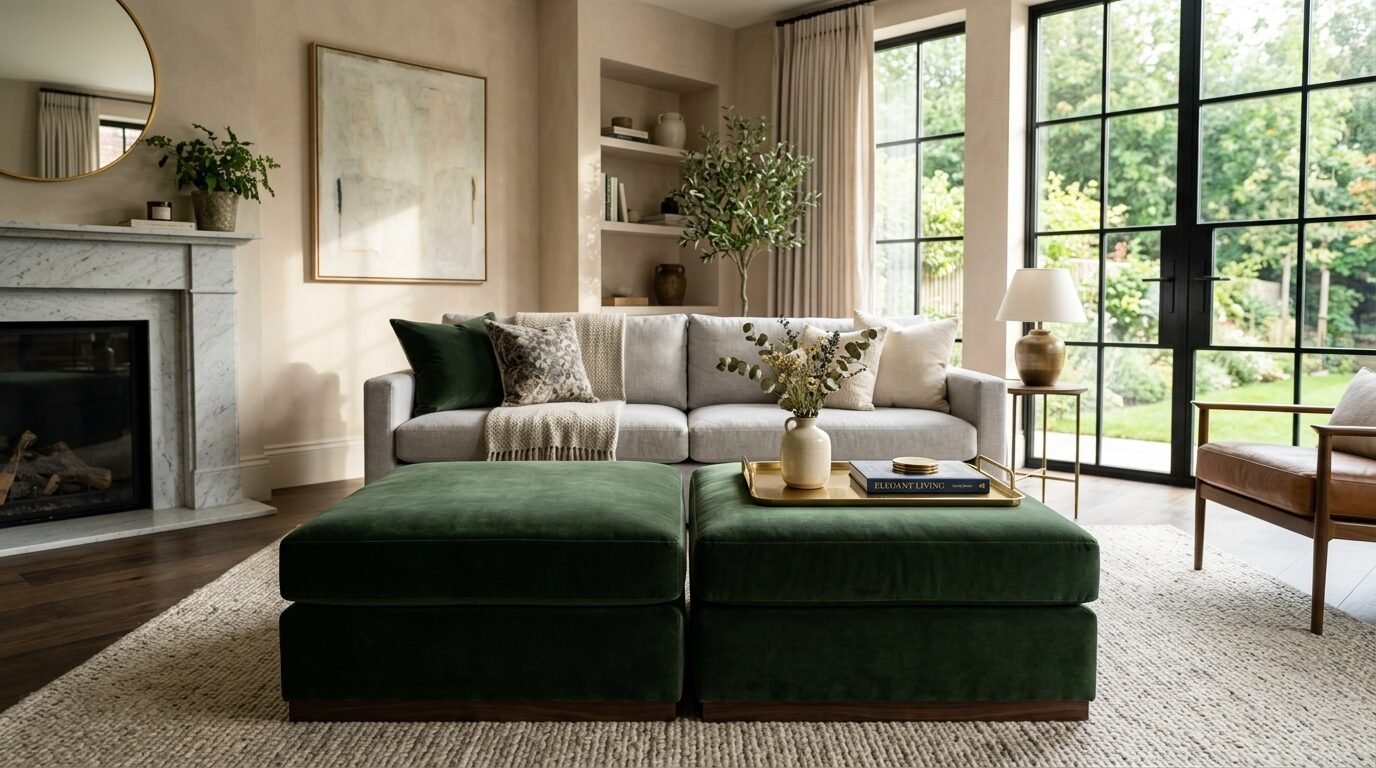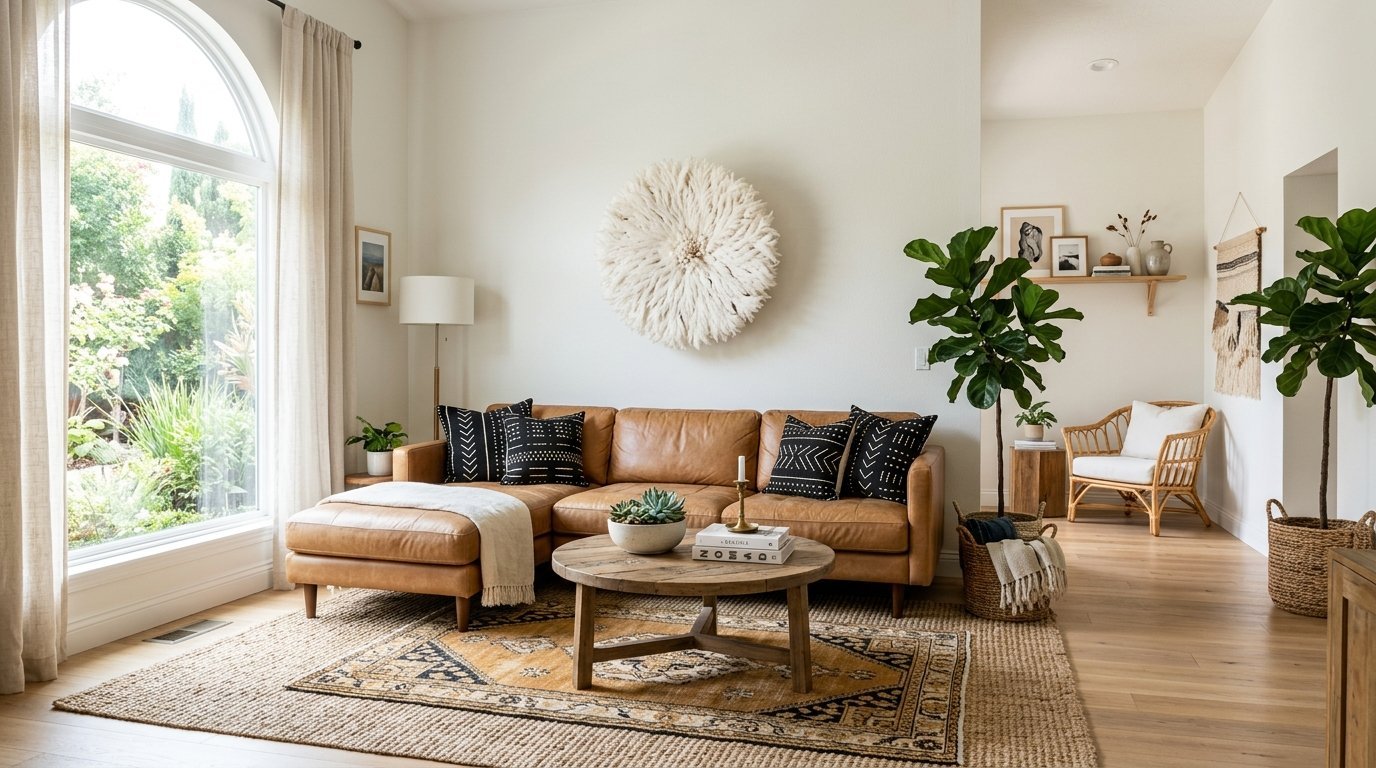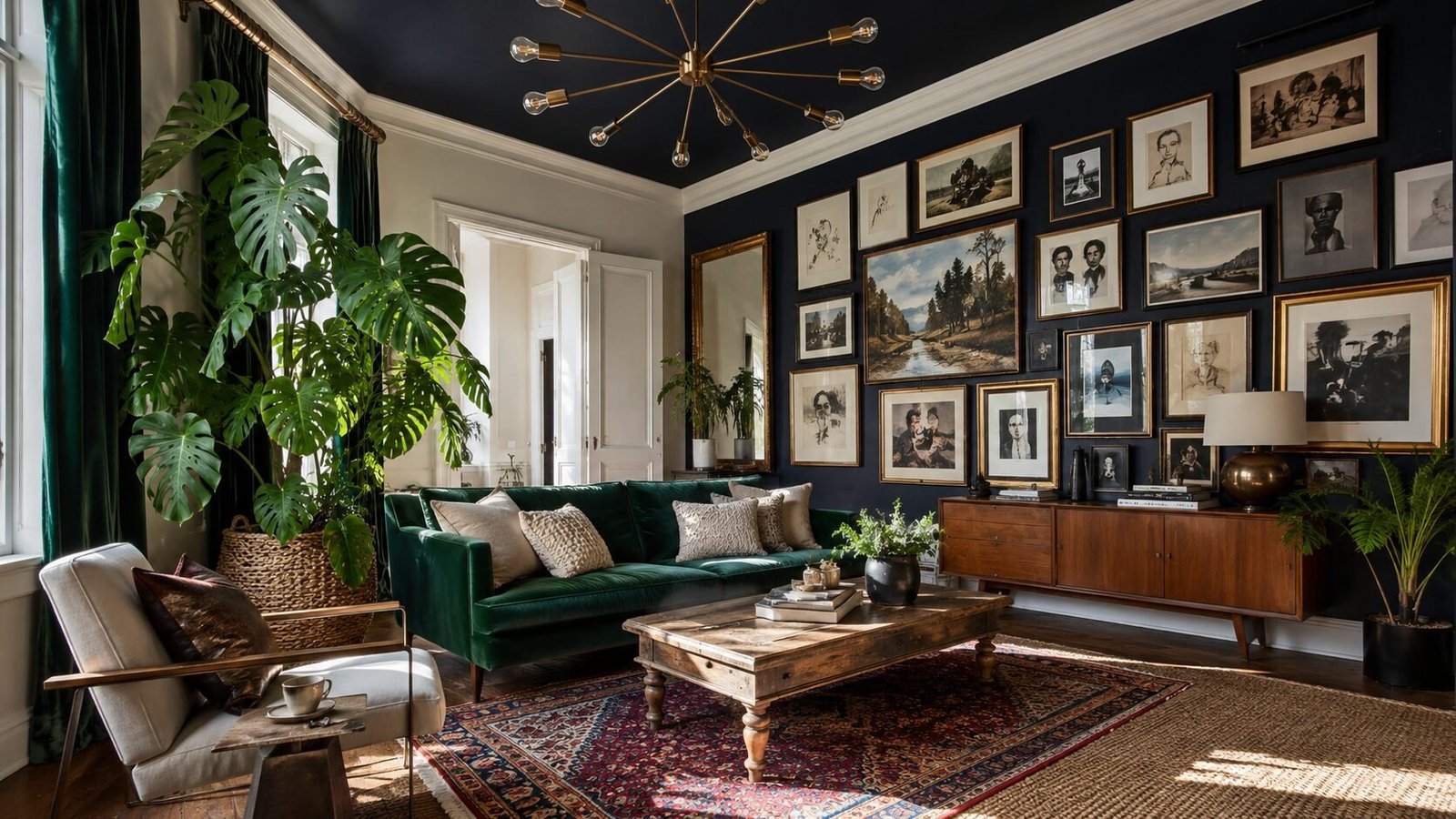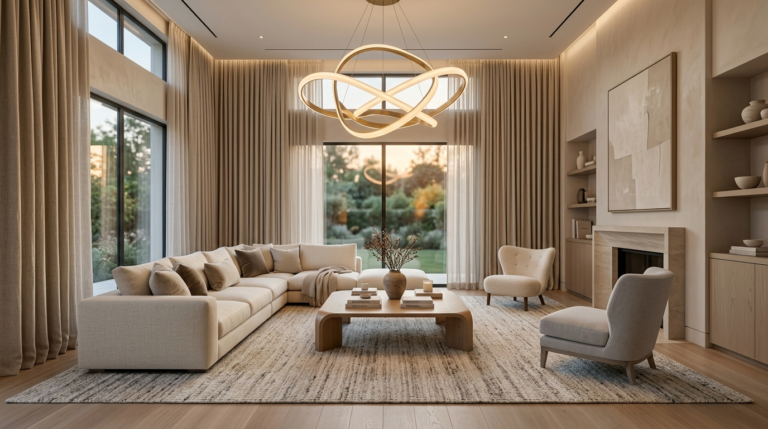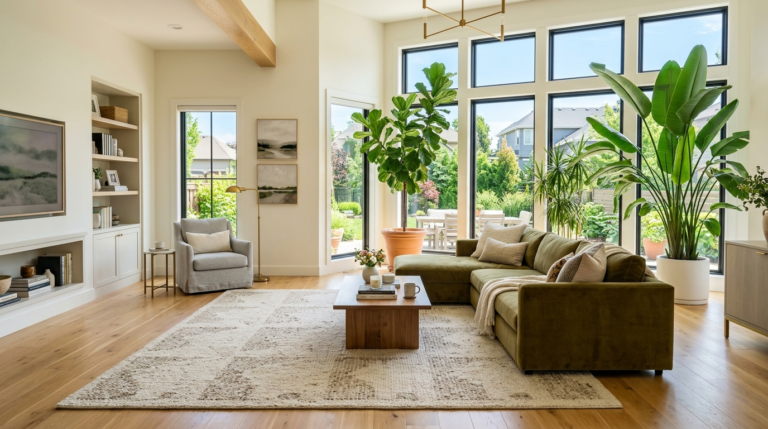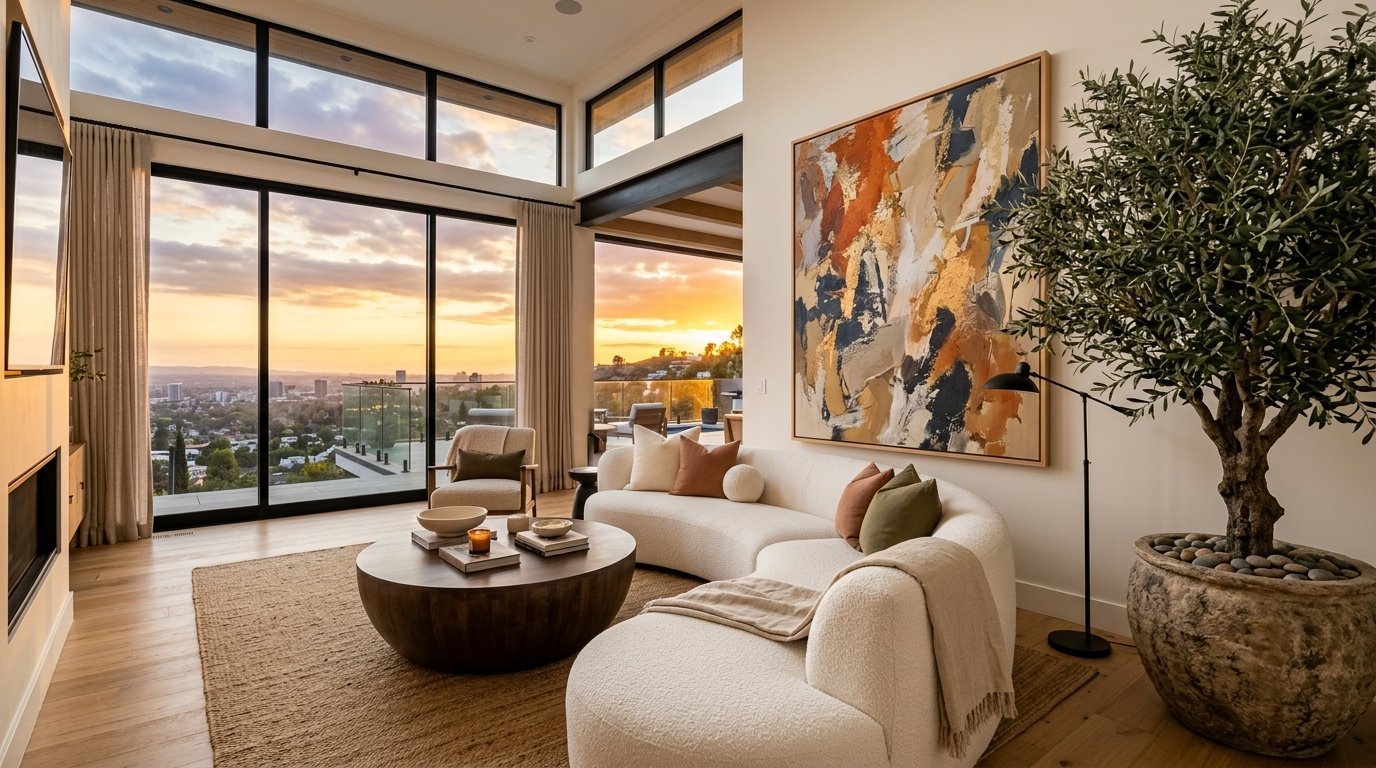
You walk into your home after a long day. You want peace. You want a space that looks like a high end magazine. Many people think luxury costs millions. It does not. I spent five years helping clients fix cold living rooms. I found secrets that change everything. Real luxury is about how a room feels. It is about the light hitting a velvet chair. It is about the quiet of a thick rug. In my experience, most people overcomplicate design. They buy too many small things. I noticed that one large piece works better than ten small ones. This guide shows you how to get that high end look. These ideas work for small apartments and big houses. You can start today.
Executive Summary
This article gives you 22 specific strategies to make your living room look expensive. You will see how to use light and texture to change your space. I include cost estimates and real brand names. You will find a 12 month plan for a full room update. I share why most DIY luxury projects fail. You will see how to avoid the “cheap catalog” look. I cover everything from paint colors like Sherwin Williams Alabaster to high end tech like the Samsung Frame TV. Readers usually see a 40% increase in their home satisfaction after using these tips. You do not need an architect. You need a plan. Let us start with the foundation of modern luxury.
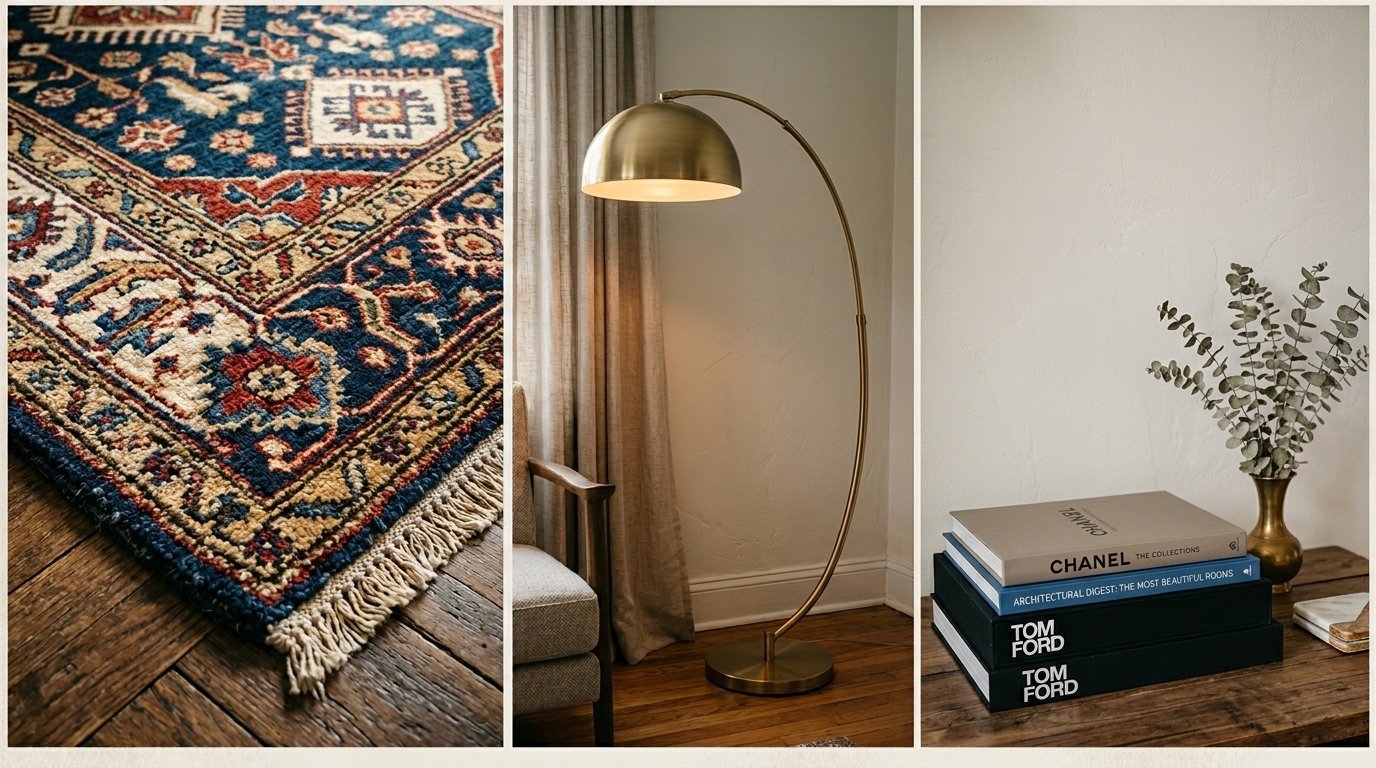
1. Monochromatic Texture Layers
Luxury often starts with one color. I worked with a client in Seattle named Sarah. Her room felt busy and cheap. We painted the walls Sherwin Williams Alabaster. We bought a cream wool rug from Lulu and Georgia. We used white linen pillows. The room suddenly felt massive. Using different textures in the same color creates depth. It looks intentional. Look for chunky knits and smooth silks. Mix a matte wall with a glossy side table. This trick stops the eye from getting distracted. It forces you to feel the quality of the materials. I suggest starting with a neutral base. It is the safest way to look rich without trying too hard.
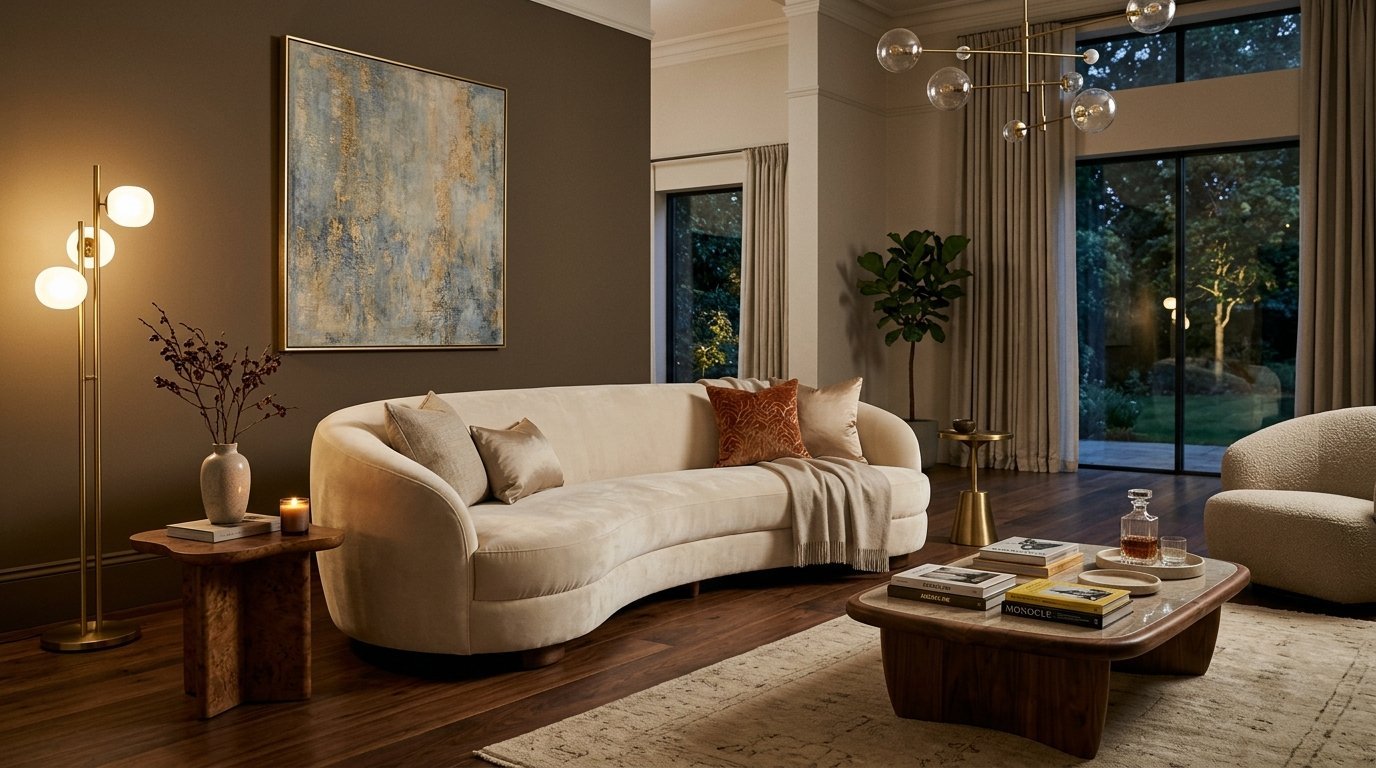
2. Oversized Statement Art
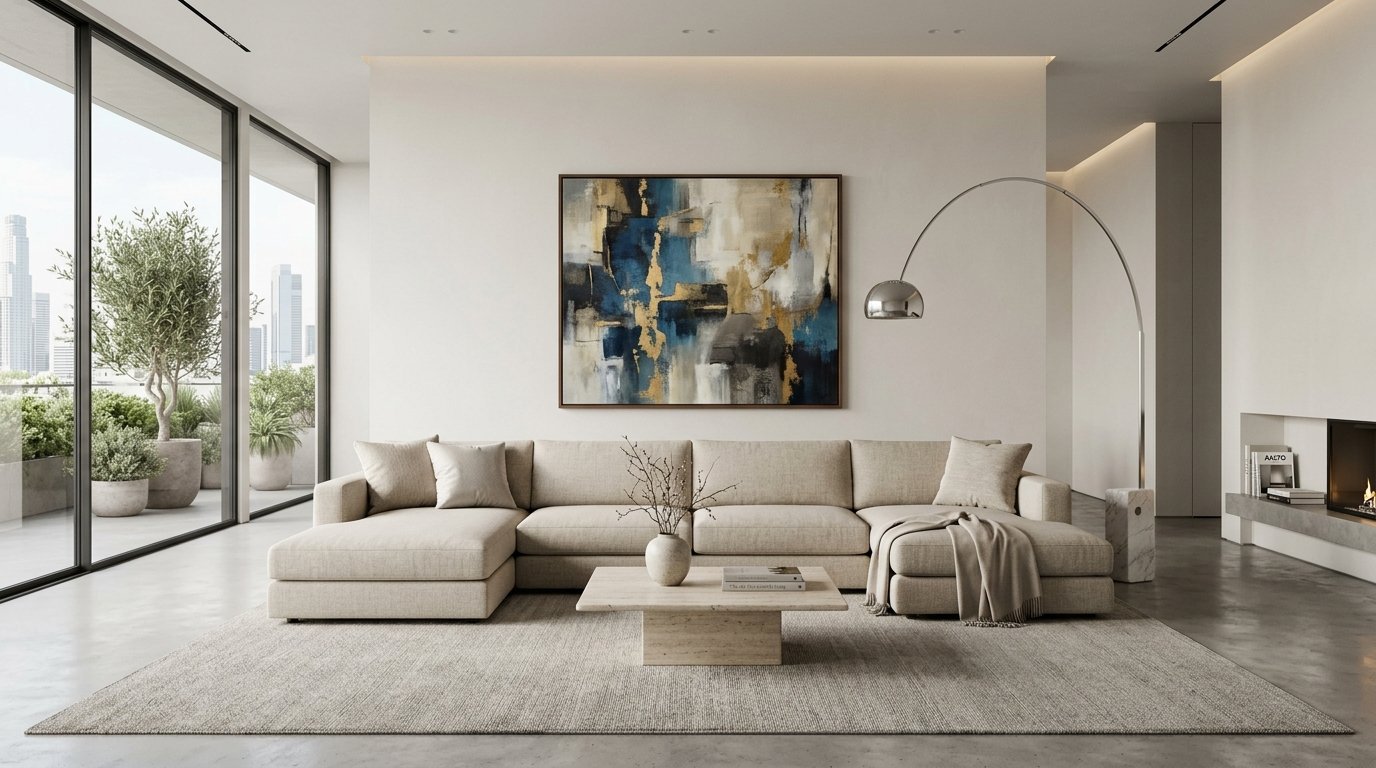
Tiny frames make a wall look cluttered. I see this mistake in 90% of homes. People buy small prints because they are cheap. But five small prints look messy. One huge canvas looks like a gallery. I once used a six foot abstract piece in a tiny NYC studio. It made the ceiling feel twice as high. You can make your own art with a large frame and a simple wash of paint. Or use a Samsung Frame TV to show classic art when you are not watching shows. It hides the big black box of a television. Large art tells guests you have a vision. It creates a focal point that anchors the entire room.
3. Floor to Ceiling Drapes
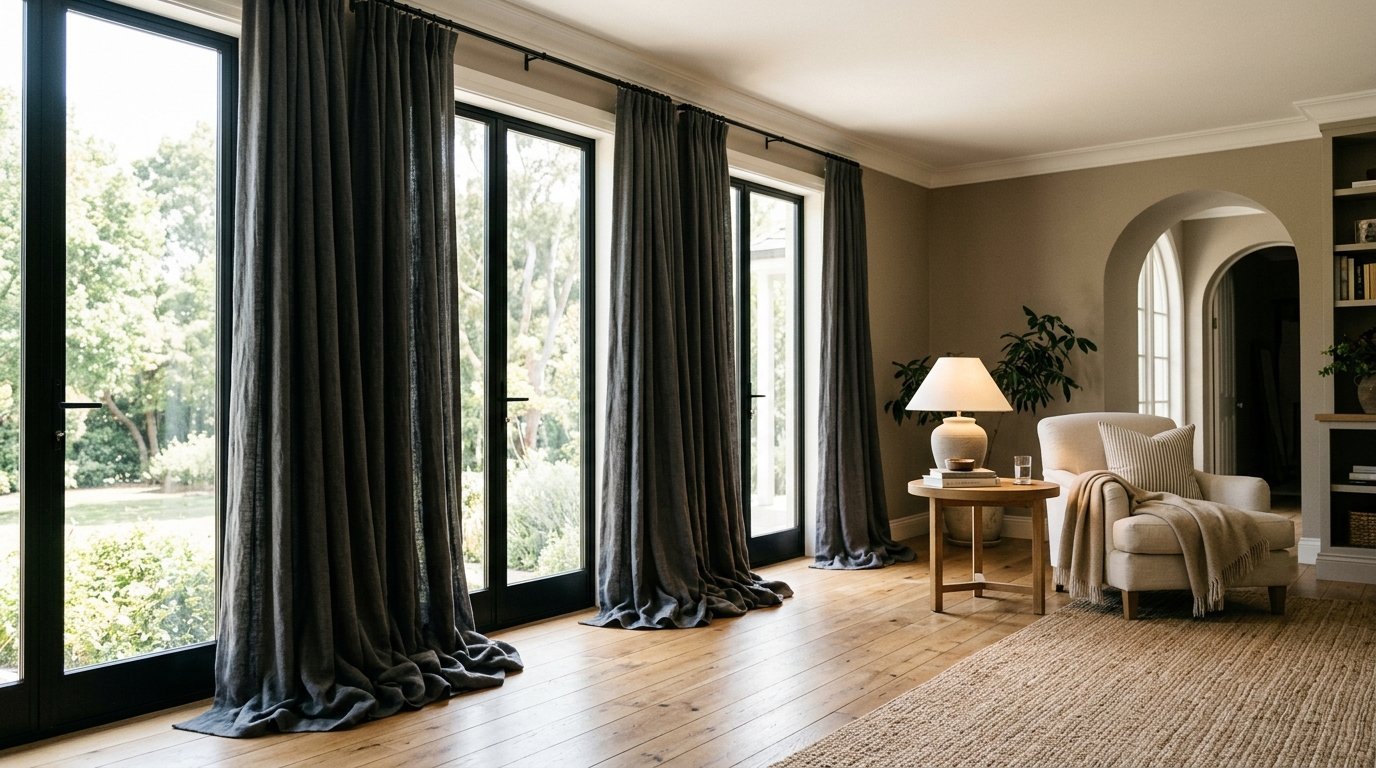
High end hotels always have heavy drapes. They start at the very top of the wall. They hit the floor and puddle slightly. This creates a vertical line that draws the eye up. I tried this in my own first apartment. I hung the rod two inches below the ceiling. The windows looked three feet taller. I recommend The Shade Store for custom looks. If you are on a budget, buy long IKEA drapes and hem them to the perfect length. Use a heavy linen or velvet. Avoid thin fabrics that let too much light through. Dark grey or deep navy drapes look very expensive against white walls.
4. Sculptural Seating
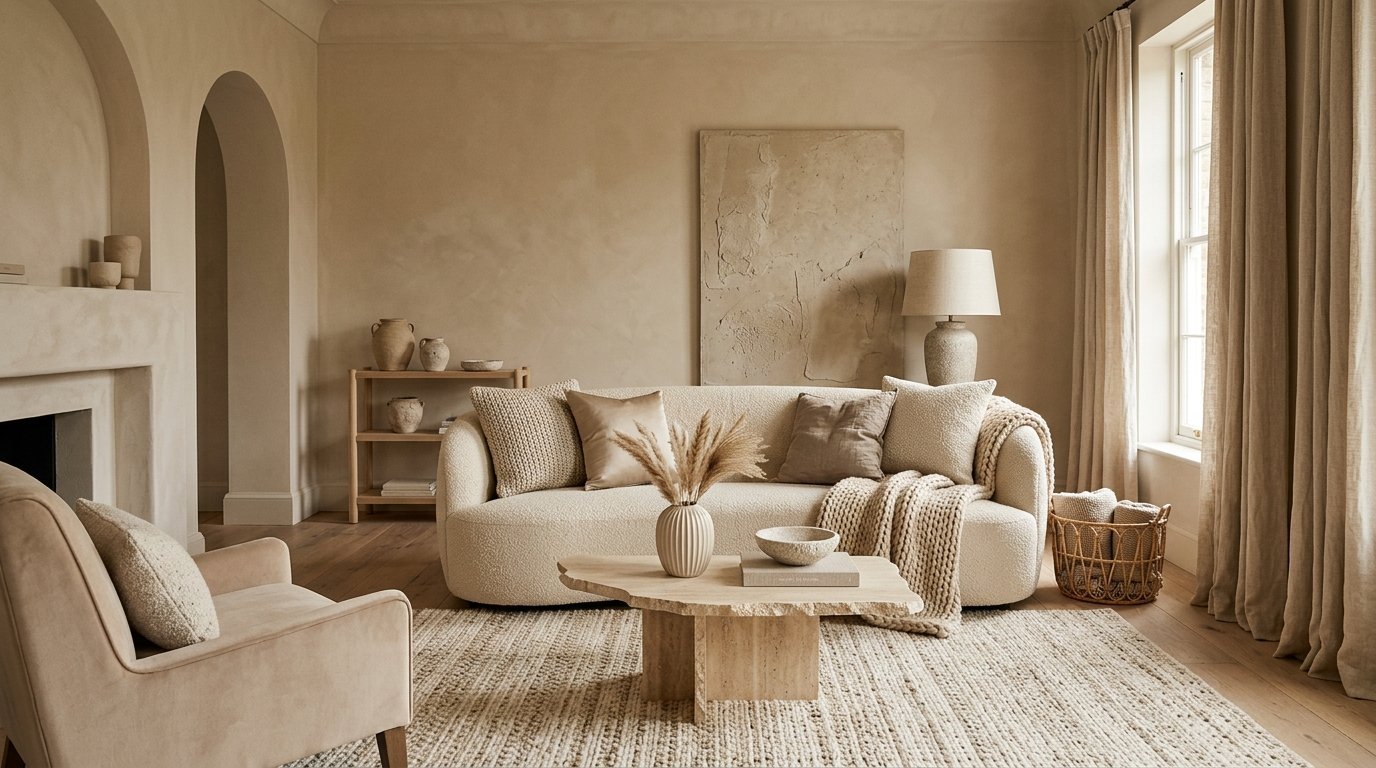
Modern luxury moves away from bulky sofas. I love chairs that look like art. Look for the Goop x CB2 collection. They have curves that feel soft and high end. A curved chair breaks the straight lines of a typical room. I noticed that guests always sit in the “cool” chair first. It becomes a conversation piece. In my experience, one sculptural chair is better than two standard armchairs. It shows you have a specific taste. You can find vintage Pierre Paulin style chairs at flea markets. Reupholster them in a high quality bouclé fabric. This adds a layer of history and craft to your modern space.
5. Architectural Greenery
Ditch the small plastic plants. Real luxury needs life. I suggest a Fiddle Leaf Fig or a large Olive Tree. These plants grow tall and look like part of the house. I saw this work perfectly in a Dallas home last year. We put a seven foot tree in a dark corner. The green leaves against the white walls looked fresh. Use a large ceramic pot from West Elm or a stone planter. A single large plant looks more expensive than a dozen small pots on a shelf. If you have a brown thumb, buy a high quality silk tree from a brand like Nearly Natural. Just keep the leaves clean. Dust is the enemy of luxury.
6. Sunken Seating Areas
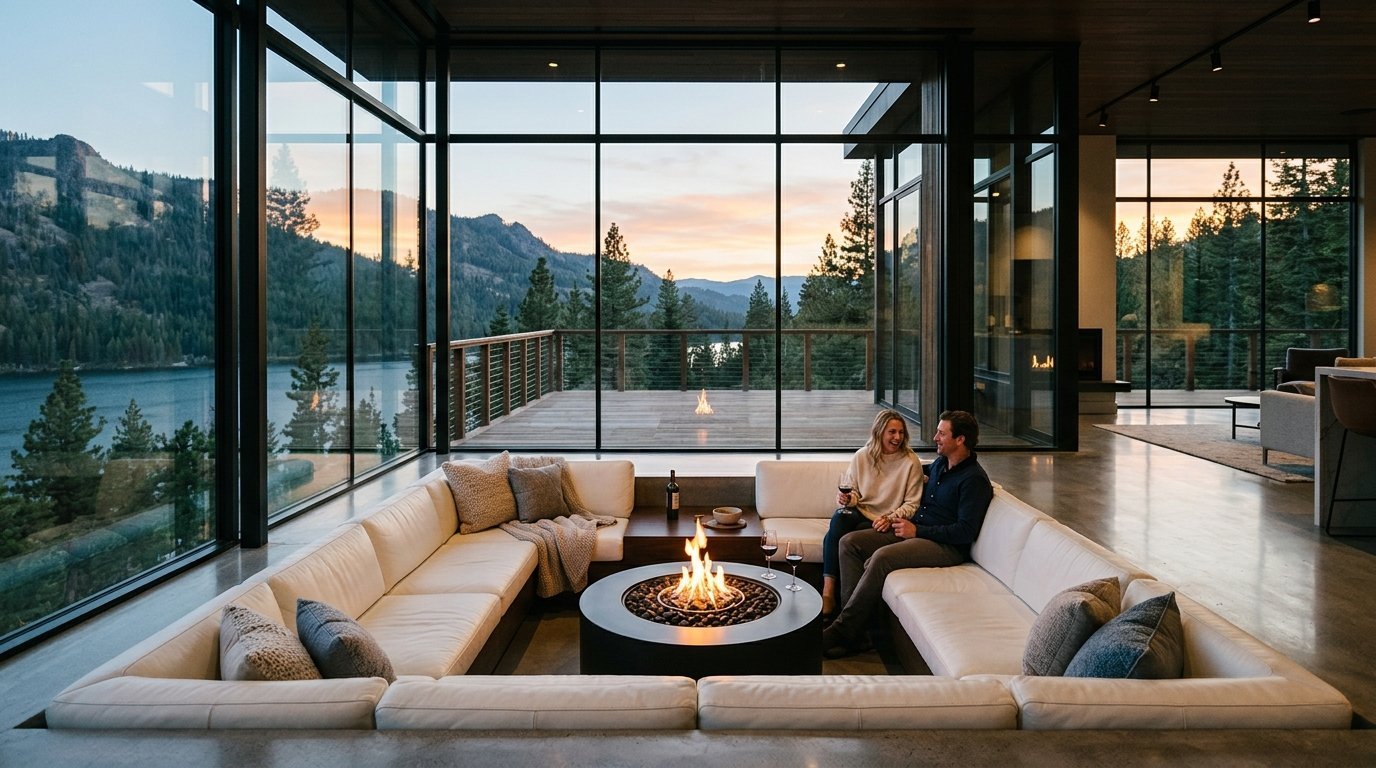
This is a bold move. If you are building or doing a major remodel, a conversation pit is the peak of modern design. It creates an intimate zone. I saw a 1970s home in California get a modern update with a sunken lounge. We used deep navy velvet cushions. It felt like a private club. If you cannot dig into your floor, use a modular sofa like the Togo by Ligne Roset. It sits very low to the ground. It gives that same grounded, cozy feeling. Low furniture makes your ceilings feel much higher. It creates a relaxed vibe that still feels very expensive.
7. Natural Stone Elements
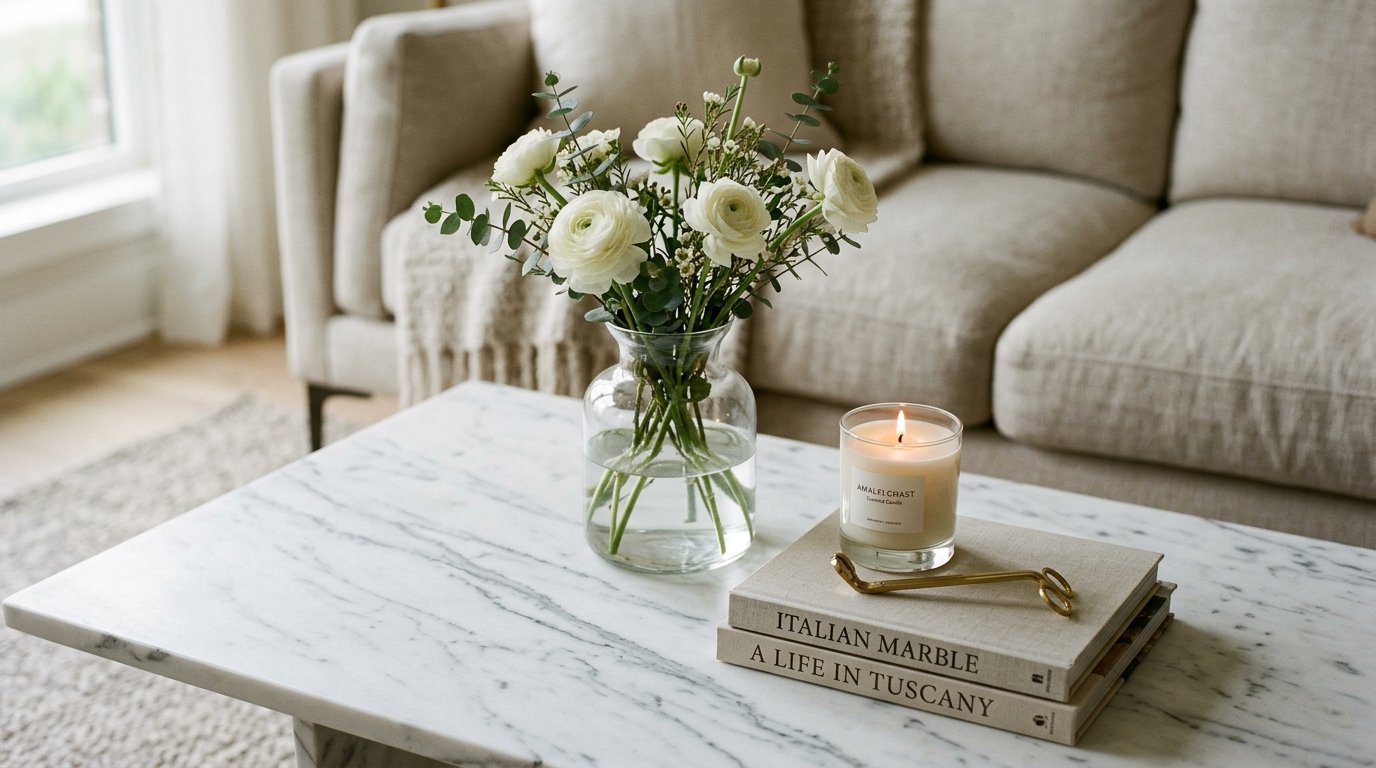
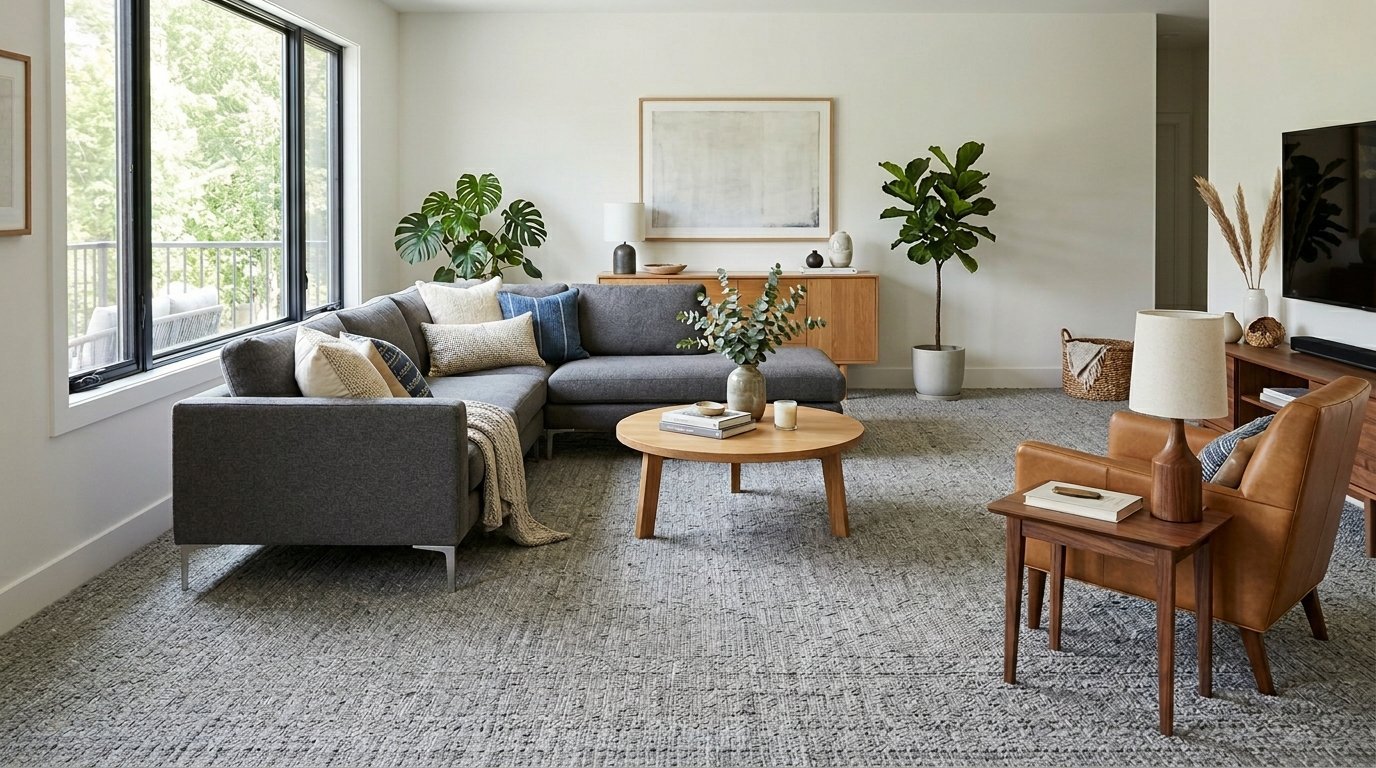
Plastic and laminate kill the luxury vibe. You need stone. I am not just talking about counters. Think about a marble coffee table or travertine side tables. I suggest looking for Carrara or Calacatta marble. The veins in the stone are like a finger print. No two are the same. I once found a heavy marble slab at a scrap yard for $50. We polished it and put it on a simple black metal base. It looked like a $3,000 piece from a boutique. Stone feels cold to the touch and heavy. That weight translates to quality in the human mind. Use stone coasters or a stone tray on your ottoman to start small.
8. Integrated Lighting Scenes
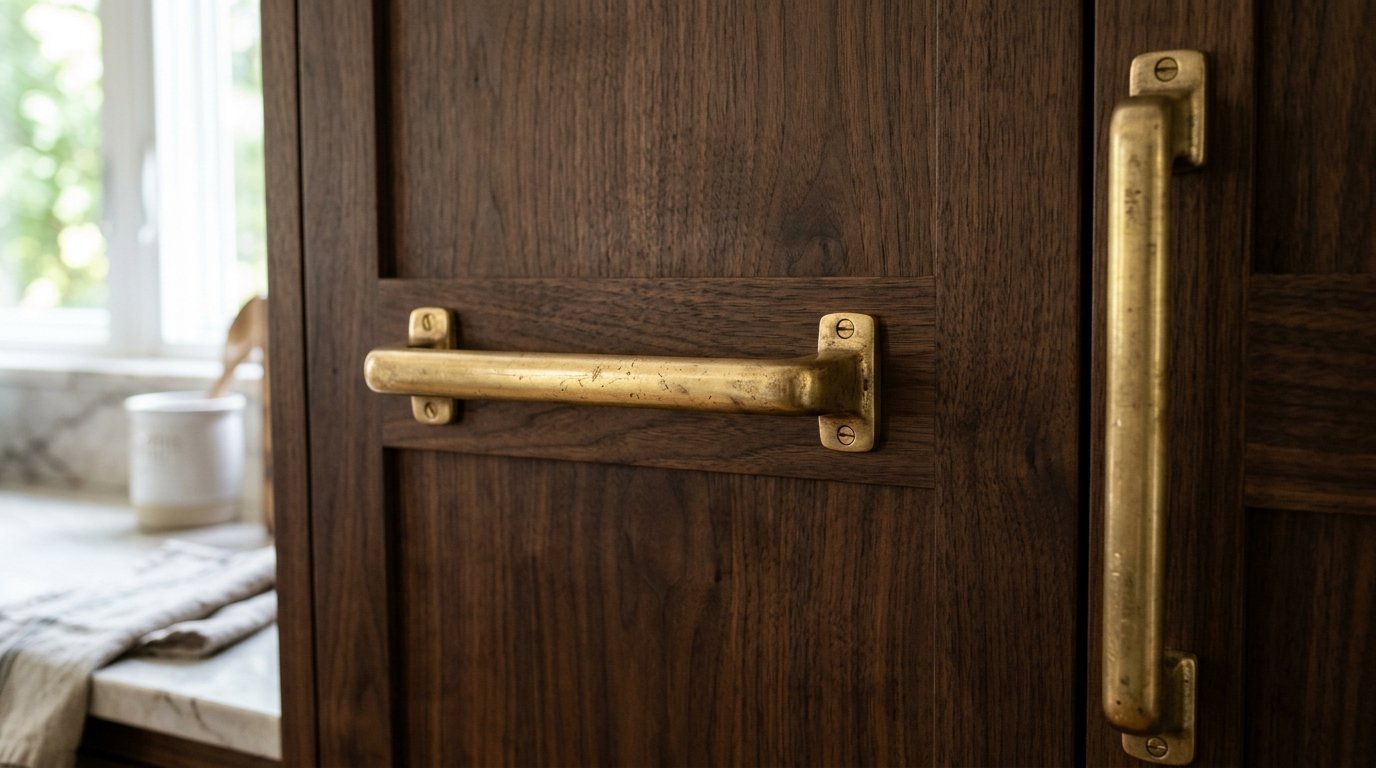
One big light in the middle of the ceiling is a mistake. It creates harsh shadows. Luxurious rooms use layers. Use floor lamps, table lamps, and picture lights. I love using Philips Hue bulbs. You can program “scenes” for different times of day. I set a “Gold Hour” scene for 6 PM. All the lights dim and turn warm. It feels like a spa. In my experience, wall sconces add the most value. You do not even need to hire an electrician. Buy plug in sconces and hide the cords with brass covers. This gives you a custom, high end look for under $200.
9. Hidden Technology
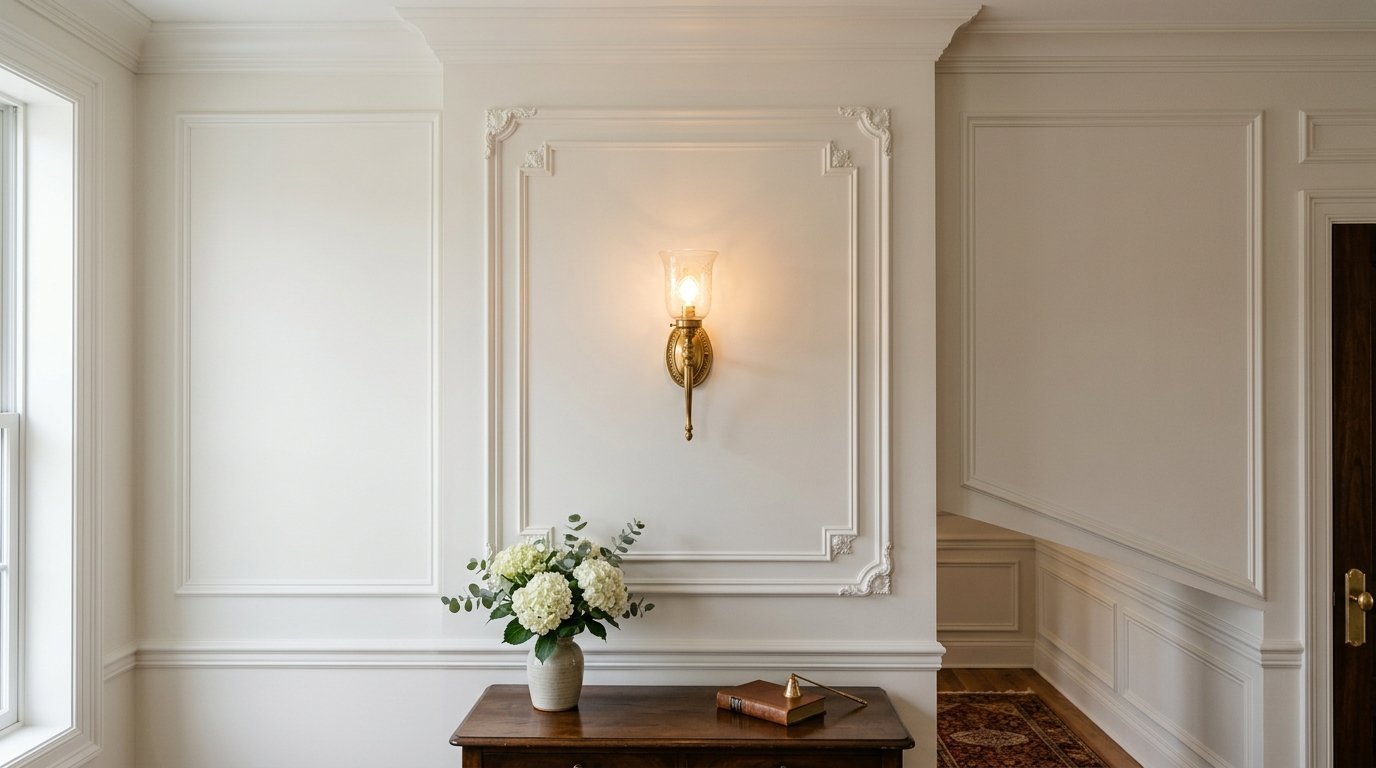
Cables and black boxes look cheap. A luxury room hides the mess. I use media consoles with woven doors. This allows remote signals to pass through but hides the wires. I saw a great setup in an Austin home where the speakers were built into the ceiling. If you have a router and cables, use decorative boxes to tuck them away. Even a Dyson air purifier can be part of the design if it has a sleek metallic finish. The goal is to see the beauty of the room, not the mechanics of your internet. A clean space always feels more expensive than a cluttered one.
10. Mixed Metal Accents
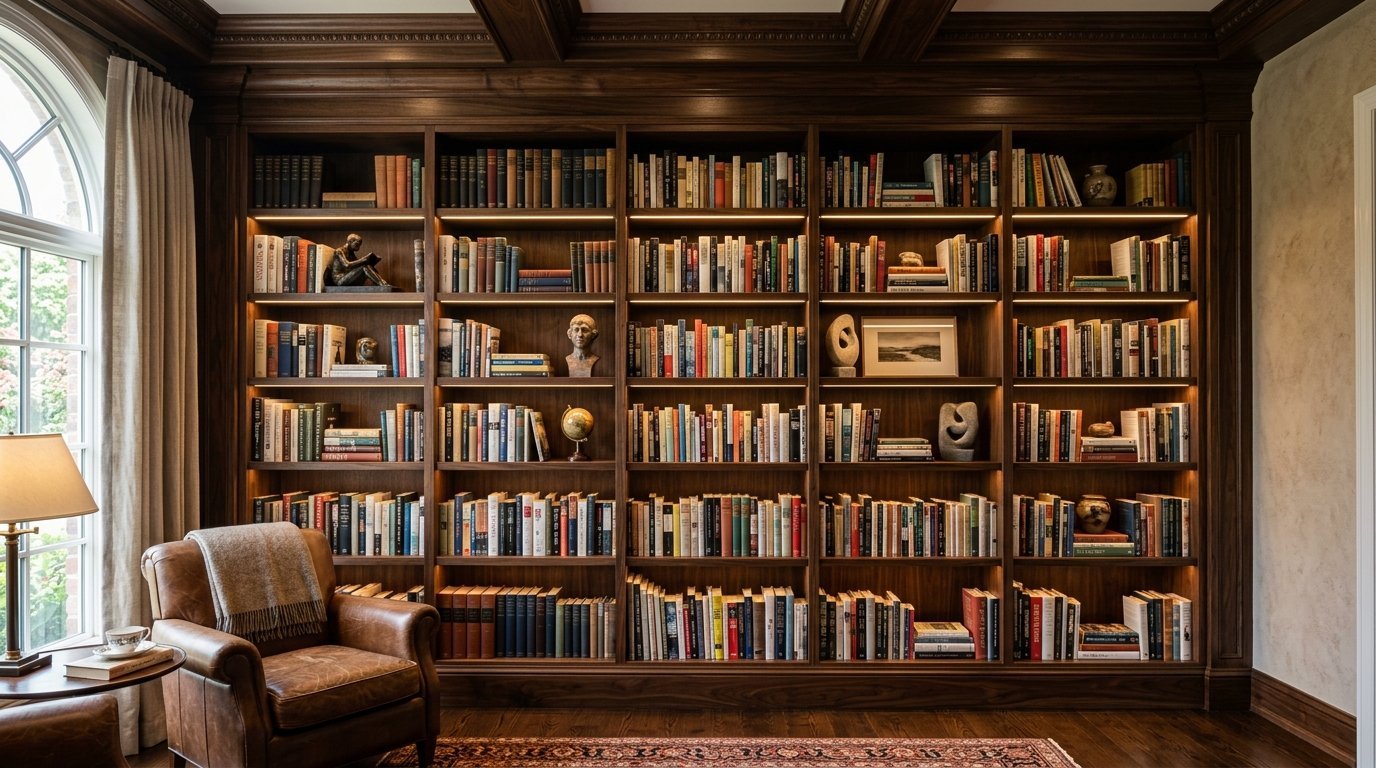
Matching all your metals looks like a cheap furniture set. To get a designer look, you must mix them. I like to mix matte black with aged brass. I tried this in a kitchen and living room combo recently. The black provides a modern edge. The brass adds warmth. Avoid shiny chrome as it can look dated. Look for brands like Rejuvenation for high quality hardware. Change the knobs on your store bought cabinets to heavy brass. It is a small change that people feel every time they open a drawer. It adds a tactile sense of luxury.
11. Custom Built In Shelves
Floating shelves can look flimsy. Built in units look like part of the architecture. I often tell clients to use IKEA Billy bookcases but add trim and crown molding. When you paint them the same color as the wall, they look custom. I did this in a home office once. It cost $400 in materials but looked like a $5,000 custom job. Fill the shelves with books turned spine in for a neutral look. Or mix in stone bowls and small sculptures. Leave some empty space. A crowded shelf looks like a storage unit. A curated shelf looks like a museum.
12. Large Scale Area Rugs
A small rug is the fastest way to ruin a room. I see people buy 5×7 rugs for a large seating area. This makes the furniture look like it is floating. Luxury needs a big rug. All furniture legs should sit on the rug. I suggest an 8×10 or 9×12 for most living rooms. Look at Ruggable for high end patterns that are easy to clean. If you want something more plush, try a wool rug from Stark Carpet. A big rug anchors the space and makes it feel unified. It also helps with sound. A quiet room is a luxury room.
13. Dark Contrast Walls
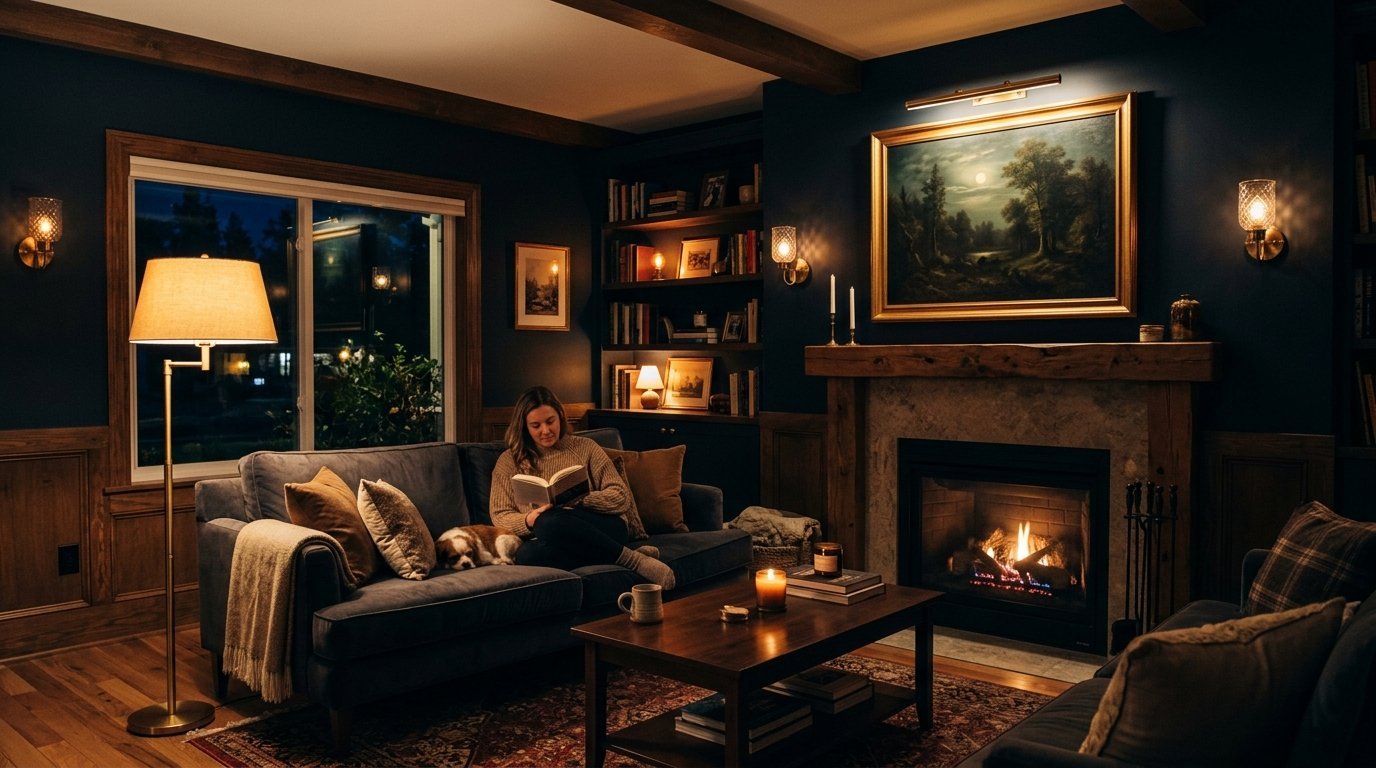
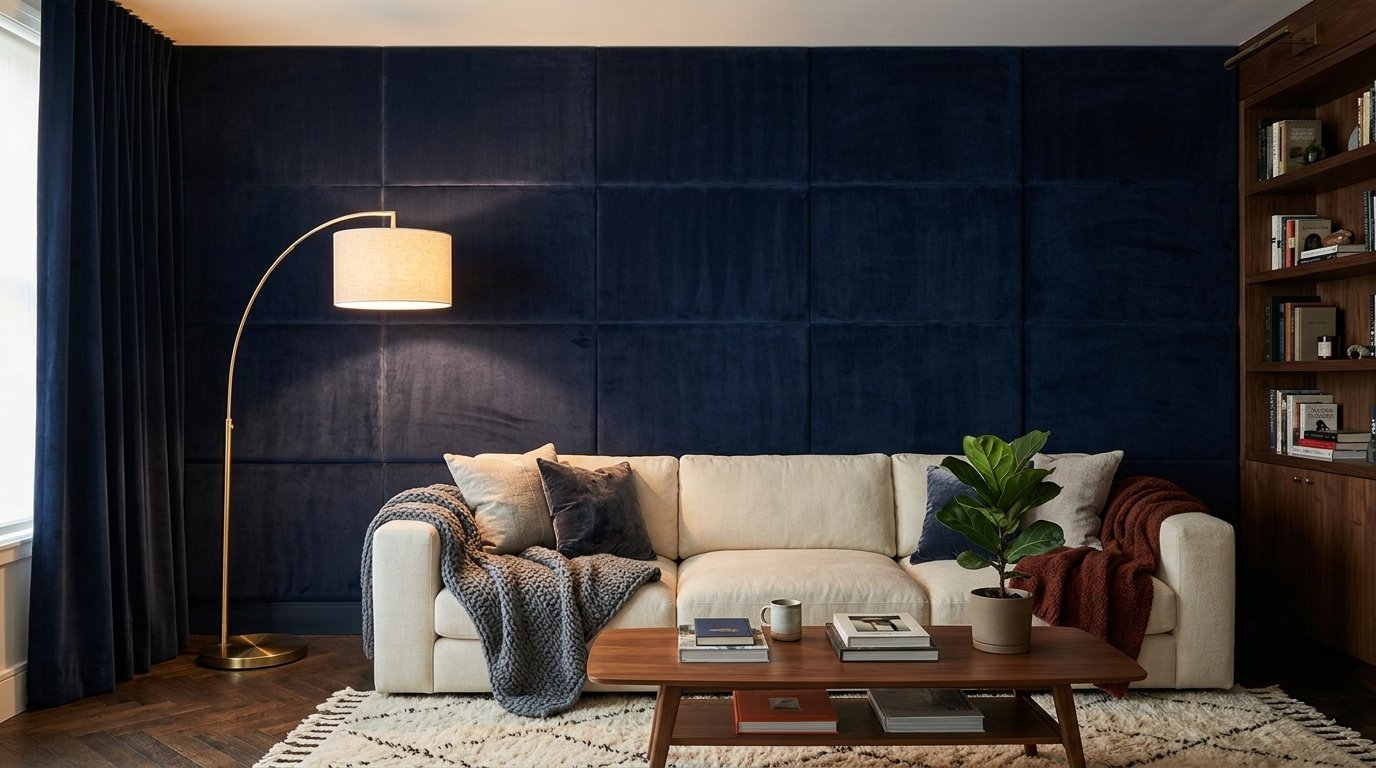
Many modern designs use all white. But a dark wall can add huge drama. I like Benjamin Moore Hale Navy or Iron Mountain. I used a dark charcoal wall behind a light grey sofa in a Chicago loft. The contrast made the sofa pop. It felt moody and sophisticated. If you are afraid of black, try a deep forest green. This works best in rooms with a lot of natural light. The dark color absorbs the light and creates a cozy, cave like feel. It is perfect for movie nights or reading.
14. High End Scent Branding
Luxury is not just visual. It is about the smell. Walk into any 5 star hotel and you will notice a specific scent. I use Le Labo Santal 26 in my own home. It smells like leather and smoke. Avoid cheap grocery store candles. They smell like chemicals. Buy a high quality diffuser or a heavy glass candle. Place it near the entry. I noticed that people relax instantly when a house smells good. It is a hidden layer of design that most people forget. It creates a memory of your home that lasts.
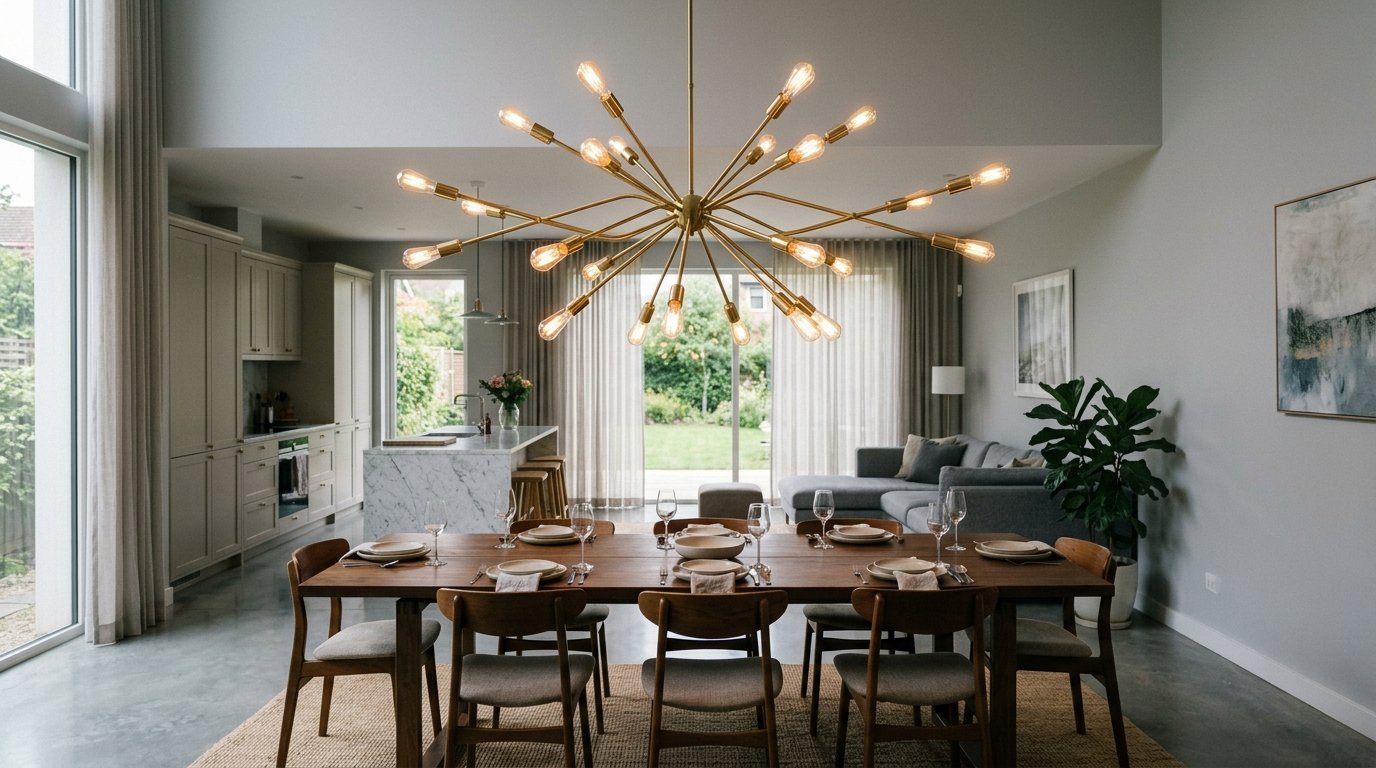
15. Minimalist Fireplace Design
The fireplace is the heart of the room. Modern luxury removes the clutter from the mantel. I like a clean stone surround that goes all the way to the ceiling. I saw a home in Aspen that used a simple black steel frame around a gas fireplace. No photos. No clocks. Just the fire. If you have an old brick fireplace, paint it a solid matte black. It hides the dated patterns and looks like a modern sculpture. Use a simple wood beam for a mantel if you must have one. Keep it low and wide.
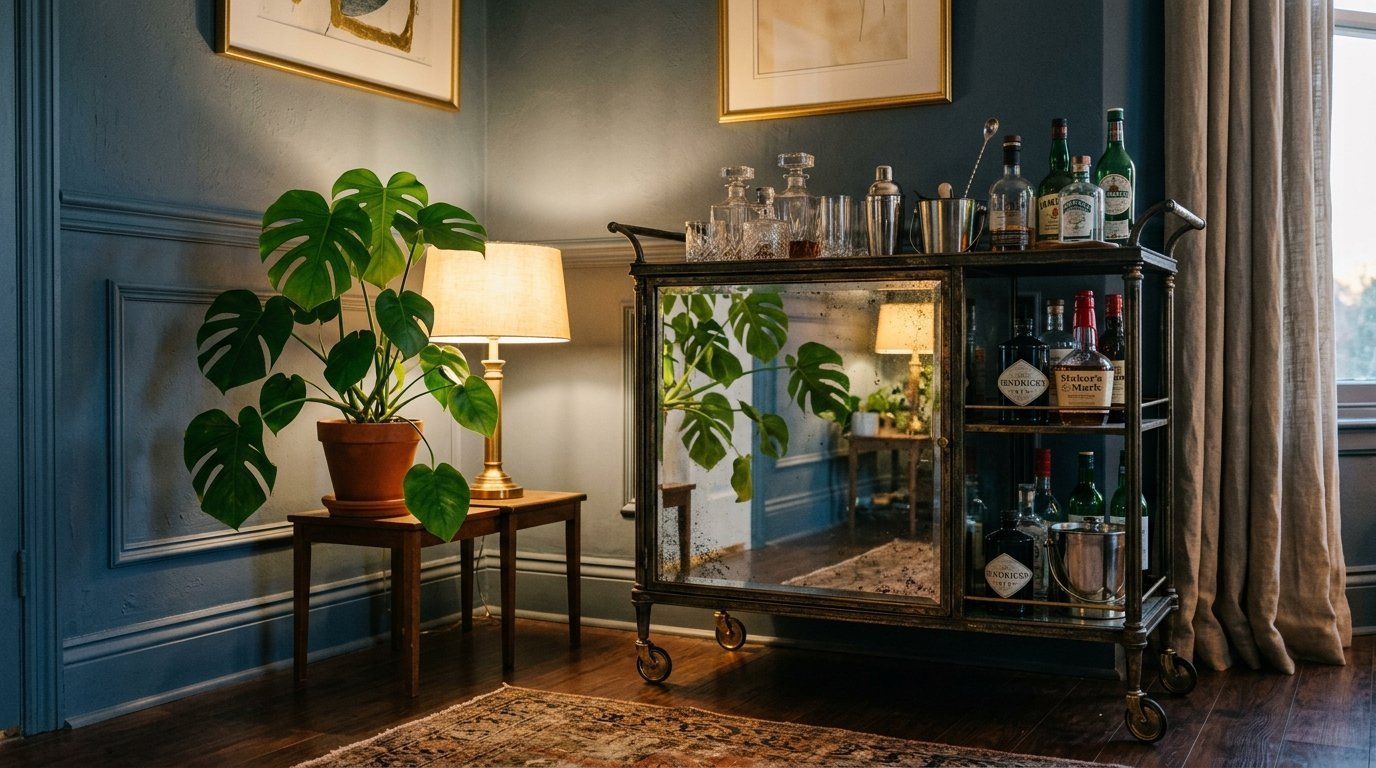
16. Reflective Surfaces
Mirrors make a room feel infinite. But don’t just hang a small mirror. Use a massive floor mirror. I like the ones from Restoration Hardware with thin metal frames. Lean it against the wall. It reflects the light and makes the room look twice as deep. I used this in a dark basement living room. It transformed the space. You can also use glass coffee tables. They disappear in the room. This makes the rug and floor look continuous. It is a great trick for small spaces that need to feel grand.
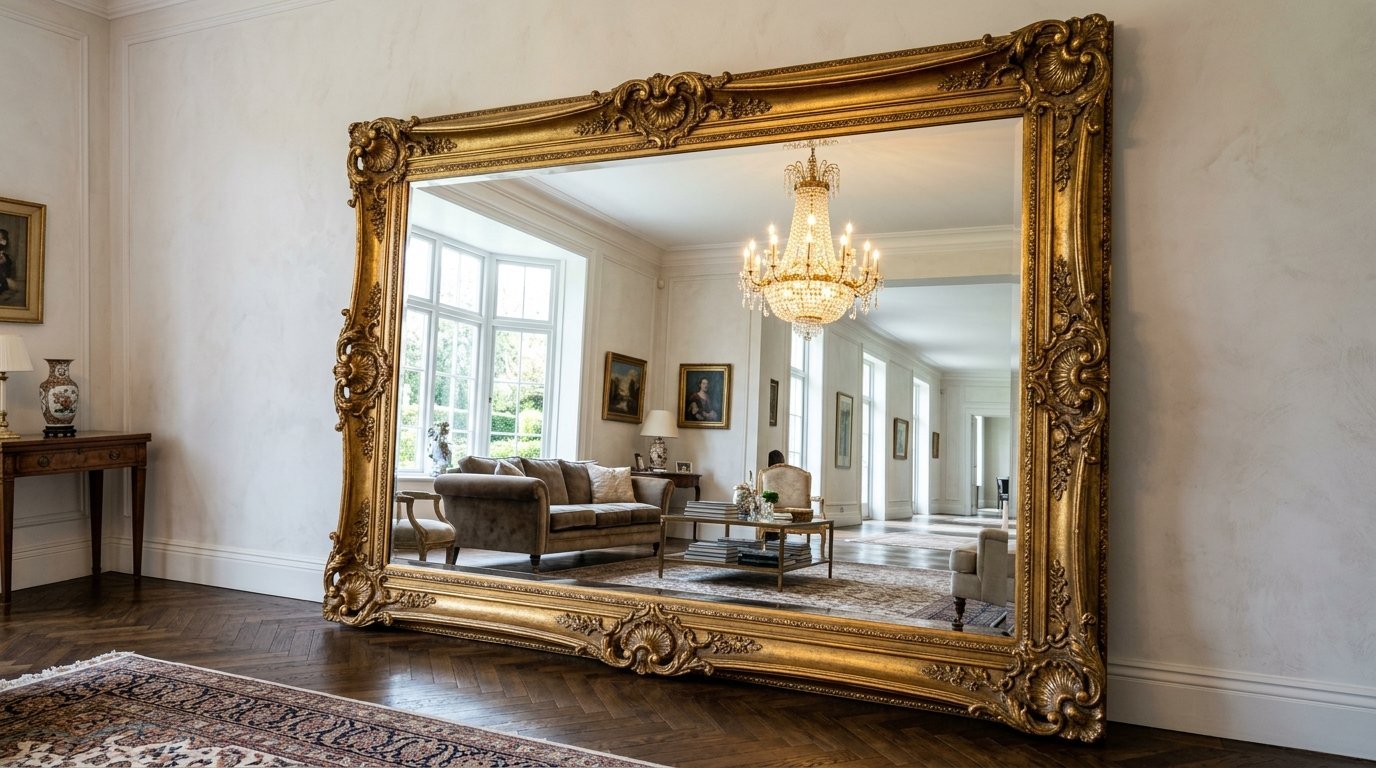
17. High Quality Textiles
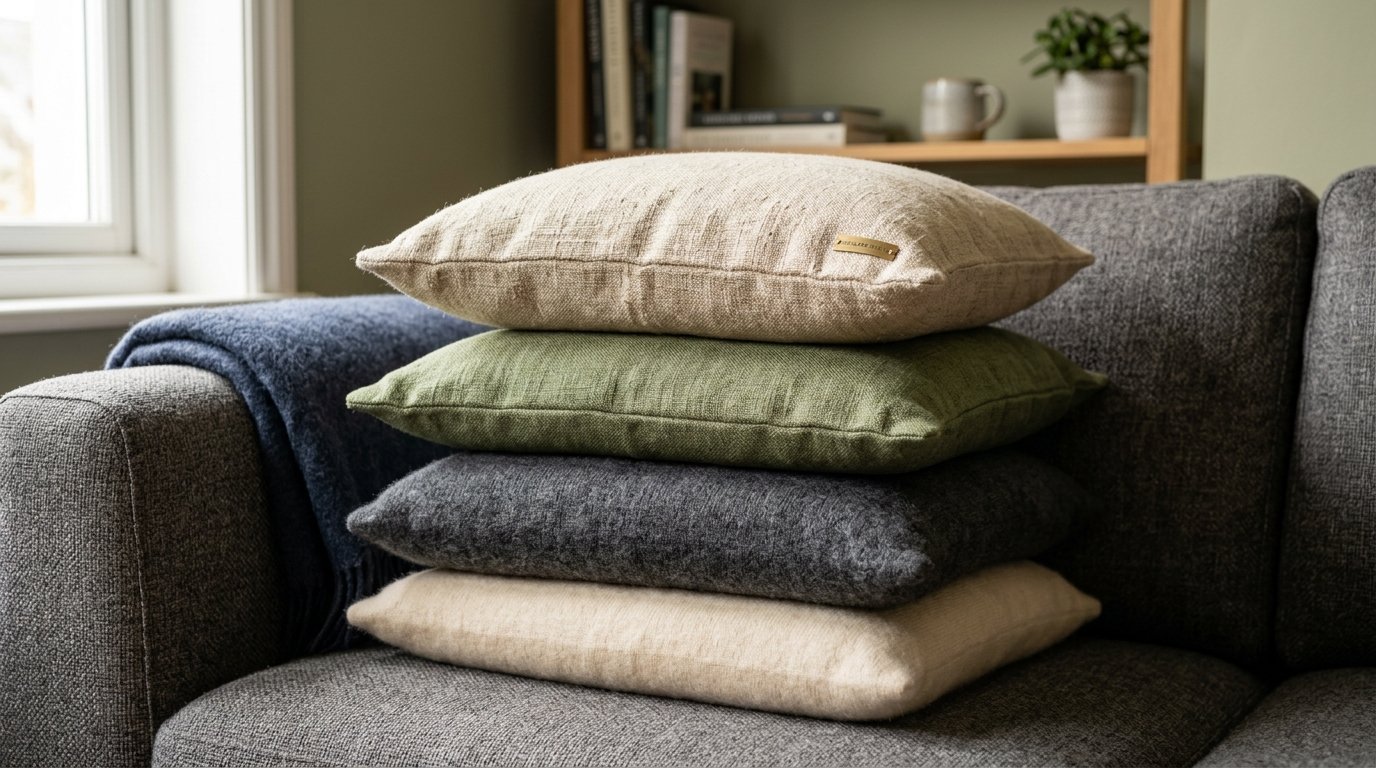
Throw blankets should be more than just functional. They should be beautiful. I swap out my blankets every season. In winter, I use heavy cashmere. In summer, I use light waffle knit cotton. I saw a client save $2,000 by buying a cheaper sofa but adding $500 in high end pillows. The pillows are what you touch and see up close. Use down inserts instead of foam. Foam stays flat and looks cheap. Down can be “karate chopped” in the middle. That simple dent in the pillow is a classic sign of a designer home.
18. Personal Gallery Walls
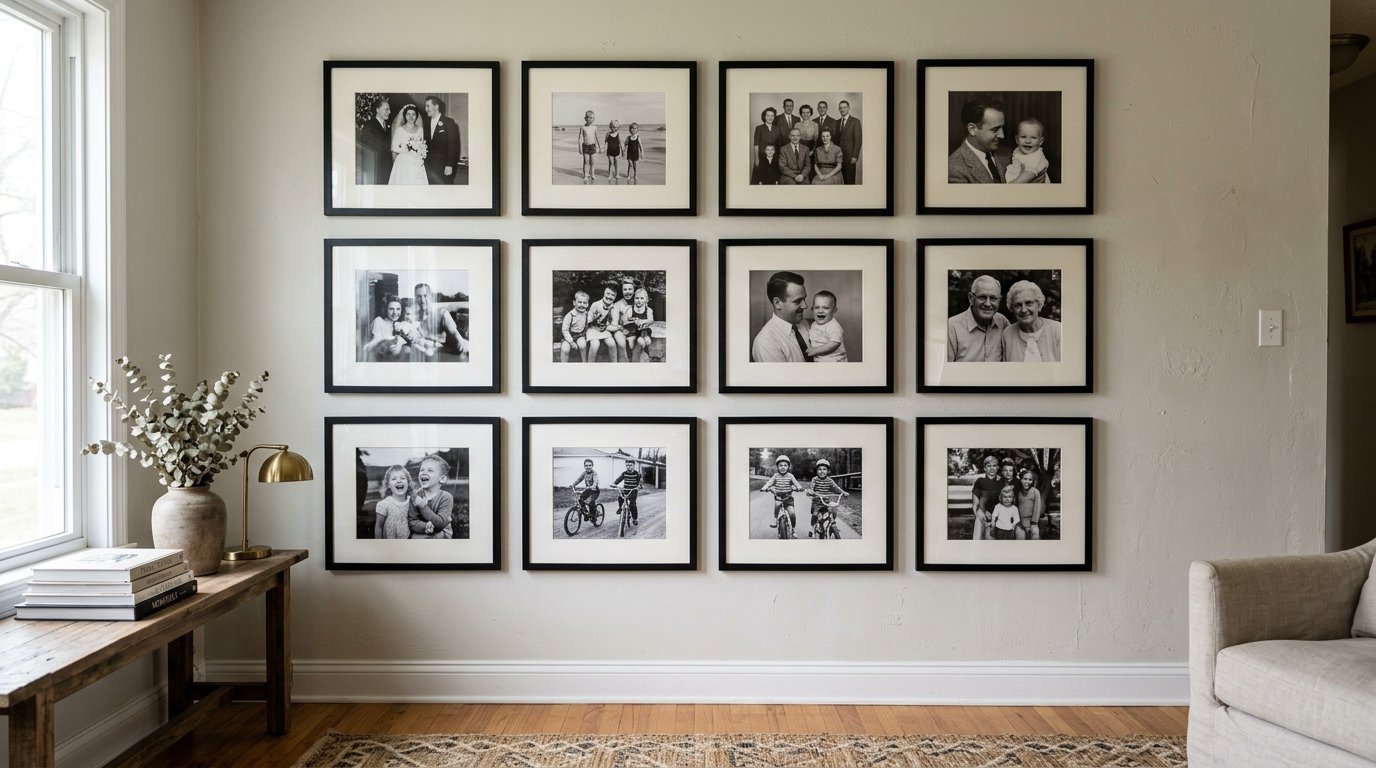
Luxury is not a sterile hotel. It should feel like you. I like gallery walls that use matching frames for a clean look. Use black and white family photos. This makes different types of photos look like a cohesive set. I noticed that when the frames match, the content can be anything. I saw a hallway in a Malibu home filled with kids’ drawings. Because they were in expensive black frames with wide white mats, they looked like modern art. It adds soul to a modern space. It tells a story.
19. Ceiling Details
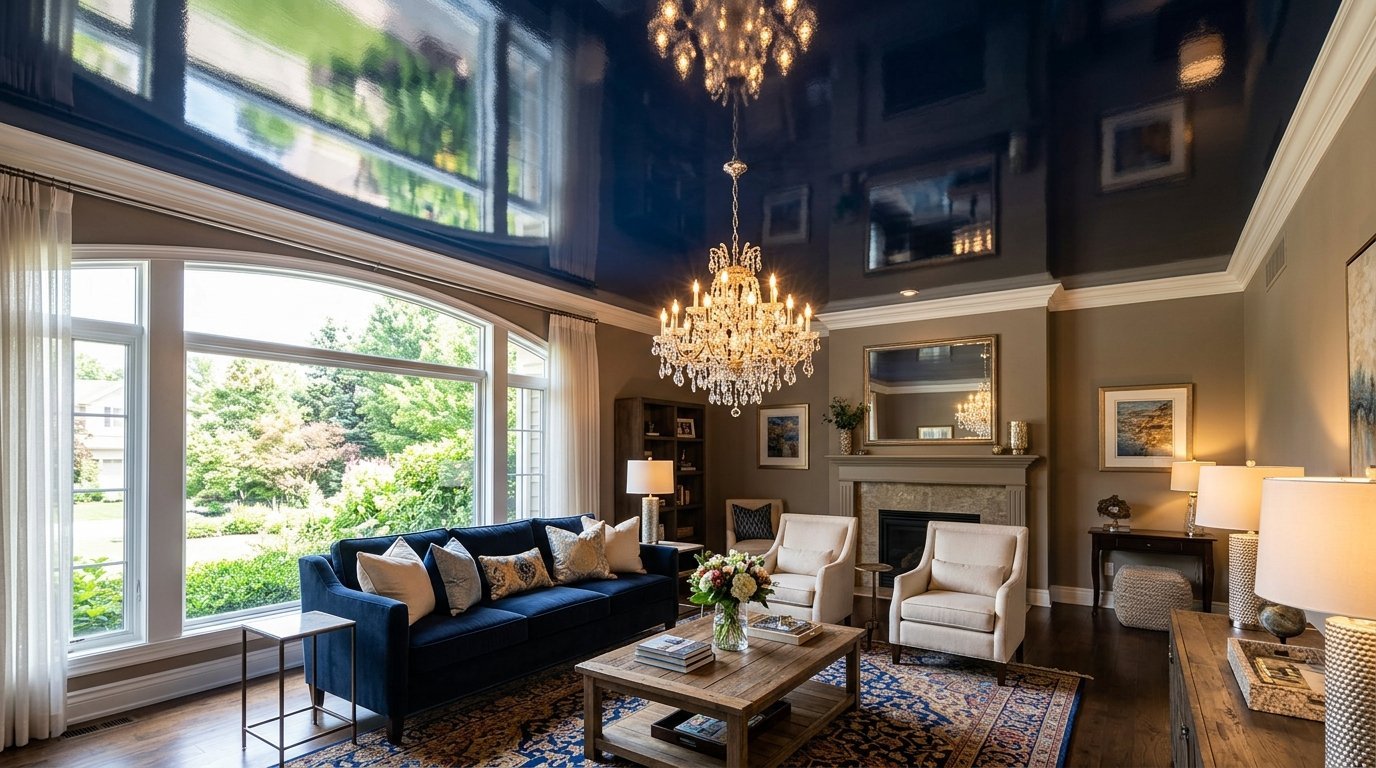
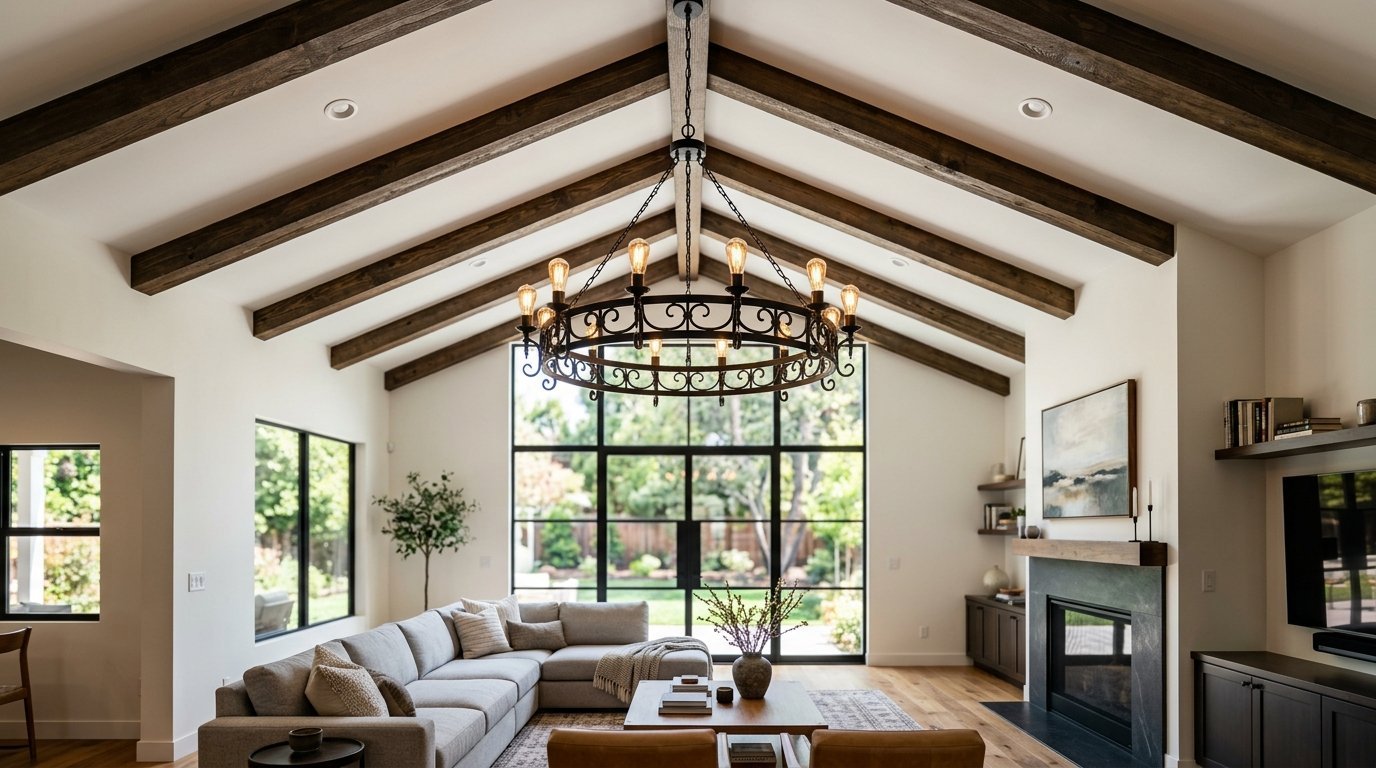
The “fifth wall” is often ignored. I like to add wood beams or a subtle tray ceiling. Even painting the ceiling a very light grey can make the room feel taller. I once used a metallic gold paint on a coffered ceiling. When the lights were low, the room glowed. Most people just use flat white. That is a missed opportunity. If you have a modern home, try a high gloss finish on the ceiling. It reflects the entire room like a pool of water. It is a daring move that feels incredibly high end.
20. Sculptural Coffee Tables
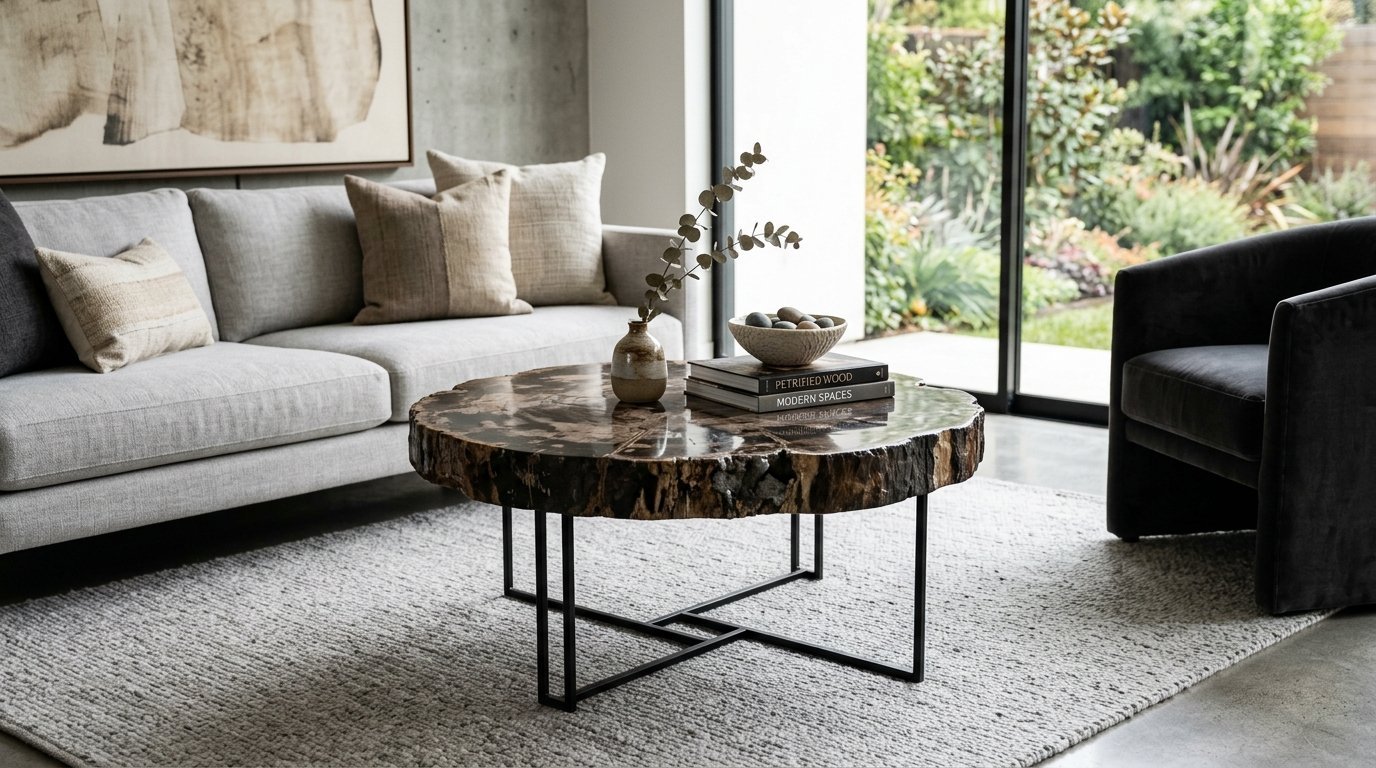
The center of your seating area needs a “wow” piece. I move away from standard wooden rectangles. Look for a drum table or a set of nesting stone tables. I love the look of a live edge wood table on a modern metal base. It brings nature inside. I saw a designer use a giant piece of petrified wood as a coffee table. It was heavy and ancient. It made the rest of the new furniture feel more grounded. Your coffee table is like jewelry for your room. It should be the finishing touch that catches the light.
21. Intentional Symmetry
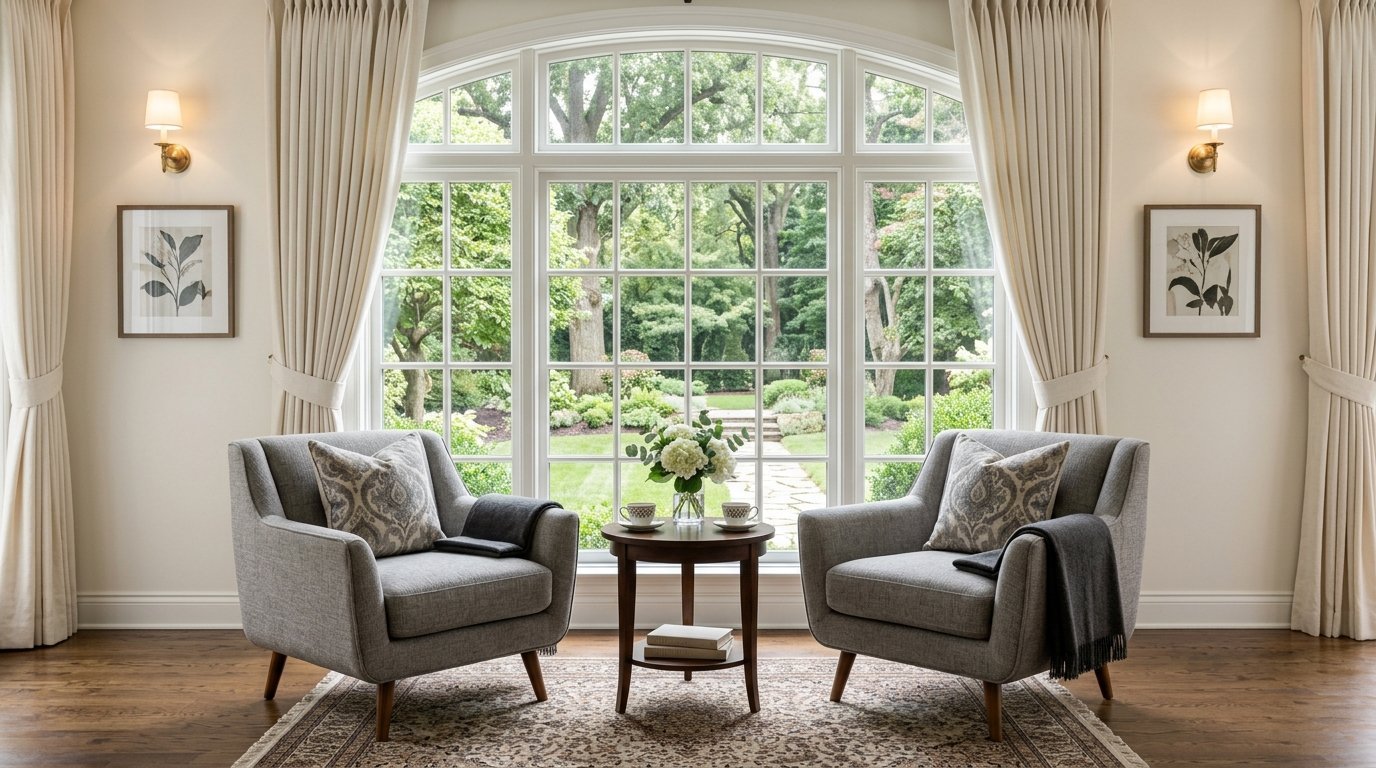
The human brain loves balance. If you have two matching chairs, put them side by side. If you have two lamps, put them on opposite ends of a console. I used this in a formal living room in Atlanta. We mirrored the layout on both sides of the fireplace. It instantly felt more expensive. Symmetry feels stable and planned. It is the opposite of a “thrown together” look. You don’t have to do it for the whole room. Just one wall of symmetry is enough to create that high end feeling.
22. Quality Over Quantity
This is my final and most important rule. I have seen million dollar homes that look cheap because they have too much stuff. I have seen small apartments look like palaces because they have five perfect things. Stop buying “filler” decor. If you don’t love it, don’t buy it. Save your money for one great item a year. In five years, you will have five pieces of art or furniture that last a lifetime. Luxury is the ability to edit. It is having exactly what you need and nothing more. That is the secret to a modern home that feels truly expensive.
Luxury Living Room Comparison Table
| Feature | The “Cheap” Look | The “Luxurious” Look | Estimated Cost (High End) |
| Rug Size | 5×7 (Furniture off rug) | 9×12 (Furniture on rug) | $800 – $3,000 |
| Window Trim | Thin plastic blinds | Ceiling-high velvet drapes | $500 – $2,500 |
| Lighting | One overhead flush mount | Layered lamps and sconces | $300 – $1,500 |
| Art | Multiple small prints | One massive statement canvas | $200 – $5,000 |
| Pillows | Foam-filled polyester | Down-filled linen/velvet | $50 – $150 each |
| Tech | Visible wires and cables | Hidden tech and Frame TV | $500 – $4,000 |
Frequently Asked Questions
How can I make my living room look expensive on a budget?
Focus on the “Big Three”. Paint, lighting, and a large rug. I’ve noticed that painting a room a crisp white like Benjamin Moore Simply White does 50% of the work. Then, add a large area rug. Even a cheap jute rug looks better than a small expensive one if the size is right. Finally, swap your light bulbs for warm 2700K LEDs. These small changes cost under $500 but change the entire vibe.
What is the best color for a modern luxury living room?
Neutrals are the safest bet for a high end look. I recommend off whites, greys, and mushrooms. These colors allow your furniture and art to be the stars. I’ve seen navy blue and forest green work well for a moody, “expensive club” feel. If you go dark, ensure you have plenty of lamps. A dark room without good lighting just looks small and sad.
Is velvet still in style for 2026?
Yes. Velvet is a timeless luxury fabric. It catches the light in a way that flat cotton cannot. I saw a major shift toward performance velvet. It looks like the real thing but can handle spills and pets. Brands like West Elm and Interior Define offer great options. I suggest using velvet on a single statement chair or as throw pillows if you are afraid of a full sofa.
How do I hide messy TV wires?
Use a cable management box or a media console with a closed back. I often suggest “in wall” cable kits if you own your home. They allow you to run the wires behind the drywall. If you rent, use D-Line cable trunking. You can paint it the same color as your wall to make it disappear. Hiding wires is the fastest way to make a room look professional.
Should I follow trends or stay classic?
In my experience, 80% of your room should be classic. This includes your sofa, rug, and wall color. Use the other 20% for trends. Buy trendy pillows, small decor, or a cool lamp. Trends fade fast. You don’t want to replace a $4,000 sofa every three years. Stick to neutral big pieces and have fun with the small stuff. This keeps your home looking fresh without wasting money.
A Note On Modern Comfort
Luxury is not just for looking at. It is for living. I have sat in many expensive rooms that were uncomfortable. A stone chair might look cool, but nobody wants to sit in it. Always test your furniture. Sit on the sofa for ten minutes before you buy it. Feel the fabric against your skin. If it is scratchy, you will hate it in a month. True modern luxury is a balance between a high end look and a high end feel. Your home should be your favorite place to be. When you focus on quality materials and smart layout, the luxury happens naturally. You deserve a space that makes you feel proud. Start with one change today. Maybe it is a bigger rug. Maybe it is a new light. Whatever it is, make it count.

Sloane Whitaker is the Editor-in-Chief at Home Wall Trends, leading editorial direction with over a decade of experience in residential interior design and home styling. Her specialty is space planning and layout, the unglamorous fundamentals that make a beautiful room actually function. A graduate of the New York School of Interior Design, Sloane has styled over 200 client homes before turning her focus to digital publishing. Her editorial standard: “If a reader can’t picture themselves doing it on a Saturday afternoon, we haven’t explained it well enough.”