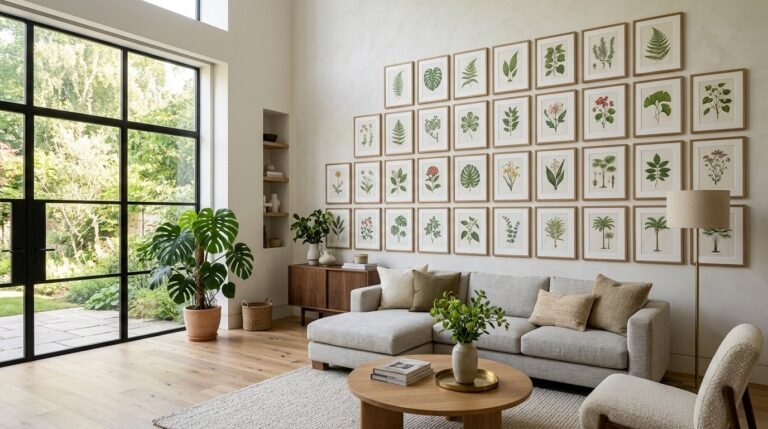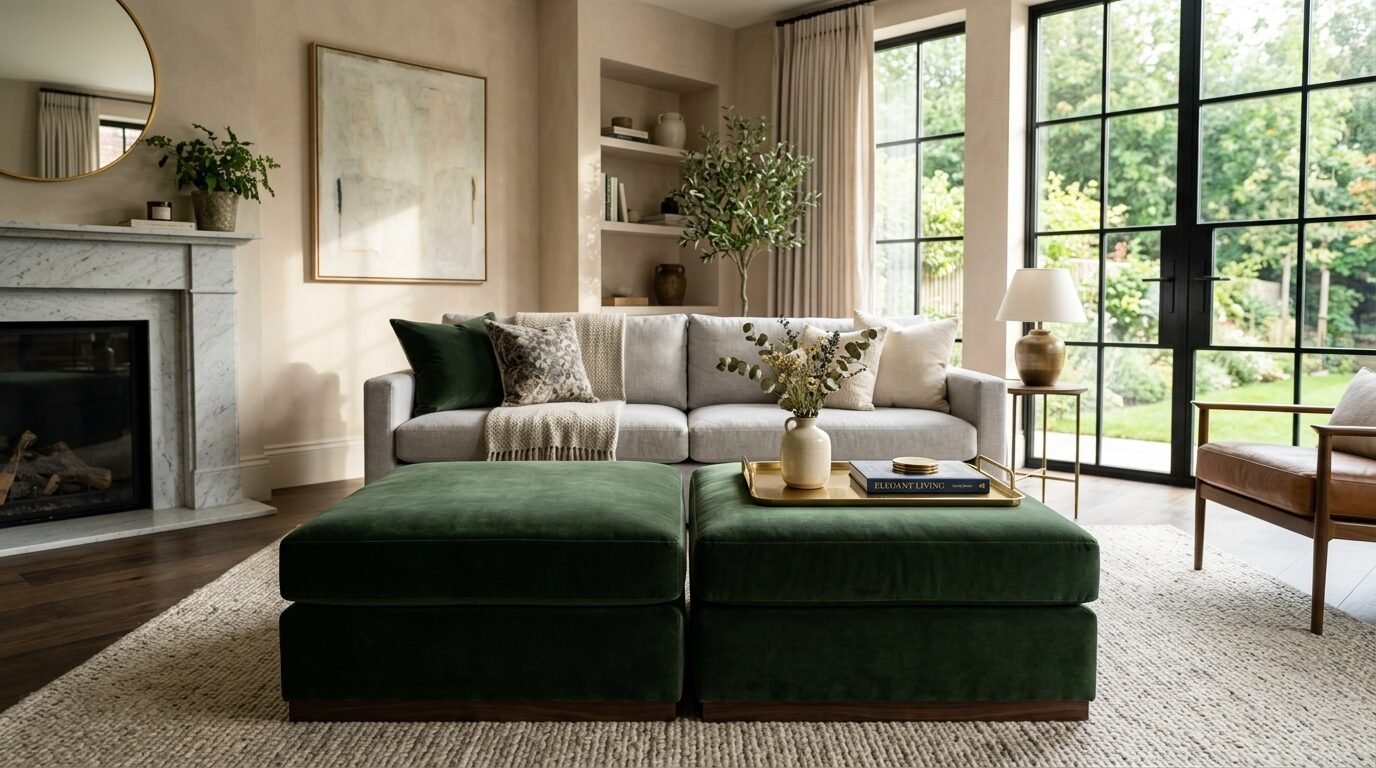
Last year I stood in the center of a client’s empty living room in Seattle. The walls were a flat sterile white. The windows looked out over a gray city sky. My client felt paralyzed by the blank canvas. She had scrolled through thousands of photos but could not make a single choice. This is a common feeling for many homeowners. We want a space that feels like a hug but also looks like a magazine cover. It is hard to bridge that gap without a plan. I spent three months helping her find the right balance between comfort and style. We did not buy everything at once. We built the room layer by layer. This article is the result of that project and many others like it. I have gathered 24 ideas that move beyond basic trends. These are practical steps to turn a boring box into a home you love. You will find tips on textures and colors and layout. Each one is a tool to help you express your personality. Let’s start building your perfect space together.
1. Ground Your Space With A Velvet Sofa
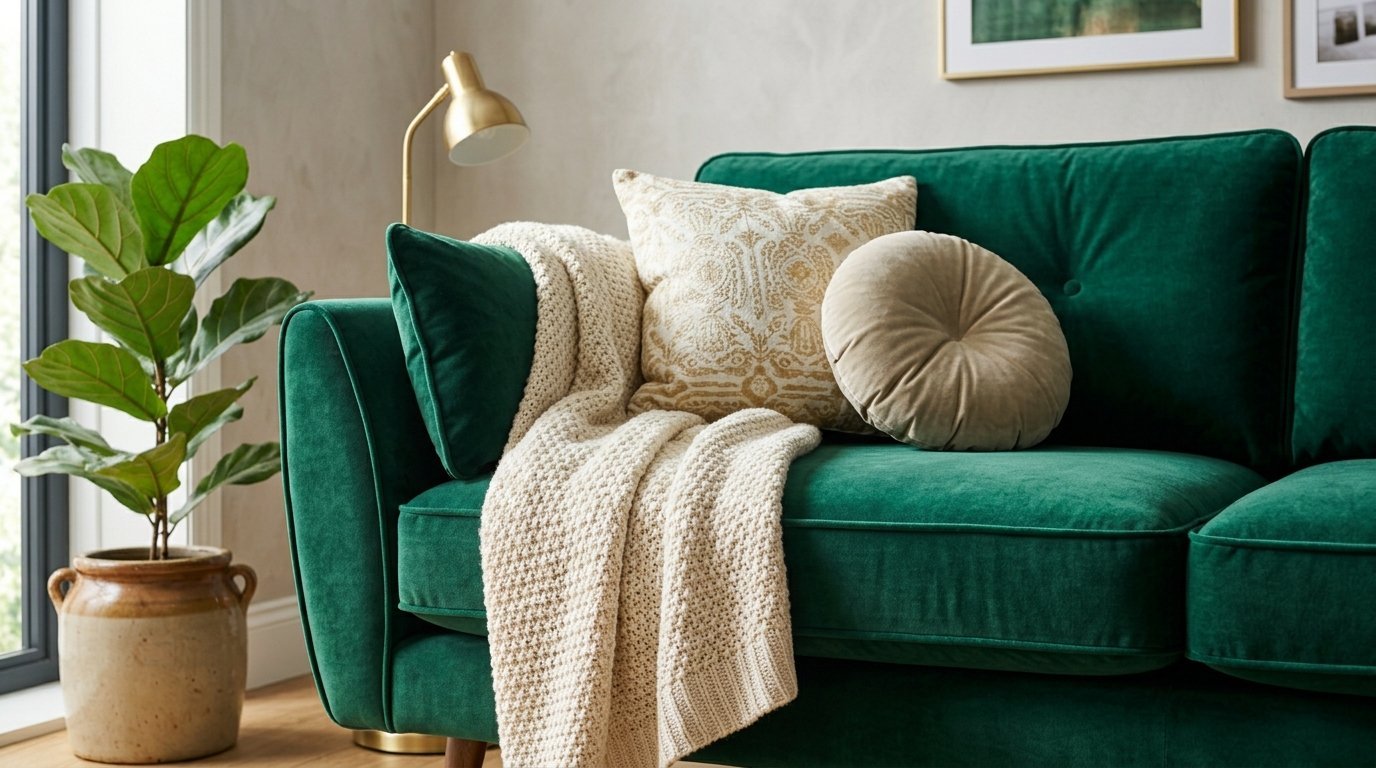
A velvet sofa is a brave choice that always pays off. In my experience it serves as the ultimate anchor for a room. Velvet catches the light in a way that flat fabric cannot. I once helped a friend pick an emerald green velvet sofa for her dark basement. The room immediately felt expensive and cozy. People often worry about durability with this fabric. I have noticed that modern performance velvet is actually pet friendly. It resists snags from cat claws better than linen. It also cleans up easily with a damp cloth. If you want a luxury feel without a total remodel this is your best move. Brands like Article or West Elm offer great options that stand up to daily life. Focus on deep jewel tones like navy or forest green for the most impact.
2. Create A Curated Gallery Wall
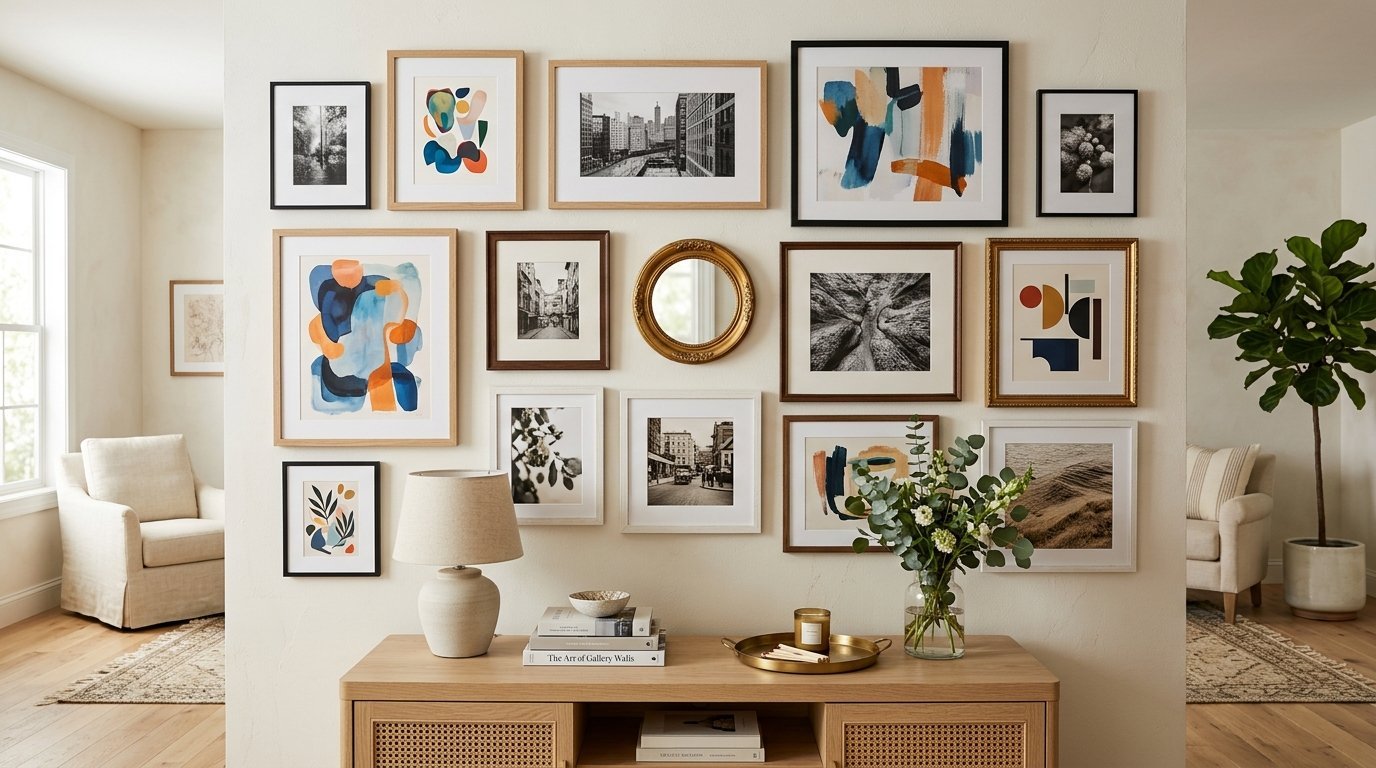
Gallery walls are not dead. They have just evolved. I see many people make the mistake of buying matching sets of art. This feels cold and impersonal. Instead I suggest mixing your mediums. Combine oil paintings with black and white photography. Throw in a small brass mirror or a wooden carving. In one Soho loft project we used old concert tickets and a framed piece of wallpaper. It told the story of the owners’ lives. Use frames of different thicknesses to add depth. I recommend laying everything out on the floor before you drive a single nail. This prevents unnecessary holes in your drywall. If you are nervous about commitment use Command strips. They allow you to swap pieces as your taste changes.
3. Bring Life Indoors With Large Trees
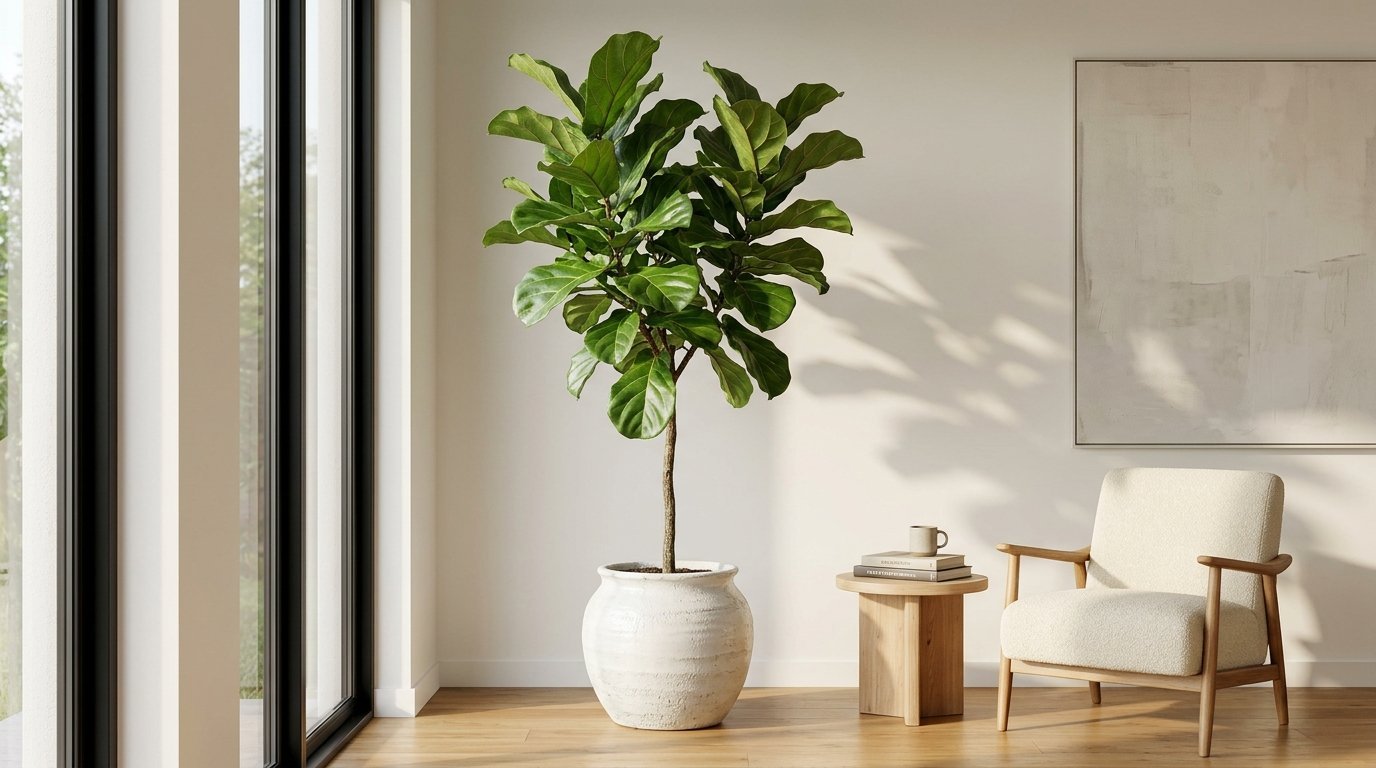
Small plants are fine but a large tree changes the architecture of a room. A six foot tall Fiddle Leaf Fig or an Olive tree fills an empty corner perfectly. I have tried many varieties in different lighting conditions. Olive trees are great because they have a silvery leaf that feels very Mediterranean. They need a lot of direct sun to thrive. If your room is darker go for a Dracaena or a Rubber Tree. These are much more forgiving. I’ve seen a single tree make a ceiling feel two feet higher. It draws the eye upward. Use a large ceramic pot with a textured finish to add another design element. It is the easiest way to make a room feel fresh and alive.
4. Layer Your Rugs For Extra Texture
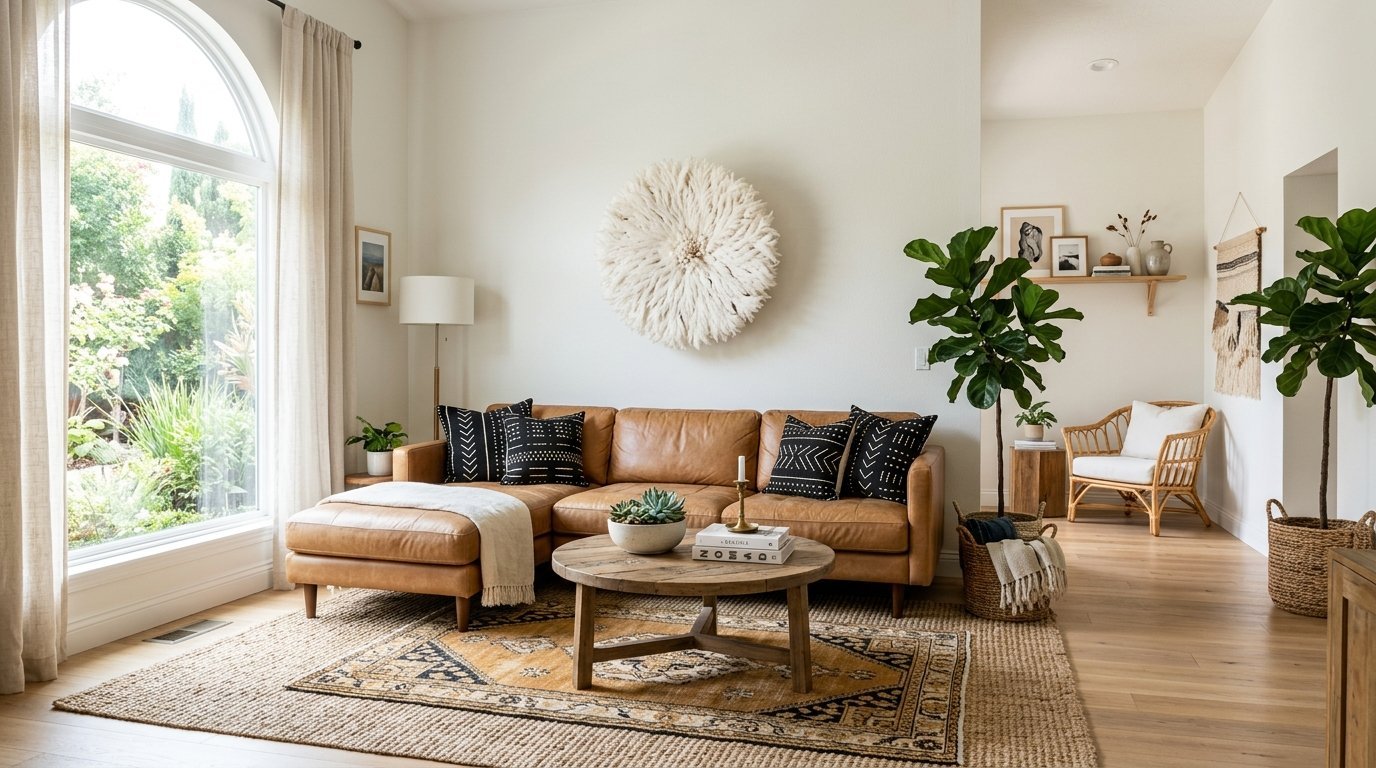
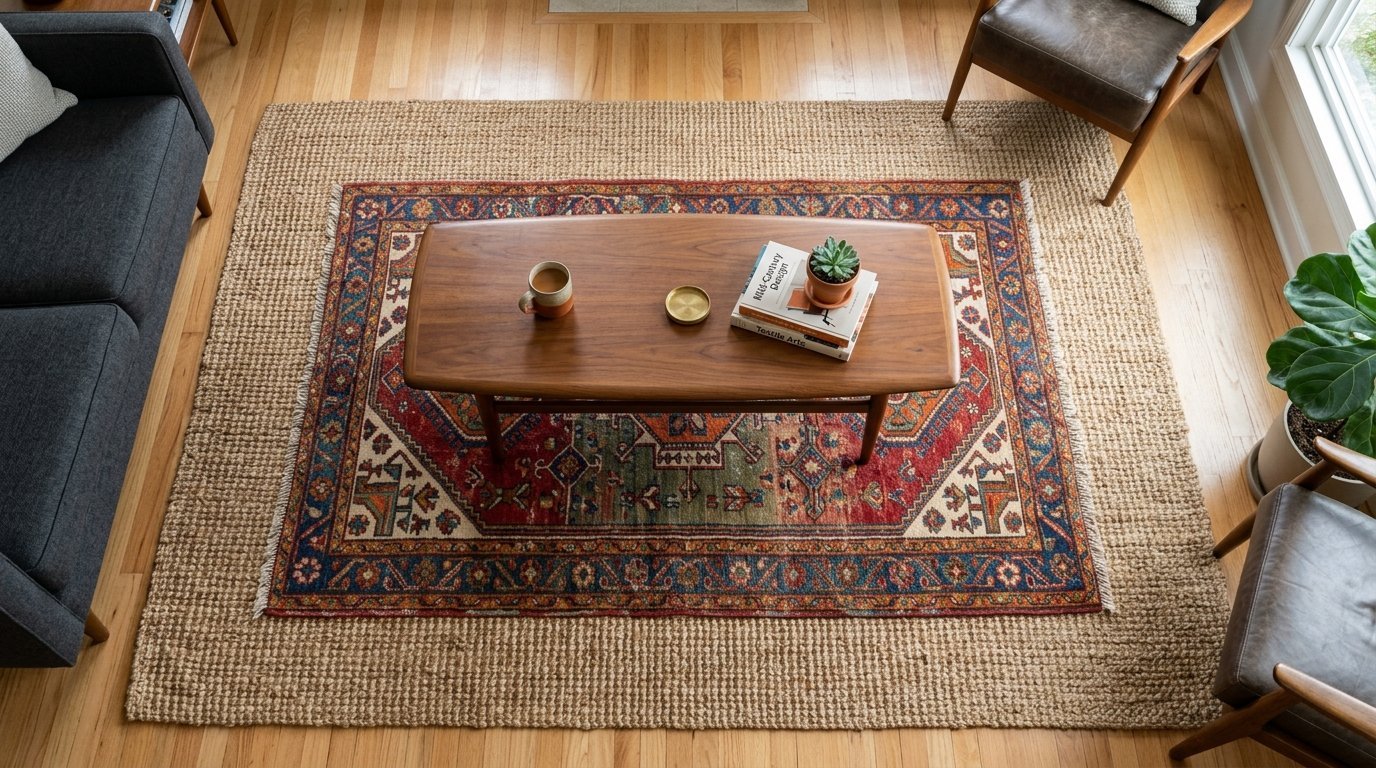
A common mistake is buying a rug that is too small for the furniture. This makes the room look tiny. I have a trick for this. Buy a large affordable jute rug as your base. It should be big enough for all your furniture legs to sit on. Then layer a smaller plush or vintage rug on top. I used this in a farmhouse project last summer. We put a colorful Persian rug over a natural fiber base. It created a warm and layered look that felt professional. The jute provides a flat surface while the top rug adds soft comfort underfoot. This also saves you money because large patterned rugs are very expensive.
5. Hang Oversized Art For High Drama
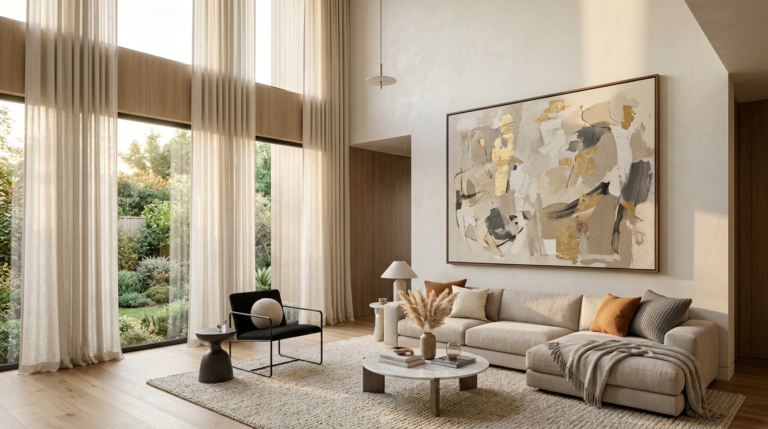
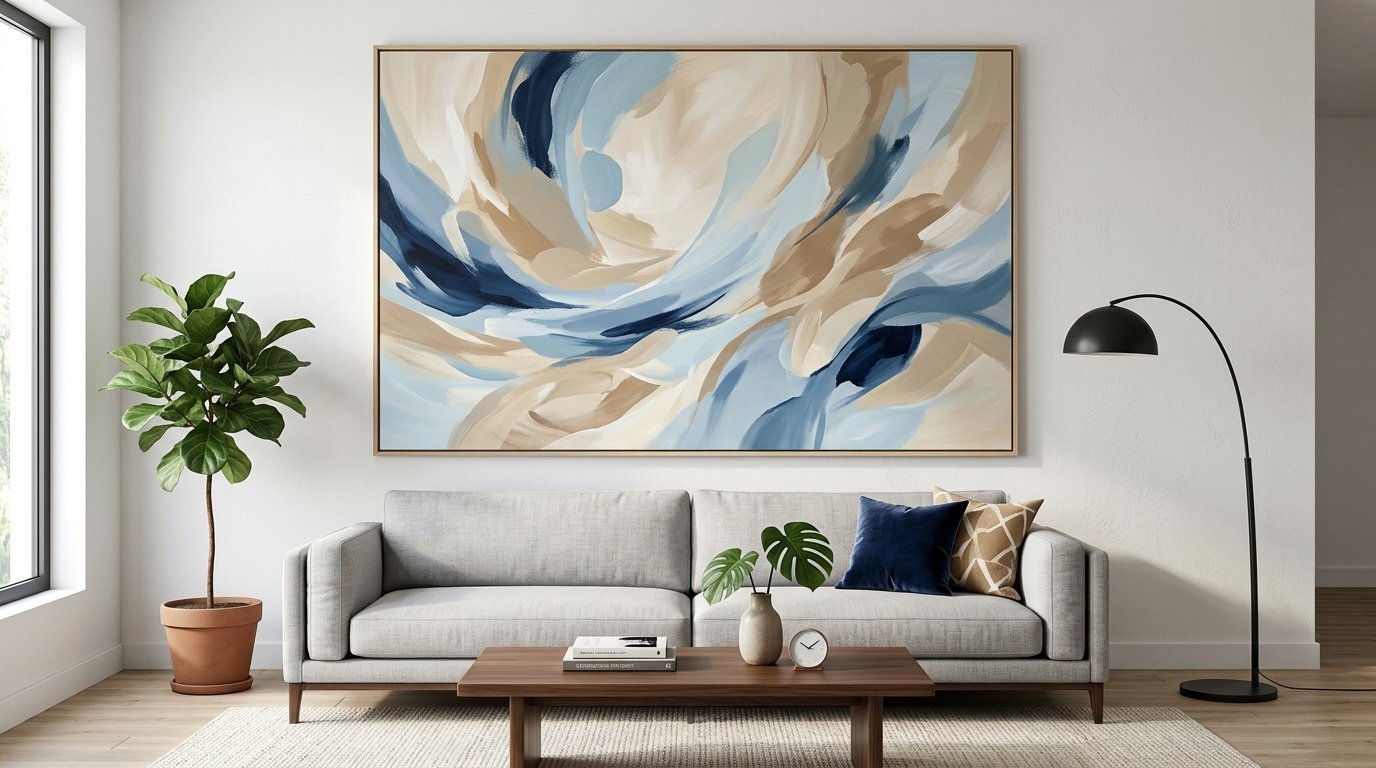
If a gallery wall feels too busy try the opposite. One massive piece of art creates a clear focal point. I’ve seen this work wonders in minimalist homes. Choose a piece that is at least four feet wide. It should take up about two thirds of the space above your sofa. This creates a sense of scale that feels intentional. I once found a giant abstract canvas at a local thrift store for fifty dollars. We framed it in simple black wood and it looked like a gallery piece. Large art simplifies the visual noise in a room. It gives the eyes a place to rest.
6. Mix Your Metal Hardware Finishes
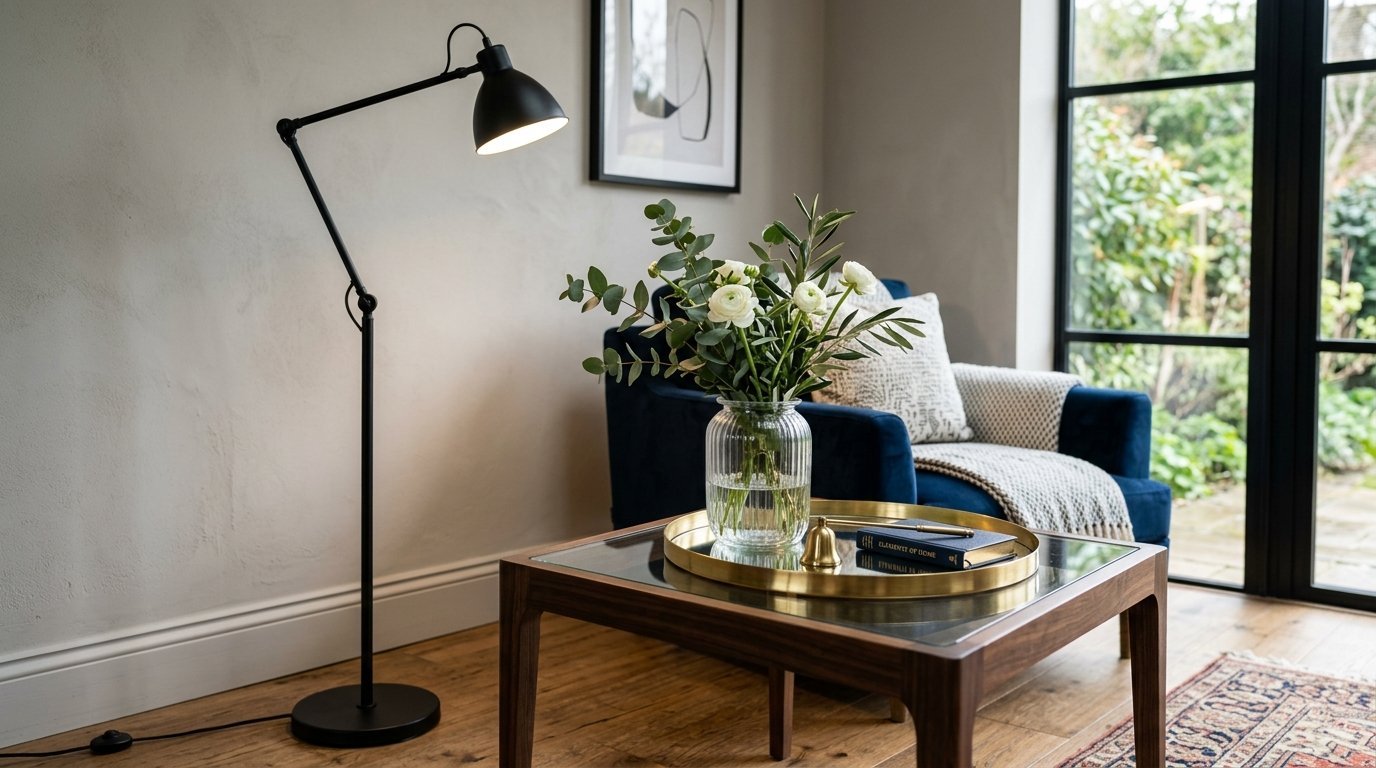
Matching all your metals is a thing of the past. It makes a room look like a showroom floor. I prefer a more collected look. Try mixing matte black with polished brass. In my experience the black provides a modern edge while the brass adds warmth. I saw this work perfectly in a Chicago townhouse. We used black floor lamps and brass picture frames. The key is to keep one metal as the dominant choice. Use the second metal as an accent. This prevents the space from looking messy. It feels like the room grew over time rather than being bought in a weekend.
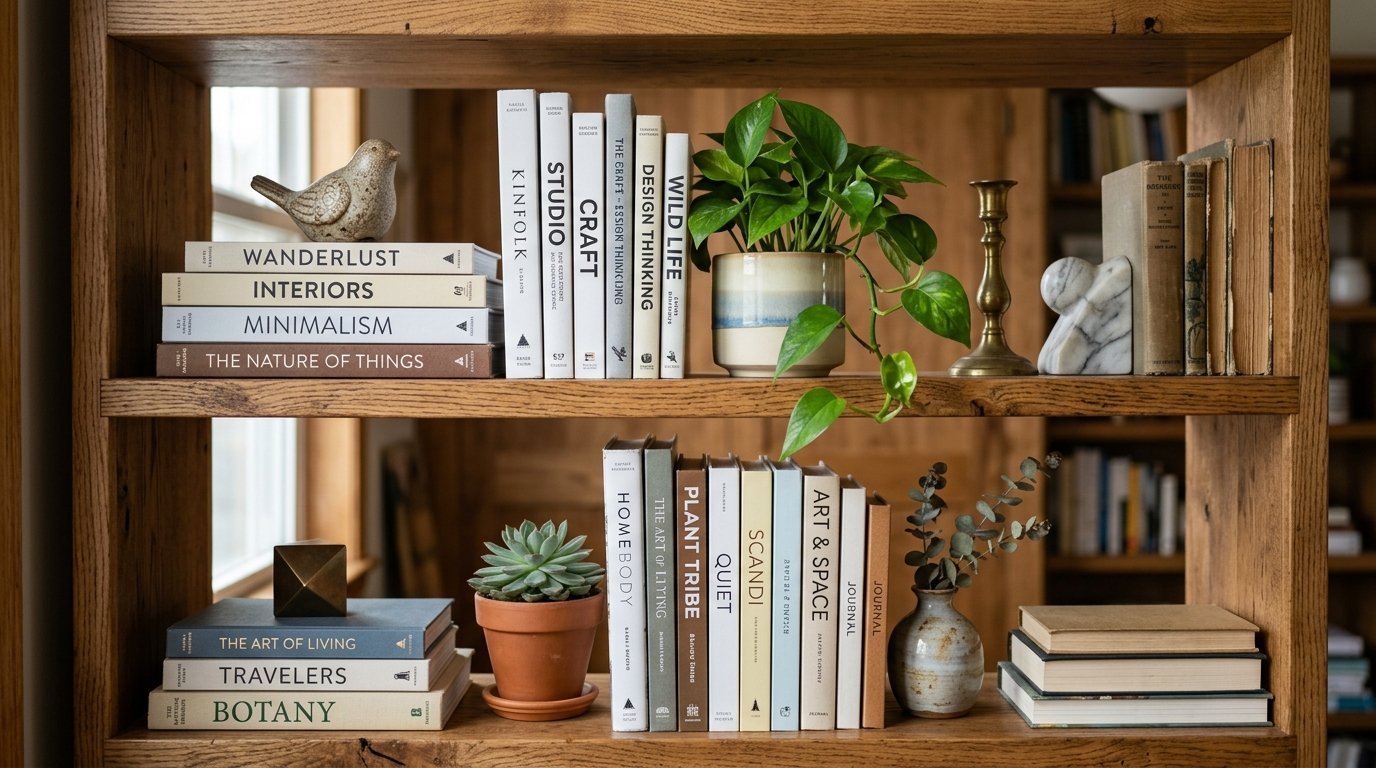
7. Style Your Bookshelves Like A Pro
Bookshelves are for more than just books. They are a stage for your favorite things. I use the sixty forty rule. Sixty percent of the space is for books. The rest is for objects and empty space. Turn some books vertically and stack others horizontally. This breaks up the long lines. I love adding small pieces of art inside the shelves. I’ve seen this add a layer of mystery to a library. Don’t be afraid to leave some gaps. A crowded shelf feels heavy and stressful. Use bookends made of stone or metal to add weight. It’s a great way to show off your personality.
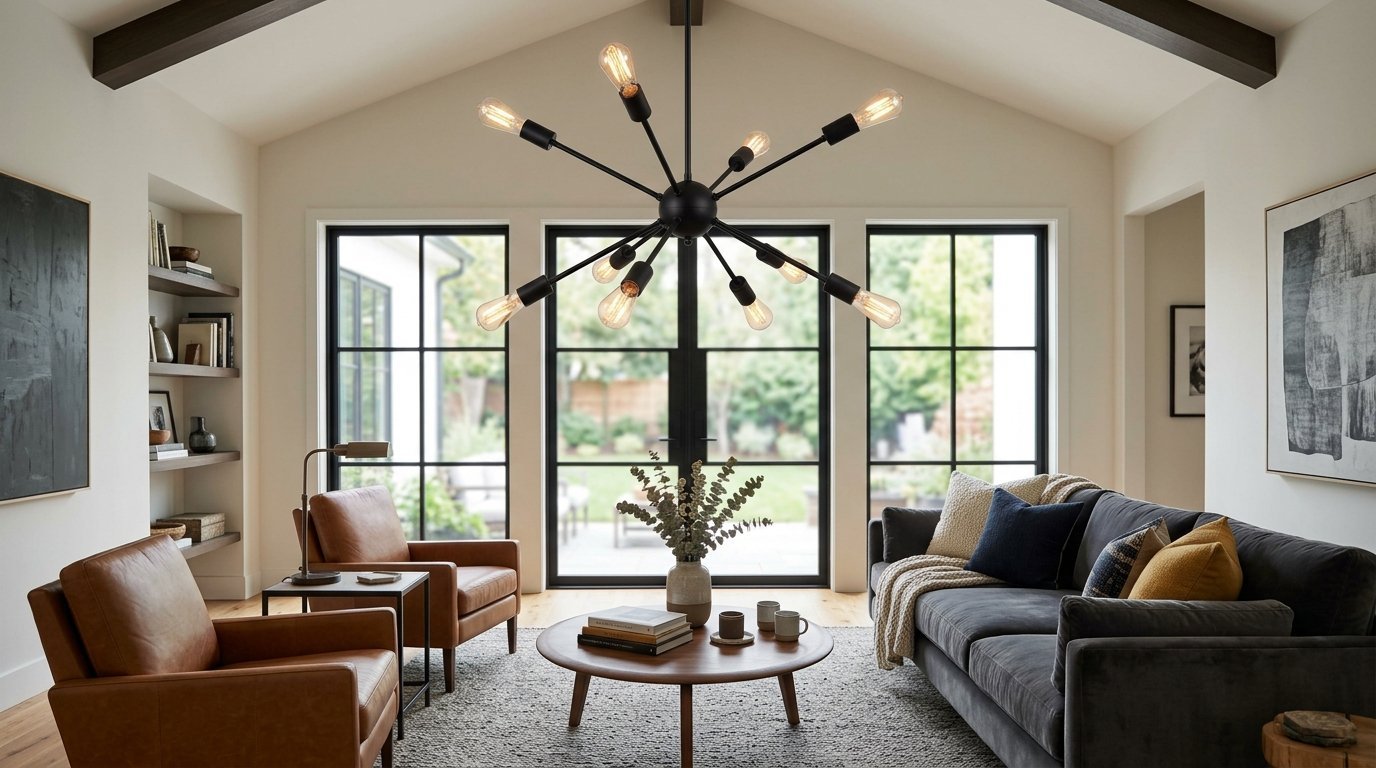
8. Install Statement Lighting Over The Seating Area
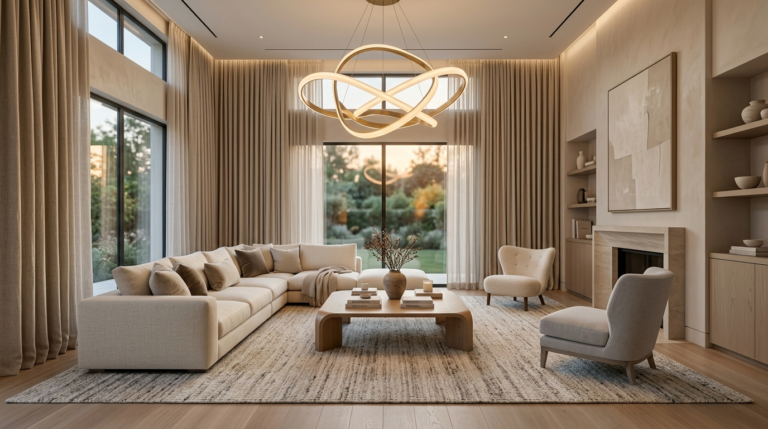
Your ceiling light should not just be a utility. It should be a sculpture. I often replace standard flush mounts with oversized chandeliers or pendants. In a recent project I used a large paper lantern in a small living room. It made the space feel soft and ethereal. A drum pendant in a dark fabric can add a moody vibe. Lighting is the jewelry of the room. It should sparkle and catch attention. Make sure to put everything on a dimmer switch. This allows you to change the mood from bright morning to cozy evening instantly.
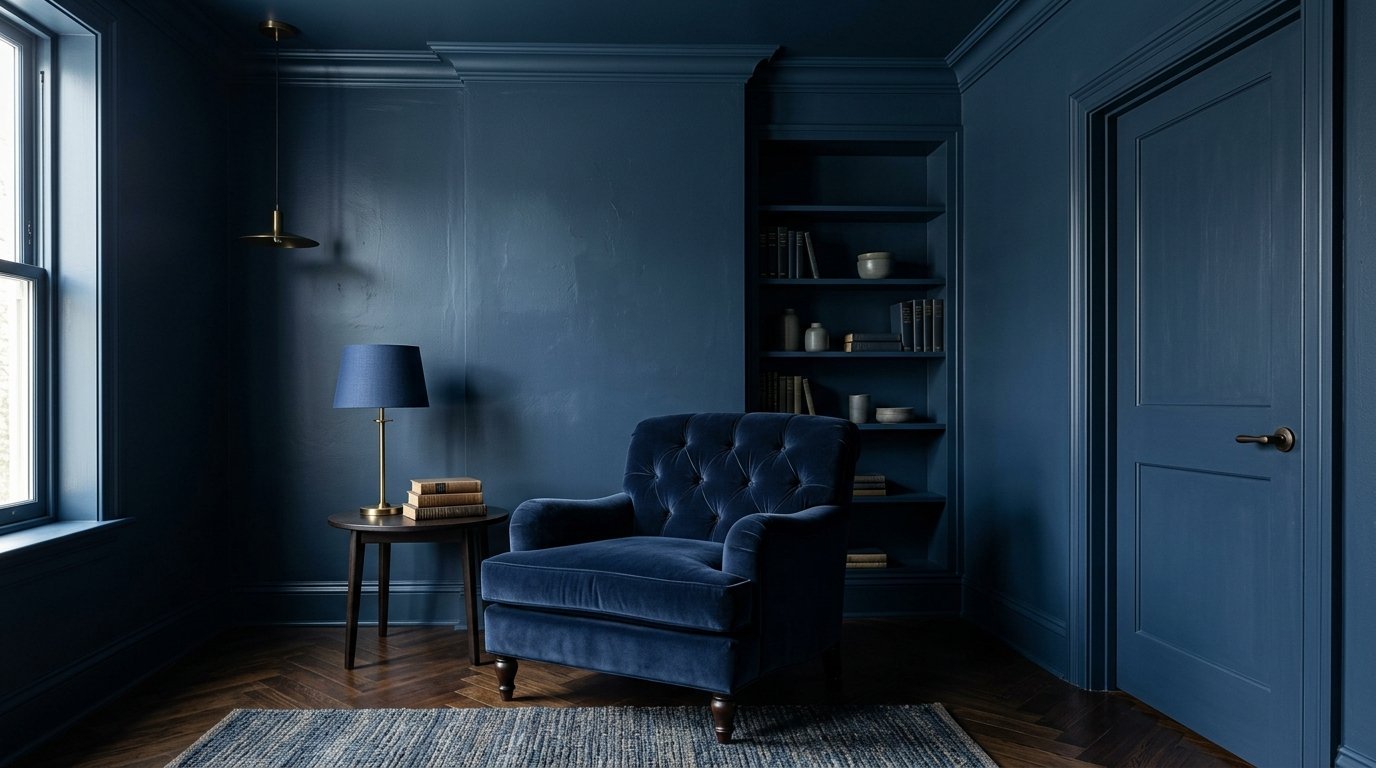
9. Try The Color Drenching Technique
Color drenching means painting your walls and trim and even the ceiling the same color. It sounds scary but the result is incredibly sophisticated. I’ve seen this work with deep blues and soft terracottas. It removes the harsh lines between the wall and the molding. This makes a small room feel much larger. I tried this in my own home office with a dark sage green. The room felt like a cozy cocoon. It’s a great way to make cheap trim look expensive. Use a flat finish on the walls and a satin finish on the doors for a subtle contrast.
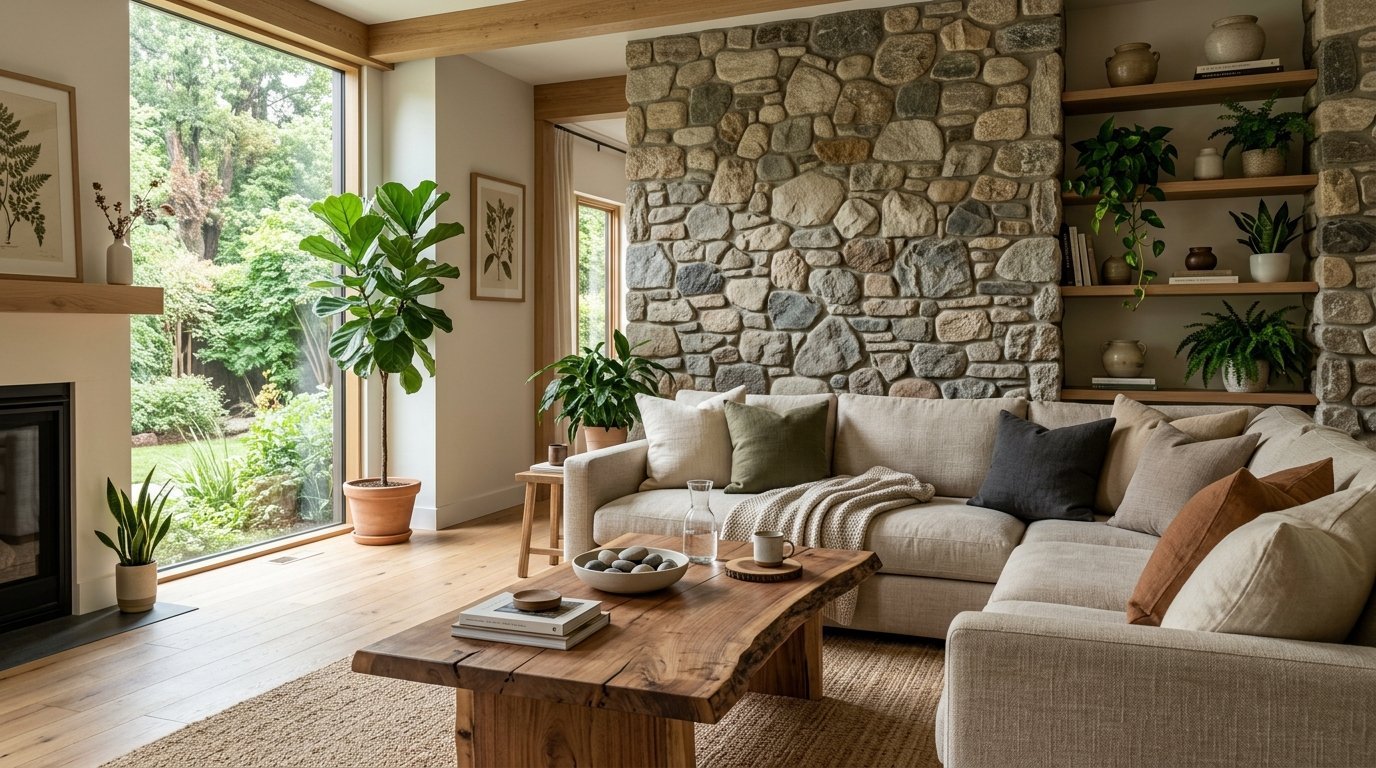
10. Incorporate Biophilic Design Elements
We feel better when we are connected to nature. Biophilic design is about bringing those natural patterns inside. Use materials like raw wood and stone and linen. I noticed that rooms with natural textures reduce stress levels for my clients. Try a coffee table with a live edge or a stone side table. These pieces have unique shapes that feel organic. I’ve seen a simple bowl of river stones add a sense of calm to a modern space. It’s about more than just plants. It’s about the feeling of the earth inside your walls.
11. Choose Curved Furniture For Better Flow
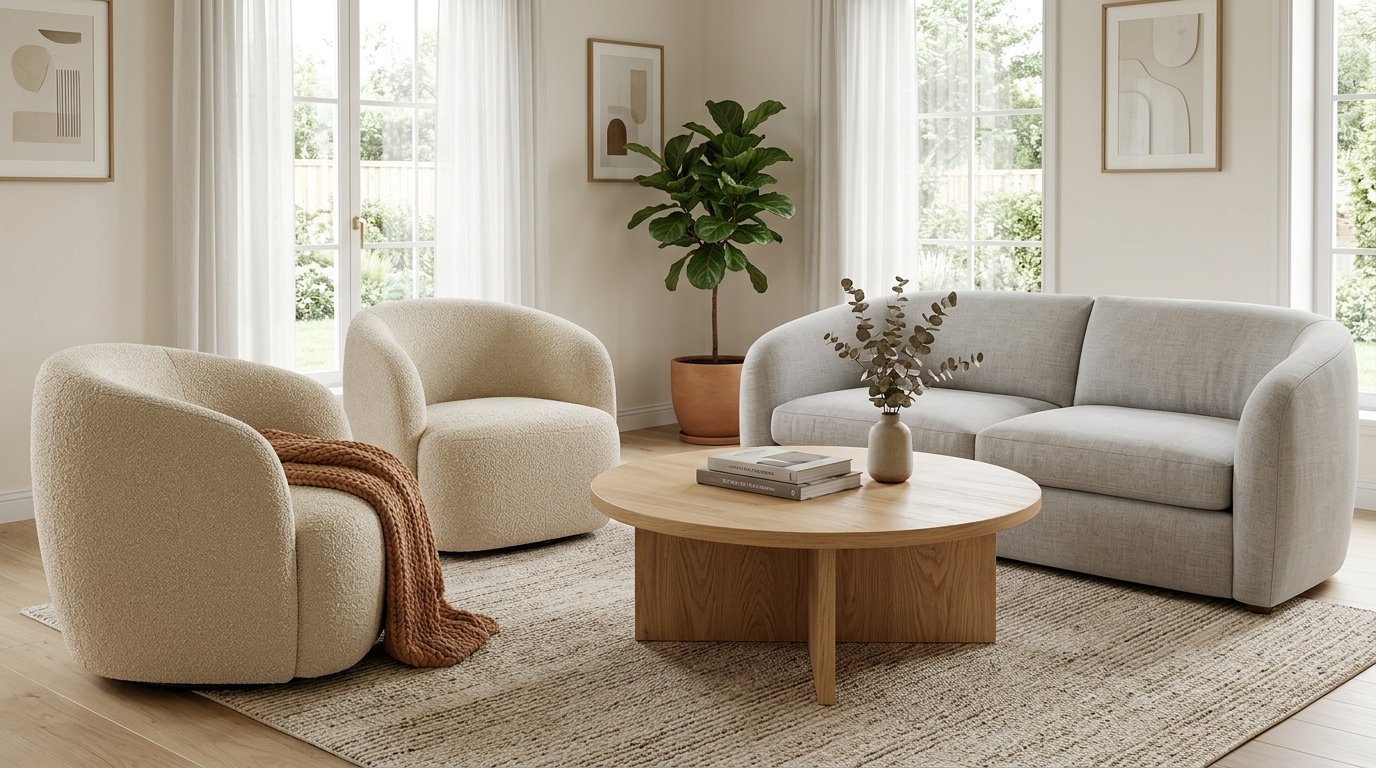
Most living rooms are full of rectangles. Sofas and rugs and TVs all have sharp corners. Adding curved furniture softens the space. I often suggest a round coffee table or a chair with a curved back. This creates a better path for walking through the room. I worked on a narrow apartment where sharp furniture felt like an obstacle course. We swapped the rectangular table for an oval one and the room felt twice as big. Curves feel more feminine and inviting. They encourage conversation and relaxation.
12. Define Multifunctional Zones Clearly
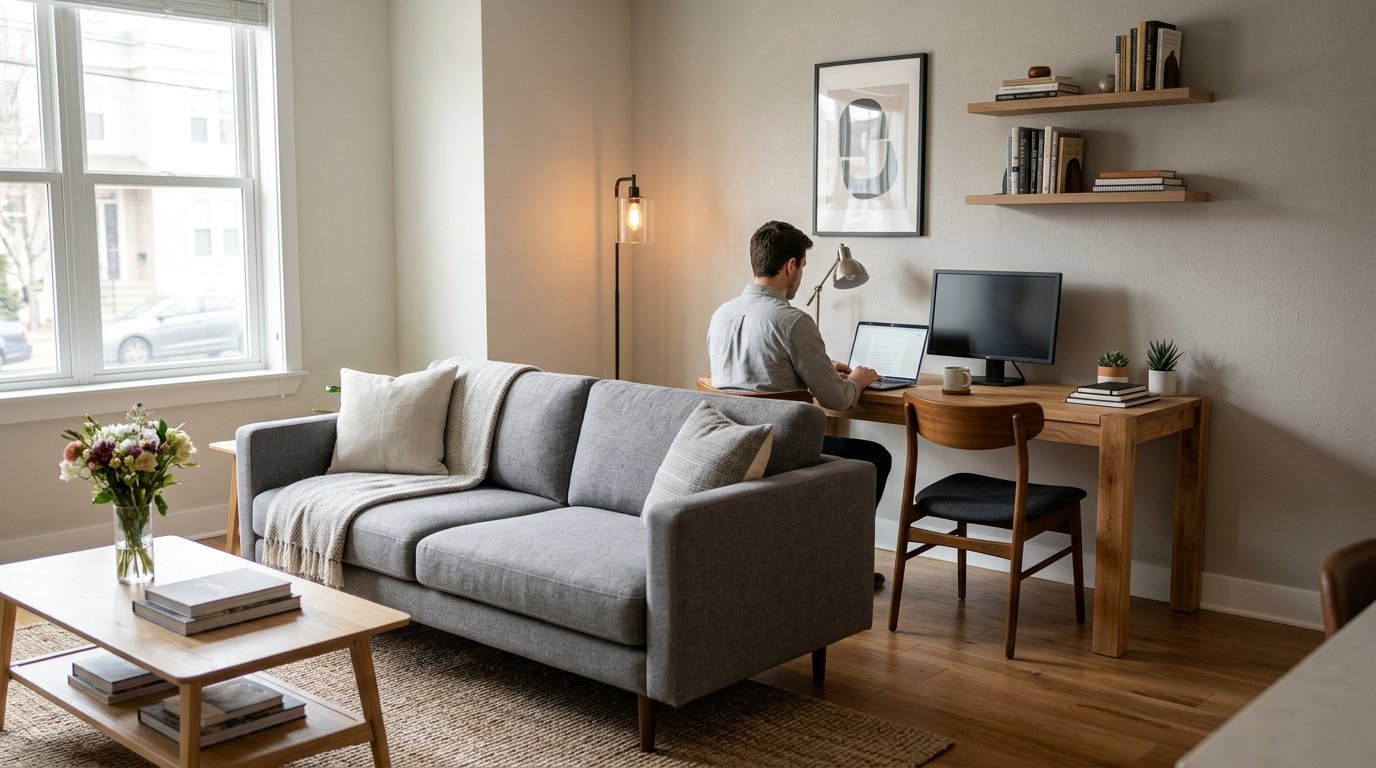
Many living rooms now serve as offices or playrooms. The secret is defining these areas without using walls. Use different rugs to mark each zone. I’ve seen a small desk placed behind a sofa to create a hidden workspace. You can also use a tall open bookshelf as a room divider. This lets light through while creating a sense of privacy. In my experience people feel more productive when their work area is distinct from their relaxation area. It helps your brain switch modes at the end of the day.
13. Use Mirror Walls To Reflect Light
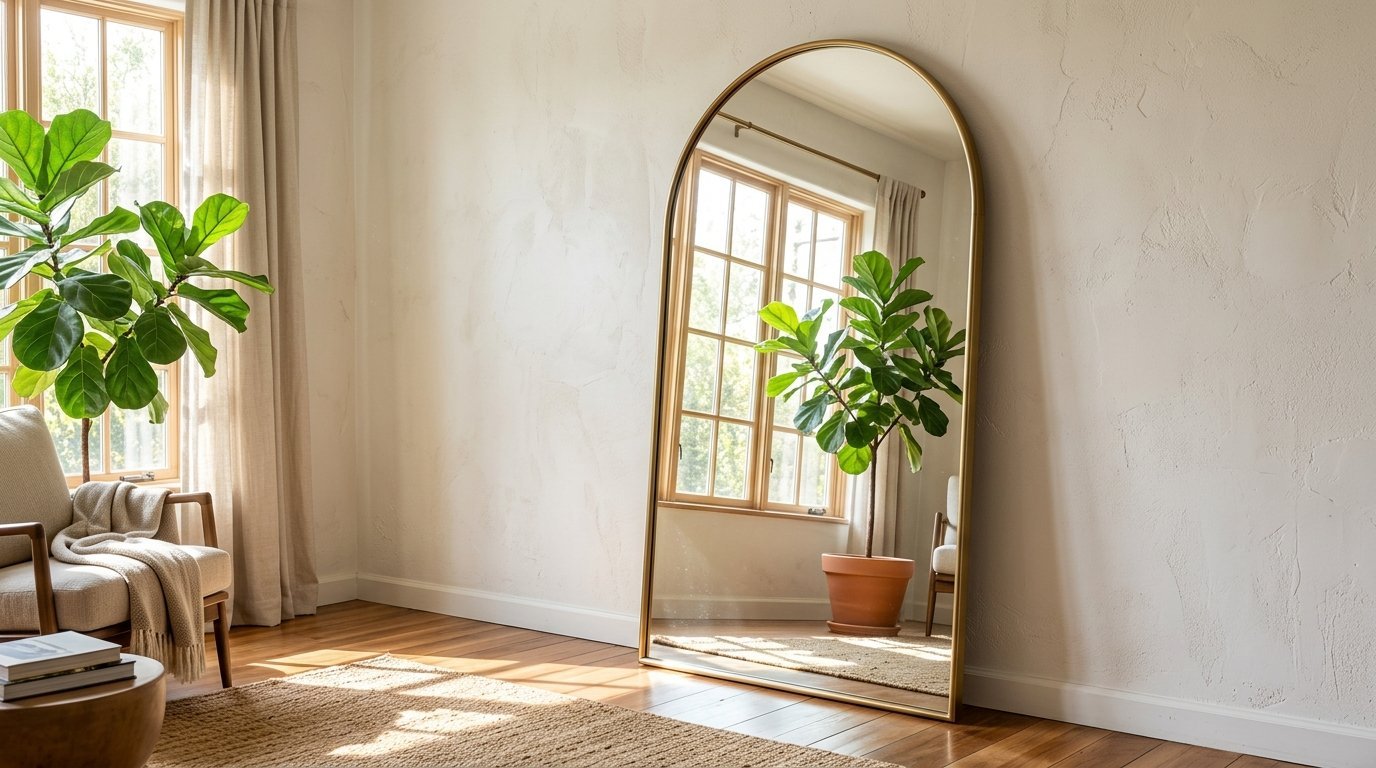
Mirrors are a classic trick for a reason. They double the amount of light in a room. I don’t mean the cheap sliding doors from the eighties. Think about a large floor mirror leaning against a wall. Or a grid of smaller mirrors that look like a window. I once used a mirrored wall behind a sofa in a dark New York apartment. It made the room feel bright even on rainy days. Place mirrors opposite your windows to catch the most sun. It creates a sense of depth that a flat wall cannot provide.
14. Add Character With Vintage Finds
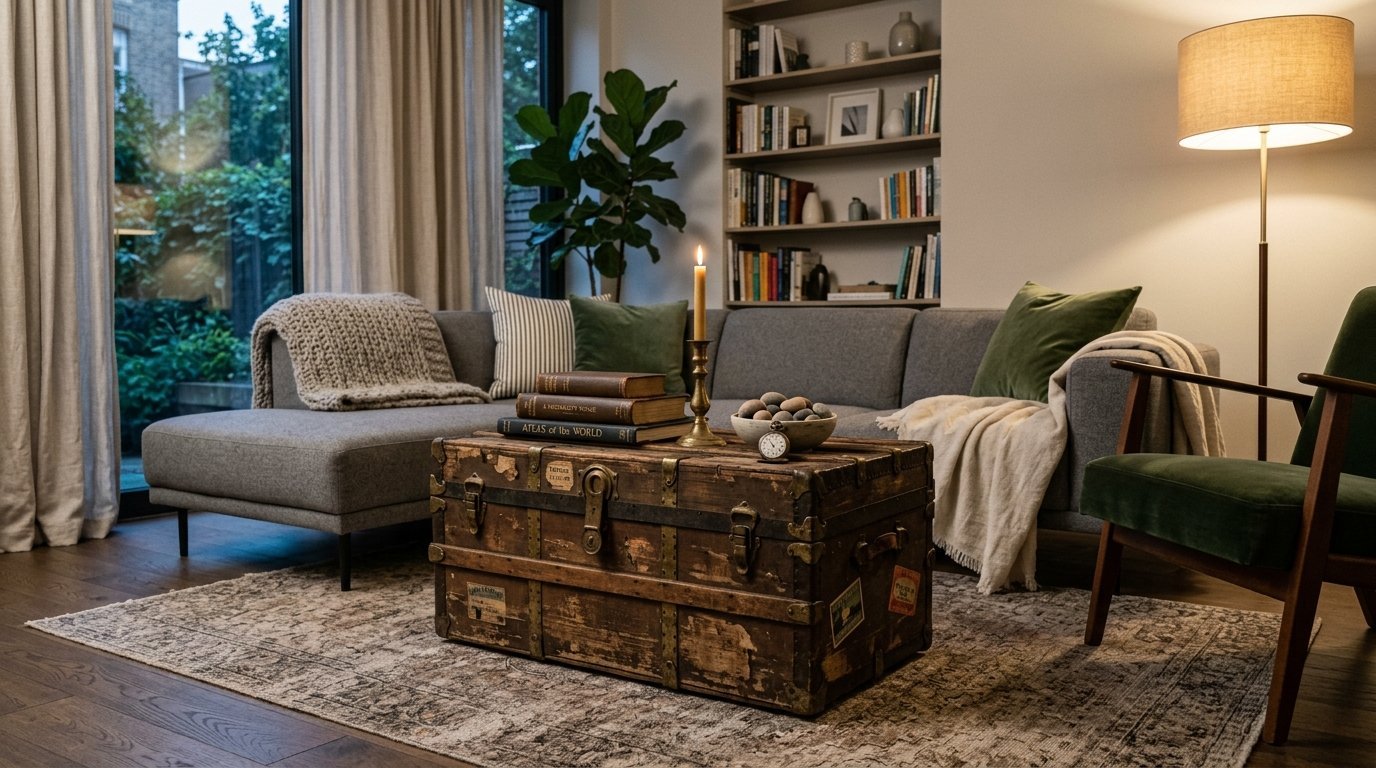
A room with only new furniture has no soul. I love hunting for vintage pieces. A mid century chair or an antique trunk adds a story to your space. I found a weathered wooden bench for a client who had a very modern home. That one piece changed the whole vibe. It made the room feel grounded and real. Don’t be afraid of a little wear and tear. A scratched table shows that a house is lived in. It takes the pressure off being perfect. Check local flea markets or sites like Etsy for unique treasures.
15. Apply Textured Wallpaper For Depth
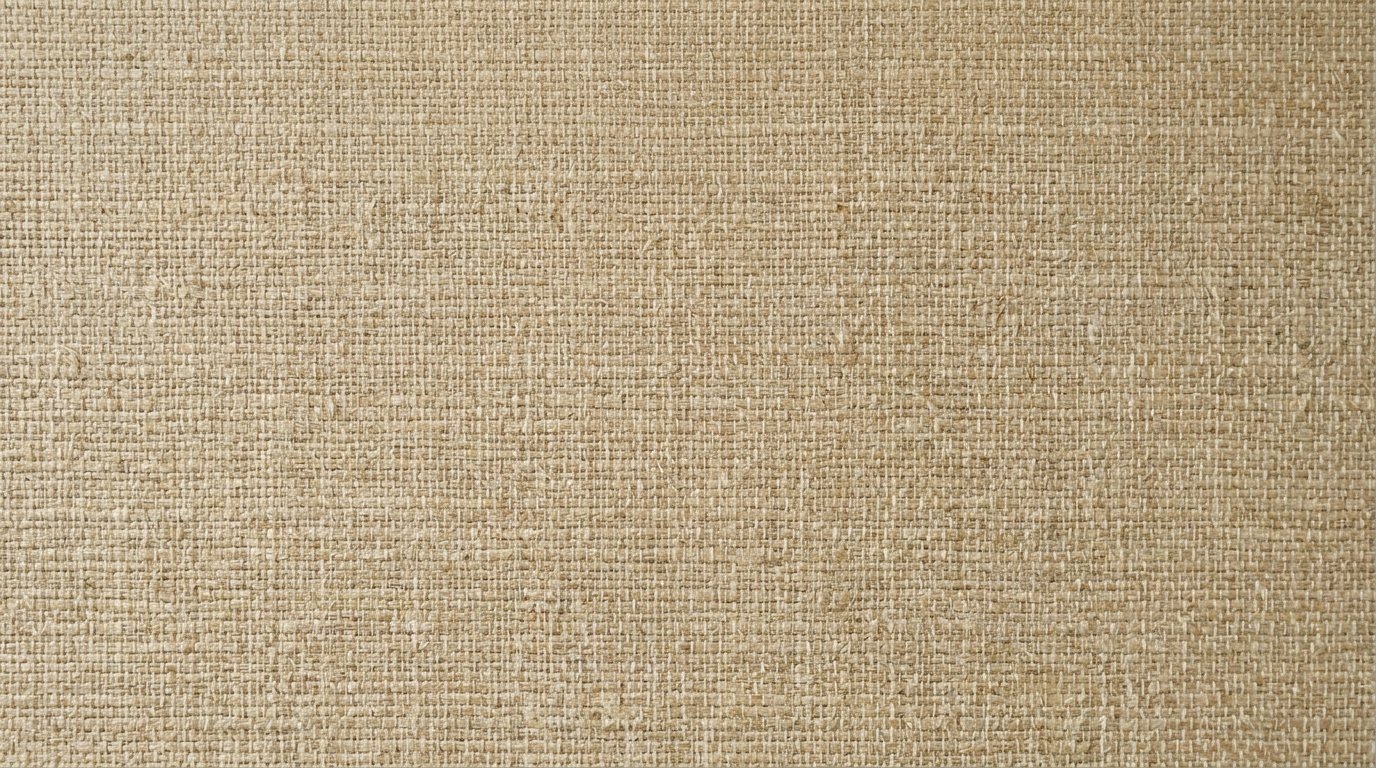
Paint is great but wallpaper adds a tactile layer. Grasscloth wallpaper is my favorite for living rooms. It is made from natural fibers and has a beautiful woven texture. I’ve seen it turn a plain drywall room into something that looks like a high end hotel. It absorbs sound too which makes the room feel quieter and more private. If a full room is too much try it on a single accent wall. Brands like Schumacher or Phillip Jeffries offer stunning options. It’s a luxury upgrade that lasts for years.
16. Install Floor To Ceiling Linen Drapes
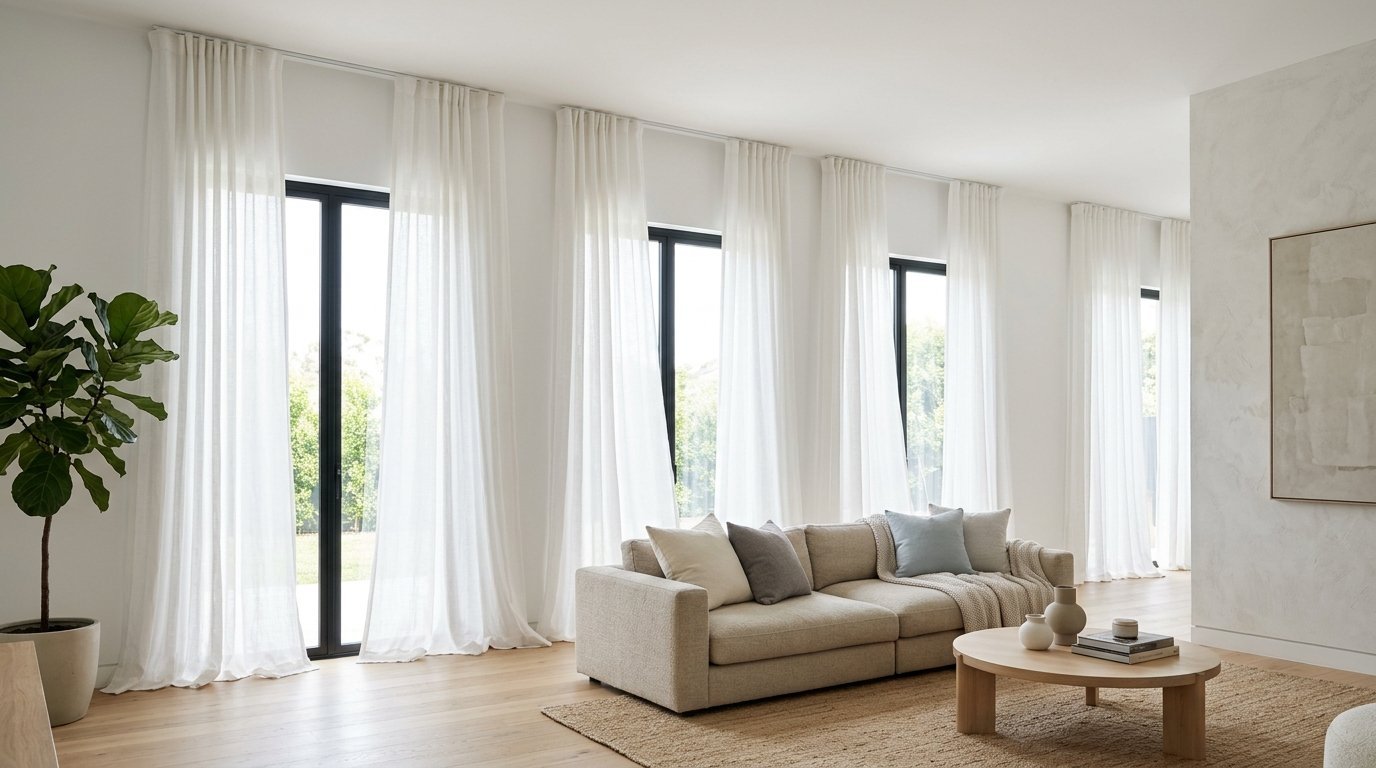
Cheap curtains can ruin a beautiful room. I always recommend hanging your curtain rods as high as possible. They should be just a few inches below the ceiling. This draws the eye up and makes the windows look huge. Use linen fabric for a soft and breezy look. I’ve noticed that white or oatmeal linen never goes out of style. It filters the light beautifully without blocking it entirely. Make sure the panels touch the floor. Short curtains look like high water pants. They feel awkward and unfinished.
17. Create Intentional Coffee Table Vignettes
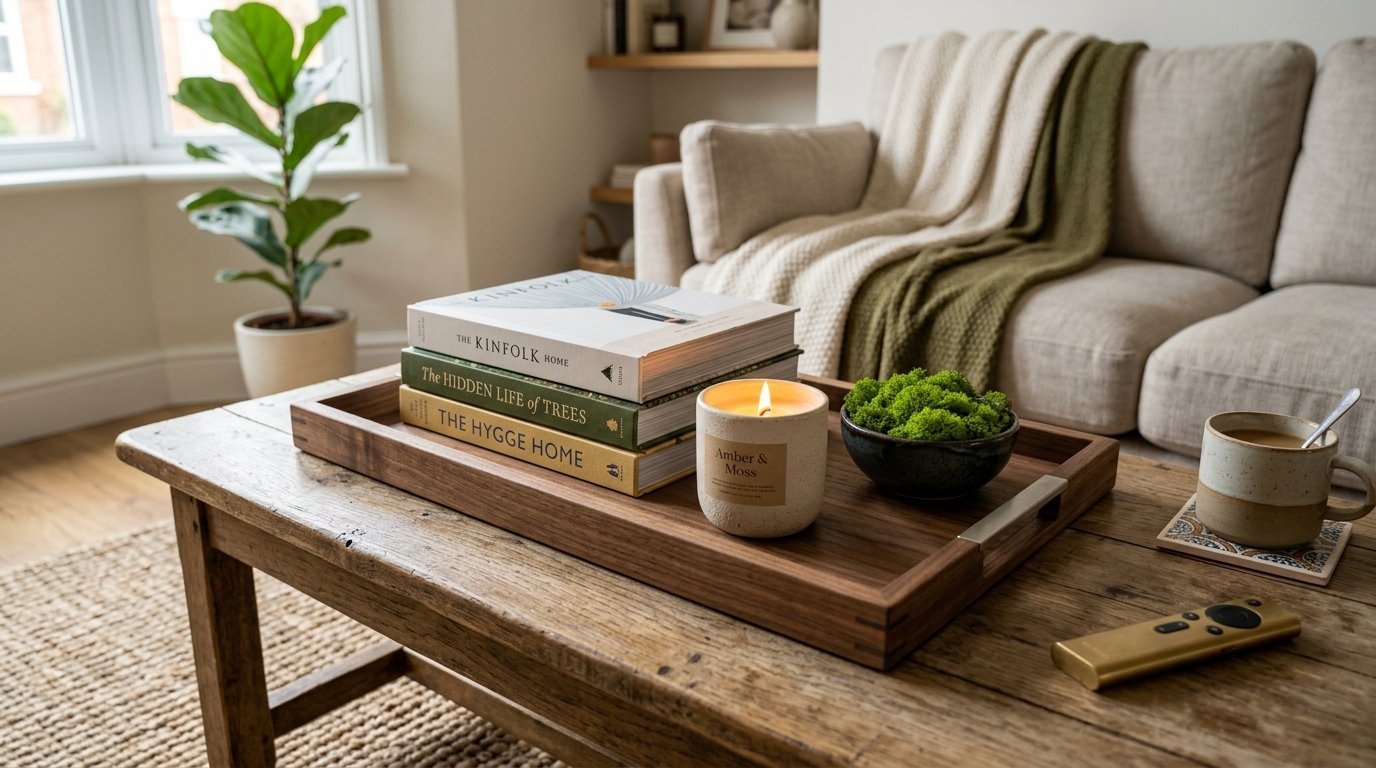
Your coffee table is a prime spot for styling. Don’t just leave a remote there. Use a tray to group items together. I like to include a stack of books and a candle and something organic like a bowl of moss. In my experience grouping items in threes works best. It feels balanced to the human eye. I saw a client use a vintage brass tray to hold her coasters and a small vase. It turned a messy table into a curated display. Keep the items low so they don’t block your view of the TV or your guests.
18. Embrace A Monochromatic Palette
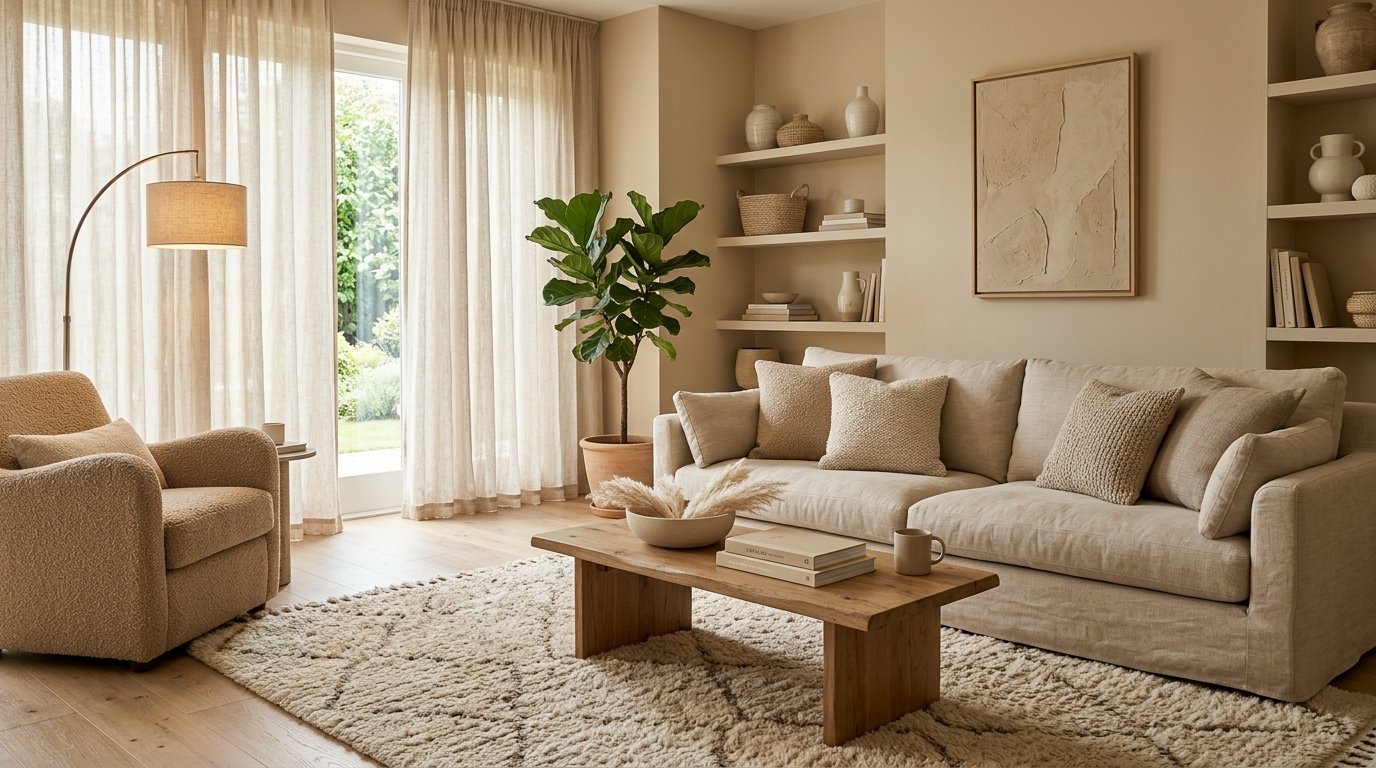
Using different shades of the same color creates a very calm environment. I’ve seen this work beautifully with tones of beige or gray. The trick is to vary the textures. Use a wool rug and a linen sofa and a velvet pillow all in the same shade. This prevents the room from looking flat. I designed a white living room for a family with kids. We used slipcovers and washable fabrics. It looked like a cloud and stayed clean. It’s a very sophisticated look that feels high end without much effort.
19. Utilize Open Shelving For Personal Displays
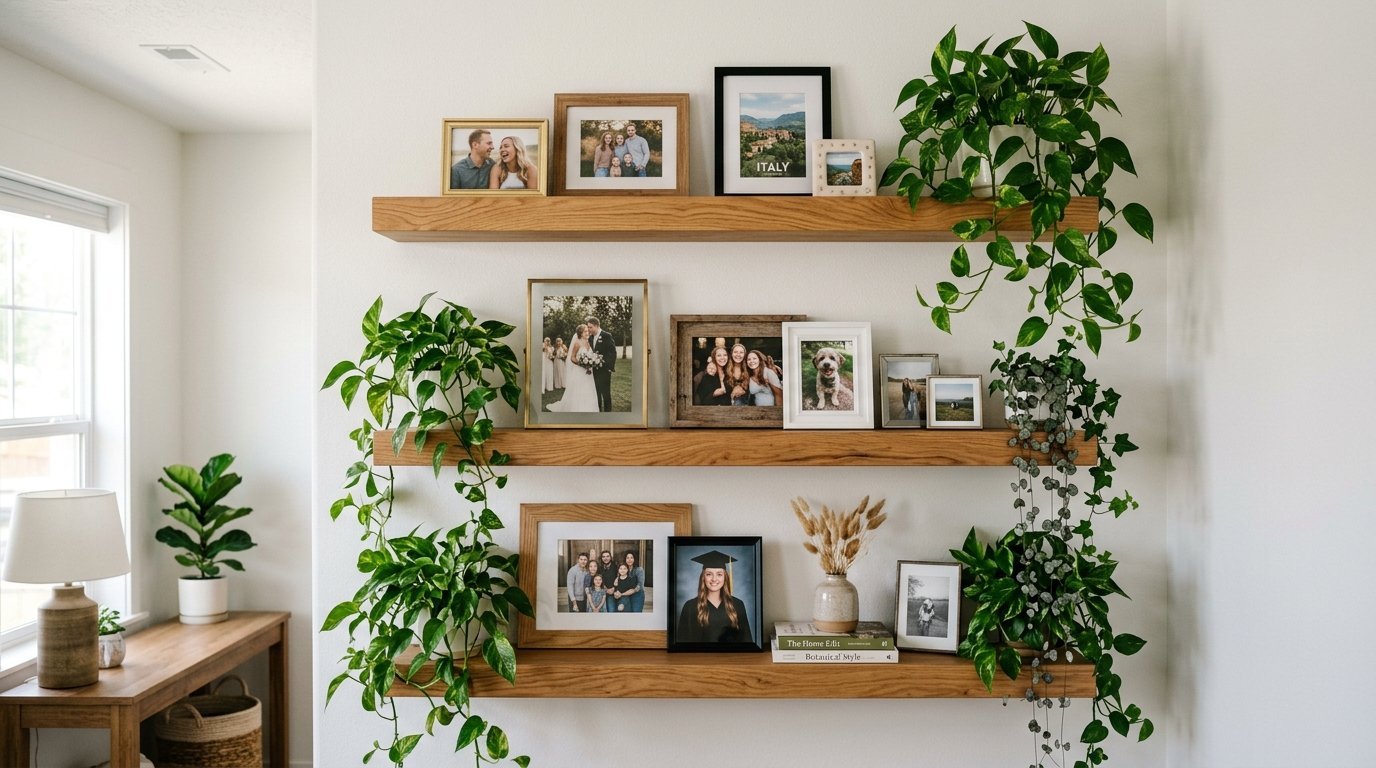
If you have a wall that feels empty try floating shelves. They are less heavy than a full bookcase. I use them to display travel photos and small plants. It’s a great way to fill vertical space. I’ve seen people use them above a TV to hide the black box in a sea of decor. Use thick wooden shelves for a rustic look or thin metal ones for a modern vibe. Make sure they are anchored properly into the studs. You don’t want your favorite vases crashing down in the middle of the night.
20. Add A Pop Of Color With Accent Chairs
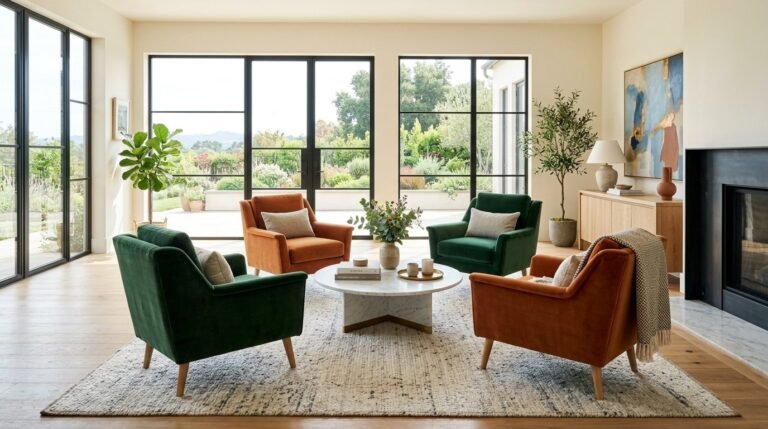
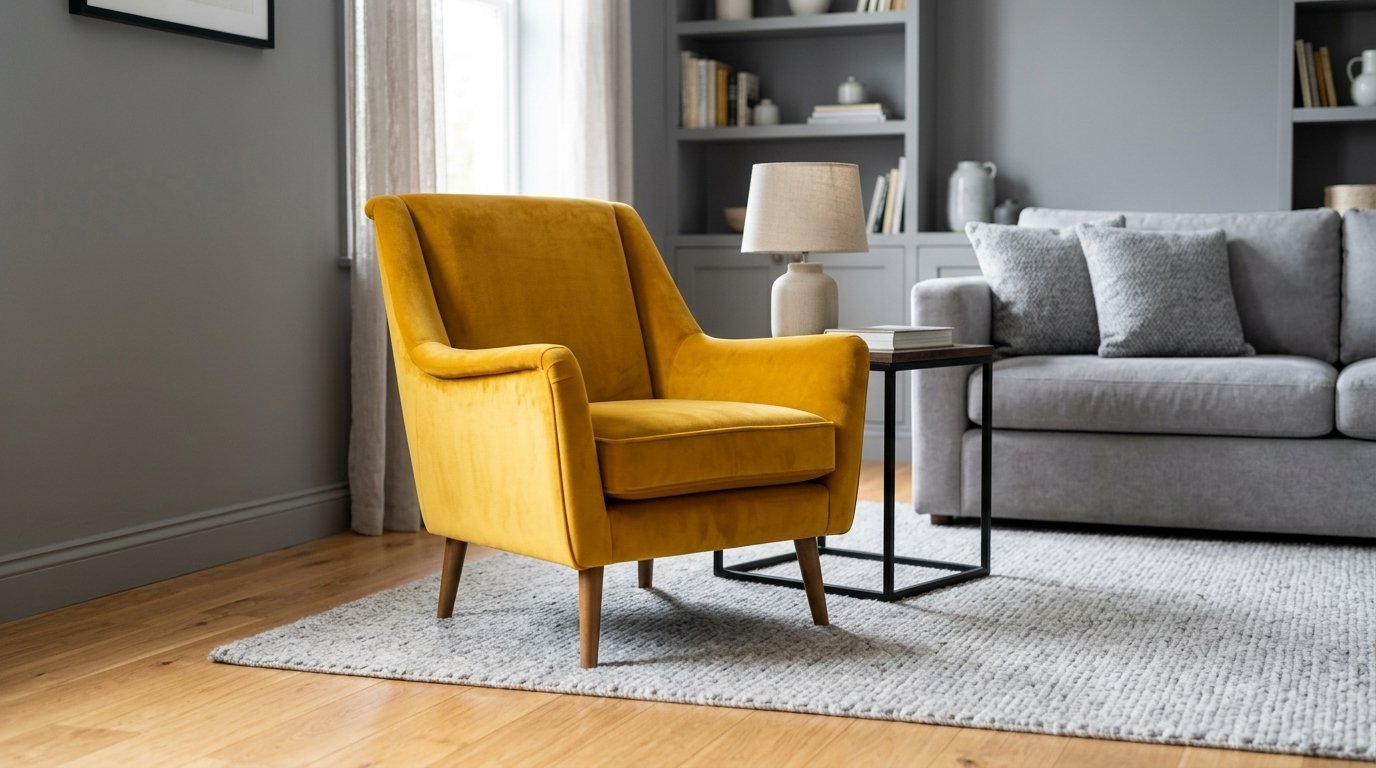
If you are afraid of a colorful sofa try a colorful chair. It’s a smaller commitment but still adds energy. I love using a mustard yellow or a burnt orange chair in a neutral room. It draws the eye and provides extra seating. I once added two navy blue swivel chairs to a gray living room. They became everyone’s favorite place to sit. Chairs are easy to move around when you have guests. They allow you to experiment with different styles without changing your whole layout.
21. Give Your Fireplace A Modern Facelift
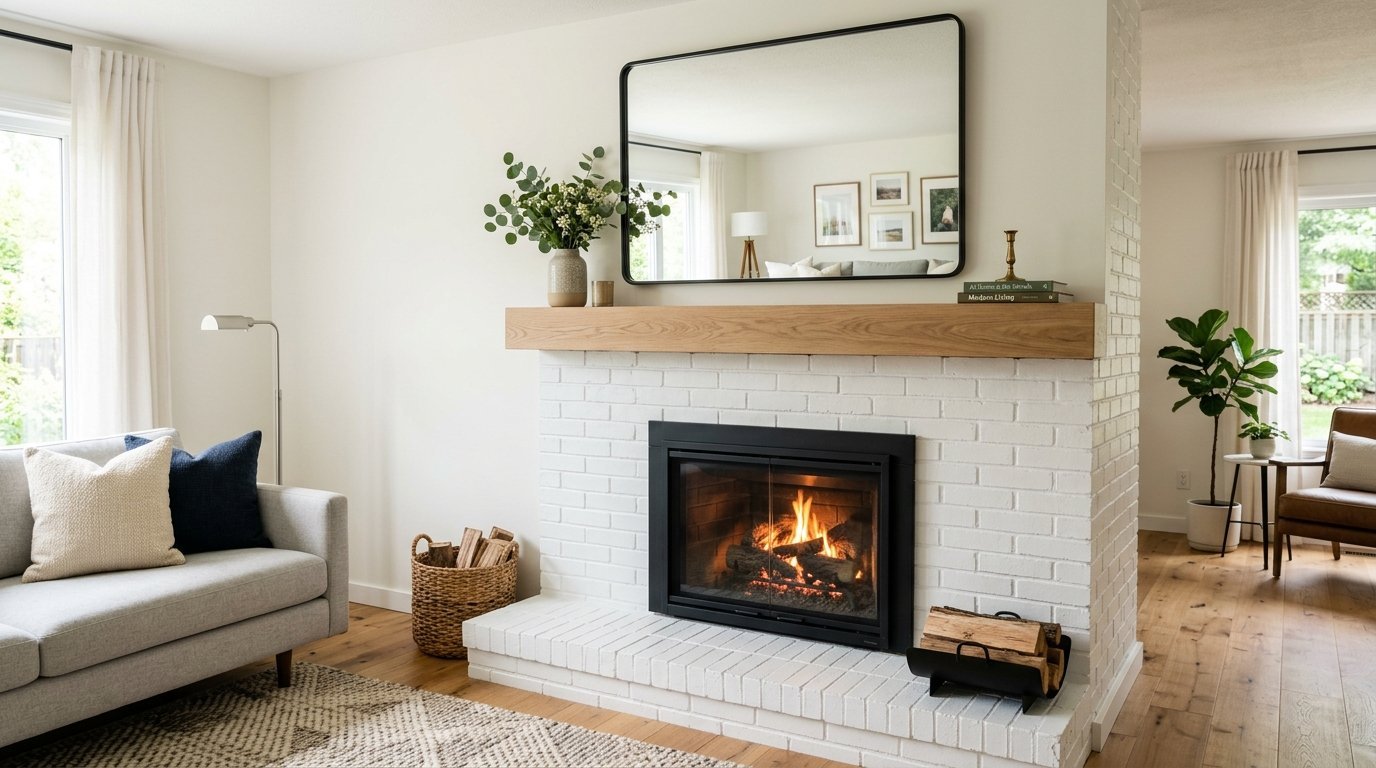
The fireplace is usually the center of the living room. If yours feels dated you can change it easily. I have seen clients paint their brick white for a fresh look. You can also add a new wooden mantel. I once helped a homeowner cover an old tile fireplace with large format stone slabs. It looked like a piece of art. Even if your fireplace doesn’t work you can fill it with birch logs or large candles. It creates a warm focal point that anchors the furniture arrangement.
22. Integrate Smart Home Tech Seamlessly
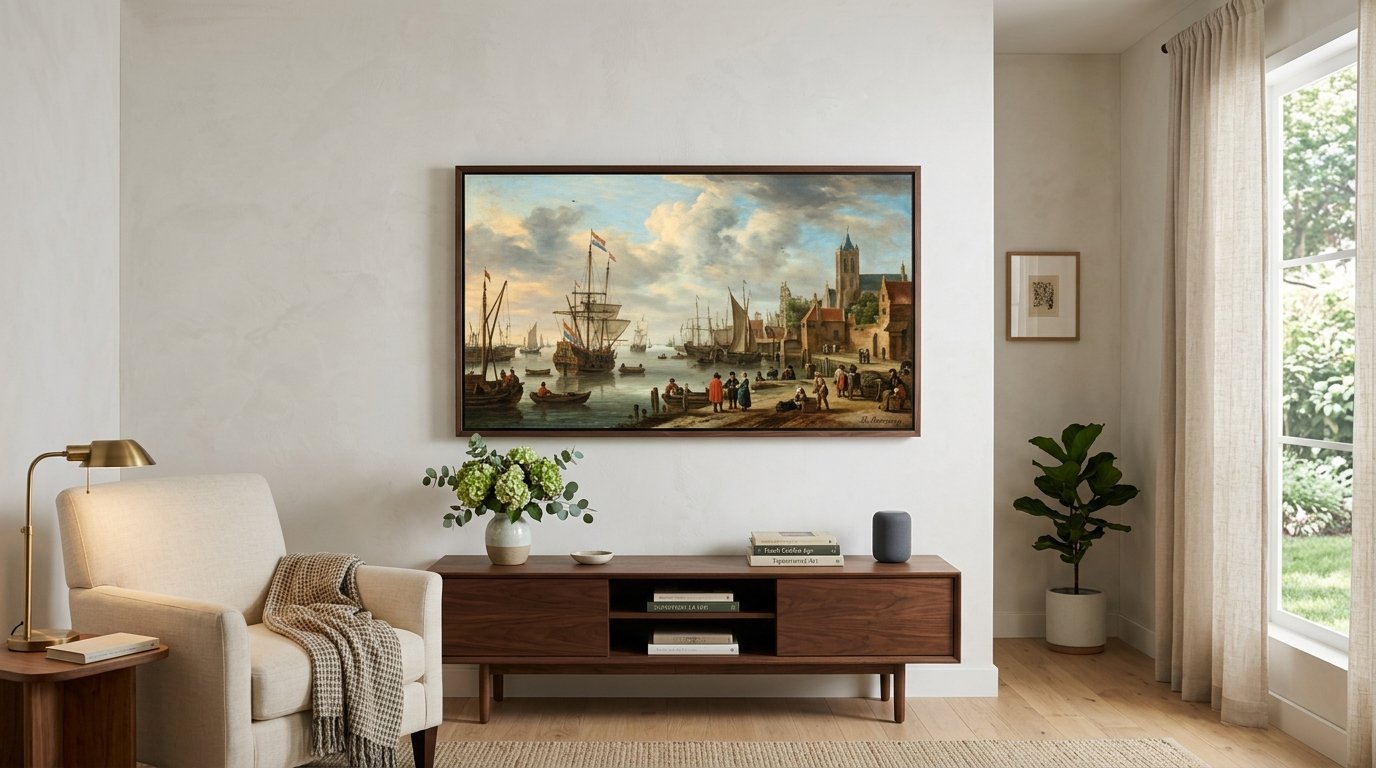
Technology is part of our lives but it doesn’t have to be ugly. I use picture frame TVs that look like art when they are off. Hide your wires inside the walls or behind furniture. I’ve seen people use beautiful wooden boxes to hide routers and cable boxes. Smart lighting can also change your decor. Use bulbs that can change temperature. Warm light for the evening and cool light for the morning. It’s a subtle way to enhance the mood of your decor without adding clutter.
23. Pay Attention To Your Ceiling Details
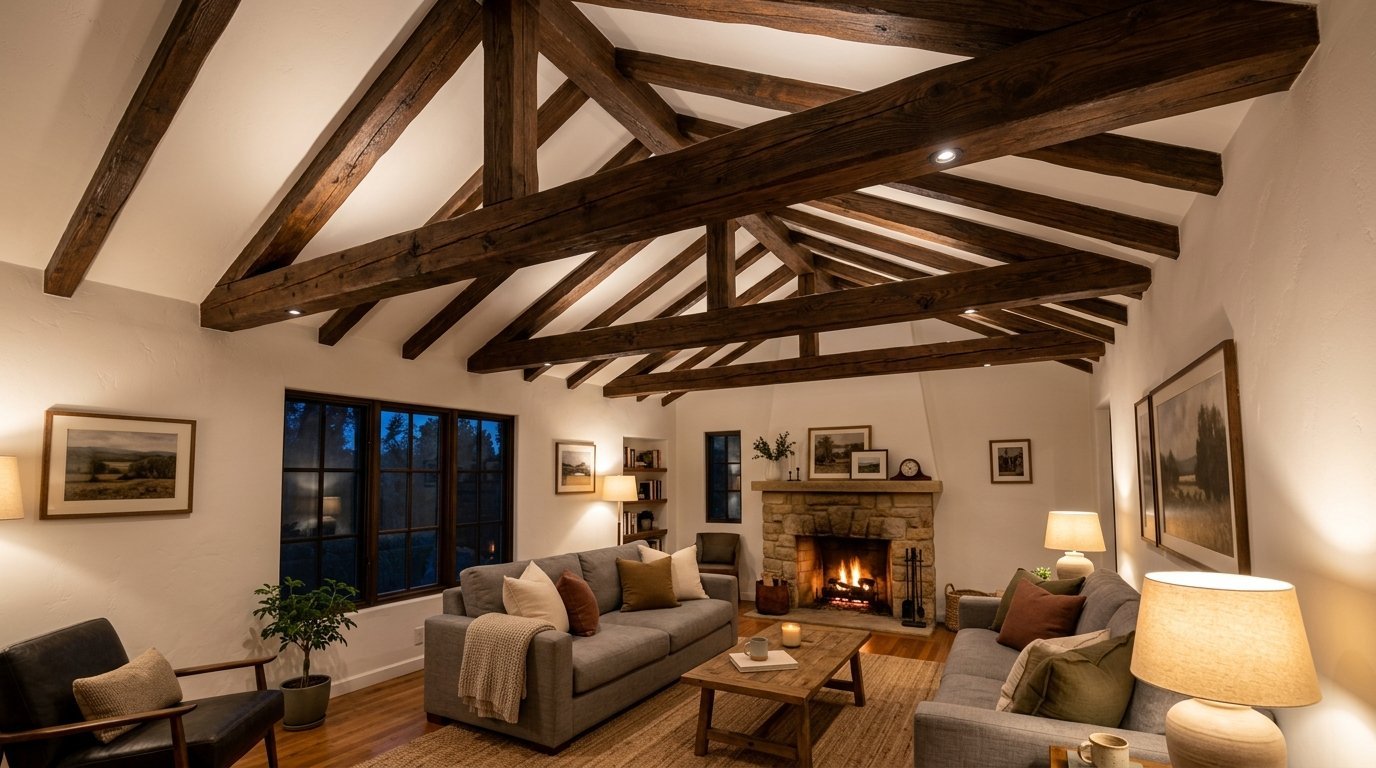
The ceiling is the fifth wall. Most people ignore it. I’ve seen rooms transformed by adding wooden beams or a subtle coat of light blue paint. In a high end project we used a metallic gold wallpaper on a recessed ceiling. It reflected the light from the chandelier beautifully. Even adding a simple crown molding can make a room feel more finished. It’s a detail that many people miss but it makes a huge difference in how the space feels. It adds a layer of architectural interest.
24. Display Your Personal Heirlooms With Pride
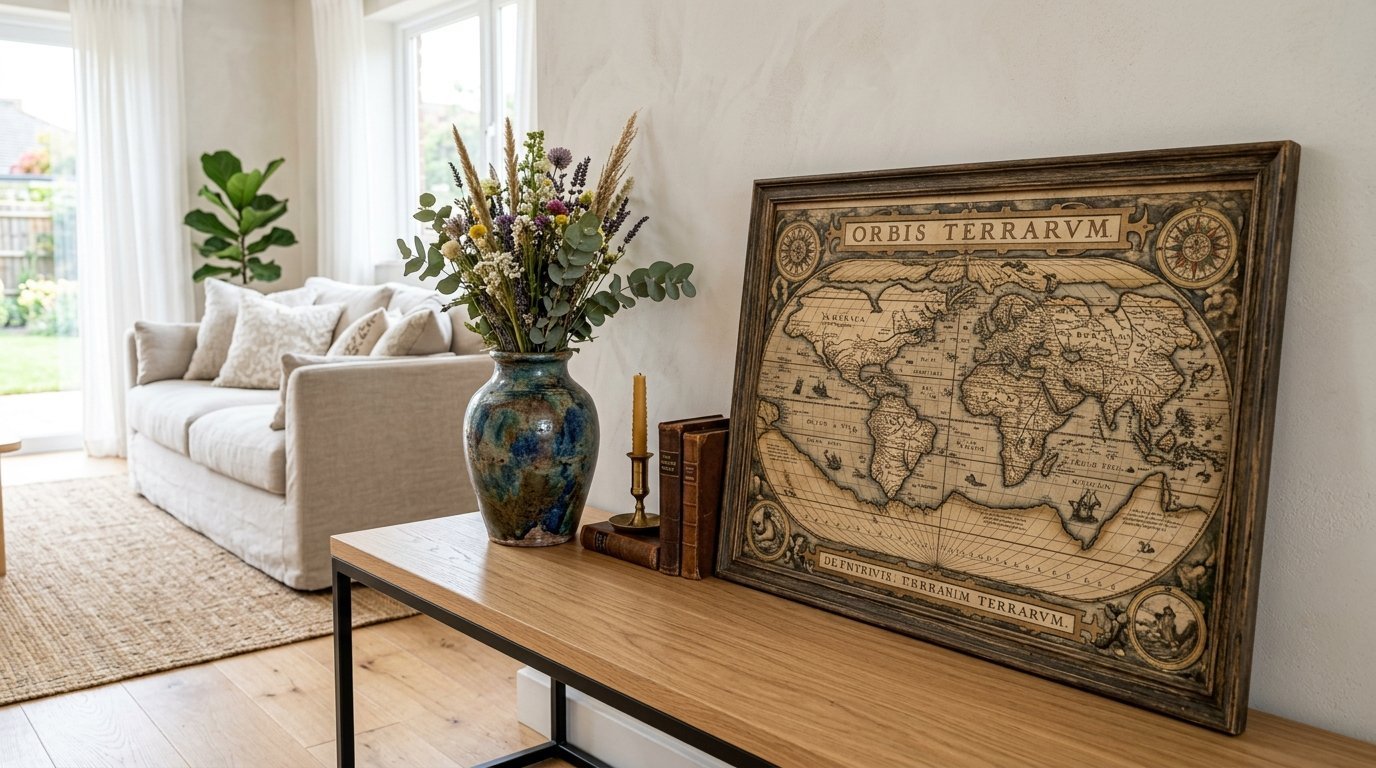
The best decor is the stuff that means something to you. I always encourage my clients to find a place for their treasures. Maybe it is your grandmother’s tea set or a rug you bought on a trip to Morocco. These items make your home unique. I saw a modern living room that felt cold until we added an old wooden spinning wheel in the corner. It became a conversation piece. Don’t hide your history in boxes. Put it on display. Your home should be a reflection of your journey.
FAQ: Common Living Room Decor Questions
How do I make a small living room feel larger?
In my experience the best way to open up a small room is to use leggy furniture. If you can see the floor under your sofa and chairs the room feels more spacious. Mirrors also help by reflecting light and creating depth. Avoid heavy dark curtains and go for light linen drapes hung high.
What is the most common mistake in living room design?
I see people buy rugs that are way too small. A tiny rug makes your furniture look like it is floating in the middle of the ocean. Your rug should be large enough so at least the front legs of all seating pieces are on it. This grounds the room and ties everything together.
How do I choose a color palette for my room?
Start with one item you love. It could be a pillow or a piece of art or a rug. Pull three colors from that item. Use one as your main wall color and the others as accents in your decor. This ensures that everything in the room feels cohesive and intentional.
Is it okay to mix different wood tones?
Yes it is actually better to mix them. A room where every piece of wood matches can feel flat and boring. Try to keep the undertones the same. For example mix different woods that all have warm red undertones. This makes the space look collected over time rather than bought as a set.
How much should I spend on a living room refresh?
You don’t need a fortune. I have seen amazing transformations for five hundred dollars using just paint and thrifted finds. If you have more to spend focus your budget on the sofa and the rug. These are the pieces you use the most. You can save money on smaller decor items and art.
Summary Of Your Living Room Transformation
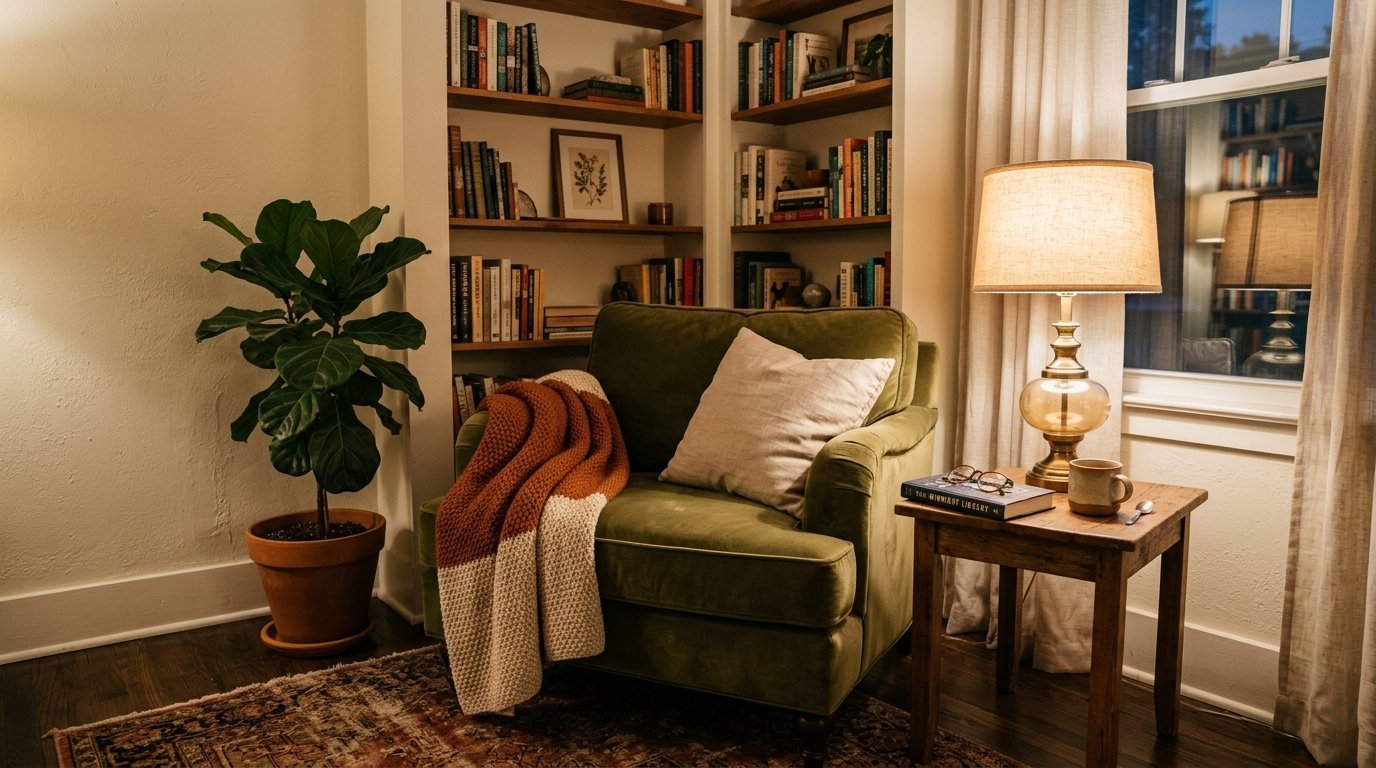
Creating a beautiful living room is a journey. It takes time to find the right pieces that speak to you. I have seen that the most successful rooms are those that balance style with function. Start with a big move like a new rug or a velvet sofa. Then add layers with art and plants and lighting. Don’t worry about being perfect. A home should feel comfortable and lived in. These 24 ideas are a guide to help you get started. Take your time and trust your instincts. I know you can create a space that you will love coming home to every day.
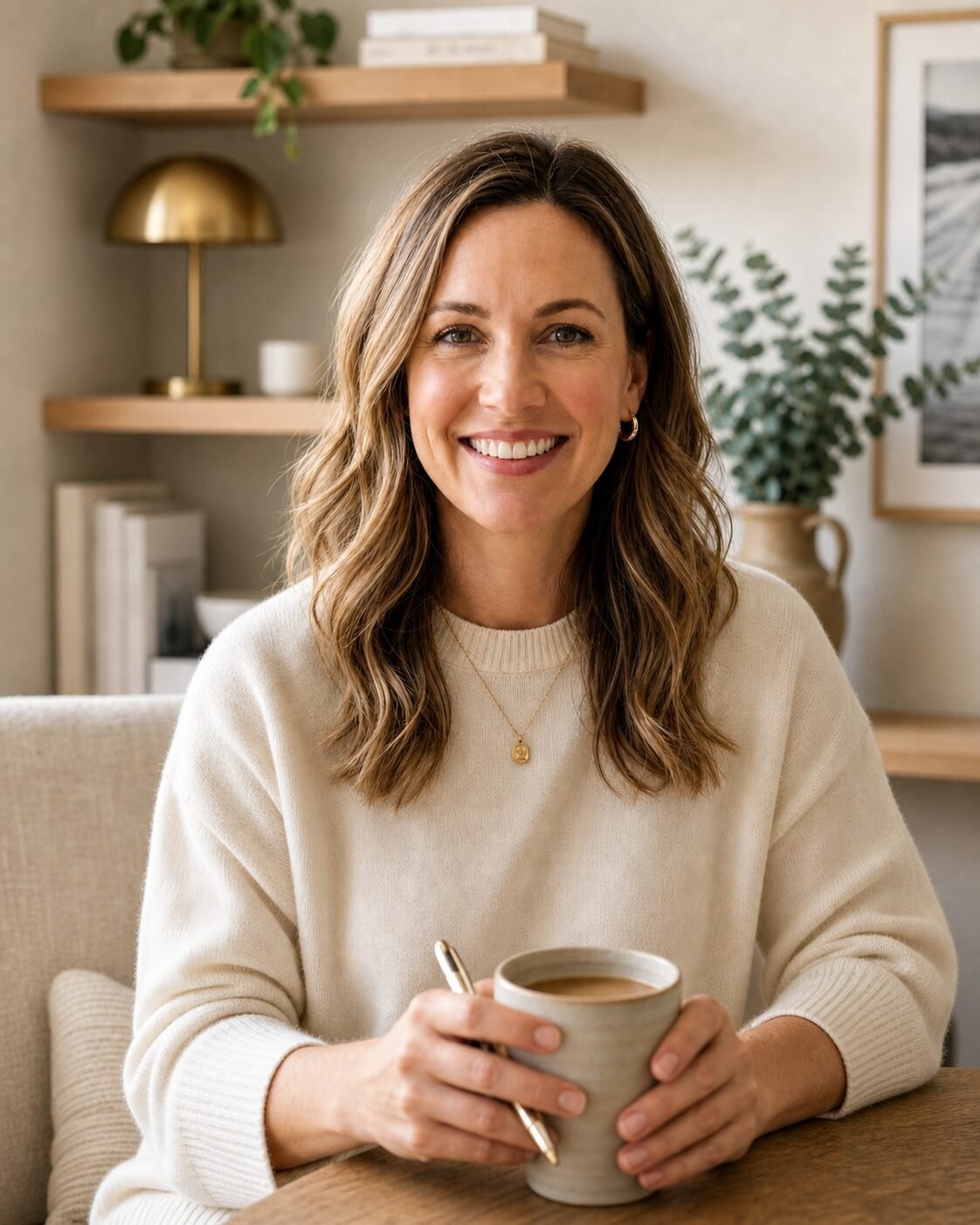
Sloane Whitaker is the Editor-in-Chief at Home Wall Trends, leading editorial direction with over a decade of experience in residential interior design and home styling. Her specialty is space planning and layout, the unglamorous fundamentals that make a beautiful room actually function. A graduate of the New York School of Interior Design, Sloane has styled over 200 client homes before turning her focus to digital publishing. Her editorial standard: “If a reader can’t picture themselves doing it on a Saturday afternoon, we haven’t explained it well enough.”