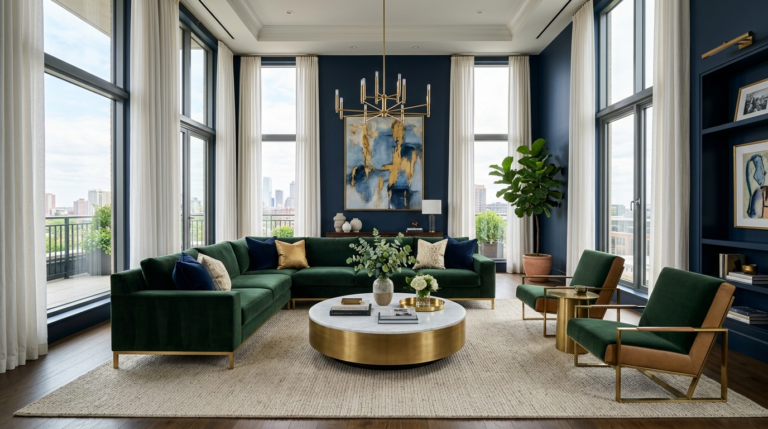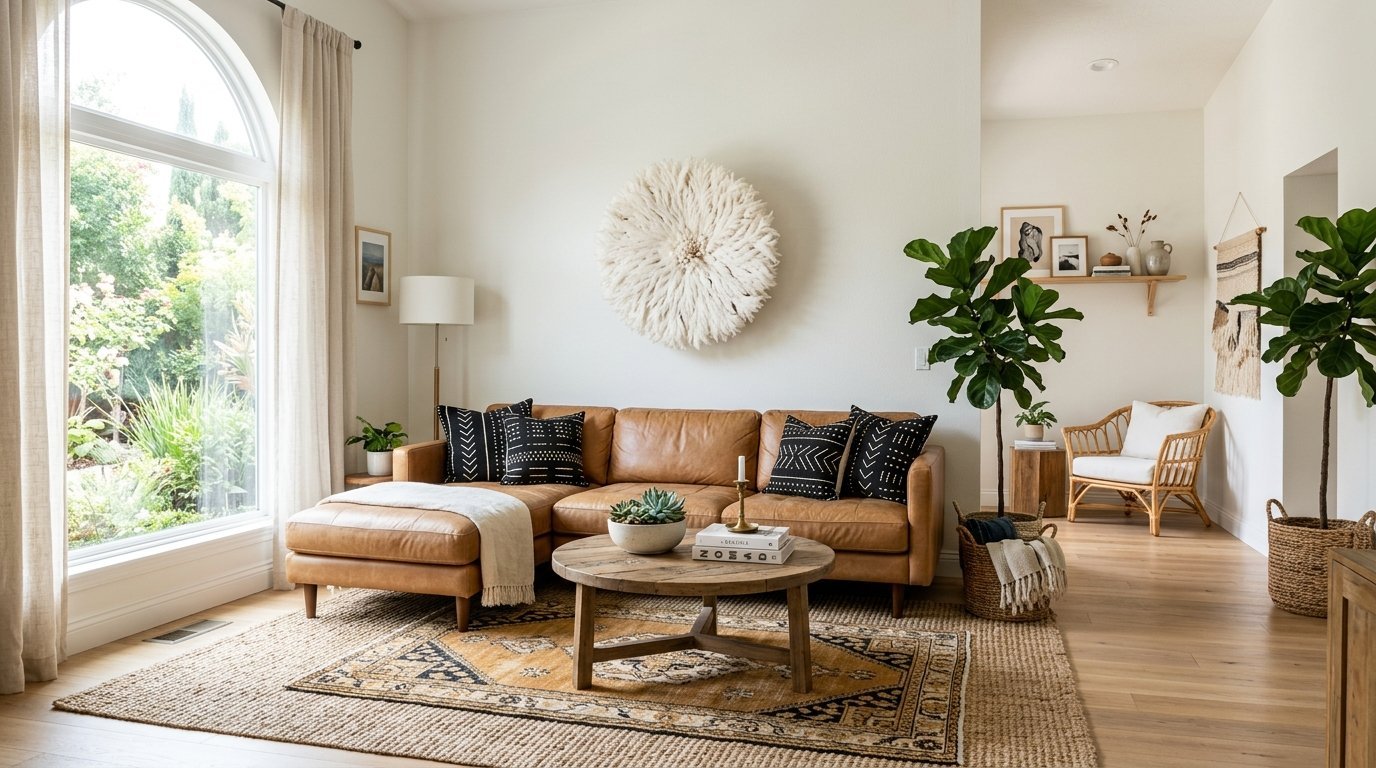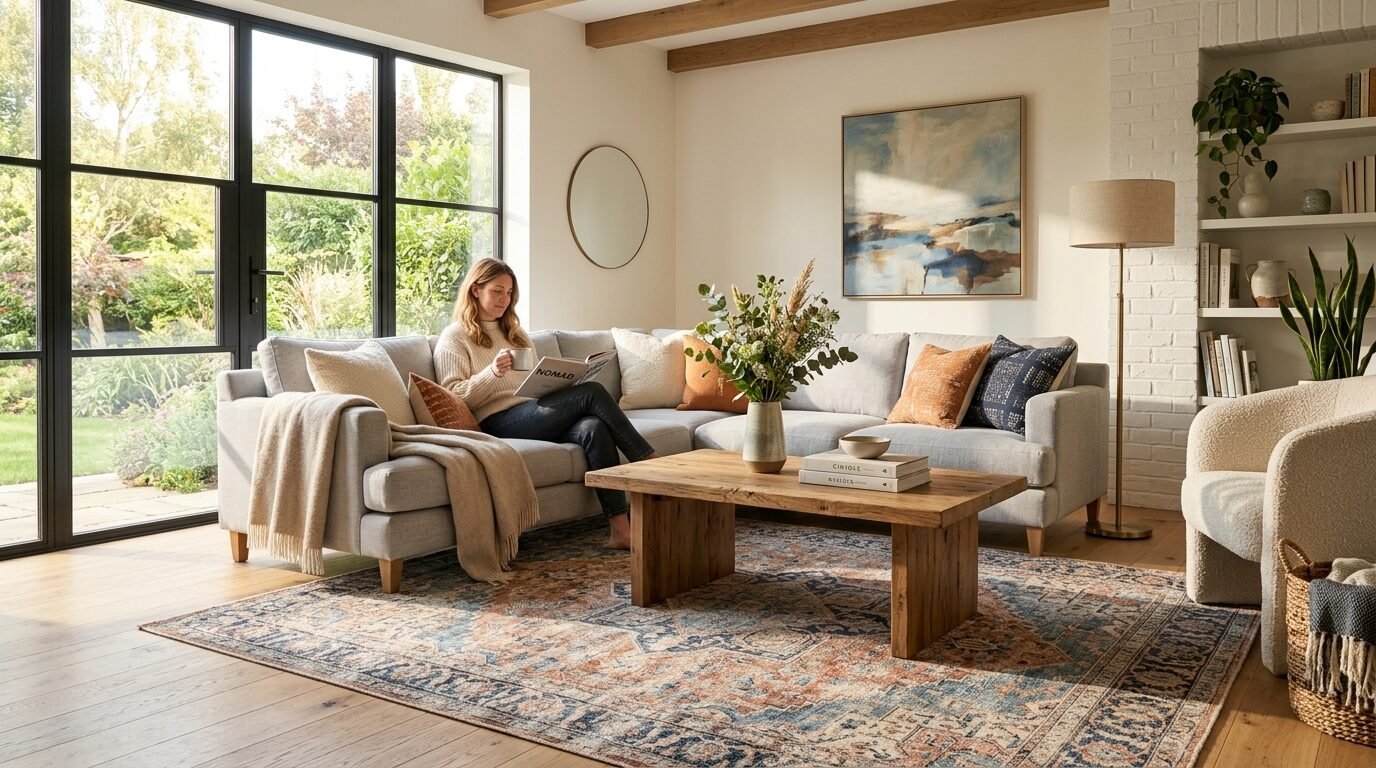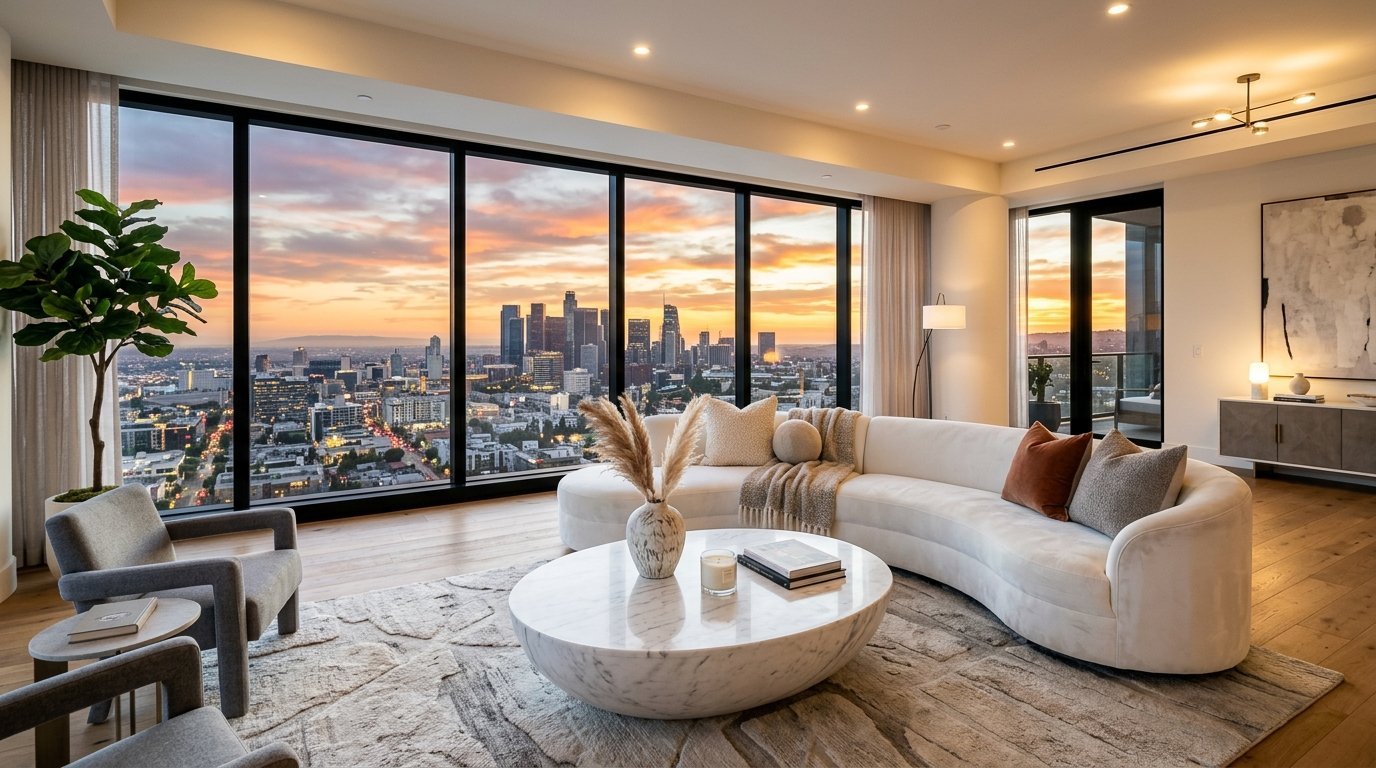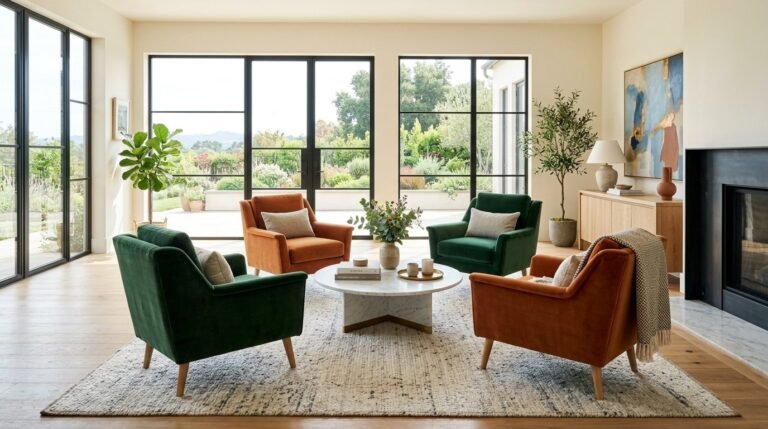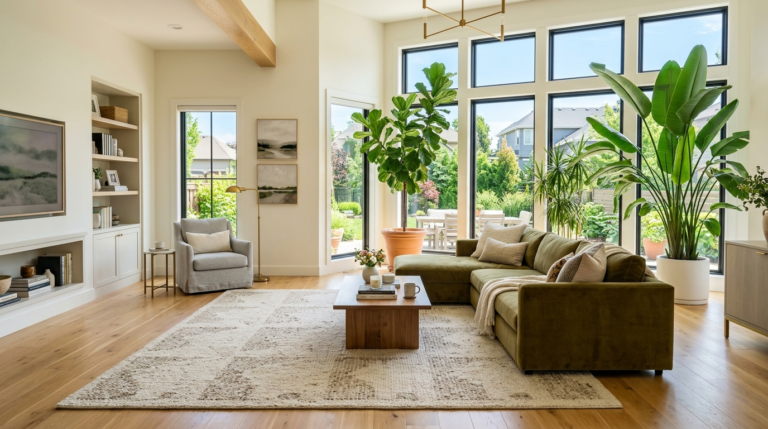
Last month I visited a home that felt like a luxury hotel. The ceilings were average height. The furniture was not designer brand. Yet, the entire space felt like it cost a fortune. I realized then that high-end style is about choices, not just bank accounts. You do not need a massive renovation budget to create a space that feels curated and rich. Small shifts in lighting, texture, and layout change everything.
I have seen many people spend thousands on the wrong items. They buy “fast furniture” that loses its shape in a year. They choose colors that feel dated before the paint even dries. In my experience, the most expensive-looking rooms focus on timeless elements. They prioritize how a room feels under your hands and looks under the glow of a lamp. This guide shows you exactly how to achieve that high-end look without the high-end price tag.
Executive Summary
You can create a luxury living room by focusing on scale and texture. This article covers 24 specific ideas to elevate your space. You will find tips on using monochromatic colors to create a cohesive look. We look at why oversized rugs are better than small ones. I share my thoughts on why brass hardware beats plastic every time.
The implementation of these ideas takes anywhere from an hour to a weekend. Most of these tips involve simple styling changes or small purchases. For example, swapping your light bulbs can change the mood of a room instantly. We also cover why hidden storage makes a room look more professional. Expect to see realistic cost estimates for each tip. I also include common mistakes I have seen homeowners make when trying to go “glam.”
1. Use Monochromatic Color Palettes
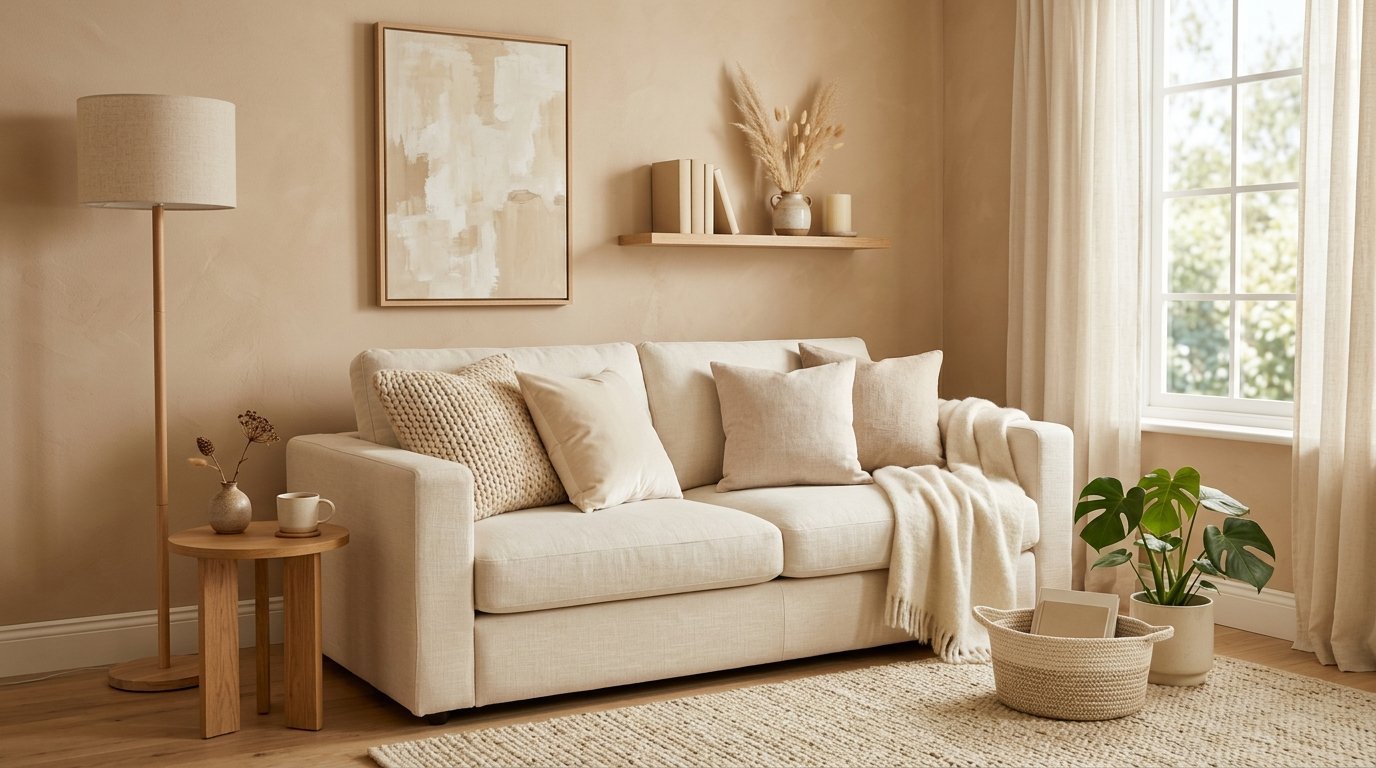
A single color family creates a look that is very high-end. I once styled a living room using only shades of beige and cream. The layers of different fabrics made the room feel deep and interesting. When you stick to one color, the eye focuses on the quality of the materials. Pick a soft grey or a warm tan. Use it on the walls, the sofa, and the curtains.
Mixing different textures within that color is the secret. Put a wool throw on a velvet chair. Add a linen pillow to a leather sofa. This prevents the room from looking flat. Monochromatic rooms feel calm and expensive because they are easy for the brain to process. It looks intentional rather than messy. People will think you hired a professional designer to match everything perfectly.
2. Install Floor to Ceiling Drapes
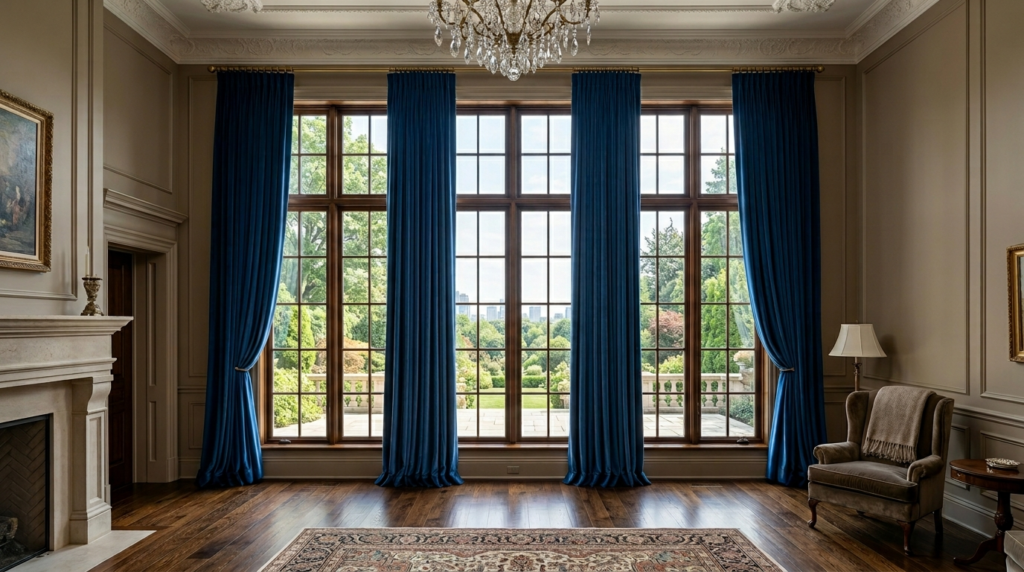
Short curtains are a major mistake. They make your walls look shorter and your windows look smaller. I always tell my clients to hang the rod near the ceiling. Let the fabric touch the floor or even puddle slightly. This trick draws the eye upward. It creates the illusion of grand architecture.
Choose heavy fabrics like velvet or thick linen. These materials hang better and block more light. Avoid thin or shiny fabrics that look cheap under sunlight. If you use a double rod, you can layer sheer curtains for a soft look. This adds a level of luxury found in five star hotels. It makes the room feel cozy and private while looking very polished.
3. Choose Oversized Rugs
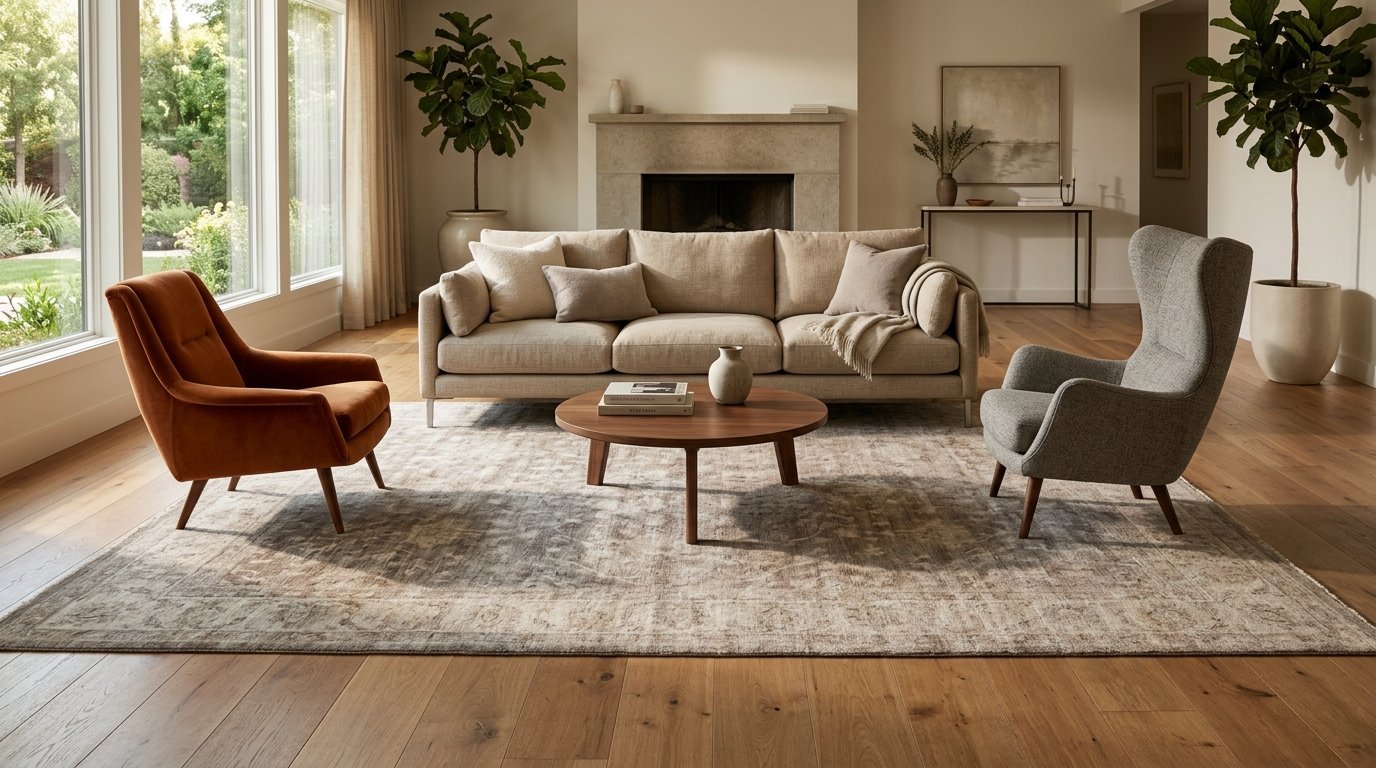
A small rug makes a room look cramped and cheap. I have seen many people buy a rug that only sits under the coffee table. This is a design error. Your rug should be large enough for all furniture legs to sit on it. At the very least, the front legs of your chairs and sofa must touch the rug.
A large rug defines the seating area. It makes the floor space feel expansive. If a large wool rug is too expensive, try layering. Buy a large, affordable jute rug as a base. Place a smaller, high quality patterned rug on top. This adds texture and depth. It covers more floor space and gives the room a grounded, expensive feel.
4. Update Your Hardware
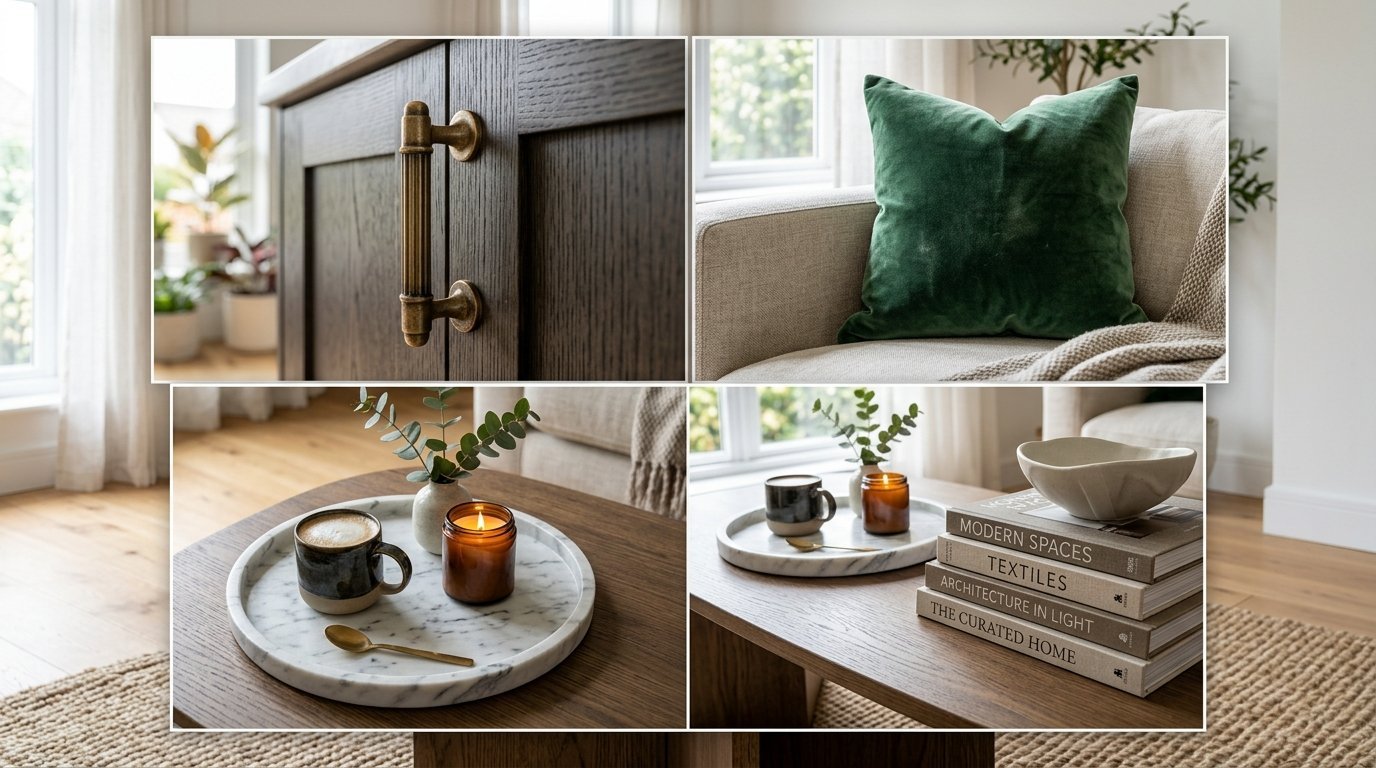
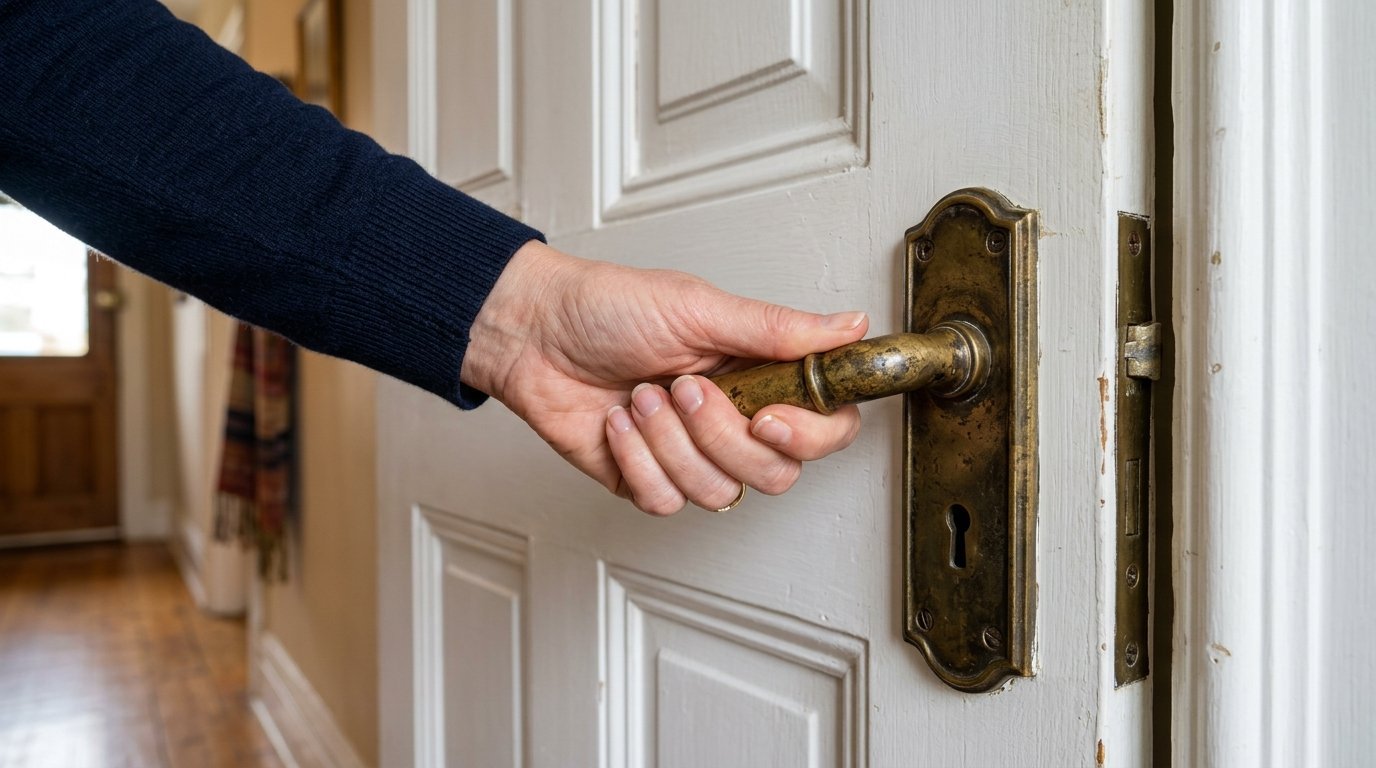
Small details make a big impact. Builders often use cheap, silver plastic knobs on cabinets or doors. Swapping these for solid brass or matte black metal changes the feel of the room. I replaced the handles on an old IKEA cabinet with heavy brass pulls last year. The piece went from looking like a dorm room item to a custom heirloom.
Look for hardware with a heavy weight. When a guest opens a door or a drawer, they should feel the quality. Avoid anything that feels light or hollow. This applies to your curtain rods and light switches too. Matching your metals throughout the room creates a sense of harmony. It shows you care about every inch of your home.
5. Focus on Statement Lighting
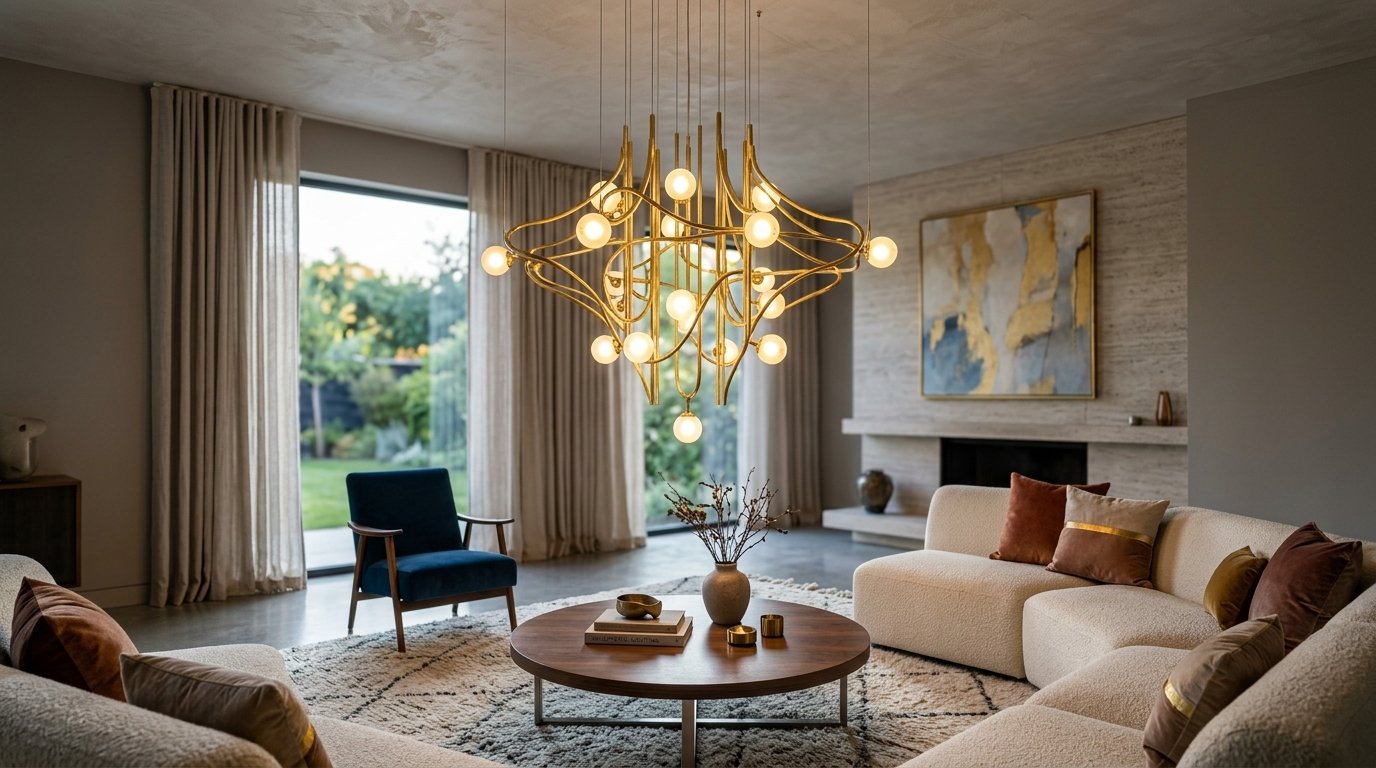
The “boob light” ceiling fixture is a luxury killer. I recommend replacing standard dome lights with something sculptural. A large chandelier or a modern pendant light acts as art for your ceiling. It becomes a focal point that people notice immediately. Even a simple, oversized paper lantern can look more expensive than a basic glass dome.
Lighting sets the tone for the entire evening. A statement fixture suggests that the room was designed with care. You can find beautiful options at vintage shops or online marketplaces. Make sure the scale fits the room. A light that is too small will look like an afterthought. A large fixture makes the space feel grand and expensive.
6. Layer Your Lighting
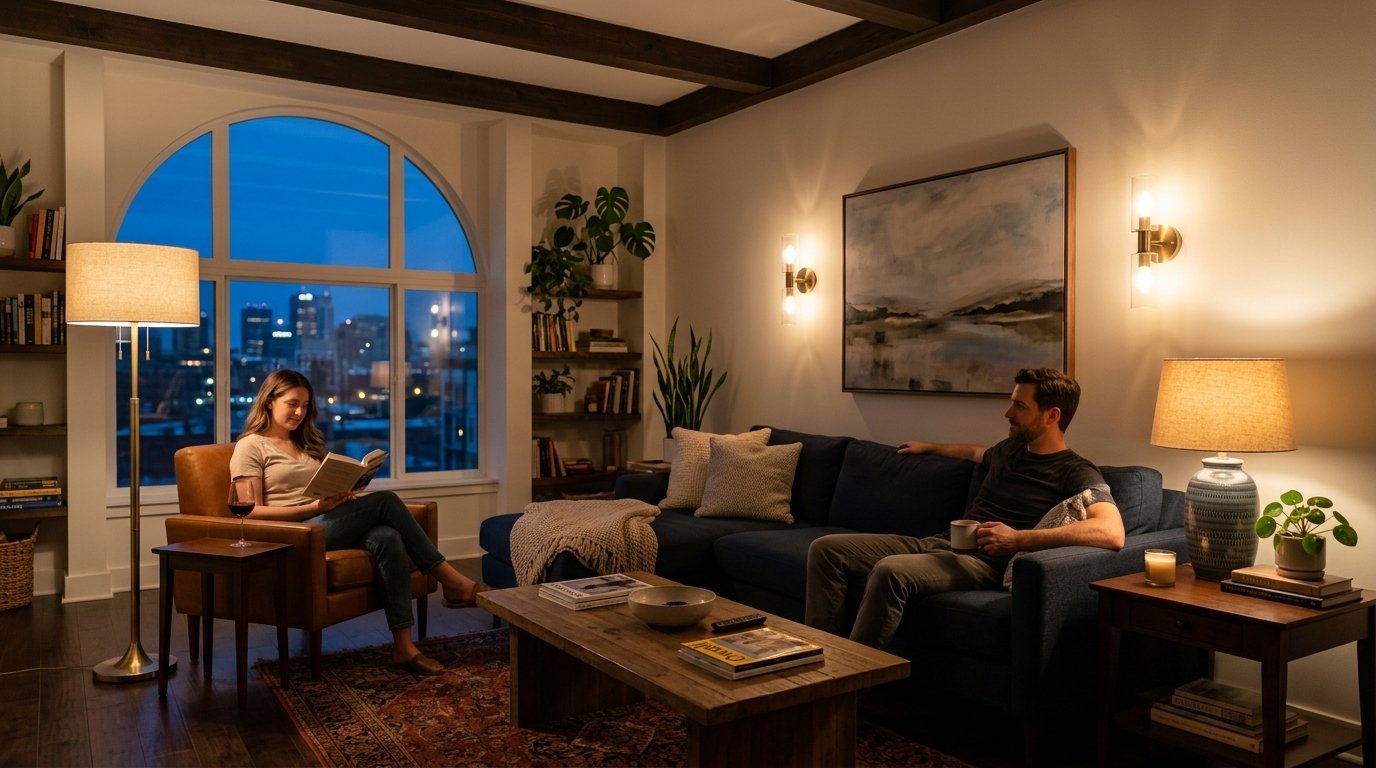
One overhead light is never enough. Expensive rooms always have layers of light. I use a mix of floor lamps, table lamps, and wall sconces. This allows you to control the mood. In the evening, turn off the ceiling light and use the lamps. This creates soft shadows and a warm glow that hides imperfections.
Use warm white bulbs in every fixture. Avoid “daylight” bulbs which can feel cold and clinical. I’ve noticed that soft, dimmable lights make even basic furniture look better. Sconces placed next to art or above a bookshelf add an architectural element. It suggests the home has custom electrical work, which is a hallmark of luxury.
7. Display Large Scale Art
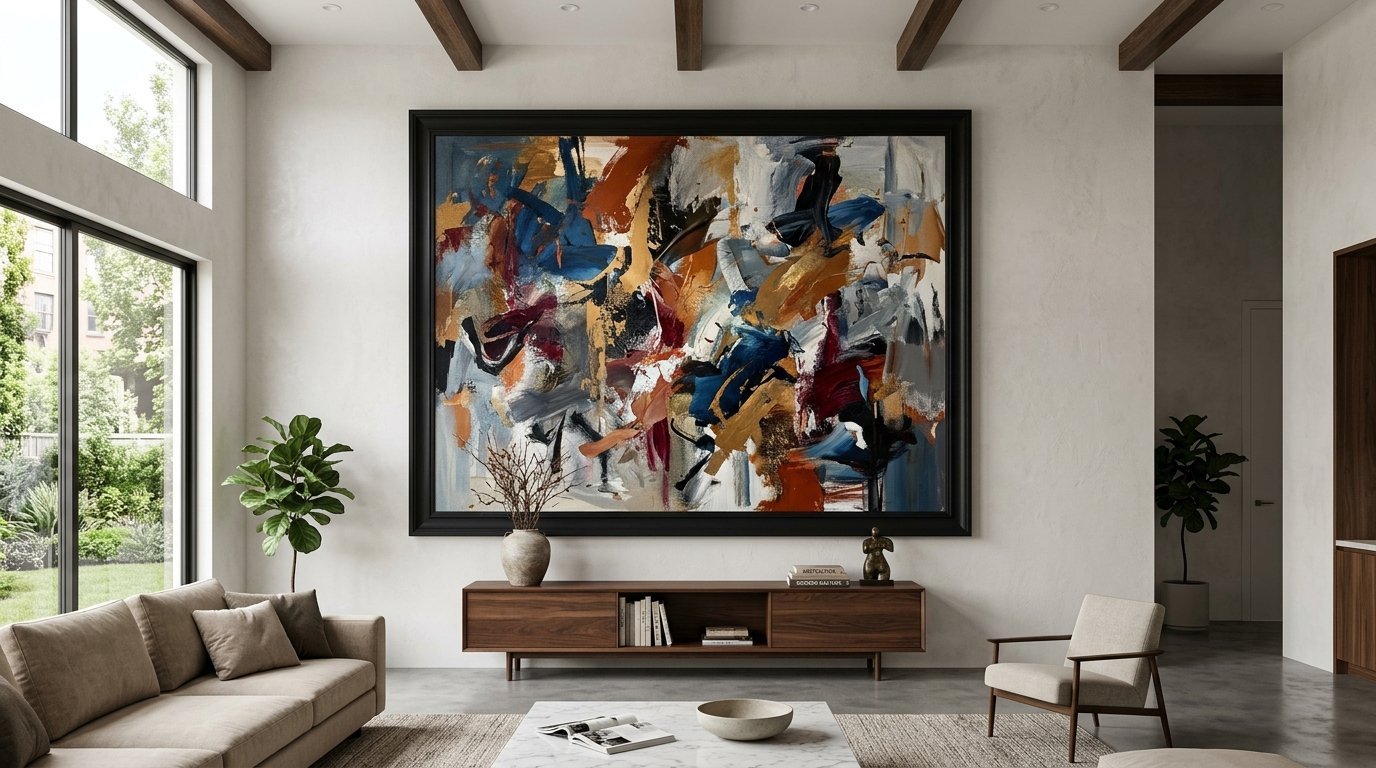
Small pictures scattered across a wall look cluttered. It can feel like you are trying to fill space. Instead, choose one large piece of art for the main wall. A large canvas or a framed print makes a bold statement. It shows confidence in your style. I often see large art in high-end galleries and expensive homes.
If you cannot afford a large original piece, frame a textile. A vintage rug or a beautiful piece of fabric looks amazing behind glass. The key is the frame. A thick, high quality frame makes any art look more valuable. It gives the room a museum quality feel. One big piece is much more impactful than ten small ones.
8. Style Your Coffee Table with Intention
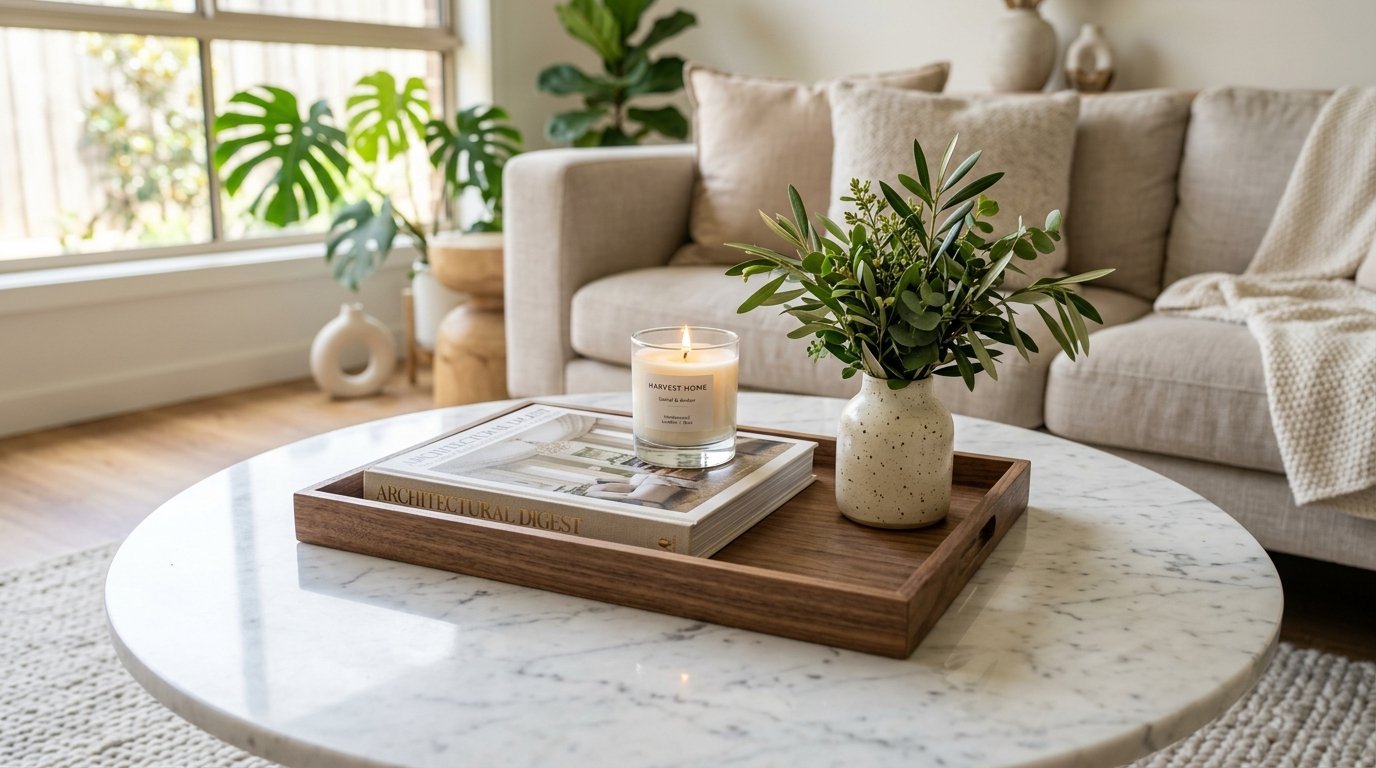
A messy coffee table makes the whole living room look cheap. I treat the coffee table as a small stage. Use a decorative tray to group items together. This makes the objects look like a collection rather than a mess. I usually include a large book, a candle, and something organic like a small plant.
Vary the heights of the items. Use a stack of books to give a small vase some height. This creates visual interest. Avoid plastic coasters or remote controls sitting out in the open. Hide the remotes in a pretty box. A styled coffee table suggests a life of leisure and order. It is a small change that feels very sophisticated.
9. Incorporate Natural Materials
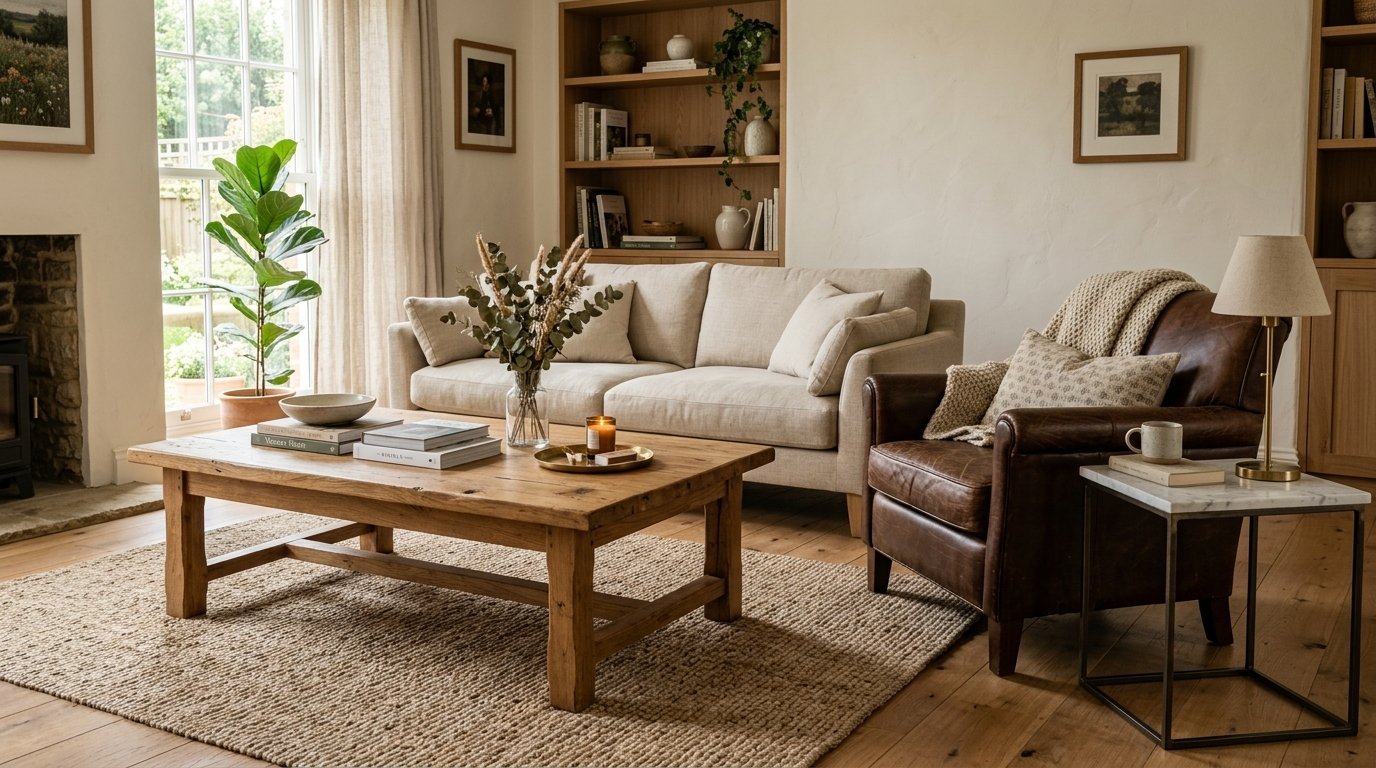
Plastic and faux wood are signs of a budget room. To look expensive, bring in real materials. Use wood, stone, marble, and leather. These materials age beautifully and have a weight to them. I once added a small marble topped side table to a simple room. It immediately elevated the surrounding furniture.
Natural materials have unique patterns and textures. No two pieces of wood or marble are the same. This uniqueness feels like a luxury. You can find stone bowls or wooden trays to start small. Even a leather chair adds a sense of richness that synthetic fabrics cannot match. These items feel better to the touch and last much longer.
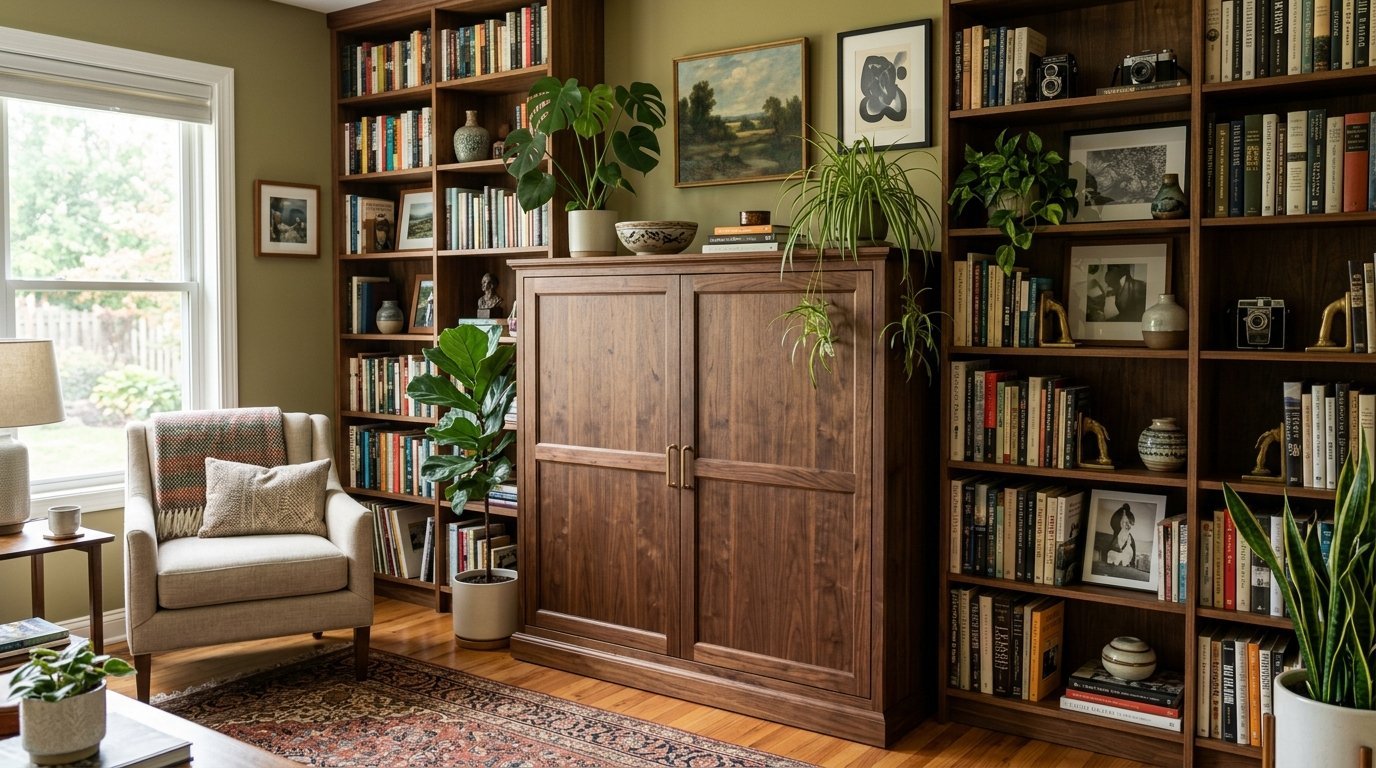
10. Hide Your Television
A giant black screen often ruins the aesthetic of a room. In my experience, hiding the TV makes a room feel more social and upscale. You can use a TV that looks like art when it is off. Another option is a cabinet with doors that close. I have seen people hang a large piece of art on a sliding track to cover the screen.
If you cannot hide it, blend it. Place the TV on a dark wall or inside a dark bookshelf. This makes the screen disappear into the background. A room that focuses on conversation rather than a screen feels more “old money.” It suggests that the room is for living and connecting, not just watching.
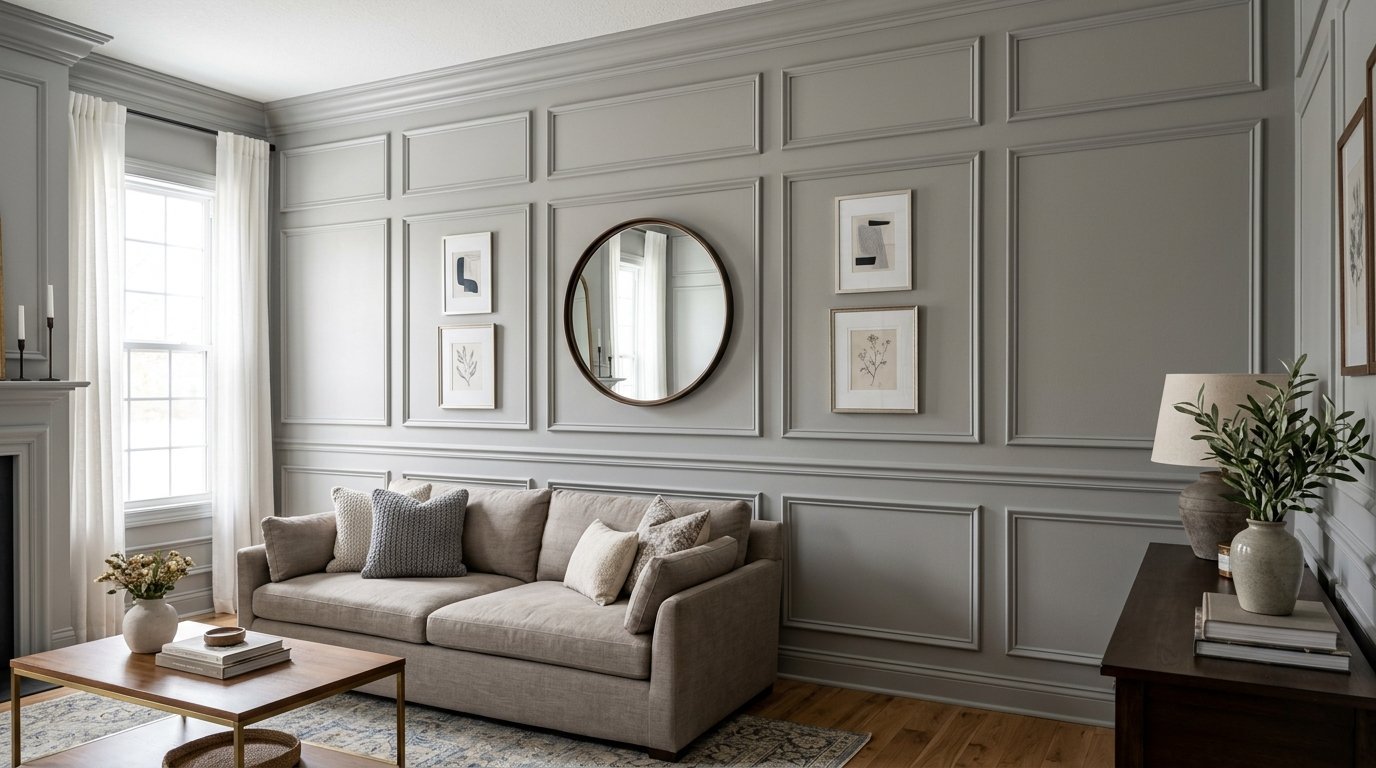
11. Add Architectural Interest with Molding
Flat walls can feel a bit boring. Adding crown molding or picture frame molding is a classic trick. It gives a room a sense of history and permanence. I helped a neighbor install DIY wall molding over a weekend. We used simple wooden strips and painted them the same color as the wall. The room looked ten times more expensive instantly.
Molding creates shadows and lines that the eye loves. It makes the walls look custom and sturdy. You do not need to hire a contractor if you are handy with a saw. Even simple baseboards that are taller than average can make a difference. It is a detail that people notice without even realizing why the room looks so good.
12. Keep Surfaces Clutter Free
Luxury is often about what is NOT in the room. Clutter is the enemy of an expensive aesthetic. I recommend clearing off your shelves and tables. Only put back items that you truly love or that look beautiful. A few well placed items look much better than a crowded shelf.
Hidden storage is your best friend. Use baskets, boxes, or cabinets to hide everyday items. If you have a lot of books, turn some of them around so the white pages face out. This creates a more neutral look. A clean, open space feels airy and expensive. It suggests you have the space to breathe and relax.
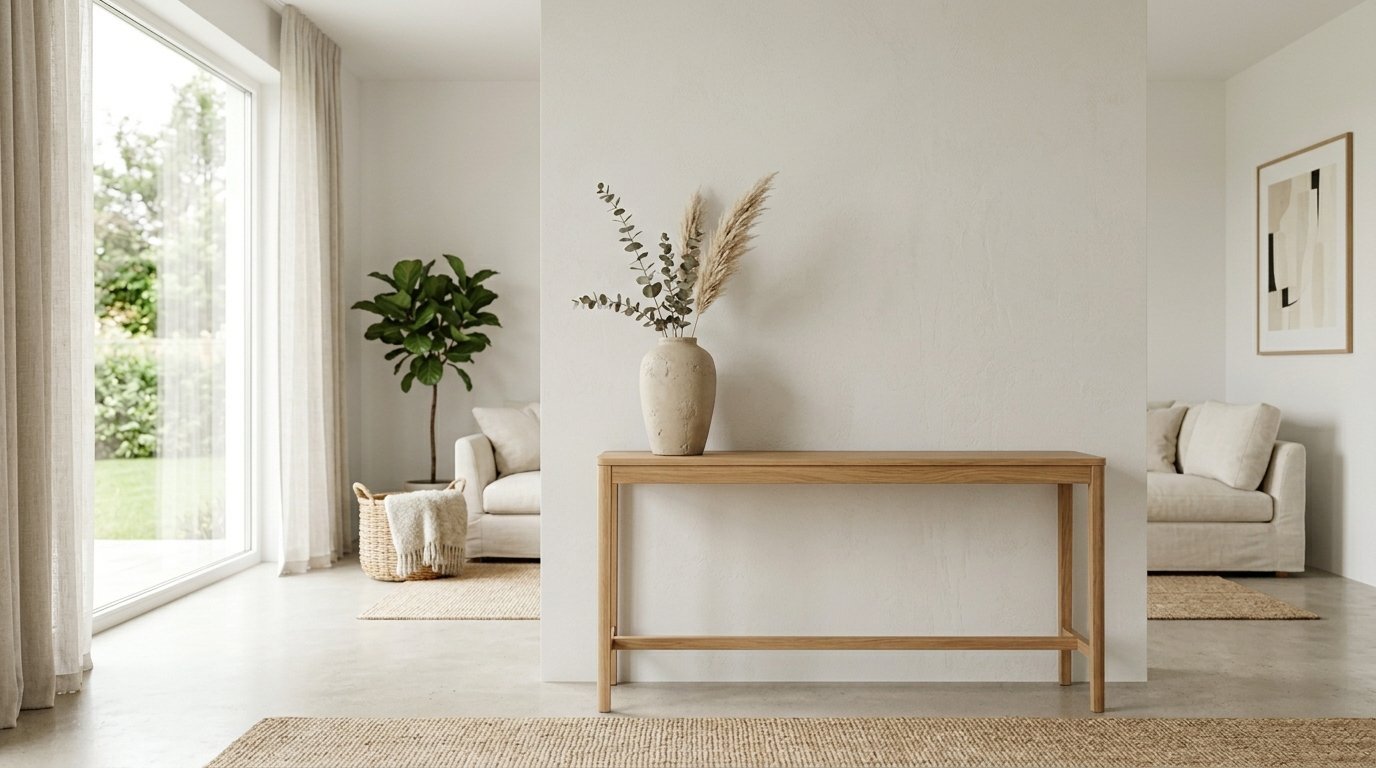
13. Use Symmetry in Your Layout
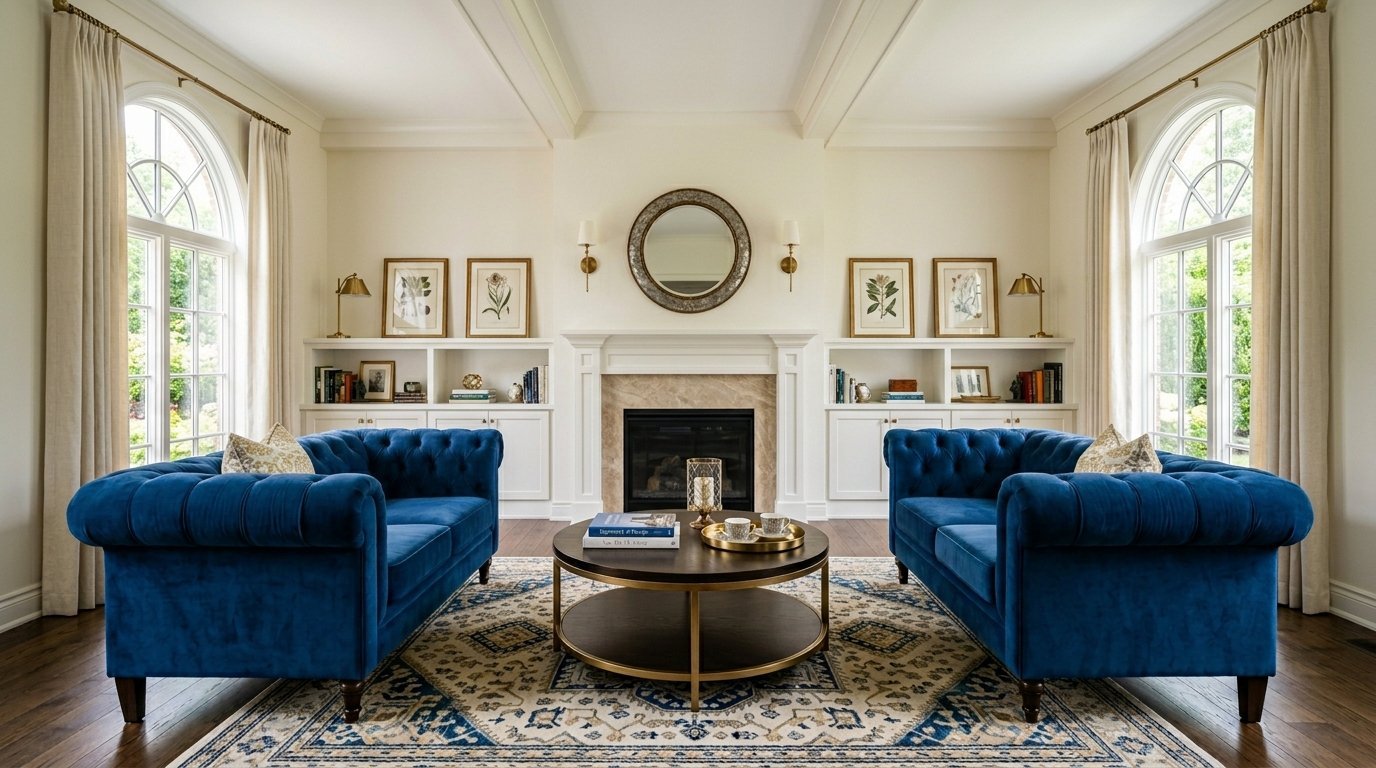
Symmetry is a classic design principle found in grand estates. It feels balanced and formal. I like to place two identical chairs across from a sofa. Or, place two matching lamps on either side of a console table. This creates a sense of order that the brain perceives as high-end.
Symmetry makes a room look planned. It prevents the furniture from looking like a random collection of pieces. Even if your furniture is mismatched, you can use symmetrical pillows or art to create balance. This simple trick makes a living room feel like a professional designed it. It is an easy way to get a “staged” look.
14. Incorporate Fresh Flowers and Greenery
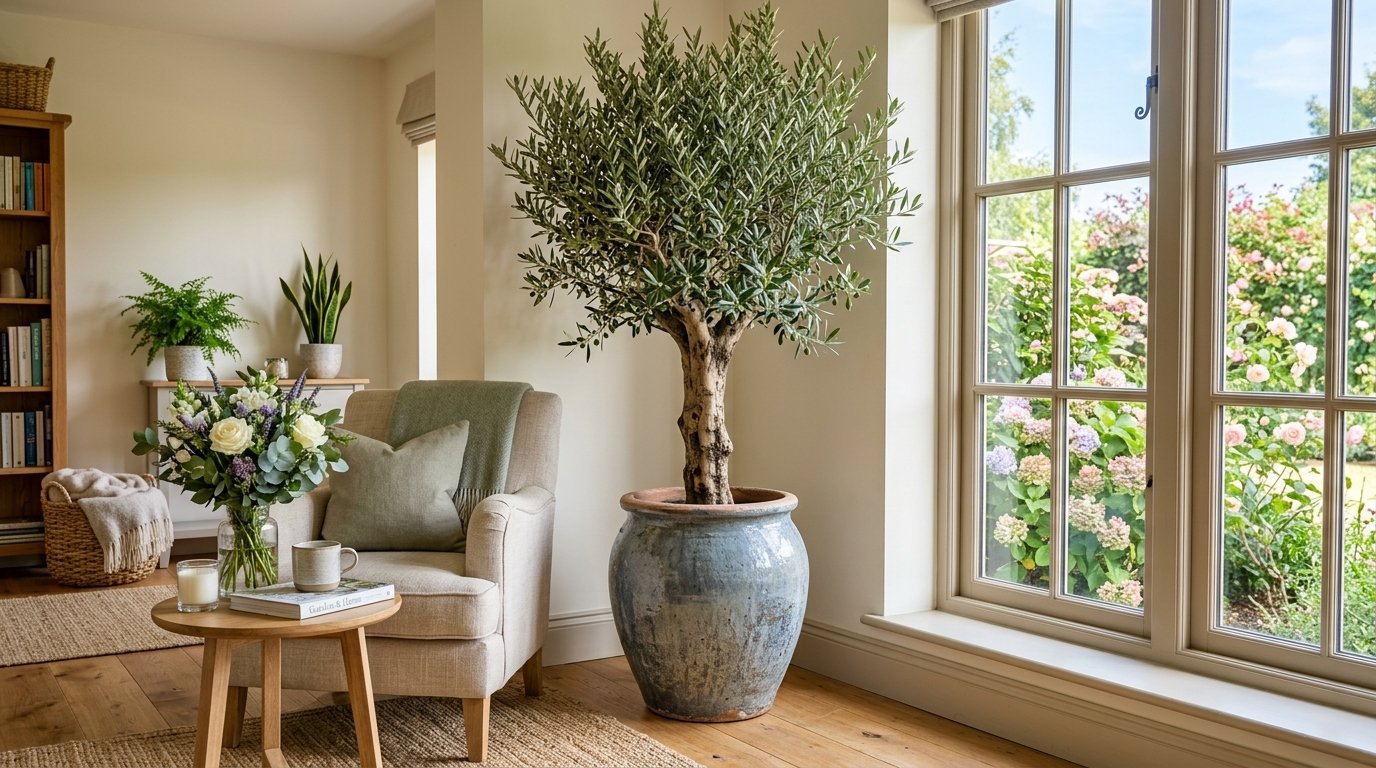
Fake plants often look dusty and cheap. Real plants bring life and color to a room. I always have a vase of fresh green branches on my dining table. They last longer than flowers and look very architectural. A large potted tree like a Fiddle Leaf Fig or an Olive Tree adds height and a sense of luxury.
The organic shapes of plants soften the hard lines of furniture. It makes the room feel fresh and cared for. If you do not have a green thumb, try simple dried branches in a tall vase. Avoid small, cluttered pots. One large, healthy plant in a beautiful ceramic pot is a much better investment. It feels like a living piece of art.
15. Invest in Quality Textiles
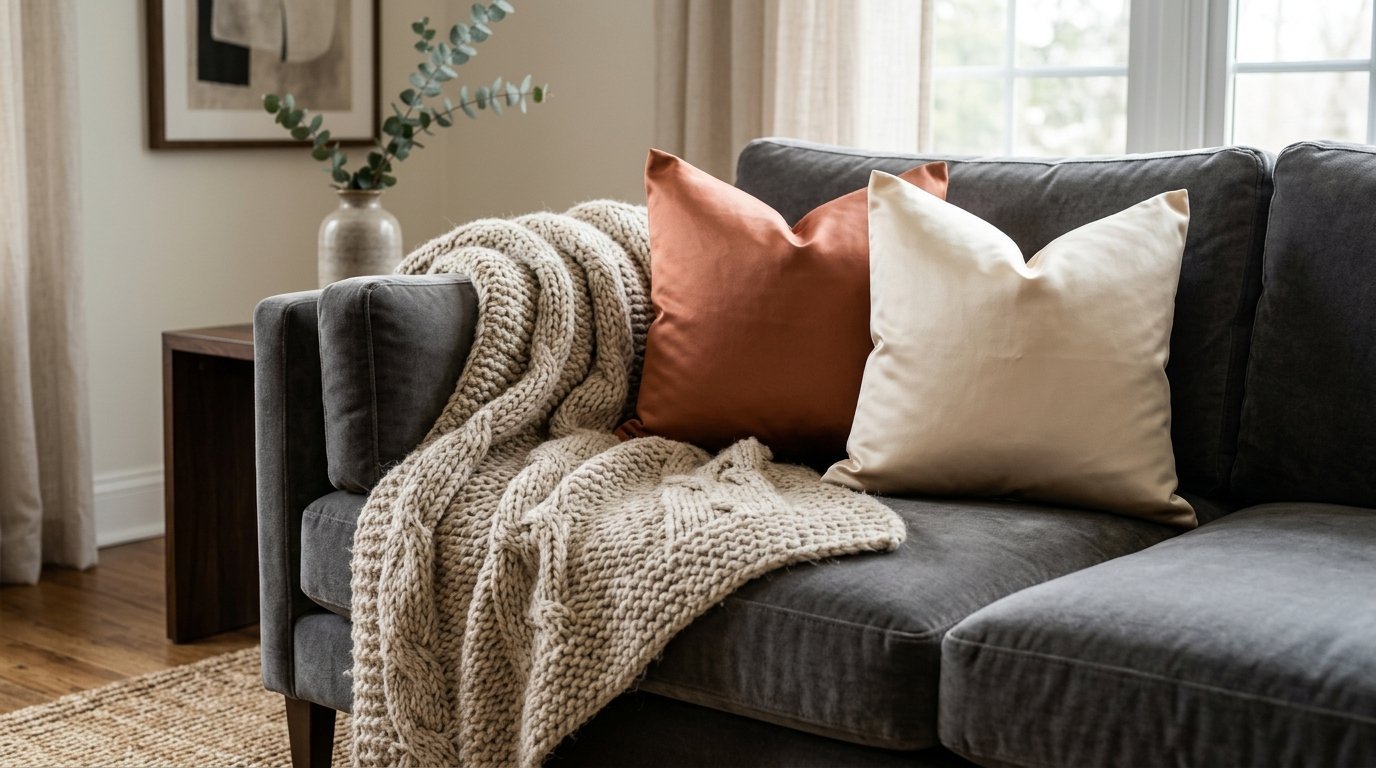
Thin, scratchy fabrics feel cheap. To look expensive, choose textiles that are soft and heavy. Velvet, silk, and high quality wool are excellent choices. I recommend replacing the cheap inserts in your throw pillows with down or feather inserts. A “karate chop” in the middle of a feather pillow makes it look high-end.
Look for fabrics with a nice weight. Curtains should drape heavily. Blankets should feel substantial. These textures invite you to touch them. They provide a sense of comfort and richness. Even if your sofa is basic, adding a few luxury pillows can change the whole vibe. It is a tactile experience that guests will notice.
16. Use Mirrors to Expand the Space
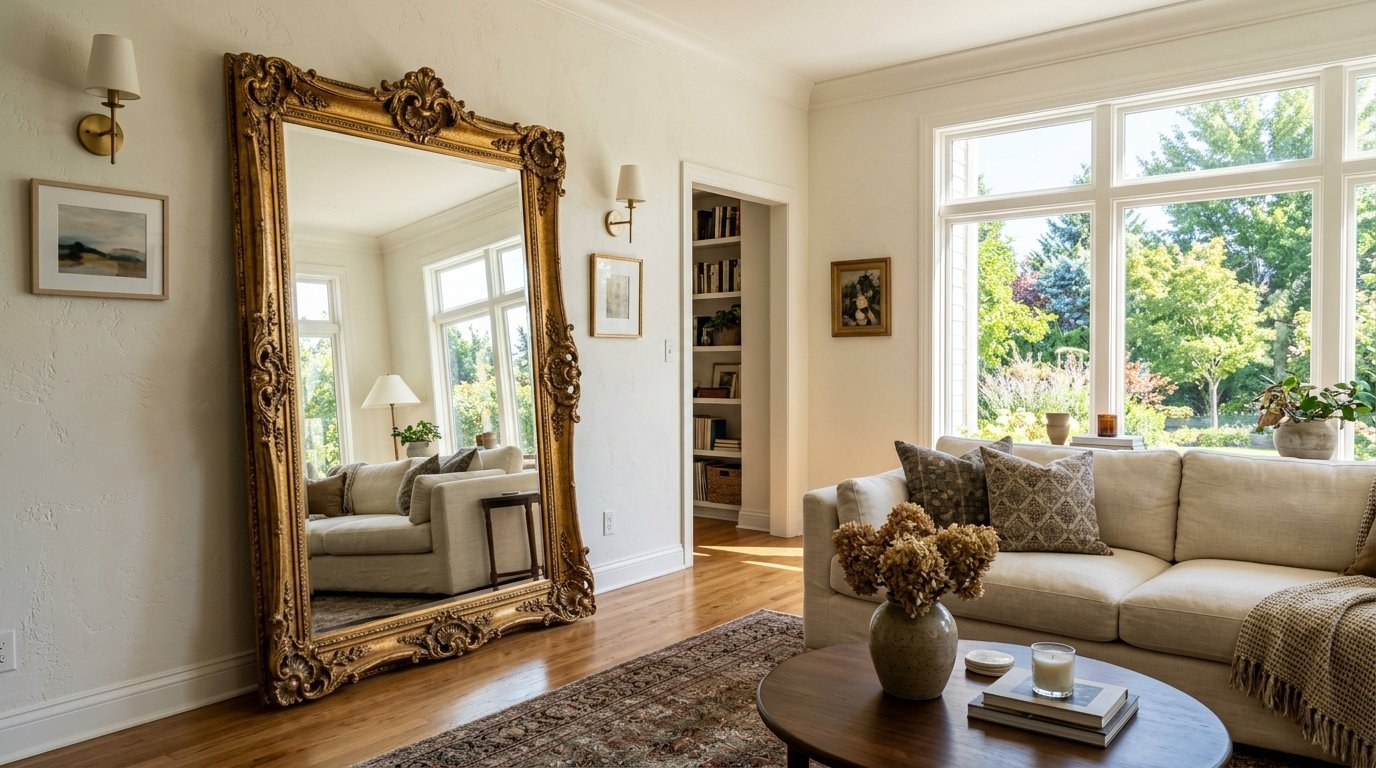
Mirrors are a favorite tool for designers. They reflect light and make a room feel twice as large. A large, floor-length mirror leaning against a wall looks very chic. I once used a wall of mirrored tiles behind a sofa to brighten a dark room. It felt like an expensive custom installation.
Place mirrors across from windows to bounce natural light around the room. Choose frames that match your hardware for a cohesive look. An ornate gold frame adds a touch of classic luxury. A simple black frame feels modern and sleek. Mirrors add a layer of “shine” that every expensive room needs.
17. Paint Your Trim the Same Color as Your Walls
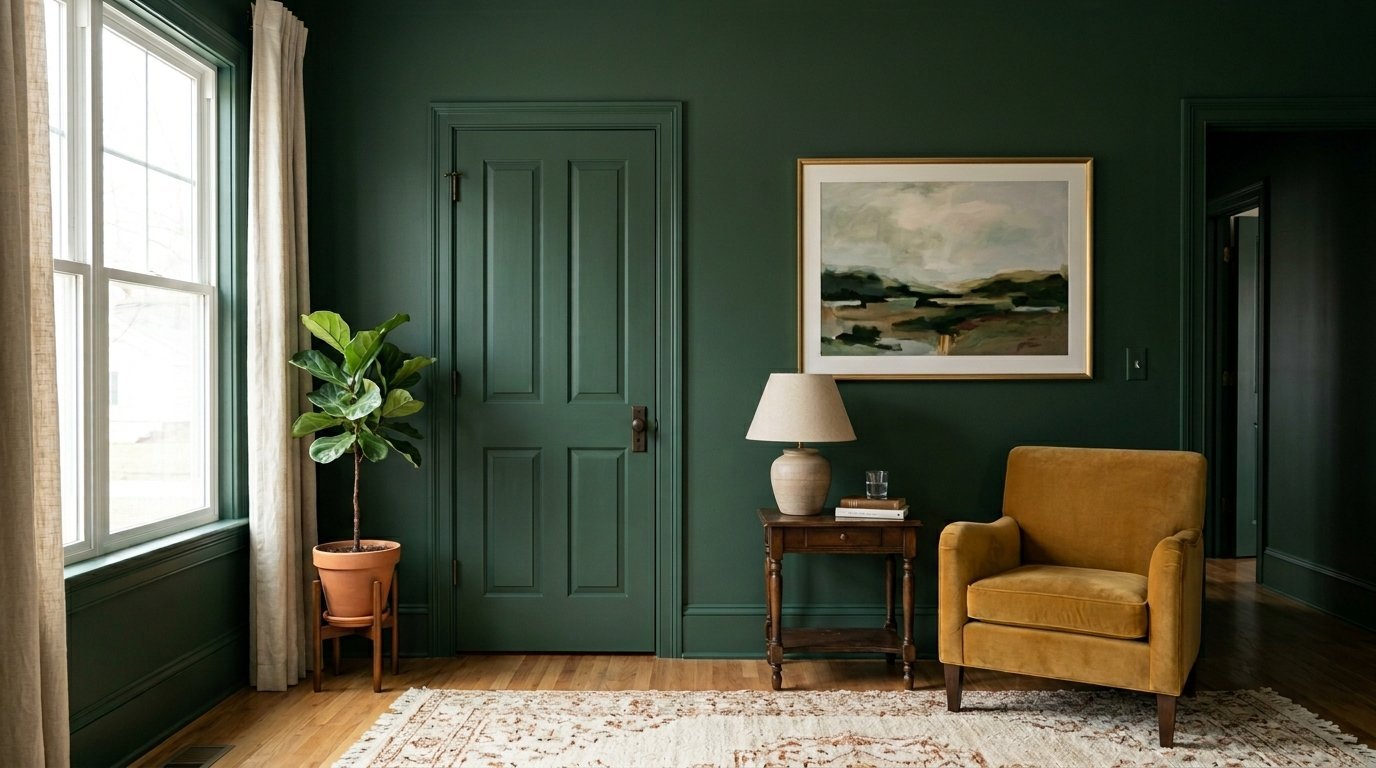
Standard white trim can sometimes look a bit basic. Painting the baseboards, doors, and crown molding the same color as the walls is a bold move. This is called “color drenching.” It creates a seamless, custom look that is very popular in high-end design right now. I tried this in a small den and the room felt much more expensive.
This technique hides the “breaks” in the room. It makes the ceilings feel higher and the walls look longer. It also makes your furniture pop against the background. If you are using a dark color, this creates a moody, library feel. If you use a light color, it feels airy and sophisticated. It is a professional trick that costs very little.
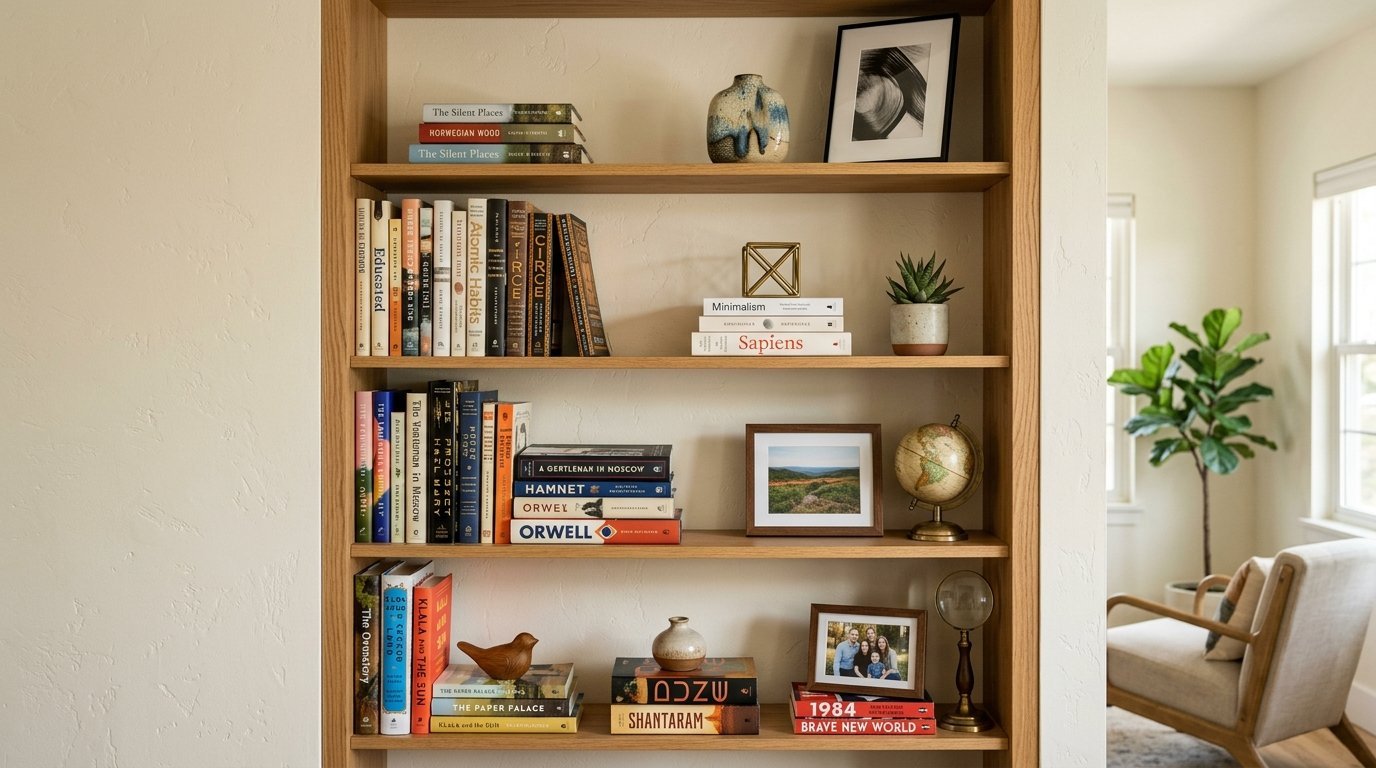
18. Style Your Bookshelves with Care
A bookshelf full of random items looks messy. To make it look expensive, give the items room to breathe. I like to mix books with decorative objects. Place some books vertically and some horizontally. Use a beautiful bowl or a small piece of art to fill the gaps.
Avoid overstuffing the shelves. Leave some “negative space” so the eye can rest. I’ve seen that grouping items by color can also create a very organized look. A well styled bookshelf tells a story about your travels and interests. It looks like a curated collection rather than a storage unit. This adds a personal, high-end touch to the room.
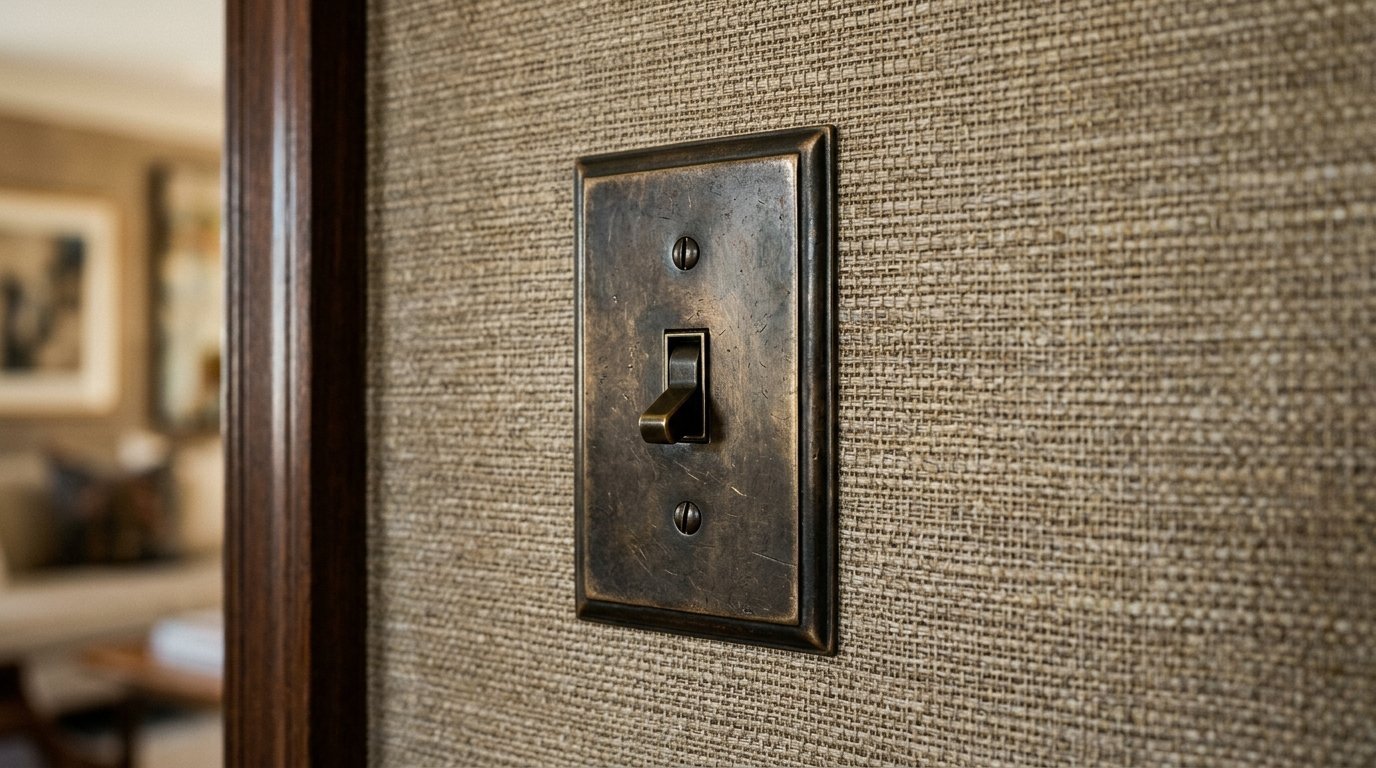
19. Upgrade Your Switch Plates
Plastic white switch plates are standard in most homes. They are also very boring. Swapping them for brass, bronze, or even painted versions makes a difference. I replaced the plates in my living room with aged brass ones last year. It was a small cost, but it made the walls look much more finished.
This is a detail that people touch every day. When the plate feels cool and solid, it suggests quality. It is a subtle signal that every part of the home has been considered. You can even find plates that match your wall color to make them disappear. This creates a clean, streamlined look that feels very modern.
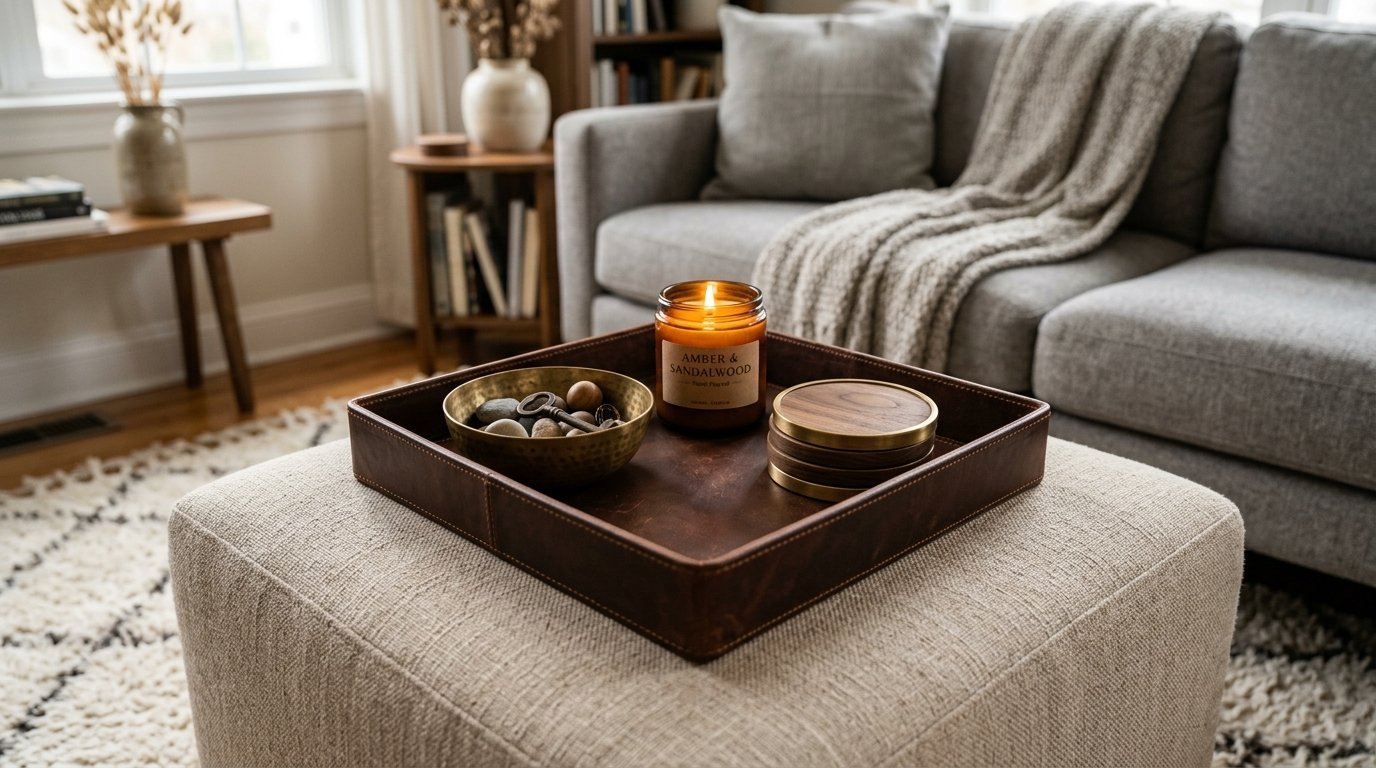
20. Use Trays to Organize Smaller Items
Small items like candles, coasters, and matches can look like clutter. Placing them on a tray makes them look like a deliberate arrangement. I use a leather tray on my ottoman to hold a small vase and a candle. It keeps the surface looking tidy and adds a layer of texture.
Trays come in many materials like wood, marble, or metal. Choose one that contrasts with the surface it sits on. A marble tray looks great on a wooden table. A wooden tray looks cozy on a fabric ottoman. This “layering” of materials is a secret to making a room feel expensive. It shows attention to detail in the smallest places.
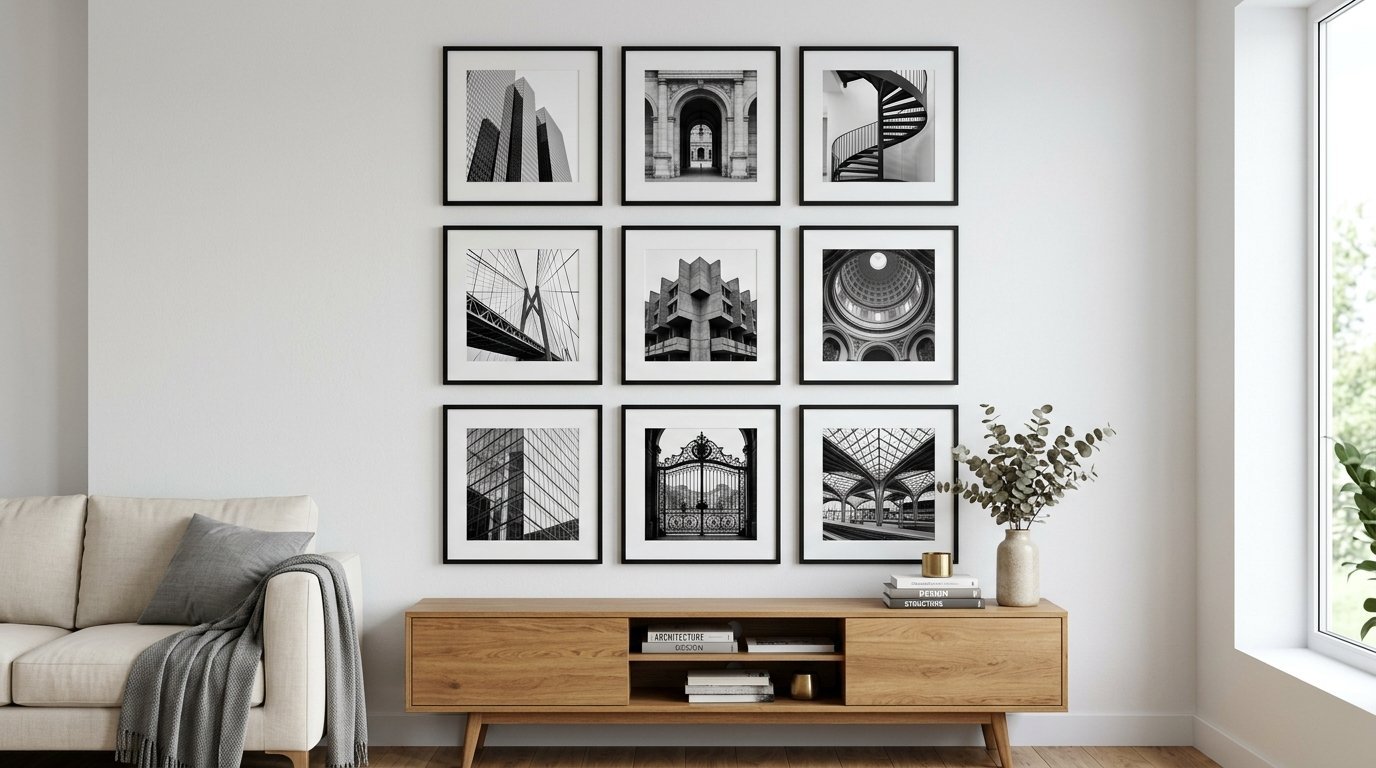
21. Install a Gallery Wall with Matching Frames
If you love a gallery wall, keep it organized to look expensive. Use identical frames for all the photos or art. This creates a clean, grid-like look that feels very professional. I once helped a client frame 12 black and white family photos in simple black frames. We hung them in a perfect grid in the living room. It looked like a high-end art installation.
Uniformity is the key here. It makes the collection look intentional. Use large white mats inside the frames to give the art “room” to breathe. This makes even a simple photo look like a piece of gallery art. It is a great way to display memories without making the room look cluttered.
22. Incorporate Vintage and Antique Pieces
A room where everything is new can feel like a furniture showroom. Expensive homes always have a mix of old and new. I love finding vintage side tables or antique lamps. These pieces have “soul” and a history that new items lack. They add a layer of uniqueness to your living room.
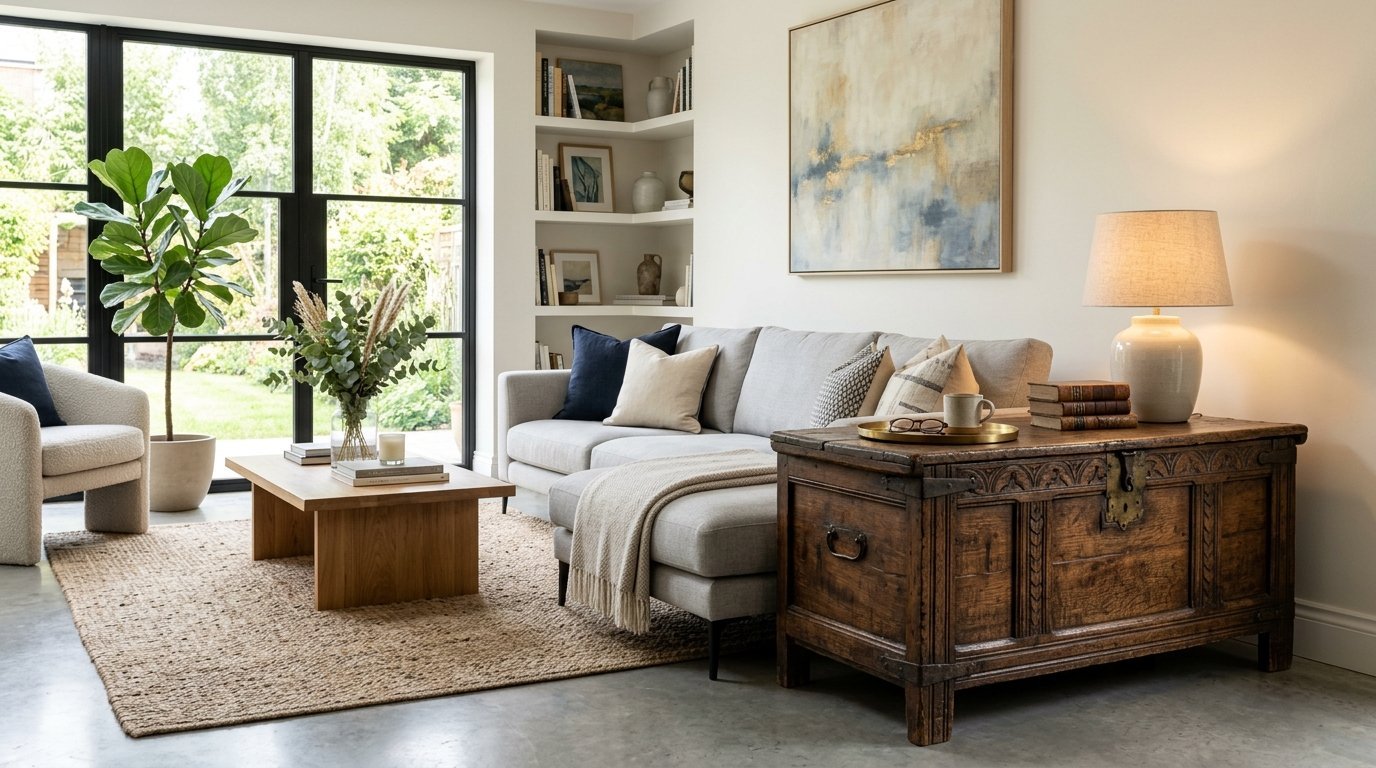
You do not need many antiques. One or two well chosen pieces are enough. A vintage rug or an old wooden chest adds warmth and character. These items often have better craftsmanship than modern budget furniture. They make the room feel like it has been curated over time, which is a hallmark of luxury.
23. Pay Attention to Scent
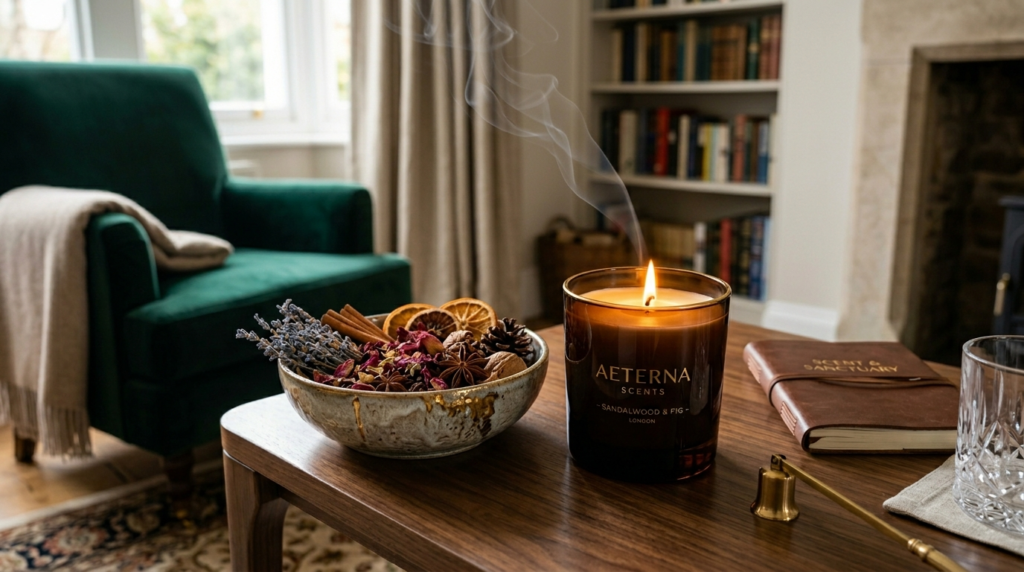
Luxury is not just about what you see. It is also about what you smell. A high-end home always smells amazing. I recommend using high quality candles or diffusers with sophisticated scents. Avoid “sweet” or “fruity” smells that can feel a bit juvenile. Look for scents like sandalwood, cedar, or bergamot.
A signature scent makes a room feel more complete. It creates an atmosphere of relaxation and care. When guests enter, the scent is the first thing they notice. It is a small detail that makes a huge impact on how people perceive your home. It feels like a treat for the senses.
24. Create a Clear Focal Point
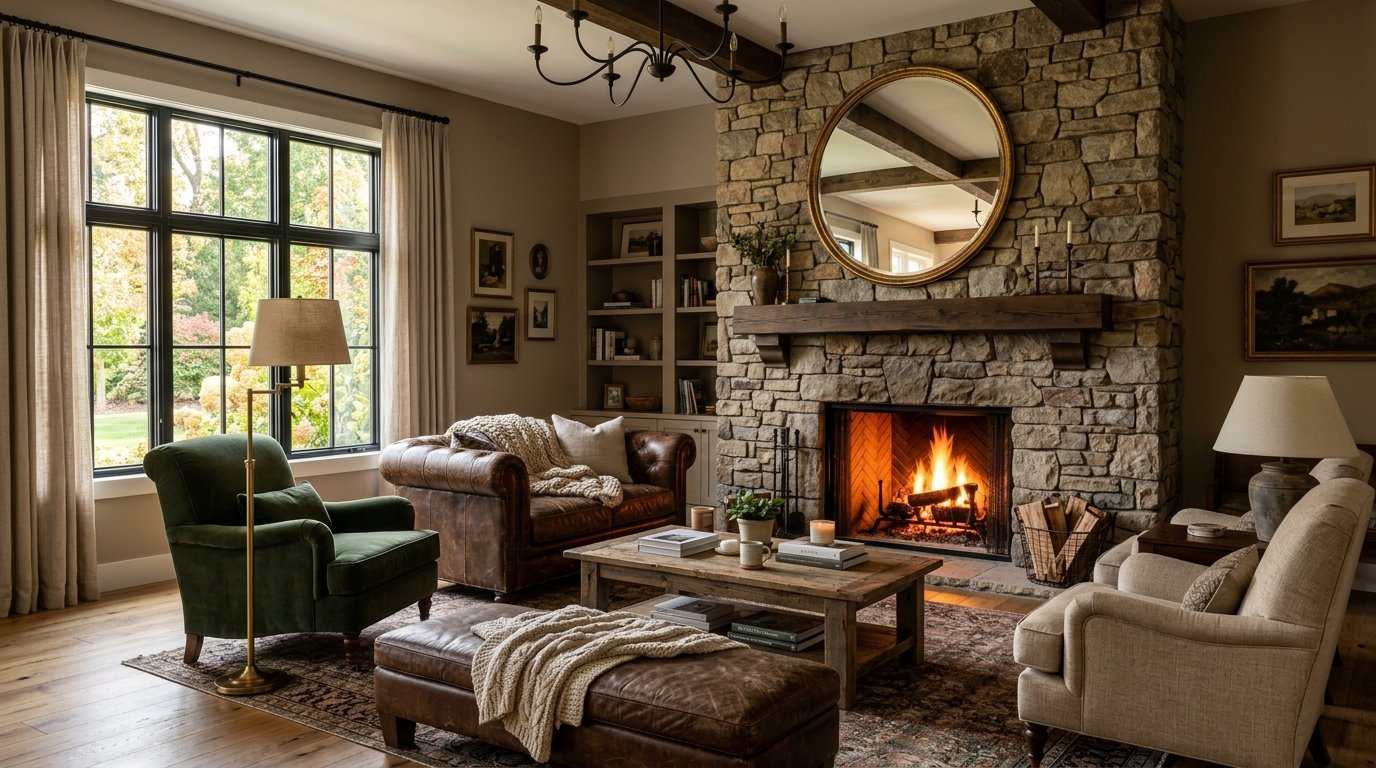
Every expensive room has a place where the eye is meant to land. This might be a fireplace, a large window, or a piece of art. I see many people clutter their rooms with too many competing items. This makes the space feel chaotic. Arrange your furniture to point toward the focal point.
In my experience, a clear layout makes a room feel more expensive. It shows that you have a plan for how the space should be used. If you do not have a natural focal point, create one. Use a large piece of furniture or a bold wall color to draw the eye. This gives the room a sense of purpose and order.
Frequently Asked Questions
What is the cheapest way to make a living room look expensive?
In my experience, the cheapest way is to declutter and clean. A spotless, organized room always looks better than a messy one. Beyond that, painting your walls a neutral, sophisticated color is very affordable. Swapping out your light bulbs for warm white versions also costs very little but changes the mood instantly. I have seen simple cleaning and a fresh coat of paint do more for a room than expensive furniture.
How do I choose a rug size for my living room?
The rug should be large enough that all your furniture sits on it. At the very least, ensure the front legs of all seating pieces are on the rug. I usually recommend an 8×10 or a 9×12 for an average living room. Small rugs make the floor feel “choppy” and cheap. If you have a large room, do not be afraid to go even bigger. A large rug grounds the space and makes it feel grand.
Should I use gold or silver hardware?
Brass and gold are very popular right now because they add warmth. They look very expensive against dark colors and whites. Silver and chrome can look a bit cold, but they work well in modern, minimalist rooms. I’ve noticed that matte black is also a great high-end choice. The most important thing is to be consistent. Use the same metal throughout the room for a polished look.
How can I make my cheap sofa look better?
You can elevate a basic sofa by changing the legs. Many sofas have screw-on legs that you can replace with stylish wooden or metal versions. Also, replace the thin pillows it came with. Use high quality throw pillows with down inserts. Adding a heavy wool or linen throw blanket draped over one side hides imperfections. It makes the sofa look cozy and expensive.
Are gallery walls still in style?
Yes, but the style has shifted. Grid-style gallery walls with matching frames are very popular for a clean, expensive look. Eclectic gallery walls with different frames can still work, but they are harder to pull off without looking messy. I recommend sticking to a theme or a consistent color palette. This keeps the wall looking like art rather than a collection of random items.
Conclusion
Creating an expensive-looking living room is not about the price of your furniture. It is about the intent behind your choices. By focusing on scale, texture, and light, you can elevate any space. I have seen small homes look like palaces just because the owner chose the right rug and lighting. It is about creating a sense of balance and quality in every corner.
Start with one or two of these ideas. Maybe swap your hardware or hang your curtains higher this weekend. You will be surprised at how much these small shifts change the feel of your home. A luxury aesthetic is within your reach. It is simply a matter of looking at your room through a new lens.

Sloane Whitaker is the Editor-in-Chief at Home Wall Trends, leading editorial direction with over a decade of experience in residential interior design and home styling. Her specialty is space planning and layout, the unglamorous fundamentals that make a beautiful room actually function. A graduate of the New York School of Interior Design, Sloane has styled over 200 client homes before turning her focus to digital publishing. Her editorial standard: “If a reader can’t picture themselves doing it on a Saturday afternoon, we haven’t explained it well enough.”