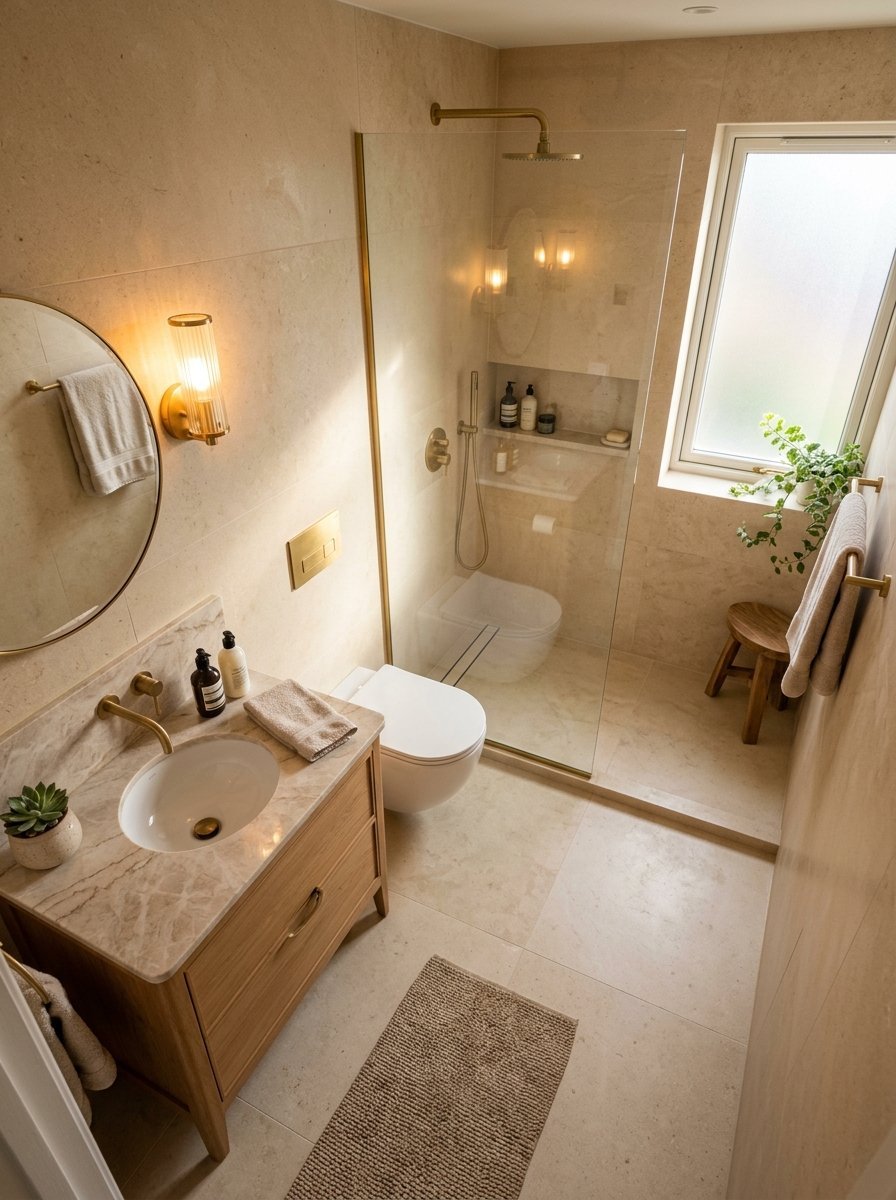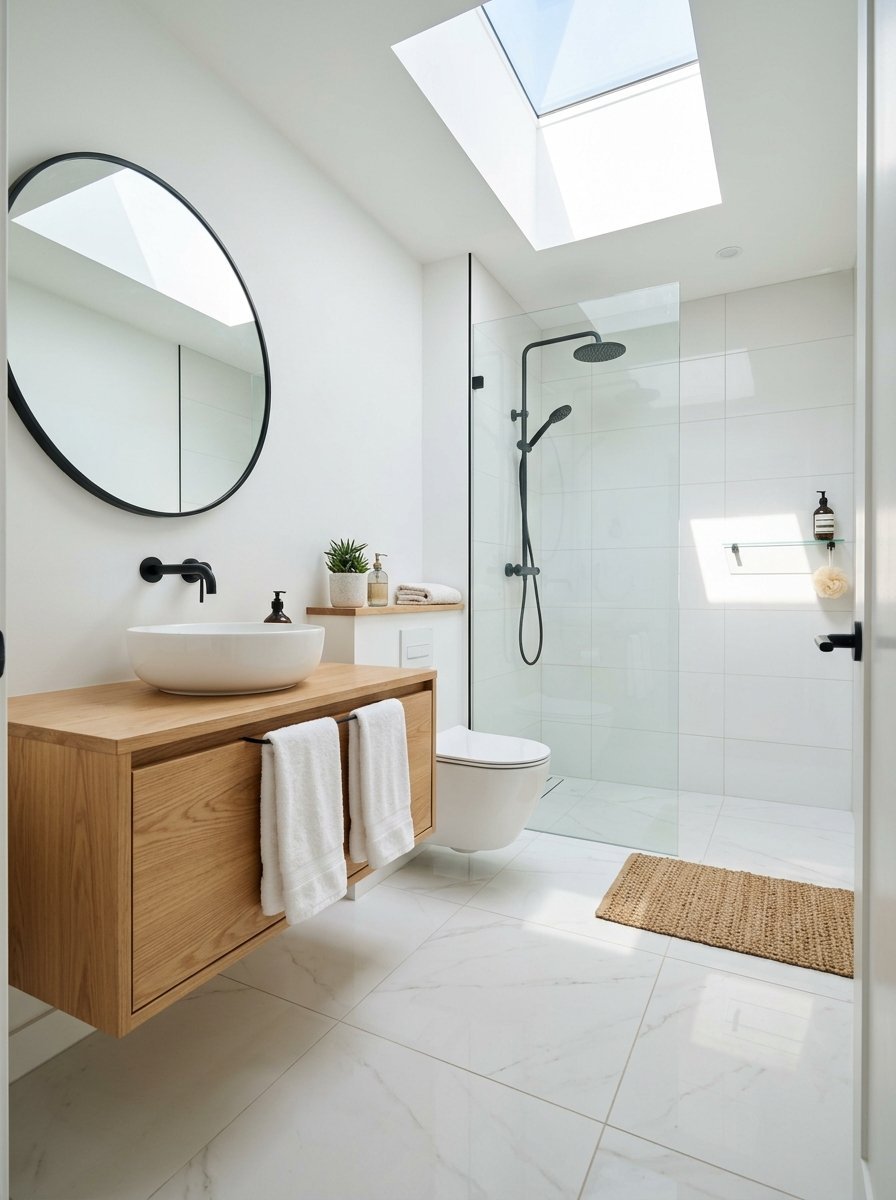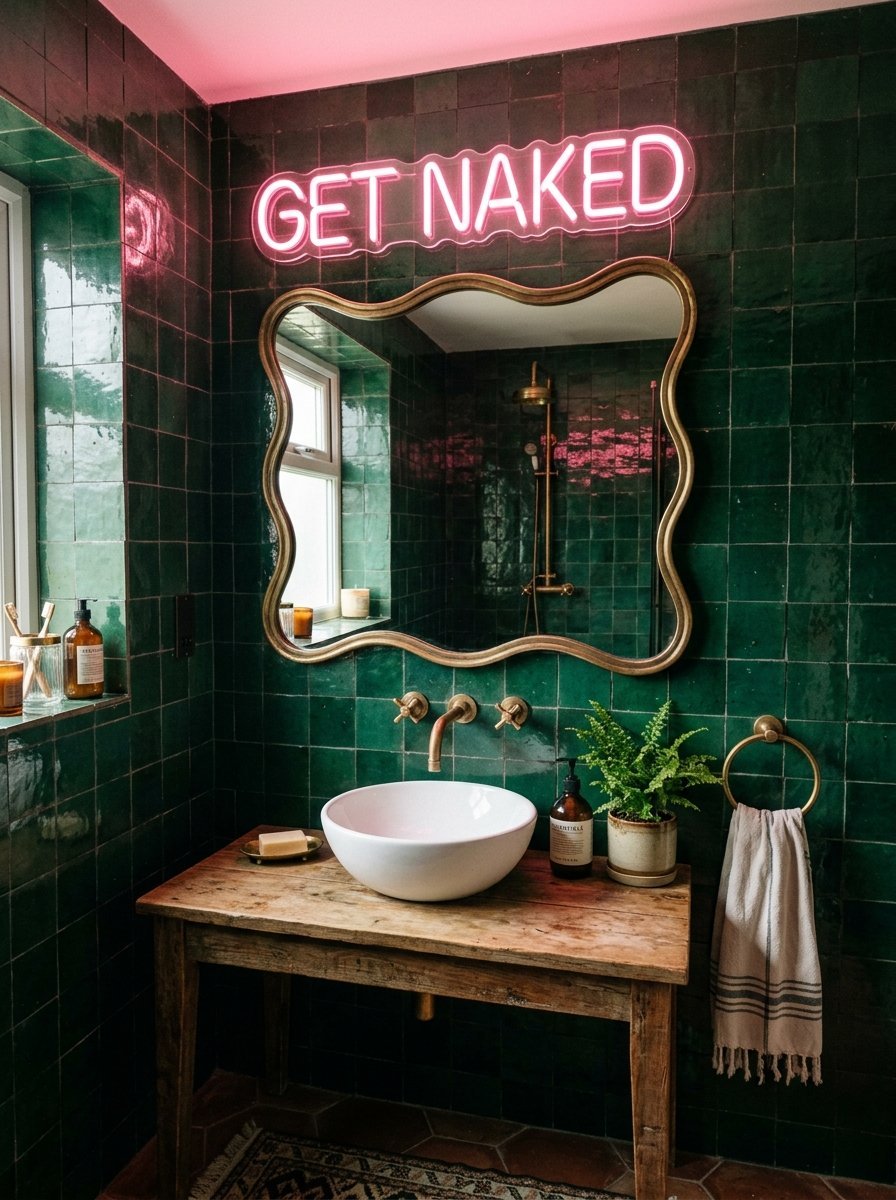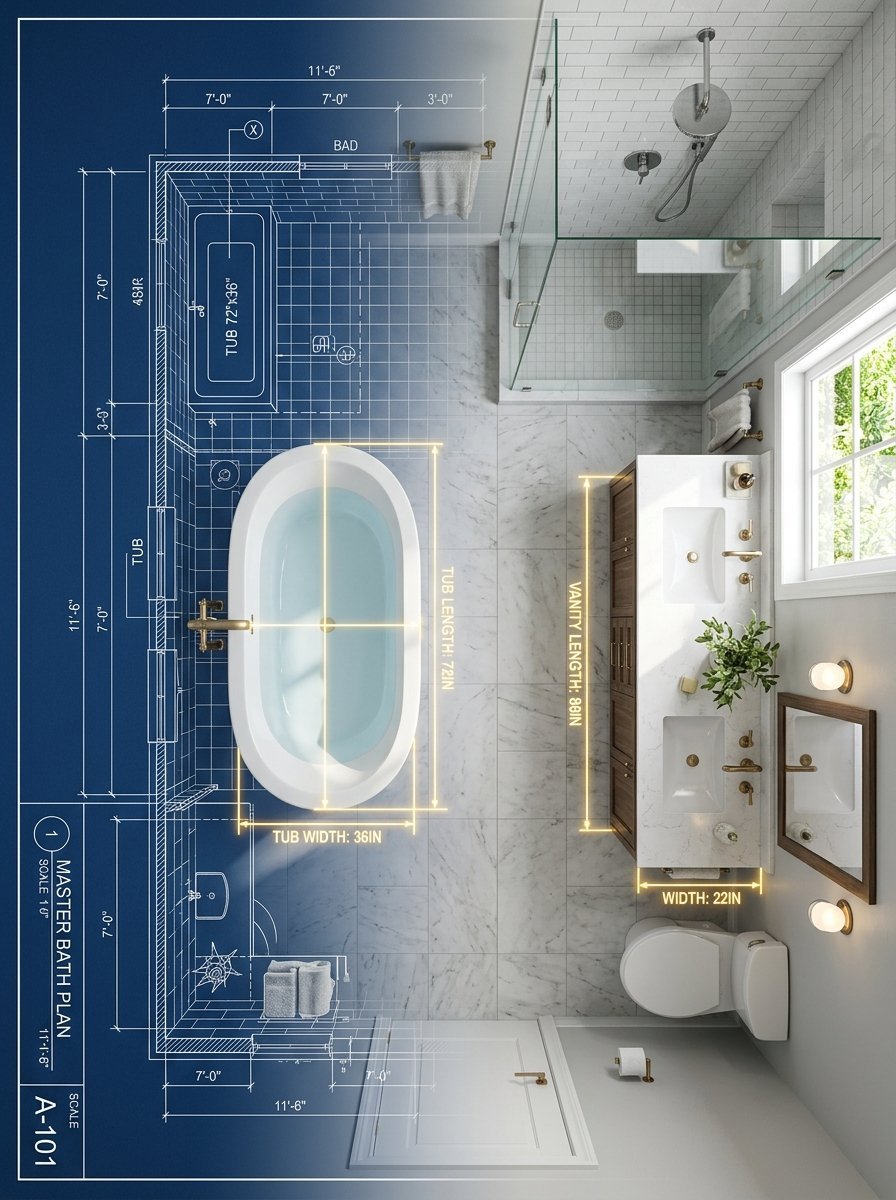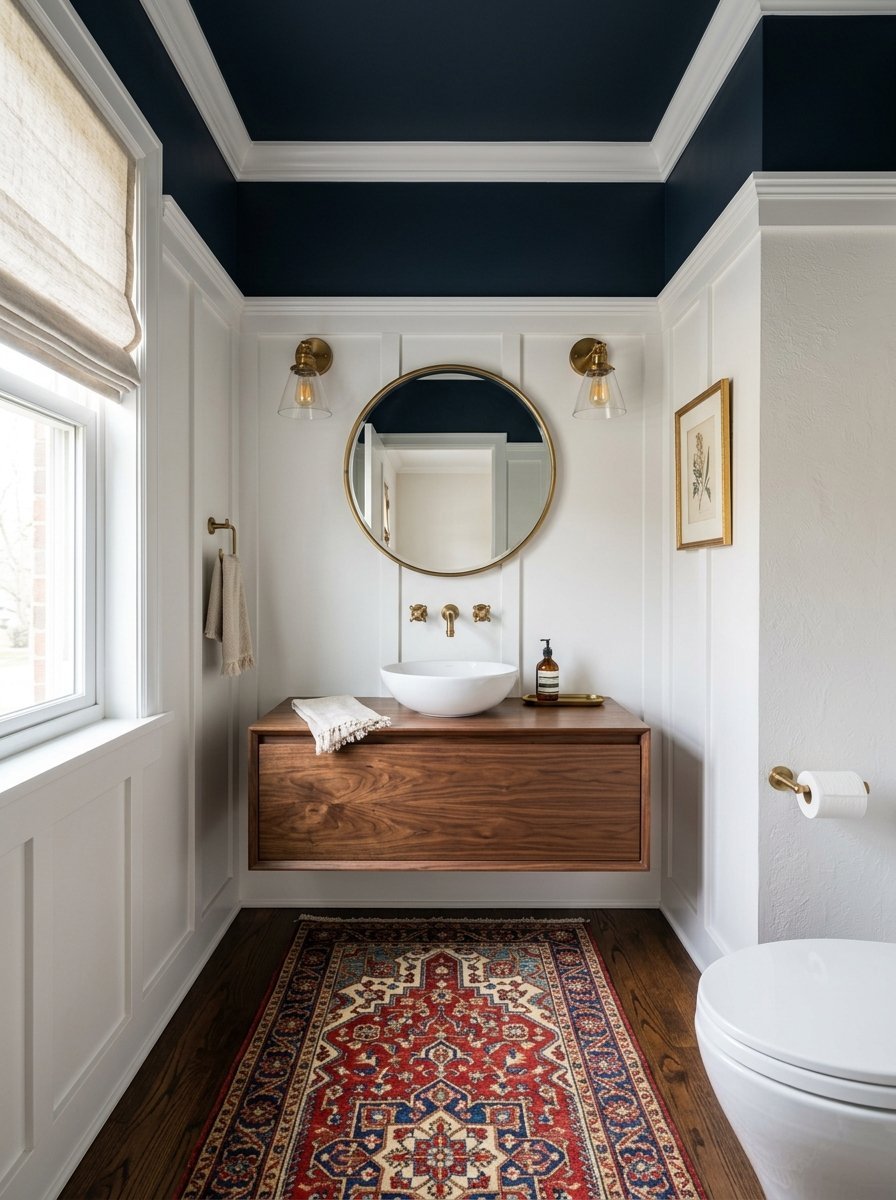
I saw moisture destroy a beautiful decorative mirror in my hallway three years ago. Poor ventilation mixed with bad layout choices traps dampness and ruins your expensive fixtures. You spend thousands on tiles and vanities but place items in the wrong spots. Bad layouts make daily routines feel cramped and stressful. Good placement changes everything. This guide fixes those daily frustrations. I will show you exactly where everything should go. You save money by avoiding my past mistakes. Let us fix your space today.
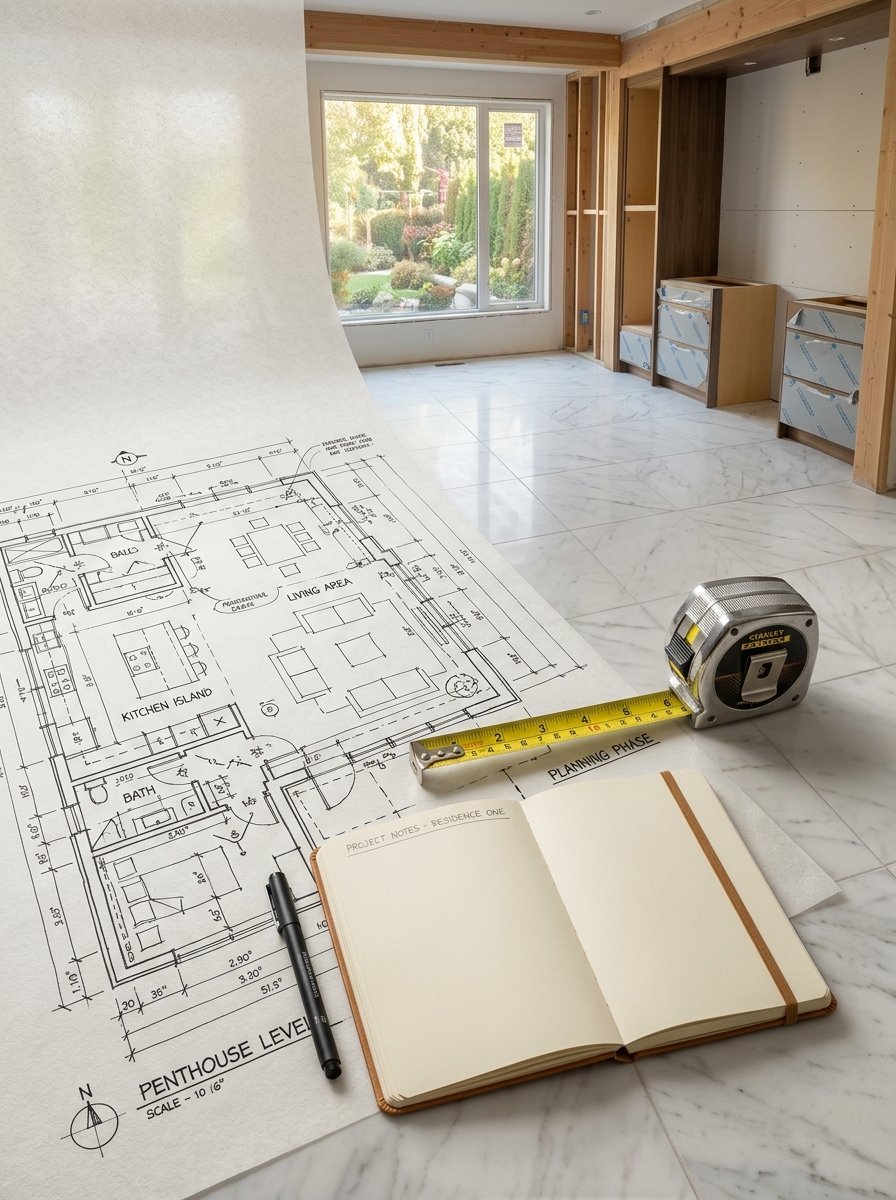
You get exact measurements and placement rules for any floor plan. A well-planned washroom design saves you thousands in plumbing relocation costs.
- Read specific clearances for toilets, tubs, and vanities safely.
- Copy hardware spacing rules that top contractors use daily.
- Stop guessing and start measuring with these exact blueprints.
1. The Galley Washroom Design
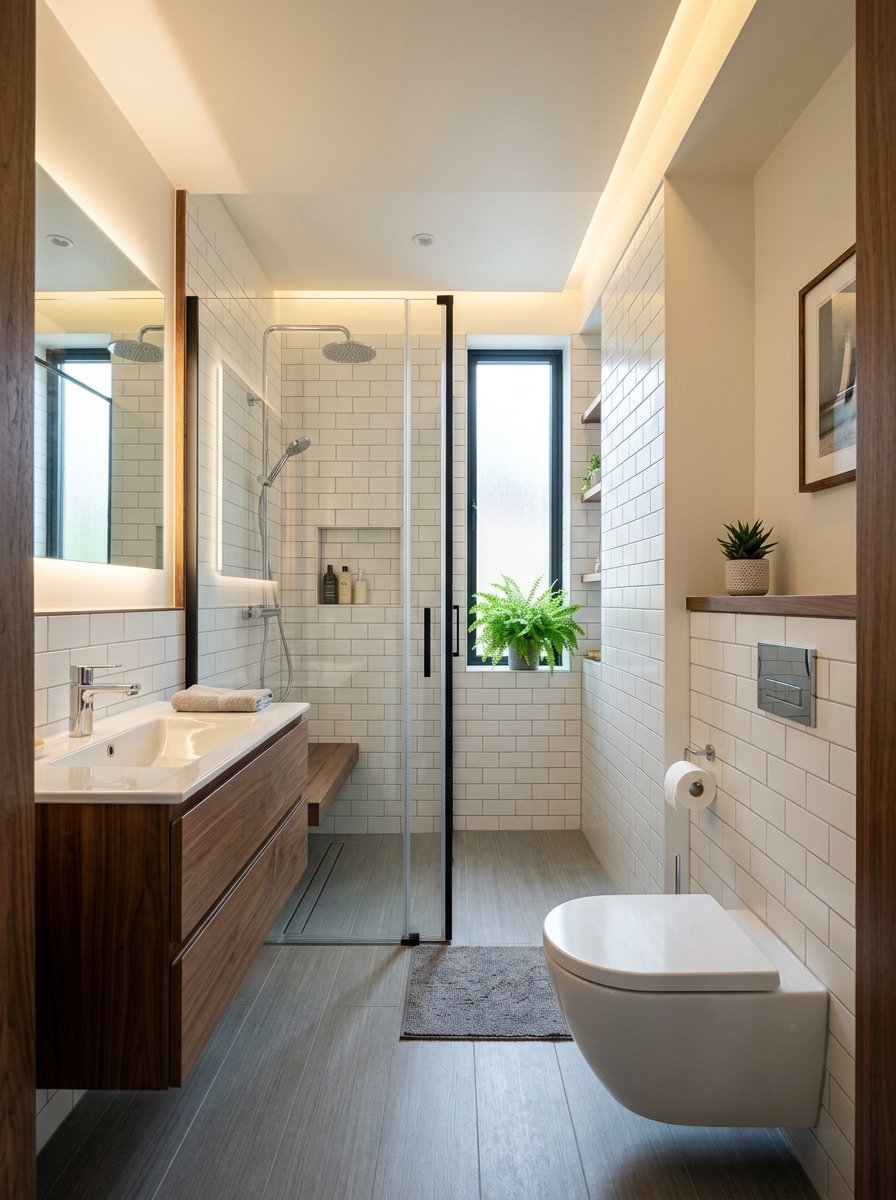
Place the vanity and shower on one wall. Put the toilet and towel racks on the opposite wall. This layout keeps plumbing lines together. You save money on pipe installation. The central walkway needs thirty-six inches of clearance. Less space makes the room feel tight. I found this out the hard way during a recent project. You walk straight through without bumping into corners. Keep the floor clear of rugs to maintain visual flow. Use floating vanities to expose more floor tile. This tricks the eye into seeing more room. Map out the plumbing wall first before buying fixtures. Do not buy a deep cabinet for a narrow layout. A shallow eighteen-inch vanity works perfectly here. You still get sink space without blocking the path. Always check your local housing codes regarding clearances. The inspector will check these measurements strictly.
2. The L-Shaped Small Bathroom Interior
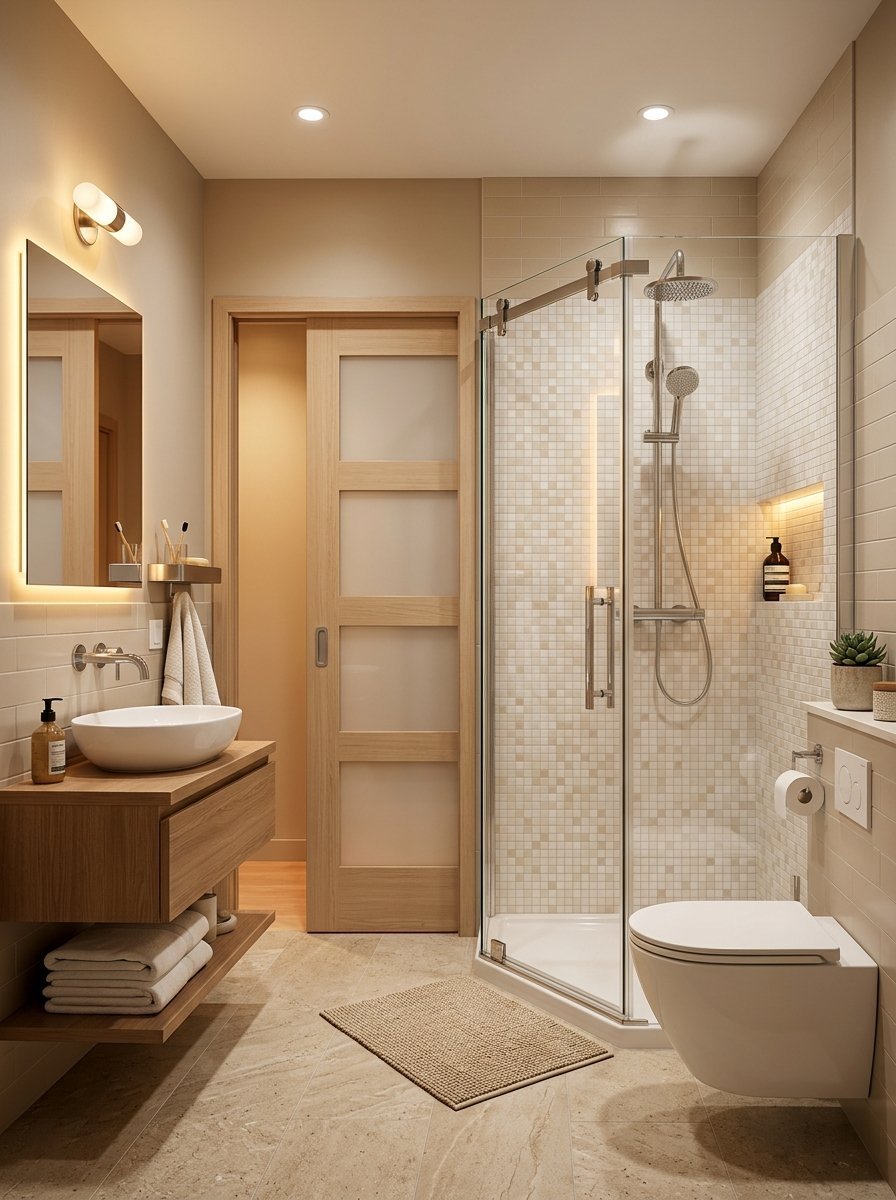
Tuck your shower into the far corner. Place the toilet next to it. Put your vanity near the door. This creates a natural walking path. Small bathroom design demands exact measurements. Leave twenty-one inches of clear space in front of the toilet. Your knees will thank you later. I prefer this setup for guest suites. It hides the toilet from the hallway view. Install a pocket door to free up even more floor area. A swinging door eats up ten square feet of usable room. Measure twice before ordering your glass shower enclosure. Custom glass costs thousands of dollars to fix. Stock sizes save money but require exact framing. Tell your contractor to frame the shower exactly to the glass specifications. You want zero gaps around the edges.
3. The Modern Luxury Bathroom Triangle
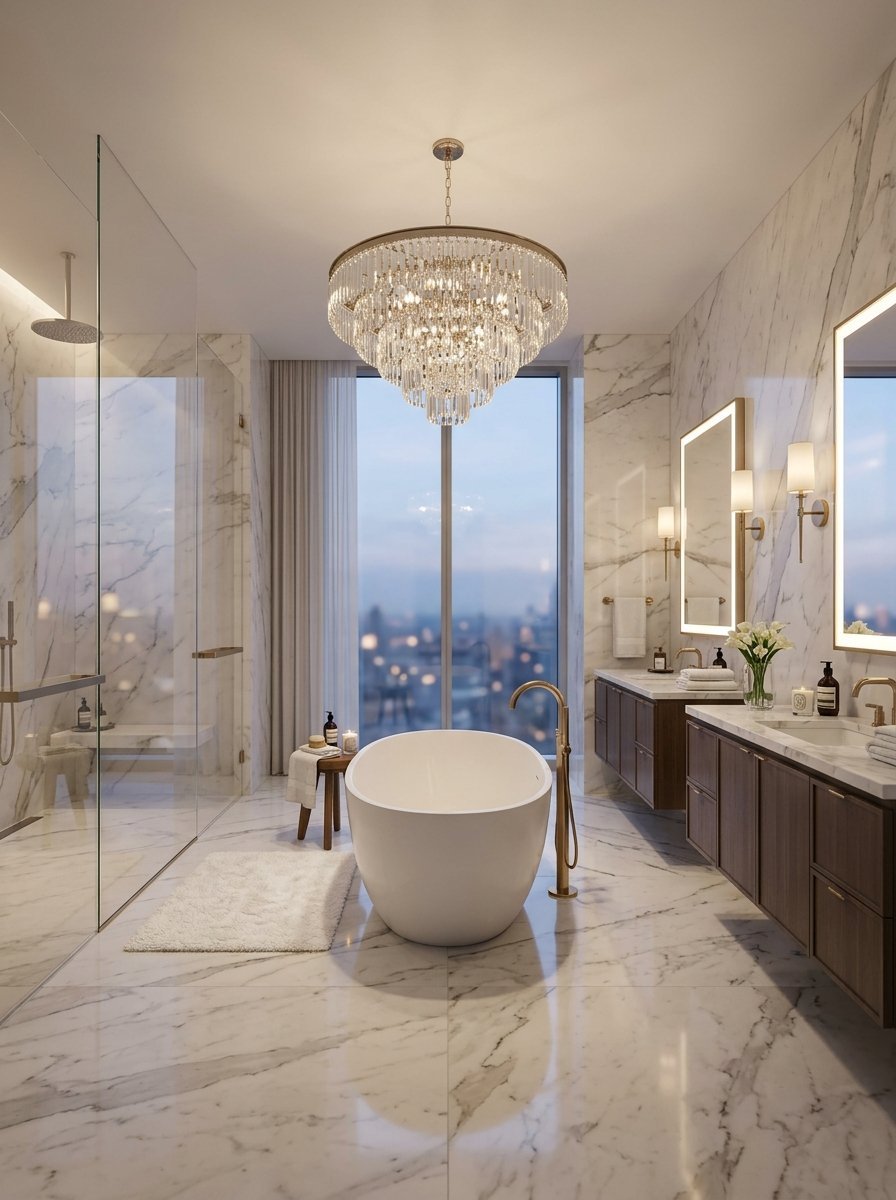
Position your freestanding tub as the focal point. Place dual vanities on opposite walls. Put the toilet in a private water closet. This mirrors a high-end hotel suite layout. I love creating a true Vida De Luxo home feeling here. Center a large chandelier over the tub. Ensure your ceiling height clears eight feet for hanging fixtures. This layout demands at least one hundred square feet. Give the tub breathing room on all sides. Allow twelve inches of clearance around the tub base. Cleaning becomes much easier with this extra gap. A tight fit traps dust and water spills forever. Buy a floor-mounted tub filler early. Plumbers need the exact valve block rough-in before pouring concrete. Do not wait until the walls close up. You will pay double to open them again. Place a small side table next to the tub.
4. The Bohemian Corner Vanity Setup
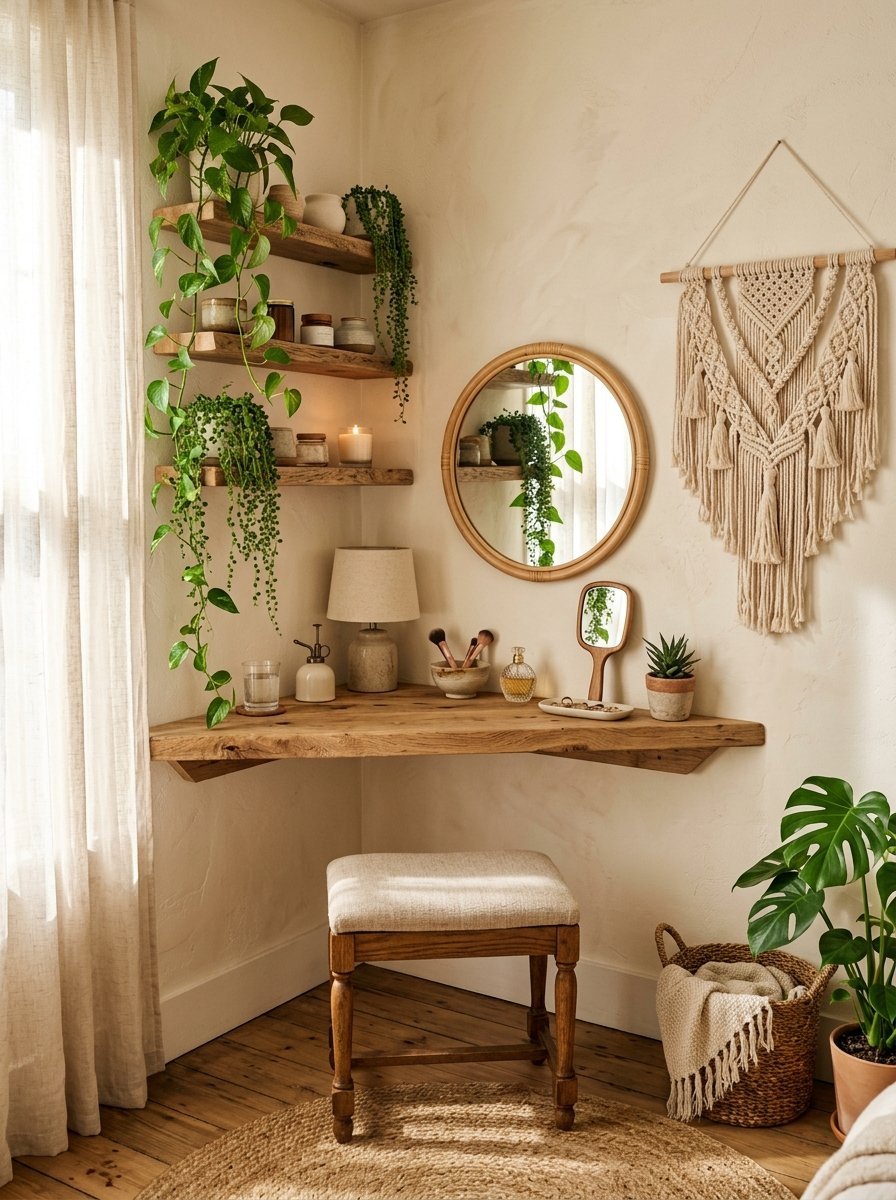
Angle your vanity into a wasted corner. This frees up flat wall space for a large walk-in shower. Bathroom design styles often ignore corners. You can fit a custom triangular counter here. Hang a macrame wall hanging above the toilet for texture. Place trailing plants on floating shelves. The bohemian look needs organic shapes. Round mirrors work perfectly over corner sinks. Care for round glass and ornate frames safely by wiping gently. I once ruined a vintage gold-painted wood frame with a vinegar spray. The acid peeled the gold paint right off the wood. Stick to mild soap. Wipe frames gently with a dry cloth first. A corner vanity means less counter space. Buy a deep medicine cabinet to hold your daily items. Recess this cabinet into the wall studs. You keep the items hidden but easy to reach.
5. The Farmhouse Wet Room Layout
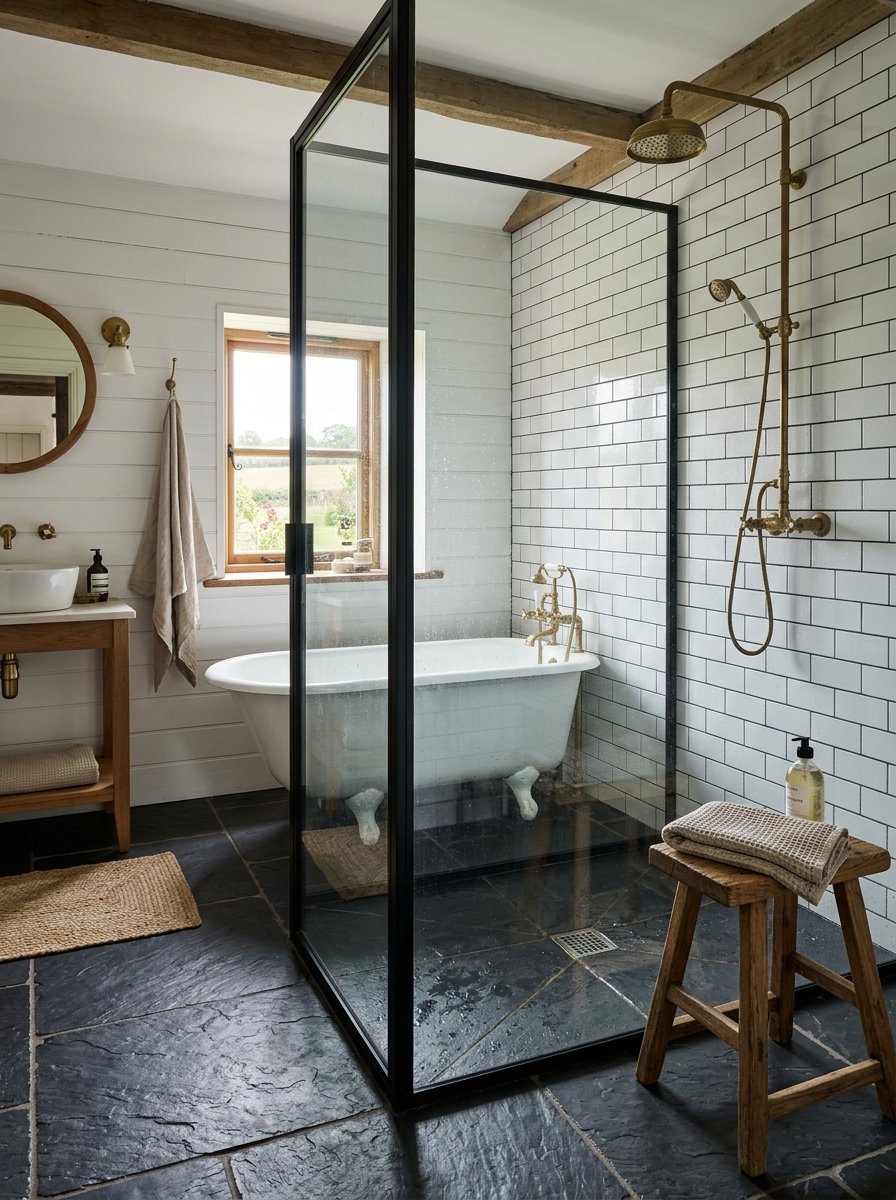
Enclose the tub and shower behind one glass partition. This wet room layout stops water from reaching the vanity. Water damage ruins wooden cabinets quickly. You need a sloping floor drain for this to work. Farmhouse styles use subway tile across the entire wet zone. I prefer dark grout to hide hard water stains. Light grout turns yellow within six months. Leave a sixty-inch opening for the glass panel. This gives you plenty of room to step inside. Place a wooden stool for sitting while showering. The wood gives warmth to cold tile surfaces. Install a handheld shower wand near the bench. You sit down and wash easily. The wand also helps you rinse down the walls after a shower. Hard water destroys grout lines. Squeegee the glass after every single use. Keep the floor completely clear of clutter.
6. The Cottage Core Jack and Jill
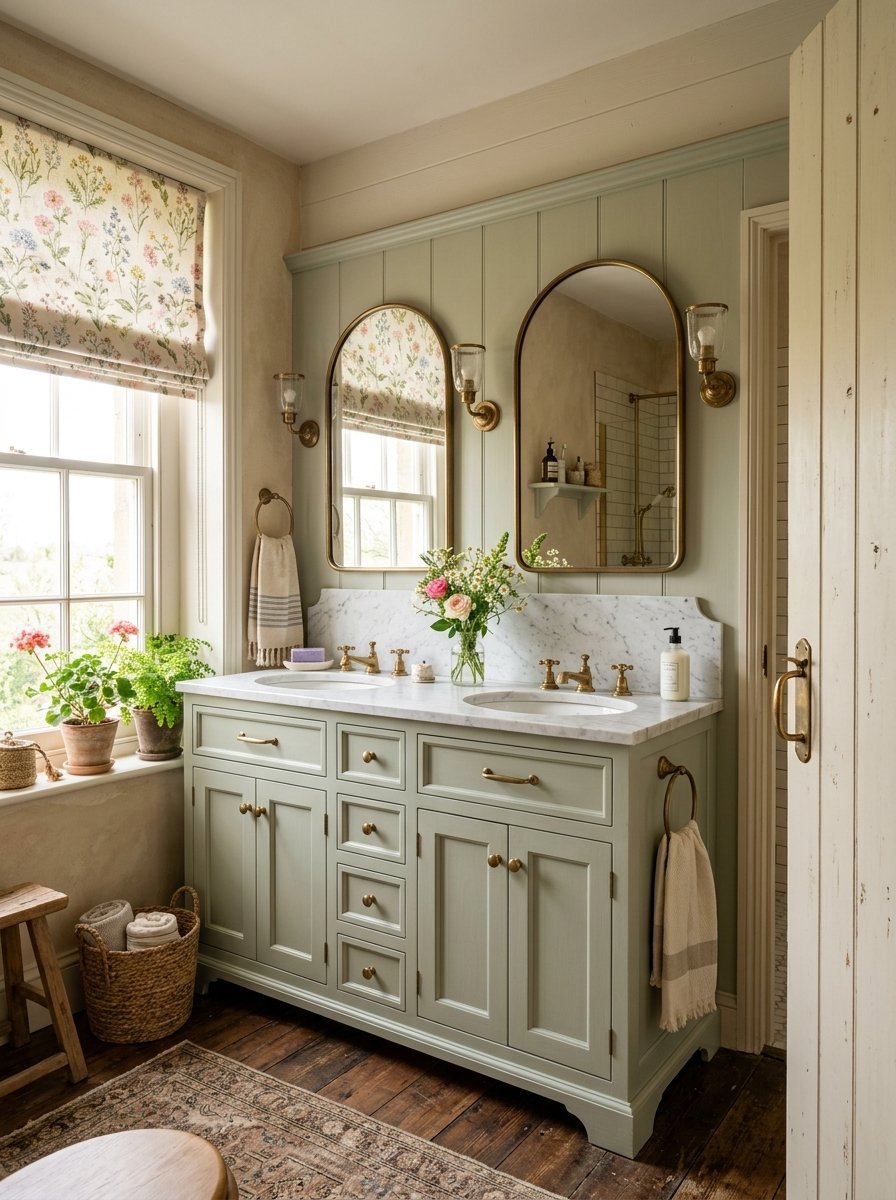
Connect two bedrooms with one shared washroom design. Place locks on both doors for privacy. Put the shower and toilet in a separate inner room. Keep the dual sinks in the main entry area. Two people can get ready at once. Cottage core loves vintage hardware and floral wallpapers. Keep the wallpaper away from the shower zone. Peeling paper looks terrible. I install beadboard on the lower half of the walls. It handles splashes much better than drywall. Paint the beadboard a soft sage green. This layout stops morning traffic jams perfectly. Install double medicine cabinets above the sinks. Give each person their own dedicated storage. Arguments start over shared messy counters. Hang a vintage floral roman shade over the window. Fabric softens the hard lines of the porcelain fixtures. Match your faucet finishes to your door knobs.
7. The Minimalist Bathroom Design Strip
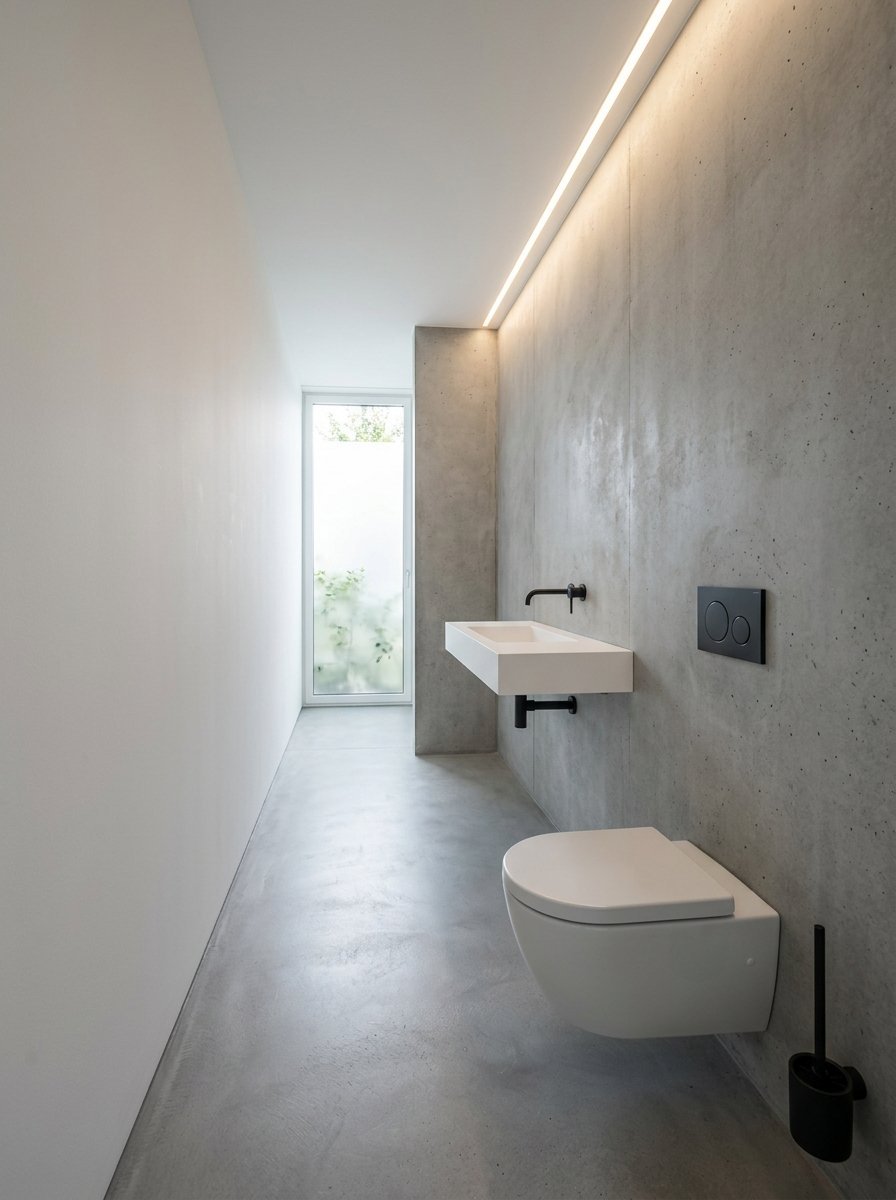
Line every fixture along a single wall. This straight-line layout works for narrow floor plans. Modern small bathrooms thrive on this simplicity. You only frame one wet wall. The opposite wall stays completely blank. Install wall-mounted faucets to save counter depth. A narrow twelve-inch sink fits perfectly here. Keep glass clear without damaging the delicate silver backing by using microfiber cloths. Last year, my mistakes left fine scratches and ugly lint behind from using paper towels. Microfiber grabs dust without scratching. Keep everything off the floor. Wall-mounted toilets complete this clean visual strip. The floating toilet tank sits inside the wall. You save an entire foot of floor space. Plumbers call this an in-wall carrier system. It costs more upfront but pays off daily. Buy a push-button flush plate in matte black. It hides fingerprints completely.
8. The Square Layout Central Cross
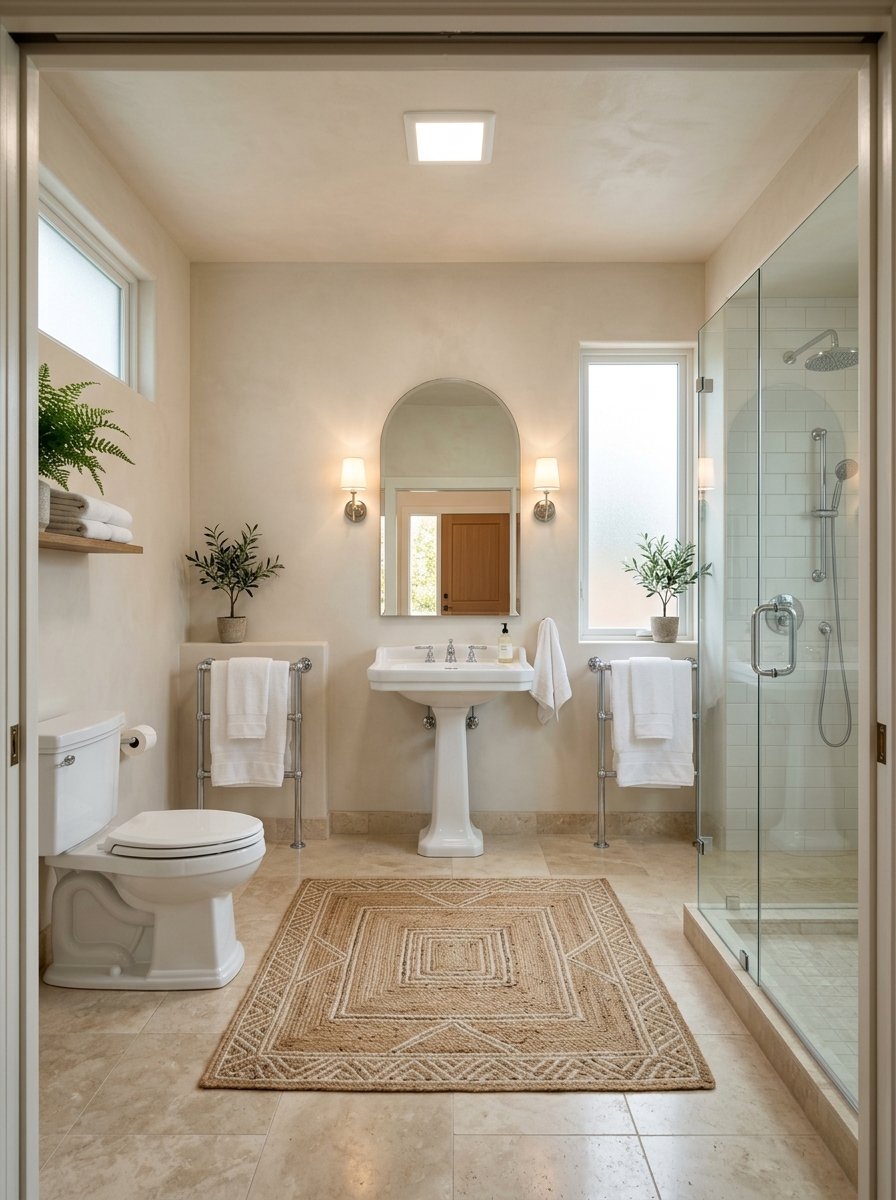
Divide a square room into four equal zones. Put the door in the center of one wall. Place the vanity across from the door. Put the shower in one corner. Place the toilet in the remaining corner. This balanced layout feels calm. Bathroom inspiration decor shines in symmetrical spaces. You get clear sightlines upon entering. Hang identical sconces on both sides of the mirror. This gives you flawless lighting for daily routines. Avoid heavy ceiling fixtures here. Recessed lighting keeps the upper visual field clear. Do not place a harsh light directly over the mirror. It casts dark shadows under your eyes. Install lights on the left and right sides. Buy bulbs rated at three thousand Kelvin. This temperature mimics natural daylight perfectly. Place a large square rug in the exact center of the room. It ties the four corners together visually.
9. The T-Shaped Hidden Toilet Layout
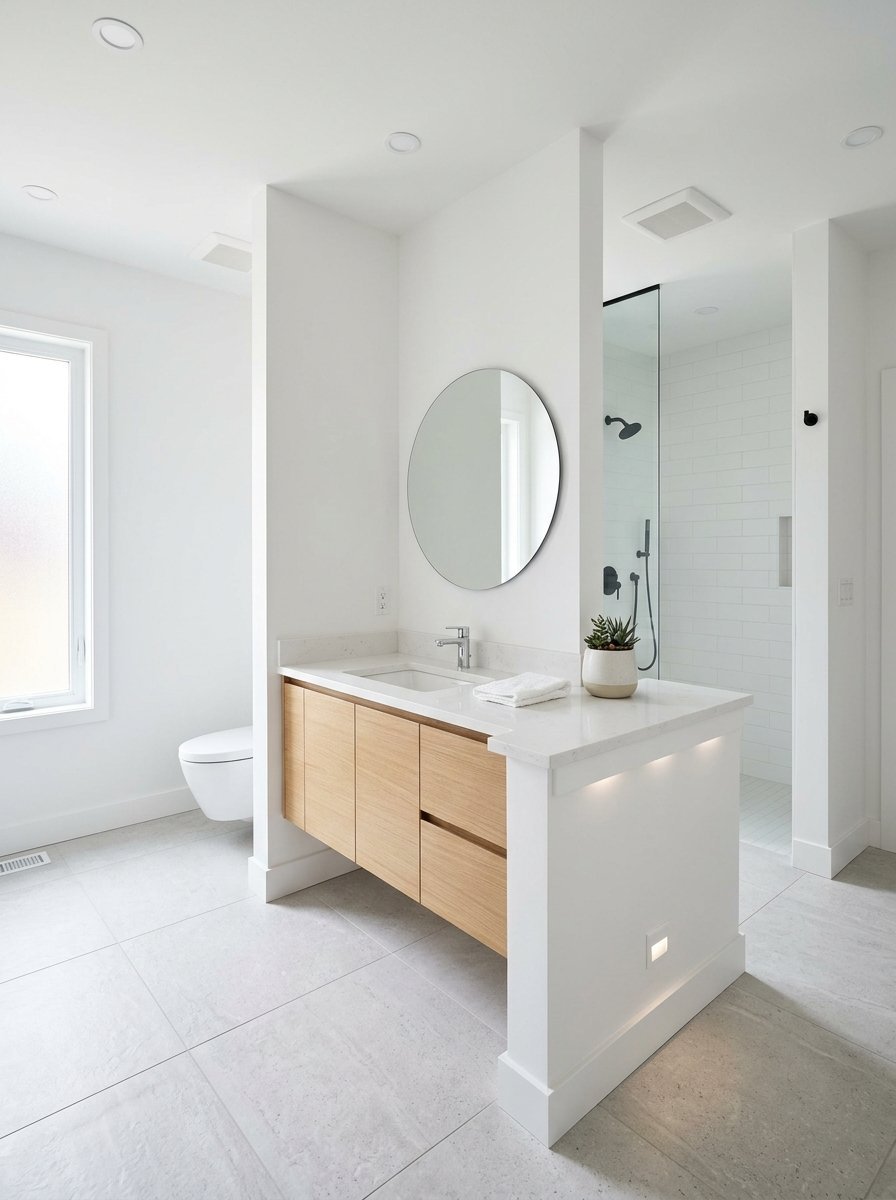
Frame a short partition wall extending from the center. Place your vanity on the front of this wall. Hide the toilet behind one side of the partition. Tuck the shower behind the other side. This creates instant privacy without doors. You block the sightline from the hallway. I frame these half-walls forty-two inches high. You can cap the wall with a marble ledge. Place your daily toiletries on this ledge. It keeps the main counter completely clear. This requires a wider room footprint. Plan for at least seven feet of total width. A narrow room makes this layout impossible. Frame the half-wall sturdy. You will lean on it daily. Cover the wall top with a solid piece of quartz. Grout lines on flat horizontal surfaces trap dirt. Quartz needs zero maintenance. Place a small plant on this ledge.
10. The Corner Shower Diagonal
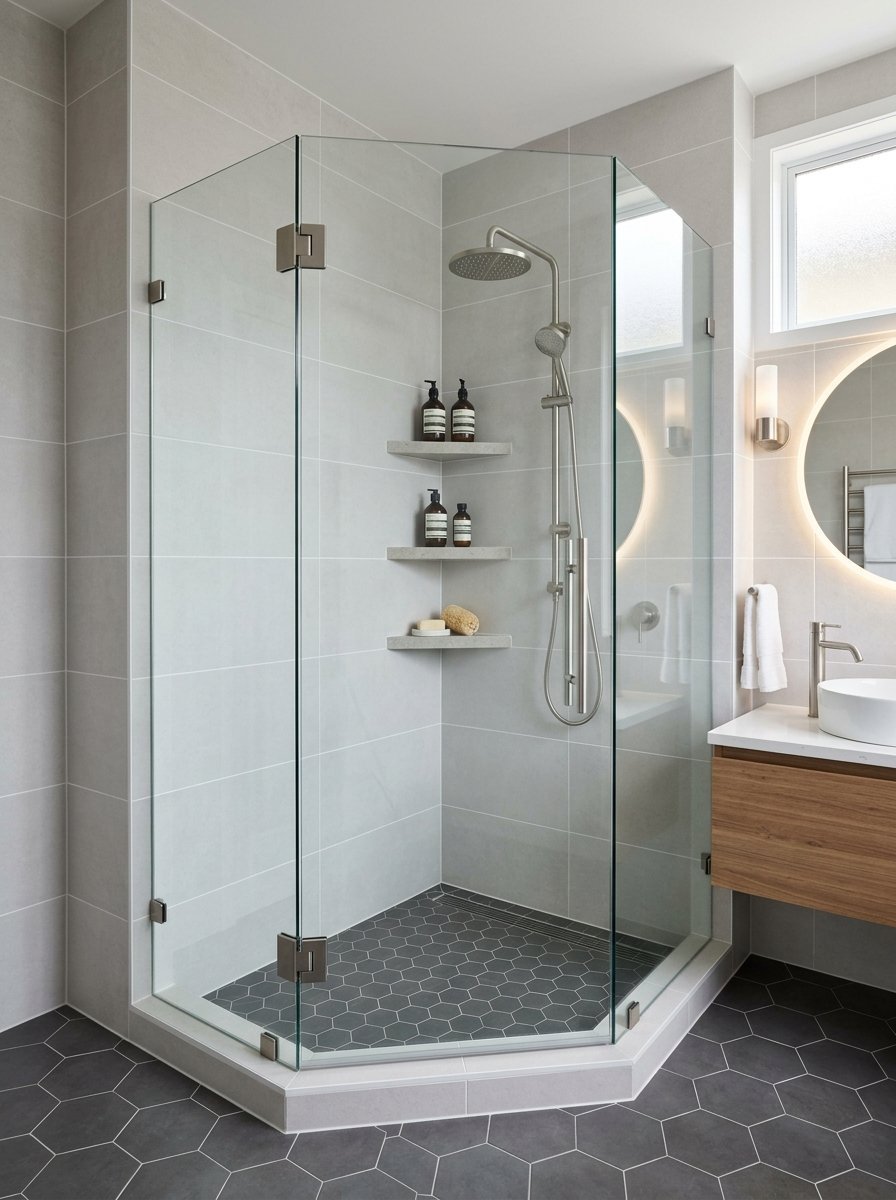
Chop off the corner of your shower enclosure. Use a neo-angle glass door. This diagonal line opens up the center floor. Small bathroom design requires clever geometry. You free up precious inches near the vanity edge. I install this trick in basement remodels constantly. The angled door lets you swing it outward safely. Standard square showers trap you in tight spaces. You can tile the shower floor with small hexagonal pieces. The extra grout lines provide slip resistance. Safety matters more than aesthetics in wet zones. Large tiles get slippery when soapy. Choose tiles no larger than two inches for the shower floor. The extra friction stops bad falls. Mount a corner floating shelf for soap. Do not use wire baskets. Wire rusts quickly and stains your beautiful tile. I prefer solid stone corner shelves. They last forever and wipe clean easily.
11. The Dual Wall Galley Split
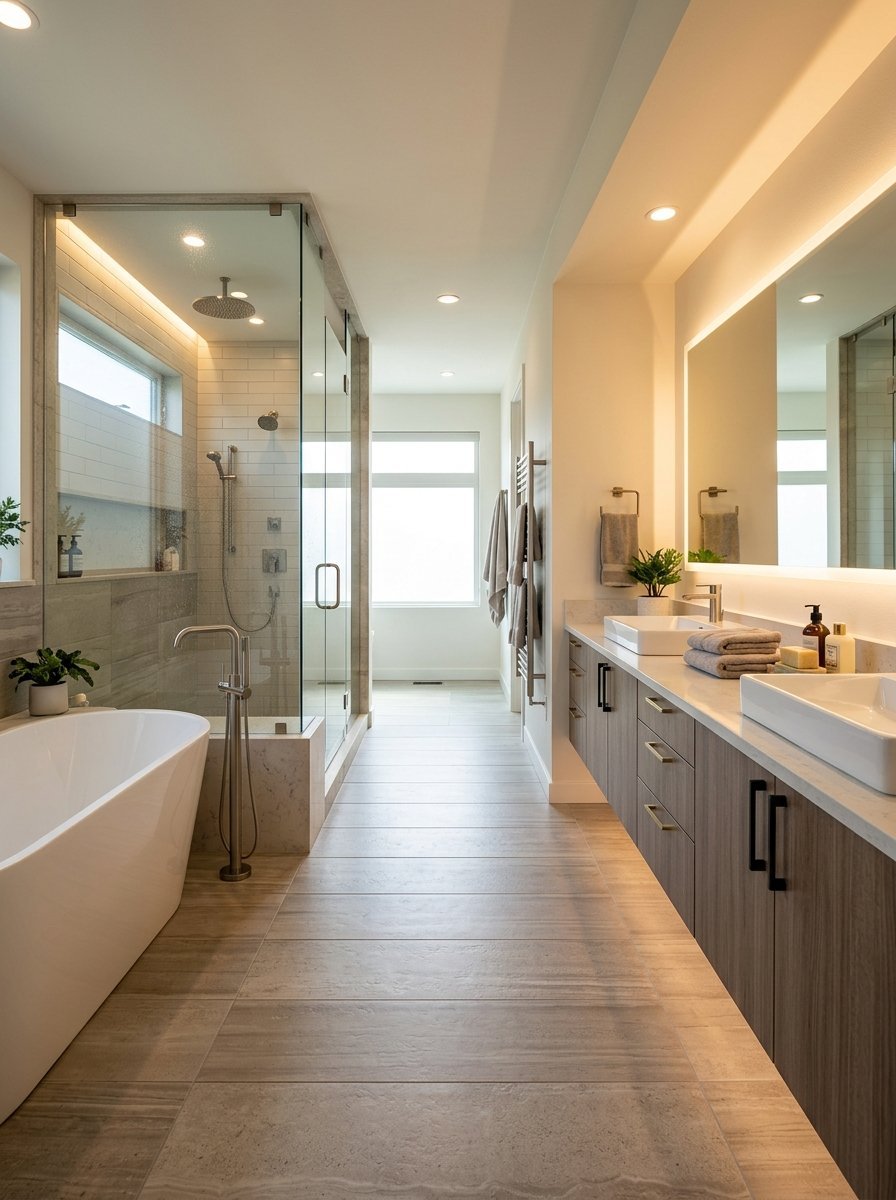
Split the functions onto two parallel walls. Keep wet items like the tub and shower on the left. Put dry items like the vanity and storage on the right. This zoning keeps your towels dry. You stop splashing water onto clean clothes. Modern small bathrooms need this strict separation. A thirty-inch walkway runs down the middle. I always install a heated towel rack on the dry side. Warm towels make winter mornings bearable. Run the floor tile horizontally to stretch the visual width. Place the main light switch outside the door. Do not fumble in the dark looking for switches. Install a dimmer switch for late-night bathroom trips. Bright lights wake you up entirely. A dim glow keeps you sleepy. Install a quiet exhaust fan above the shower. Look for a fan rated under one sone. Loud fans sound like jet engines.
12. The Window-Centered Symmetrical Layout
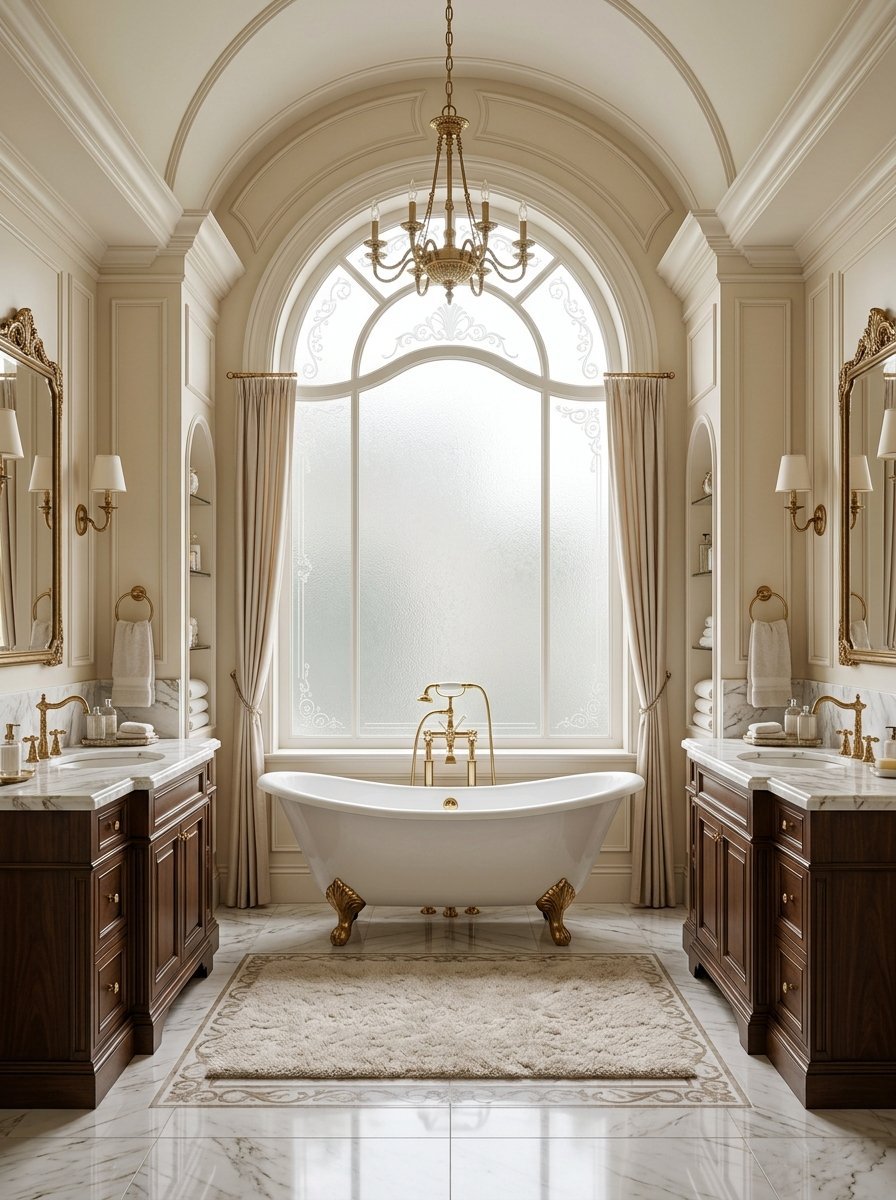
Place your freestanding tub directly under a large window. Flank the tub with matching vanities on adjacent walls. This layout creates a stunning focal point. You need privacy glass or top-down shades. Natural light floods the space beautifully. I always check the window height first. The glass must sit at least thirty inches above the floor. Splashes will rot a low wooden window sill. Use waterproof PVC trim around the window frame. This symmetrical design feels very high-end. It mimics luxury hotel architecture perfectly. Hang a flat mirror over each vanity. Leave the wall space above the tub completely blank. Let the window act as the main art piece. Do not crowd the room with small decor items. One large plant in a heavy pot works best. Buy heavy brass faucets. Cheap plastic faucets break within three years.
13. The Peninsular Vanity Divider
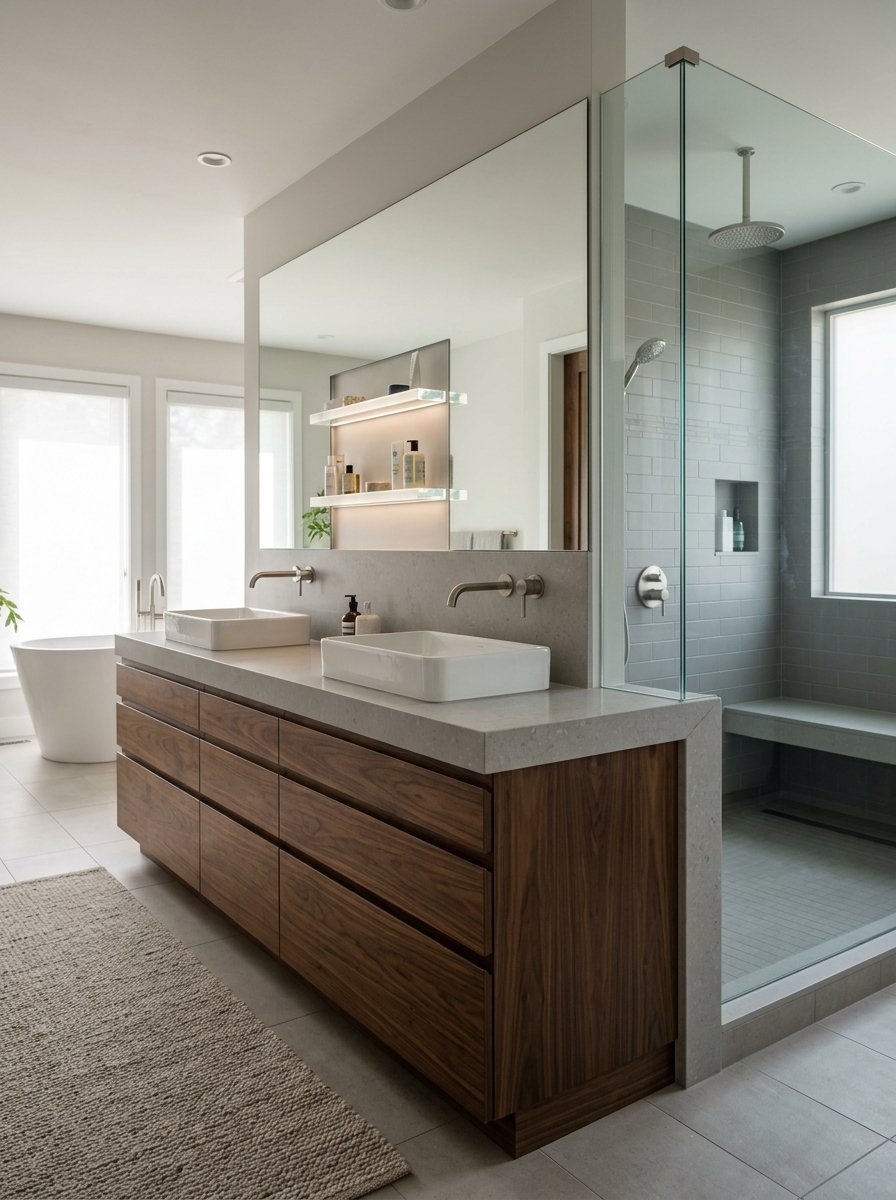
Stick the vanity out from the wall like a peninsula. This separates the toilet zone from the shower zone. You get access to the sink from three sides. It acts as a room divider in long spaces. Run the countertop right up to the glass shower partition. This layout gives you massive flat surface area. I store extra towels under this peninsula. You get massive amounts of hidden storage. Use a deep drawer system instead of cabinet doors. Drawers give you access to items in the back easily. Deep cabinets force you to crawl on your knees to find things. Install custom drawer dividers for your makeup. Stop digging through messy piles every morning. Place the toilet on the far side of the peninsula. Keep it completely out of sight from the hallway. Install a soft-close toilet seat.
14. The Wraparound Continuous Counter
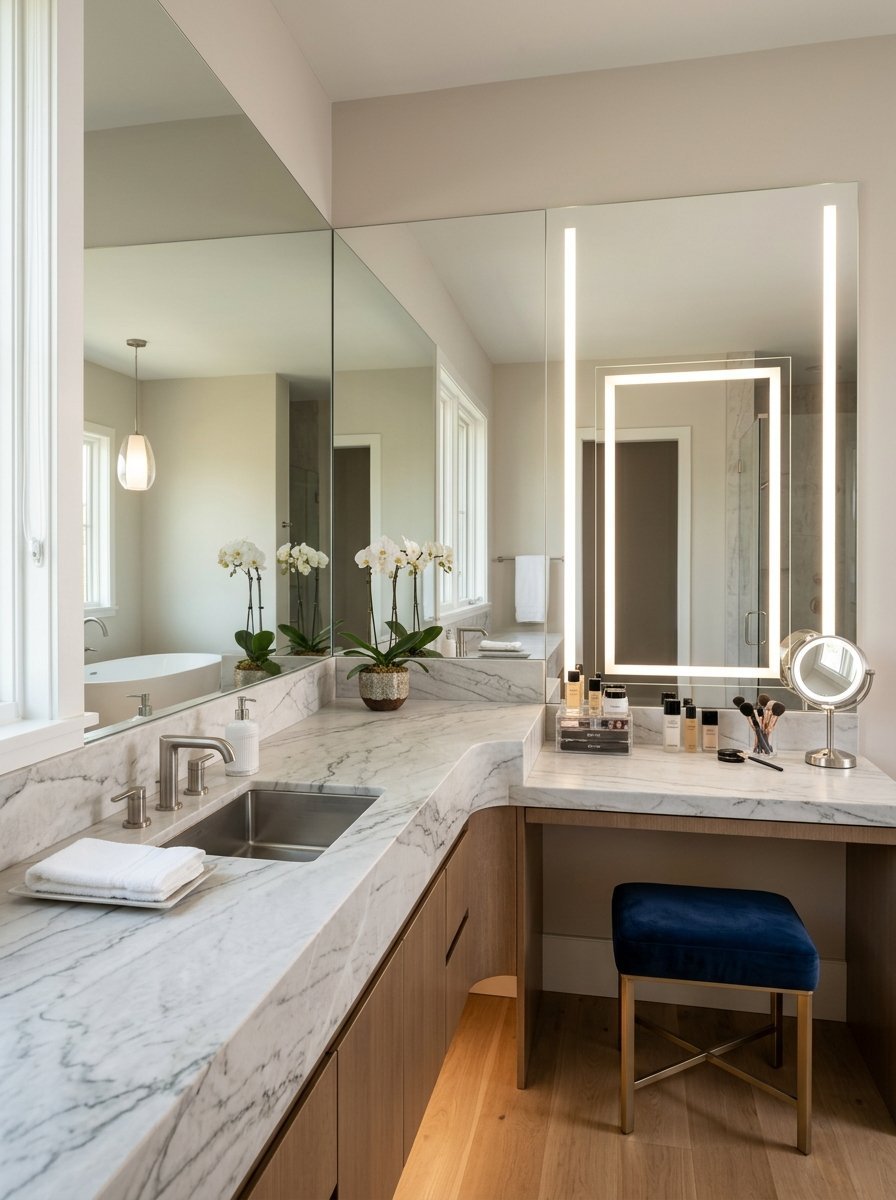
Run a custom counter along two intersecting walls. Drop a sink into one side. Use the other side as a makeup vanity. This gives you a massive workspace. You can sit down while getting ready. Provide twenty-four inches of knee clearance under the makeup side. Slide a small velvet stool underneath. Washroom design must cater to daily habits. I install dedicated outlets inside the top drawer. You plug in hair tools without ugly cords cluttering the top. Keep the material consistent for a clean look. Quartzite handles heat from curling irons better than marble. Marble stains quickly if you spill makeup. Seal natural stone twice a year. Water should bead up on the surface. If water sinks in, you must seal it immediately. I apply sealer with a clean rag. It takes ten minutes. Install a massive wall-to-wall mirror above the counter.
15. The Offset Door Squeeze
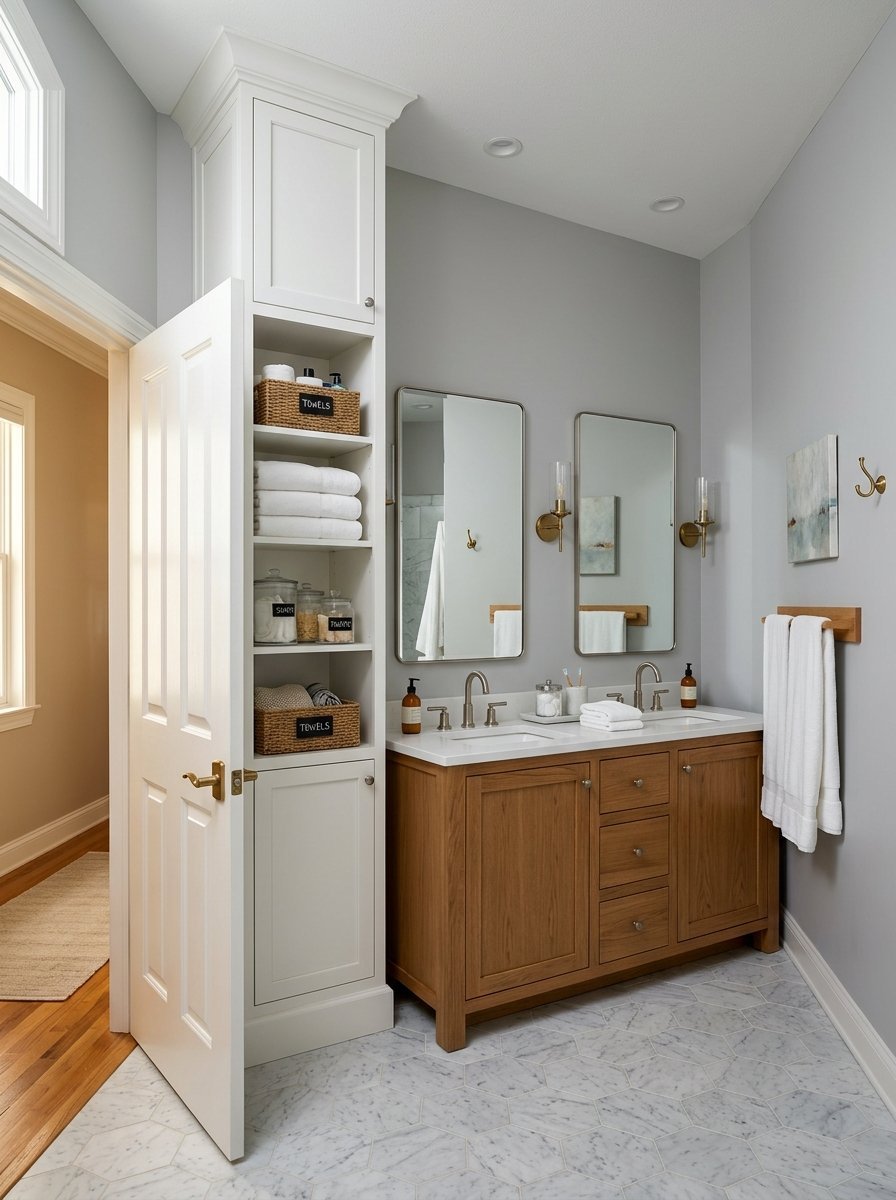
Move the entry door far to one side. Do not put the door in the middle of the wall. An offset door frees up a massive uninterrupted corner. Small bathroom interior layouts rely on unbroken wall space. You can fit a sixty-inch double vanity in that corner. A center door chops the room into tiny unusable pieces. I reframe doors during renovations just for this reason. The framing work costs little but changes everything. You instantly make space for a tall linen tower. Storage solves most clutter problems. Hide your dirty laundry basket inside the tall tower. Drill ventilation holes in the back of the cabinet. Stinky clothes need air circulation. Put your daily items on the top shelf. Keep heavy liquid bottles on the bottom shelf. The bottom shelf holds weight much better. Frame the offset door securely. Insert extra screws to the door hinges.
16. The Alcove Tub Standard
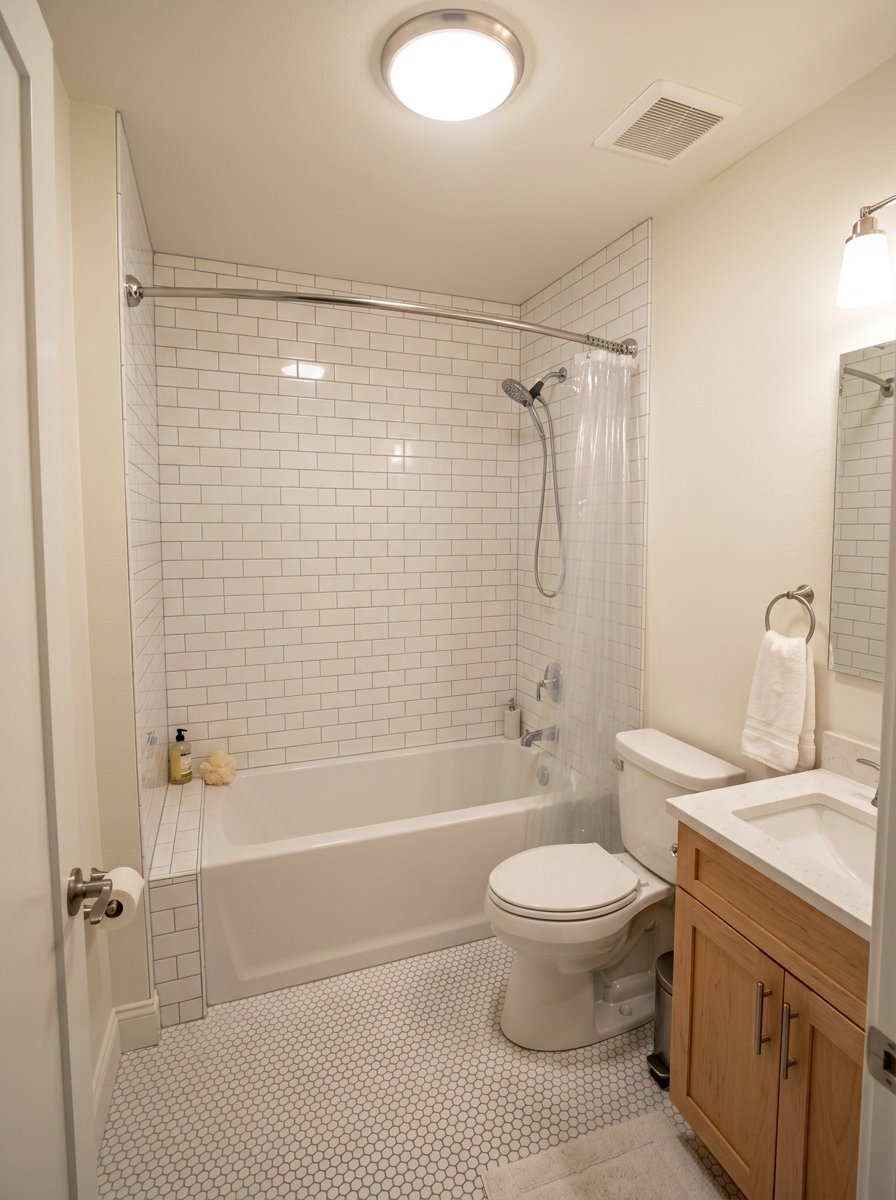
Fit a standard sixty-inch tub between three walls. Place the toilet next to the tub apron. Put the sink nearest the door. This fifty-square-foot layout remains the industry standard. It works because it is incredibly cheap to assemble. All plumbing runs through a single wall. You can buy off-the-shelf fixtures for exact fits. I upgrade this layout with a curved shower rod. The curve creates six inches of elbow room inside the tub. Use a clear shower curtain to let light reach the back wall. Dark showers feel terrifying. Hang the curtain rod as high as possible. A high curtain makes the ceiling feel taller. Buy an extra-long fabric liner. Cheap plastic liners smell terrible and tear quickly. Wash the fabric liner monthly with bleach. Hang it back up while still wet. It will dry perfectly straight. Install grab bars near the tub entry.
17. The Floating Zone Layout
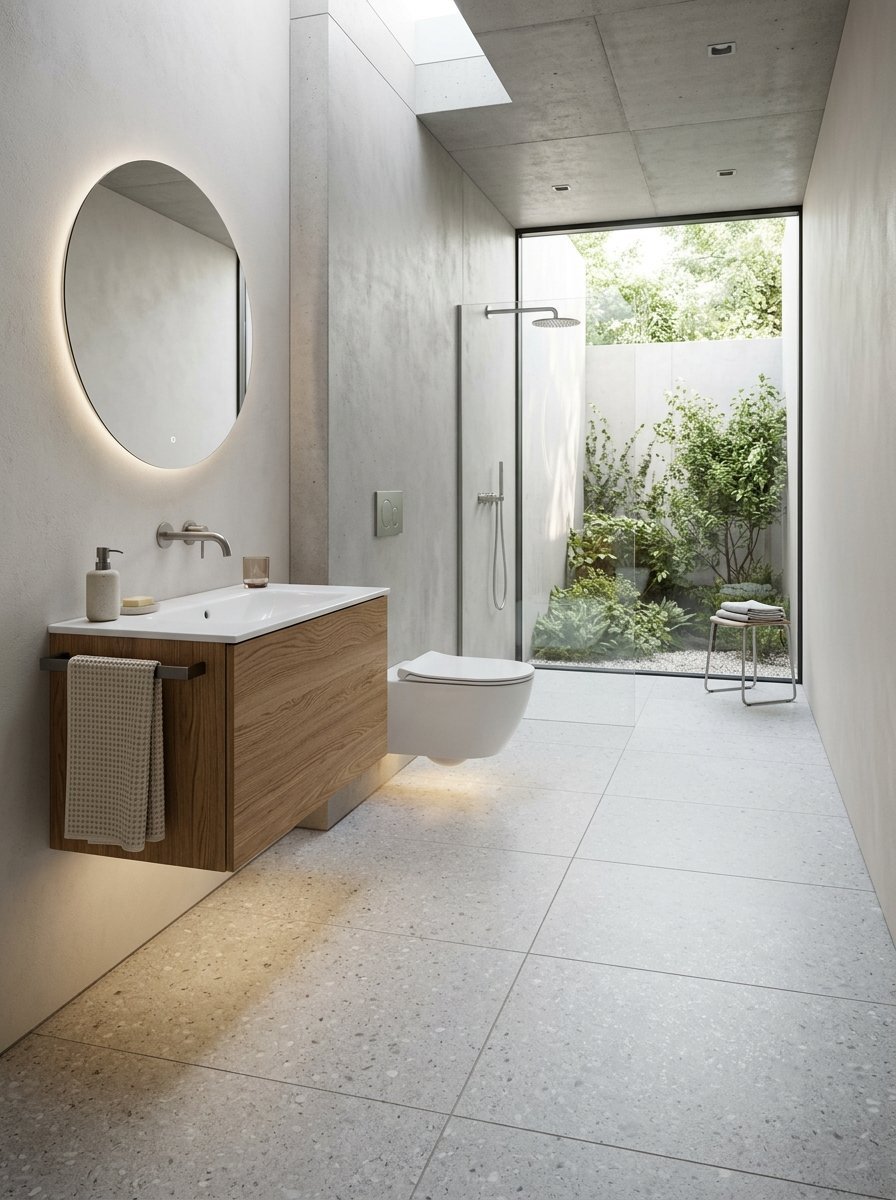
Mount every single piece of furniture to the wall. Hover the vanity, the toilet, and the tall storage cabinets. You see the floor tile run continuously edge to edge. Minimalist bathroom design demands uninterrupted floor planes. Cleaning becomes incredibly fast with a mop. Dirt has no legs to hide behind. You must install heavy steel brackets inside the walls first. Do this before hanging drywall. A floating toilet holds five hundred pounds when installed correctly. The visual weightlessness makes the room feel twice as big. Run the floor tile underneath everything. Do not cut the tile around the vanity. Tiling the whole floor makes future renovations easy. You can change the vanity size later without patching the floor. Choose a large format tile. Few grout lines mean less scrubbing. I prefer twenty-four-inch square tiles. Buy a high-quality tile saw.
18. The Niche Storage Wall
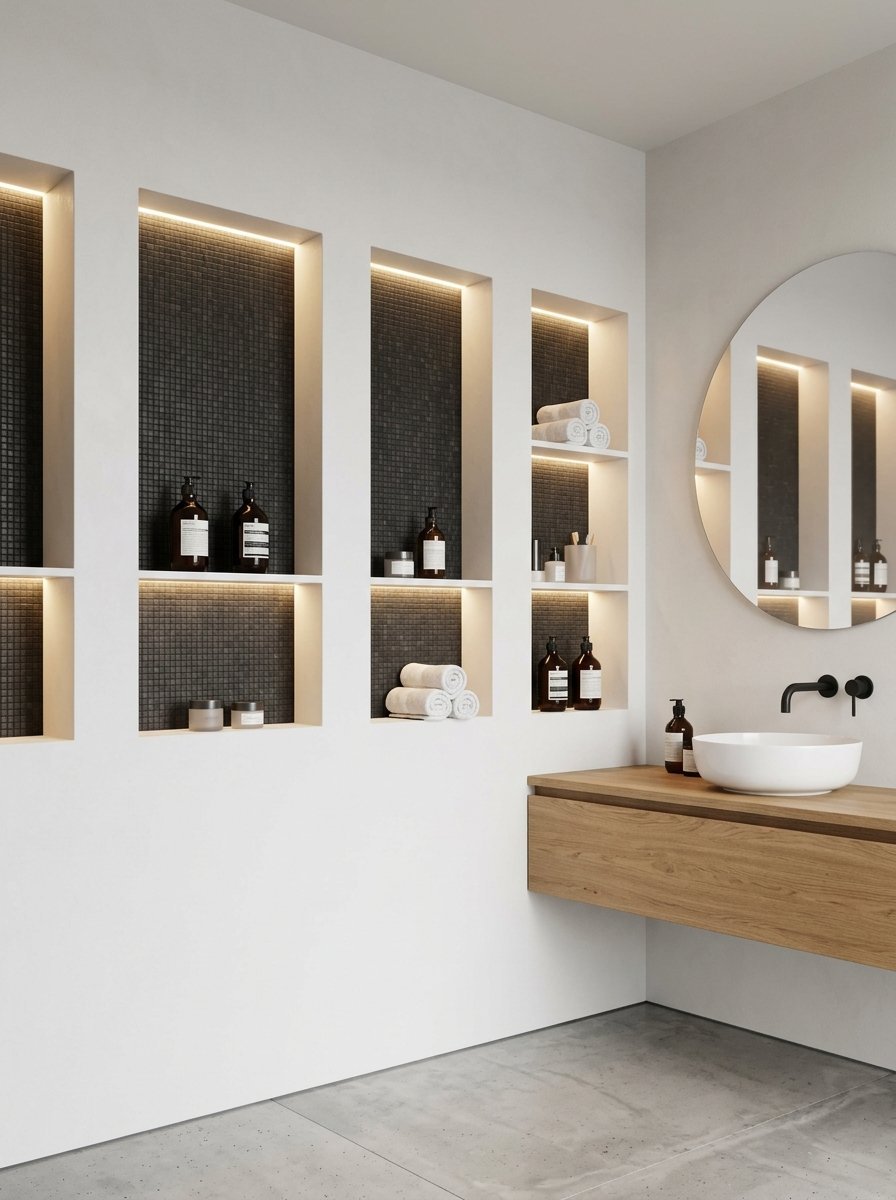
Frame one wall out by six inches. Carve deep niches into this false wall. Place your vanity and toilet against it. Store all your bottles inside the recessed niches. You get storage without losing floor space. Bathroom inspiration decor loves clean surfaces. Hide the mess inside the walls. I line the niches with a contrasting tile color. This draws the eye upward. Place LED light strips inside the top of each niche. You get soft ambient lighting for night trips. The false wall also hides ugly plumbing pipes perfectly. Frame the wall with steel studs. Steel stays perfectly straight. Wood studs warp and crack your expensive tile over time. Plan your niche heights around your shampoo bottles. Measure your tallest bottle first. Make the niche two inches taller than that bottle. A niche that is too short becomes completely useless.
19. The Freestanding Shower Cube
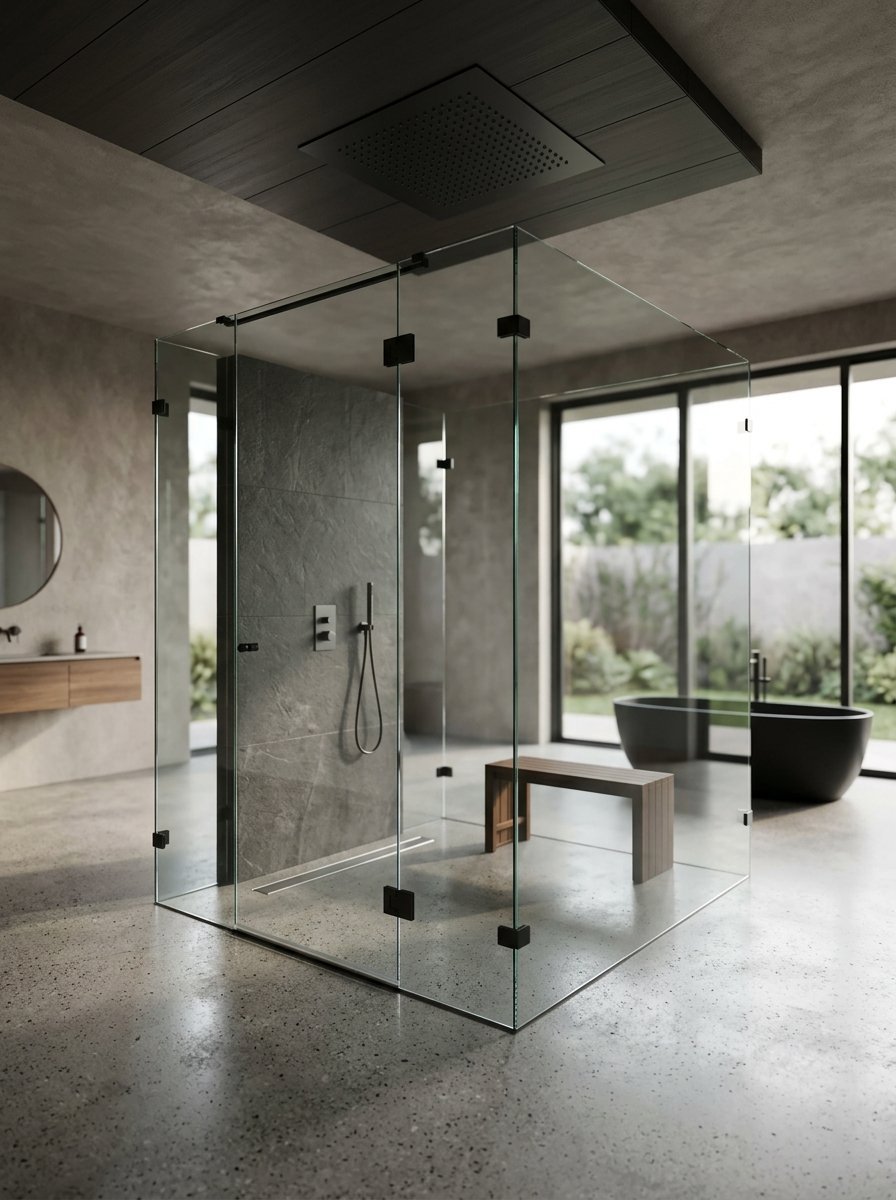
Place a glass shower enclosure directly in the middle of a large room. Do not push it against any walls. Walk around the entire glass cube. This creates a striking modern focal point. You need a massive room for this to work. Plumbers must run drains directly through the center joists. This layout stops traffic dead in its tracks. I cap the top with a massive rain shower head. Water falls straight down the middle. This defines modern luxury bathroom design. It breaks all traditional layout rules intentionally. You must slope the entire room floor toward the center drain. Use a linear drain for a sleek look. Linear drains handle massive water volume easily. Buy a high-capacity hot water heater. Massive rain heads drain a standard tank in eight minutes. I prefer a tankless water heater. You get endless hot water for long showers.
20. The Step-Up Platform Layout
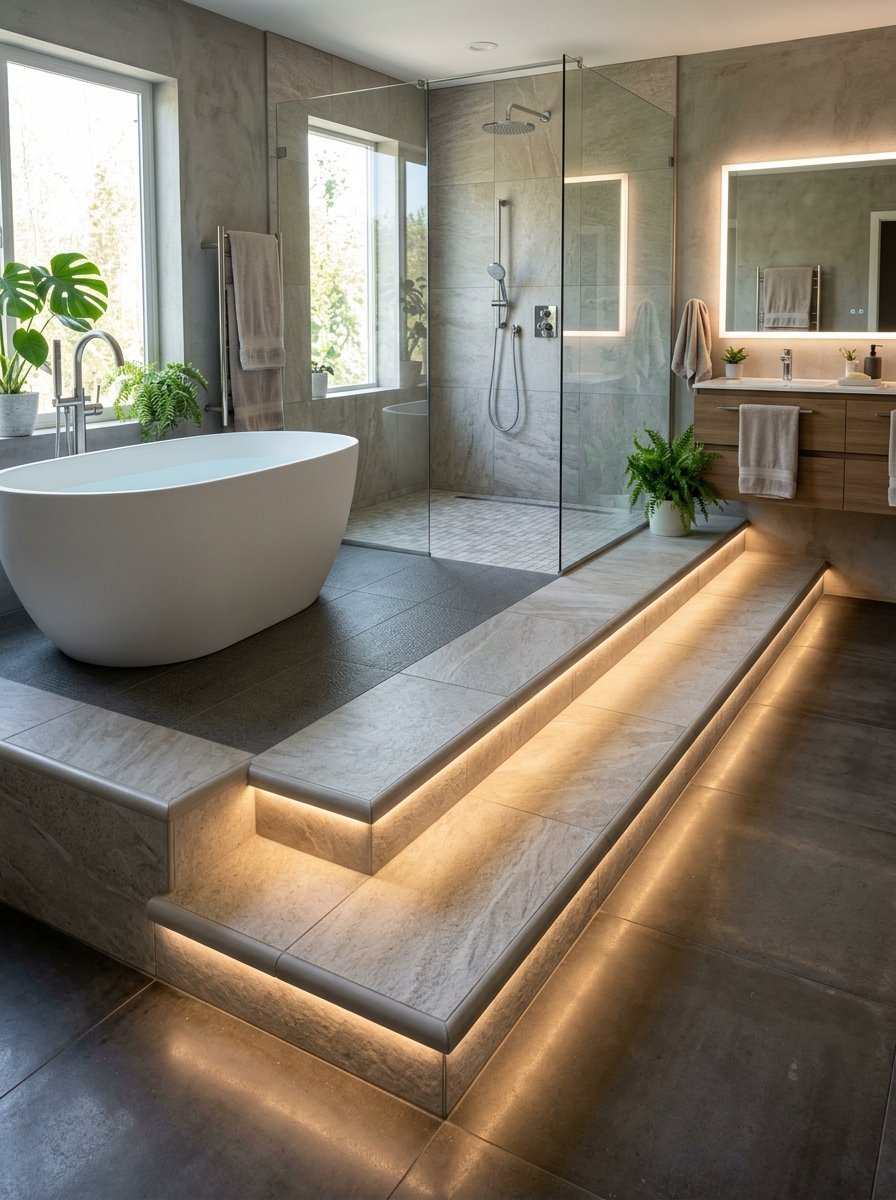
Elevate the tub and shower on a tiled platform. Keep the vanity and toilet on the lower main floor. This physical step separates the wet and dry zones distinctly. You can run plumbing lines right through the platform base. This saves you from cutting into the floor joists below. I place hidden LED strip lights under the platform lip. It creates a glowing floating effect at night. The step must measure exactly seven inches high. Irregular step heights cause tripping accidents daily. Cover the platform edge with a highly visible bullnose tile. You must see the step clearly. A hidden step causes broken ankles. Install a handrail if you have older family members living there. Use rough-textured tile on the platform top. Slippery tiles kill people. Check the dynamic coefficient of friction rating on the tile box. The rating must be higher than zero point four two.
21. The Hidden Laundry Combo
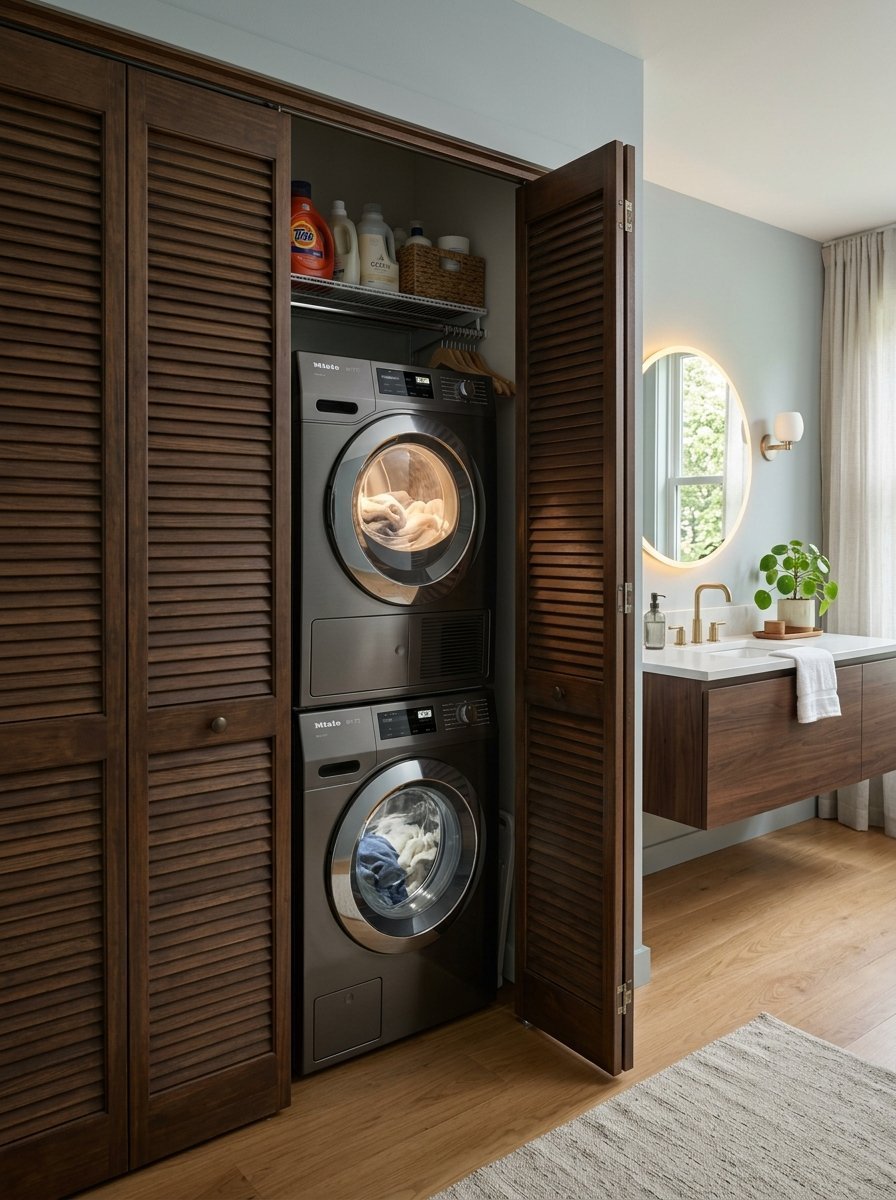
Dedicate one wall entirely to a stacked washer and dryer. Hide the machines behind louvered bifold doors. Place the vanity and toilet on the opposite side. Small bathroom design can handle dual duties. The louvered doors allow heat and moisture to escape. Dampness destroys machines quickly. You must run a heavy-duty exhaust fan in this room. I tie the fan switch to the room light. The fan runs automatically when you enter. Run the dryer vent straight through the exterior wall for safety. Keep laundry baskets tucked inside the vanity cabinets. Buy front-loading machines. Top loaders block the space above them. Stack the dryer on top of the washer. The washer weighs too much to go on top. Run rubber hoses with stainless steel braiding. Plain rubber hoses burst and flood your house. Replace the hoses every five years.
22. The Double Entry Flow
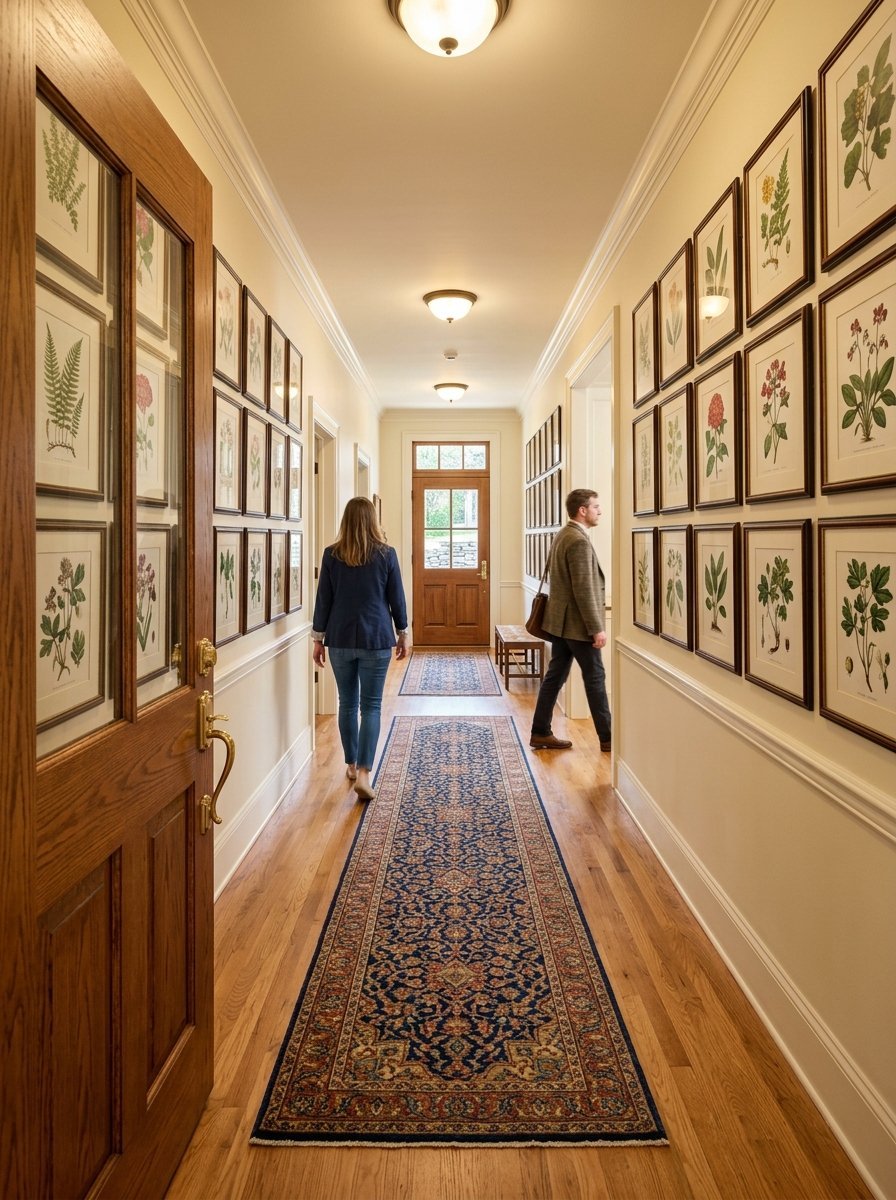
Install two separate entry doors on opposite walls. Connect a master bedroom directly to a hallway. This layout handles high foot traffic effortlessly. You never get trapped inside. Place the shower and toilet in a separate compartment. Leave the sinks in the main thoroughfare. Two people can pass through without bumping shoulders. I use solid core doors to block sound transmission. Hollow doors let every noise echo down the hall. Place a plush runner rug right down the middle path. It warms the floor and absorbs echoes. Hang art on the blank walls. A bare hallway feels cold and sterile. Frame old botanical prints in simple black frames. Use non-reflective glass in the frames. Regular glass catches the harsh vanity lights. Install deadbolts on both doors. Family members need guaranteed privacy. Test the locks to ensure they align perfectly.
23. The Vaulted Ceiling Vertical Layout
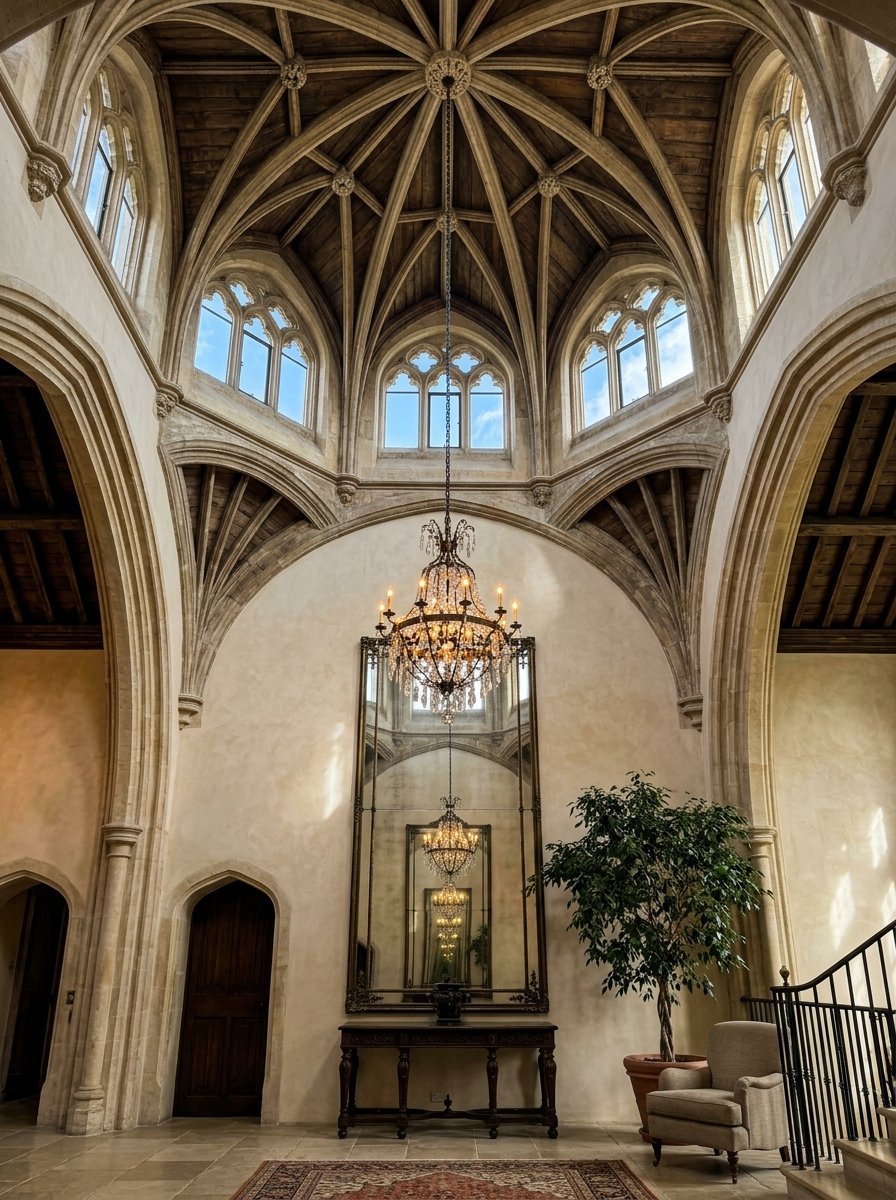
Use vertical air space when floor space is tight. Run tile straight up to a vaulted ceiling. Install high clerestory windows near the roofline. Bathroom design styles with high ceilings feel massive. Hot air rises and escapes through these top windows. Place a tall custom mirror reaching all the way up. The reflection doubles the vertical height. I hang a single dramatic pendant light from the peak. It draws your eyes instantly upward. You can stack storage cabinets ten feet high. Keep a sleek folding stool nearby to reach the top shelves. Do not store daily items up high. Put extra toilet paper and winter towels up there. Install motorized shades on the clerestory windows. Blinding morning sun heats the room too fast. Push a button to close the shades. Paint the ceiling a flat white. Glossy paint shows every drywall flaw.
24. The Angled Fixture Layout
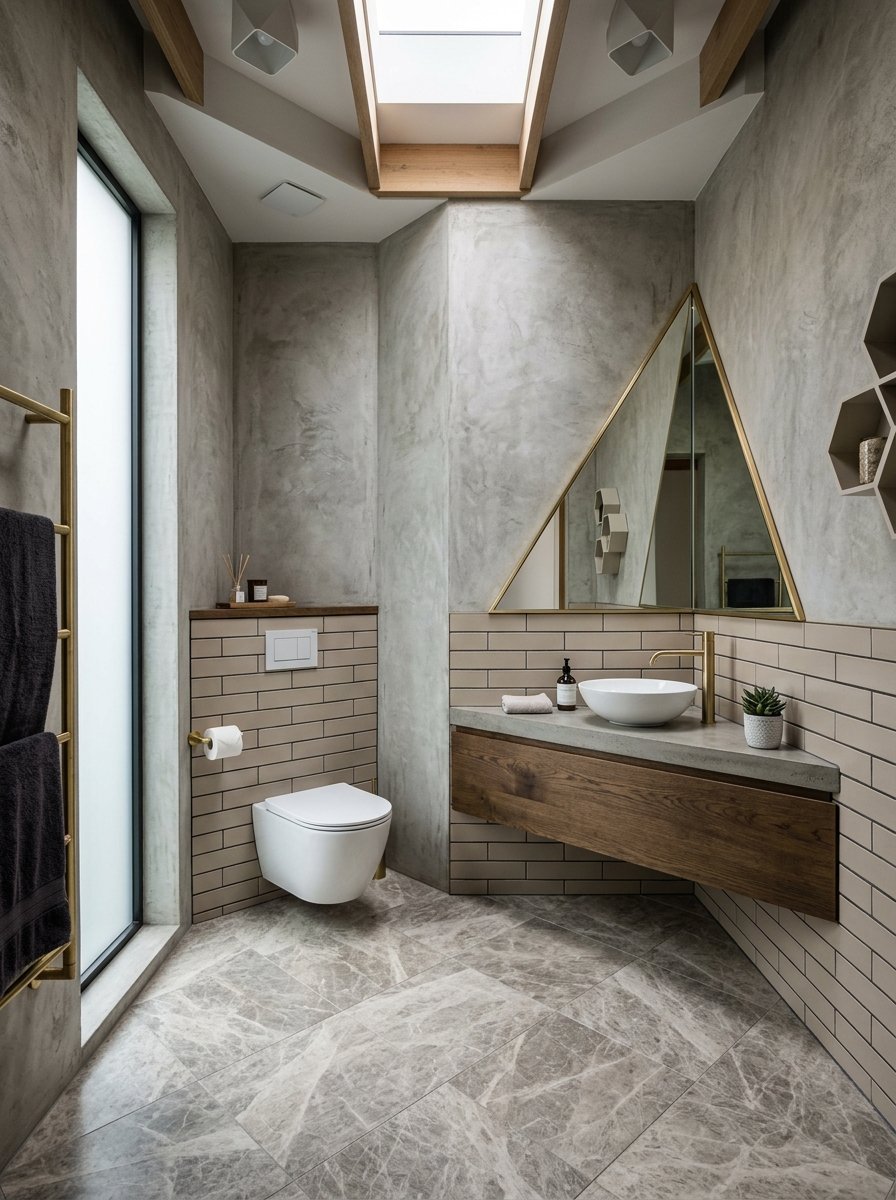
Turn your toilet and vanity forty-five degrees. Mount them across corners instead of flat walls. This works wonders in oddly shaped hexagonal rooms. You break the rigid grid lines. This layout creates hidden triangular storage pockets behind the fixtures. Drop a custom laundry chute into one of these dead corners. I angle the floor tile to match the fixtures. It tricks your brain into ignoring the strange room shape. Do not fight weird architecture. Work with the angles to create something highly custom. Map it out with painter’s tape on the floor first. Walk around the tape outlines. See if your elbows hit the walls. Mount custom corner shelving above the vanity. Buy triangular mirrors that fit the angled walls. Normal rectangular mirrors stick out awkwardly. Hide the plumbing traps inside custom triangular cabinets. You lose standard drawer space, but you open space.
Frequently Asked Questions
How much space do I need for a double vanity?
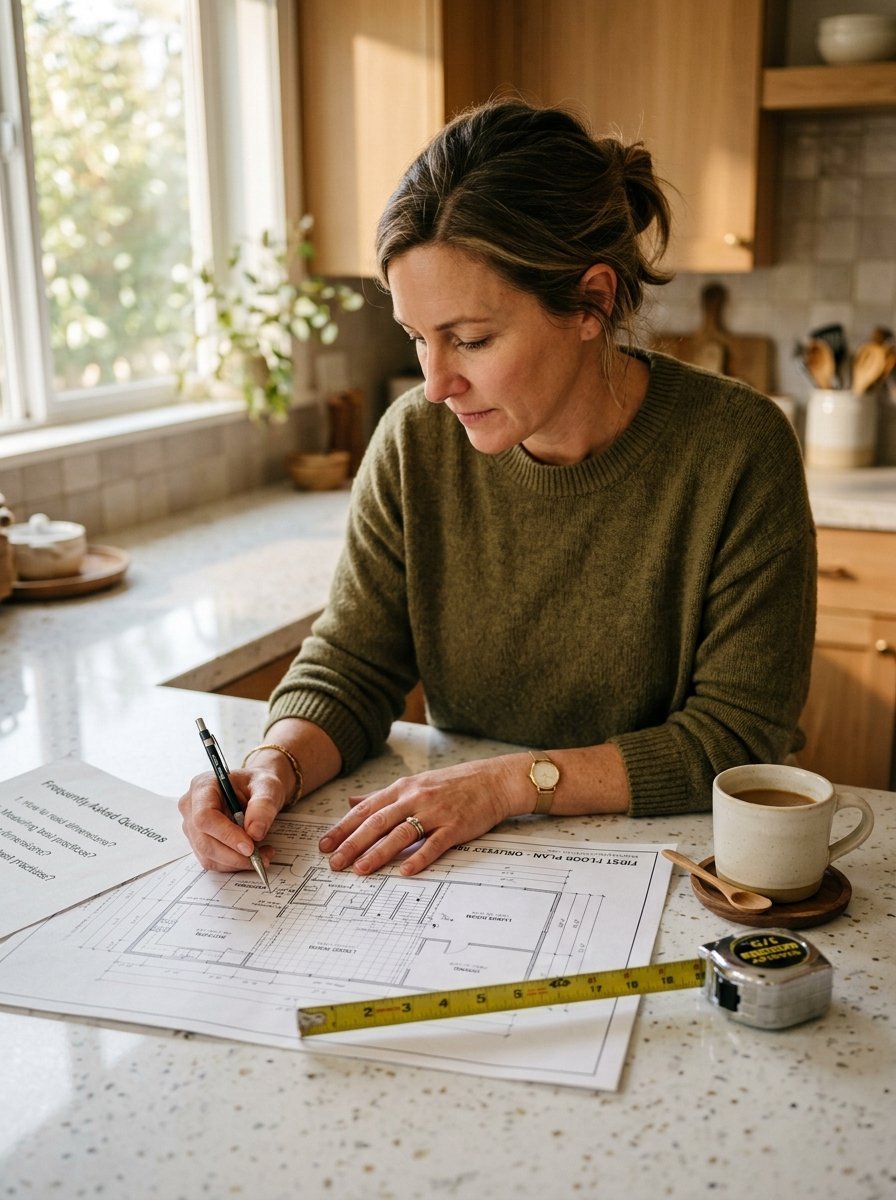
You need exactly sixty inches of wall space for a comfortable double vanity. Anything smaller forces you to bump elbows with your partner. I have seen fifty-four-inch versions, but the sinks sit too close together. You lose all your flat counter space. If you only have forty-eight inches, stick to a single sink. A large single sink gives you massive counter space on both sides. Place your daily grooming tools there. Two people can still share the mirror without fighting over the tiny bowl.
What is the best layout for a tiny square room?
The central cross layout works best here. Put the door in the middle of one wall. Place your vanity directly across from the entry. Tuck the shower in the left corner and the toilet in the right corner. This keeps the center of the room completely open. You can spin around without hitting anything. I use a pedestal sink in this setup to expose more floor tile. A bulky cabinet chokes a small square room instantly. Keep things visually light and strictly off the floor.
Should I put my toilet next to the shower?
Yes, but you must leave at least fifteen inches from the toilet center to the shower glass. Local housing codes demand this exact clearance. If you break this rule, you cannot sit comfortably. Your shoulders will hit the glass. I construct a half-wall between them. A thirty-six-inch high pony wall hides the toilet tank. It also stops water spray from reaching the toilet paper roll. Nobody likes damp toilet paper. Cap the half-wall with tile to create a waterproof shelf.
How high should I mount my wall mirror?
Mount your mirror so the center hits at eye level. For most adults, this means the center sits roughly sixty inches off the floor. Leave at least four inches of space between the countertop and the bottom edge of the mirror. This gap stops water splashes from degrading the silver backing. Water sitting on the bottom edge causes black rot lines. I saw this happen after ruining a beautiful piece. Wipe away splashes immediately with a dry cloth.
What type of door saves the most floor space?
A pocket door saves exactly ten square feet of usable floor area. A standard swinging door needs a massive empty radius to open. You cannot place fixtures or rugs in that swing path. Pocket doors slide right into the wall cavity. You must plan for this during framing. You cannot put plumbing pipes or electrical wires inside a pocket door wall. If you cannot open the wall, buy a sliding barn door hardware kit. Hang the door on the outside of the wall instead.
How do I keep glass clear without scratching it?
Do not use paper towels. Last year, my mistakes left fine scratches and ugly lint behind from scrubbing hard with paper. Buy plush microfiber cloths. Spray the cloth with a mixture of distilled water and a drop of dish soap. Do not use vinegar sprays. I once ruined a vintage gold-painted wood frame with a vinegar spray. The acid peeled the paint instantly. Wipe the glass gently in straight vertical lines. Circular motions create stubborn streaks that look terrible in sunlight.
Can I move my toilet to the opposite wall?
Moving a toilet costs thousands of dollars. The main drain pipe measures three or four inches thick. You cannot easily drill massive holes through your floor joists. Plumbers must often drop the ceiling in the room below to hide the new pipes. Keep the toilet within three feet of the original location to save money. You can spin the toilet sideways easily. Moving it across the room destroys your budget. Map out the existing plumbing lines first before planning anything else.
What is the exact clearance needed in front of a toilet?
Local housing codes require twenty-one inches of clear space minimum. I strictly plan for thirty inches whenever possible. Your knees need room to bend when sitting down or standing up. Do not place a heavy cabinet directly across from the bowl. You will smash your shins in the dark. If you have a tight space, buy a compact elongated toilet. They save two inches of depth without sacrificing sitting comfort. Those two inches make a massive difference in a tiny footprint.
Should I choose a tub or a walk-in shower?
Look at your target home buyer. Families with babies need at least one bathtub in the house. If you already have a tub in another room, rip the master tub out. Frame a massive luxury walk-in shower instead. Most adults shower daily and bathe rarely. A large shower feels like a high-end spa. I remove unused garden tubs constantly during renovations. The extra shower space changes your daily routine entirely. Frame a built-in bench for sitting.
How do I stop moisture from ruining my frames?
Three years ago, I lost a beautiful decorative mirror in my hallway to moisture damage. Poor ventilation kills your fixtures. You must install a high-powered exhaust fan directly above the shower. Run the fan for thirty minutes after turning the water off. Buy a fan with a built-in humidity sensor. It turns on automatically when the air gets thick. Keep antique frames out of the washroom entirely. Place them in dry hallways or bedrooms only.
Are floating vanities safe for heavy stone counters?
Yes, but only if you install heavy steel brackets inside the wall frame. Drywall anchors will fail. Wood studs will bow under the massive weight of a solid quartz counter. Plumbers bolt heavy steel arms directly to the king studs. The vanity slides onto these steel arms. I have seen floating vanities hold three full-grown adults without bending. Never skip the steel brackets. A falling vanity will shatter your tile floor and break pipes instantly.
Where should I place the exhaust fan?
Place the exhaust fan right over the shower enclosure. Do not put it in the middle of the room. You want to capture the steam before it spreads to the mirrors. Steam causes the mirrors to fog and eventually damages the silver backing. If you have an enclosed toilet room, put a second fan in there. Wire both fans to a single switch. Clean the fan grate every six months. A dusty fan stops pulling air completely and becomes a fire hazard.
Final Thoughts
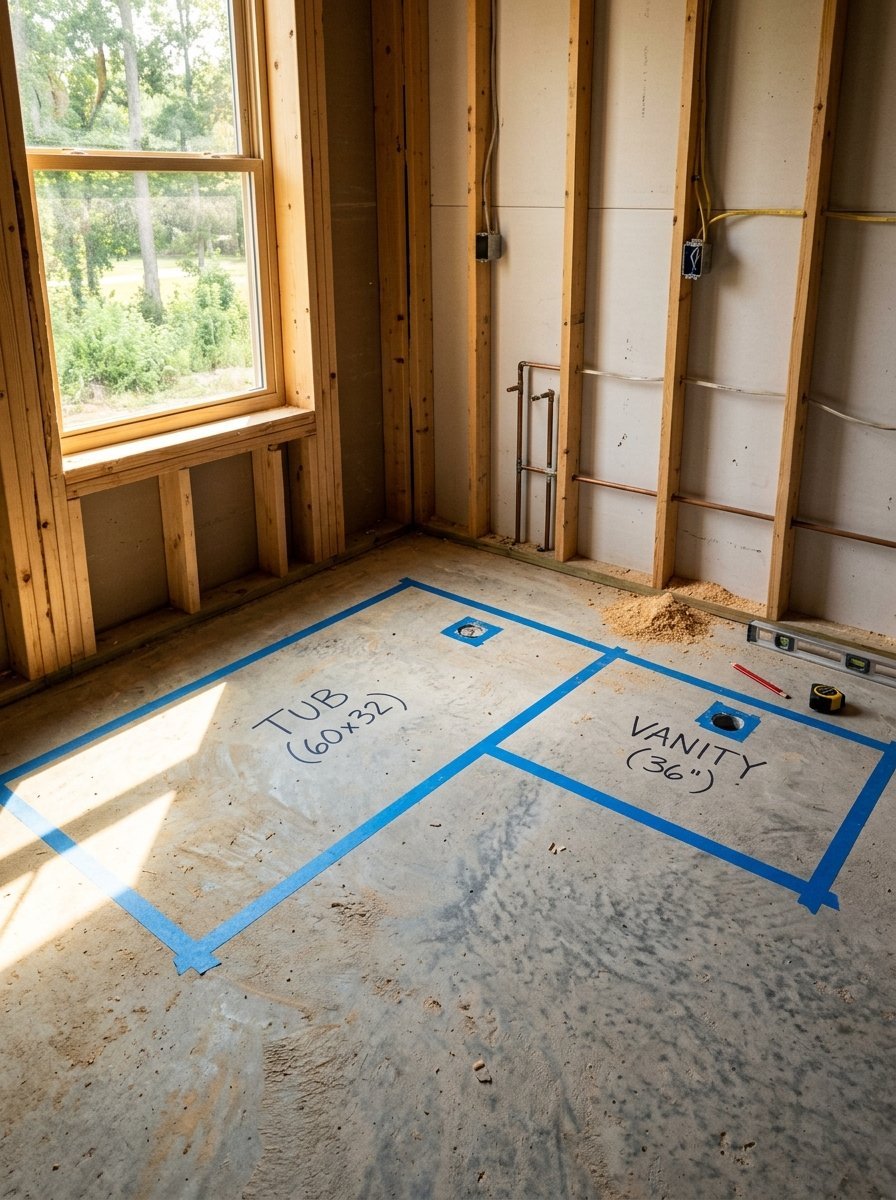
A well-planned space fixes your daily frustrations instantly. You stop bumping elbows and fighting for counter space. I have seen bad layouts waste thousands of dollars. You now have exact measurements and proven placement rules. Use the tape trick on your floor tonight. Map out the plumbing walls before buying a single tile. Avoid moving the main drain line to keep costs low. Protect your mirrors from moisture damage by placing fans correctly. Which of these twenty-four layouts fits your floor plan best? Share your tape measurements below.

Amelia Hart is the Senior Design Editor at Vellora Interiors, where she curates small-space and apartment content. With a background in color theory and years spent designing under-500-square-foot rentals, she’s the editor who’ll tell you exactly which paint sheen, curtain length, and lamp height to choose, no guessing. A former design lead at a boutique studio, her work has been featured in several home and lifestyle publications. Her guiding belief: “Good design isn’t about more, it’s about choosing better.”