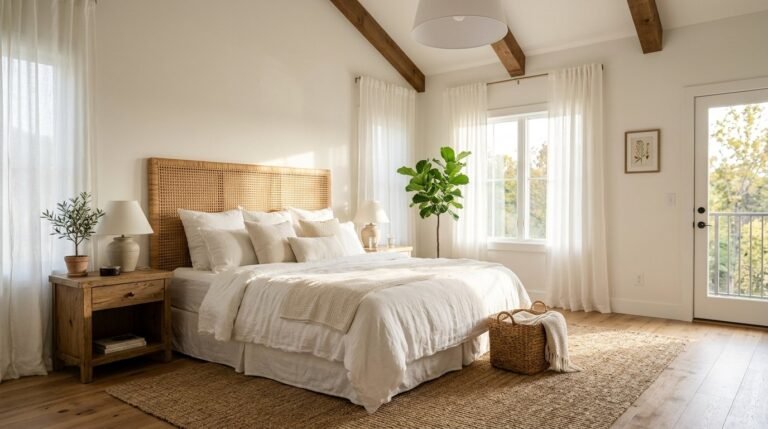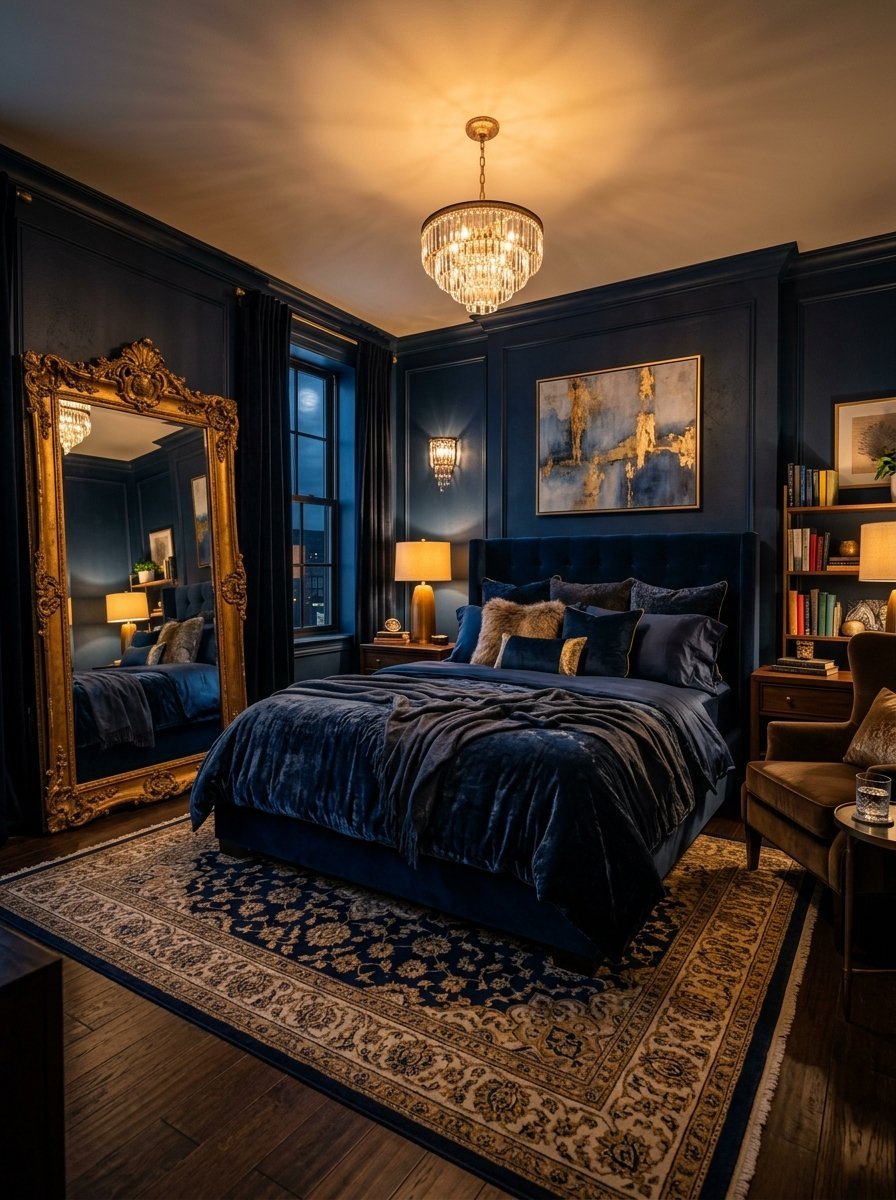
I recently painted my primary bedroom. The old beige walls felt flat. I tested twelve different paint samples on the wall. Choosing a bedroom color combination takes time and patience. Lighting changes everything about room wall colors. I spent three weeks researching top bedroom design styles for my home decor clients. You will see what works right here. I made plenty of mistakes early in my career. I painted a tiny room entirely black without testing the light first. The room felt like a dark cave. I spent four days priming over that mistake. I documented every paint brand, exact cost, and physical step for these twenty-five setups. You can replicate these results without making my expensive errors.
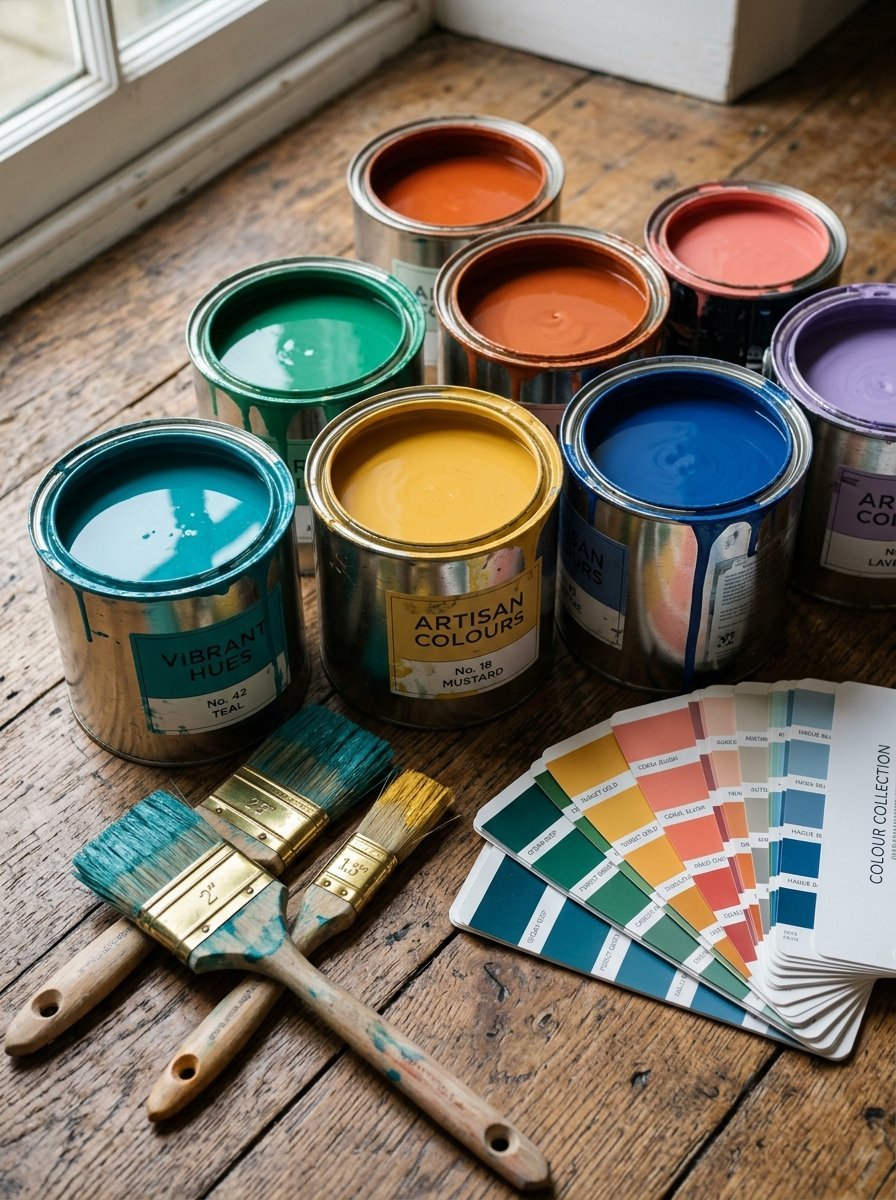
You will find exactly twenty-five room color combination options below. These selections fit various budgets and lighting situations. I share specific paint brands like Benjamin Moore and Sherwin Williams throughout this guide. You will read exact cost estimates for materials and supplies based on my recent receipts. I detail my personal testing with cleaning brands like Norwex and Sprayway. Keeping mirrored accents spotless in these rooms requires proper technique. You get everything required to paint your space this weekend.
1. Deep Navy and Crisp White
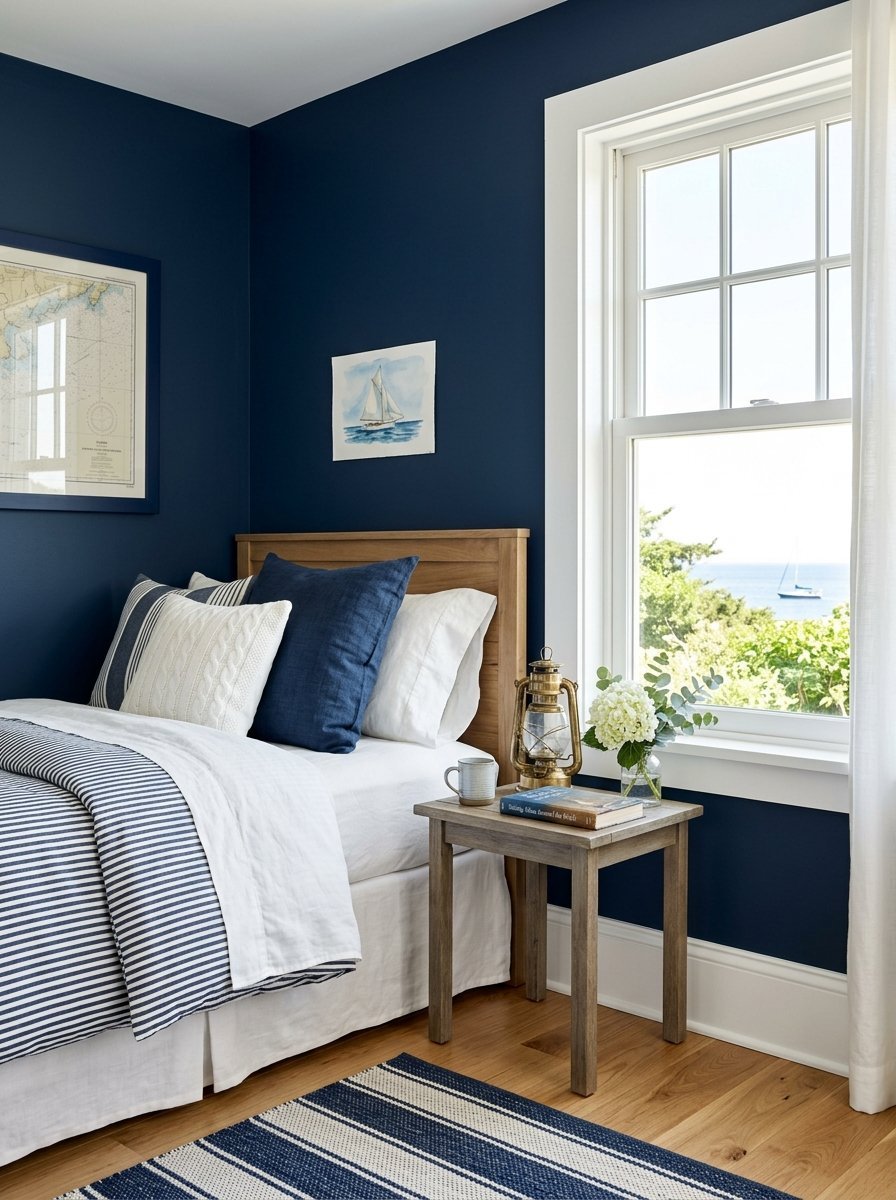
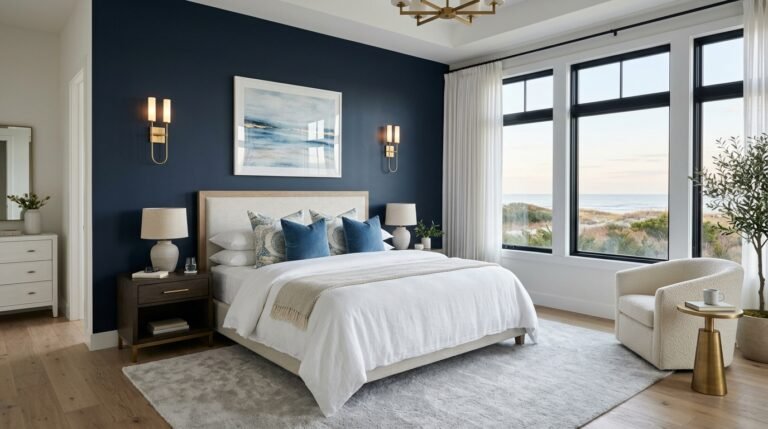
I painted my guest room with Sherwin Williams Naval. The deep navy provides a grounding base. Crisp white trim creates a sharp contrast. This bedroom color combination costs about $150 in paint. I always buy Purdy brushes for the edges. You should apply three coats of navy for full coverage. White bedding makes the navy walls pop beautifully. I noticed this creates a classic nautical feel. I tried using cheaper painter’s tape last year. The blue paint bled under the edge and ruined the white baseboard. I spent three hours scraping dried paint off the wood. You must buy high-quality FrogTape for dark colors. The sharp lines make the white trim look incredibly clean. I buy my paint rollers in bulk from Amazon. A pack of twelve costs $25. You save money skipping the hardware store for supplies. I wash my Purdy brushes with warm water and dish soap. The bristles stay soft for years. This saves you $15 per brush on your next project.
2. Sage Green and Warm Terracotta
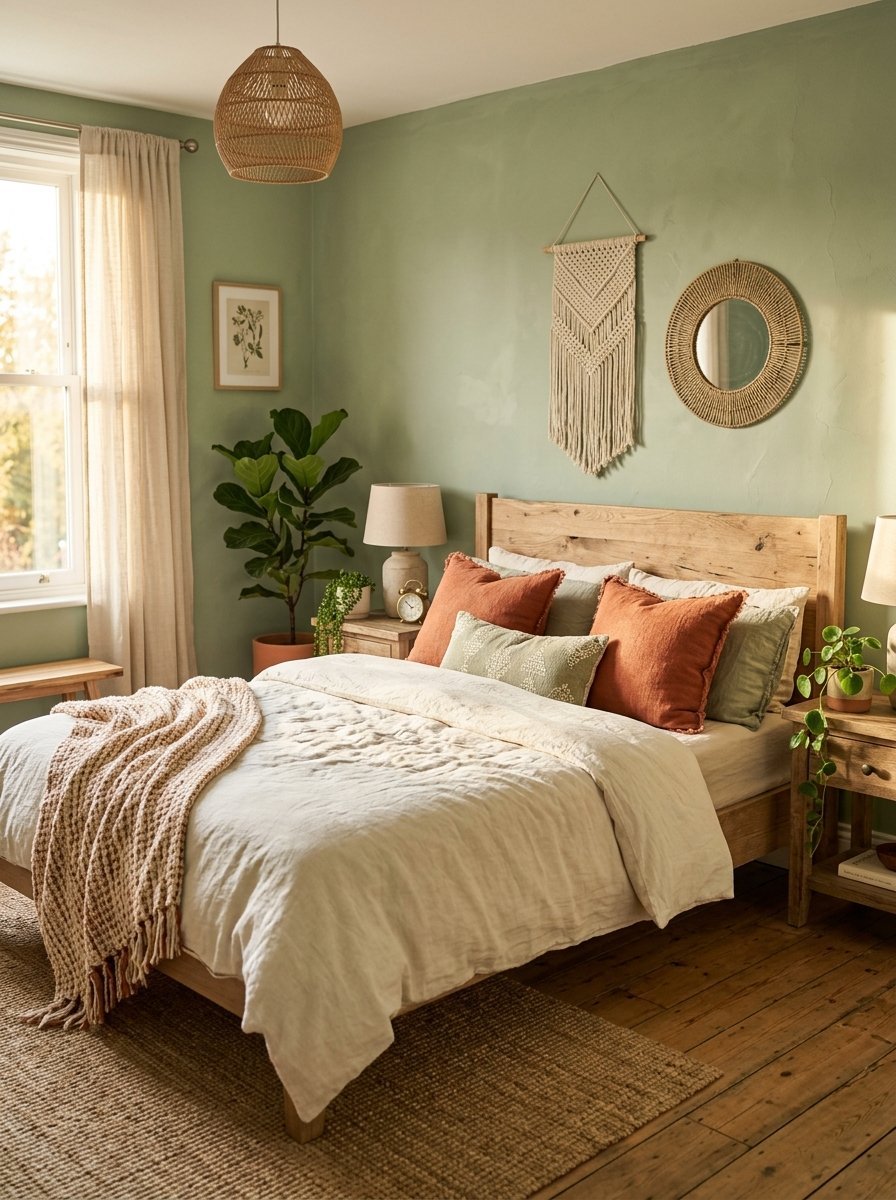
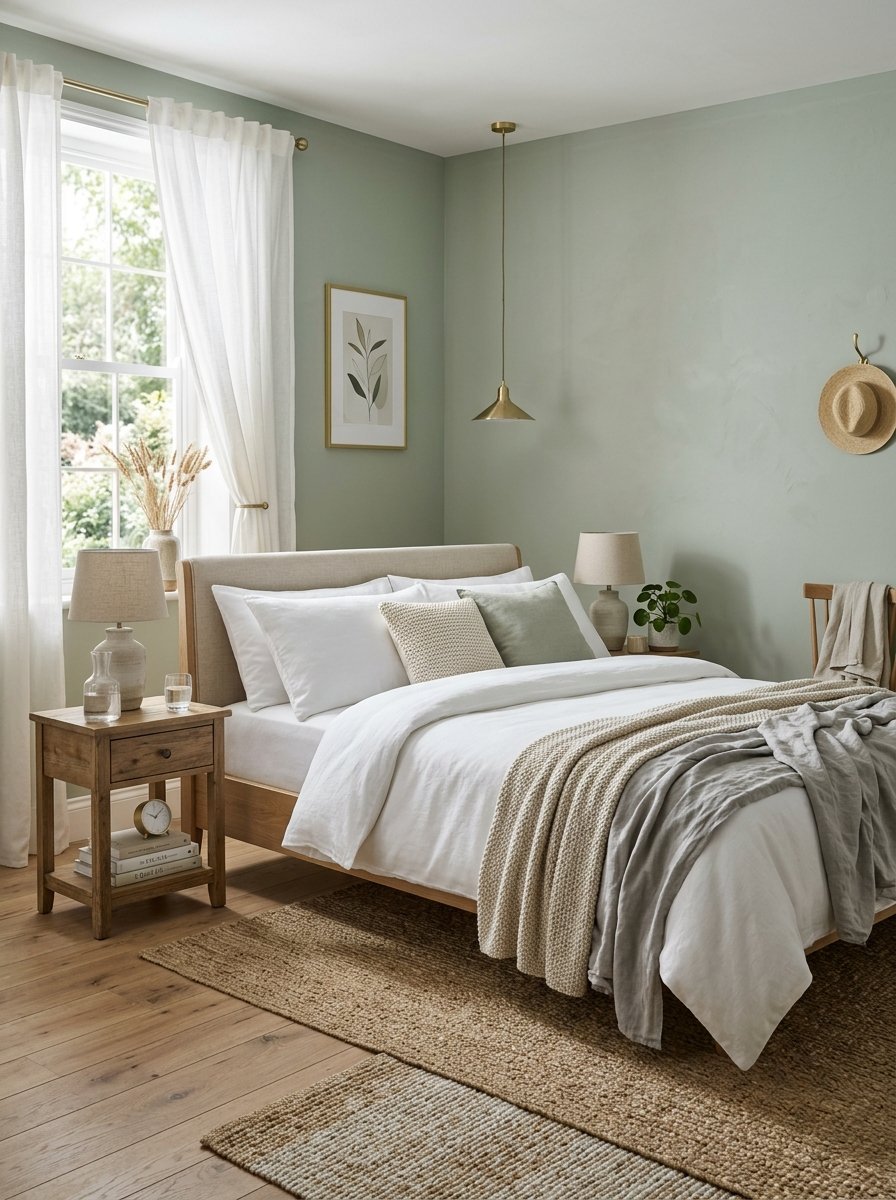
I love this room color combination for a Bohemian aesthetic. I used Benjamin Moore October Mist for the walls. Terracotta accents come in through pillows and rugs. This pairing brings nature indoors effortlessly. I helped a client style this exact look last month. We spent $300 on easy room decor updates. The green feels calming in morning sunlight. You can finish the look with natural wood furniture. I hung DIY wood decorations above the bed. I made a custom wooden sign using scrap pine and a router. The raw wood texture pairs beautifully with the sage walls. You should keep the window treatments sheer. Heavy curtains block the sunlight that makes this green shine. Bohemian style relies heavily on texture. You should layer different fabrics on the bed. I mix linen sheets with a chunky knit blanket. I source affordable linen from Quince. A full set costs under $150. The terracotta color hides small stains easily. You vacuum the natural fiber rugs twice a week. I use a Dyson V8 for this task.
3. Blush Pink and Charcoal Grey
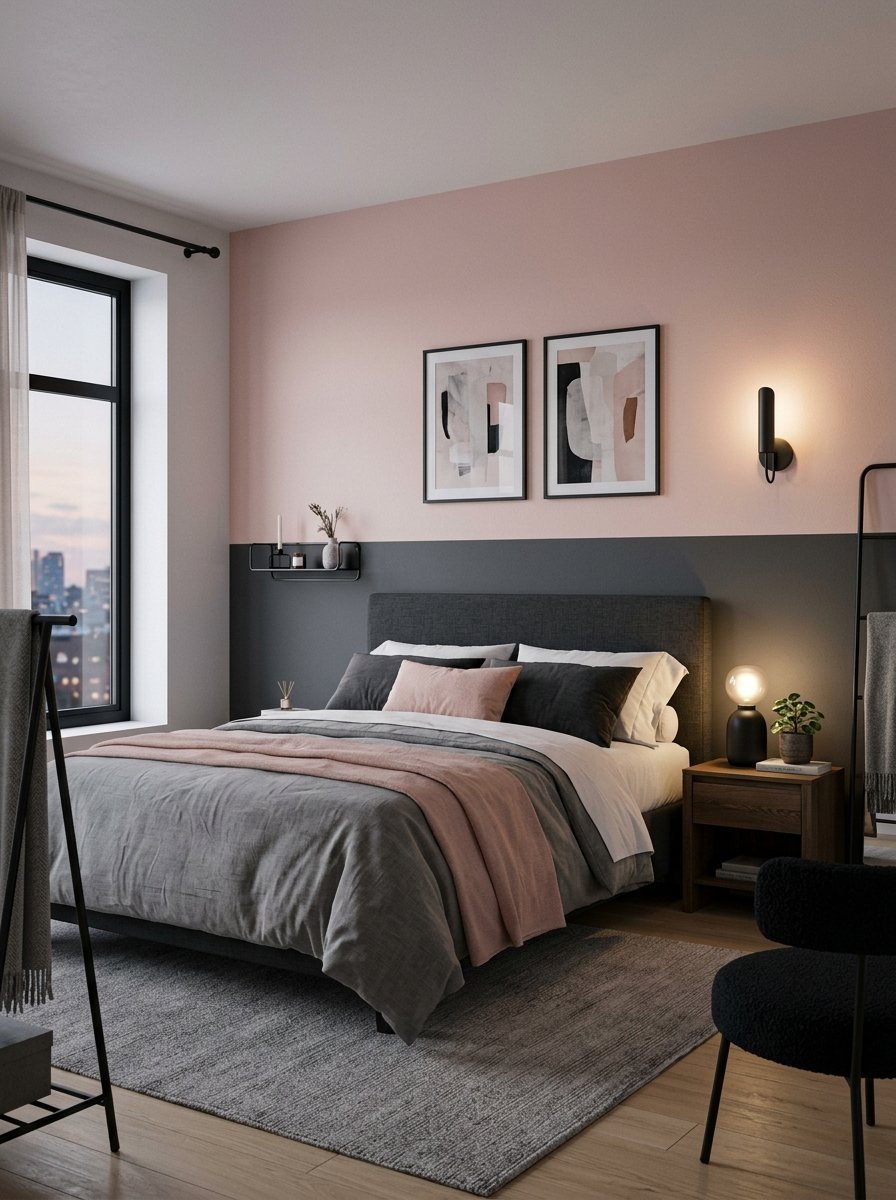
This mix works beautifully for modern bedroom design styles. I painted the lower half charcoal and the upper half blush. The grey grounds the sweetness of the pink. My favorite charcoal paint is Farrow & Ball Down Pipe. You pay a premium for this brand. The coverage justifies the $120 per gallon price tag. I paired this with matte black hardware. I noticed clients fear pink in adult spaces. The charcoal completely removes any juvenile feeling. I sourced a grey upholstered bed frame from Wayfair for $400. The fabric matches the lower wall perfectly. You need bright white ceilings to keep the grey from feeling heavy. I taped off the middle line with a laser level. A cheap tripod laser costs $30 at Harbor Freight. The laser guarantees a perfectly straight line around the entire room. You pull the painter’s tape off while the paint is still wet. This prevents the paint from peeling off in chunks. I learned this after ruining a client’s wall in 2021.
4. Mustard Yellow and Deep Teal
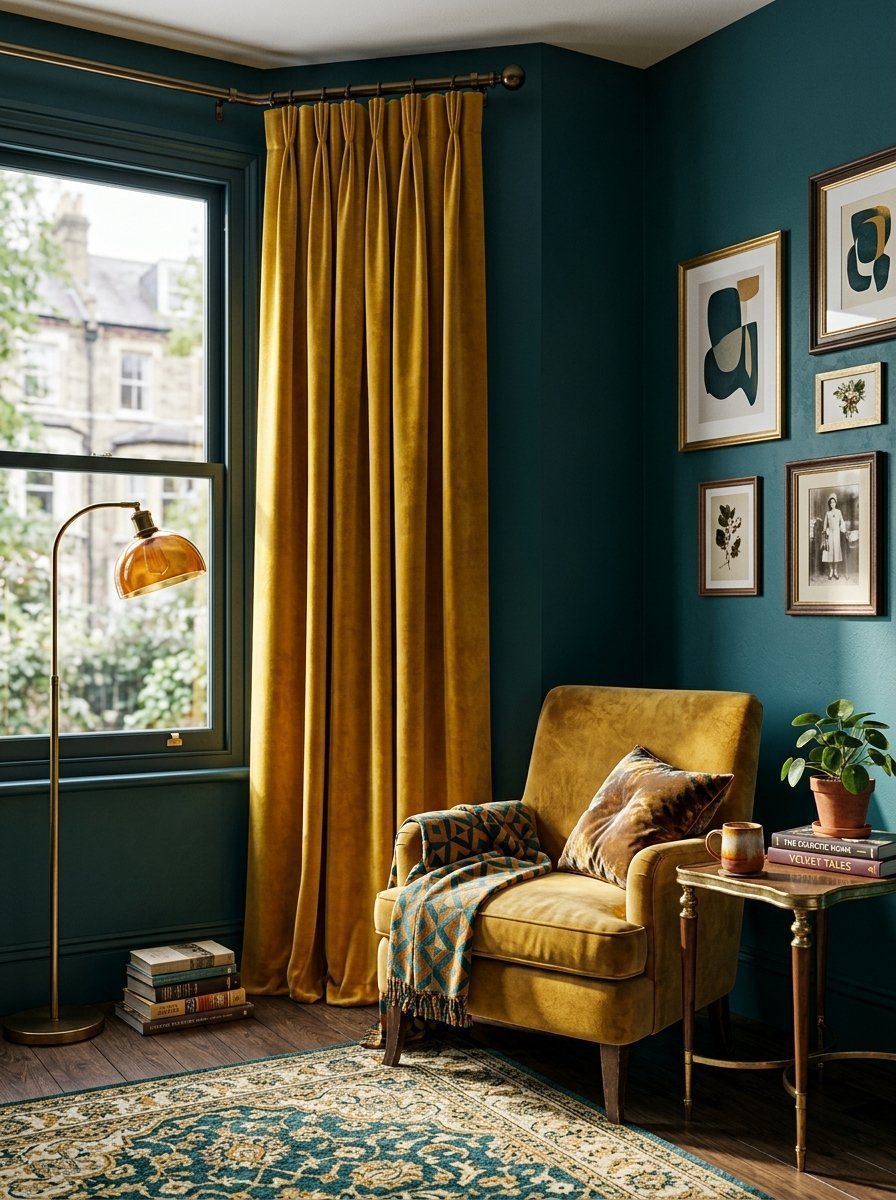
I tried this bold wall color combination in a small guest space. Sherwin Williams Oceanside pairs perfectly with mustard textiles. The teal wraps the room in warmth. You need bright natural light for this to work. I bought mustard velvet curtains from West Elm for $150. The contrast feels rich and inviting. I advise testing the teal on a large sample board first. I painted a swatch directly on the wall initially. The existing yellow wall warped my perception of the teal. I had to repaint the whole room after choosing the wrong shade. Paint your samples on white poster board. Move the board around the room throughout the day. Mustard yellow reflects light beautifully. I spray painted a cheap metal bed frame yellow. The Rust-Oleum spray paint cost $6 a can. I used three cans for the whole frame. The yellow pops wildly against the teal walls. You should open the windows while spray painting indoors. I always wear a respirator mask during DIY projects.
5. Soft Lavender and Cream
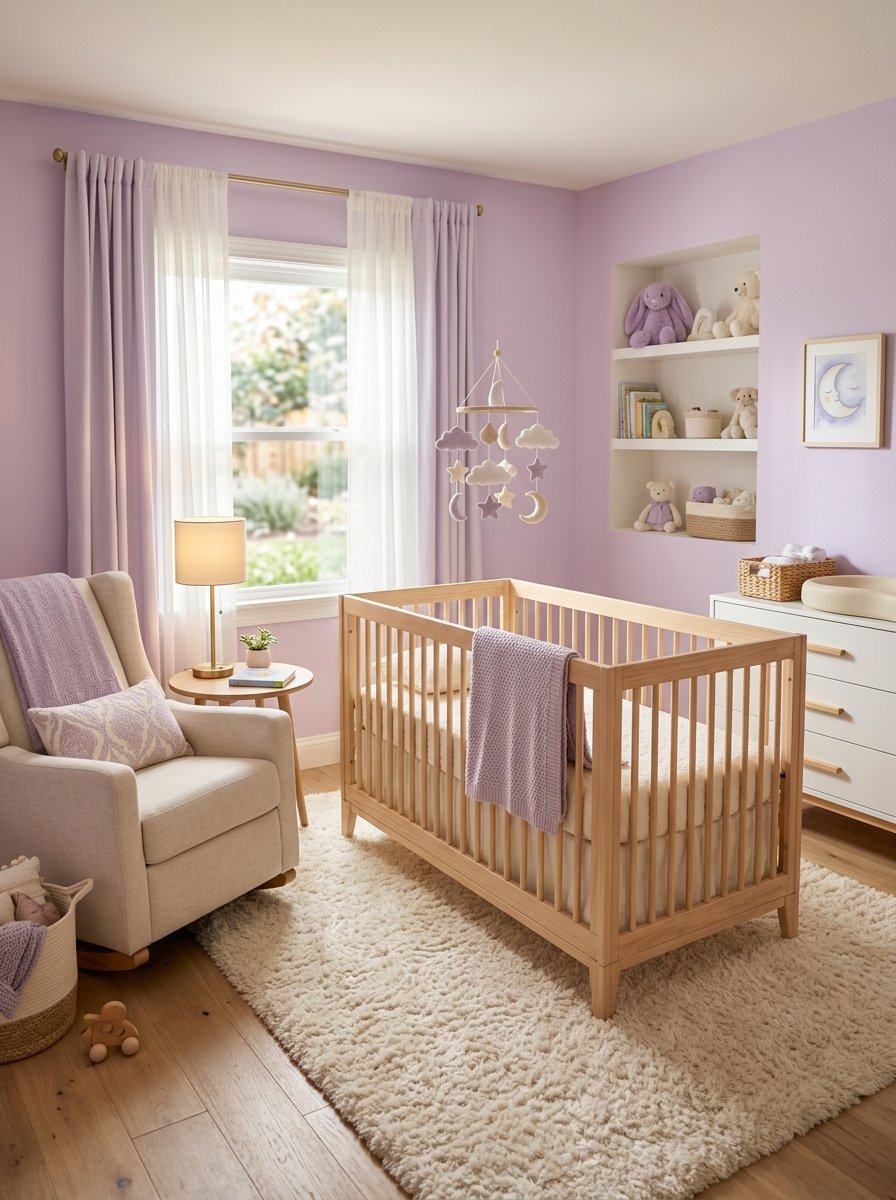
I used this bedroom color combination in a nursery project. The soft lavender creates a soothing environment for babies. We chose Behr Premium Plus in a satin finish. The paint costs roughly $35 per gallon at Home Depot. Cream-colored rugs and curtains soften the edges. I paint this in rooms with southern exposure. The natural light keeps the lavender from feeling cold. I styled the room with monthly baby photos in cream frames. I hung the frames in a grid above the changing table. The lavender background makes the black and white photos stand out. You should avoid blue-toned light bulbs here. They turn the lavender into a harsh purple. Lavender works nicely for calming a fussy baby. I read a study connecting purple tones to lower heart rates. I installed a dimmer switch for the overhead light. A basic Lutron dimmer costs $25. You can install it yourself in ten minutes. I dim the lights during late night feedings. The cream decor looks soft in the low light.
6. Matte Black and Natural Wood
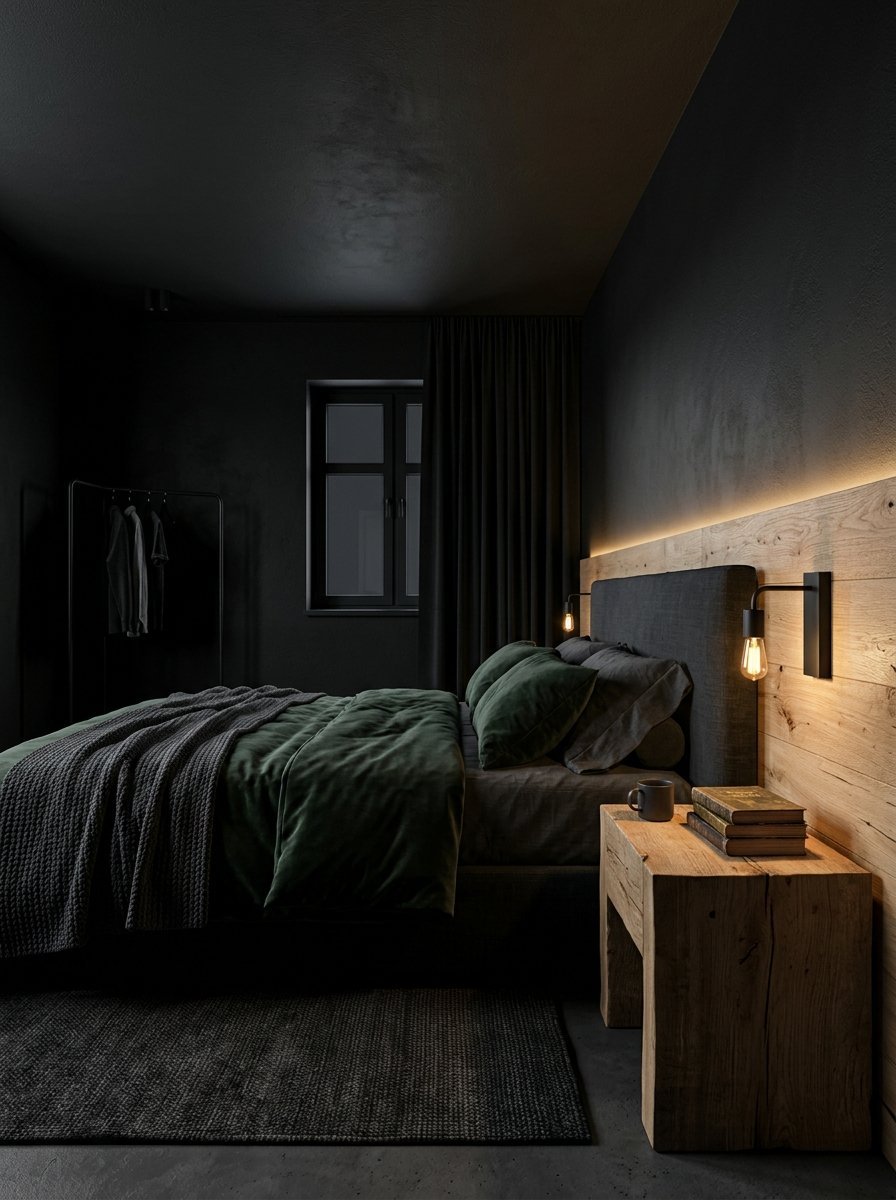
I went dark in my own bedroom last year. Benjamin Moore Tricorn Black covers all four walls. I balanced the darkness with raw oak nightstands. This room color combination requires excellent artificial lighting. I installed Philips Hue smart bulbs to control the mood. The black paint hides wall imperfections perfectly. You must use a high-quality primer first. I skipped the primer on my first attempt. The drywall absorbed the black paint unevenly. The walls looked blotchy and cheap. I spent an extra $80 on primer and started over. The raw wood furniture breaks up the intense darkness. I sealed the oak nightstands with a matte polyurethane. Black paint requires specific rolling techniques. You must maintain a wet edge while rolling the wall. If the paint dries before you overlap the next section, you will see roller marks. I use an extension pole to roll from ceiling to floor in one motion. A fiberglass pole costs $20. It saves your back and arms from exhaustion.
7. Olive Green and Brass
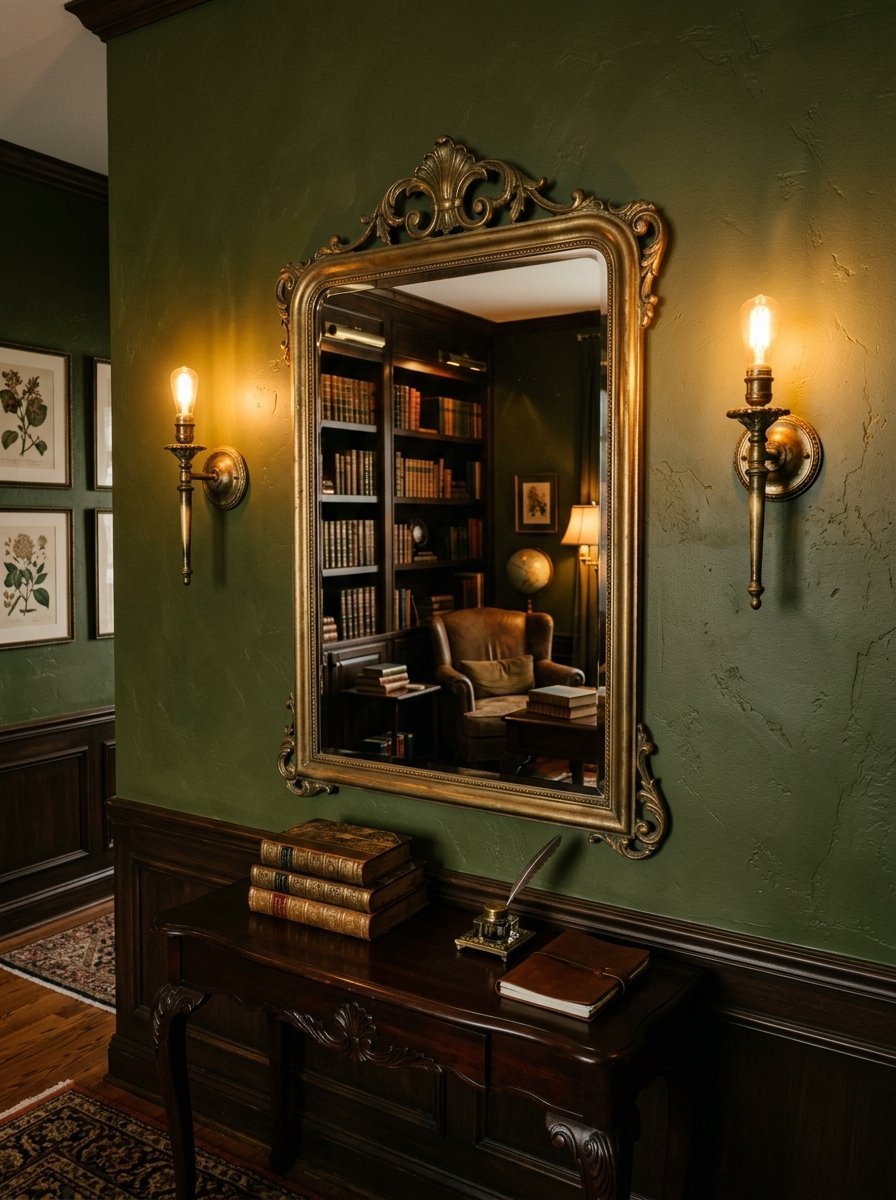
I specify this pairing for vintage-inspired spaces. Olive green walls provide a moody backdrop. Real brass wall sconces catch the light beautifully. I source unlacquered brass fixtures from Etsy. The metal develops a rich patina over time. You should use a flat finish for the green paint. I keep mirrors in this room clean with Sprayway glass cleaner. The foam never damages the vintage mirror backing. Ammonia-based cleaners will destroy the silver backing on old mirrors. I learned this the hard way on a $200 antique find. The olive walls reflect in the spotless glass. The room feels like a cozy library. You can incorporate leather chairs to finish the space. Vintage styling demands authentic materials. Fake plastic brass looks terrible against rich green paint. I hunt for real metal at local estate sales. You can find solid brass lamps for $10. I polish them with Brasso metal polish. The chemical smells awful but works perfectly. The shiny brass reflects the olive green walls across the room.
8. Dusty Blue and Rust
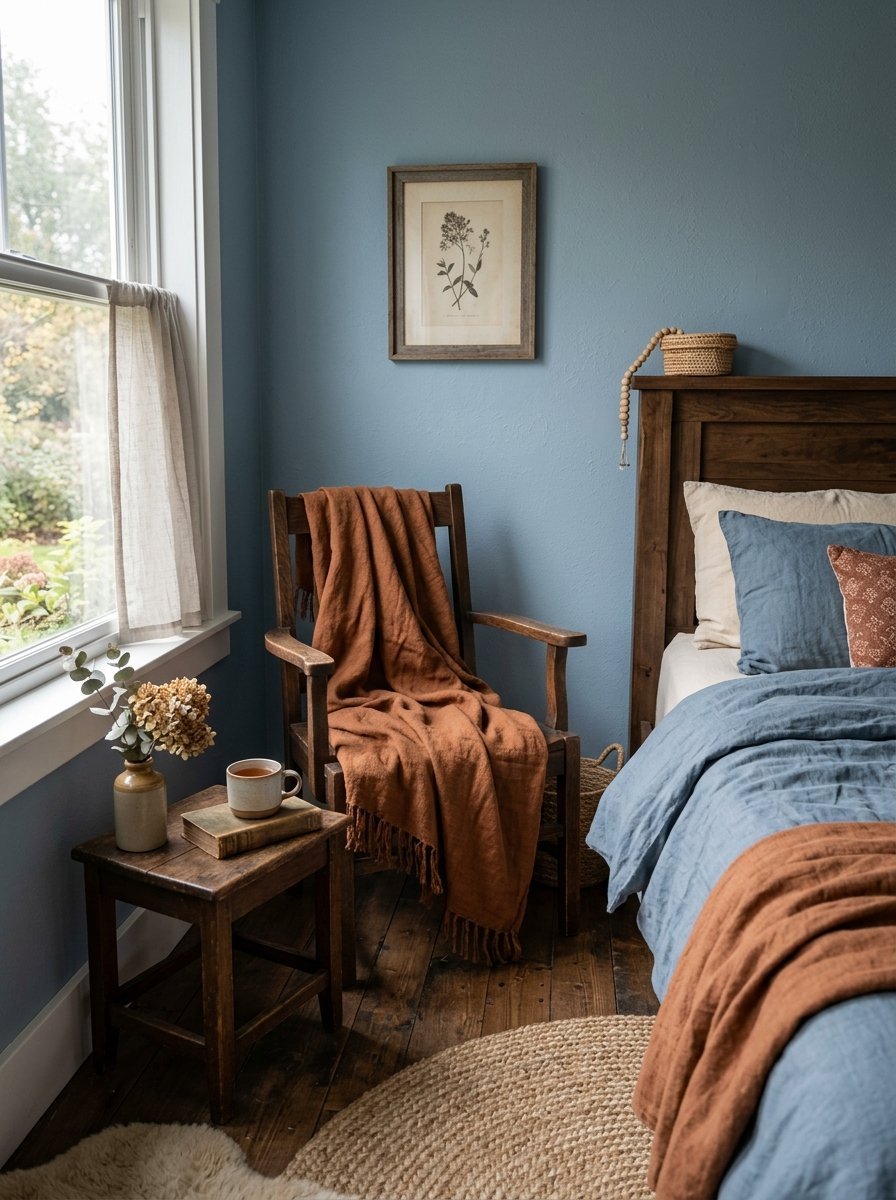
I tested this bedroom wall colors scheme during a farmhouse renovation. The dusty blue feels relaxed and lived-in. Rust-colored throw blankets provide necessary warmth. I selected Magnolia Home paint for the blue shade. You find this brand at Ace Hardware. The combination feels grounded and earthy. I paired it with a handmade wooden welcome sign near the door. I used a dark walnut stain on the wood sign. The dark brown grounds the dusty blue walls. I spent $45 on the rust-colored linen throw. The fabric drapes beautifully over a reading chair. You should stick to matte finishes for the blue paint. Glossy walls ruin the relaxed farmhouse aesthetic. Farmhouse style prioritizes comfort above all else. I buy oversized pillows for the bed. A king-size pillow insert costs $20 at Target. I stuff them into standard-size rust linen covers. This makes the pillows look incredibly plump and expensive. The dusty blue walls serve as a quiet background for the cozy bed setup.
9. Emerald Green and Gold
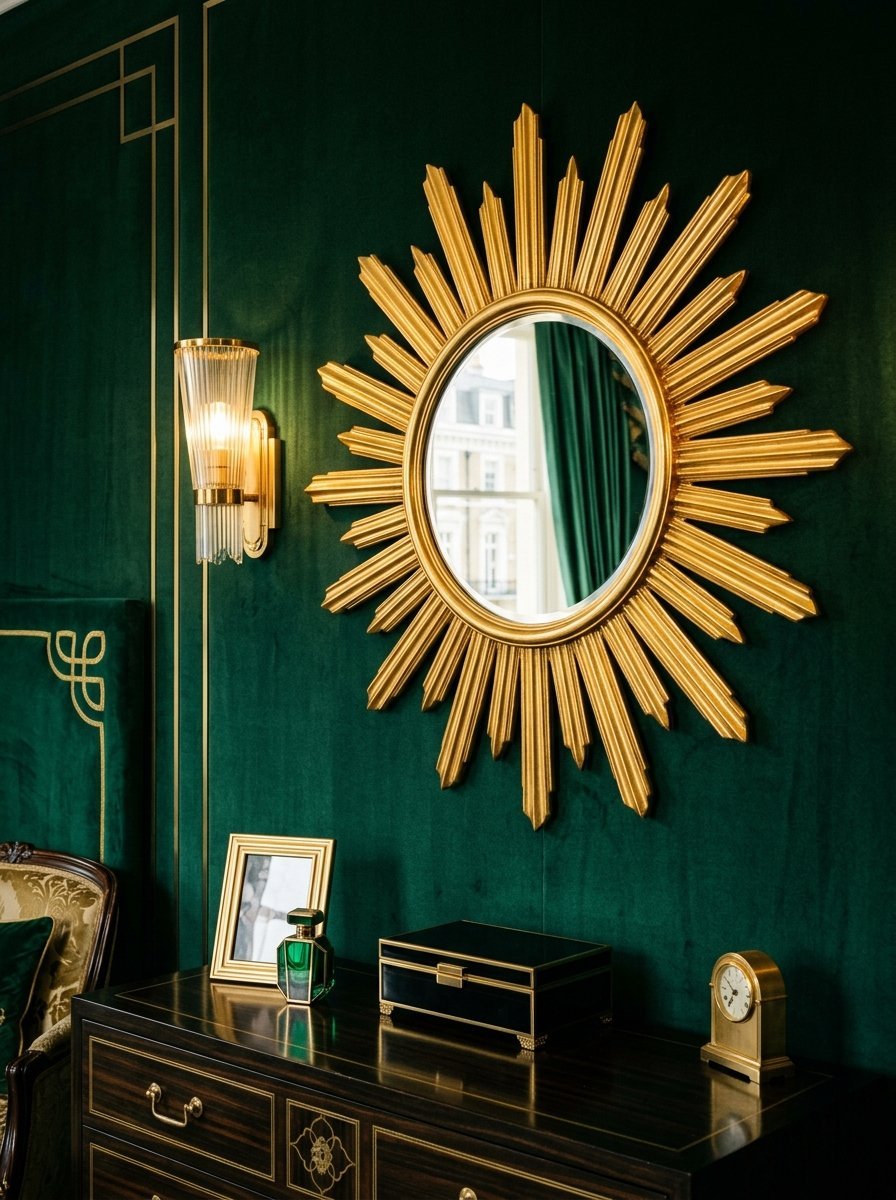
This combination defines the Art Deco aesthetic. I painted a feature wall in rich emerald. The gold accents appear in picture frames and hardware. I prefer Sherwin Williams Hunt Club for the green. You need two coats of a high-hiding primer. The gold reflects light around the space. I tell clients to budget $500 for quality brass accessories. I installed a large gold sunburst mirror above the bed. The mirror bounces the natural light back into the dark room. I dust the intricate gold frame with a dry Norwex cloth weekly. The microfiber traps the dust without chemicals. The rich green and shiny gold look incredibly expensive together. Art Deco requires bold geometric patterns. I stenciled a gold arch over the bed. I traced a large mixing bowl for the perfect curve. I painted the gold by hand with a tiny artist brush. The custom arch cost zero dollars. It looks like a custom architectural feature. The emerald green makes the gold arch look dramatic.
10. Warm Beige and Chocolate Brown
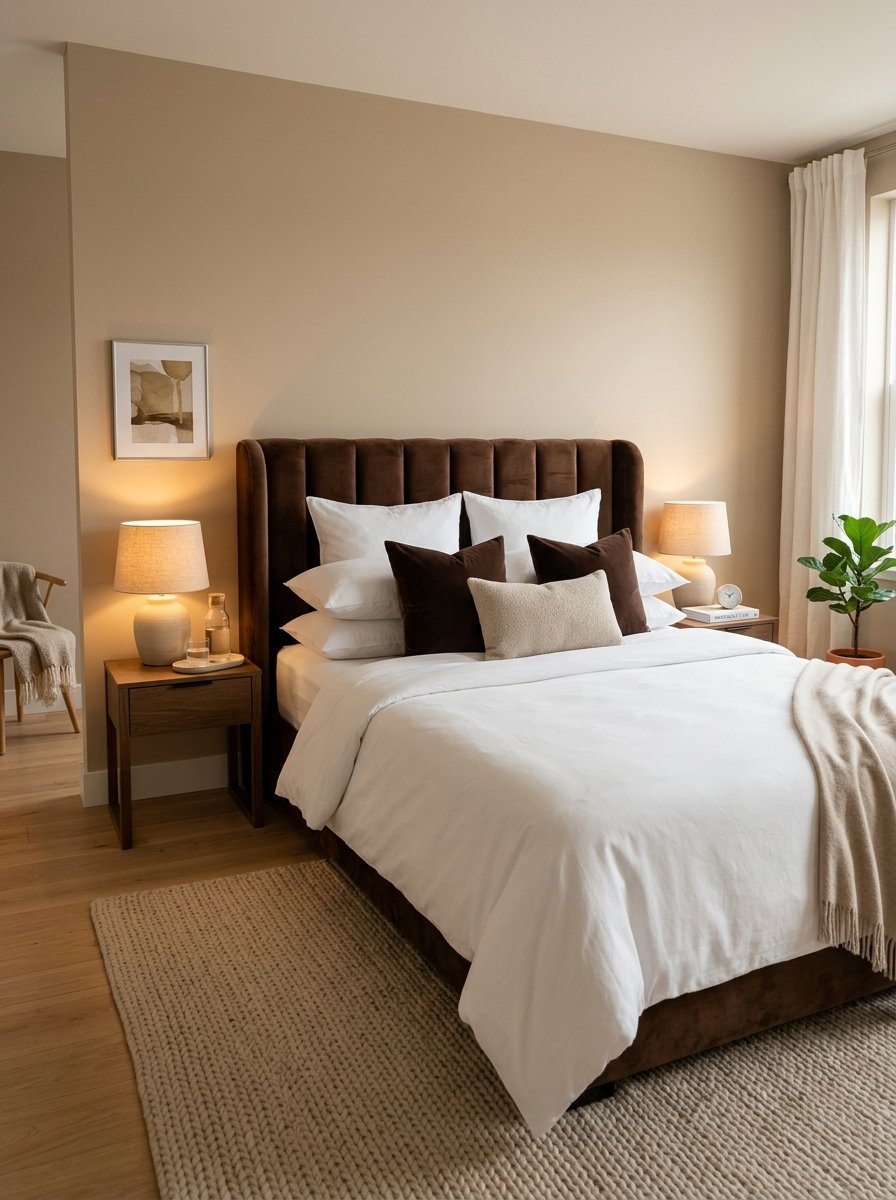
I revisited this classic nineties scheme recently. Warm beige walls create a neutral canvas. Chocolate brown velvet headboards anchor the space. This is a very easy room decor approach. You update the look with white bed linens. I used Glidden paint from Walmart for a budget-friendly flip. The total room update cost under $200. I bought the brown headboard on clearance for $85. The beige paint requires exactly two coats over white primer. I prefer flat paint for beige walls. It hides the drywall seams perfectly. You can wash the white bedding weekly with bleach. The crisp white sheets keep the brown and beige from looking muddy. Brown velvet absorbs light. You need multiple lamps in a brown room. I place one lamp on each nightstand. I put a floor lamp in the corner. I use LED bulbs in the 3000K temperature range. The 3000K bulbs provide a clean white light. Yellow bulbs make beige walls look like dirty mustard.
11. Slate Grey and Crisp Mint
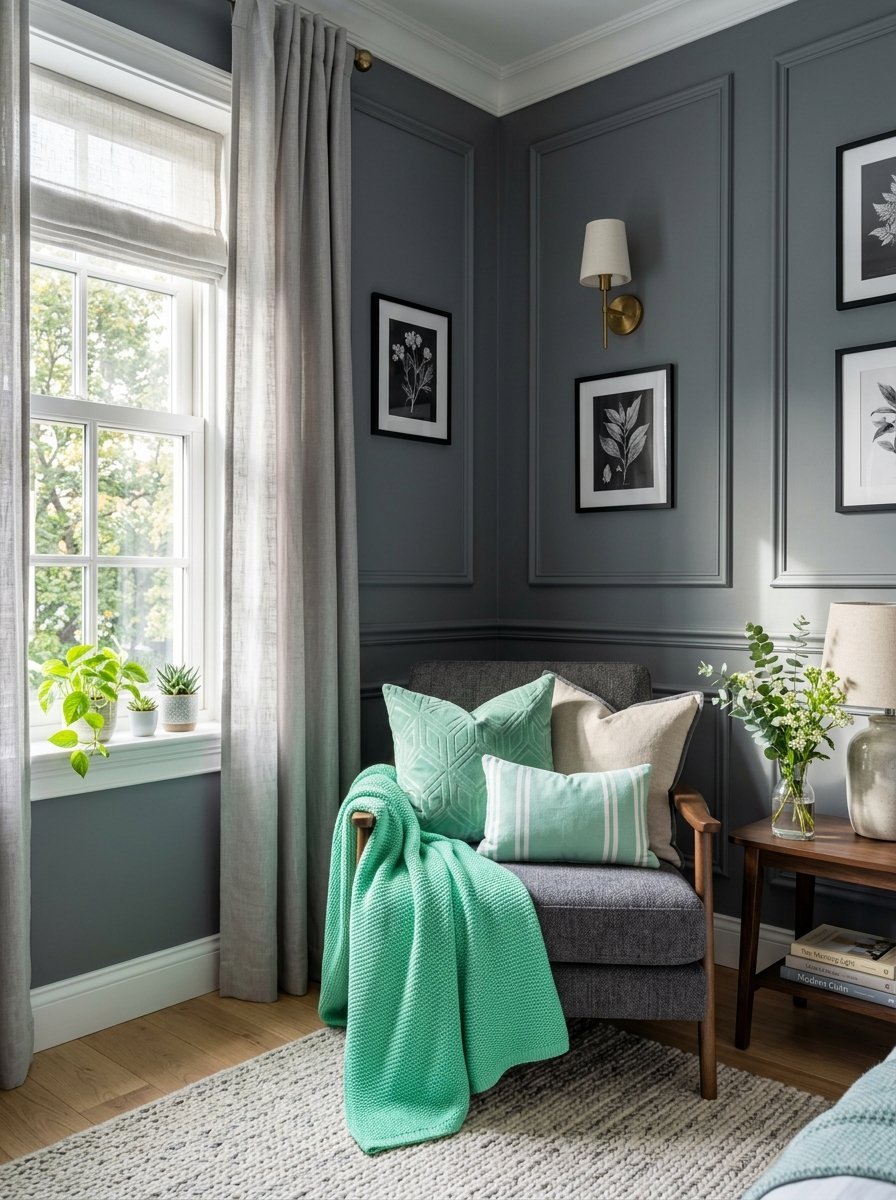
I paired slate grey walls with mint green textiles. The grey provides a sophisticated background. Mint accents push energy into the space. I bought mint linen sheets from Brooklinen. The sheet set costs $175 but lasts for years. This bedroom color combination works well in east-facing rooms. The morning light makes the mint details glow brightly. I painted the walls with Farrow & Ball Plummett. The grey has a slight blue undertone. I hung silver curtain rods above the windows. The cool metal matches the slate grey walls perfectly. You should avoid gold hardware with this specific color pairing. Slate grey needs texture so it doesn’t look like a concrete bunker. I installed wood picture frame molding on the walls first. The raw pine molding cost $80 for the whole room. I caulked the seams with DAP paintable caulk. The painted molding casts shadows and pushes instant character onto the flat grey walls.
12. Peachy Pink and Mint Green
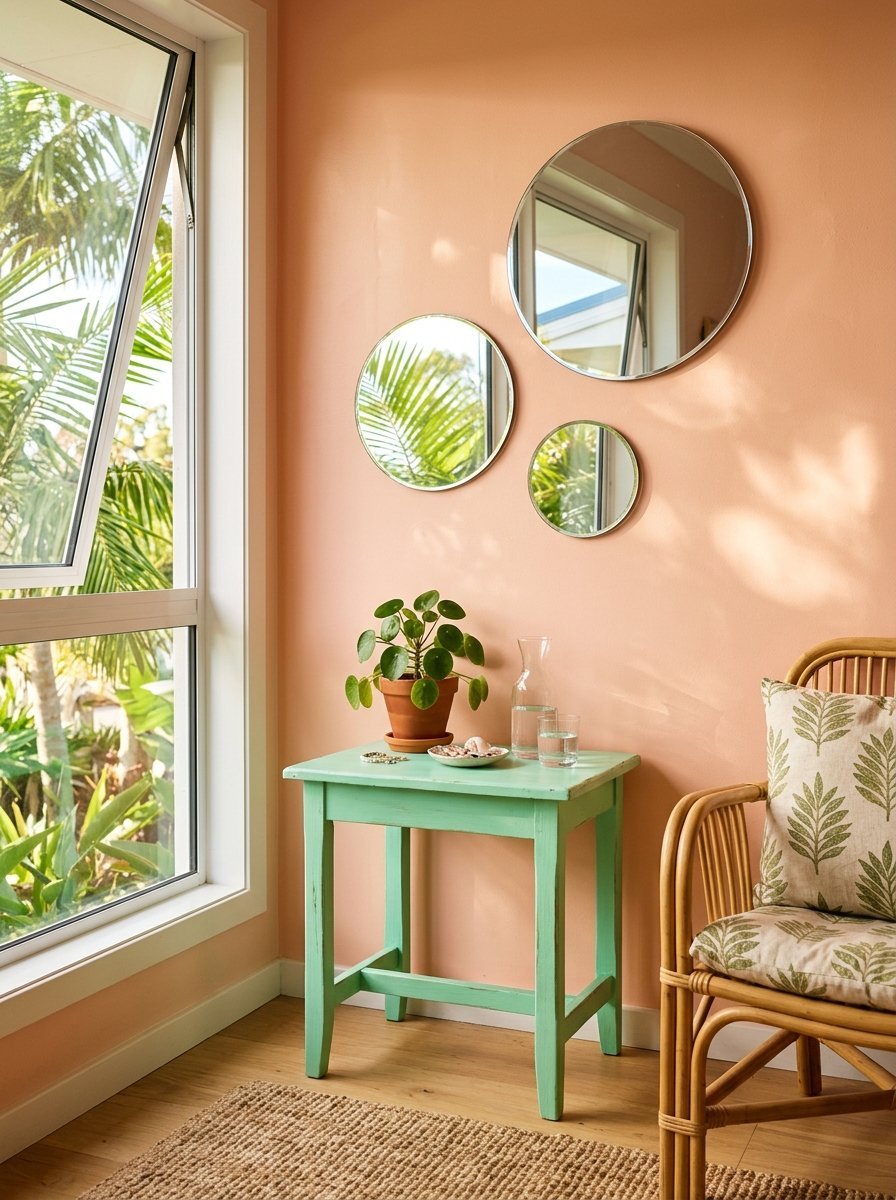
I designed a tropical-inspired room with these shades. The peach walls feel warm and happy. Mint green side tables offer a cool contrast. I used Rust-Oleum spray paint for the vintage tables. This simple DIY saves hundreds of dollars. The color mix feels playful and bright. I use this for vacation rental properties. I painted a mural of palm leaves on one wall. I used a $12 stencil from Amazon for the leaves. The mint green paint goes on smoothly with a foam roller. The peach walls require a primer tinted with pink. A white primer will make the peach look washed out. Tropical rooms need organic shapes. I hung round mirrors on the peach walls. The circles break up the square room. I found frameless round mirrors at IKEA for $15. I attached them to the drywall with heavy-duty Command Strips. You never need a hammer or nails for this easy room decor trick.
13. Inky Blue and Camel
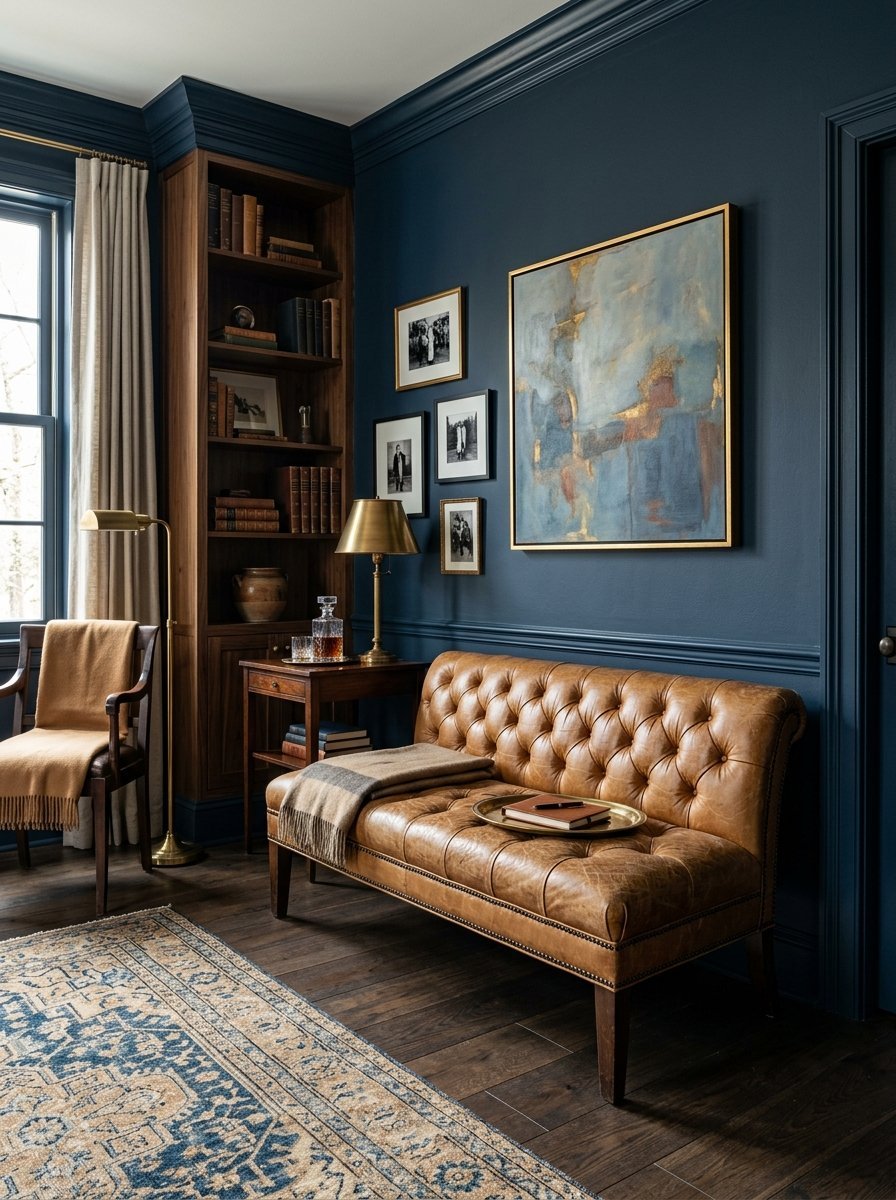
I love camel leather against dark blue walls. This bedroom color combination feels masculine and tailored. I painted the trim the same blue as the walls. This technique makes the ceiling appear taller. Camel leather benches sit at the foot of the bed. I source vintage leather goods from local antique malls. The rich leather warms up the cool blue walls. I use Benjamin Moore Hale Navy for this look. The paint costs $70 per gallon. You must condition the camel leather twice a year. I use a basic saddle soap for the leather. The dark blue walls require frequent dusting with a dry microfiber cloth. Camel leather scratches easily. My dogs ruined a camel bench in one week. I rub olive oil into the leather scratches. The oil darkens the scratch and blends it into the patina. A bottle of cheap kitchen olive oil saves a $300 bench. The dark blue walls hide the dirt the dogs shake off.
14. Burnt Orange and Cream
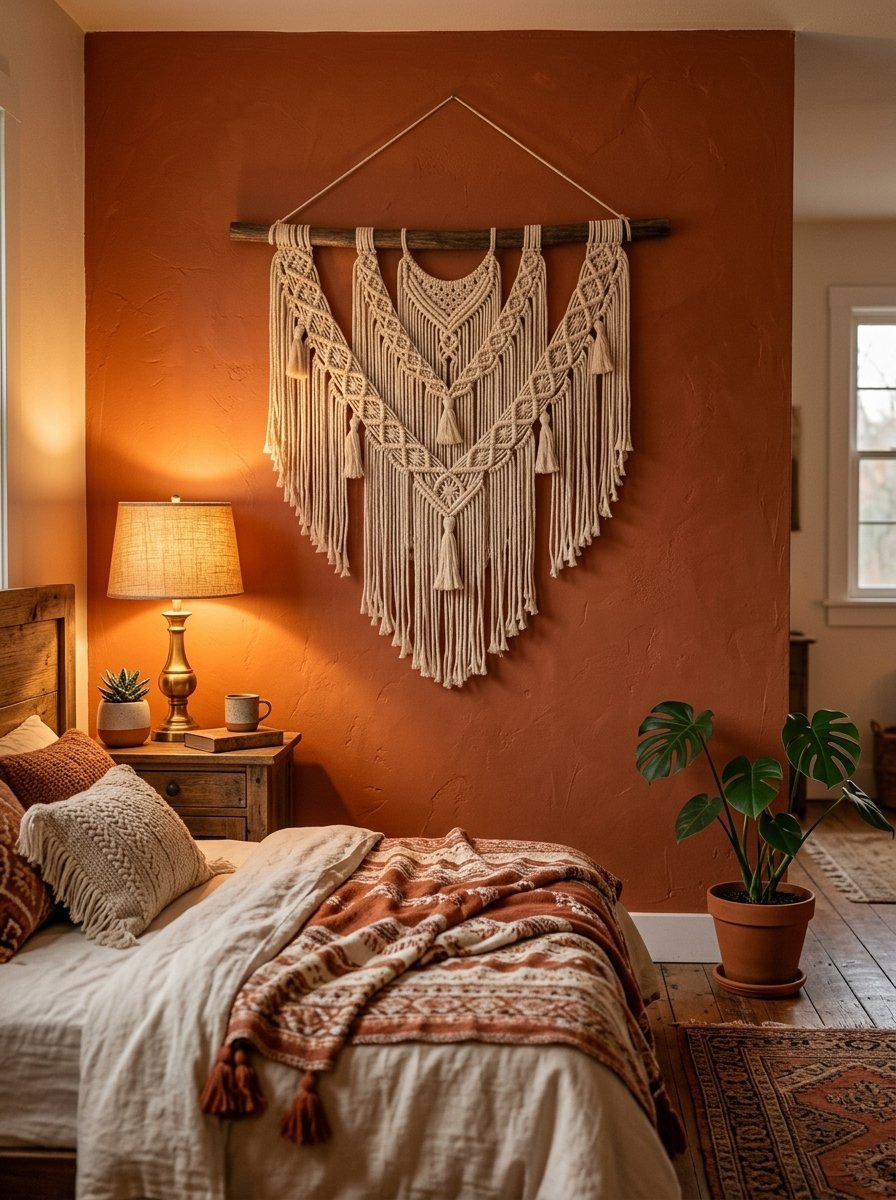
I used burnt orange in a bohemian bedroom project. The bold color covers a single accent wall. Cream-colored macrame wall hangings break up the orange. I made the wall decor myself using cotton rope. DIY wood decorations fit this aesthetic perfectly. You can build a custom headboard for about $75 in lumber. I used Sherwin Williams Cavern Clay for the walls. The color resembles natural terracotta pots. I washed the cream macrame in cold water to prevent shrinking. The orange wall glows when the bedside lamps turn on. You should use warm white bulbs in your lamps for this effect. Macrame gathers dust quickly. You cannot put large macrame pieces in a washing machine. I take the wall hanging outside and beat it with a tennis racket. This knocks the dust out of the cotton rope without ruining the knots. The cream rope stays bright against the dark burnt orange paint.
15. Muted Plum and Silver
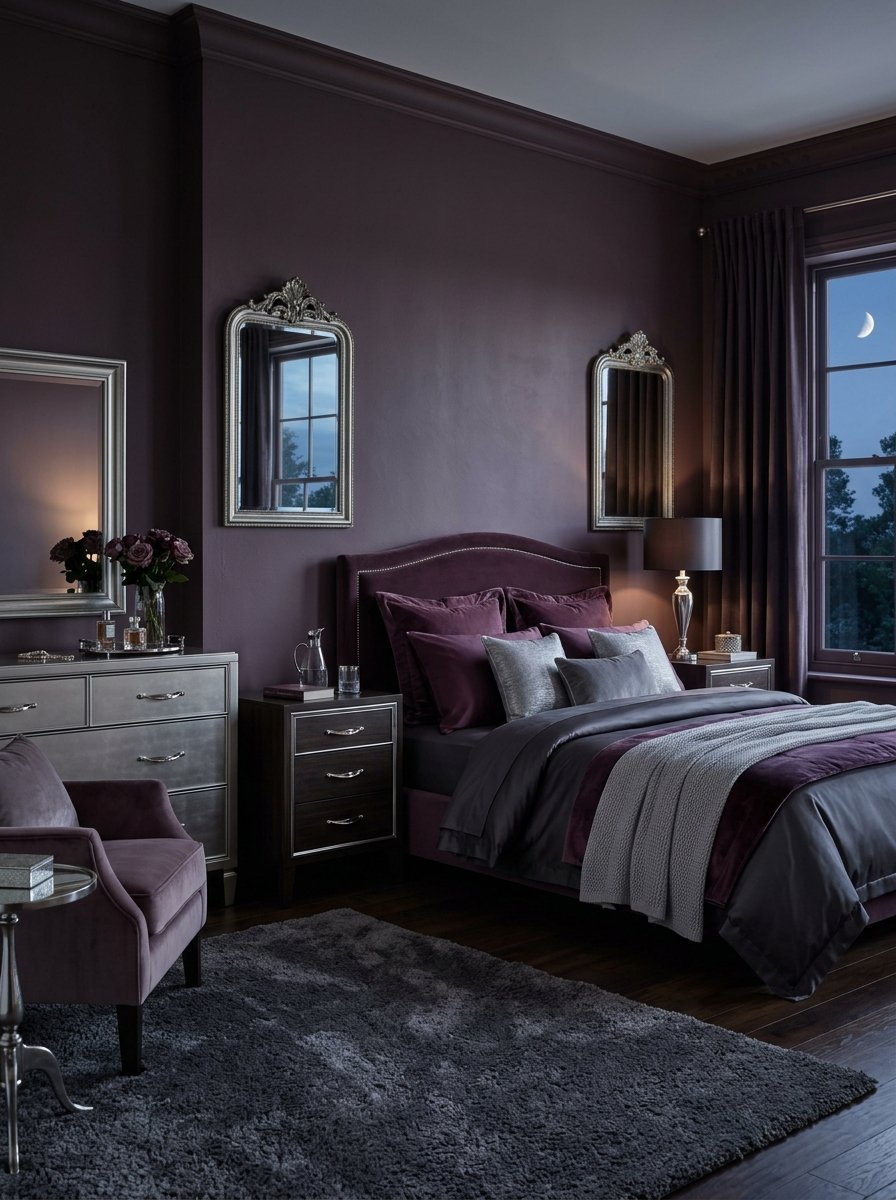
I created a glamorous space with muted plum paint. The purple undertones feel luxurious and calm. Silver mirrors reflect light across the room. I clean these mirrors weekly with Norwex cloths and water. The microfiber leaves zero streaks on the glass. I used Sherwin Williams Expressive Plum. You keep the flooring light to balance the dark walls. I installed a light oak laminate floor for $300. The pale floor prevents the plum walls from shrinking the room. I bought silver drawer pulls for the dresser. The cheap hardware upgrade costs $25. The silver pops beautifully against the purple backdrop. Plum paint changes color violently at sunset. The purple turns almost black when the sun goes down. I installed blackout roller shades behind the silver curtains. The shades cost $40 per window at Home Depot. They block the streetlights entirely. You sleep better in total darkness. The silver handles on the dresser shine in the moonlight.
16. Forest Green and Pale Pink
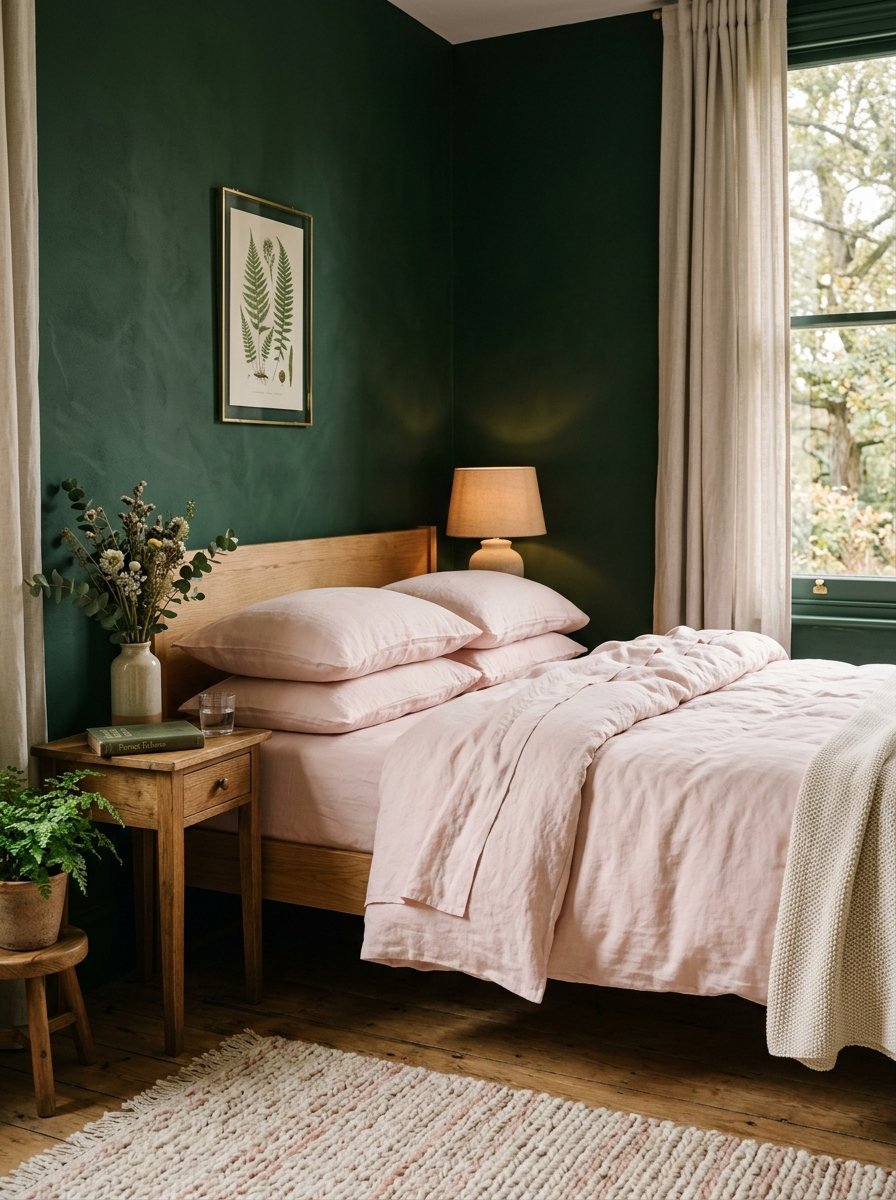
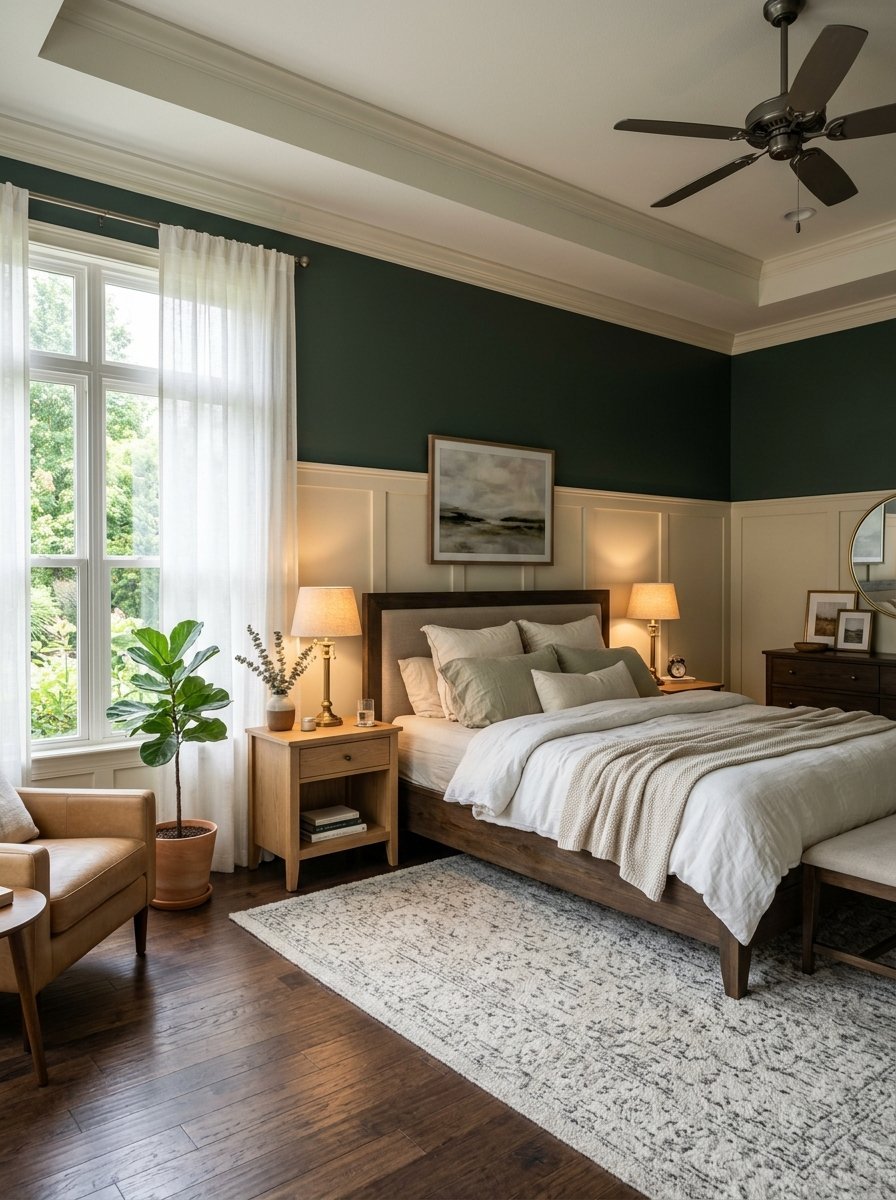
I paired dark green walls with pale pink bedding. The green feels like a quiet forest retreat. Pink softens the heavy masculine energy of the green. I chose Farrow & Ball Studio Green. The color shifts throughout the day based on the sun. You spend around $400 on premium paint for an average room. The visual payoff makes the price worth it. I tried a cheaper green paint first. It looked like plastic. The premium paint has clay in it. The clay absorbs light and looks velvety. I bought the pale pink linen duvet from Parachute. The fabric gets softer with every single wash. Pink bedding stains easily from body oils. I soak the pink linen in a bathtub with OxiClean powder every three months. The powder strips the yellow sweat stains out of the fabric. A box of OxiClean costs $10. It keeps the expensive bedding looking brand new. The fresh pink pops perfectly against the dark green.
17. Classic White and Denim Blue
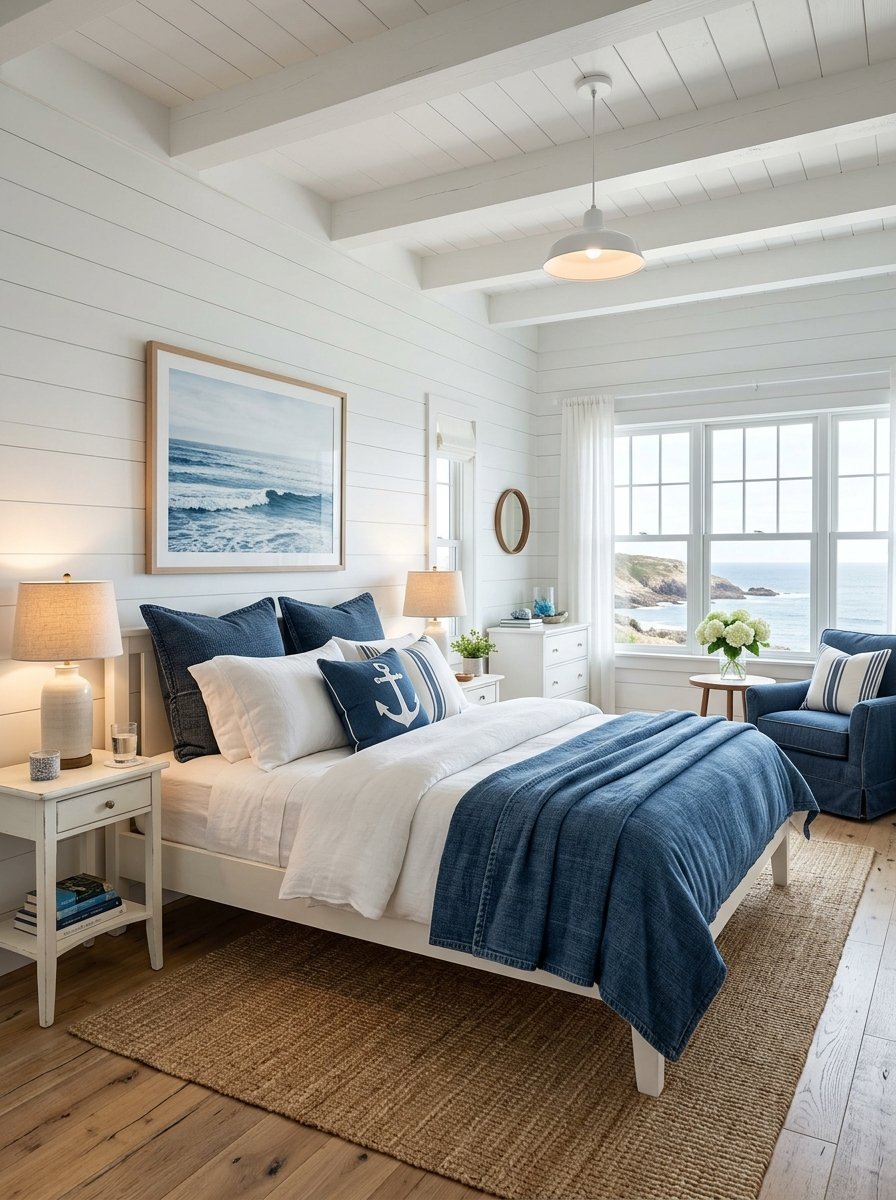
I rely on this room color combination for coastal farmhouse styles. Pure white walls make the room feel expansive. Denim blue accents appear in rugs and throw pillows. I use Benjamin Moore Simply White in a matte finish. This white never looks yellow in artificial light. The blue textiles hide dirt extremely well. I have two dogs who sleep on the bed. The denim blue duvet cover hides their paw prints. I wash the cover weekly in hot water. The white walls need wiping down once a month. I use a damp microfiber cloth for the wall smudges. White walls show scuffs instantly. I keep a Magic Eraser in my nightstand drawer. You wet the sponge and wipe the scuff away in two seconds. A pack of name-brand erasers costs $5. It prevents me from having to repaint the white walls every year. The denim blue pillows hide coffee spills perfectly.
18. Terracotta and Mustard
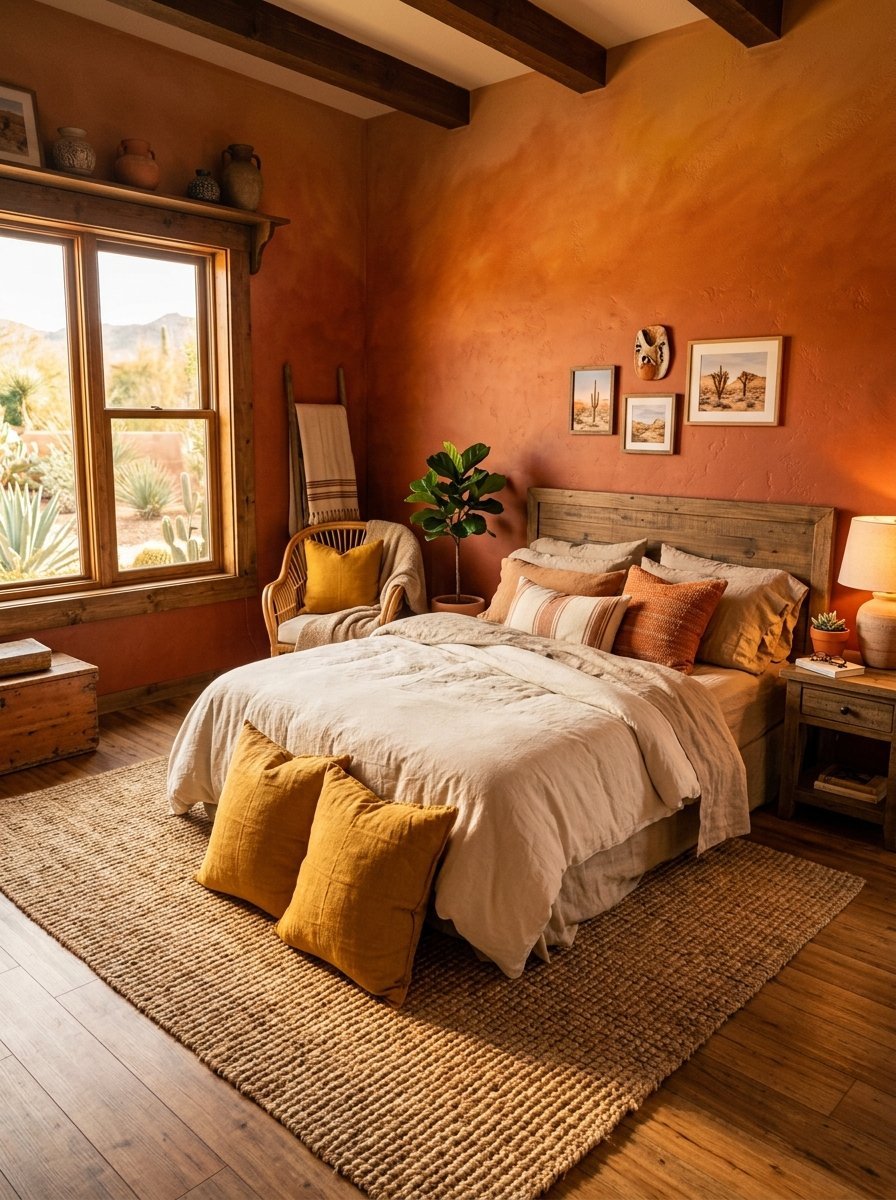
I painted a guest room with these warm desert shades. The terracotta walls mimic a sunset. Mustard throw pillows rest on a neutral duvet. I bought the textiles from Target for under $50. The room feels incredibly warm during winter months. You need crisp white trim to keep the colors from overwhelming the eye. I used Behr Kalahari Sunset for the walls. The paint went on smoothly with a thick nap roller. I styled the room with large potted cacti. The green plants break up the warm orange and yellow tones. You can find cheap terracotta pots at any garden center. Terracotta paint looks awful next to cool grey floors. You must pair warm paint with warm floors. I covered a grey laminate floor with a massive jute rug. The eight-by-ten rug cost $150 on RugsUSA. The thick jute fibers warm up the floor visually. The mustard pillows tie into the golden tones of the rug.
19. Charcoal Black and Bright Yellow
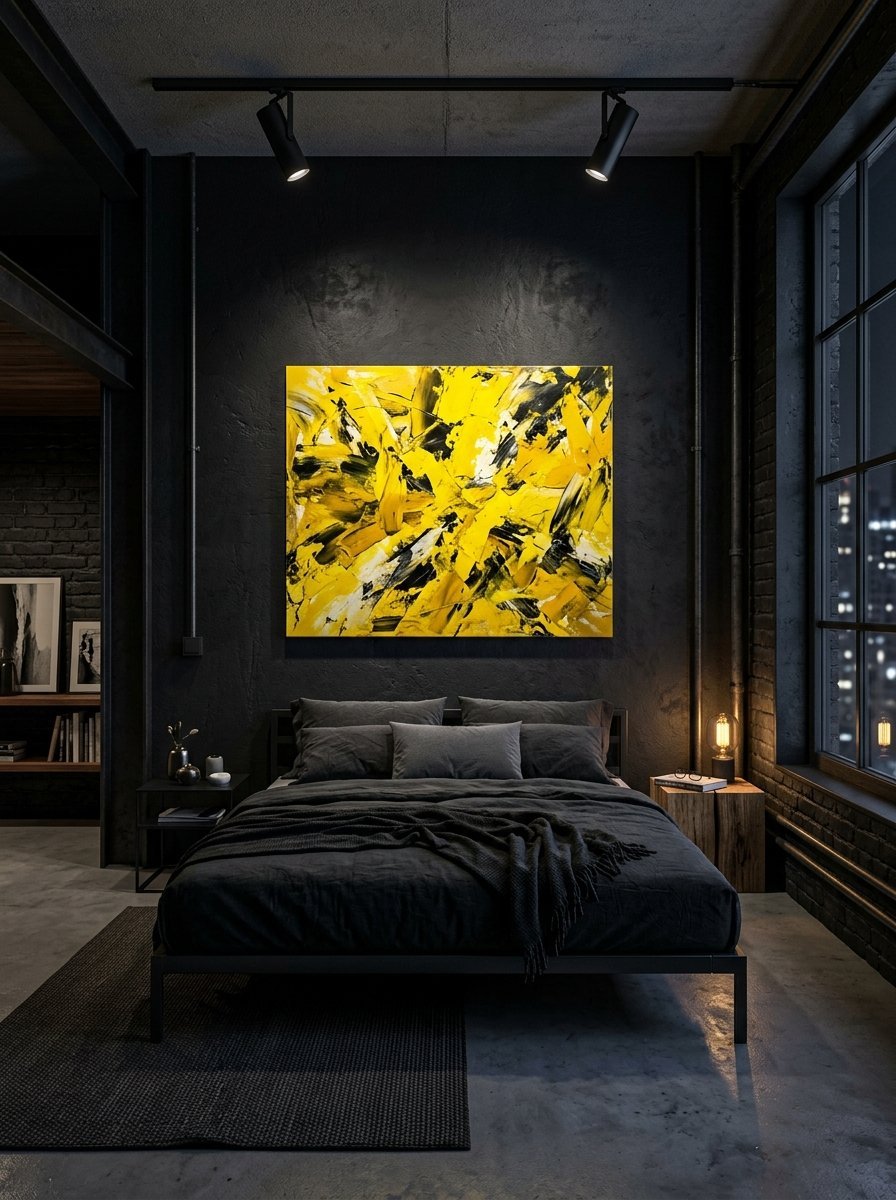
I used this high-contrast pairing in an urban loft. The charcoal walls absorb the harsh city light. Bright yellow art pieces pop aggressively against the dark background. I hung oversized abstract canvases on the main wall. You can find affordable large-scale art at IKEA. The yellow pushes necessary cheerfulness into the moody room. I painted the ceiling bright white. A black ceiling would make the loft feel tiny. I bought a yellow throw blanket for $30. The small touch of yellow makes a massive difference. You must patch all drywall holes perfectly before painting black. The dark paint highlights every single wall dent. Black walls absorb sound. A dark room feels quieter than a white room. I noticed this immediately after painting the loft. You get less echo from the hardwood floors. The bright yellow art draws your eyes away from the ceiling pipes. I spent $15 on heavy-duty anchors to hang the heavy canvases safely.
20. Seafoam Green and Sandy Beige
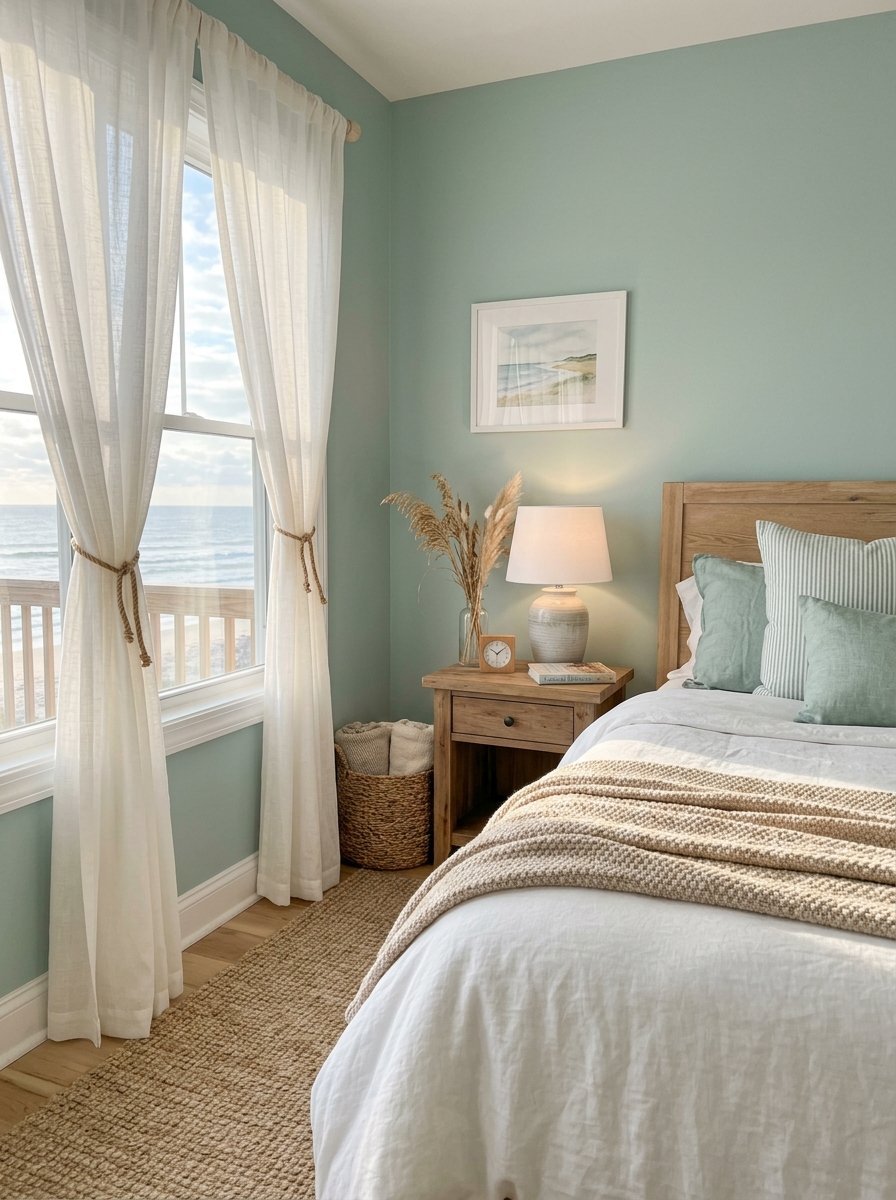
I applied this easy room decor scheme in a beach house. Seafoam green walls replicate the ocean water. Sandy beige carpet grounds the entire space. I selected Behr Sea Salt for the wall color. The paint covers existing stains effortlessly. This combination lowers your heart rate immediately upon entering. I hung framed beach photographs above the headboard. The beige frames match the carpet perfectly. I clean the picture glass with Sprayway foam. The foam stays in place and never drips on the frames. The green walls look best with sheer white curtains. The sunlight filters nicely through the fabric. Seafoam green looks dated if you pair it with seashell decor. You must avoid literal beach themes. I use abstract art instead of pictures of anchors. A modern canvas keeps the room looking fresh and expensive. I printed abstract water photos at Walgreens for $3 each. I framed them in cheap sandy beige frames.
21. Rich Burgundy and Gold
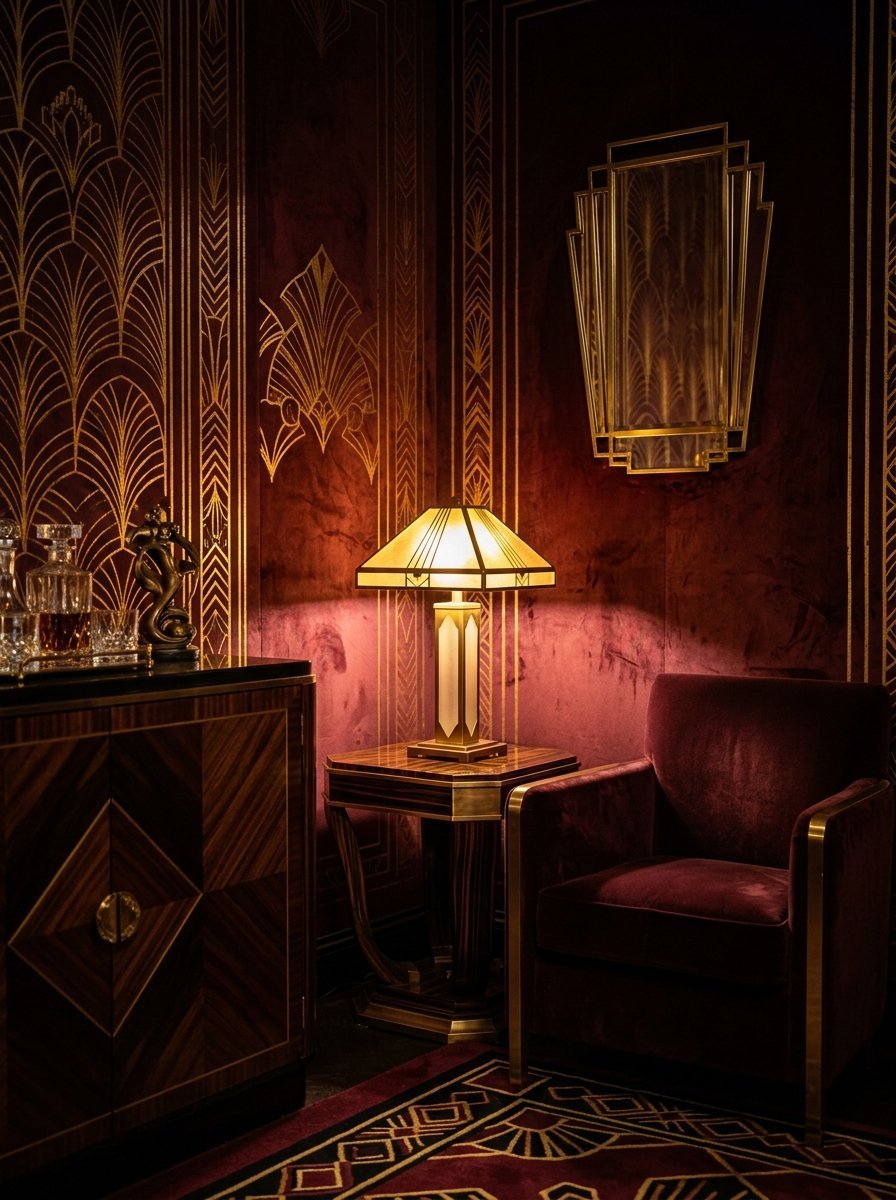
I styled an Art Deco inspired room with burgundy velvet. The deep red walls demand attention. Gold geometric patterns appear on the area rug. I used a specialty metallic paint for the ceiling border. The metallic finish requires a perfectly smooth surface. I spent three days sanding the walls before painting. I used Sherwin Williams Borscht for the walls. The red takes four coats to look even. You must be patient with this color. I bought gold lamps from a thrift store for $15. I rewired them myself in one afternoon. The warm light makes the burgundy walls look like velvet. Burgundy paint requires a tinted primer. If you use white primer, the red looks pink in the sunlight. I asked the hardware store to tint my primer dark grey. The grey base makes the burgundy look deep and rich. The tinted primer costs the exact same as plain white primer. It saves you two coats of expensive red paint.
22. Pale Grey and Lilac
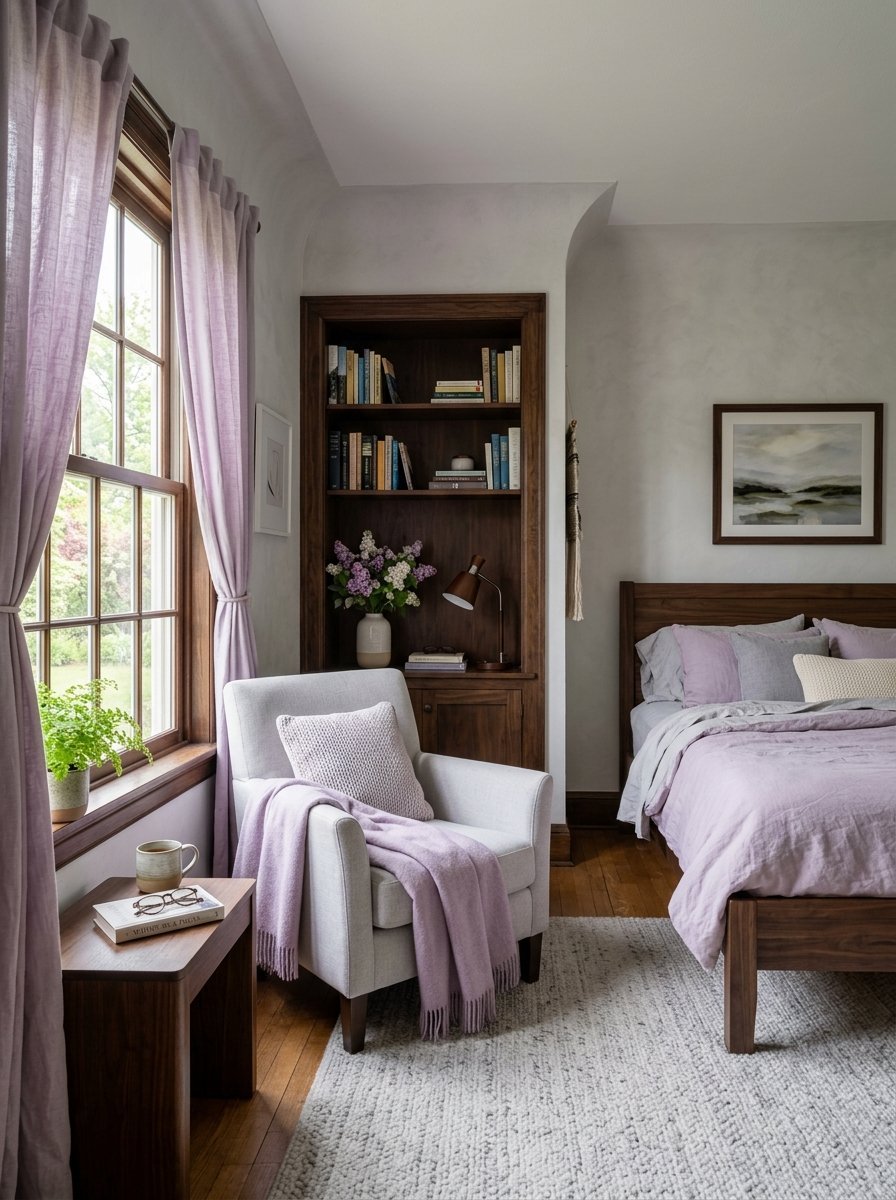
I designed a calming retreat with cool grey walls. Lilac linen curtains frame the windows softly. The colors blend seamlessly together. I chose Sherwin Williams Repose Gray for its neutral undertones. The lilac curtains cost $85 from H&M Home. This pairing works perfectly for a nursery or reading room. I painted a vintage rocking chair in a matching lilac shade. I used chalk paint for the chair. The chalk paint requires no sanding beforehand. I sealed the chair with a clear wax. The grey walls make the soft purple stand out without looking childish. Lilac paint can look like a little girl’s room quickly. You ground the color with heavy adult furniture. I bought a solid walnut dresser from the 1960s. The dark heavy wood contrasts with the light purple walls. I spent $200 on the vintage dresser. It weighs a ton but anchors the room beautifully.
23. Bright Coral and Navy Blue
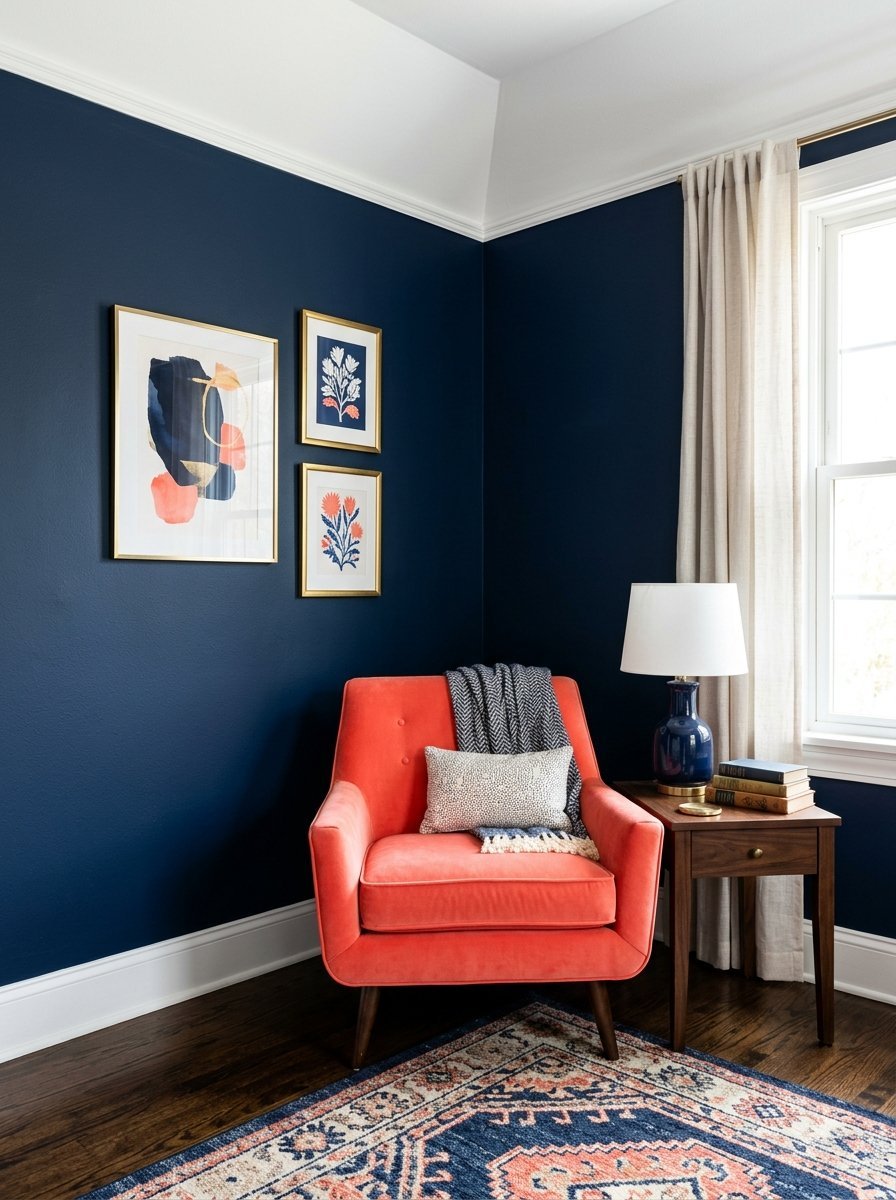
I paired these complementary colors for a bold statement. The navy walls serve as a dark canvas. Coral upholstered chairs sit in the reading nook. I found the vintage chairs on Facebook Marketplace for $40. I reupholstered them myself over a weekend. The bright coral makes the dark blue feel less serious. I used Benjamin Moore Hale Navy again here. The deep blue hides dog hair along the baseboards. I bought coral throw pillows to tie the room together. The pillows cost $20 each at HomeGoods. You should keep the ceiling white to reflect the light downwards. Coral upholstered chairs fade in direct sunlight. I sprayed the chairs with Scotchgard Sun and Water Shield. The spray costs $12 a can. It prevents the UV rays from bleaching the bright coral fabric. The navy blue walls don’t fade because I used premium UV-resistant paint from Benjamin Moore.
24. Warm Taupe and Forest Green
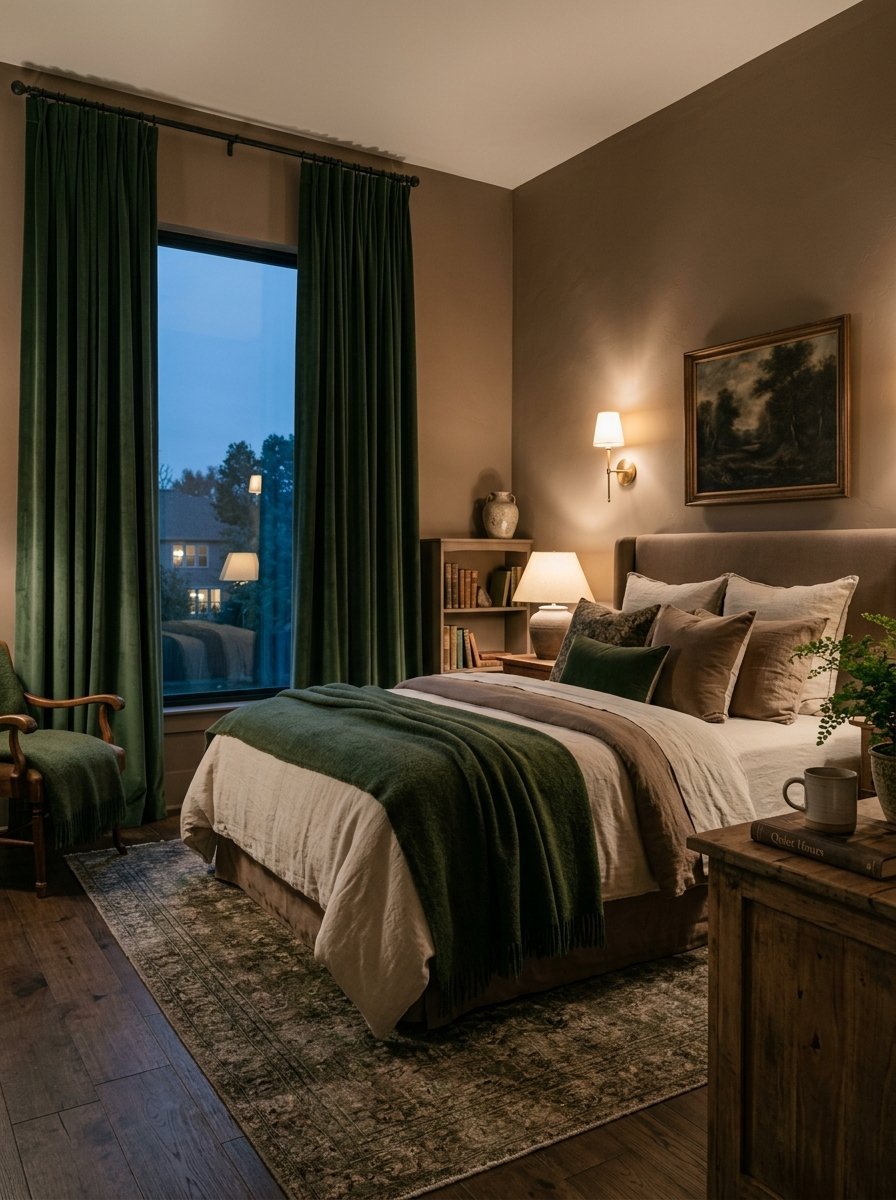
I used taupe walls to create a cozy atmosphere. Forest green velvet curtains block out the morning sun. The taupe paint hides fingerprints and scuffs well. I painted this in a high-traffic guest room. I used Benjamin Moore Edgecomb Gray. The green velvet provides a layer of acoustic dampening to the room. I hung the curtains close to the ceiling. This trick makes the windows look twice as tall. I spent $120 on the heavy velvet panels. The taupe walls look warm during the day and moody at night. Taupe paint shifts between grey and brown. The color depends entirely on your light bulbs. I bought smart bulbs to control the color temperature. I change the bulbs to a cool white in the morning. The walls look grey. I switch to warm white at night. The walls turn a cozy brown. The green curtains look rich either way.
25. Icy Blue and Stark White
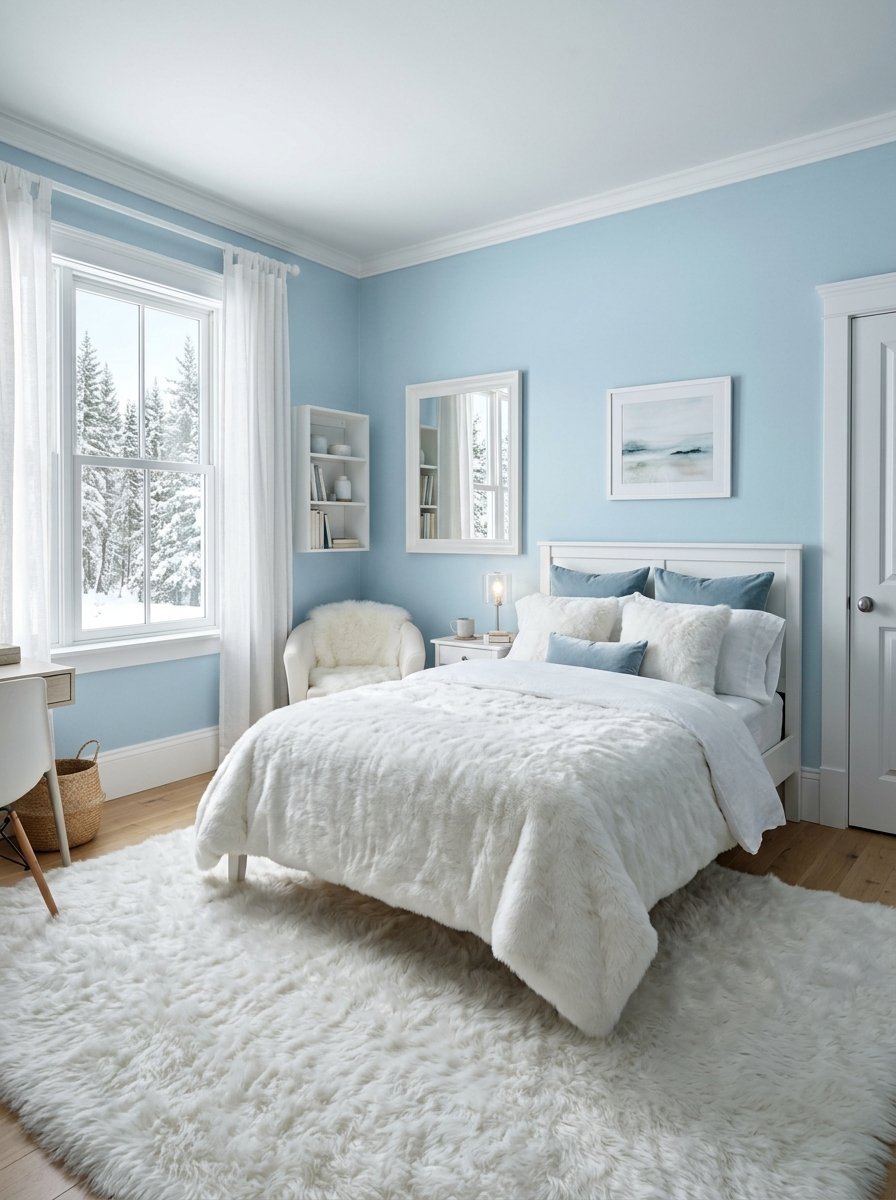
I finished a small room with this crisp pairing. Icy blue walls make the room feel much larger. Stark white trim outlines the architecture. I used Sherwin Williams Ice Cube. The paint reflects light deeply into the corners. You should use warm white light bulbs to prevent the room from feeling sterile. I installed a pure white ceiling fan. The white fan blends into the ceiling and disappears. I bought blue glass lamps for the nightstands. The glass lamps cost $60 for the pair. The whole room feels like a breath of fresh air. Icy blue makes a room feel freezing cold in winter. You fix this with texture. I put a faux fur throw blanket on the bed. The white fur looks like snow but feels incredibly warm. I bought the blanket at Target for $35. It balances the visual coldness of the icy blue walls perfectly.
Frequently Asked Questions
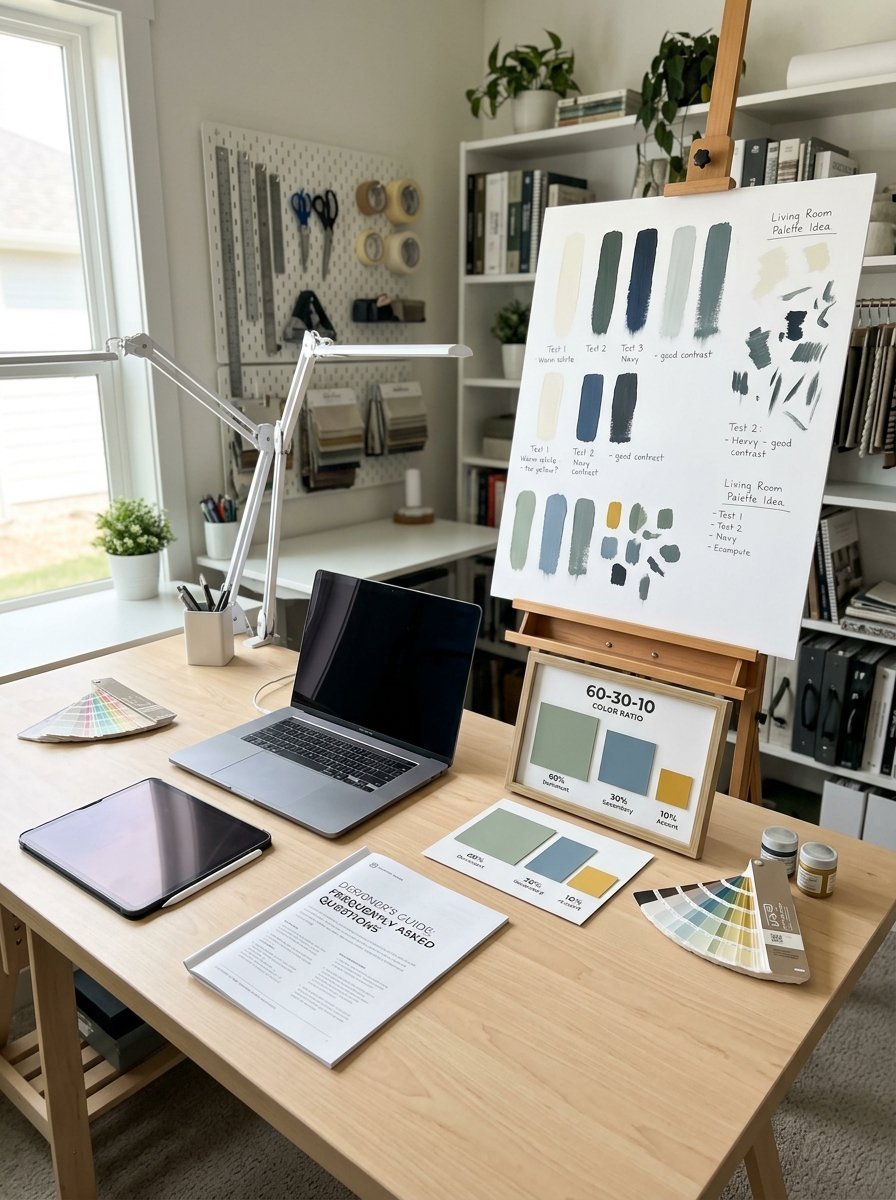
What is the 60-30-10 rule in bedroom colors?
The 60-30-10 rule guides your room wall colors and decor balance. You use your primary color for 60 percent of the room. This usually covers the walls. You use a secondary color for 30 percent. This includes curtains or rugs. You apply an accent color for the final 10 percent. Throw pillows and lamps fit this category perfectly. I stick to this ratio for every single client project. It stops rooms from feeling chaotic. You can apply this rule to any bedroom design styles easily.
Does paint finish matter for bedroom wall colors?
Yes, paint finish changes how colors look entirely. Flat or matte finishes hide drywall imperfections. I use flat paint for dark colors like navy or black. Eggshell finishes provide a slight sheen. They wipe clean easily with a damp cloth. I use eggshell for kids’ rooms and nurseries. Satin finishes reflect more light but highlight wall bumps. I strictly use semi-gloss for trim and doors. You should never use high-gloss paint on bedroom walls. It looks cheap and reflects too much light when you try to sleep.
How do I test a room color combination properly?
You must never paint a swatch directly on the wall. Your current wall color tricks your eyes. You should paint a large white poster board instead. Apply two thick coats of your sample paint. Move the board around the room for three days. Look at the color in the morning sunlight. Check the board again at night with the lamps turned on. I bought twelve samples before finding the right navy blue last year. The $60 spent on samples saved me a $300 repainting disaster.
Which bedroom color combination makes a small room look bigger?
Light colors reflect natural light and push walls outward visually. I always use classic white and icy blue for tiny spaces. You should paint the walls and the trim the exact same color. This removes visual breaks and expands the ceiling height. I painted a tiny eight-by-ten room completely white. The space felt twice as big immediately. You can push dark colors into the room through small accents like picture frames. Keeping the walls light solves most small room problems easily.
Final Thoughts
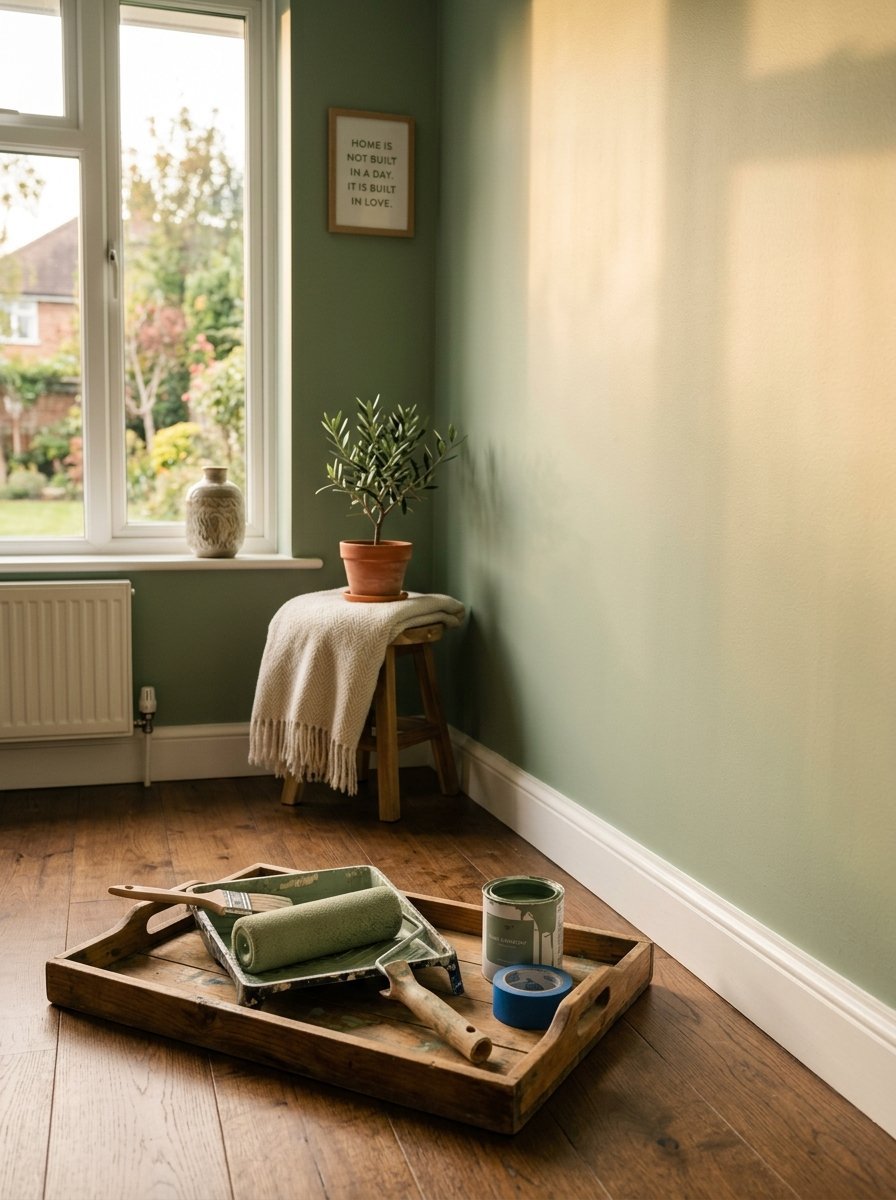
You have twenty-five distinct room color combination options to try. I painted these specific colors in real homes. The Sherwin Williams and Benjamin Moore selections come from my personal project receipts. You can completely change your space this weekend with a gallon of paint and a good brush. I suggest starting with a small guest room or nursery first. Test your paint on poster board before committing to a full wall. Pick the combination that matches your natural lighting. Grab your rollers and start your room transformation today.

Amelia Hart is the Senior Design Editor at Vellora Interiors, where she curates small-space and apartment content. With a background in color theory and years spent designing under-500-square-foot rentals, she’s the editor who’ll tell you exactly which paint sheen, curtain length, and lamp height to choose, no guessing. A former design lead at a boutique studio, her work has been featured in several home and lifestyle publications. Her guiding belief: “Good design isn’t about more, it’s about choosing better.”