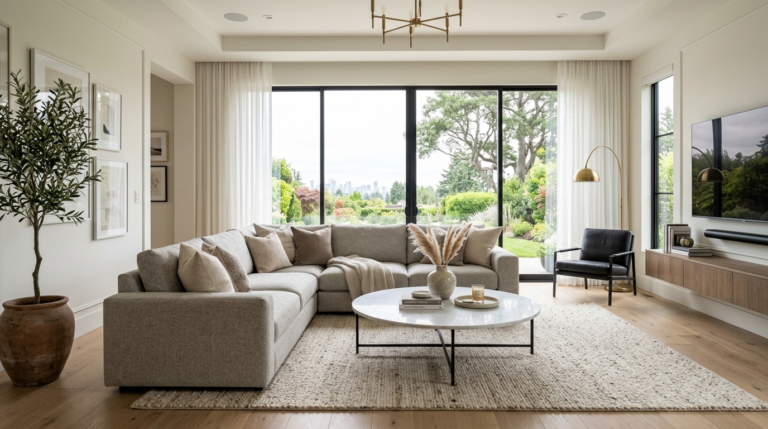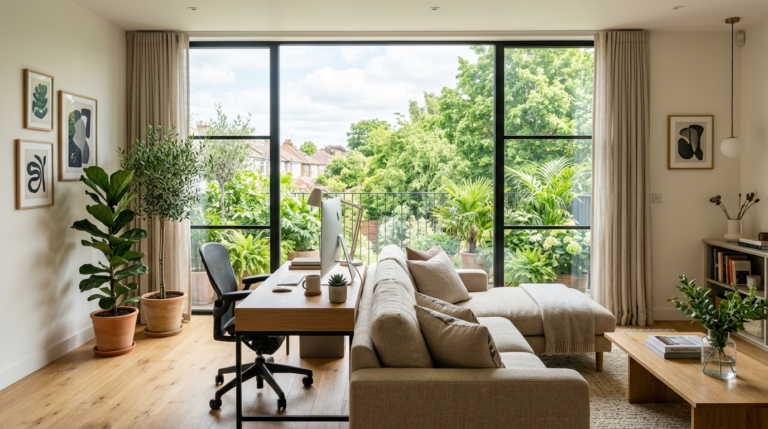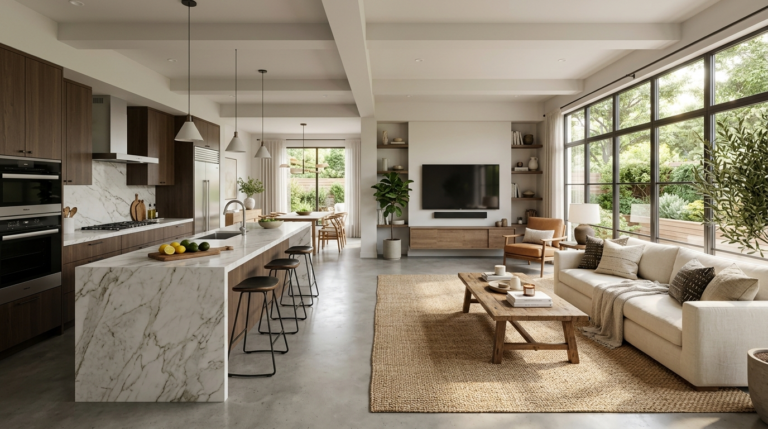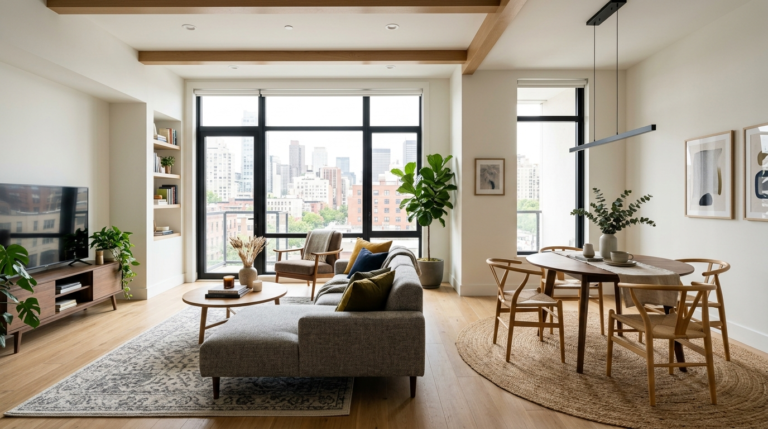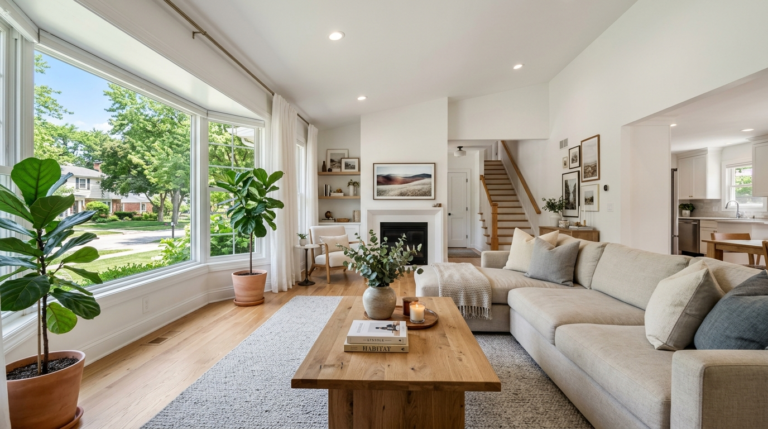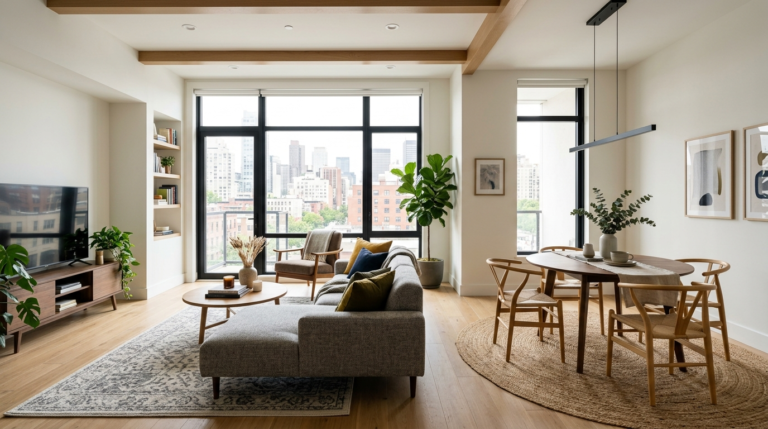
You stand in your front door and see one big, empty box. The walls are gone. The floor is vast. You have a sofa, a table, and no idea where to put them. I see this every day. Most people shove the sofa against one wall and the table against the other. The middle stays empty and cold. It feels like a waiting room. Last year, I helped a couple in Austin with this exact problem. They had a massive room but it felt tiny because of the clutter. We fixed it in one weekend. You need a plan that balances style with how you live. This guide gives you the blueprint for a home that feels warm and organized.
Executive Summary
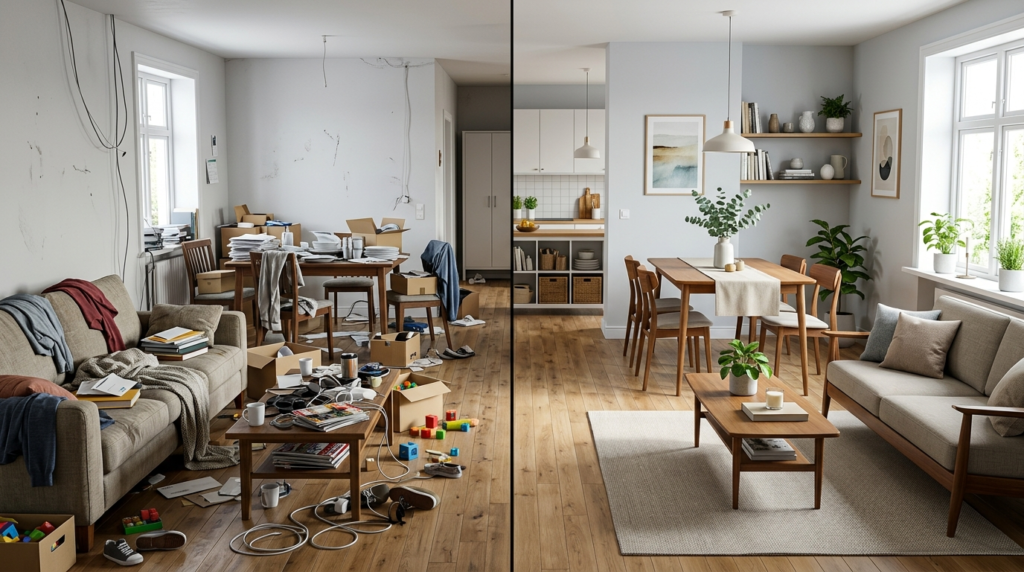
This guide breaks down 21 ways to arrange your open space. You will see how to use rugs as walls. You will find out why your sofa back matters. We cover costs from 500 dollars to 5000 dollars. I list real brands like IKEA and West Elm. You will find ways to stop noise and create cozy zones. Most people forget about traffic flow. I show you how to keep paths clear. By the end, you will have a room that looks like a magazine cover but feels like home. We focus on real homes, real budgets, and real life.
1. The Low Profile Furniture Trick
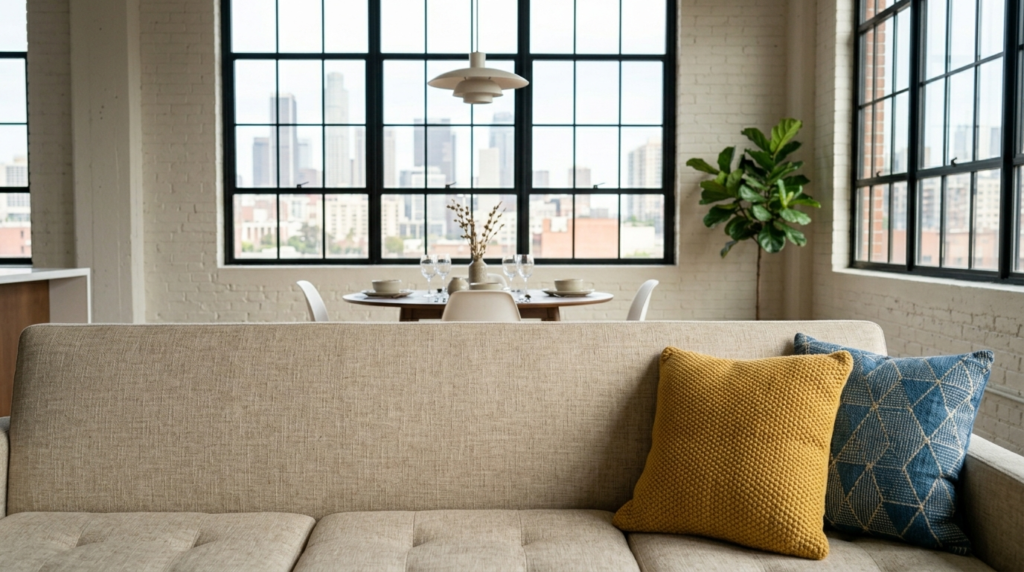
Low furniture keeps your eyes moving. High backs block views and make rooms feel small. I noticed this in a small New York loft. The owner had tall bar stools and a high back sofa. It felt like a maze. We swapped them for low profile pieces. The room felt twice as big. Use a low sofa from Article. Pair it with a platform dining table. This keeps the line of sight open from the kitchen to the window. It works well for spaces with low ceilings too. You get the seating you need without the bulk. It keeps the room airy.
2. Rug Zoning For Clear Borders
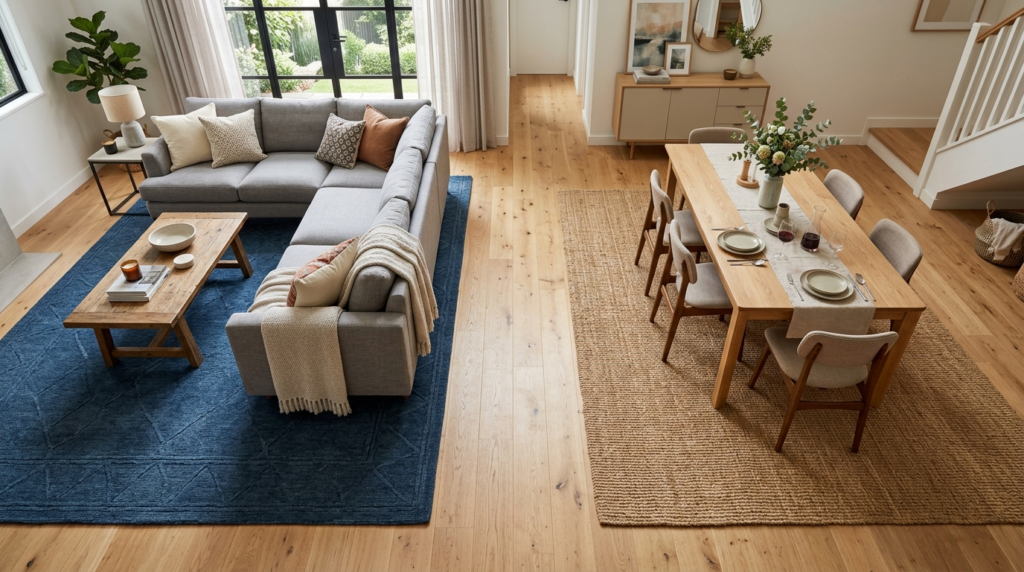
Rugs are the walls of an open floor plan. Without them, your furniture floats. I always use two different rugs to define the living and dining zones. Choose a plush wool rug for the living area. Use a flatweave or jute rug for the dining area. This creates a visual break. Make sure the rugs are big. All furniture legs should sit on the rug. If the rug is too small, the room looks messy. I saw a home in Denver where they used matching rugs. It was boring. Use different textures to tell the areas apart. It creates a professional look.
3. Statement Lighting As Focal Points
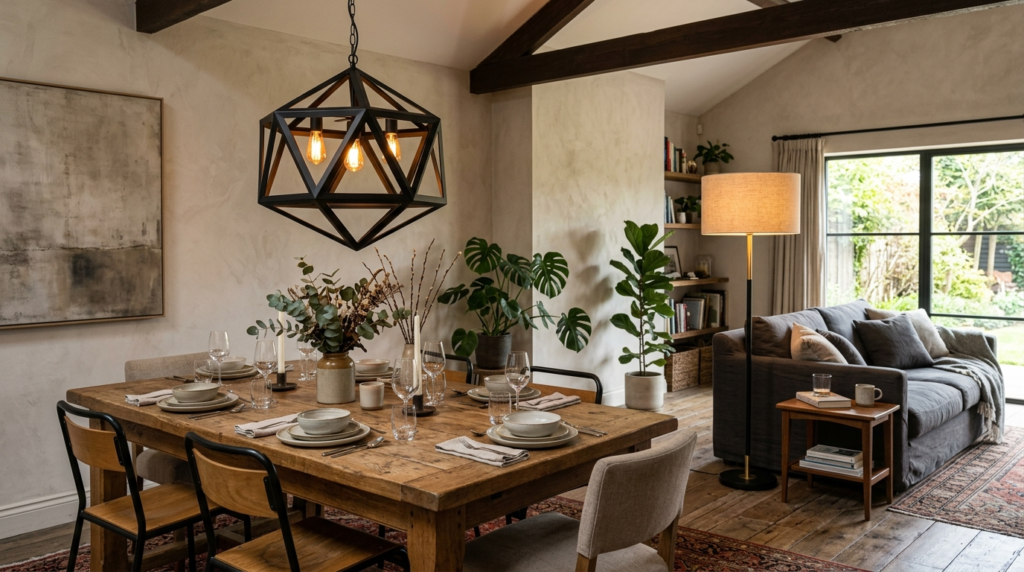
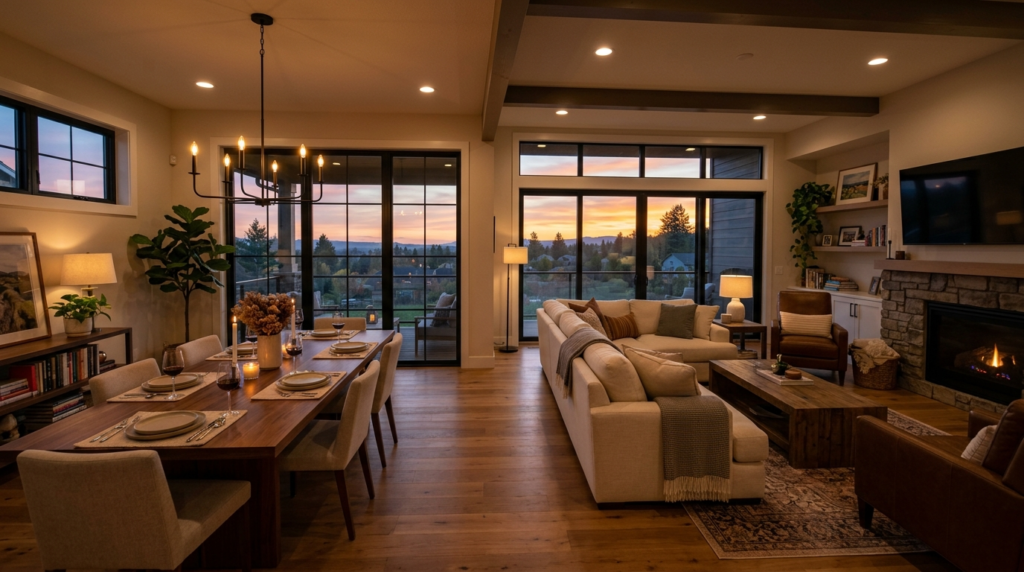
Lighting tells you where to look. Hang a large pendant over the dining table. Put a floor lamp by the sofa. This separates the rooms at night. In my own home, I used a black metal chandelier over the table. It acts like an anchor. The living room has soft, hidden lights. This creates two moods in one space. Use dimmers to control the vibe. A bright light over the food makes it the star. A soft light by the TV makes it cozy. It is a cheap way to change the feel of the room.
4. Paint Blocks To Divide Walls
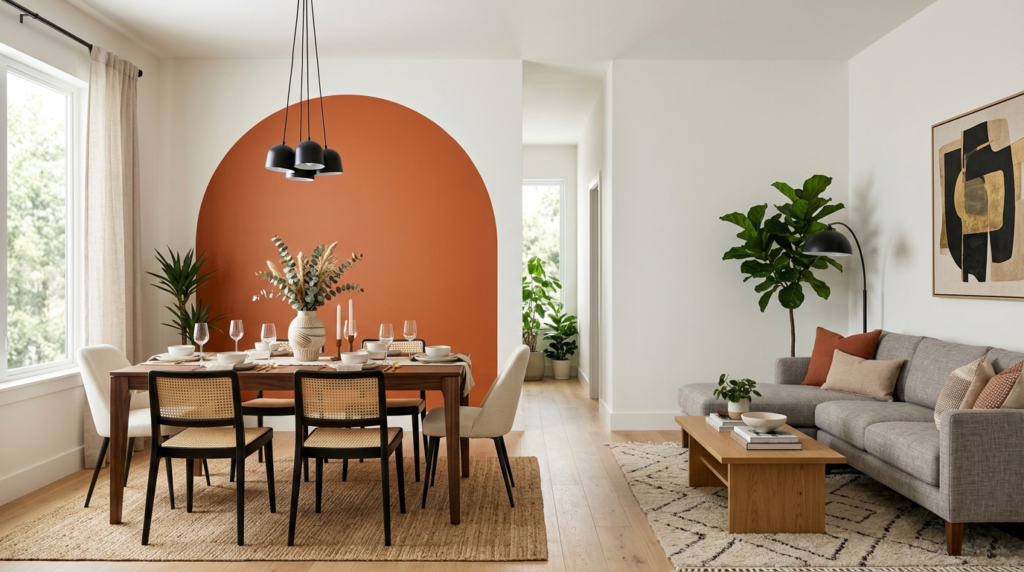
You do not need a wall to have a border. Paint one section of the wall a different color. I tried this in a rental last summer. We painted a dark green rectangle behind the dining table. It made the table feel tucked away. The rest of the room stayed white. This is a 50 dollar fix. It adds depth without taking up floor space. Use matte paint to hide wall flaws. This works best in long, narrow rooms. It stops the “bowling alley” look. Choose colors that talk to each other. A navy wall in the dining area pairs well with blue pillows on the sofa.
5. The Double Sided Sofa Strategy
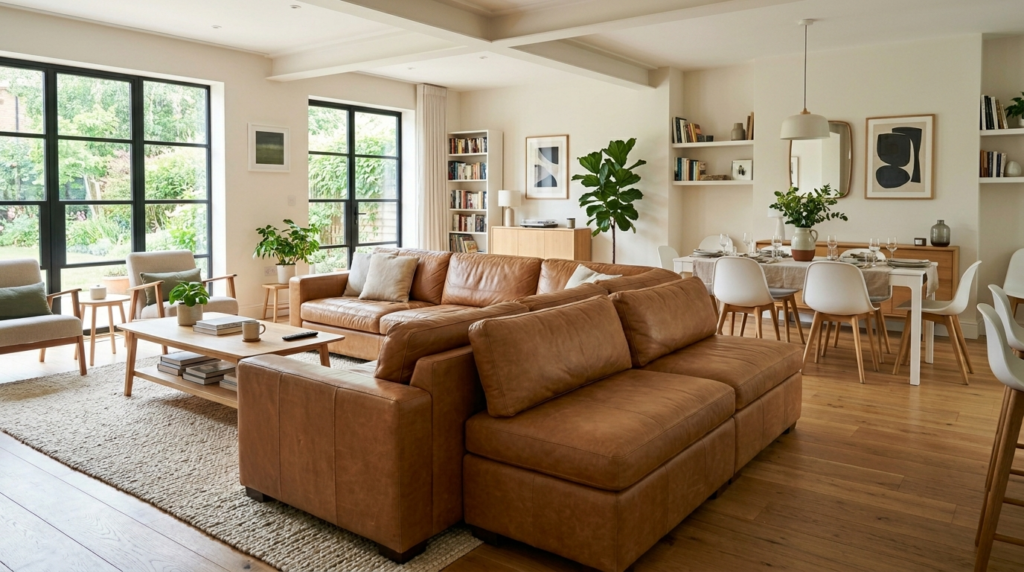
Most people push the sofa against the wall. Try putting it in the middle. The back of the sofa acts as a room divider. This is the best way to separate the living zone from the dining zone. I see this work in large suburban homes. It creates a clear path behind the seating. Choose a sofa with a nice back. Some sofas look ugly from behind. Brands like Maiden Home make great 360 degree designs. It keeps the TV area private while keeping the dining area open. This layout feels very modern and high end.
6. Console Table Bridges
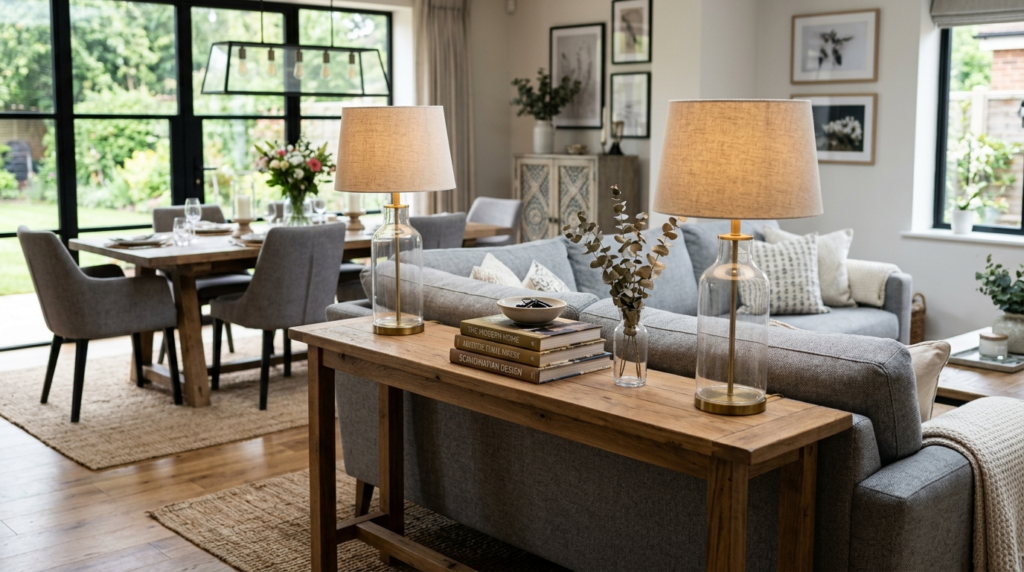
If your sofa back is plain, hide it. Put a long console table behind the sofa. This adds storage and style. I often put two lamps on the console. This gives light to both the living and dining sides. It is a great spot for keys or a drink. You can even tuck stools under the console for extra seating. I saw this in a beach house. It turned a dead zone into a breakfast bar. Use a slim table from Wayfair or West Elm. Keep it the same height as the sofa back. It blends the two areas together.
7. Window Alignment Layouts
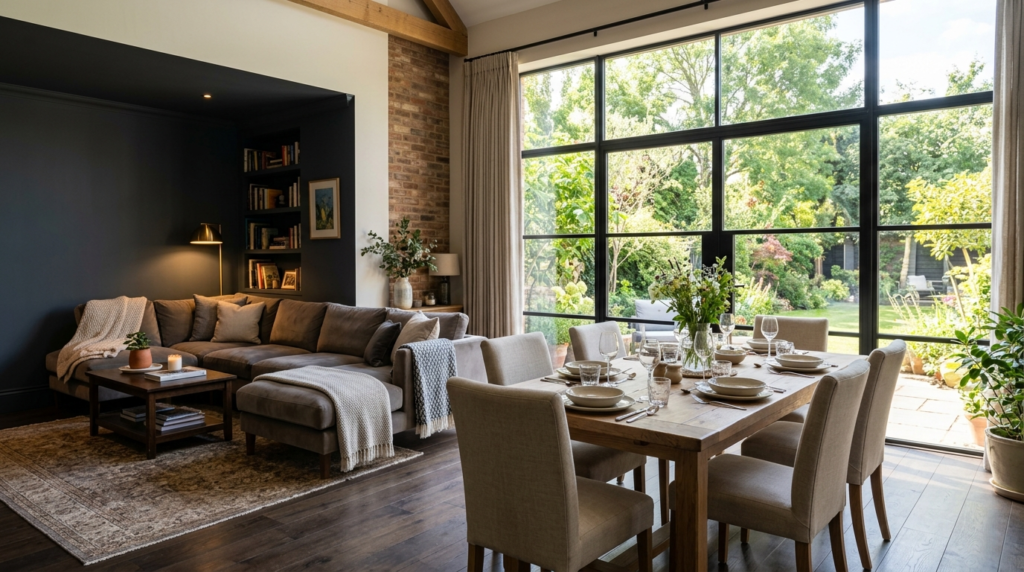
Use your windows to guide the furniture. I like to put the dining table near the biggest window. Natural light makes meals better. Put the living area in the darker part of the room for movie nights. I worked with a client who did the opposite. The glare on their TV was terrible. We flipped the room. Now they eat in the sun and watch TV in the shade. Use sheer curtains to tie the windows together. This creates a soft, unified look across the whole space. It makes the room feel intentional and calm.
8. Vertical Storage Separation
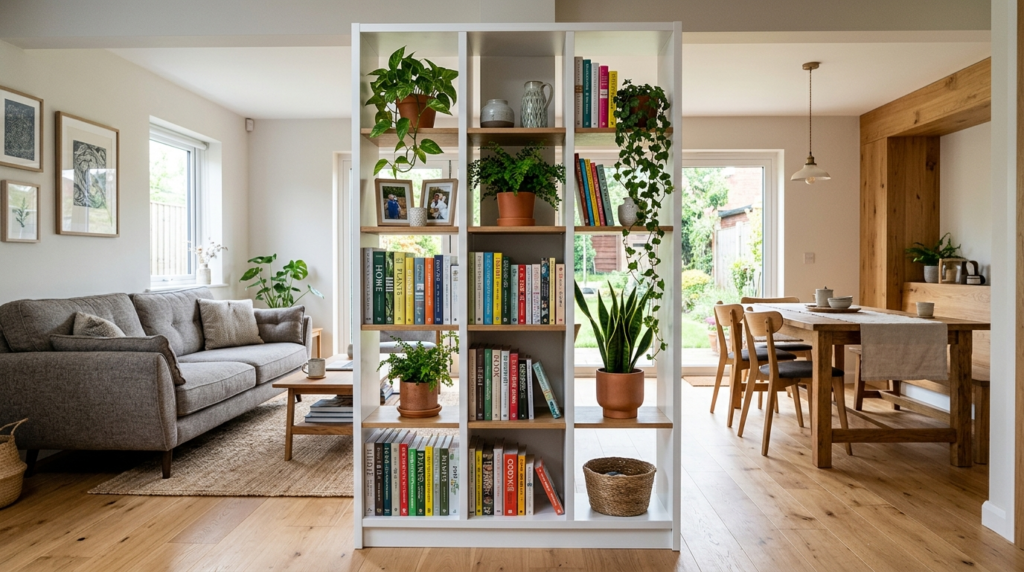
Tall bookshelves can act as room dividers. Use open shelving like the IKEA Kallax. You can see through it, so the room stays bright. It holds books on one side and dining decor on the other. This gives you privacy without a solid wall. I used this in a studio apartment to hide the bed too. It is cheap and moves easily. Keep the shelves organized. Too much junk makes the whole room look cluttered. Mix books with plants and vases. It adds life to the center of your floor plan.
9. Material Continuity For Flow
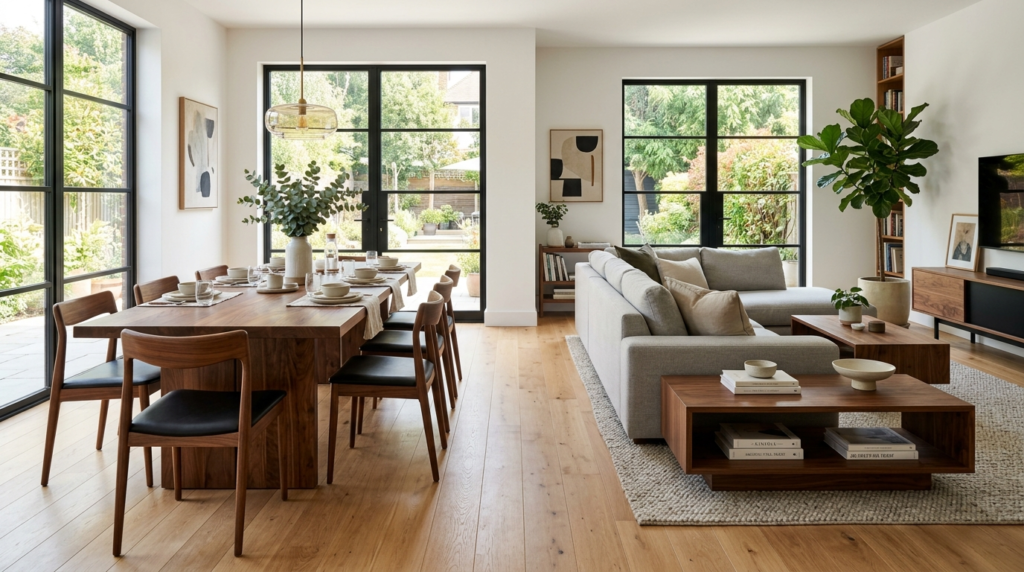
Use the same wood or metal in both zones. This makes the room feel like one unit. If your dining table is oak, get oak legs for your sofa. I saw a house where the dining room was industrial and the living room was glam. It felt like two different houses. It was jarring. Stick to one style. Use the same curtain rods in both areas. Use the same flooring throughout. This “common thread” makes a large room feel cozy. It shows you planned the space as a whole. It creates a sense of peace.
10. Circular Dining Tables
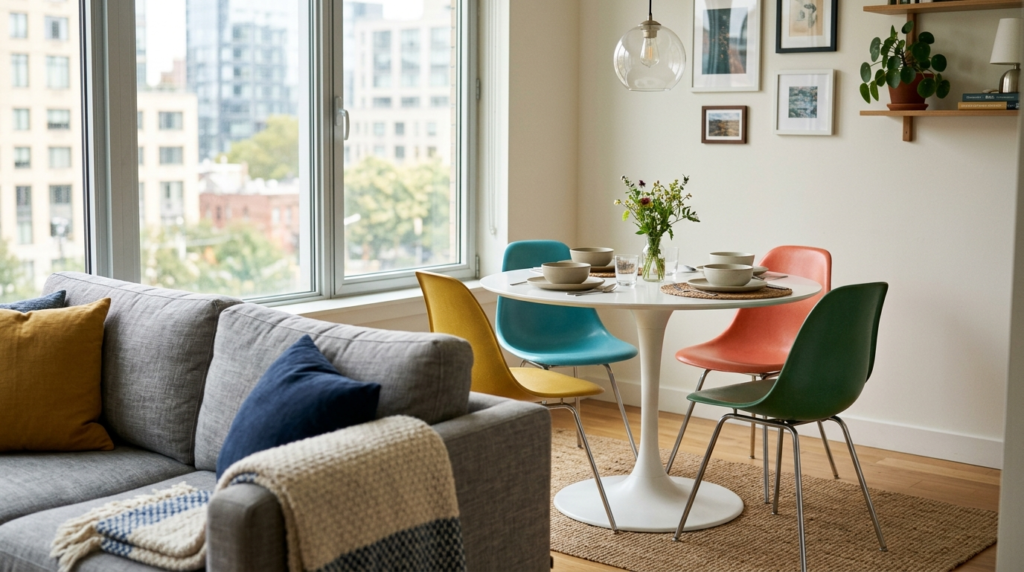
Round tables save space. They allow for better movement in an open plan. Sharp corners on square tables often block paths. I prefer round tables for families. No one hits their hip on a corner. I put a 48 inch round table in a small condo. It fit four chairs easily and left room for the sofa. It breaks up the straight lines of the walls. Use a pedestal base to tuck chairs in tight. This keeps the floor clear. It looks softer and more inviting than a long rectangle.
11. Accent Wallpaper Zones
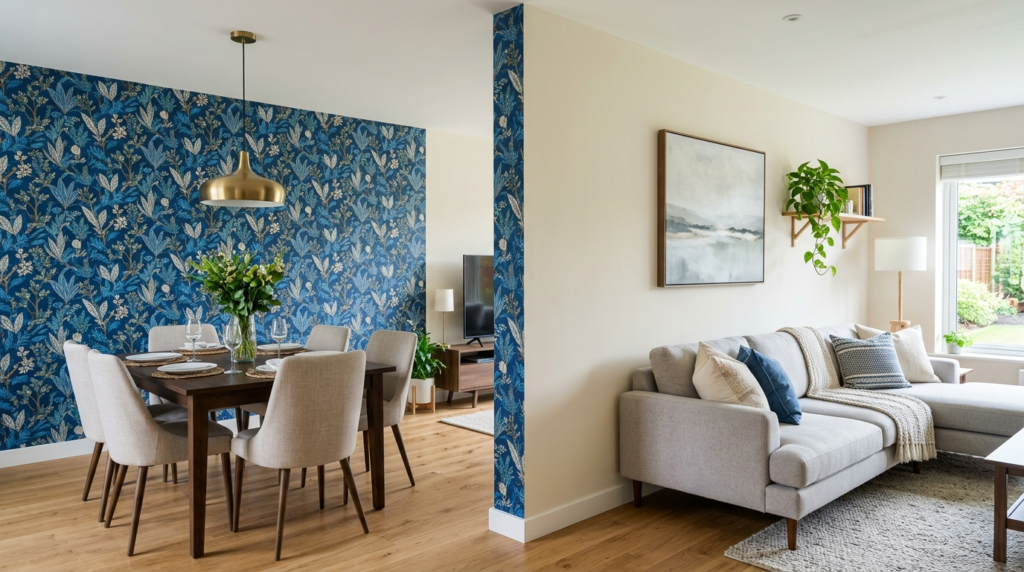
Wallpaper one wall in the dining area. This creates a “destination” feeling. I used a peel and stick floral print in a Chicago apartment. It made the dining nook feel like a separate room. Keep the living room walls simple. This keeps the focus on one spot. It is a great way to add personality without buying more furniture. Choose a pattern that has your sofa color in it. This links the two spaces. It is a fast way to get a designer look on a budget.
12. Half Walls And Built-Ins
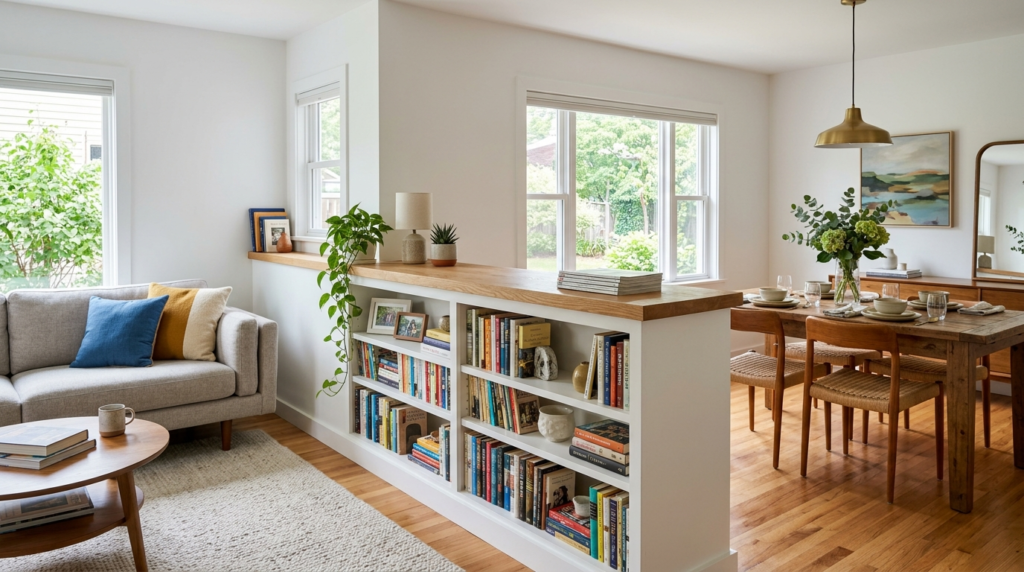
If you own the home, think about a half wall. It is a wall that stops at waist height. It defines the space but keeps it open. I saw a beautiful home in Georgia with a built in bench on a half wall. One side was the dining seat. The other side was a bookshelf for the living room. This is a permanent fix that adds value to your home. It creates a solid border. Use a wood cap on top of the wall. It acts as a ledge for drinks or plants. It is the best of both worlds.
13. Corner Nook Setups
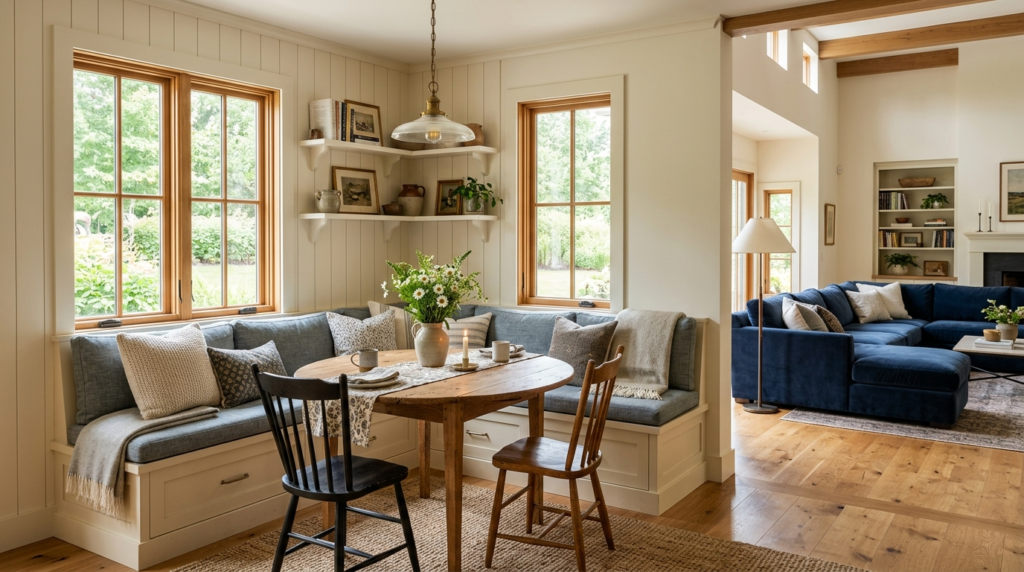
Put your dining table in a corner. Use a banquette or a bench. This saves a lot of floor space. It leaves the rest of the room open for a large sectional sofa. I did this for a family of five. They needed a big sofa for movie nights. By tucking the table in the corner, we gained three feet of space. It feels like a cozy cafe. Use colorful pillows on the bench to make it pop. It is a smart move for small open plans. It makes the room feel bigger than it is.
14. Scale Contrast For Depth
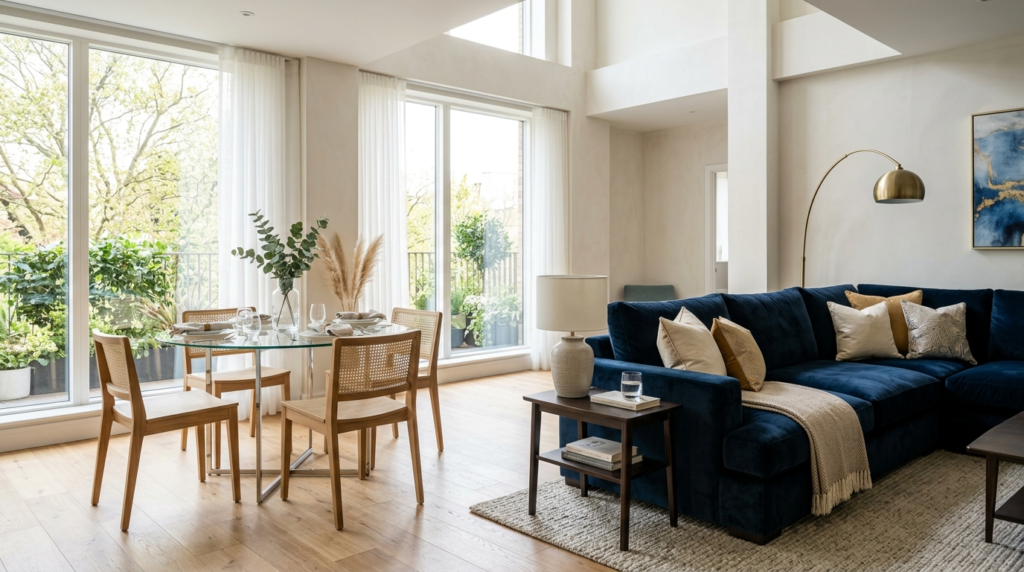
Mix big items with small items. Use a chunky sofa and a light, airy dining set. If everything is heavy, the room feels weighted down. I like to pair a velvet sofa with a glass dining table. The glass table “disappears” and makes the room look larger. This contrast keeps the eye moving. I once saw a room where every piece of furniture was bulky and dark wood. It felt like a cave. We swapped the chairs for wire frames. The change was instant. It feels balanced and fresh.
15. Sheer Curtains As Soft Dividers
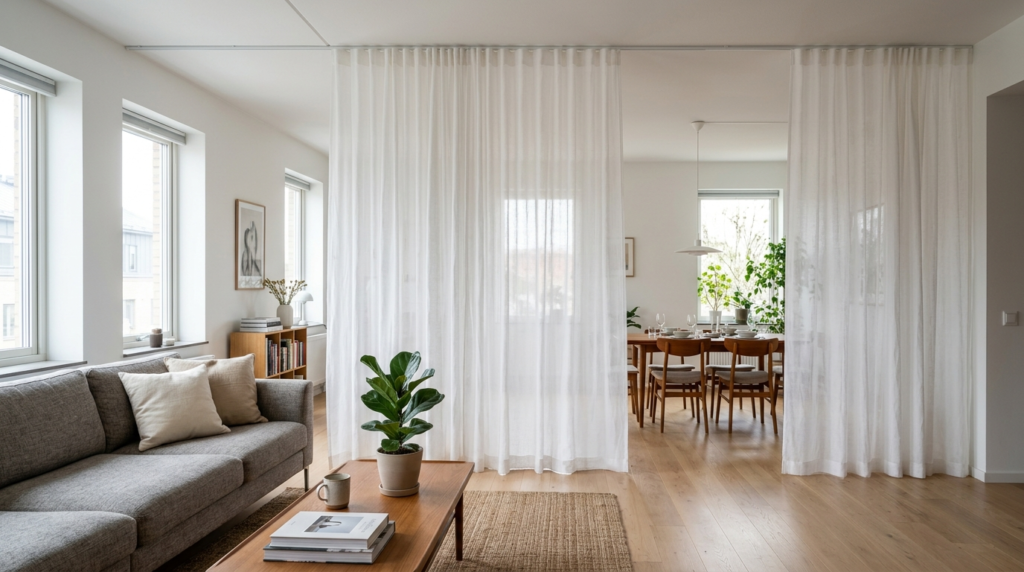
You can hang sheer curtains from the ceiling in the middle of the room. This is a very rare move. It looks like a high end hotel. I did this in a loft to separate the office and dining areas. The fabric moves with the air. It adds a soft texture to a hard room. Use a simple white track on the ceiling. It is easy to pull them back when you want the full space. It works well for tall ceilings. It stops echoes and makes the room feel quiet.
16. Symmetrical Placement
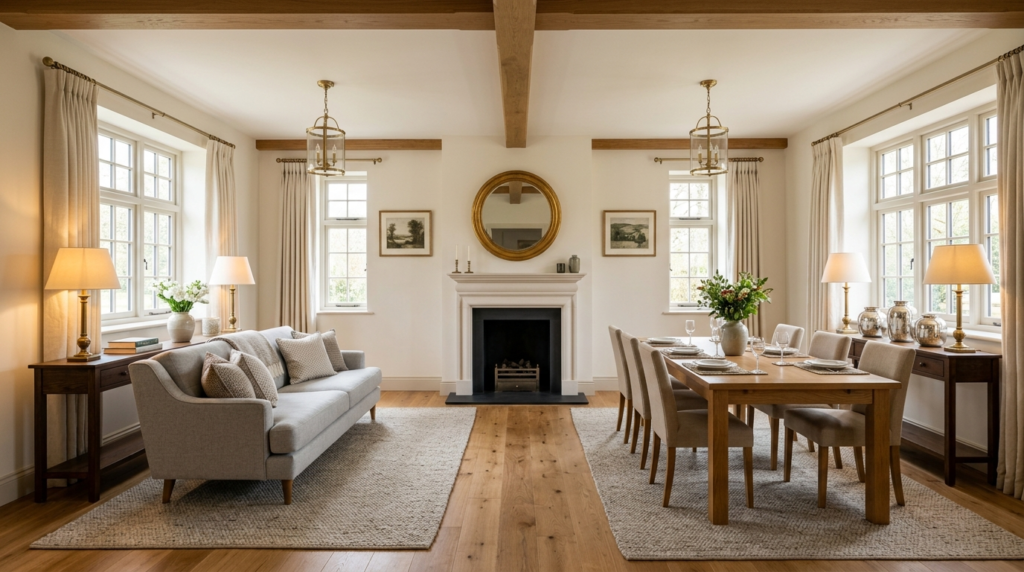
Mirror your layouts. Put the sofa in the middle of one half. Put the table in the middle of the other half. Line them up perfectly. This creates a formal, clean look. I see this in traditional homes in the South. It feels very organized. Use matching lamps on both ends of the room. This symmetry calms the brain. It is great for people who hate clutter. It makes even a messy room feel a bit more tidy. Use a large rug in each center to hold the “islands” in place.
17. Floating Shelves Across Zones
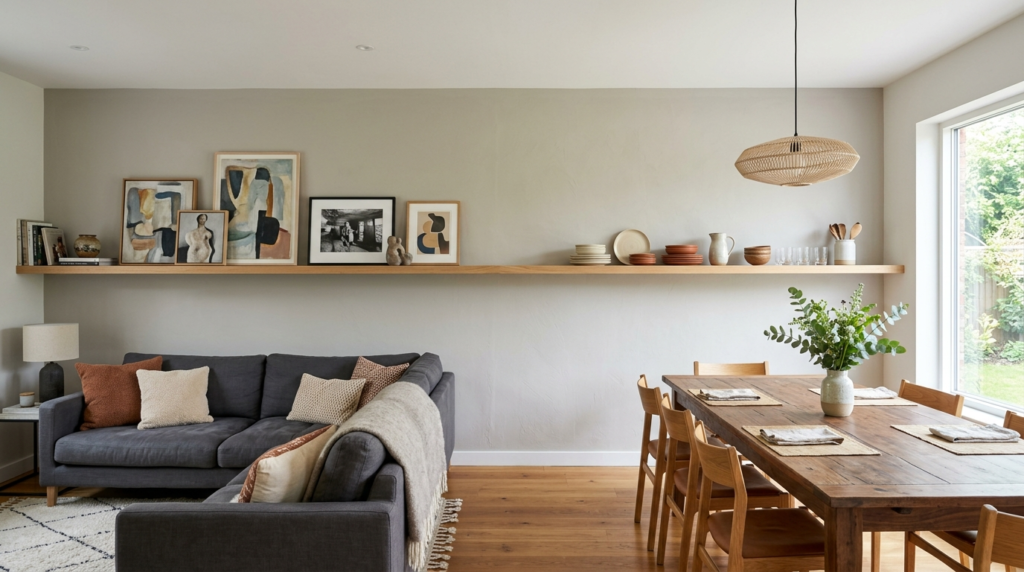
Run long floating shelves across the main wall. Let them start in the living area and end in the dining area. This connects the two zones. I used a 12 foot shelf in a modern home. We put art above the sofa and plates above the table. It leads your eye from one side to the other. This makes the room feel wider. It is a great way to show off your style. Use wood that matches your furniture. It is a cheap project that has a big impact.
18. Monochromatic Palette
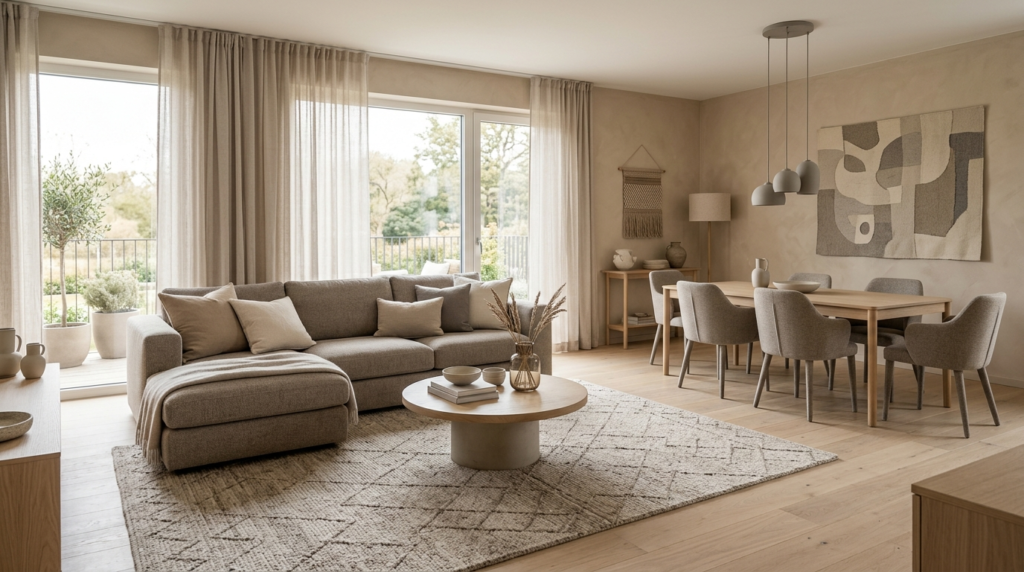
Use one color for everything. Use different shades of that color. I love a room in all warm greys. Use a charcoal sofa and a light grey table. This stops the room from feeling busy. I saw a monochromatic home in Seattle that looked very expensive. It was mostly IKEA furniture. The single color theme made it look high end. It feels calm and unified. Add texture with wool, linen, and wood. This keeps the single color from looking flat. It is a safe way to get a great result.
19. Layered Textures
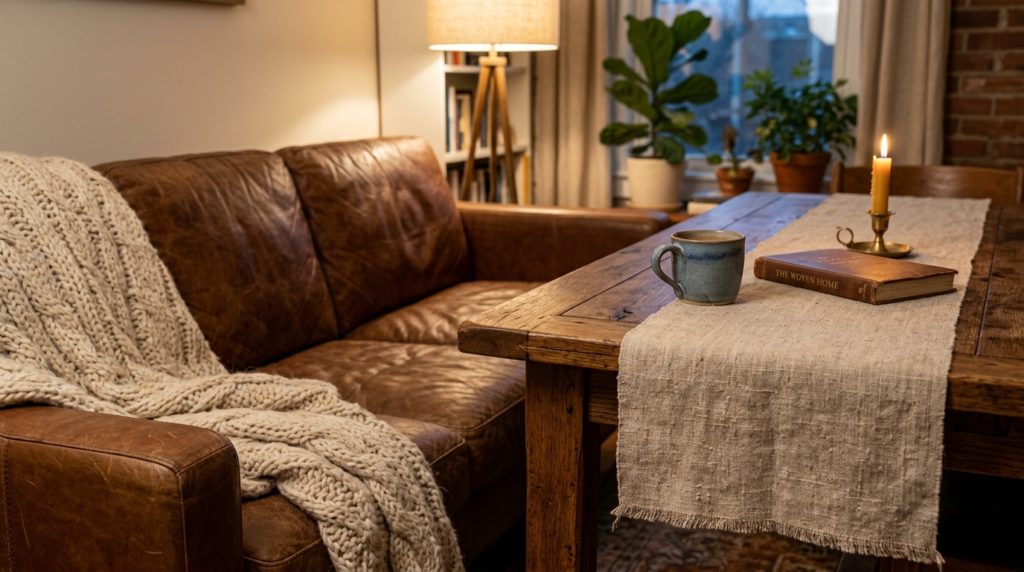
Mix your materials. Use a leather sofa, a wood table, and metal chairs. This makes an open plan feel rich. I noticed that rooms with only one material feel “flat”. I like to add a sheepskin rug over a leather chair. Add a linen runner to a wood table. These layers catch the light. They make the room feel warm. It helps with sound too. Hard floors and hard tables make rooms echo. Soft textures soak up the noise. It makes your home feel more private.
20. Indoor Greenery Borders
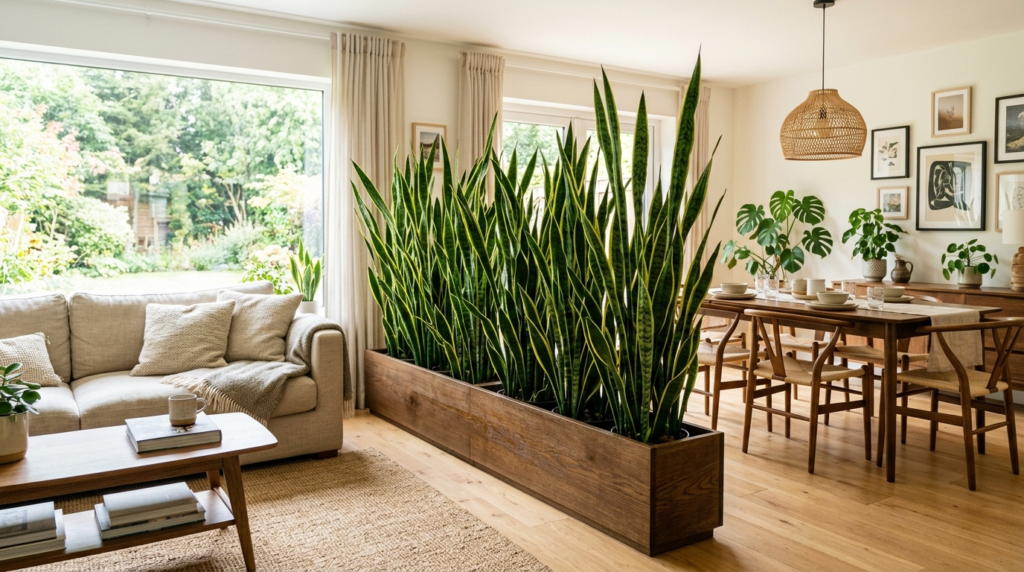
Use tall plants to create a living wall. A row of snake plants or a large Fiddle Leaf Fig can act as a divider. I put a row of plants behind a sofa in a sunny apartment. It created a green screen. It looks beautiful from both sides. Plants add life and clean the air. They are cheaper than a new sofa. Use matching pots for a clean look. Different pots make it look like a jungle. It is a natural way to break up a big floor plan.
21. Mirrored Accents
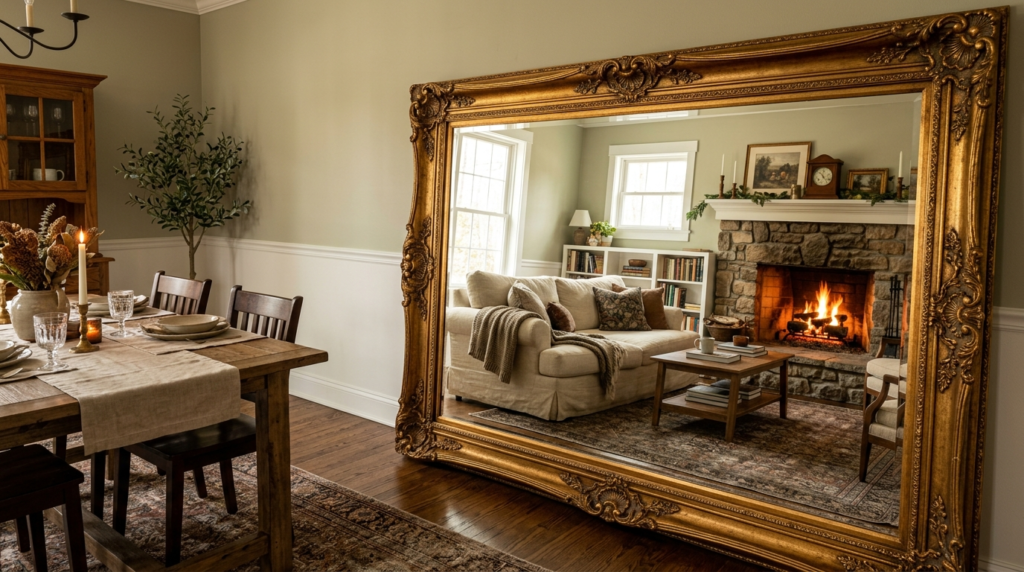
Put a large mirror on the dining room wall. It reflects the living room. This makes the space look twice as long. I always do this in narrow apartments. It bounces light into the dark corners. I used a floor length mirror in a small dining nook. It made the table feel like it was in the middle of a huge hall. It adds a touch of glam. Choose a simple black or gold frame. It acts like a window. It is the best trick for small, open homes.
Top Furniture Brands For Open Plans
| Brand | Price Range | Best For | My Take |
| IKEA | $ – $$ | Storage & Small Spaces | Great for basic zones and cheap rugs. |
| West Elm | $$-$$$ | Mid-Century Style | Best for low profile sofas and lighting. |
| Article | $$ | Modern Leather | High quality sofas that look good from the back. |
| Pottery Barn | $$$ | Traditional Comfort | Best for large, heavy dining tables. |
| Wayfair | $ – $$$ | Variety | Good for finding slim console tables. |
| Target | $ | Decor & Accents | Perfect for pillows and small side tables. |
| CB2 | $$$ | Industrial Glam | Great for metal chairs and glass tables. |
| Joybird | $$$ | Custom Colors | Best if you want a specific bold sofa color. |
Frequently Asked Questions
How do I stop my open plan from feeling cold?
Use rugs and soft fabrics. Hard floors reflect sound and cold. A large rug under the sofa holds heat. Add velvet pillows and wool throws. I have seen that adding a wood coffee table also adds warmth. Avoid too much metal or glass if the room feels like an office.
What is the best way to separate a living and dining room?
Use the sofa. Put it in the middle of the room with its back to the dining table. This creates a clear wall without losing the open feel. I use this trick in almost every project. It defines the zones instantly. Add a rug to each area to finish the look.
Can I mix different furniture styles?
Yes but keep one thing the same. Use the same wood tone or the same metal. If your dining chairs are black metal, use a black metal lamp in the living room. I saw a room with three different styles that worked because every piece had a touch of gold. It creates a link.
How big should my dining rug be?
It must be at least 24 inches wider than the table on all sides. This allows chairs to stay on the rug when you pull them out. I see people buy rugs that are too small. It is a big mistake. A small rug makes the room look cheap and causes trips.
Should I use the same paint color for both areas?
In a small space, yes. It makes the room feel bigger. In a large space, you can use an accent wall. I like to paint the dining area a slightly darker shade. It makes dinner feel more intimate. Keep the ceiling color the same to tie it all together.
How do I handle a TV in an open plan?
Put the TV on a swivel mount. This lets you see it from the sofa or the dining table. I like to hide the TV in a gallery wall. Surround it with art so it does not look like a big black box. It keeps the room looking like a living space, not a cinema.
Is a sectional sofa good for an open plan?
Yes, it acts like an “L” shaped wall. It creates a very private living zone. I recommend this for families. It blocks off the seating area from the rest of the room. Just make sure the back of the sectional is low so it does not block the light.
How do I lighting an open plan without many outlets?
Use battery powered lamps or “puck” lights. I put them inside cabinets or under shelves. You can also use long corded pendant lights. Drape the cord over a hook on the ceiling. It looks intentional and industrial. It saves you from hiring an electrician.
Conclusion
Creating a living and dining combo is about balance. You want one big room that does two things. Use rugs to define the floors. Use lighting to define the air. Keep your paths clear so you can walk around easily. I have seen that the best rooms are the ones that feel lived in. Do not be afraid to move things around. Start with the sofa in the middle. Add a rug. See how it feels for a week. Your home should work for you. With these 21 ideas, you have the tools to make it perfect.

Amelia Hart is the Senior Design Editor at Vellora Interiors, where she curates small-space and apartment content. With a background in color theory and years spent designing under-500-square-foot rentals, she’s the editor who’ll tell you exactly which paint sheen, curtain length, and lamp height to choose, no guessing. A former design lead at a boutique studio, her work has been featured in several home and lifestyle publications. Her guiding belief: “Good design isn’t about more, it’s about choosing better.”