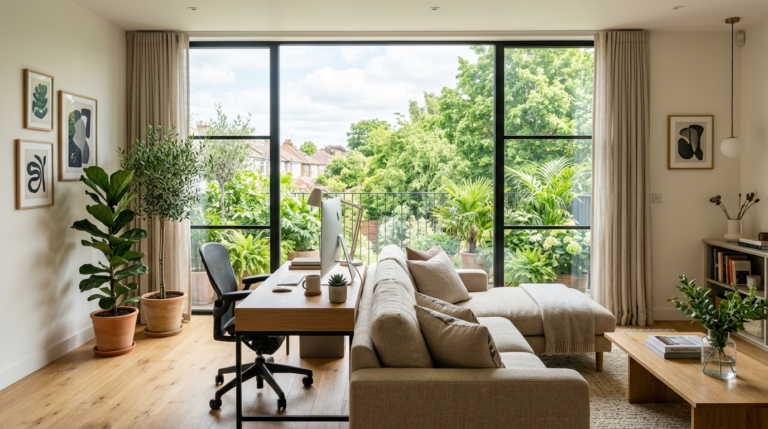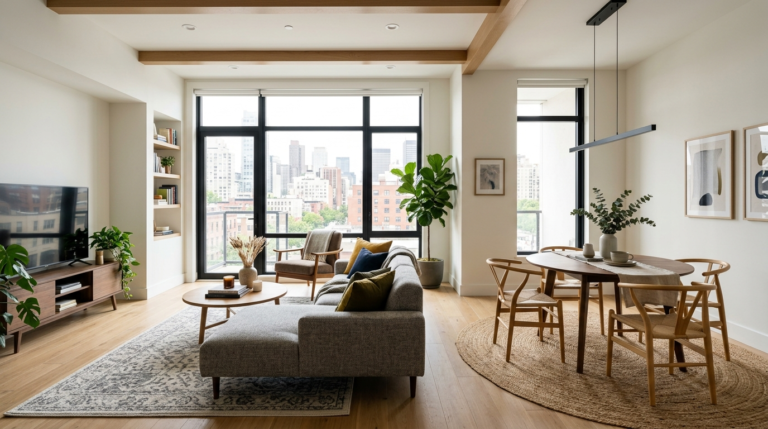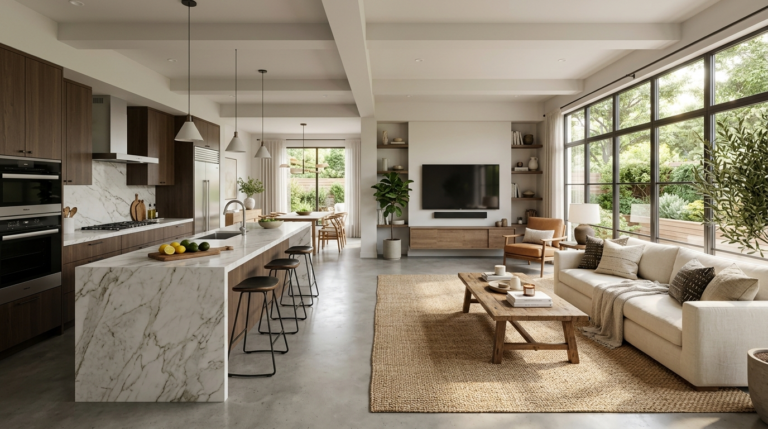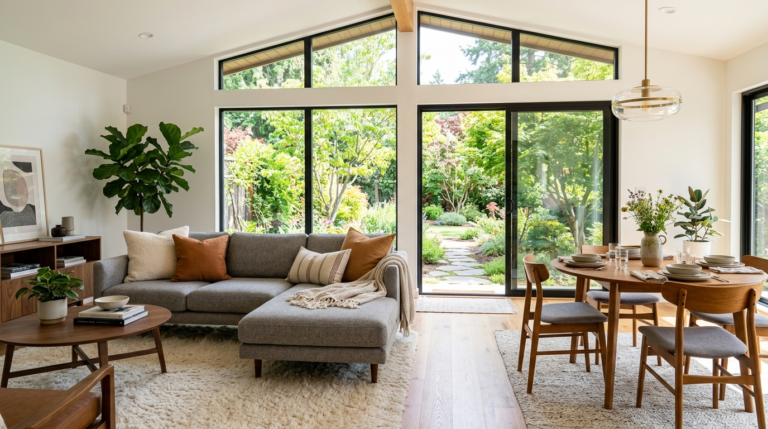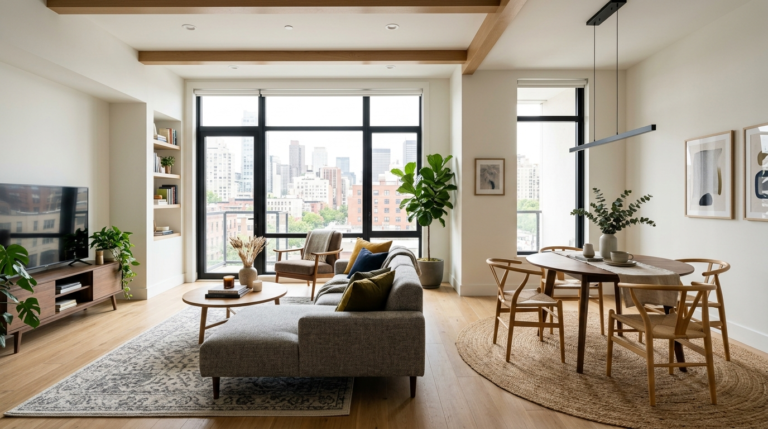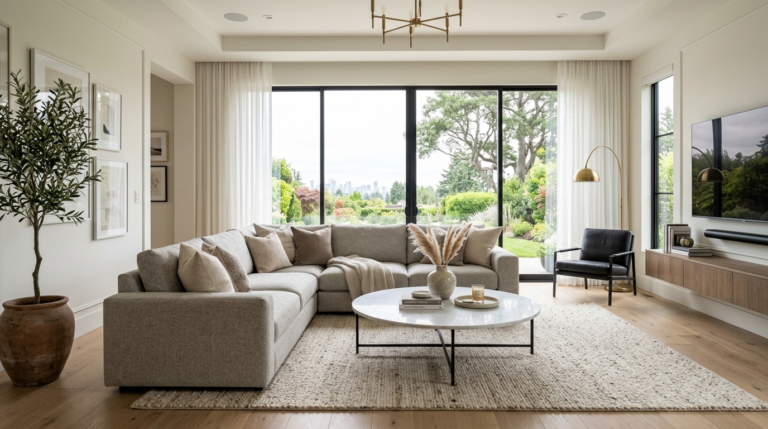
Finding the right spot for your furniture often feels like a giant puzzle. You move a chair three inches. Then you move it back. I once spent a whole Saturday shifting my sectional solo. It was a workout I never asked for. This guide fixes that struggle. You will find 23 proven layouts for tiny apartments and massive great rooms. We cover specific measurements and traffic flow patterns. You will see how to handle awkward windows and off center fireplaces. I use my years of interior styling to show you what works. These ideas go beyond basic tips. We look at rug placement and light management. You will learn to create zones for work and play. This article provides the tools to stop guessing. Your home should feel open and inviting. Let’s make that happen together.
Strategic Overview of Living Room Planning
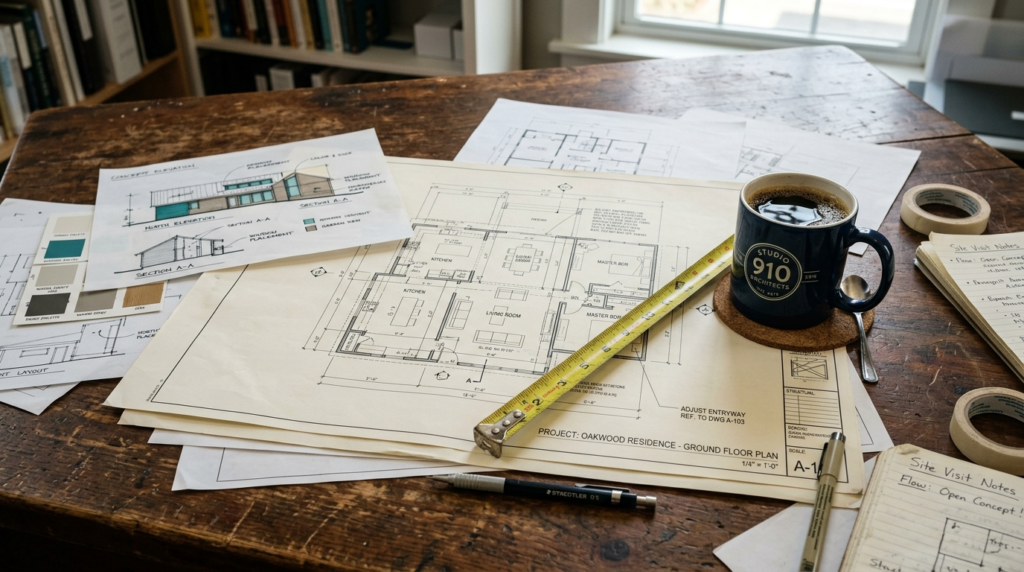
Successful rooms start with a plan. Most people buy furniture first and measure later. I saw this go wrong for a client last year. They bought a massive velvet sofa for a narrow condo. It blocked the balcony door. We had to return it at a high cost. Always measure your walls and door frames. Think about how people move through the space. You need at least 30 inches for walking paths. Rugs should be big enough to touch all furniture legs. Small rugs make a room look tiny. Lighting is the final layer. Mix floor lamps with table lamps for a warm glow. Avoid relying on just one ceiling light. It creates harsh shadows. These 23 layouts solve common problems with clear steps.
1. The Floating Conversation Circle
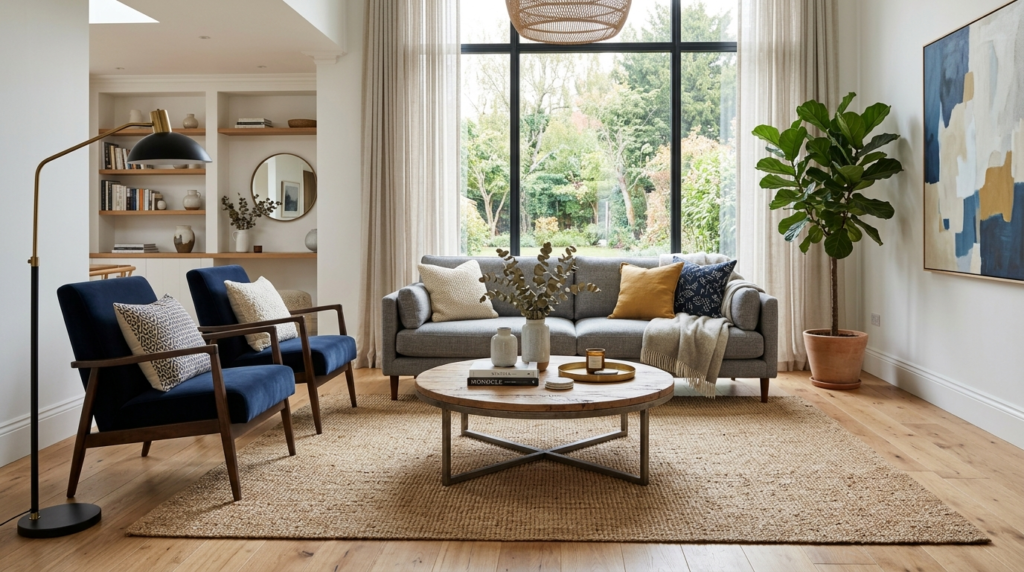
This layout works best in large rooms with no clear walls for furniture. You pull everything toward the center. This creates an intimate island in a big space. It encourages people to talk. I used this in a drafty high ceiling home. It made the room feel cozy. Place four chairs around a round coffee table. Or use two small sofas facing each other. Keep the backs of the furniture away from the walls. This leaves a walking path around the perimeter. It feels high end and intentional. Make sure the rug anchors every piece.
2. The Focal Point Anchor
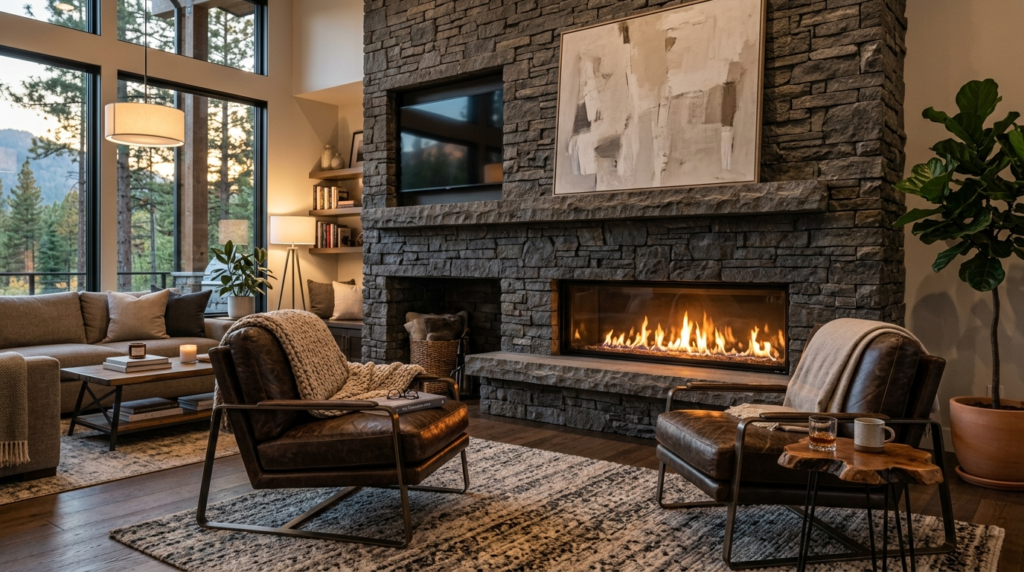
Most rooms have one main feature. It might be a fireplace or a large window. Orient your seating to face this star. This gives the eyes a place to rest. I suggest placing the sofa directly opposite the focal point. Add two chairs on the sides at a slight angle. This creates a soft U shape. It feels natural and balanced. If your focal point is a TV, keep it at eye level. Neck strain is a common design failure. Use a low console to keep the look clean. This layout is a classic for a reason.
2. The Window Seat Lounge
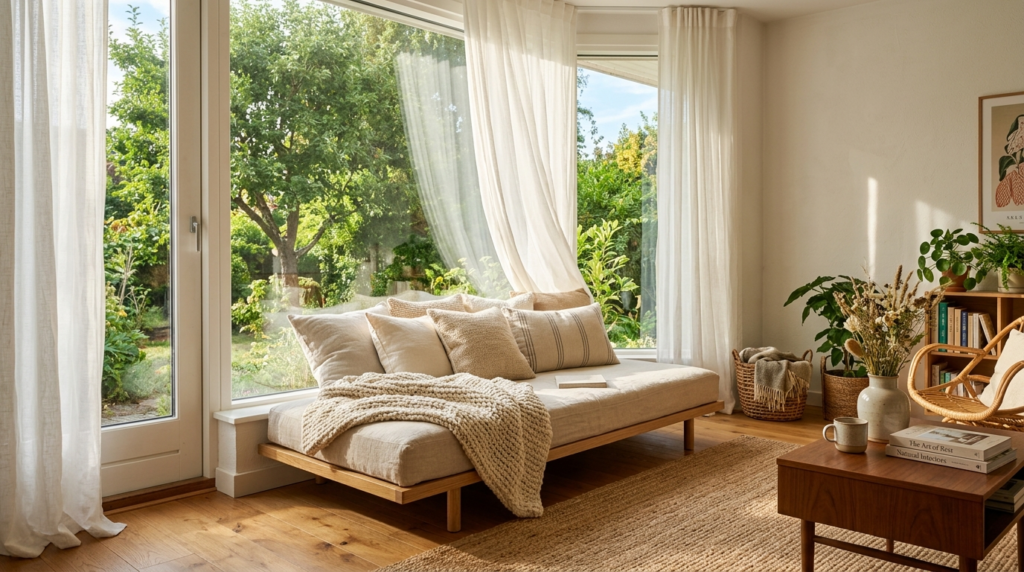
Small rooms benefit from using every inch. If you have a large window, put your seating right there. I love placing a low profile daybed under a window. It maximizes natural light. You can read a book while feeling the sun. Use sheer curtains to keep the light soft. Place a small side table at one end for your coffee. This layout keeps the center of the room open. It makes a 200 square foot space feel twice as big. Avoid bulky furniture that blocks the glass. Low backs are your friend here.
4. The Dual Zone Hybrid
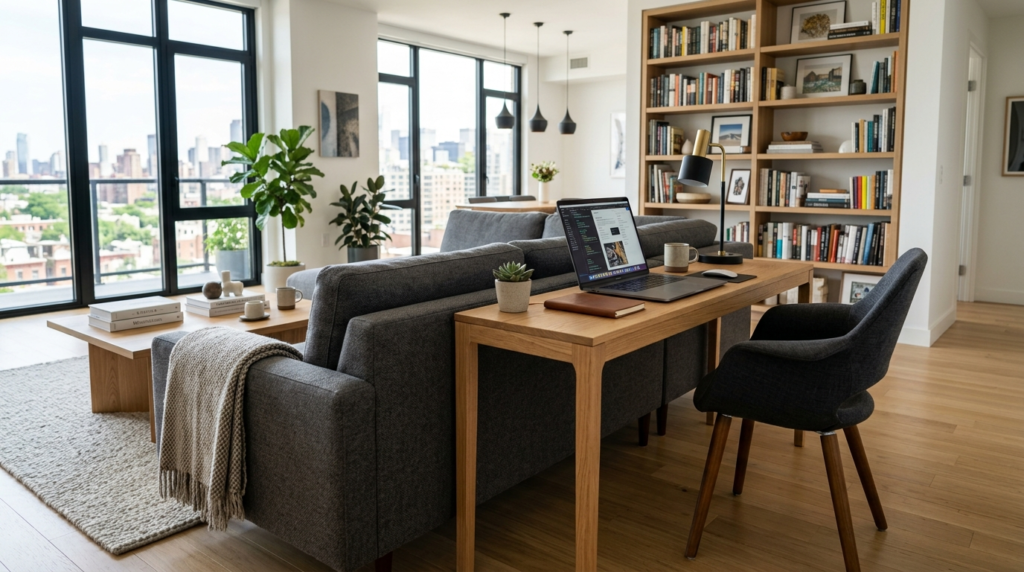
Open concept homes often feel like empty barns. You need to create zones. Use the back of a sofa to act as a wall. Place a desk or a dining table behind it. This splits the room without using physical barriers. I see this work well for people who work from home. One side is for Netflix and the other is for emails. Use different rugs to define each area. It gives the brain a signal to switch modes. Keep the color palette consistent so it feels like one cohesive space.
5. The Entryway Buffer Zone
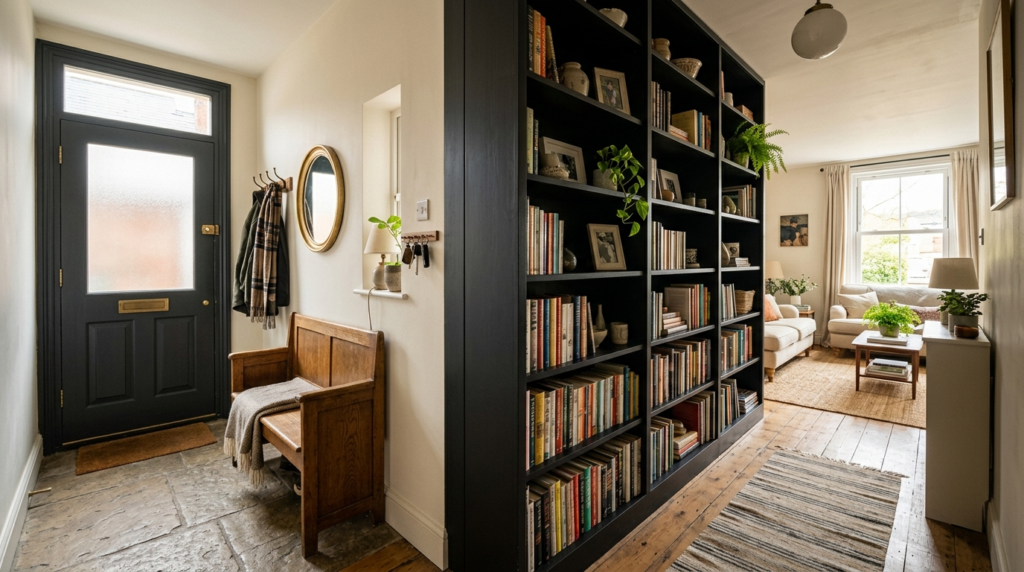
Some front doors open right into the living room. It feels exposed. You can create a fake entryway with furniture. Place a tall bookshelf or a console table perpendicular to the door. This blocks the direct view of the sofa. It gives you a place to drop keys and mail. I used a slim bench and a row of hooks for a client in a studio. It changed the whole vibe of the home. The living area felt like a private sanctuary. Add a small rug at the door to catch dirt.
6. The Corner Command Center
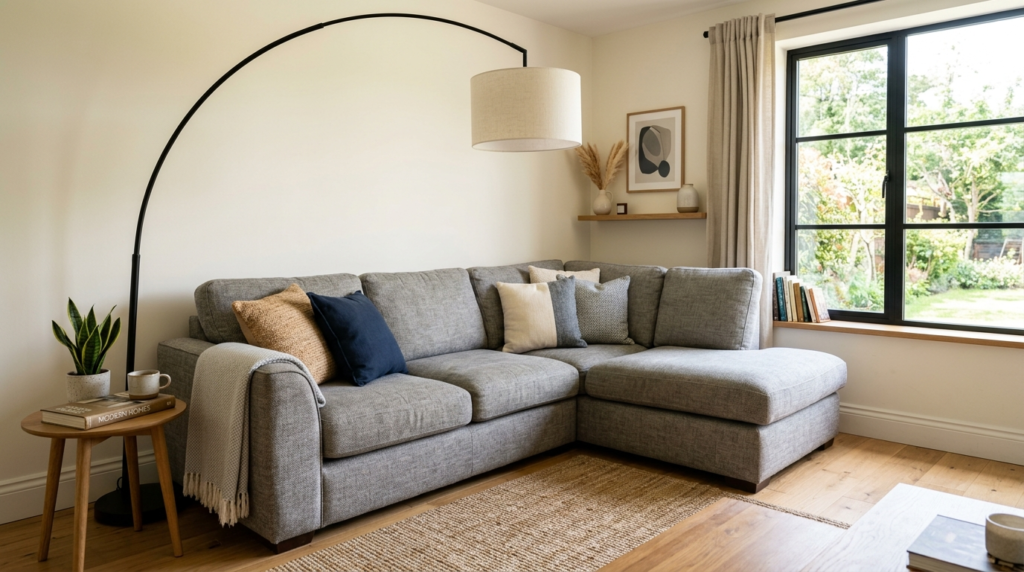
An empty corner is a wasted opportunity. Put a large sectional in the corner to maximize seating. This opens up the rest of the floor for kids to play or for yoga. I suggest choosing a sectional with a chaise. It provides a spot to stretch out without taking up more wall space. Put a tall floor lamp behind the corner piece. This draws the eye upward. It makes the ceiling feel higher. Use a large square coffee table to fill the gap in the middle. This layout is perfect for movie nights.
7. The Mirror Reflection Strategy
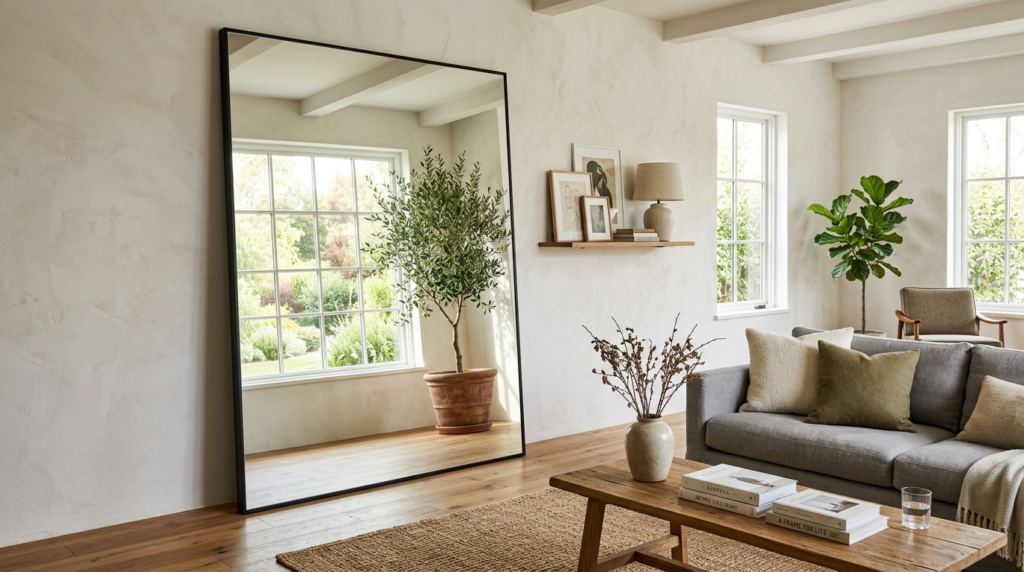
This is a trick for dark rooms. Place a large mirror directly across from your main window. Then, arrange your furniture to face the mirror. It bounces light into the corners. I tried this in my first apartment. It was a basement unit with tiny windows. The mirror made it feel like I had a second window. Use a sofa with metallic legs to add more shine. Keep the furniture light in color. Creams and pale grays work best. This layout feels airy and bright.
8. The Open Concept Divider
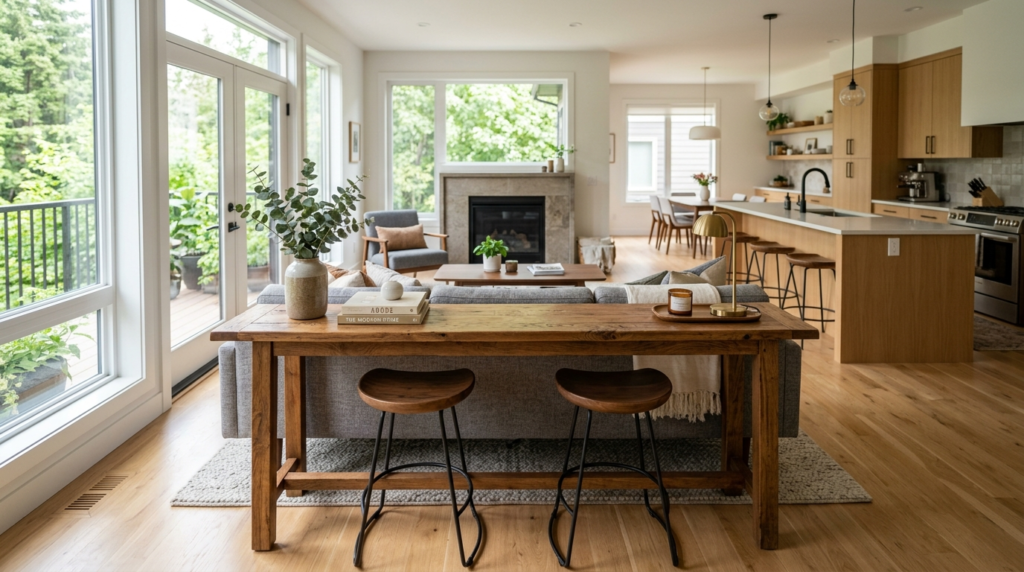
If your living room and kitchen are one big space, you need a clear line. Use a long console table behind your sofa. This creates a visual border. It also gives you extra storage for decor or lamps. I like to put two stools under the console. It creates a secondary seating spot for guests. This is great for parties. People can sit at the console and chat with those on the sofa. It keeps the energy flowing. Choose a console that matches the height of the sofa back.
9. The Long Narrow Solution
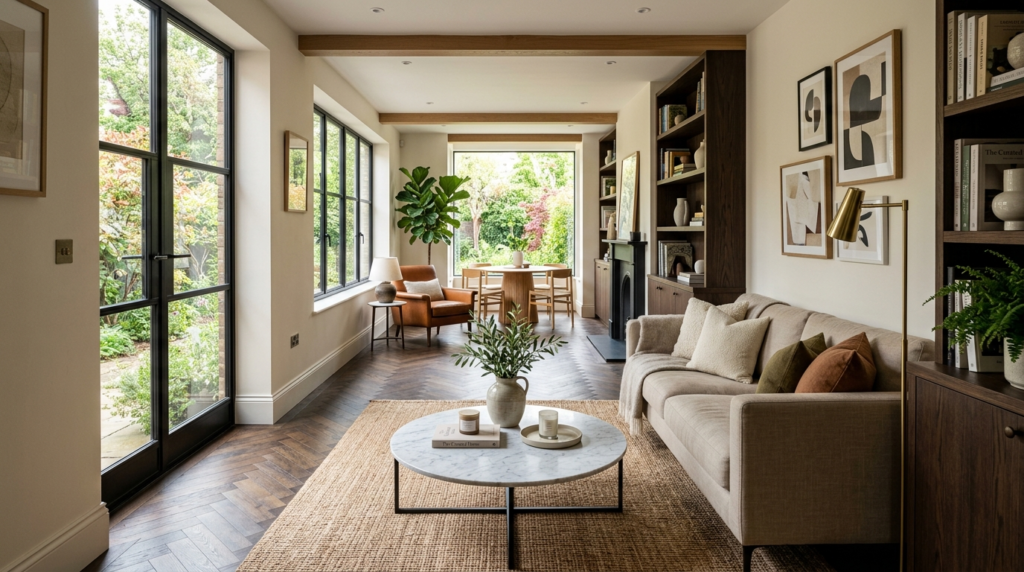
Narrow rooms feel like hallways. The goal is to break the length. Do not push all furniture against the long walls. This creates a bowling alley effect. Instead, create two small seating areas. Put a sofa in the middle and two chairs at one end. Use a round coffee table to soften the straight lines. I once helped a friend style a 10 foot wide room. We used a small loveseat and a leather pouf. It felt cozy instead of cramped. Keep the walking path on one side only.
10. The Formal Symmetry Look
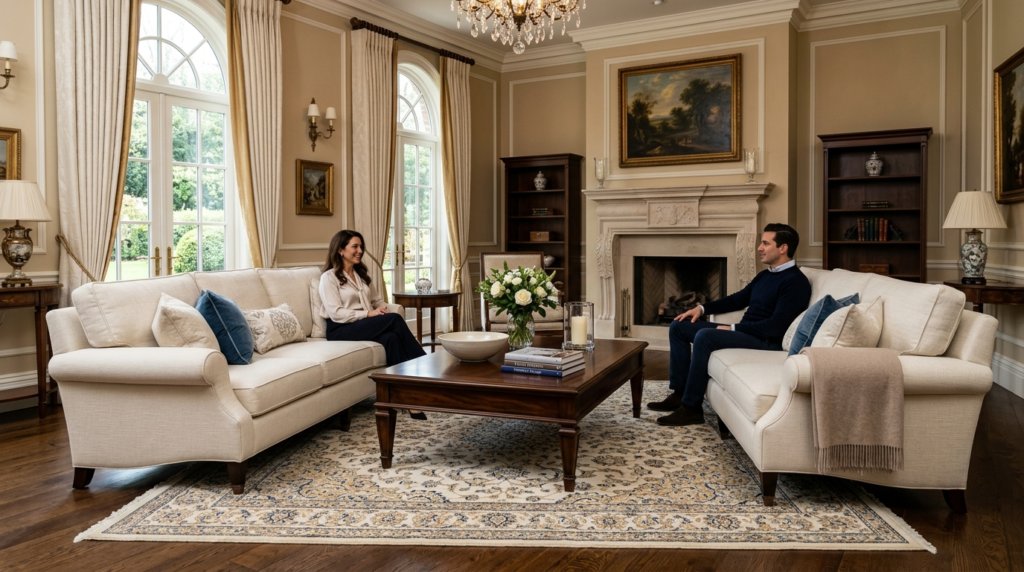
Symmetry creates a sense of calm. Place two identical sofas facing each other. Put a large coffee table in between. This is the gold standard for formal sitting rooms. It looks expensive and balanced. I use this when the room is used for hosting and conversation. Add matching side tables and lamps on both ends. This layout is very easy to pull off. It works best in rectangular rooms. Use art on the walls to anchor the ends of the sofas.
11. The Asymmetrical Gallery Style
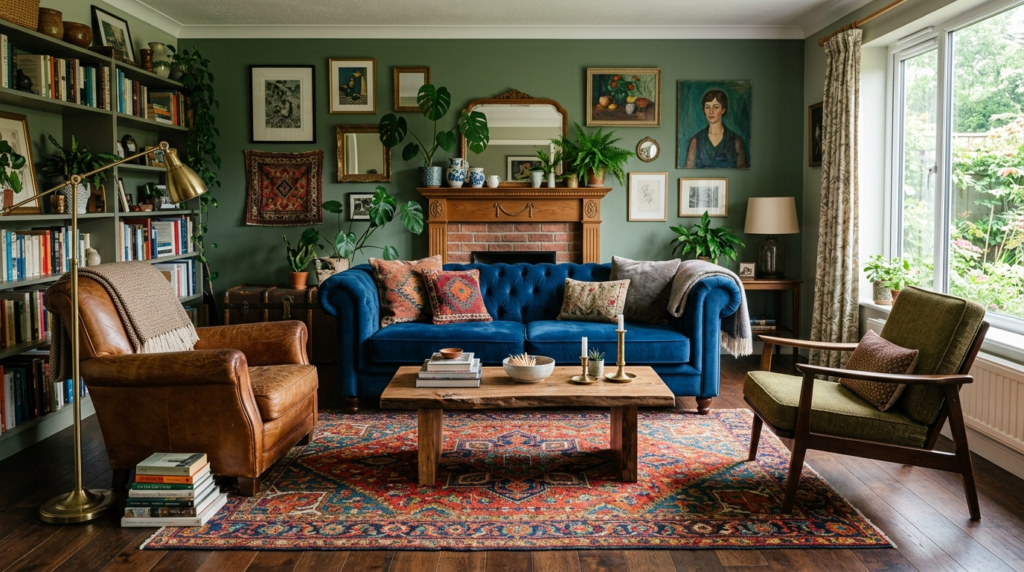
Some rooms have weird angles or off center doors. Embrace the mess. Place your main sofa on the largest wall. Then, use mismatched chairs on the other side. This feels lived in and artistic. I love using a mix of a modern chair and a vintage find. It tells a story. Use a gallery wall behind the sofa to tie it all together. The art should follow the line of the furniture. This layout is very forgiving for renters. You can adapt it as you move.
12. The Fireplace Social Hub
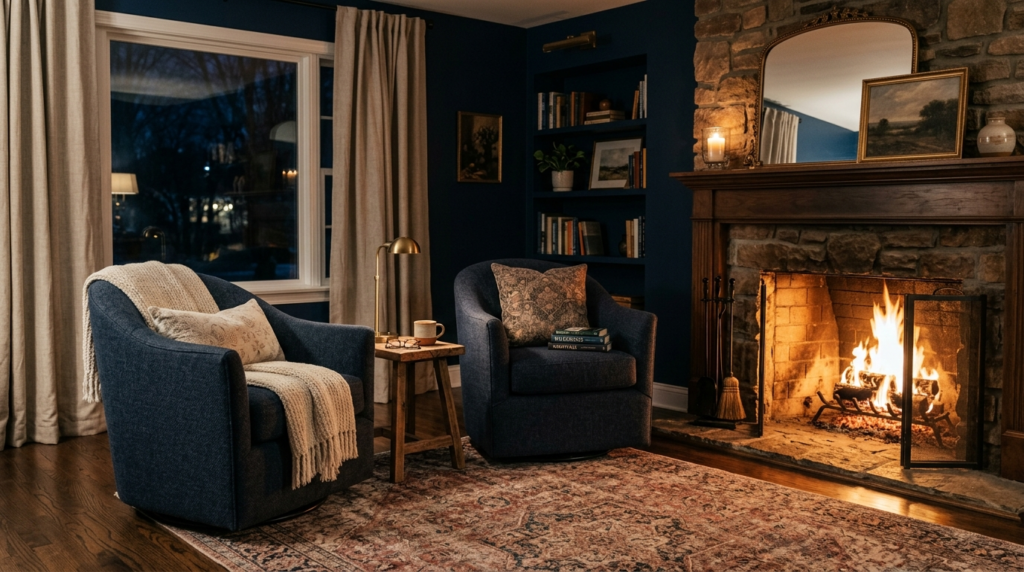
If you have a fireplace, do not just stare at it. Angle your chairs toward each other and the fire. This creates a cozy pit. Put a soft rug right in front of the hearth. I recommend using swivel chairs. They allow you to turn toward the TV or the fire. It is the best of both worlds. Keep the mantle clear of clutter. A single large piece of art works best. This layout makes the fireplace the heart of the home.
13. The Library Style Retreat
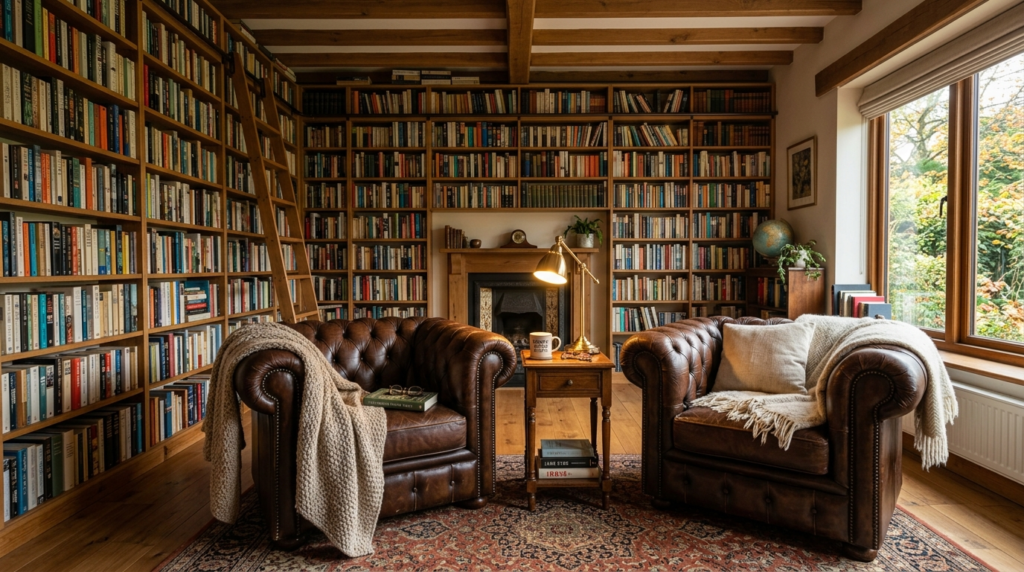
If you love books, turn your living room into a library. Wrap the walls in bookshelves. Place two comfortable armchairs in the center. Skip the large sofa if you do not host big groups. This layout is about quiet and comfort. I added a small bar cart to a library room for a client. It became their favorite spot for a nightcap. Use warm lighting and soft textures. A velvet chair feels great here. This is a high value change for book lovers.
14. The Playroom Integration
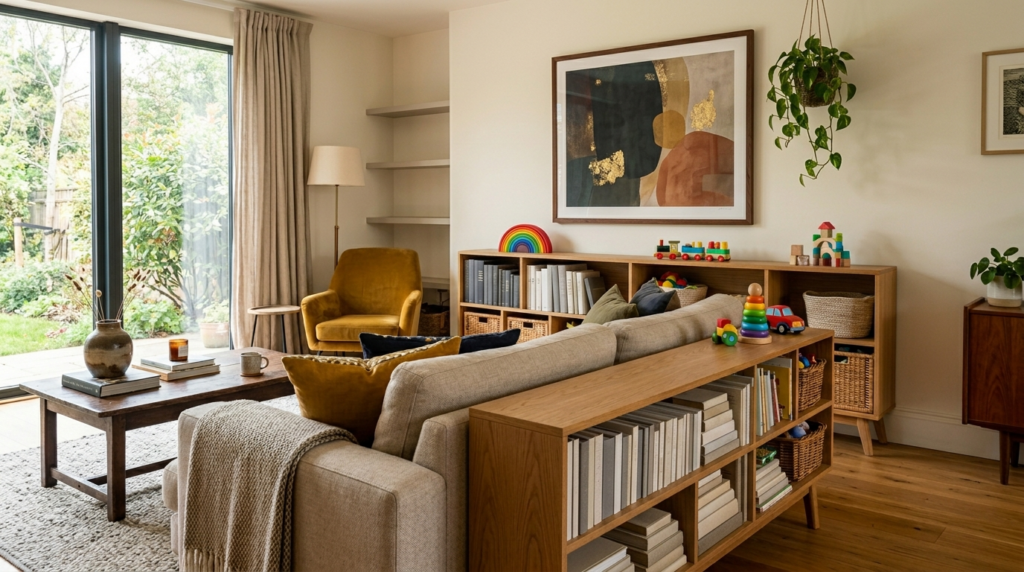
Parents often struggle with toy clutter. Use a layout that hides the mess. Place your sofa a few feet away from the wall. Put low storage bins behind it. This creates a hidden play zone. The kids stay close to you, but the blocks are out of sight. I saw this work perfectly in a suburban home. The living room stayed adult and chic. The kids felt they had their own “fort.” Use an indoor outdoor rug for easy cleaning. Spills happen and you need to be ready.
15. The Home Office Blend
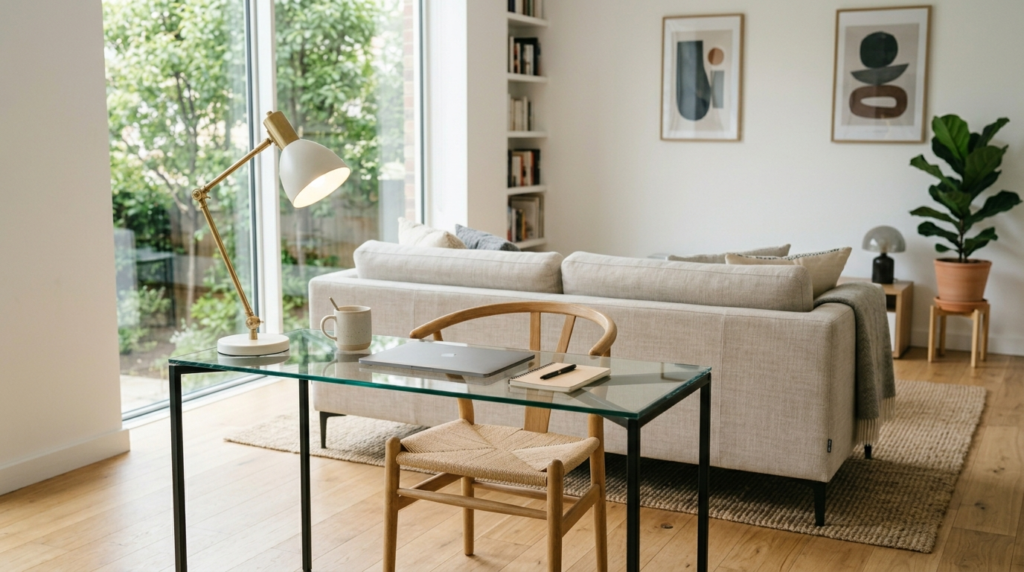
Many people need a desk in the living room. Do not hide it in a dark corner. Place the desk behind the sofa or next to a window. Use a chair that looks like a dining chair. This helps it blend with the decor. I suggest a glass desk to keep the look light. Avoid big black office chairs. They ruin the vibe. Keep your cords hidden with clips. A tidy desk looks like an intentional design choice. This layout maximizes utility in small homes.
16. The Sunroom Transition
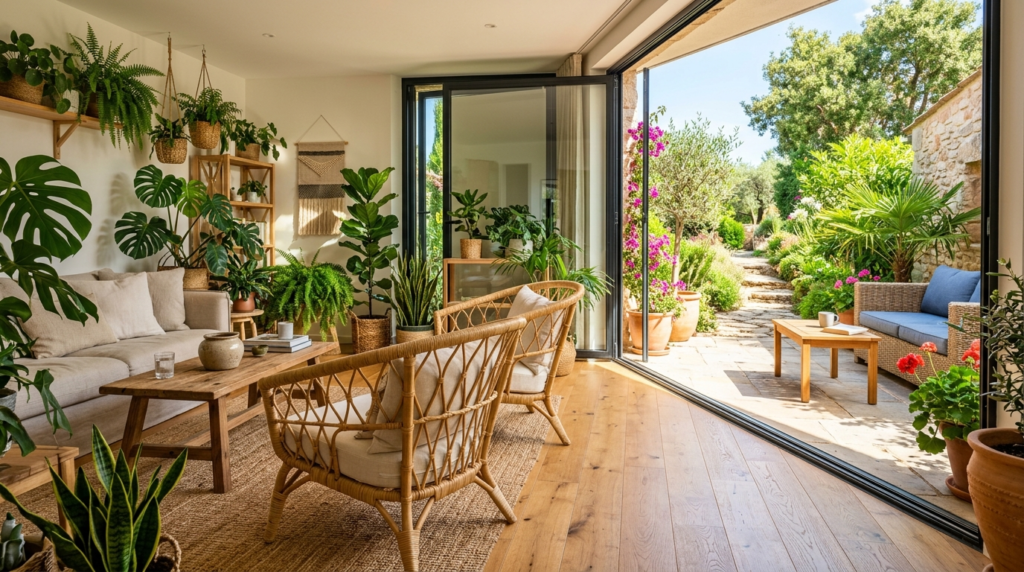
If your living room leads to a patio, keep the view clear. Use low profile furniture near the doors. Arrange your seating in an L shape away from the exit. This guides people toward the outdoors. I like using natural materials like rattan or wood here. It bridges the gap between inside and out. Use plants to soften the corners. This layout feels like a permanent vacation. It is perfect for homes with a lot of natural greenery.
17. The Wrap Around Sectional
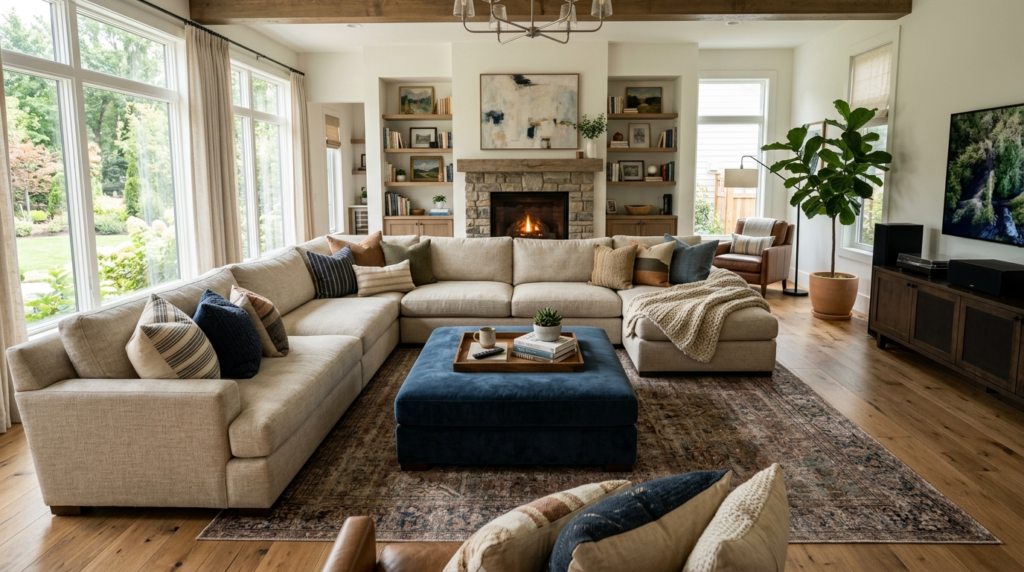
Big families need big seating. A large U shaped sectional fills a big room perfectly. It provides a spot for everyone. I recommend choosing a fabric that is easy to spot clean. Darker tones or performance fabrics are best. Put a large ottoman in the center instead of a hard table. It acts as extra seating or a footrest. This layout is about maximum comfort. It is the best setup for Sunday sports or movie marathons. Make sure the rug is big enough to go under all sides.
18. The Twin Sofa Face Off
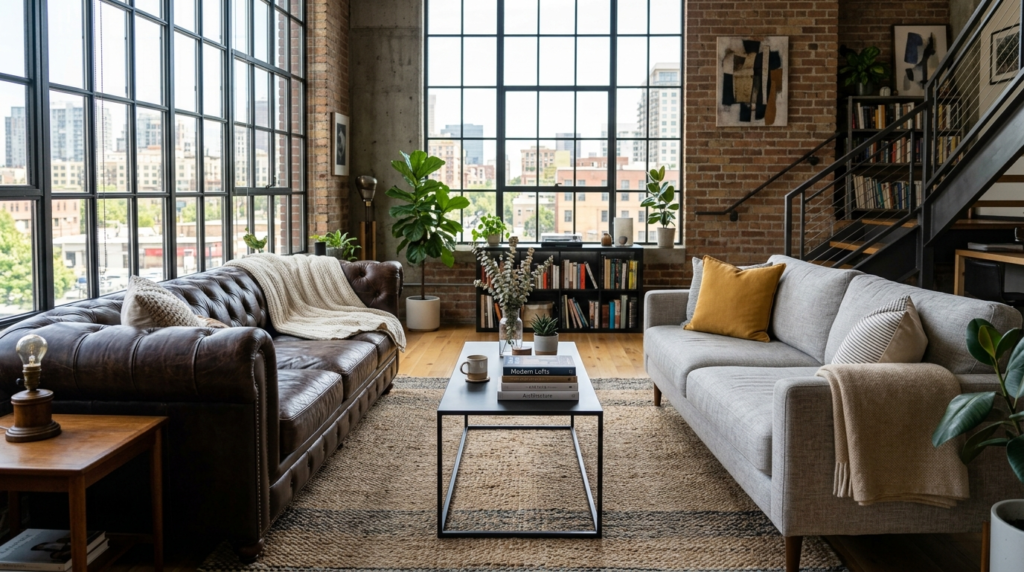
This is different from symmetry. Use two different sofas that share a similar scale. Place them facing each other. This feels more modern and less stiff than a matched set. I once paired a leather sofa with a linen one. The texture contrast was beautiful. Put a narrow table between them. This layout is great for long conversations. It works well in rooms that are wide but not very deep. Use colorful pillows to link the two pieces together.
19. The Diagonal Dynamic Shift
If your room feels like a box, turn the furniture. Place your rug and sofa at a 45 degree angle. This makes the room feel wider. It is an old designer trick for boring spaces. I used this in a square apartment. It created a sense of movement. The corners became useful spots for floor plants. It feels unexpected and fresh. Be careful with traffic paths. You do not want to trip over a corner. This layout is bold and fun.
20. The Studio Alcove Setup
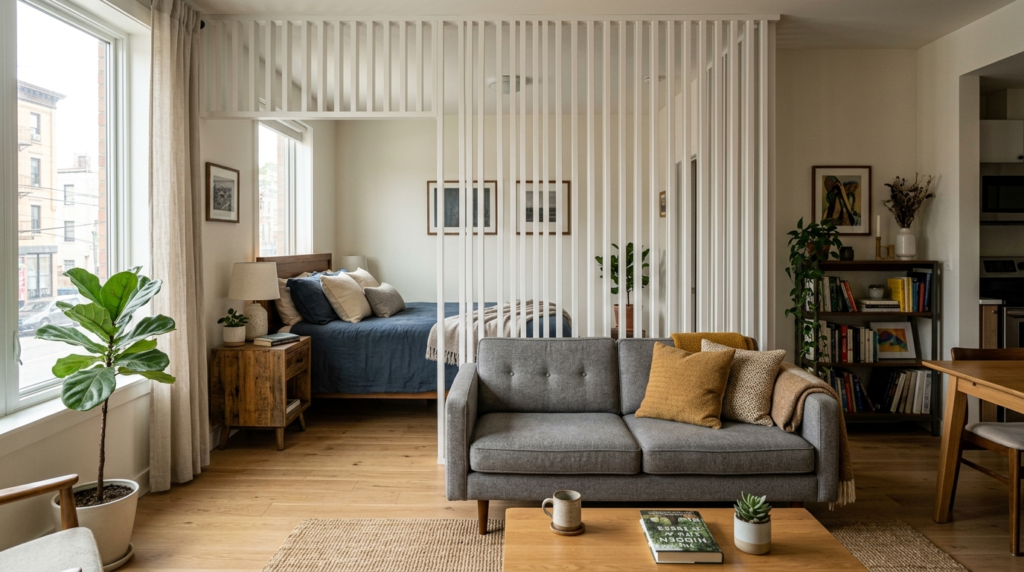
In a studio, your living room is also your bedroom. Use a tall headboard or a screen to divide the space. Place the sofa with its back to the bed. This creates two distinct “rooms.” I lived in a 400 square foot studio for three years. This layout saved my sanity. It made me feel like I wasn’t sleeping in my kitchen. Use a light color for the divider to keep the room open. Mirrors on the walls will help the space feel less boxed in.
21. The Large Multi Zone Great Room
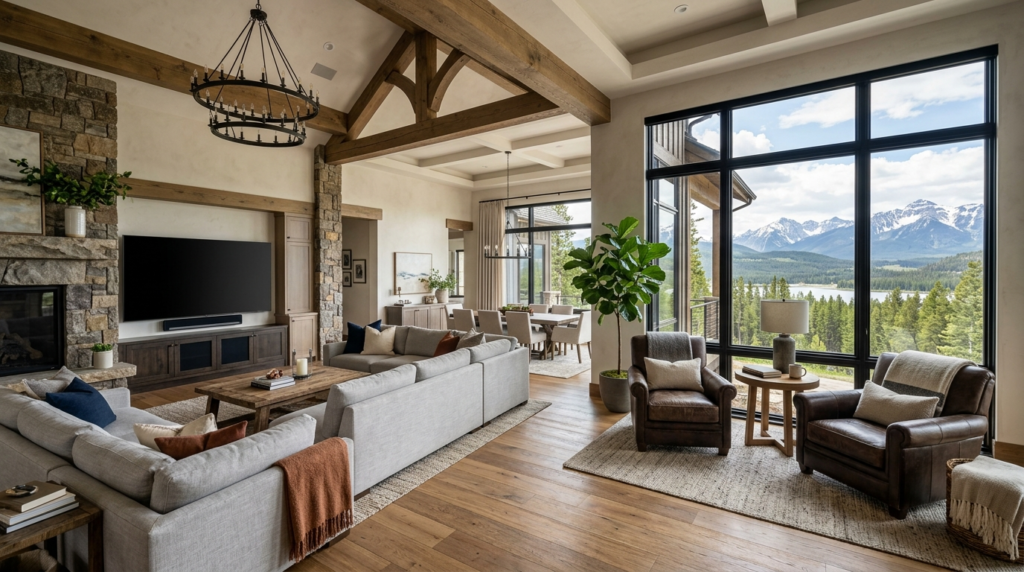
Large rooms need more than one seating group. Create a main area for TV. Then, create a smaller nook for reading or coffee. I like to put two chairs by a window as the second zone. This gives guests options during a party. Use different heights of furniture to create visual interest. A tall cabinet in one zone and low chairs in another works well. This layout makes a huge room feel human and warm. It stops the “echo” feeling of empty space.
22. The Cozy Basement Lounge
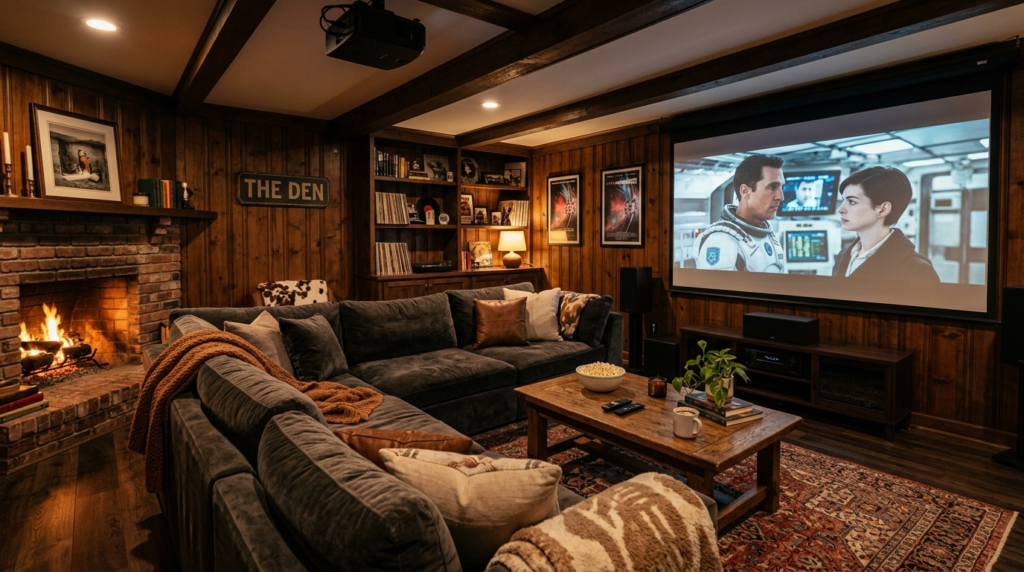
Basements often have low ceilings and no light. Embrace the dark. Use a deep, plush sofa and lots of pillows. Arrange everything around a large TV or projector screen. I suggest using warm wood tones to add heat to the room. Avoid cool grays here. They make basements feel like caves. Use wall sconces instead of floor lamps to save space. This layout is all about the “snug” factor. It is the perfect place for a winter hideaway.
23. The Attic Angled Layout
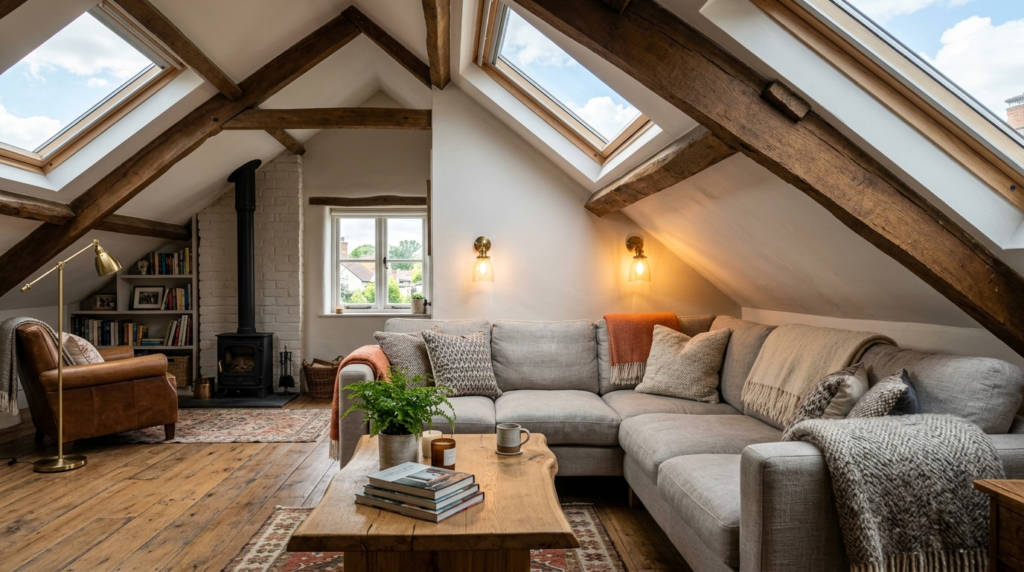
Attics have sloped ceilings that are hard to style. Put your seating under the lowest part of the slope. You are sitting down anyway, so you do not need the height. This leaves the center of the room for walking. I used this for a guest suite in an old farmhouse. It felt like a cozy nest. Use wall mounted lights because floor lamps might not fit. Keep the colors light to fight the “attic” gloom. This layout turns a weird space into a feature.
Comparison of Living Room Layouts
| Layout Type | Best For | Pros | Cons |
| Floating Circle | Large Rooms | Social, High End | Harder to see TV |
| Focal Point | Standard Rooms | Clear View, Easy | Can feel stiff |
| Window Seat | Small Rooms | Bright, Space Saving | Limits window access |
| Dual Zone | Open Concept | Organized, Useful | Needs more furniture |
| Corner Command | Families | Comfortable, Big | Bulky appearance |
| Symmetrical | Formal Rooms | Balanced, Calm | Needs two sofas |
Essential Tools for Room Planning
Planning a room is easier with the right tools. I always start with a measuring tape. Do not guess the size of your walls. I recommend using a digital floor planner. Roomstyler is a great free option. It lets you see the room in 3D. Floorplanner is another simple tool for 2D layouts. For colors, use Sherwin-Williams ColorSnap. It helps you match furniture to paint. If you want professional help, look at Havenly. They offer affordable online design. I also suggest using blue painter’s tape on your floor. Tape out the size of the sofa before you buy it. This prevents the “it’s too big” shock. It is a cheap way to test your ideas.
Frequently Asked Questions
How do I arrange furniture in a very small living room?
Keep the center open. Use furniture with legs so you can see the floor. This makes the room feel bigger. Use a large rug that goes under all pieces. Avoid small rugs as they chop up the space. Use vertical space with tall shelves. This draws the eye up and away from the small floor.
Where should I put a TV in a room with many windows?
Do not put it directly opposite a window. The glare will be terrible. Place it on a wall perpendicular to the window. Use blackout curtains if you have no choice. I prefer putting the TV on a low console. This keeps it from blocking the view. Swivel mounts are also a great solution.
How do I choose the right rug size?
Your rug should be large. At least the front legs of all furniture should sit on it. For a large room, an 8 by 10 or 9 by 12 is standard. Small rugs look like “postage stamps” and ruin the layout. If you have a rug you love that is too small, layer it. Put it on top of a larger, cheaper jute rug.
Can I put a sofa in front of a radiator?
It is not ideal. It blocks the heat and can damage the fabric. If you must, leave at least six inches of space. This allows air to circulate. I prefer using that spot for a metal console or a bookshelf. Those materials handle the heat better.
How do I handle an off center fireplace?
Ignore the symmetry. Balance the weight of the fireplace with a large plant or a tall lamp on the other side. Arrange your furniture in a way that feels comfortable. You do not have to center the sofa on a fireplace that isn’t centered on the wall. Use art to create a new focal point if needed.
Conclusion
Layout is the foundation of a good home. It changes how you feel every morning. I have seen simple shifts change a dark room into a bright sanctuary. Start with one of these 23 ideas. Move your furniture this weekend. Do not be afraid to try something weird. The worst thing that happens is you move it back. Your home is a place for your life to happen. Make sure it has the space for it. Which layout will you try first?
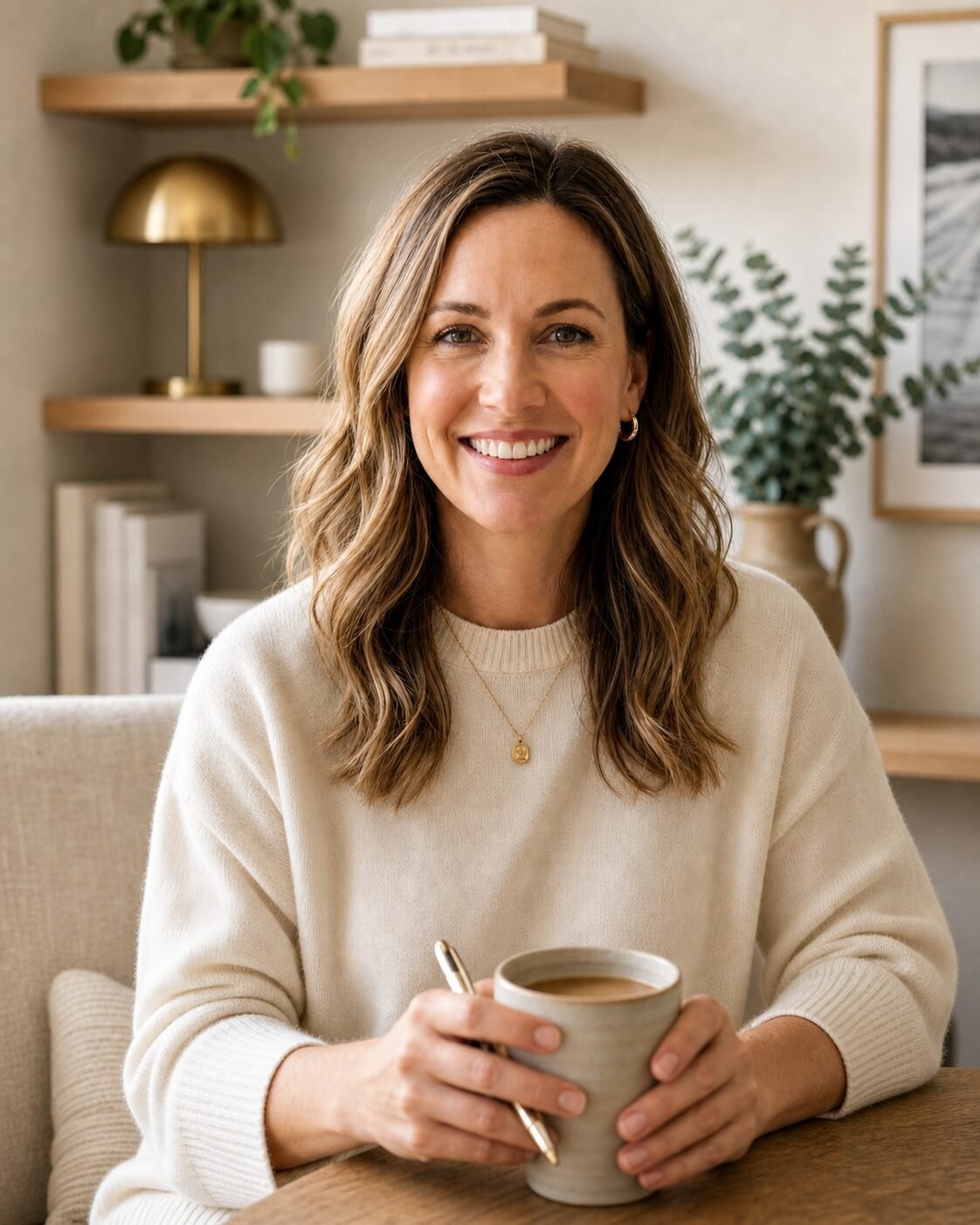
Sloane Whitaker is the Editor-in-Chief at Home Wall Trends, leading editorial direction with over a decade of experience in residential interior design and home styling. Her specialty is space planning and layout, the unglamorous fundamentals that make a beautiful room actually function. A graduate of the New York School of Interior Design, Sloane has styled over 200 client homes before turning her focus to digital publishing. Her editorial standard: “If a reader can’t picture themselves doing it on a Saturday afternoon, we haven’t explained it well enough.”