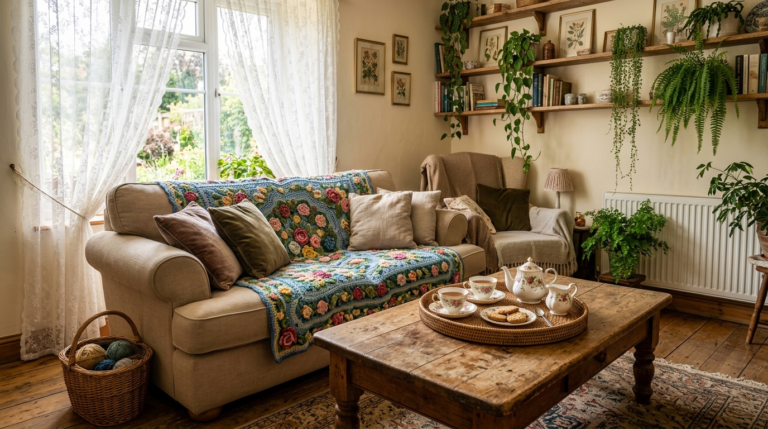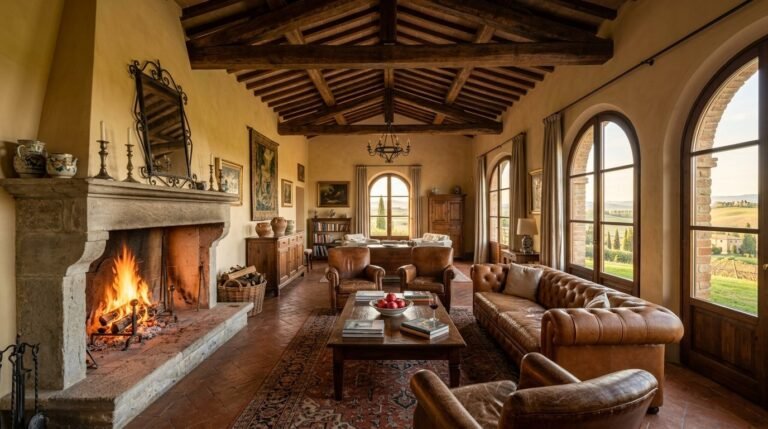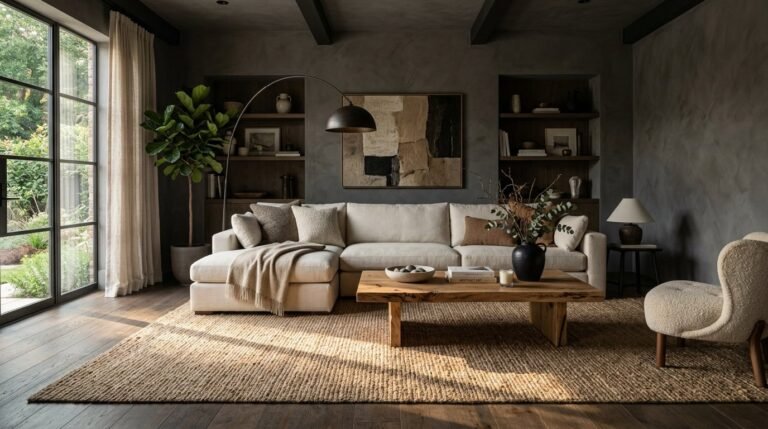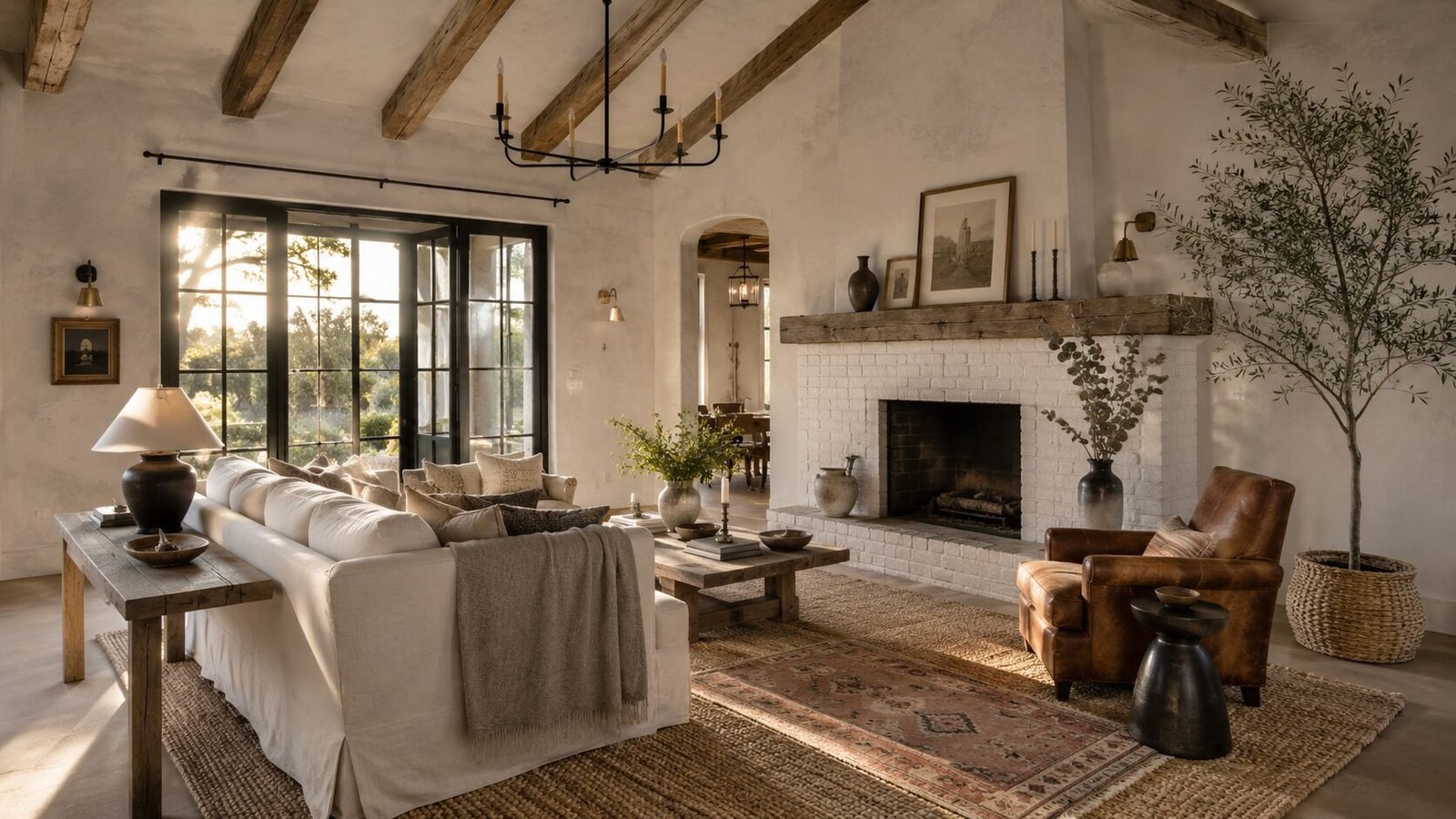
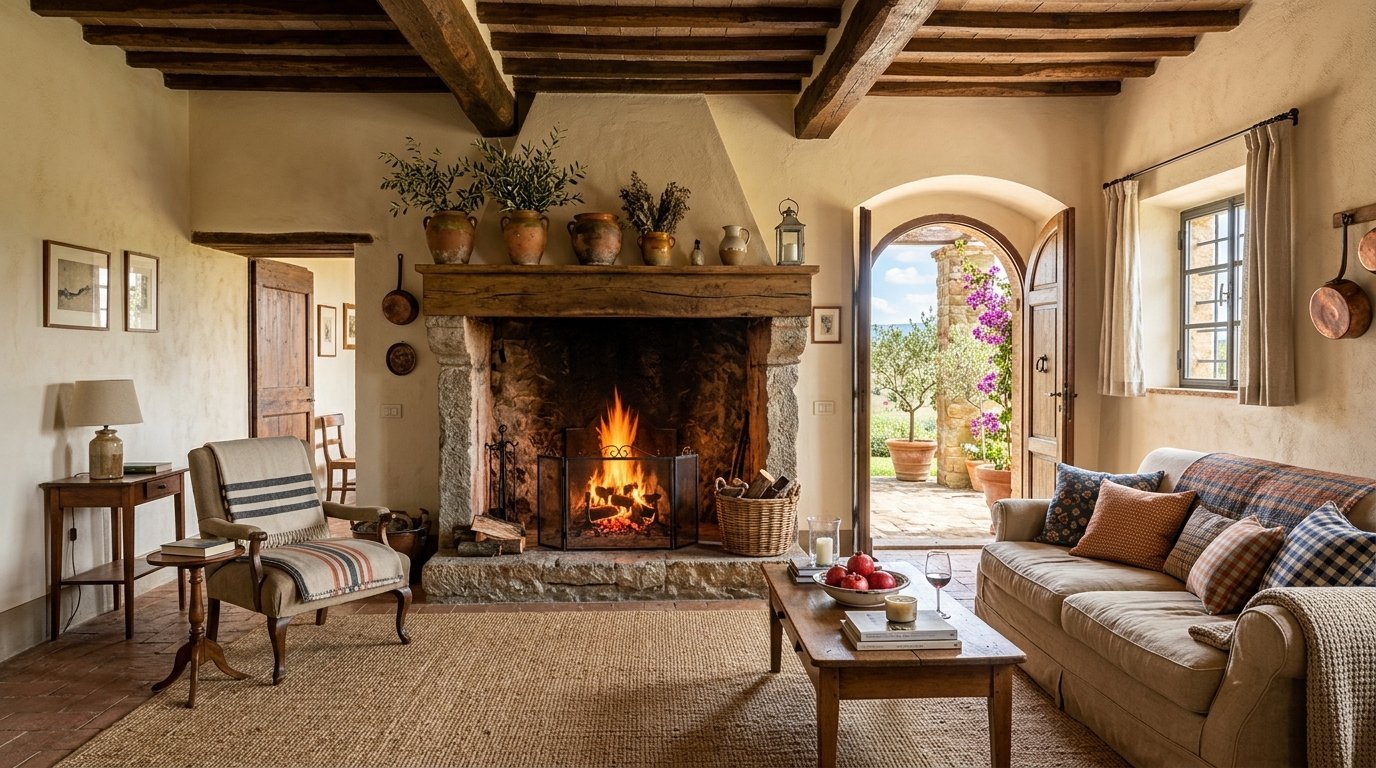
Last October I visited a small villa outside Siena. The living room had floors that looked like they had been there for three hundred years. The air felt heavy but cool. Sunlight hit a plastered wall and turned it a deep gold color. That moment changed how I think about home design. Most people think Tuscan style is just about yellow paint and wine decor. Real Tuscan design is about history and texture. It is about creating a space that feels like it has a soul. I want to show you how to get that feeling in your own house. You do not need an Italian zip code to make this work. You just need to understand how materials and light interact.
Executive Summary
This guide provides 23 specific ways to bring Italian warmth into your home. You will see how to use natural stone and heavy wood to ground your space. I cover everything from five dollar thrift finds to five thousand dollar floor renovations. We will look at why modern gray trends often fail in these spaces. I also share my own mistakes with choosing the wrong grout colors. You will discover how to mix high end brands like Arhaus with local antique finds. By the end of this article you will have a clear plan for a room that feels both luxury and lived in. We focus on results that look great on camera and feel better in person.
1. Reclaimed Terracotta Floors
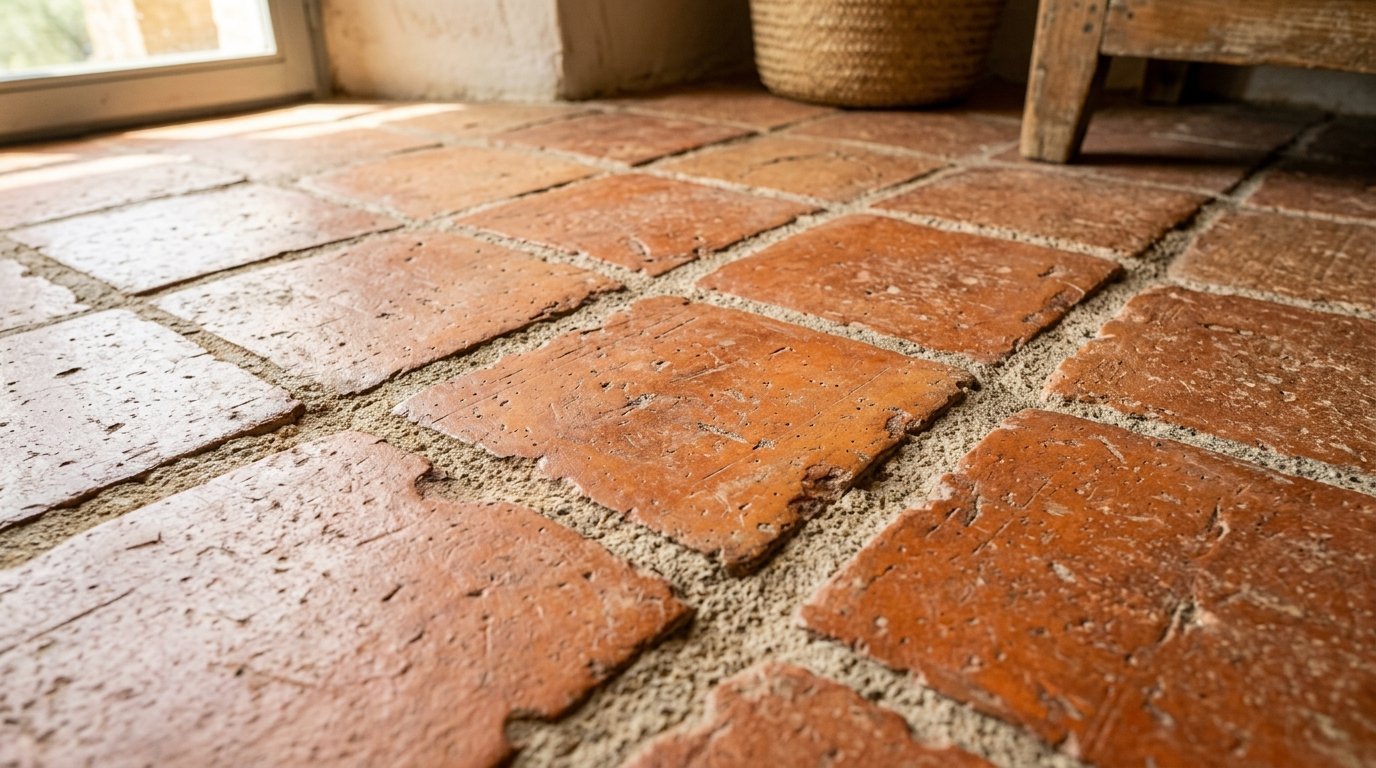
Traditional terracotta tiles create an instant earthy foundation. I saw a renovation last year where the owner swapped cold gray porcelain for reclaimed Italian clay. The temperature of the room felt five degrees warmer immediately. Stick to matte finishes rather than high gloss. High gloss tiles reflect light in a way that feels synthetic. You want the floors to look like they survived a century of footsteps. Brands like Clé Tile or Saltillo Tile offer authentic options. Expect to pay between 15 and 30 dollars per square foot for high quality reclaimed materials. Install these with wide grout lines in a sandy buff color. This small detail prevents the floor from looking like a modern grid. It grounds the space in history.
2. Hand Applied Plaster Walls
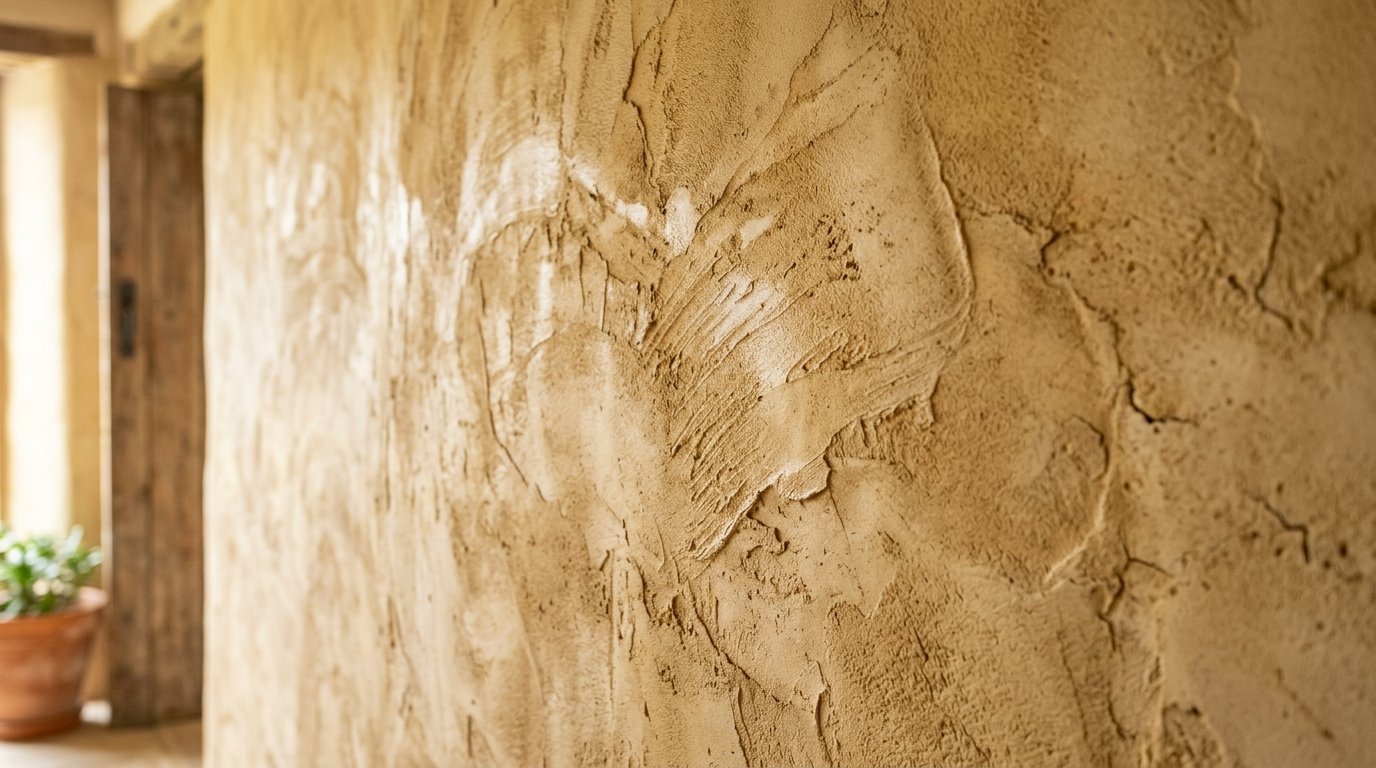
Flat drywall kills the Tuscan vibe. I always recommend a hand applied plaster or a high quality lime wash. I used a product called Roman Clay from Portola Paints in a project recently. The way the light catches the trowel marks is incredible. It creates a subtle movement that flat paint cannot replicate.
Beginner Approach
Use a color like Navajo White from Benjamin Moore. Apply it with a sponge for a soft mottled look.
Professional Strategy
Hire a pro to apply authentic lime plaster. This breathes better and resists mold naturally.
Troubleshooting
If your plaster looks too blotchy you probably applied it too thick. Keep layers paper thin.
3. Exposed Hand Hewn Beams
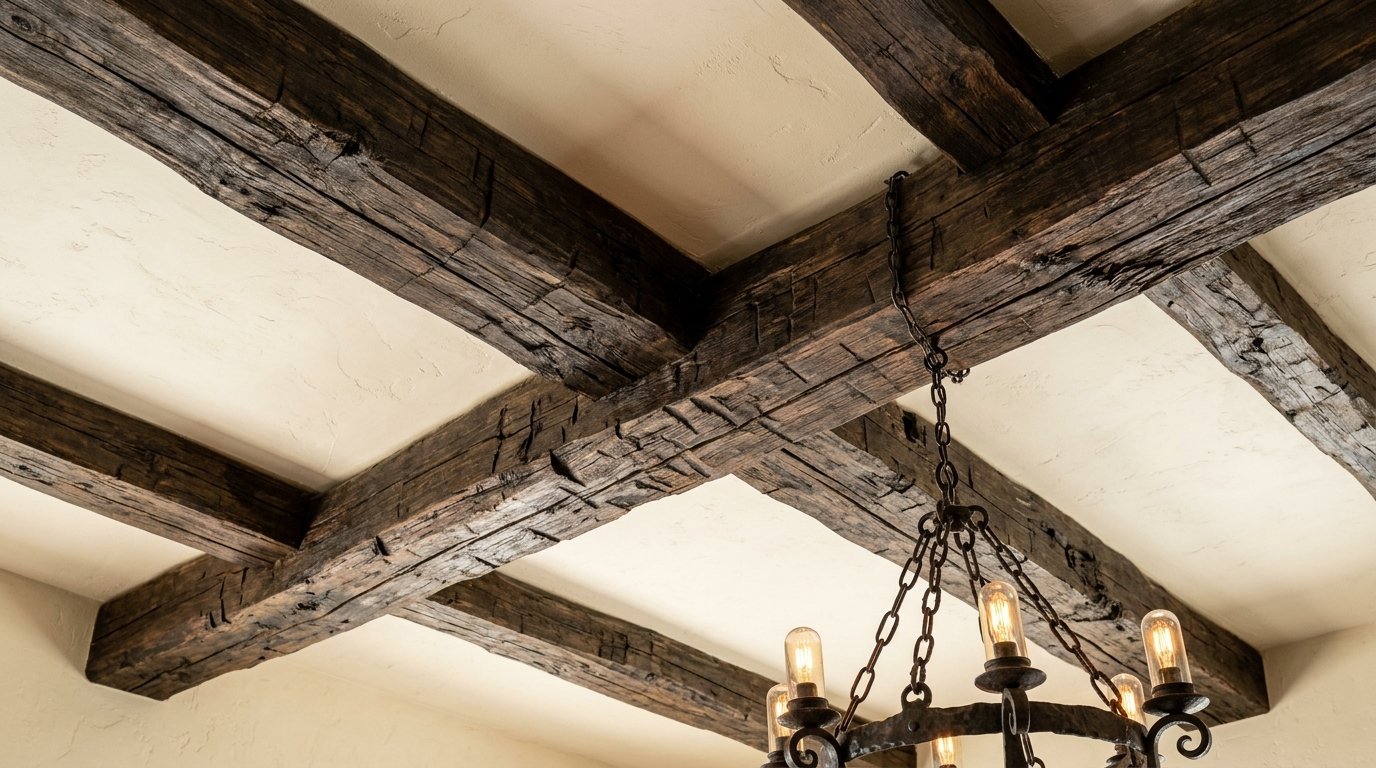
Nothing says rustic Italy like heavy ceiling timbers. I once worked on a house where we added faux wood beams. They looked okay from a distance but felt hollow up close. If you can afford it go for solid reclaimed oak. If you are on a budget use high density foam beams that have a realistic grain. Stain them in a dark walnut shade. This creates a strong visual anchor for the ceiling. It makes the room feel shorter and more intimate. This is exactly what you want for a cozy evening vibe. Aim for beams that are at least six inches wide. Smaller beams look like an afterthought.
4. Oversized Arched Windows
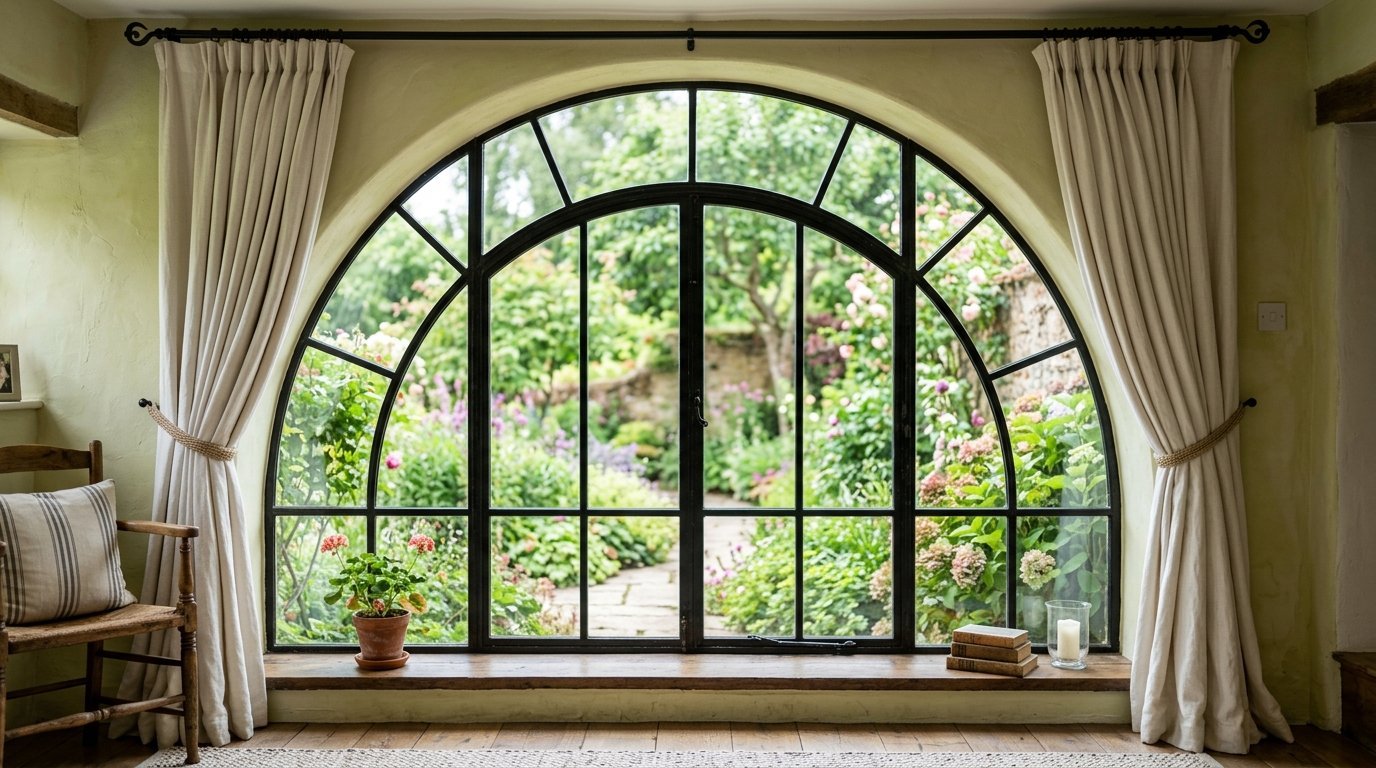
The arch is a staple of Mediterranean architecture. If you are not ready to replace your windows you can use a trick I learned. Use arched mirrors to mimic the shape. Place them opposite your main light source. This bounces light around the room and adds that signature curve. For those doing a full remodel look at brands like Pella for custom arched casements. Black iron frames provide a beautiful contrast against light plaster walls. Arches soften the straight lines of modern furniture. They draw the eye upward and celebrate the height of your ceilings.
5. Wrought Iron Chandeliers
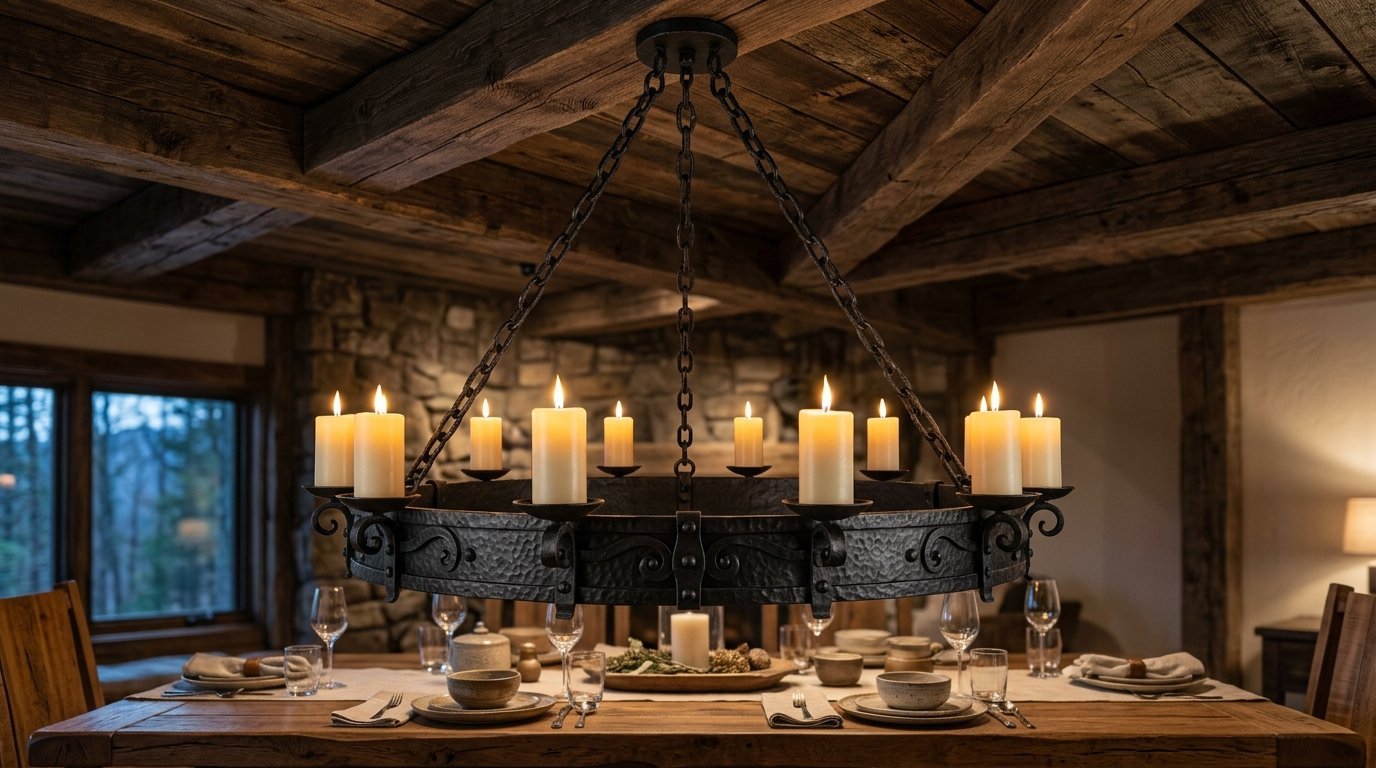
Lighting should be heavy and dark. I have seen too many people put delicate crystal in a Tuscan room. It looks out of place. Go for a large wrought iron ring chandelier. I found a great one at Restoration Hardware that uses faux candles. It adds a medieval touch without feeling like a castle. The dark metal ties in with window hardware and furniture pulls. Make sure the scale is right. A small light in a large room looks cheap. For a standard living room look for a diameter of at least 36 inches. This creates a focal point that commands attention.
6. Sun Washed Ochre Palette
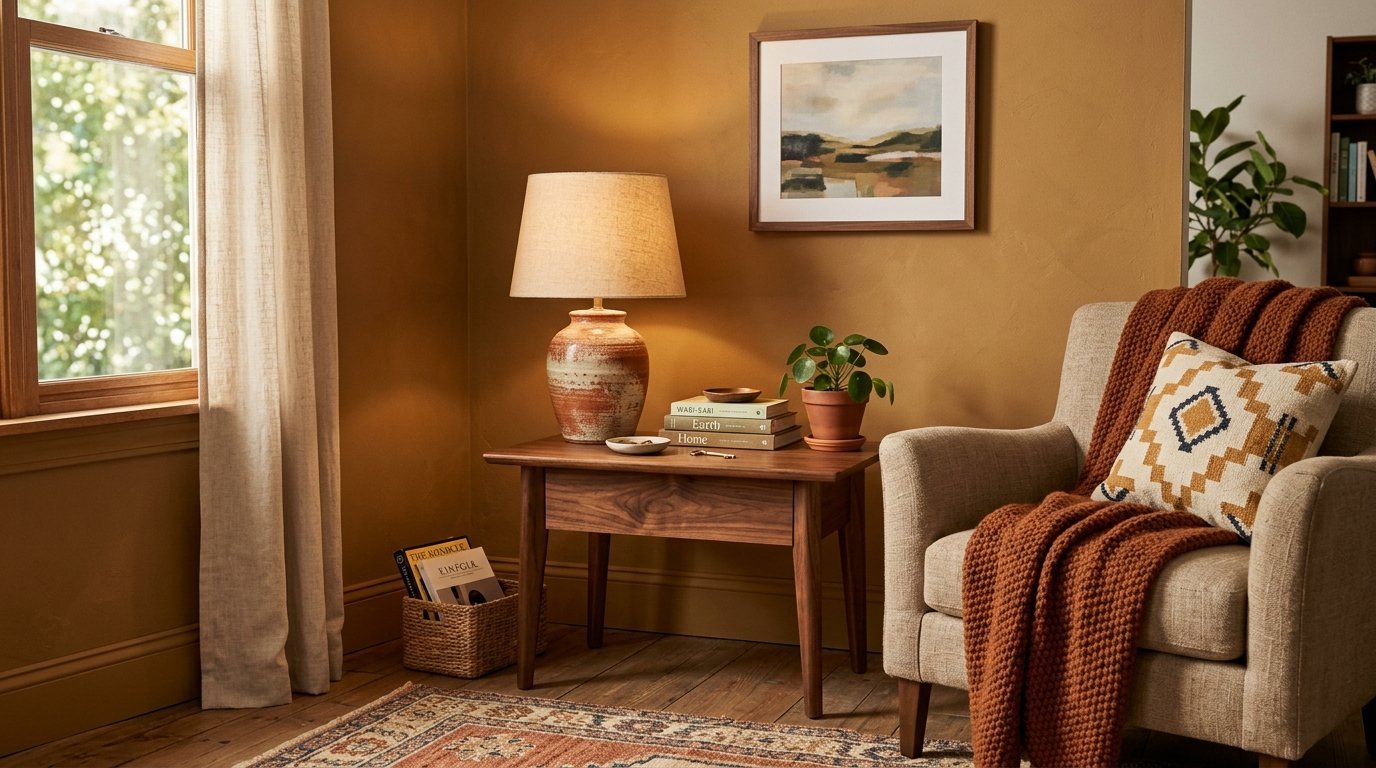
Forget bright primary colors. Tuscan tones are muted by the sun. Think about the color of a dried peach or a dusty road. I prefer Sherwin Williams Spicy Hue for a bold accent wall. It feels warm but not overwhelming.
Implementation Timeline
Painting a room takes two days. Spend day one on prep and day two on two thin coats.
Cost Analysis
Expect to spend 200 dollars on high quality paint and supplies for a standard room.
7. Rustic Stone Fireplace Mantels
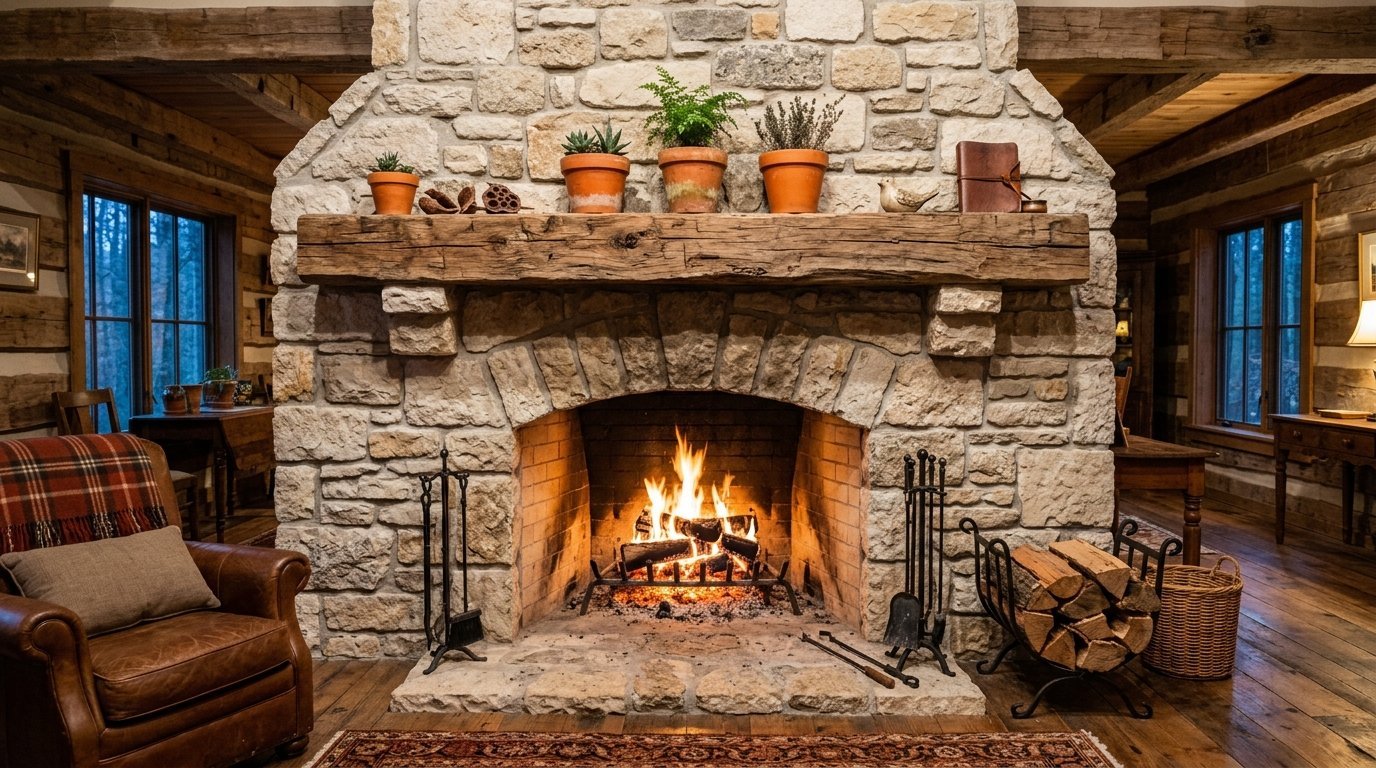
The fireplace is the heart of an Italian home. I once visited a house where they used thin stone veneer. It looked fake because the corners did not align correctly. If you use stone go for thick pieces. Travertine or limestone are perfect choices. They have a porous texture that feels ancient. Avoid shiny marble as it feels too formal. A chunky wood beam used as a mantel adds extra character. Place a few terracotta pots on top to complete the look. This creates a natural gathering spot for family.
8. Antique Walnut Credenzas
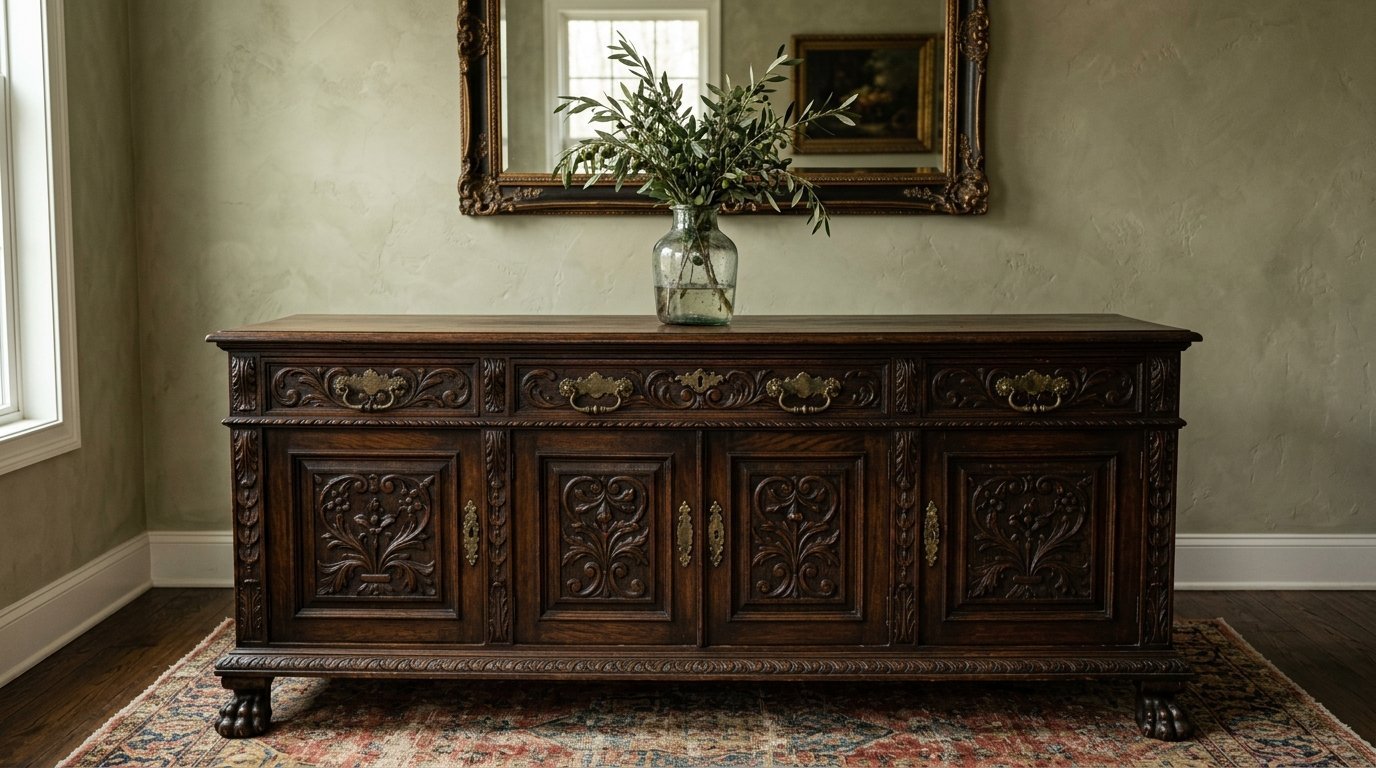
Furniture should be bulky and dark. I often browse Etsy for vintage Italian sideboards. Look for pieces with carved details and heavy brass hardware. A walnut finish has a red undertone that glows under warm lights. I found an old cabinet at a local thrift store for 50 dollars. After a bit of sanding and some dark wax it looked like a 2000 dollar antique. Do not be afraid of scratches or dings. In this style those imperfections are called character. They tell a story of a life well lived.
9. Distressed Leather Seating
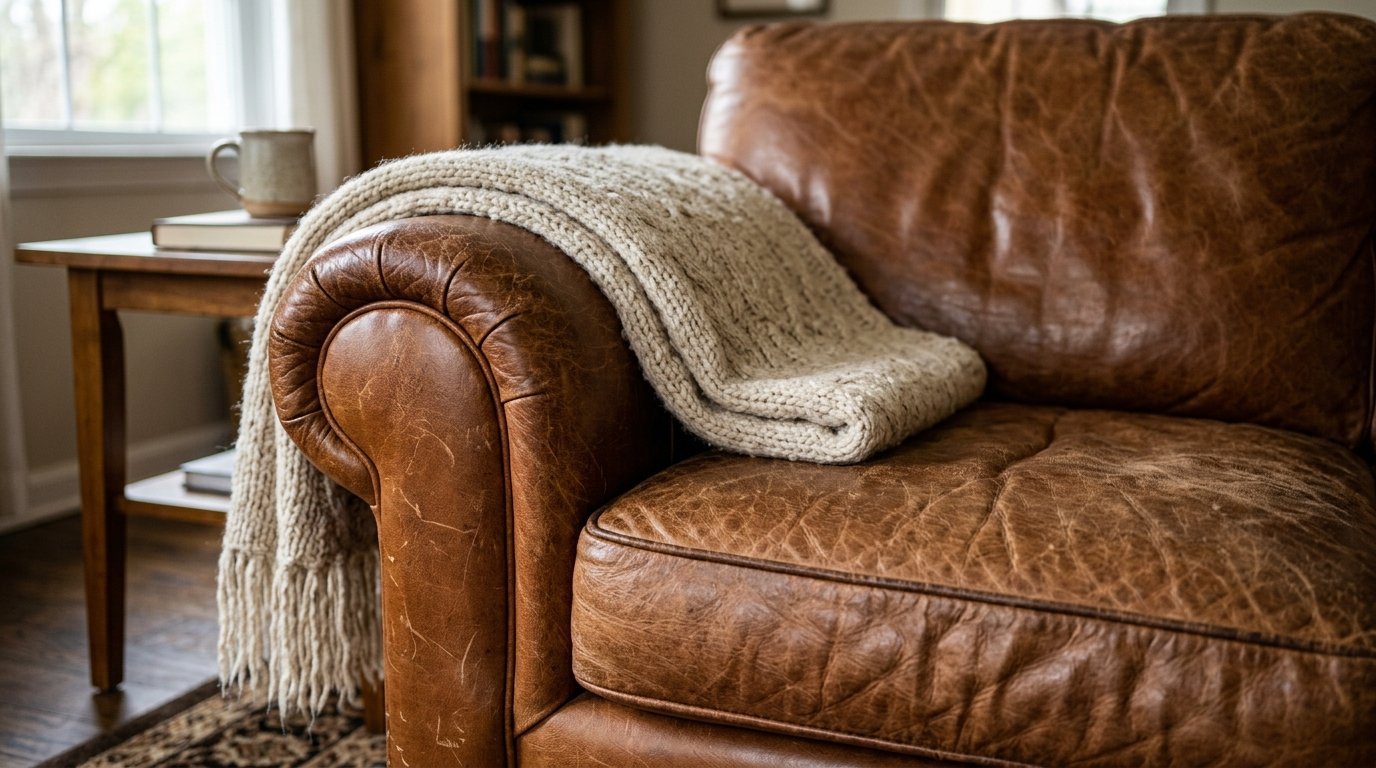
A leather sofa is a workhorse in a Tuscan room. I recommend the Maxwell sofa from Restoration Hardware in a burnt caramel shade. Leather develops a patina over time that looks better with age. It stands up to kids and pets while maintaining a luxury feel. I have seen white fabric sofas in these rooms but they often feel too stiff. Leather adds a masculine edge that balances the soft plaster walls. It feels cool in the summer and warm in the winter. This is a high ticket item but it lasts decades.
10. Linen Slipcovered Sofas
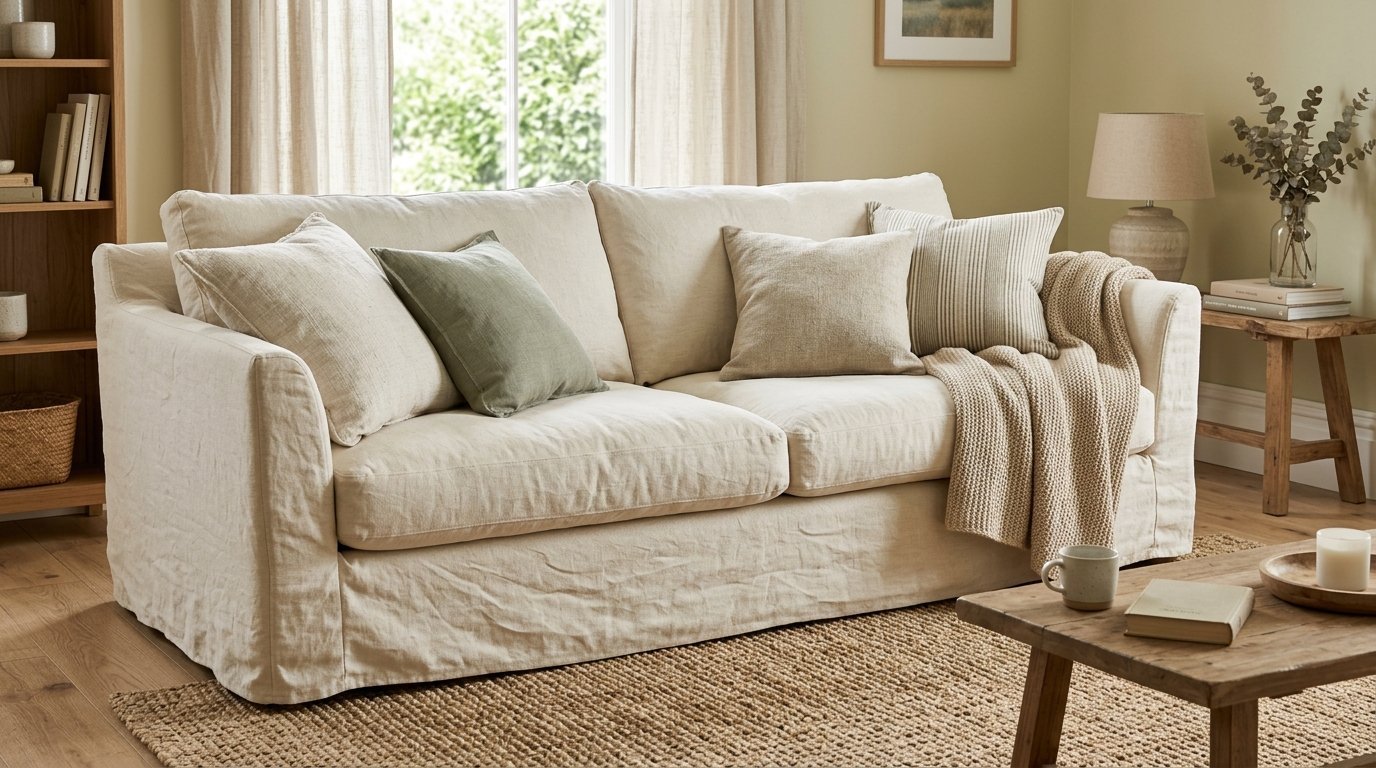
If leather is not your style go for heavy linen. I love the slipcovered look from brands like Sixpenny. It feels relaxed and breathable. Choose a cream or oatmeal color. This provides a neutral backdrop for colorful pillows. In my experience linen is the best fabric for a home that feels like a retreat. It has a natural wrinkle that fits the rustic aesthetic perfectly. You do not want your living room to look like a museum. You want it to look like a place where you can take a nap.
11. Potted Indoor Olive Trees
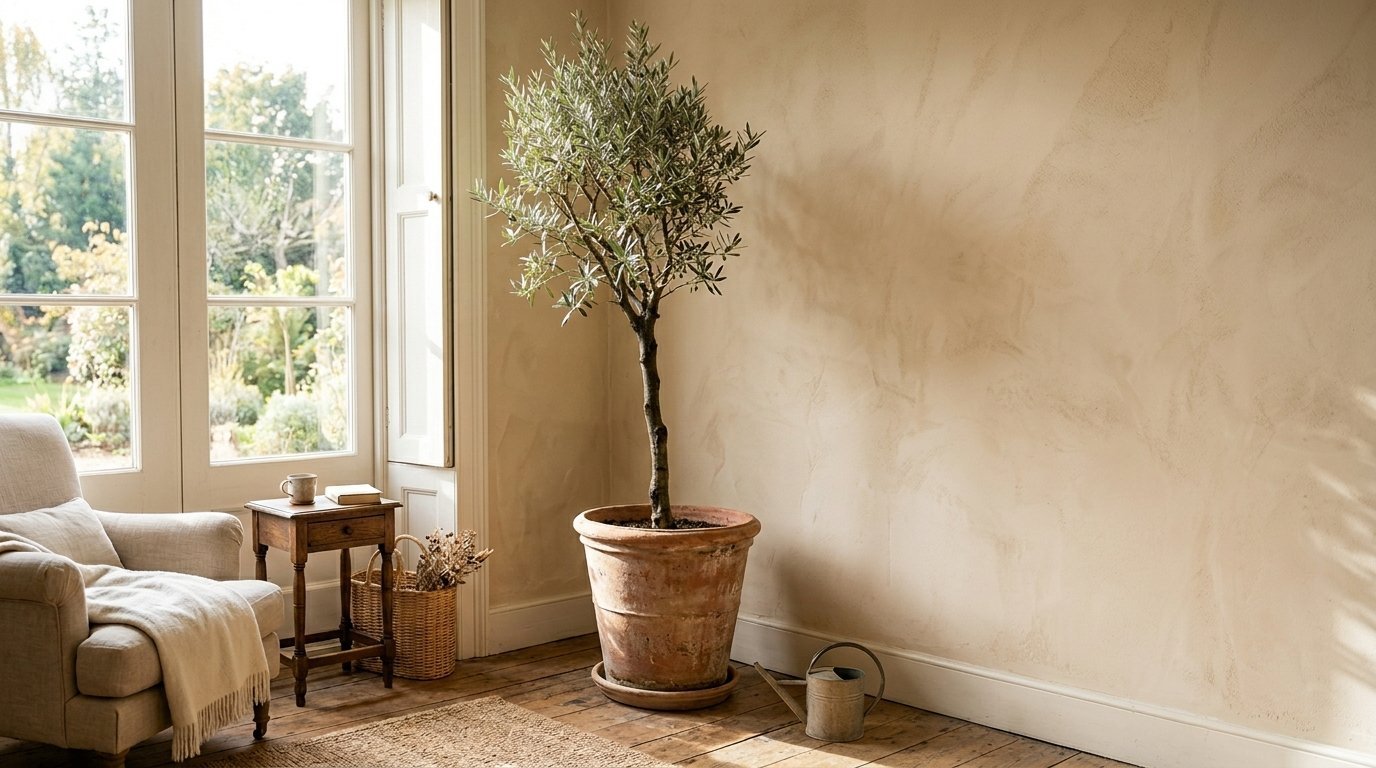
You need greenery to bring the room to life. A tall olive tree in the corner is the ultimate Tuscan accessory. I prefer live trees but they need a lot of light. If your room is dark buy a high quality silk version from Pottery Barn. Place it in a large aged terracotta pot. The silvery green leaves soften the dark wood and stone elements. I have noticed that a single tall tree does more for a room than five small plants. It adds height and a sense of the outdoors.
12. Woven Seagrass Area Rugs
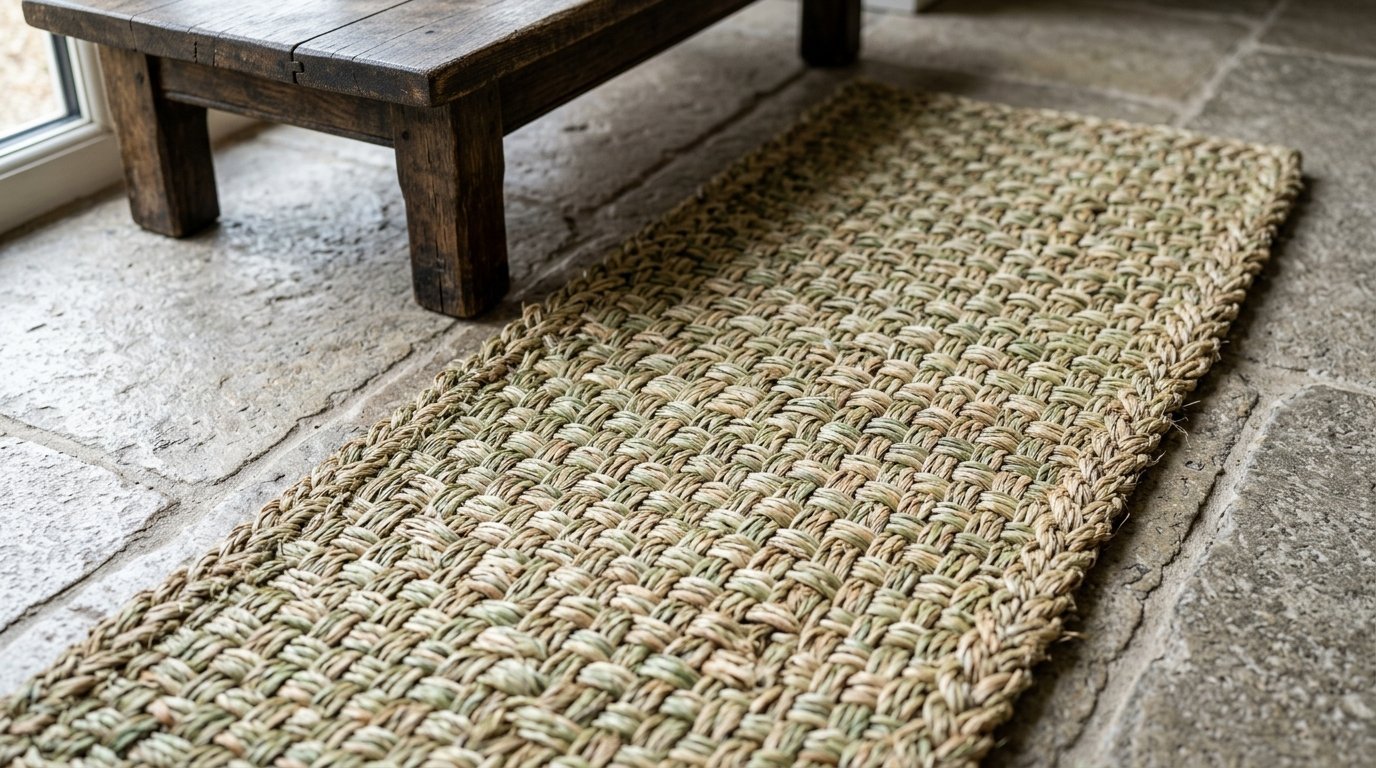
Skip the plush wall to wall carpet. You need layers on your hard floors. A large seagrass or jute rug provides great texture. I use these as a base layer then add a smaller vintage rug on top. This is a trick I saw in a boutique hotel in Florence. It is practical because seagrass is very durable. It handles foot traffic well and hides dirt easily. Brands like Safavieh offer affordable options in many sizes. This adds a natural straw color to the room that mimics the Tuscan fields.
13. Heavy Timber Coffee Tables
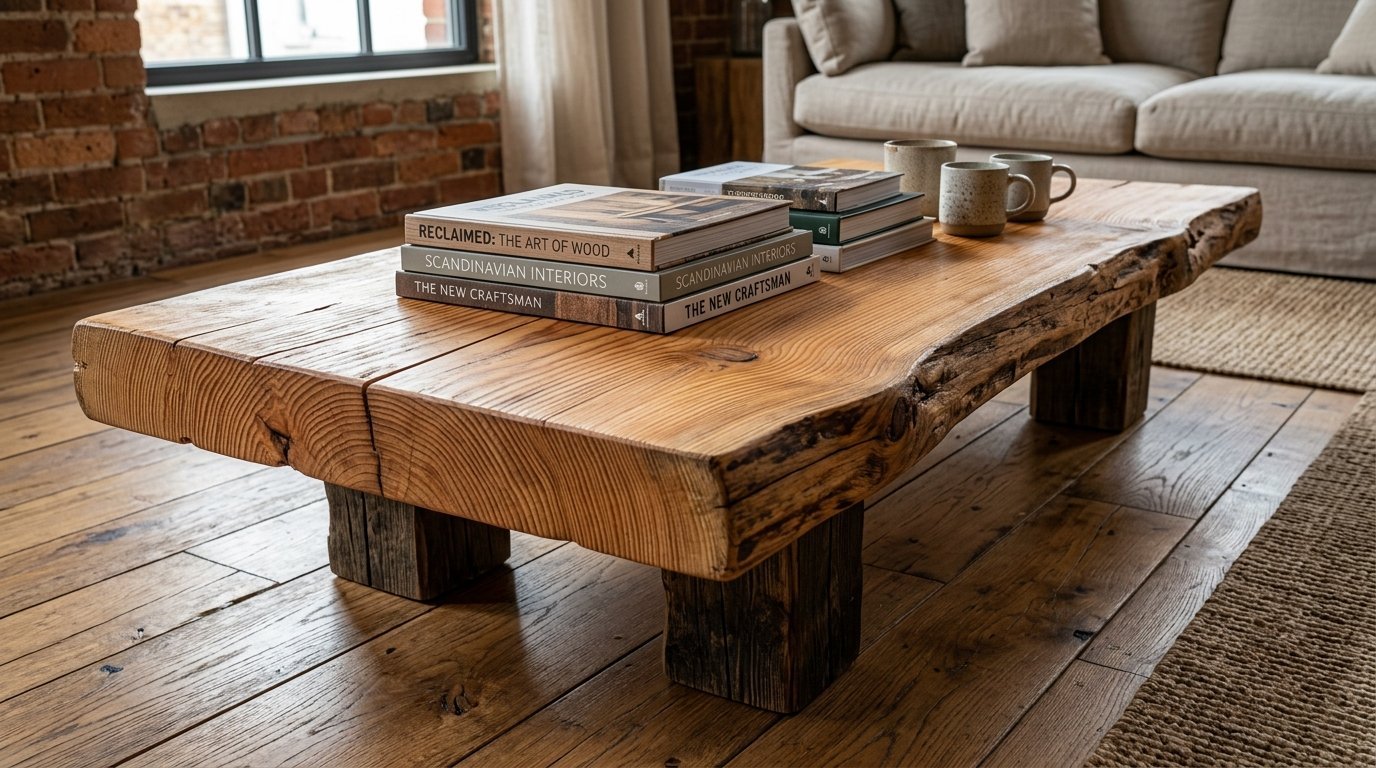
A coffee table should be a statement piece. I like tables made from thick slabs of reclaimed wood. Look for visible grain and knots. I once tried a glass coffee table in a Tuscan room and it felt invisible. You want something with mass. A table from Arhaus with a pedestal base works well. It grounds the seating area and provides a sturdy place for books and drinks. This is the piece that will take the most abuse so choose something solid.
14. Vintage Copper Accents
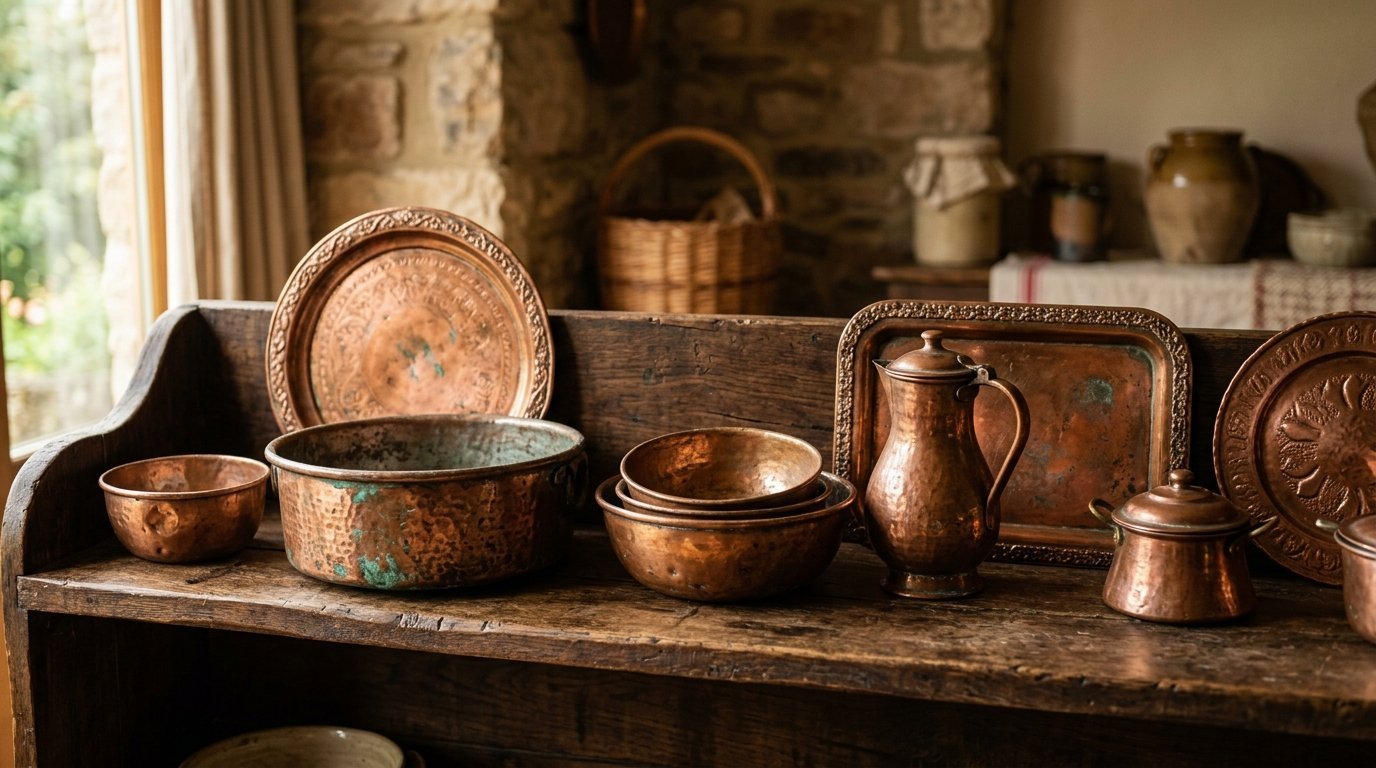
Copper adds a metallic warmth that gold or silver cannot match. I look for old copper pots or trays at flea markets. Use them as wall decor or place them on a shelf. Over time copper develops a green patina called verdigris. I think this looks beautiful against dark wood. If you want to keep them shiny a simple lemon and salt scrub works wonders. Small accents like these catch the light and add a layer of history.
15. Clerestory Lighting Fixtures
These are small windows or lights placed high on the wall. They mimic the way light enters old stone buildings. If you cannot add windows use wall sconces that wash light upward. This highlights the texture of your plaster or beams. I found some great iron sconces at Visual Comfort. They provide a soft glow that is much better than harsh overhead lights. Lighting from the sides makes a room feel bigger and more inviting.
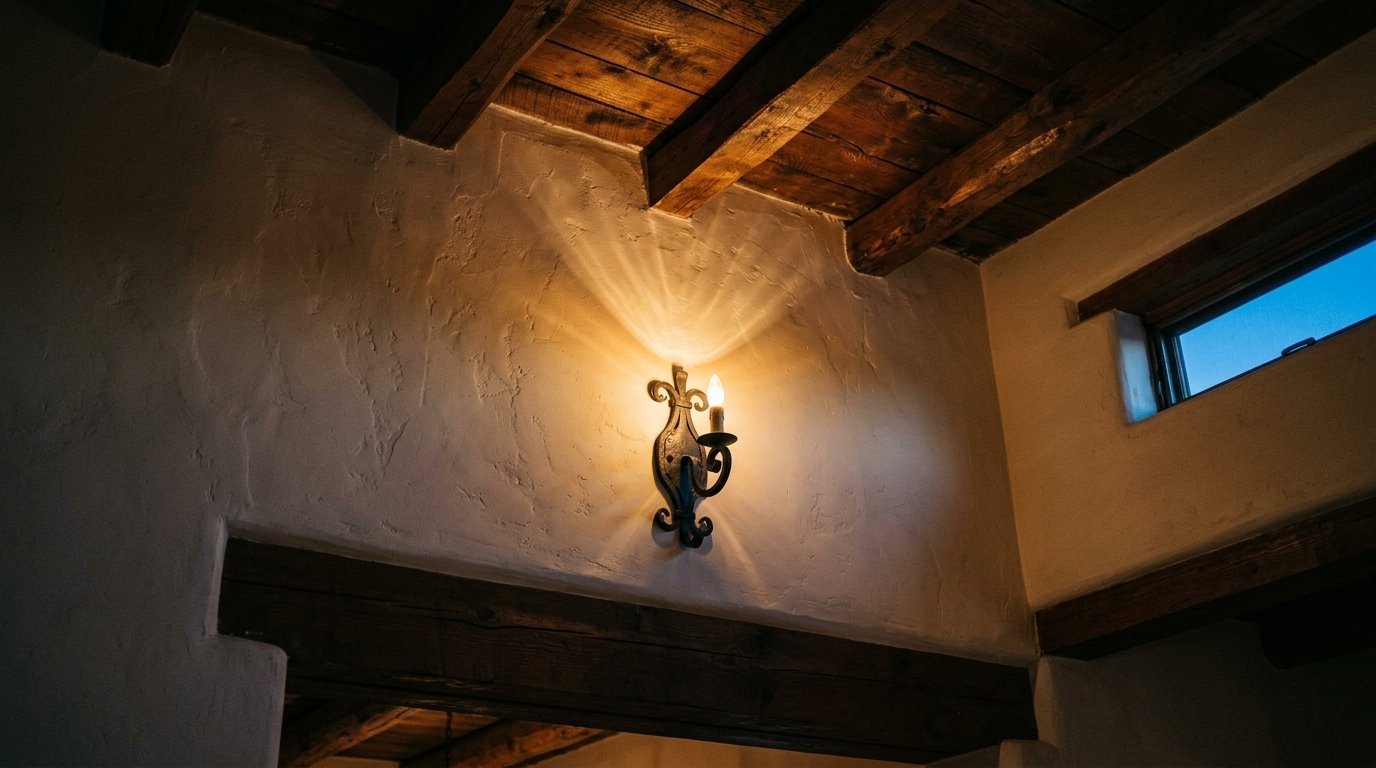
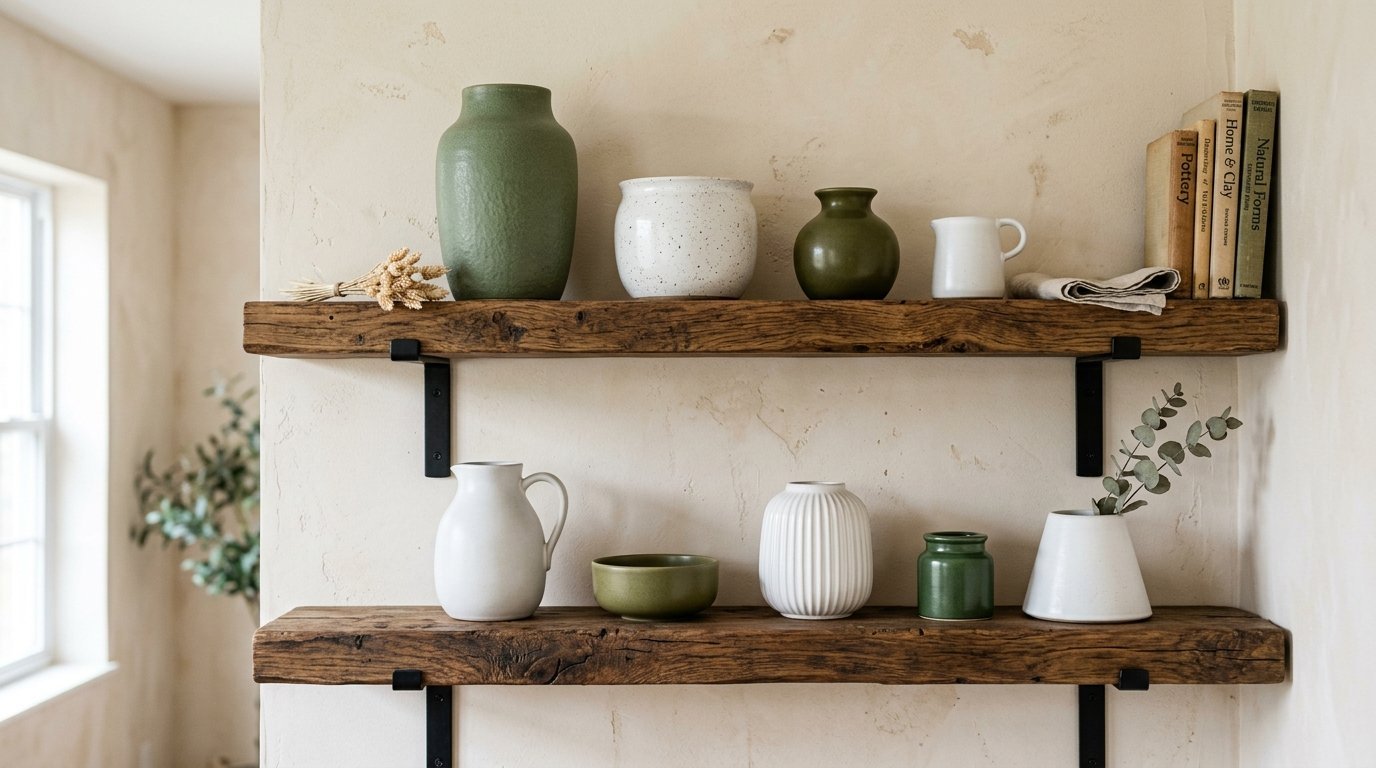
16. Open Shelving with Ceramics
Display your everyday items. I love using chunky wood shelves to hold handmade pottery. Brands like Farmhouse Pottery or local artisans on Etsy have great pieces. Look for glaze colors like olive green or deep blue. This adds pops of color to a neutral room. In my experience open shelving makes a kitchen or living area feel more functional and less formal. It invites guests to look and touch.
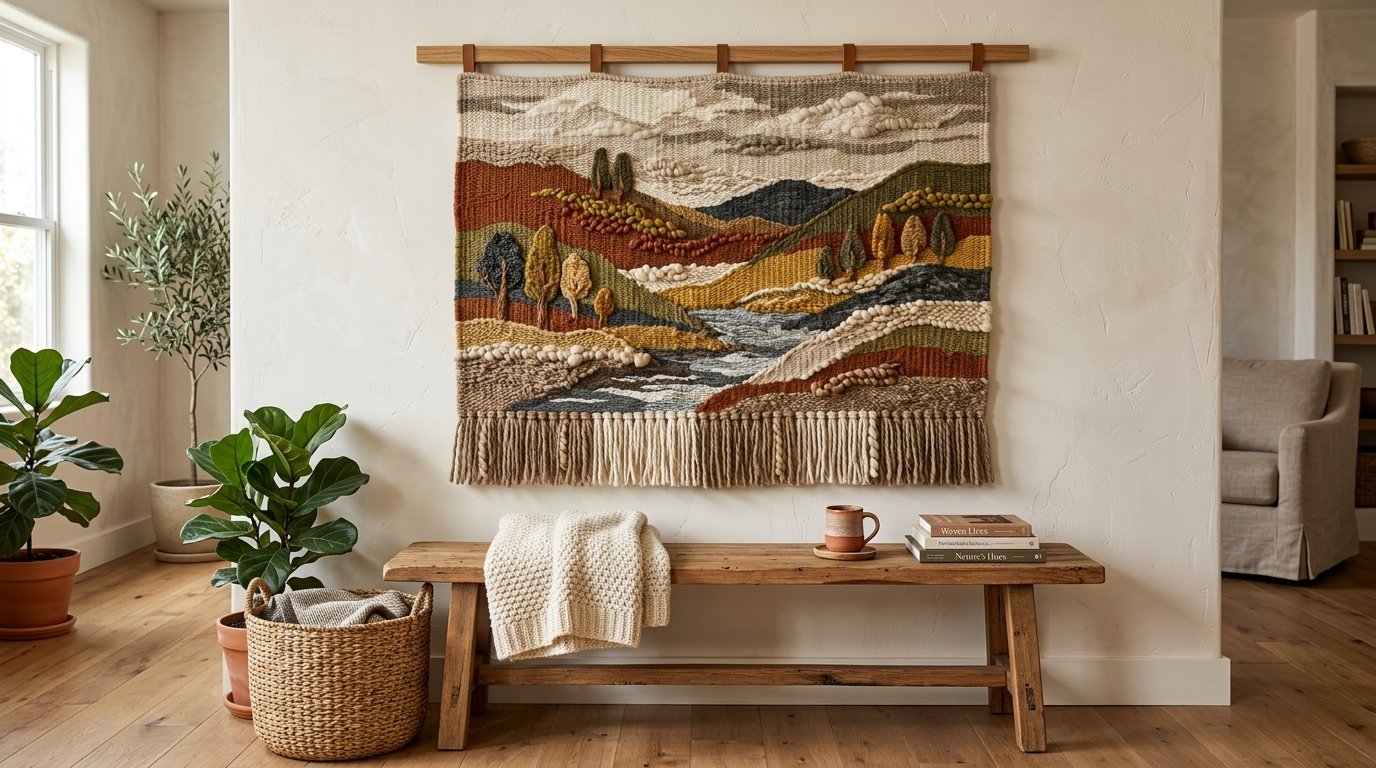
17. Woven Textile Wall Art
Large walls need large art. Instead of one small painting use a heavy woven textile. It adds softness to the hard stone and plaster. I found a beautiful wool hanging that depicted a simple landscape. It muffled the echoes in the room and made it feel much quieter. You can find unique pieces at The Citizenry that support global artisans. This is a great way to add pattern without using busy wallpaper.
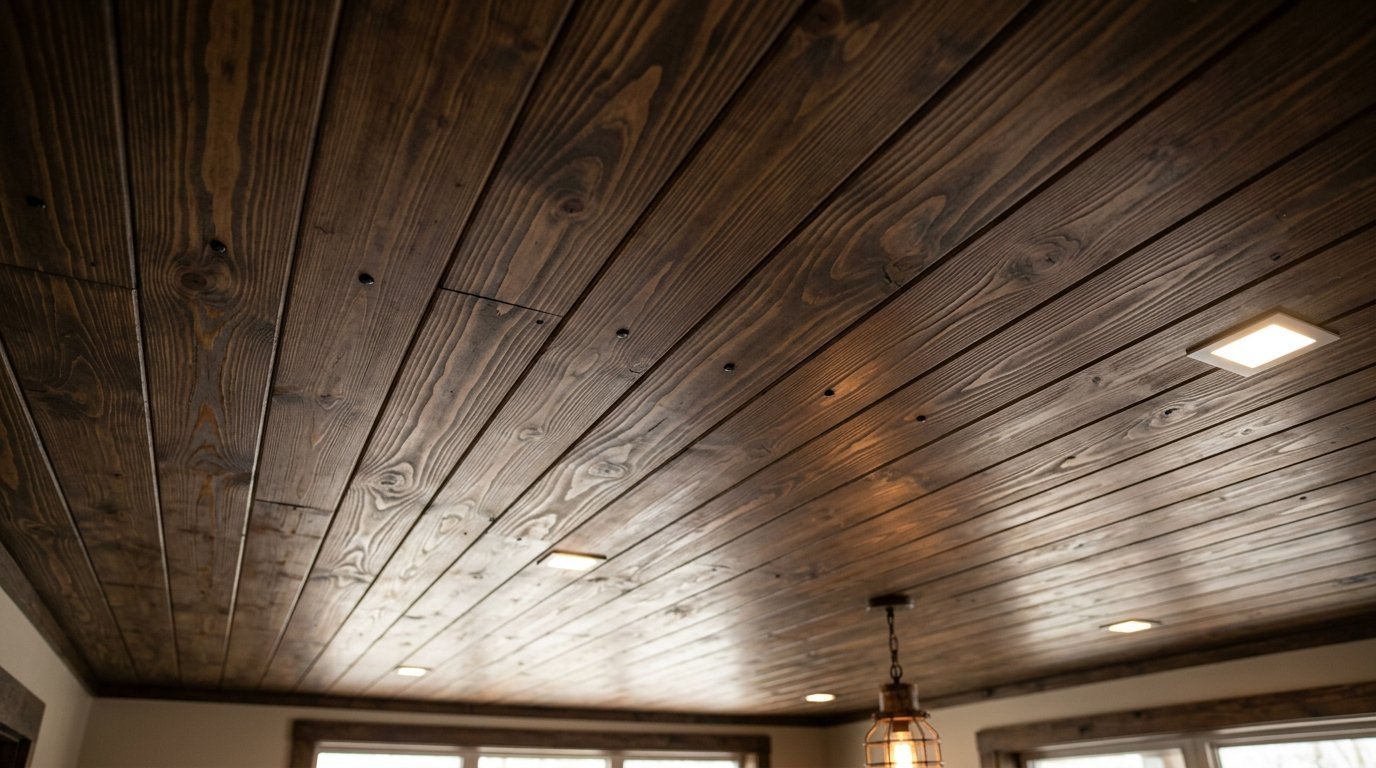
18. Dark Wood Ceiling Planks
If beams are too much try wood planks. I did a ceiling in dark pine planks and it transformed the space. It feels like an old world library. It covers up ugly popcorn ceilings or cracked drywall perfectly. This is a weekend project for a handy homeowner. Use a tongue and groove system for easy installation. It adds a layer of insulation and soundproofing too.
19. Framed Pastoral Oil Paintings
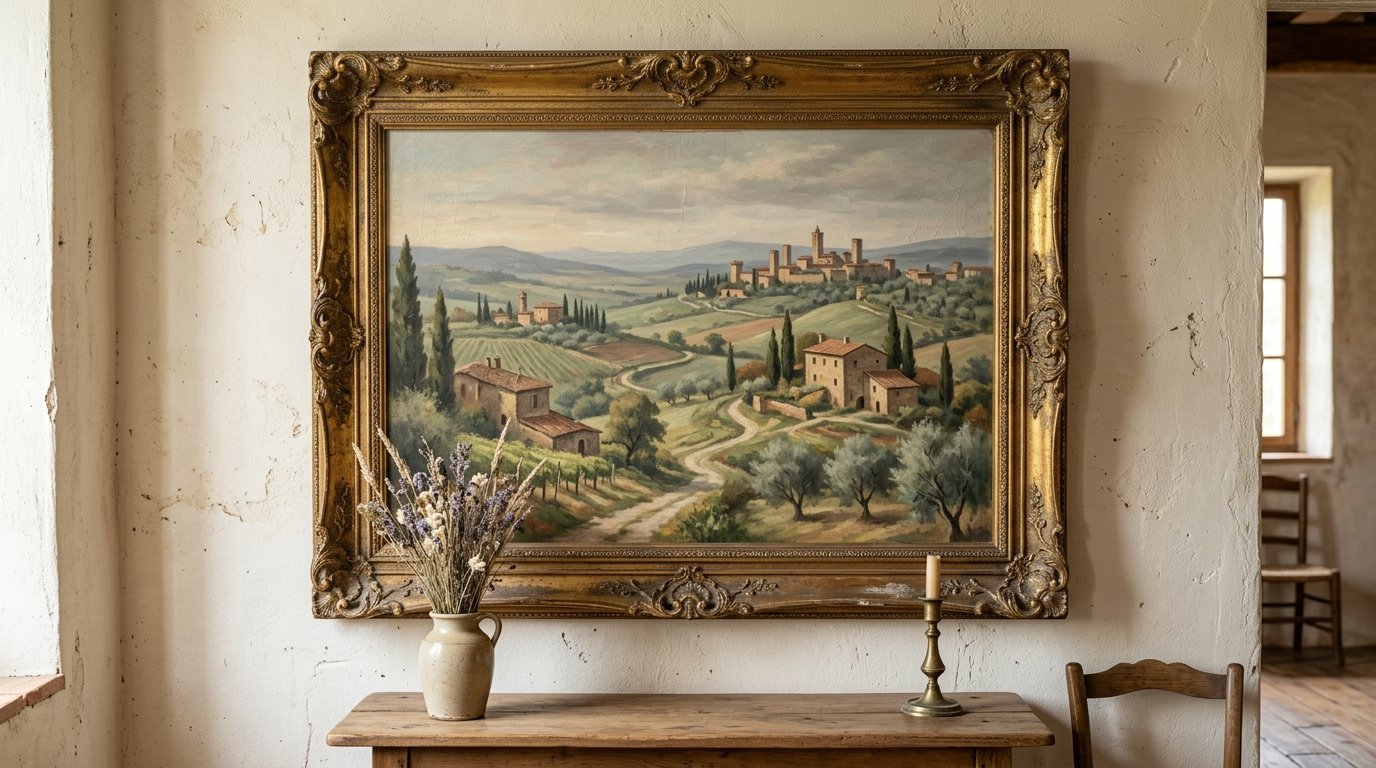
Art should reflect the countryside. I look for landscapes with rolling hills and cypress trees. You do not need expensive originals. High quality prints in heavy gold or wood frames look amazing. I often find great frames at garage sales and swap the art. This adds a sense of tradition and peace to the room. It gives the eye a place to rest.
20. Wrought Iron Curtain Rods
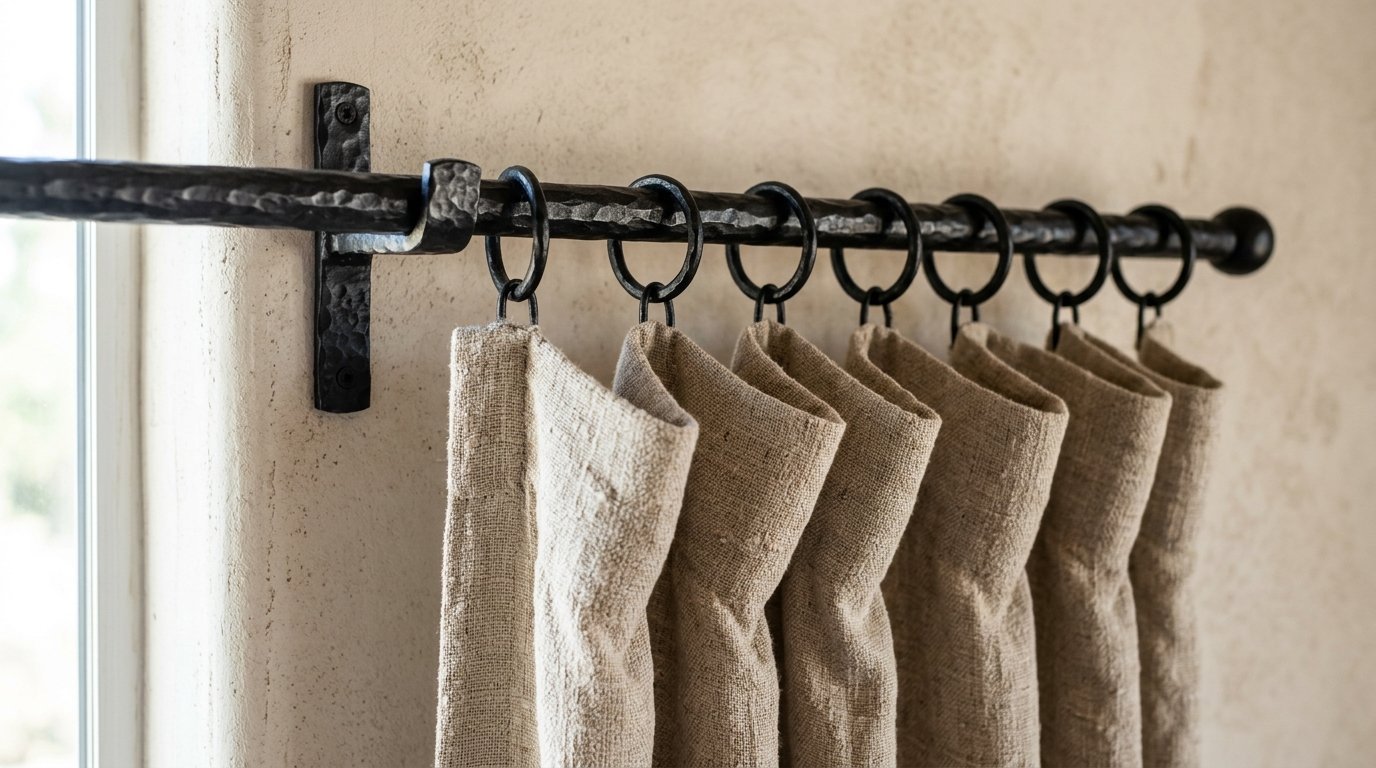
Window treatments should be simple. I use heavy black iron rods with linen curtains. Avoid shiny chrome or plastic. The contrast of the black metal against light fabric is a classic look. I prefer rings instead of pocket curtains because they slide easier. It feels more intentional and high end. This is a small detail that many people miss.
21. Terracotta Planter Clusters
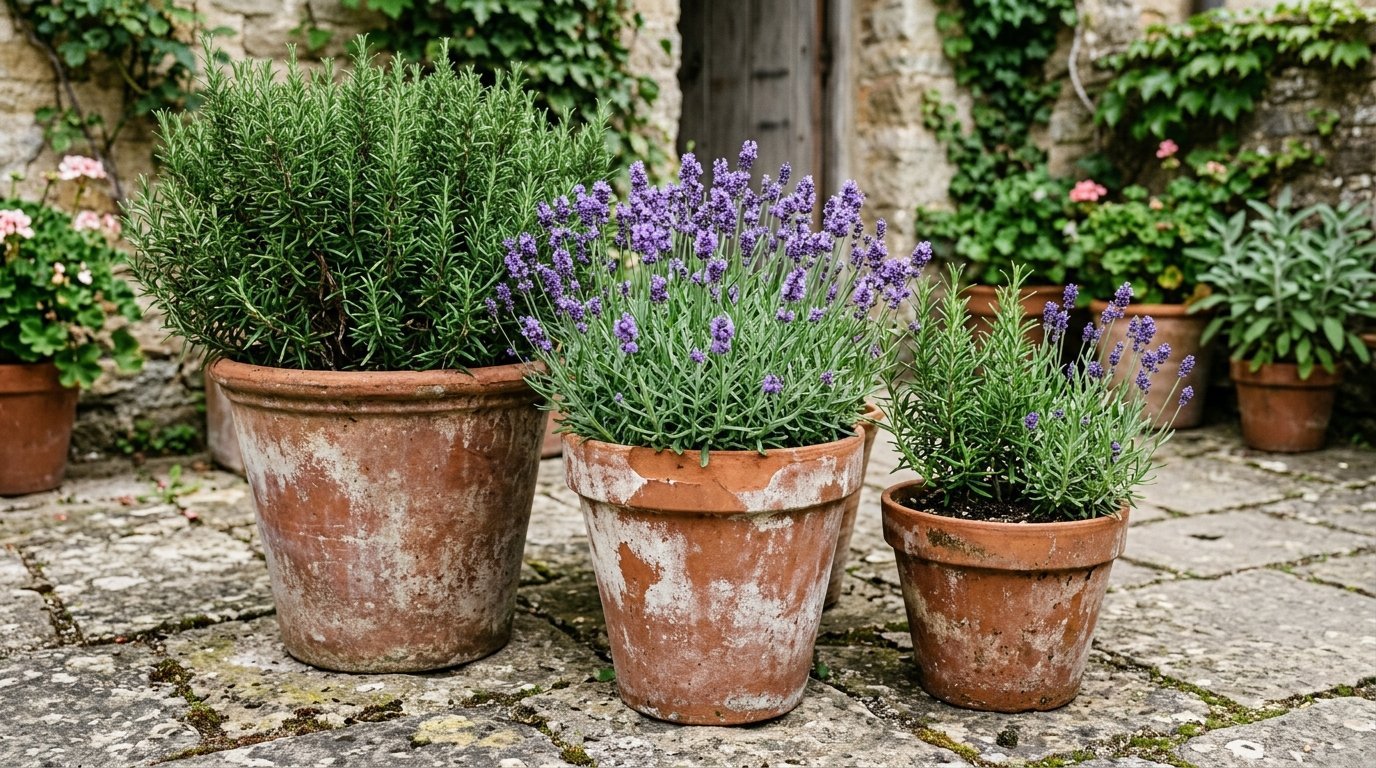
Do not just use one pot. Use three of different heights. I like to group them in a corner or near the fireplace. Fill them with herbs like rosemary or lavender. The scent is incredible and very authentic to the region. I saw this in a piazza in Lucca and have used it in every house since. It brings a bit of the garden inside.
22. Built In Niche Shelving
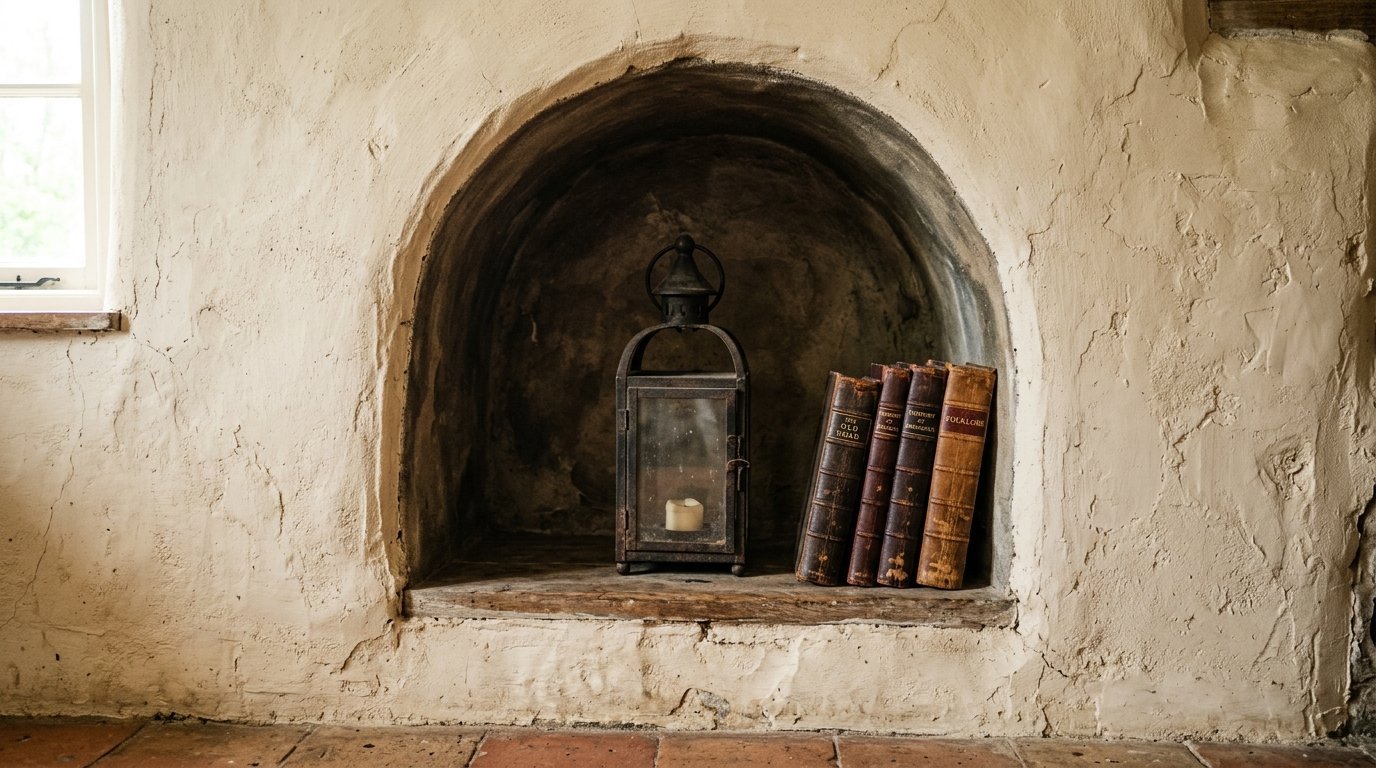
Old Italian walls are thick. They often have carved out niches for statues or candles. You can recreate this with drywall. It adds architectural depth to a flat room. I used a niche to hold a collection of vintage books. It looks like it has always been there. It is a great way to use wasted space between wall studs.
23. Neutral Earth Tone Textures
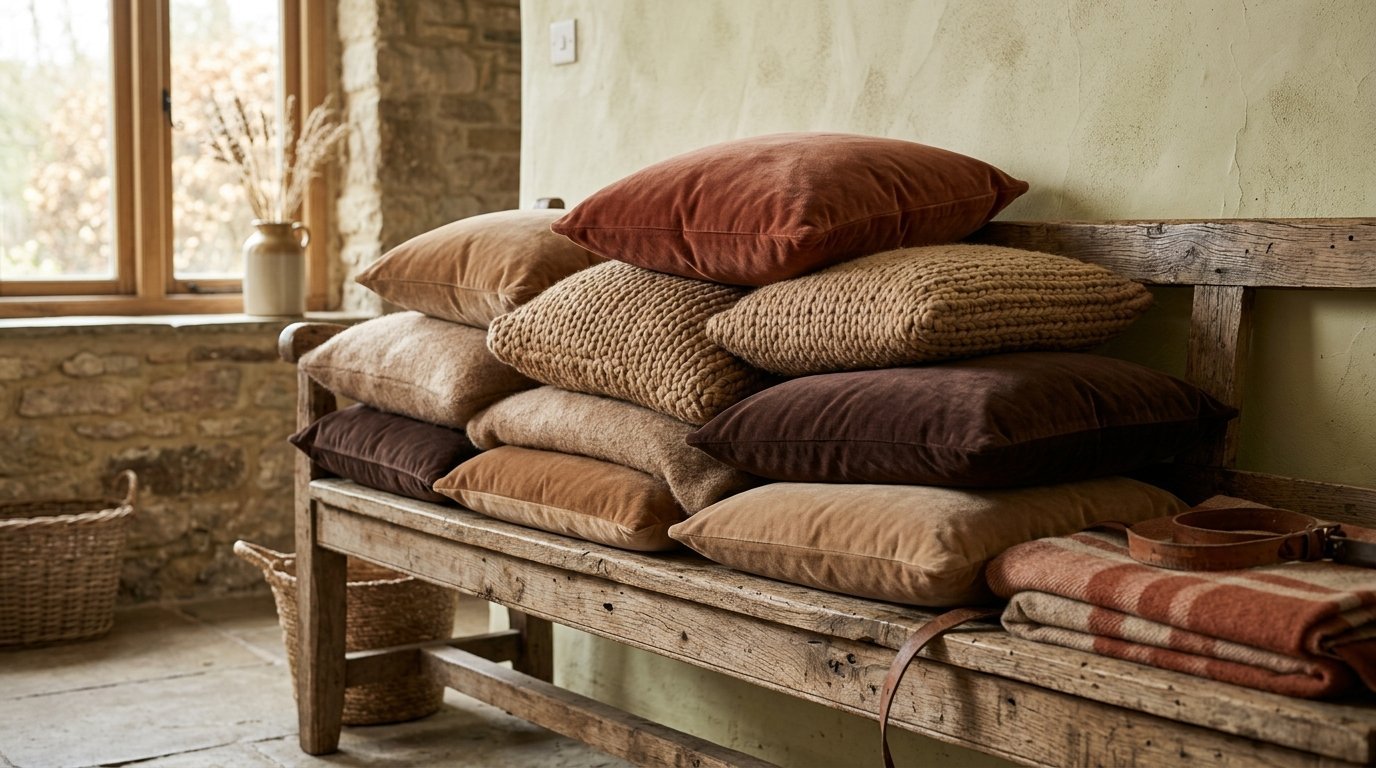
The final layer is all about touch. Use wool throws and velvet pillows in tan or brown. I like mixing different fabrics to keep the room from looking flat. A velvet pillow from Anthropologie adds a touch of luxury to a rustic room. This is where you make the space comfortable for your family. Focus on high quality natural fibers. They feel better and last longer than synthetic mixes.
Frequently Asked Questions
What is the best color for a Tuscan living room?
I recommend warm neutrals with yellow or red undertones. Colors like terracotta, ochre, and cream are standard. Avoid cool grays or bright whites. These can make a rustic room feel clinical. I often use Sherwin Williams Creamy as a base and add darker accents through furniture and decor.
How can I make my modern house look Tuscan?
Start with texture. Add a lime wash to your walls and bring in heavy wood furniture. You do not need to change the architecture to change the vibe. Focus on the floors and the lighting first. Swapping a modern plastic light for a wrought iron one makes a massive difference immediately.
Is Tuscan style still popular in 2026?
Yes but it has evolved. We call it Modern Tuscan or Organic Mediterranean now. It is less about themed decor and more about natural materials. People want homes that feel grounded and calm. The use of stone and wood never goes out of style because it feels authentic.
Can I do Tuscan style on a budget?
Absolutely. Most of my favorite pieces are from thrift stores. Look for solid wood furniture that you can refinish. Use paint to create texture on your walls. A large terracotta pot from a garden center is much cheaper than high end decor and looks just as good.
What floors work best besides terracotta?
Wide plank wood floors in a dark finish are a great alternative. You can also use tumbled travertine stone. Avoid shiny tiles or laminate that looks like plastic. You want something that has a matte or honed finish to keep the rustic feel.
Conclusion
Creating a Tuscan living room is about embracing imperfections. It is about the scratch on the table and the texture on the wall. I have learned that the most beautiful homes are the ones that feel lived in. Start with one or two changes like a new rug or a coat of lime wash. Watch how the light changes the space. You will find that these earthy tones and natural materials make your home feel more like a sanctuary. If you have any questions about specific paint colors or where to find the best reclaimed wood leave a comment below. I would love to hear about your design journey.

Sloane Whitaker is the Editor-in-Chief at Home Wall Trends, leading editorial direction with over a decade of experience in residential interior design and home styling. Her specialty is space planning and layout, the unglamorous fundamentals that make a beautiful room actually function. A graduate of the New York School of Interior Design, Sloane has styled over 200 client homes before turning her focus to digital publishing. Her editorial standard: “If a reader can’t picture themselves doing it on a Saturday afternoon, we haven’t explained it well enough.”