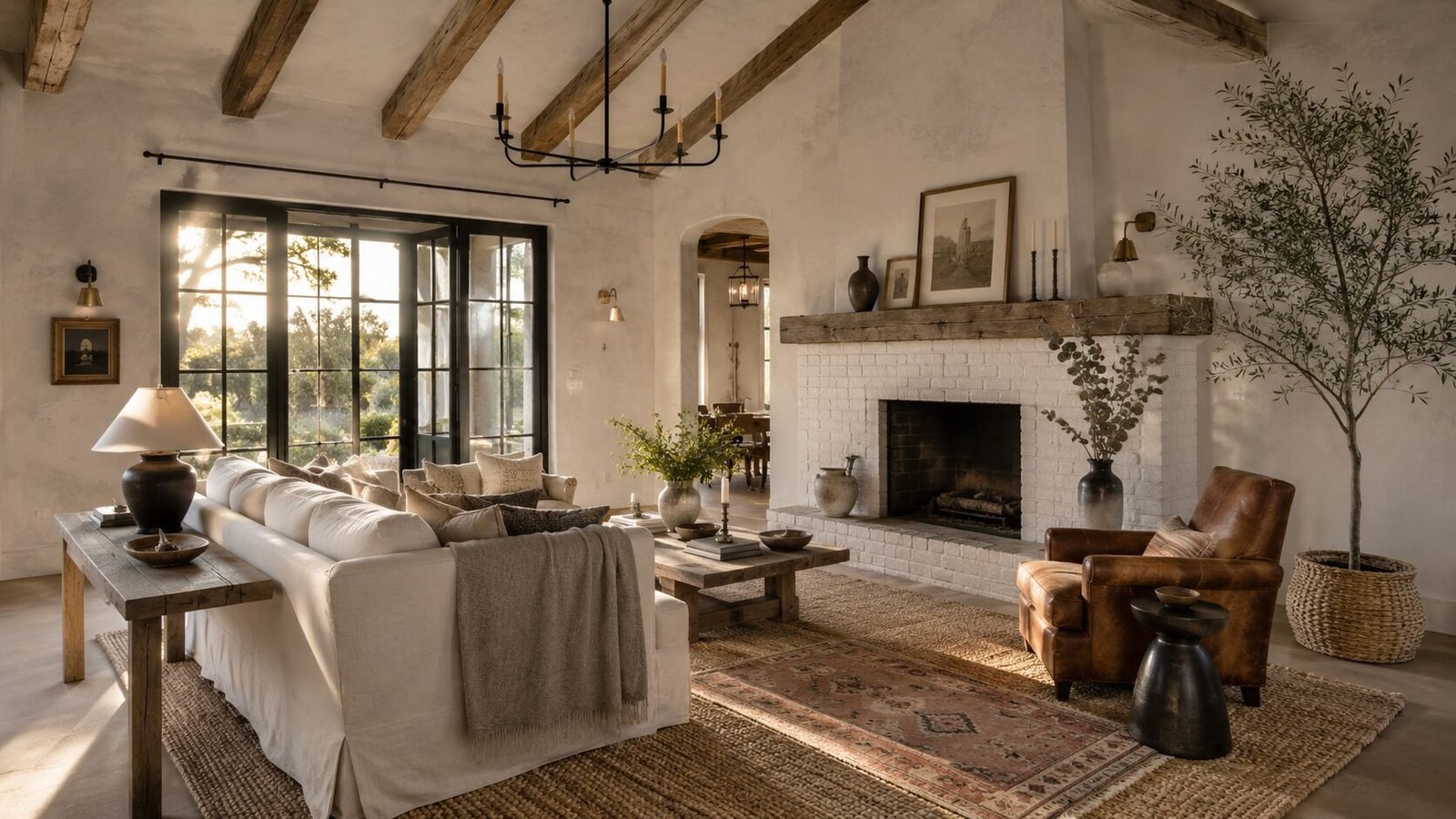
Imagine walking into a room that feels like a warm hug on a rainy Tuesday evening. The light is soft. The textures are rich. You spent five thousand dollars on a redesign only to realize the space feels cold and sterile because you leaned too hard into modern minimalism. You want depth. You want soul. You want a home that reflects a grounded sense of style without feeling like a dusty museum. Why does every modern room look like a white box? Can a dark room actually feel airy? How do you balance raw wood with sleek charcoal walls without making your house look like a cave? Last year, I helped a friend renovate her living room using these exact principles. We struggled with the balance of light and shadow until we found the right mix of stone and velvet. The result was a space that felt both expensive and lived in. You can achieve this same look by following these moody organic modern living room decor ideas that prioritize comfort and character over perfection.
Executive Summary
Creating a room with depth requires a strategic approach to color and material. This guide outlines how to achieve a moody organic modern look by blending dark tones with natural elements. You will discover how to use charcoal walls, raw wood, and stone to create a sanctuary. Most homeowners fear that dark colors will make a room feel small. In reality, deep tones recede and create a sense of infinite space when styled correctly. We will cover specific paint shades from brands like Sherwin Williams and Benjamin Moore. You will see cost breakdowns for furniture from places like Arhaus and Etsy. This article focuses on the living room specifically. It avoids kitchens or bedrooms to give you the most detailed advice possible for your main gathering space. Expect to learn about the importance of texture, the role of foraged greenery, and how to select lighting that creates a cozy atmosphere.
1. Charcoal Plaster Walls
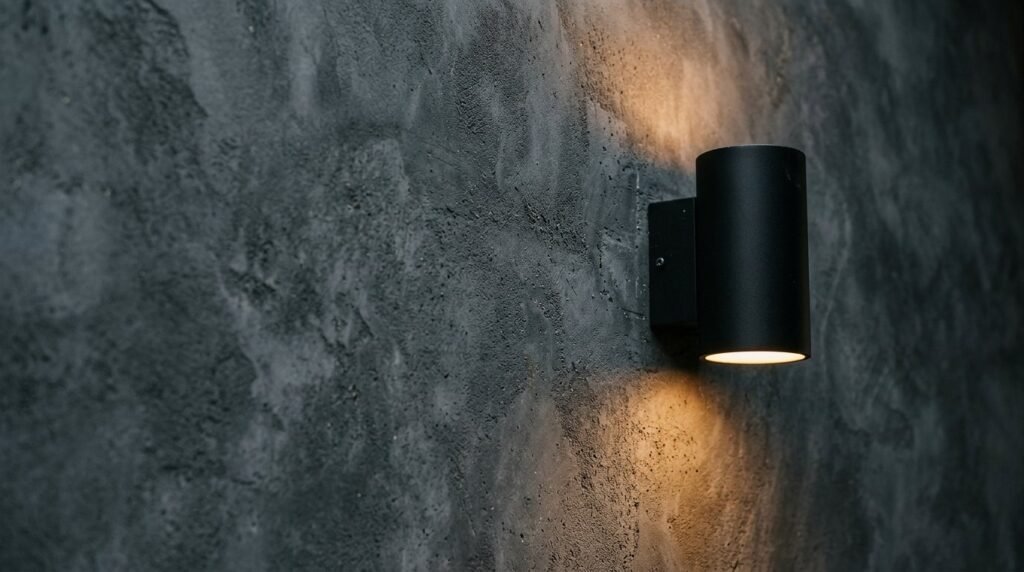
Plaster adds a tactile quality that standard flat paint lacks. I once used Portola Paints Roman Clay in a client project and the transformation was immediate. The soft variations in tone catch the light and create a sense of history in a new build. You can achieve this by applying two thin coats of lime wash or clay plaster to your main accent wall. It costs about three hundred dollars for the materials to cover a standard wall. A common mistake is using a roller. You must use a brush or trowel to get that organic movement.
2. Raw Wood Mantel
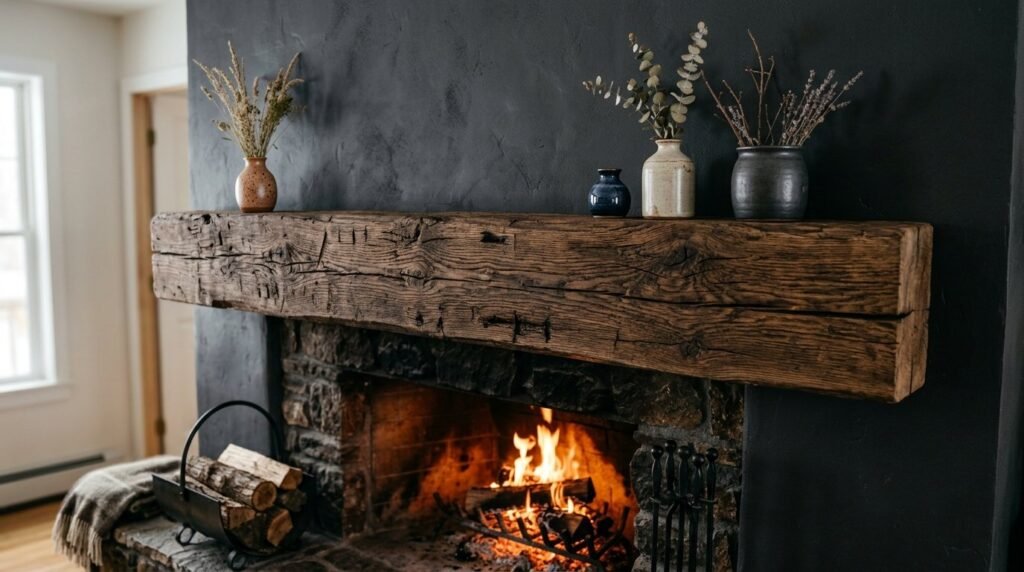
A thick piece of reclaimed oak grounds a fireplace. Look for a beam with visible knots and cracks to emphasize the organic element. I found an old barn beam for a project last spring that cost eighty dollars at a local salvage yard. Sand it lightly but leave the character intact. Mount it with hidden brackets for a clean modern look. Some people try to stain these beams a dark cherry color. Avoid that. Keep the natural honey or gray tones to contrast against dark walls.
3. Oversized Linen Sofa
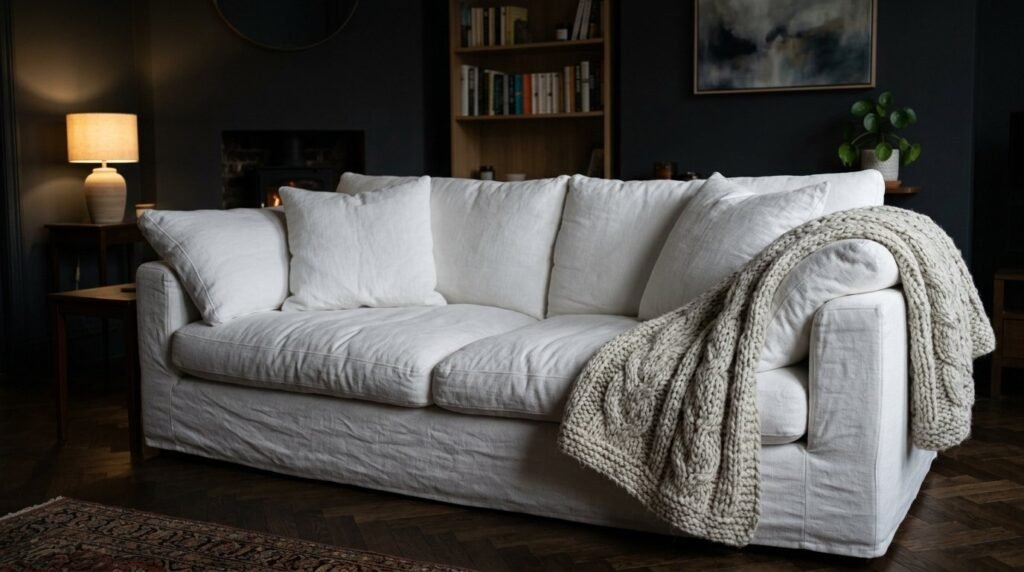
Linen offers a relaxed feeling that balances out moody wall colors. The Restoration Hardware Cloud Sofa is the famous choice but you can find great alternatives at Sixpenny for half the price. Choose a shade like bone or sand. This piece acts as the visual anchor of the room. It takes about twelve weeks for custom orders so plan ahead. Don’t worry about wrinkles. The slightly messy look is part of the organic charm.
4. Textured Jute Rugs
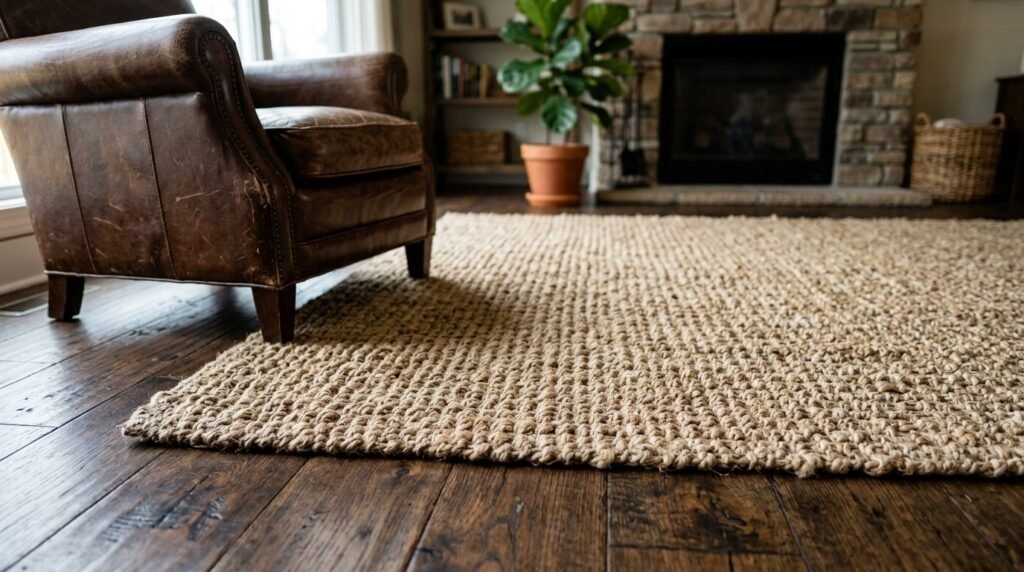
Natural fibers underfoot bring the outdoors inside. A chunky weave jute rug provides a rugged base for your furniture. I recommend the bleached jute options from Serena & Lily if you want a softer feel. These rugs usually cost between four hundred and eight hundred dollars for an eight by ten size. They can be scratchy on bare feet. Layer a smaller soft wool rug on top to solve the comfort issue.
5. Matte Black Accents
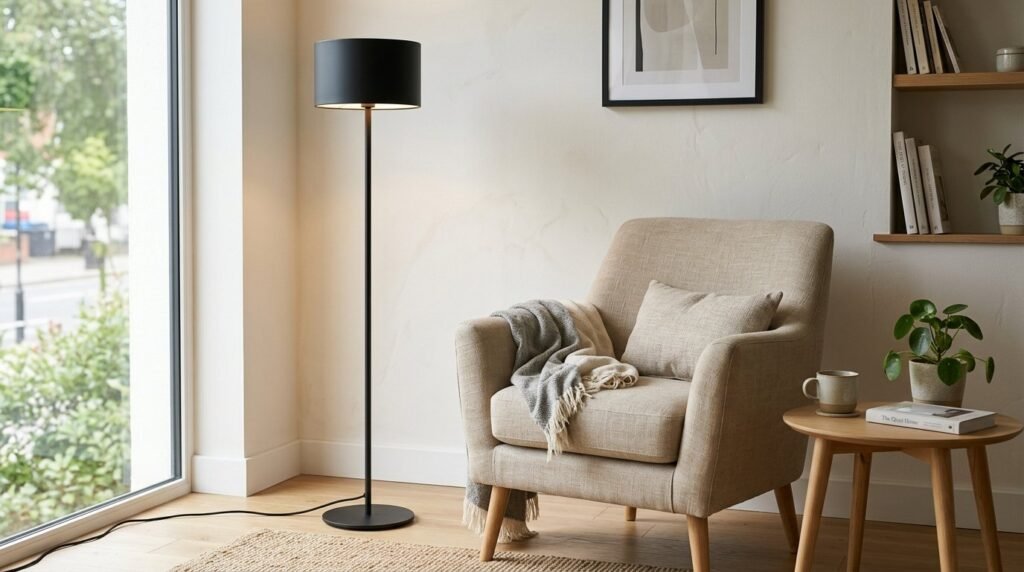
Small doses of black provide the modern edge needed in an organic space. Think floor lamps or picture frames. The CB2 Mantis Floor Lamp is a classic choice for this aesthetic. It retails for around four hundred dollars. These items should have a slim profile to keep the room feeling open. Never use glossy finishes. Stick to matte or satin to maintain the earthy atmosphere.
6. Live Edge Coffee Table
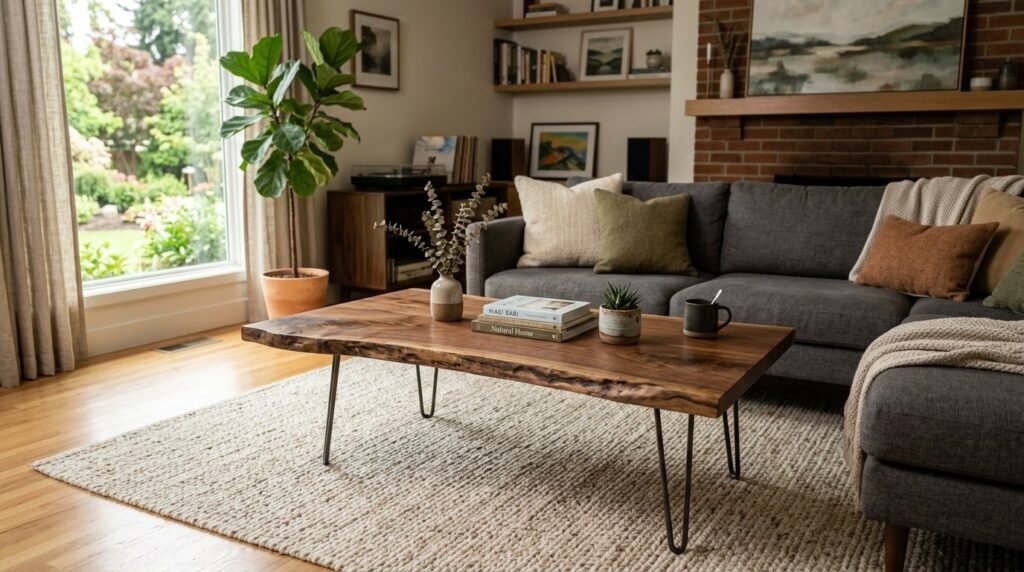
Every room needs a piece that feels like it came straight from a forest. A walnut live edge table shows off the natural silhouette of the tree. I saw a beautiful version at a craft fair for six hundred dollars recently. It serves as a conversation starter and adds warmth to charcoal interiors. Some mass produced versions look fake. Check the underside to ensure it is solid wood rather than a veneer.
7. Terracotta Table Lamps
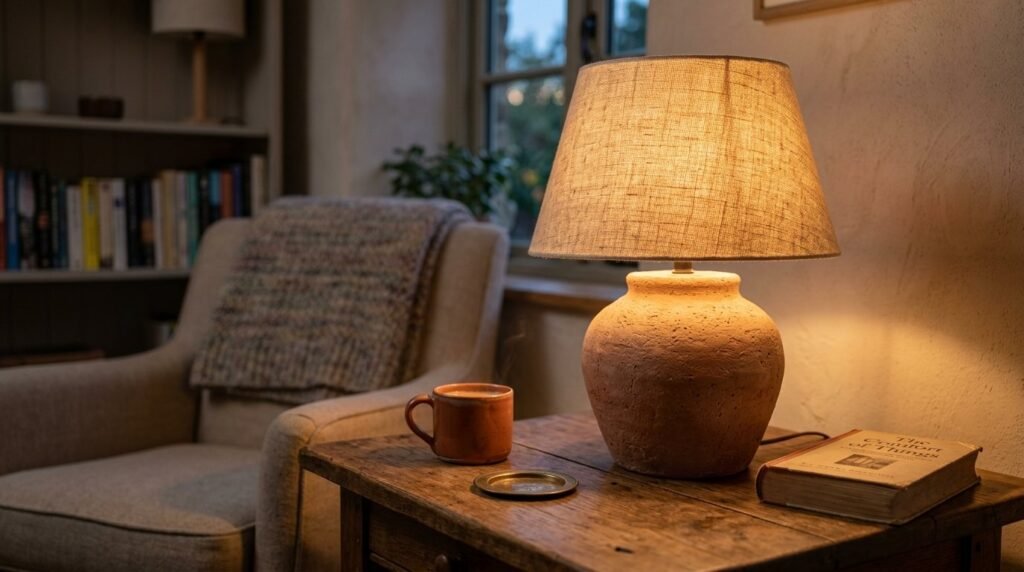
Earthenware lighting adds a sense of craft. Look for lamps with a chalky finish and a simple linen shade. Target has surprisingly good options in their Studio McGee line for under one hundred dollars. Place them on side tables to create pockets of warm light. Avoid lamps with shiny ceramic glazes. They feel too traditional for a modern organic home.
8. Dried Eucalyptus Bundles
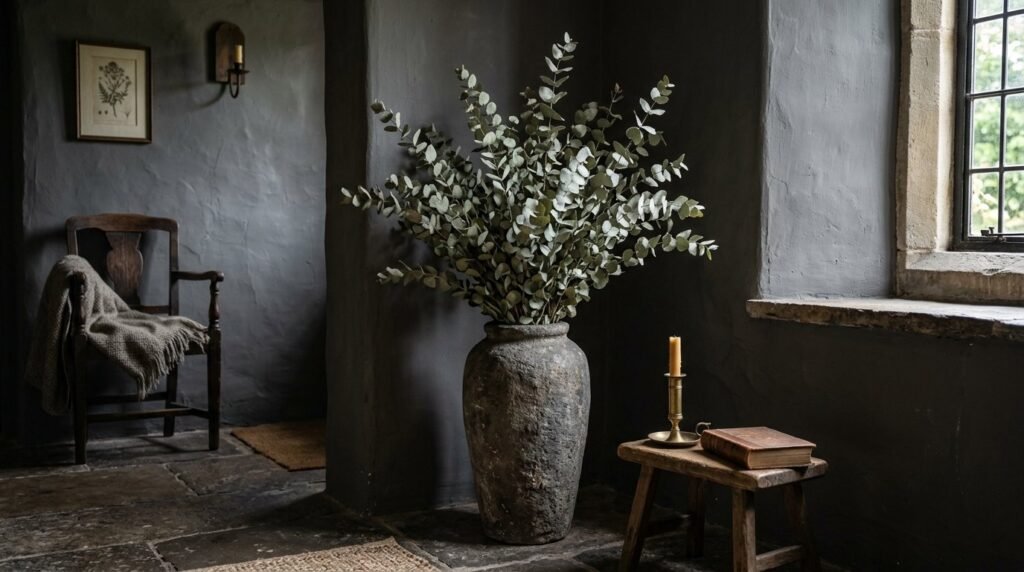
Greenery doesn’t always have to be fresh. Dried branches last for months and add a muted green tone that pairs well with neutral interiors. You can buy a large bundle on Etsy for thirty dollars. Place them in a tall floor vase in a corner. They smell great for the first few weeks too. Some people find the scent too strong. If so, use dried olive branches instead for a similar look.
9. Leather Sling Chairs
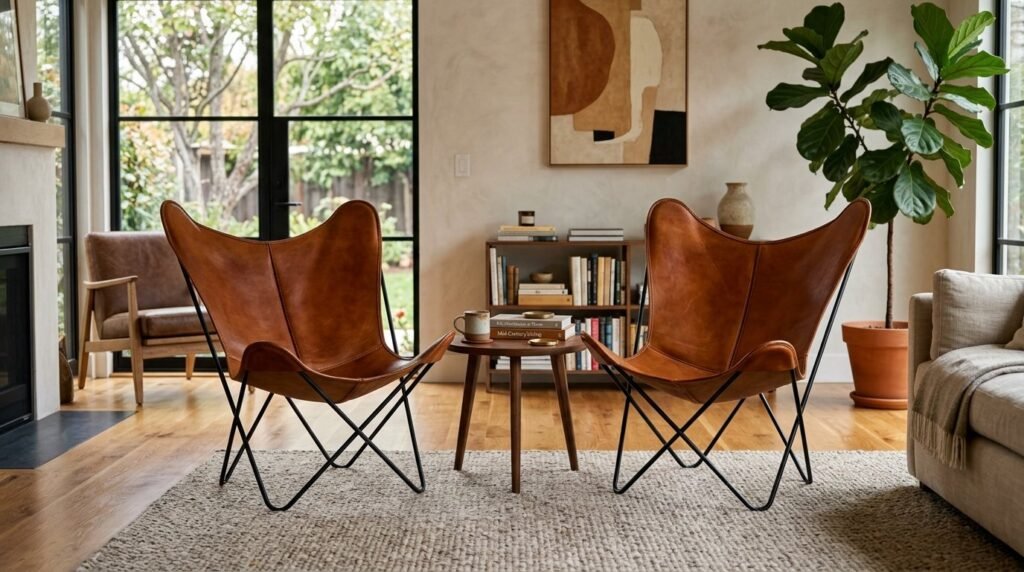
Leather adds a rich texture that gets better with age. A pair of cognac leather chairs provides a warm contrast to dark gray walls. The Denver Leather Chair from West Elm is a solid mid range option at eight hundred dollars. These chairs have a small footprint and work well in tight corners. Cheap bonded leather will peel within a year. Always invest in top grain leather for longevity.
10. Stone Side Tables
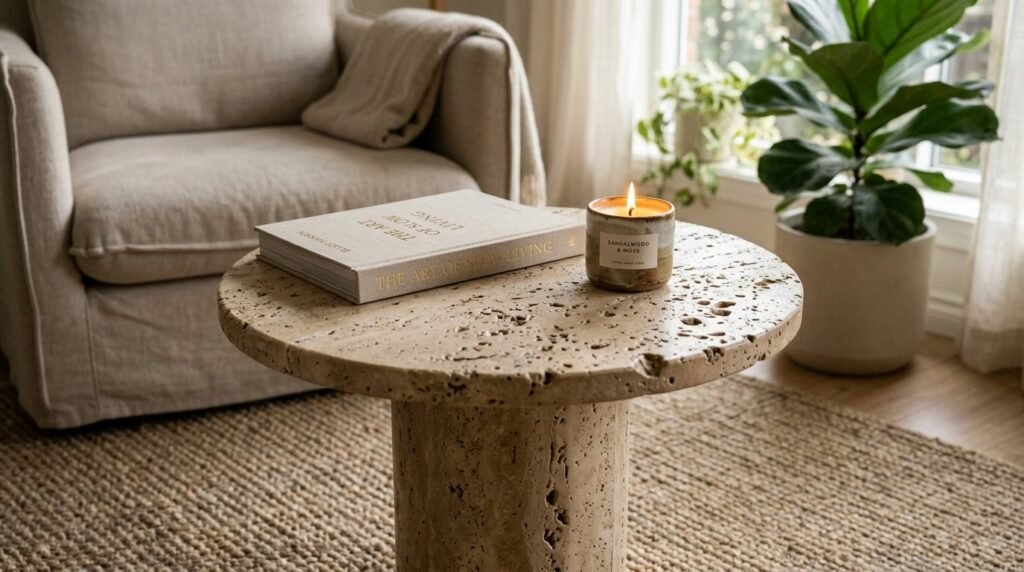
Heavy materials like travertine or marble add a sense of permanence. A small travertine plinth functions as a table and a piece of sculpture. You can find vintage marble cubes on Facebook Marketplace for fifty dollars if you look closely. They are very heavy and hard to move. Use felt pads on the bottom to protect your floors from scratches.
11. Antique Brass Sconces
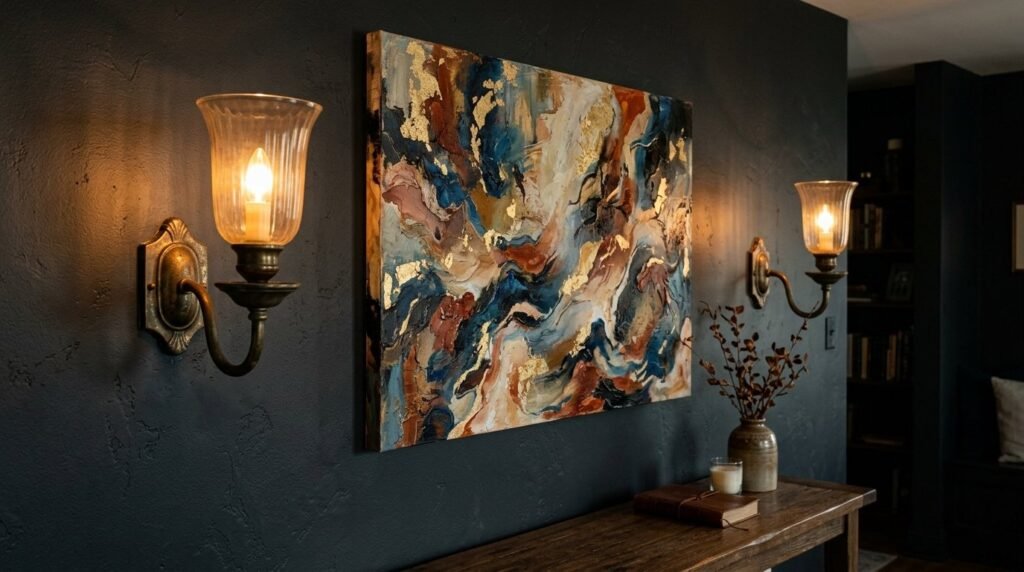
Metal finishes should feel aged rather than polished. Unlacquered brass will develop a beautiful patina over time. Rejuvenation offers high quality sconces starting at two hundred dollars. Install them on either side of a large piece of art. Avoid bright gold finishes that look like plastic. The goal is a quiet luxury feel.
12. Distressed Concrete Floors
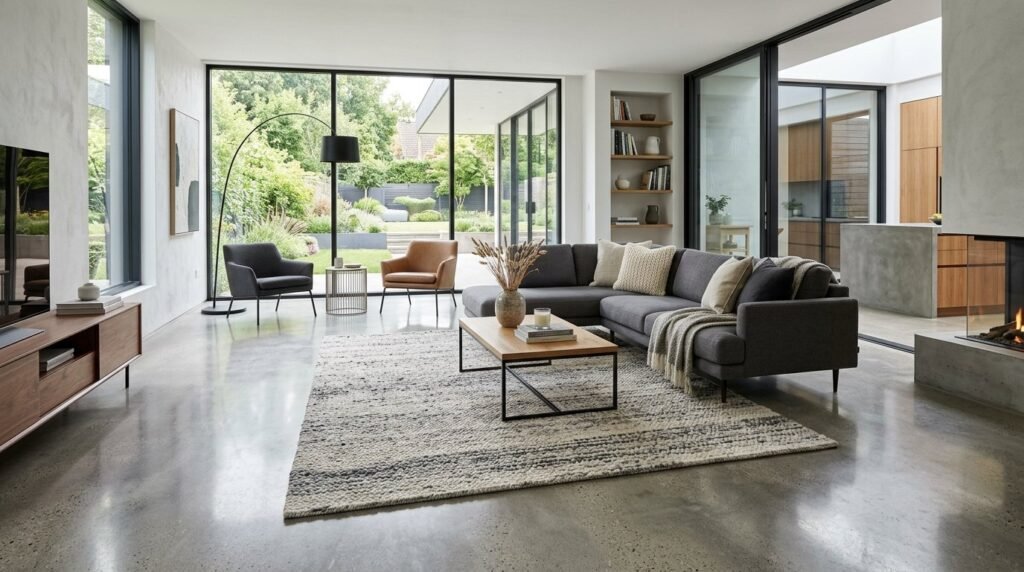
Concrete provides a cool industrial foundation. If you are on a slab, polishing the existing concrete is a cost effective move. It usually costs about five dollars per square foot. It can feel cold in the winter. Use plenty of rugs and floor cushions to maintain the cozy organic vibe.
13. Woven Rattan Pendants
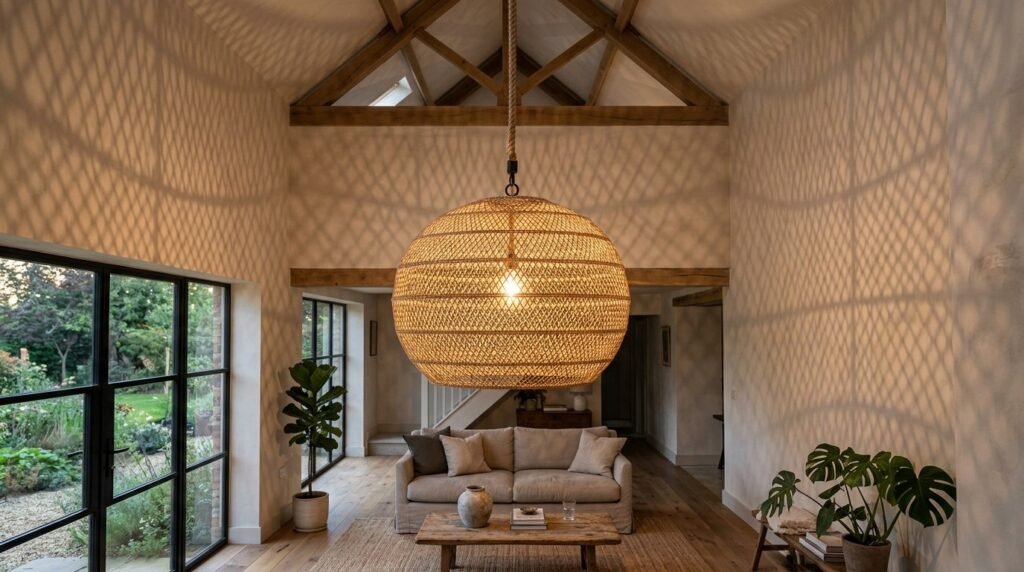
A large light fixture made of natural reed adds height and texture. The Arhaus Bayou Pendant is a stunning example of this style. It costs around seven hundred dollars. It casts beautiful shadows on the ceiling at night. These can collect dust easily. Use a canned air duster once a month to keep the weave clean.
14. Olive Green Velvet
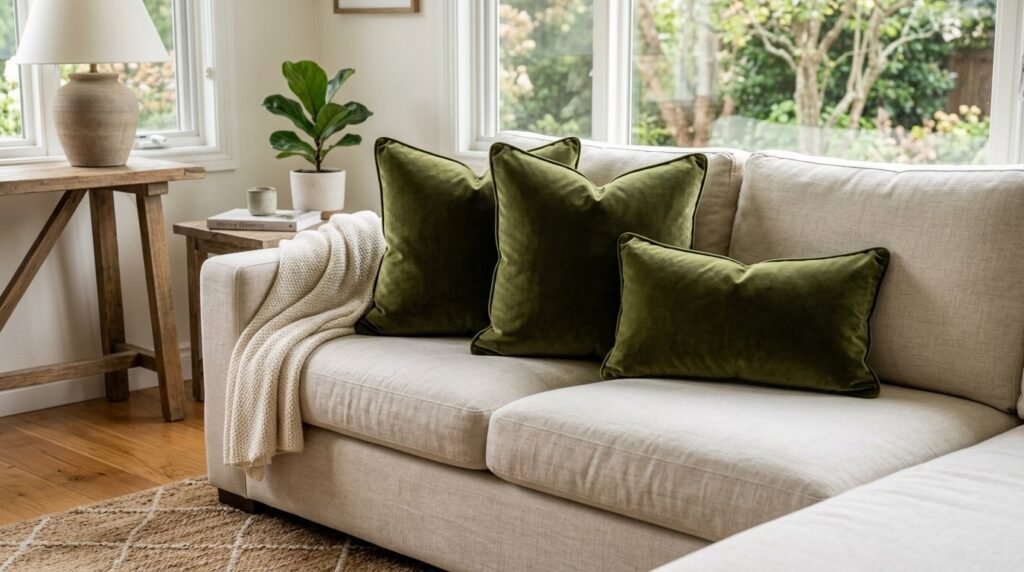
Deep green is the perfect partner for a moody palette. Use velvet pillows or a small ottoman in this shade. Article has a great velvet sofa called the Sven that comes in a moss green. It costs about fifteen hundred dollars. Green acts as a neutral in organic design. Don’t be afraid to use it in large doses.
15. Reclaimed Wood Shelving
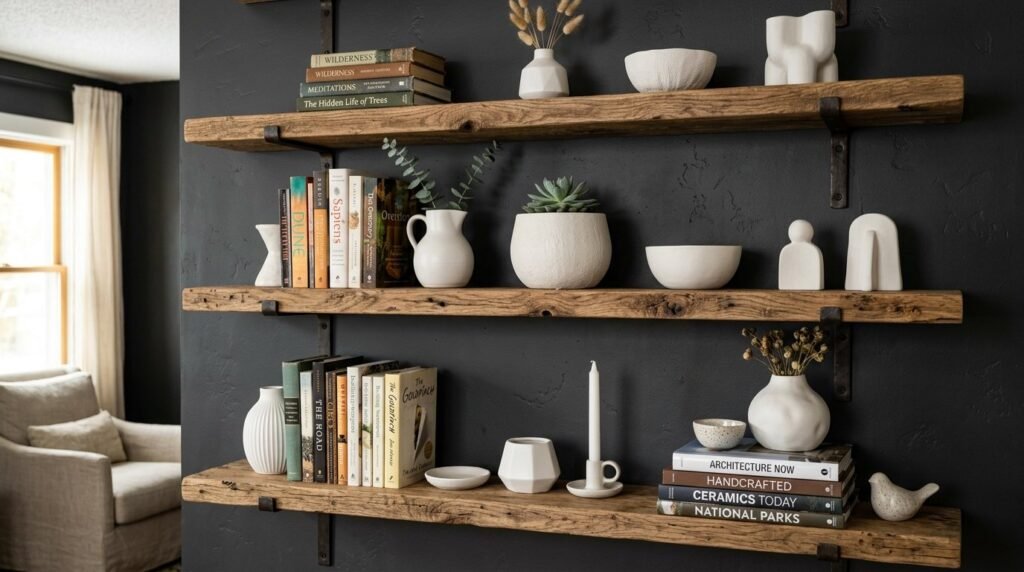
Open shelves made from old timber provide a place for curated decor. I installed these in my own living room using thick pine boards and black steel brackets. The wood was free from a local construction site. Use them to display ceramic pots and books. Avoid overcrowding the shelves. Space between items makes the room feel more modern.
16. Travertine Decor Accents
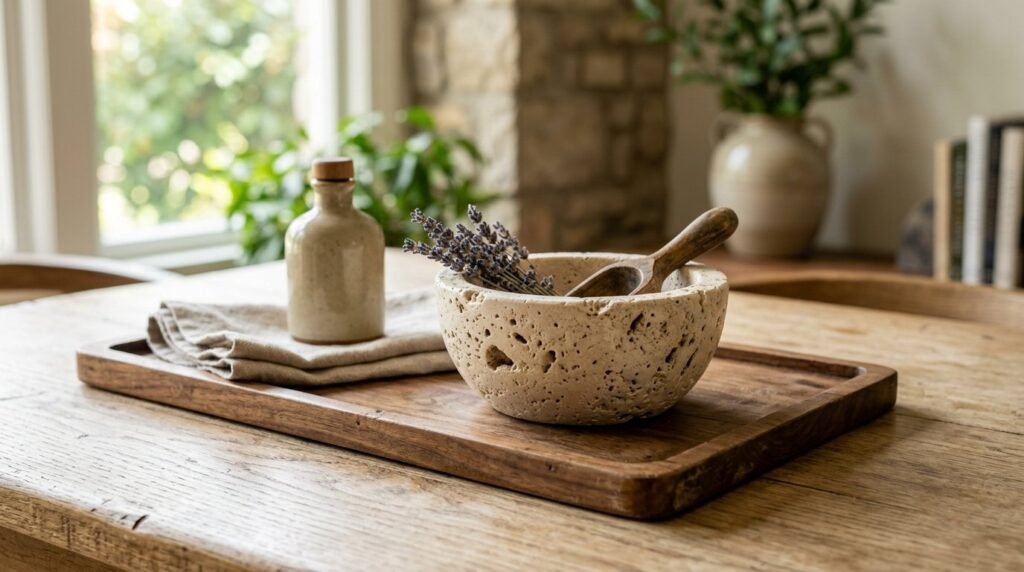
Small bowls or trays made from pitted stone add subtle detail. Zara Home often carries these for under forty dollars. Place a travertine tray on your coffee table to hold candles. The porous surface can stain easily. Keep wine and coffee away from these pieces to prevent marks.
17. Handcrafted Ceramic Vases
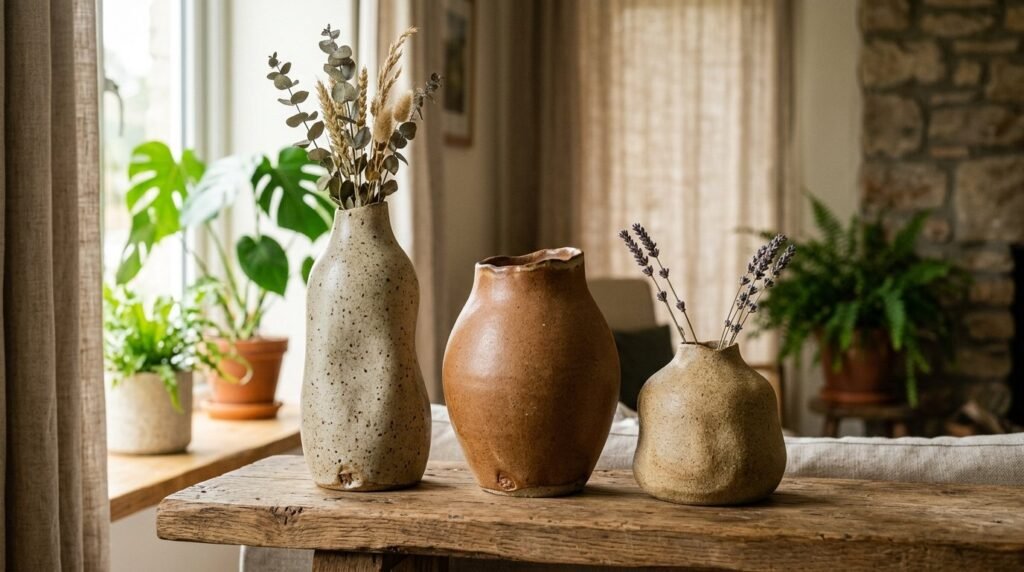
Irregular shapes feel more human and organic. Look for pottery with visible thumbprints or uneven glazes. Local potters often sell these for fifty to one hundred dollars. Group three vases of different heights together for a styled look. Avoid perfectly symmetrical store bought sets. They lack the soul this style requires.
18. Smoked Glass Vases
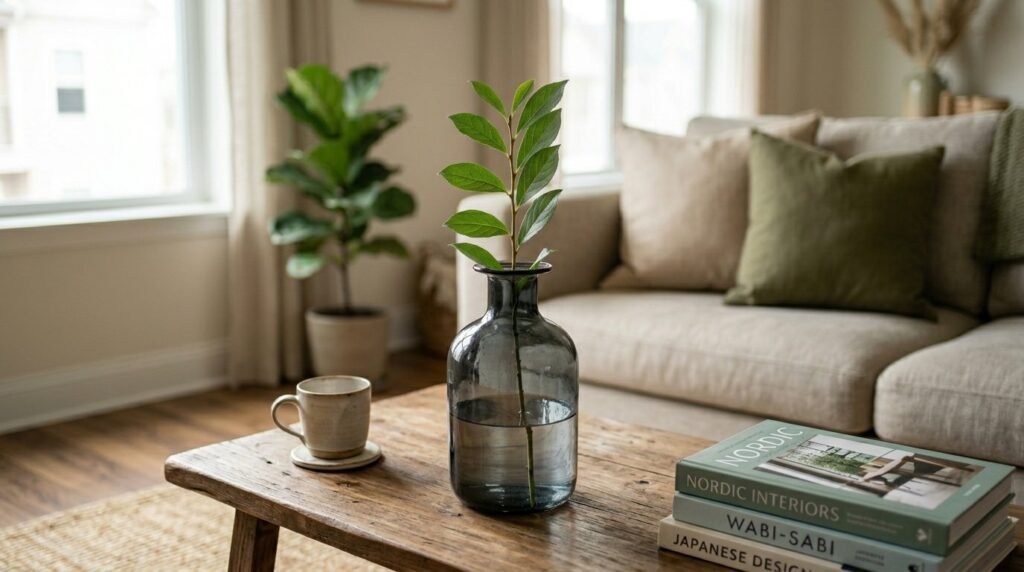
Glass adds a layer of transparency without being too bright. Smoked or amber glass feels more sophisticated than clear glass. H&M Home has affordable options for twenty dollars. Use them to hold a single foraged branch. These show water spots very easily. Dry them with a microfiber cloth after every washing.
19. Bouclé Accent Chairs
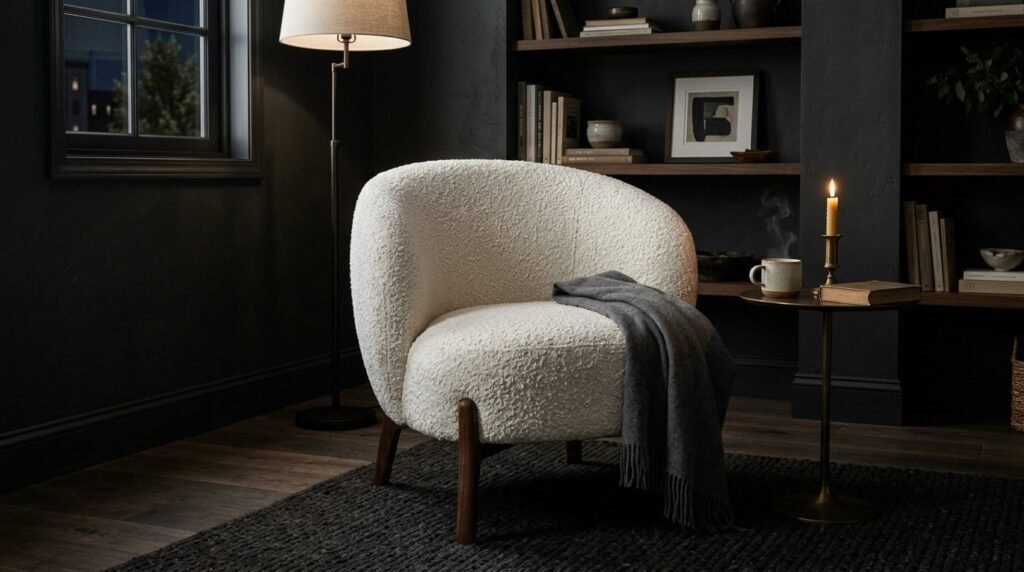
Nubby fabric adds a layer of softness to a room filled with hard surfaces. A white bouclé chair pops against dark charcoal walls. The Gwyneth Chair from CB2 is a fan favorite at nine hundred dollars. It is a magnet for pet hair. If you have a dark dog, skip the white bouclé and go for a tan wool instead.
20. Layered Wool Throws
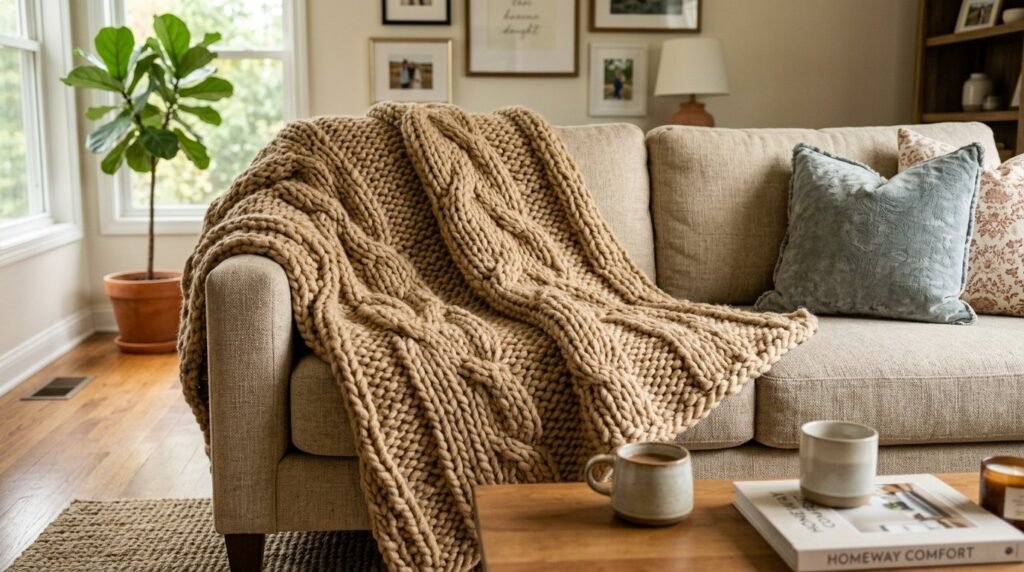
Softness is key in a moody living room. Drape a heavy knit wool throw over the back of your sofa. Jenni Kayne makes beautiful alpaca throws that are incredibly soft. They are an investment at four hundred dollars. You can find similar wool blends at Quince for much less. Store extra blankets in a large woven basket near the hearth.
21. Foraged Branch Arrangements
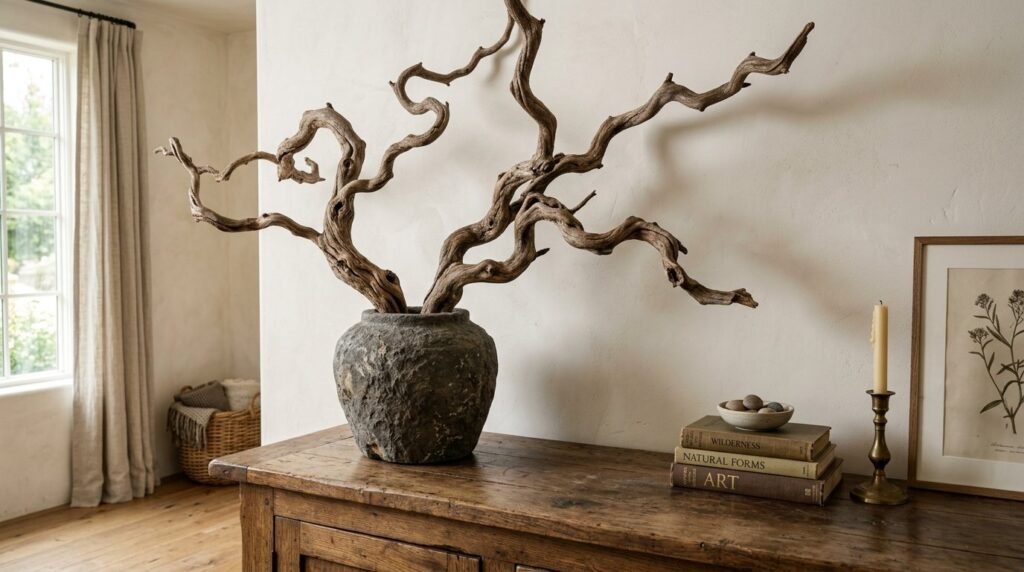
The best decor is often free. Go outside and find a large, interesting branch from a fallen tree. Strip the small leaves and place the bare wood in a heavy vase. This adds a sculptural element that costs zero dollars. It can be messy as it dries further. Spray the branch with a clear matte sealant to stop bits from falling off.
22. Dark Oak Cabinets
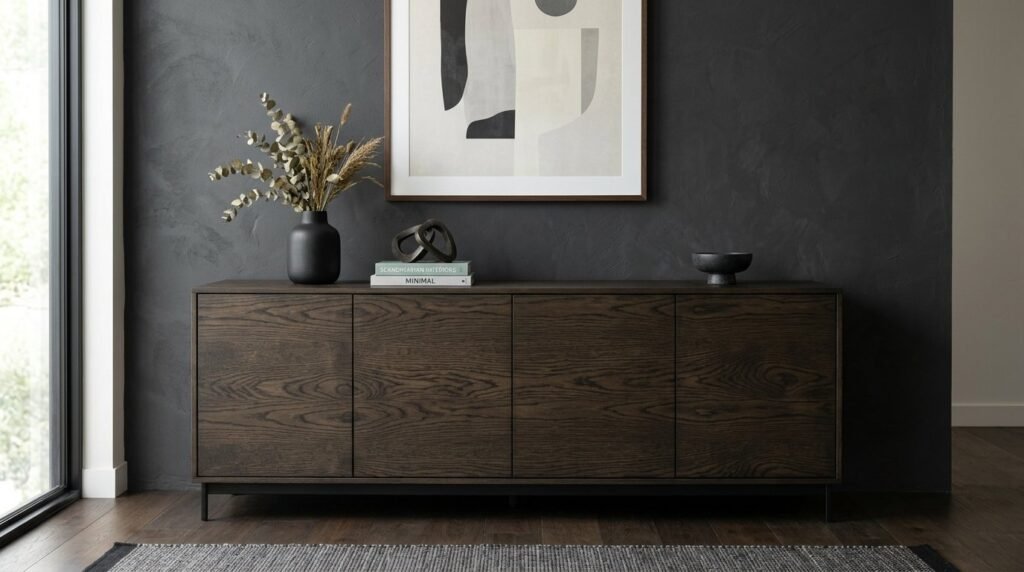
Storage can be moody too. Use a sideboard in a dark stained oak to hide electronics. Crate and Barrel has the Fayette collection which features beautiful wire brushed wood. It costs about two thousand dollars. The dark wood looks intentional against deep wall colors. Ensure the hardware is minimal to keep it modern.
23. Hammered Metal Bowls
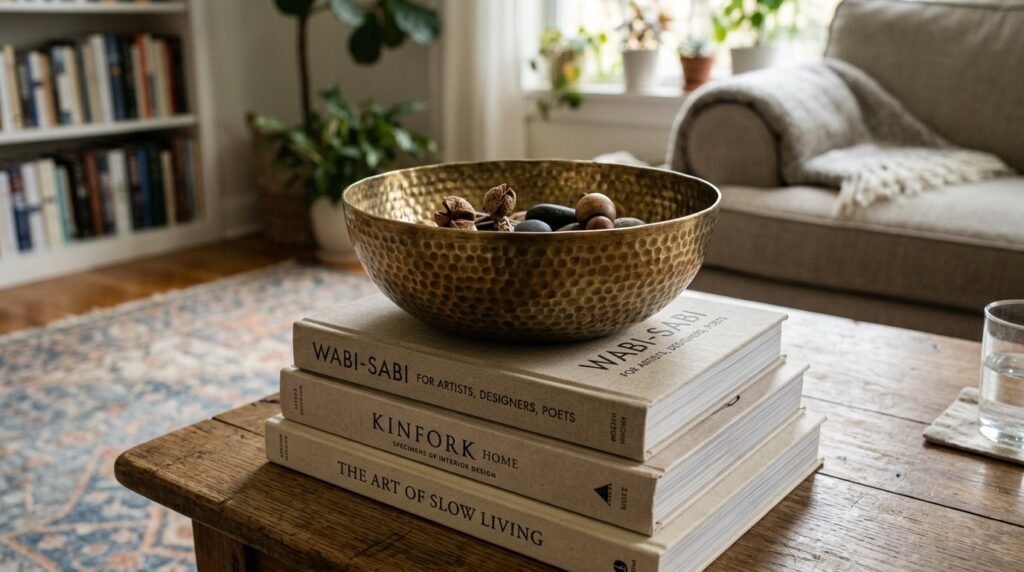
Texture should extend to your smaller accessories. A large hammered brass bowl looks beautiful on a stack of books. You can find these at vintage shops for twenty dollars. They provide a tiny bit of shine in a matte room. Avoid highly polished silver. It feels too cold for an organic space.
24. Mudcloth Pattern Pillows
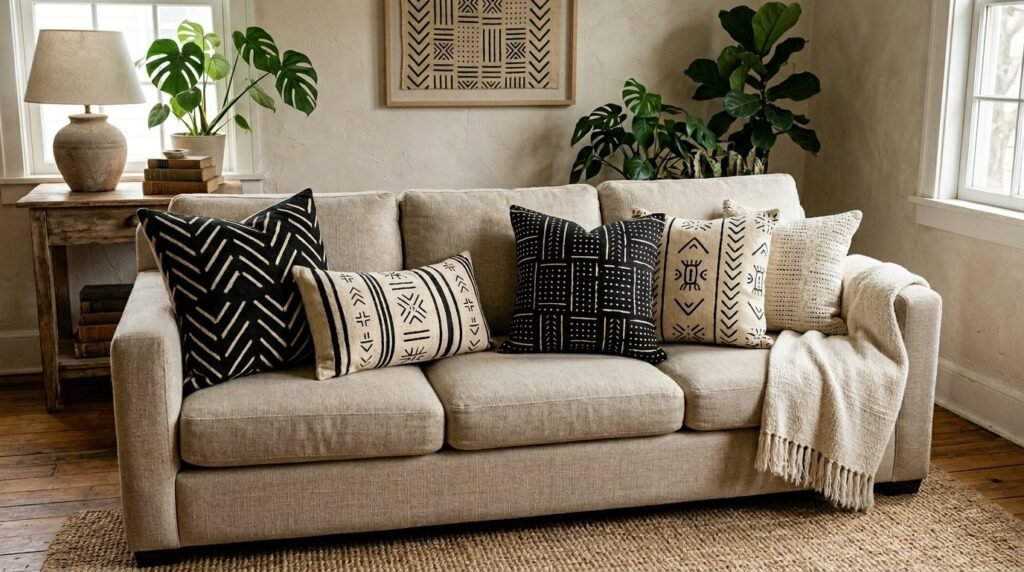
Hand dyed textiles add a global organic feel. Authentic mudcloth from Mali comes in beautiful black and cream patterns. Covers usually cost forty dollars on Etsy. They are durable and hide stains well. The fabric can be a bit stiff at first. Wash them with a gentle detergent to soften the fibers.
25. Large Scale Abstract Art
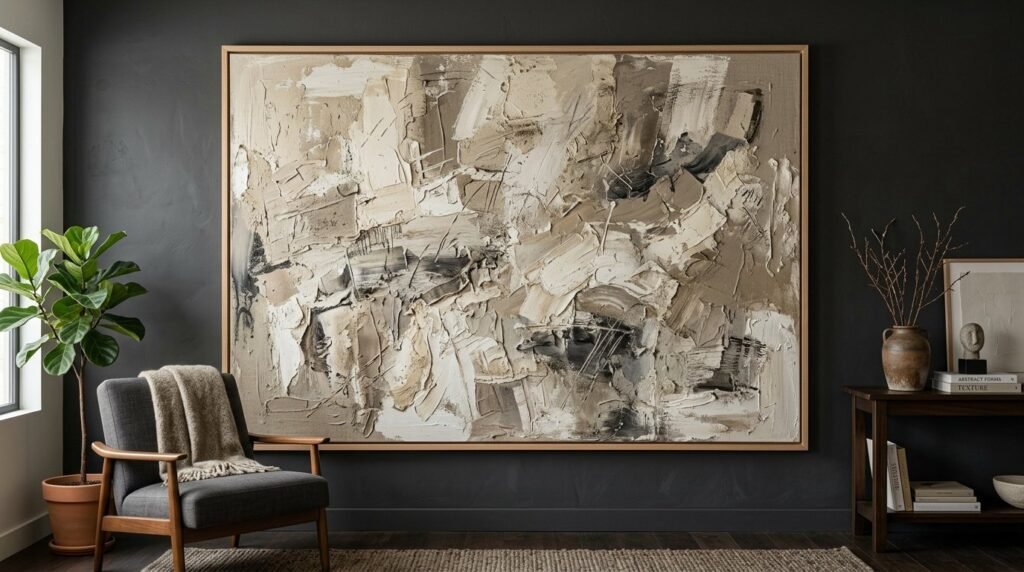
A single large piece of art makes a bigger impact than a gallery wall. Choose something with neutral tones and plenty of texture. I once made a DIY textured canvas using joint compound and black paint for under fifty dollars. It looks high end but was very simple to create. Avoid frames with glass. A raw canvas or a simple wood float frame feels more organic.
Room Setup Comparison
| Element | Modern Minimalist | Organic Modern | Moody Organic |
| Wall Color | Bright White | Warm Beige | Charcoal or Navy |
| Furniture | Metal and Plastic | Wood and Linen | Dark Wood and Velvet |
| Rug Style | Low Pile Synthetic | Jute or Sisal | Chunky Wool or Jute |
| Lighting | Recessed LED | Paper Pendants | Brass Sconces |
| Vibe | Clean and Sharp | Light and Airy | Cozy and Grounded |
| Budget | Low to High | Mid Range | Premium Look |
Case Study: The 1980s Living Room Reset
A client had a living room with beige carpet and orange oak trim. We wanted to move toward a moody organic modern living room. We painted the walls in Benjamin Moore Iron Mountain. We kept the original oak floors but sanded them down and applied a clear matte sealer to remove the orange tint. By adding a cream linen sofa and a large jute rug, the dark walls didn’t feel heavy. The total cost for the paint, rug, and sofa was four thousand dollars. The room now feels like a high end hotel lounge rather than a dated suburban house.
Tutorial: How to Age a Ceramic Vase
- Find a Base: Buy a cheap smooth ceramic vase from a thrift store for five dollars.
- Mix Paint: Combine matte black acrylic paint with a tablespoon of baking soda.
- Apply Texture: Brush the thick mixture onto the vase in random strokes.
- Add Dirt: While the paint is still slightly tacky, rub some dry garden soil onto the surface.
- Seal: Spray with a matte clear coat. This gives you a hundred dollar look for the price of a latte.
Frequently Asked Questions
Will charcoal walls make my small living room look tiny?
Actually, dark colors can make the boundaries of a room disappear. In my experience, using a deep shade like charcoal or navy in a small space creates a cocoon-like feeling that is very sophisticated. The key is to keep the ceiling white and use light colored furniture to provide contrast.
How do I clean a jute rug?
Jute is a natural fiber that does not like water. If you spill something, blot it immediately with a dry cloth. Never use a steam cleaner on a jute rug as it will shrink and warp. I suggest using a dry powder cleaner once a year to refresh the fibers without moisture.
Are linen sofas hard to maintain with kids?
Linen is surprisingly durable but it does stain. I always recommend getting a slipcovered linen sofa. Brands like Sixpenny or IKEA offer covers that you can throw in the wash. I’ve seen these survive many spills when the fabric is treated with a stain protector like Scotchgard.
What is the best light bulb for a moody room?
Avoid cool white or daylight bulbs. They will make your charcoal walls look blue and cold. Use “Warm White” bulbs with a color temperature around 2700K. This creates a golden glow that makes the organic textures in the room look rich and inviting.
Is black furniture too much for dark walls?
It can work if the textures are different. A matte black metal chair against a charcoal plaster wall looks very modern. However, if everything is the same flat black, the room will lose its depth. Always mix your materials to keep the eye moving.
Can I mix different wood tones?
Yes, and you should. A mix of light oak, dark walnut, and reclaimed pine makes a room feel like it was collected over time. I usually try to keep the undertones the same. For example, stick to all “cool” woods or all “warm” woods to ensure they don’t clash.
Where can I find affordable organic decor?
Etsy is my favorite source for handmade ceramics and mudcloth pillows. Target and H&M Home are excellent for smaller items like vases and candles. For larger furniture, Facebook Marketplace is a goldmine for stone tables and vintage wood pieces if you are patient.
How high should I hang my sconces?
Most designers recommend hanging wall sconces at eye level, which is usually about sixty to sixty six inches from the floor. If they are over a sofa, they can be slightly lower. Ensure they are spaced far enough apart so they don’t crowd your artwork or mirror.
Do I need a professional to plaster my walls?
Not necessarily. Products like Roman Clay or lime wash are designed for DIY application. It takes some practice to get the movement right, but it is a very forgiving process. Try a small patch in a closet first to get a feel for the trowel before tackling your main wall.
What are the best plants for a dark room?
If your moody room doesn’t get much light, choose low light plants like ZZ plants or Snake plants. If you have almost no light, stick to high quality dried branches or preserved moss. I’ve seen many people waste money on fiddly trees that die within a month in dark corners.
How much should I spend on a rug?
A good rug is the foundation of the room. Expect to spend at least five hundred dollars for a high quality natural fiber rug that won’t fall apart. Cheap synthetic rugs often have a plastic sheen that ruins the organic modern aesthetic.
Can I use this style in a rental?
You can. If you can’t paint the walls, focus on large scale dark art and a dark rug. Use peel and stick wallpaper in a linen texture to add depth to your walls without losing your security deposit. Most of the organic modern look comes from the furniture and accessories anyway.
Why is my room looking messy instead of organic?
The line between “organic” and “cluttered” is thin. Ensure every item has a purpose. If you have too many small sticks and stones, the room looks dusty. Group your items in odd numbers and leave “white space” on your tables to keep it looking intentional.
Is velvet out of style?
Velvet is a classic material that never really goes away. In an organic modern home, it provides the necessary softness to balance out hard stone and wood. Stick to matte cotton velvets rather than shiny polyester versions for a more modern look.
How do I choose the right charcoal paint?
Check the undertones. Some charcoals look purple, while others look green. I always suggest painting a large sample board and looking at it in your room at different times of day. My favorites are Iron Mountain by Benjamin Moore and Peppercorn by Sherwin Williams.
Transforming your space into a moody organic sanctuary is about more than just picking a paint color. It is about embracing the imperfections of natural materials and the quiet power of dark tones. I have seen how a simple change in texture can make a house feel like a home. Take your time selecting pieces that speak to you. Start with a dark wall or a textured rug and build from there. Save this guide on Pinterest so you can refer back to it during your design journey. Try adding one raw wood element this weekend and see how it changes the energy of your room. Share your progress with others who are looking for a more grounded way to live.

Sloane Whitaker is the Editor-in-Chief at Home Wall Trends, leading editorial direction with over a decade of experience in residential interior design and home styling. Her specialty is space planning and layout, the unglamorous fundamentals that make a beautiful room actually function. A graduate of the New York School of Interior Design, Sloane has styled over 200 client homes before turning her focus to digital publishing. Her editorial standard: “If a reader can’t picture themselves doing it on a Saturday afternoon, we haven’t explained it well enough.”