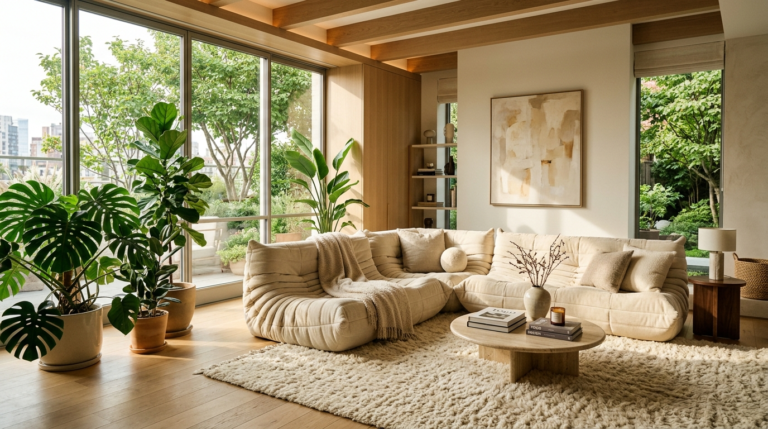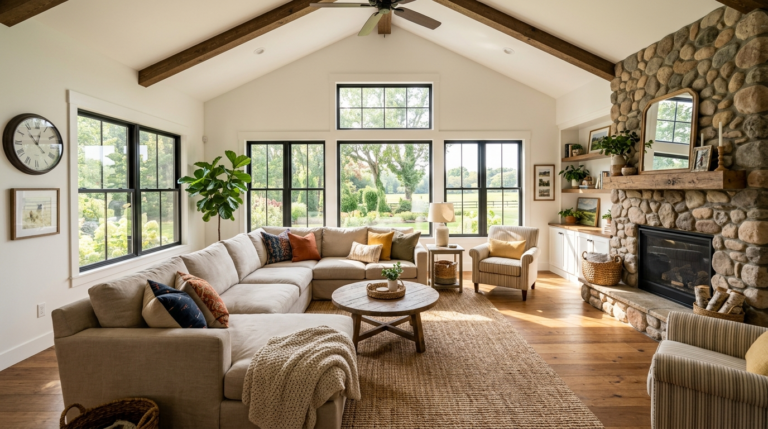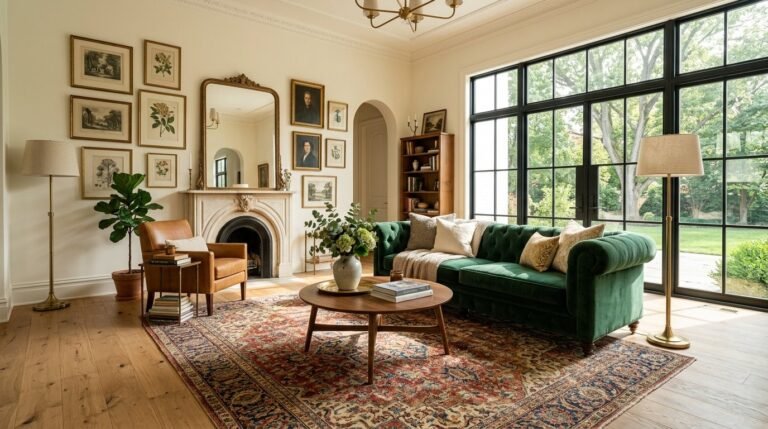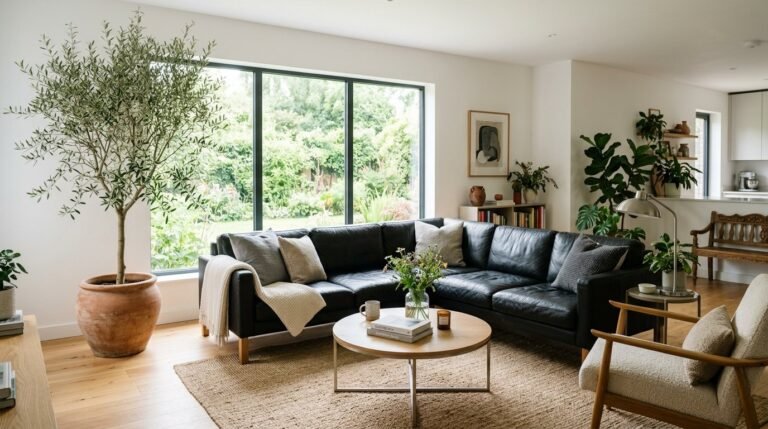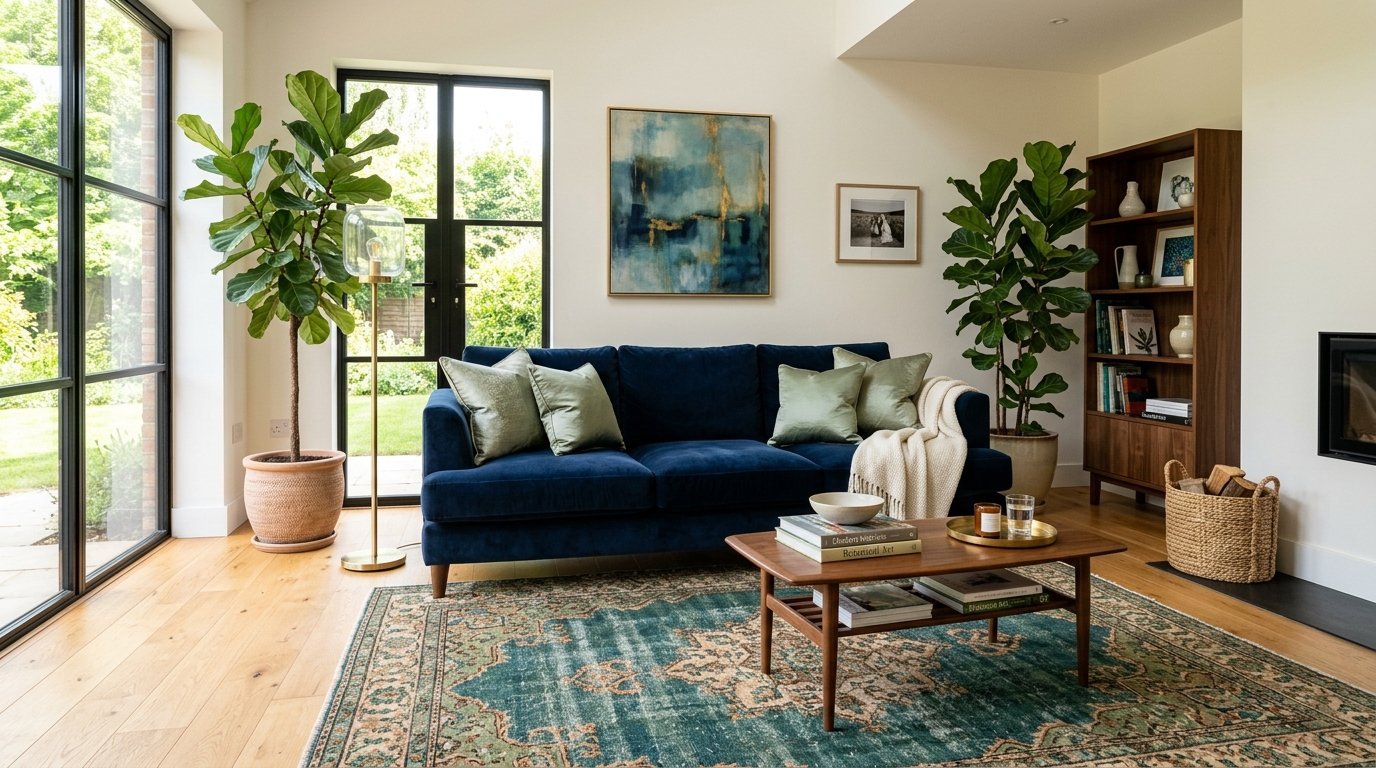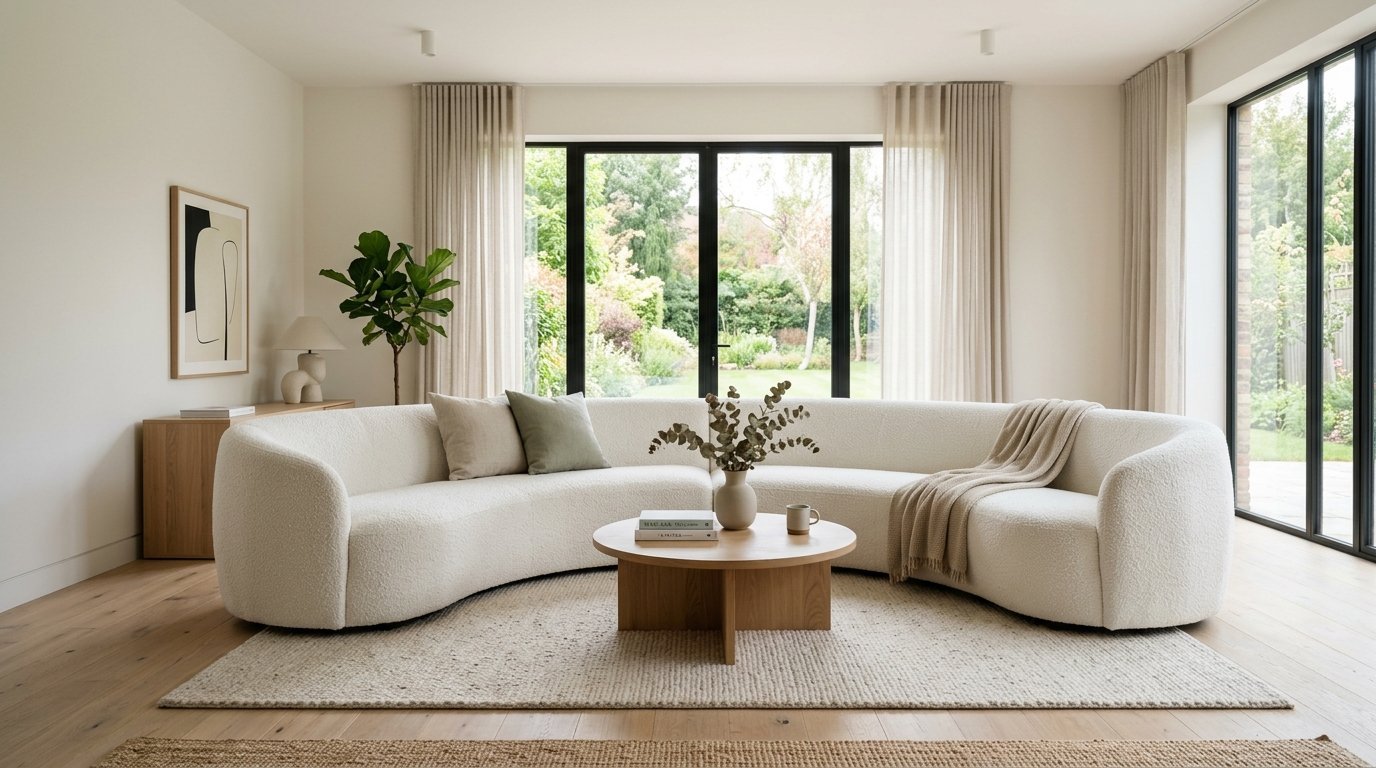
I spent three years working in a furniture showroom before I realized something important. Most people buy a sofa and never move it again. They treat it like a heavy piece of stone. Last summer, I helped a friend move into a small rental in Austin. We had a tiny budget and a very weird living room shape. We bought a used modular set from a local thrift shop. By moving the pieces into an offset shape, we made the room look twice as expensive. That day changed how I think about home design. Modular sofas are not just furniture. They are building blocks for your life. You can change your room when you have a party or when you want to nap. This guide shows you how to use these pieces to get a high end look without the high end price.
Executive Summary
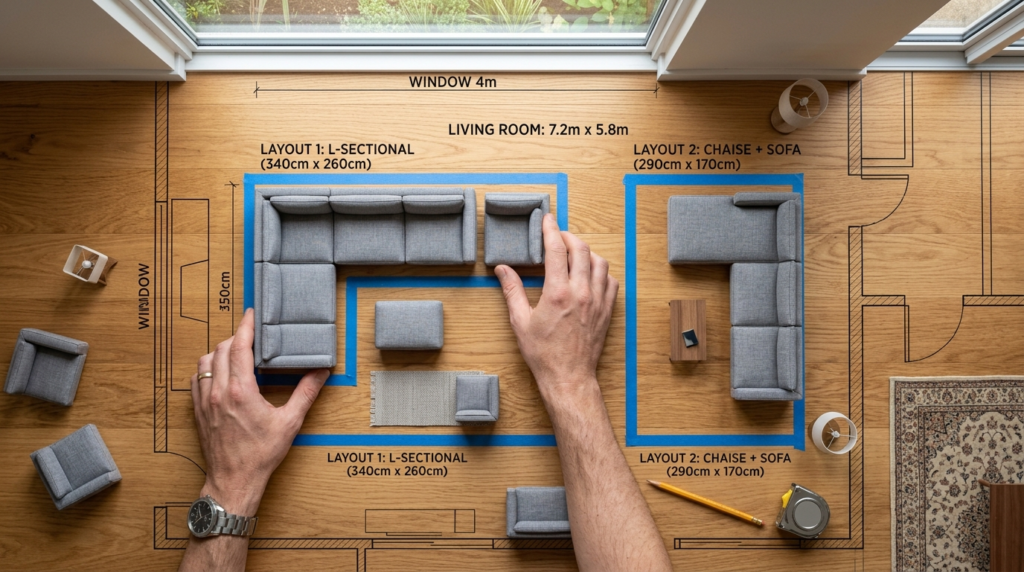
This guide provides twenty-five specific ways to arrange your modular furniture. I have tested these layouts in real homes ranging from tiny studios to large open floor plans. You will see how to fix common problems like awkward corners or narrow walkways. I include real advice on brands like IKEA, Burrow, and Albany Park. You can expect to find layouts that help with movie nights, guest hosting, and daily relaxation. Each setup focuses on balance and flow. I also explain how to save money by starting with a small set and adding pieces over time. My goal is to help you create a space that feels personal and professional. These ideas work because they focus on how humans actually use their living rooms. You do not need a degree in design to make these work today.
1. The Floating Island Layout
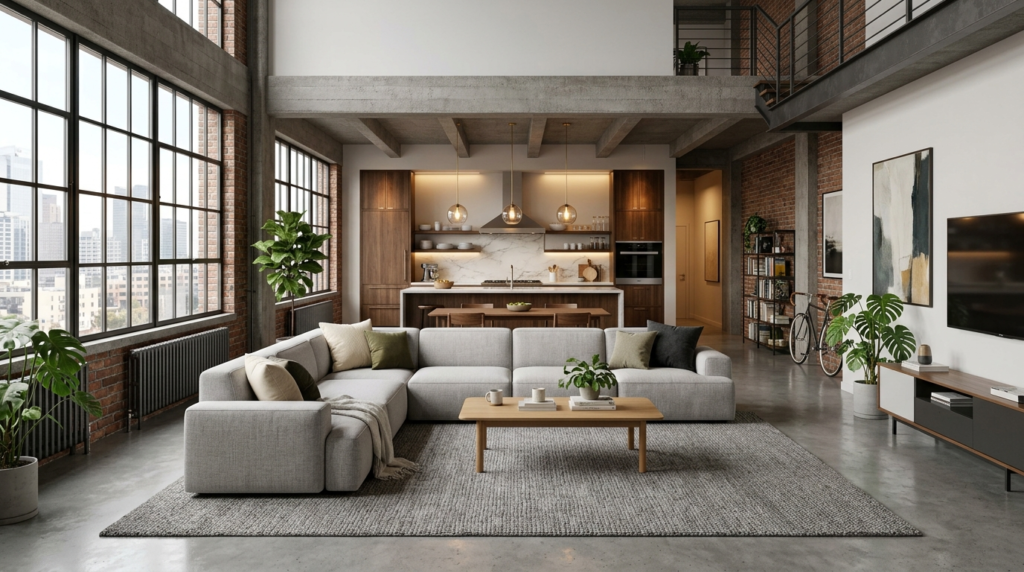
In my experience, pushing furniture against the wall makes a room feel small. I tried moving a four piece modular set to the center of a rug last year. It changed the whole feel of the space. You create a path behind the sofa which makes the room feel airy. Use this if you have an open floor plan. It defines the living area without using walls. I noticed that guests tend to gather around the back of the sofa to talk. This setup works great with the IKEA Jattebo series because the low profile does not block your view of the rest of the house.
2. The Sunken Pit Conversation Spot
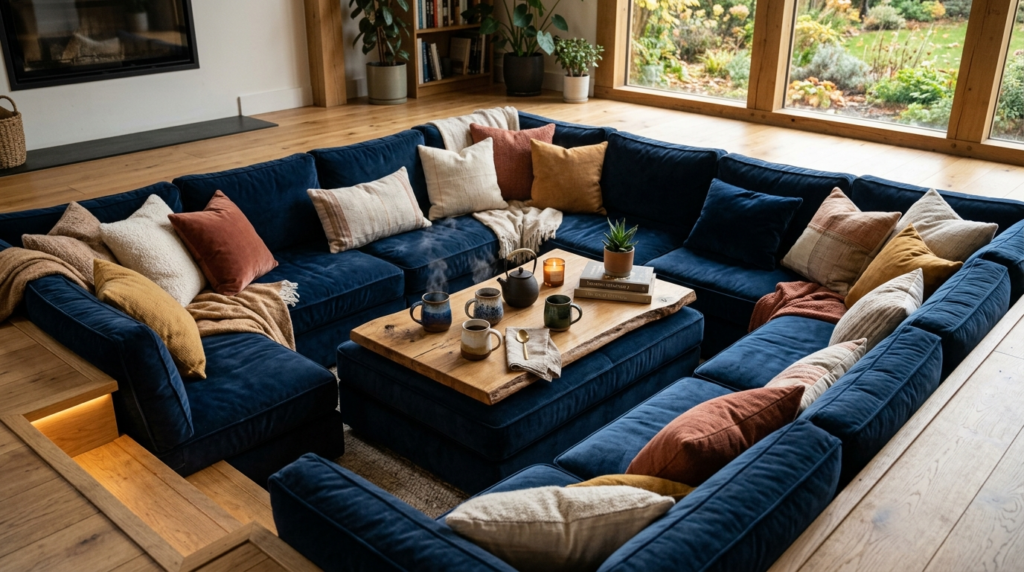
I saw this work in a mid century home in California. You take four or five square modules and push them together to form a large square. This creates a giant bed for sitting. It is perfect for families with kids or people who love movie marathons. I tried this with an Albany Park Kova sofa. The soft cushions make it feel like a cloud. Keep a large tray on one of the modules to hold your drinks. This layout feels very high end because it looks intentional and bold. It turns your living room into a destination for rest.
3. The Asymmetric L Shape
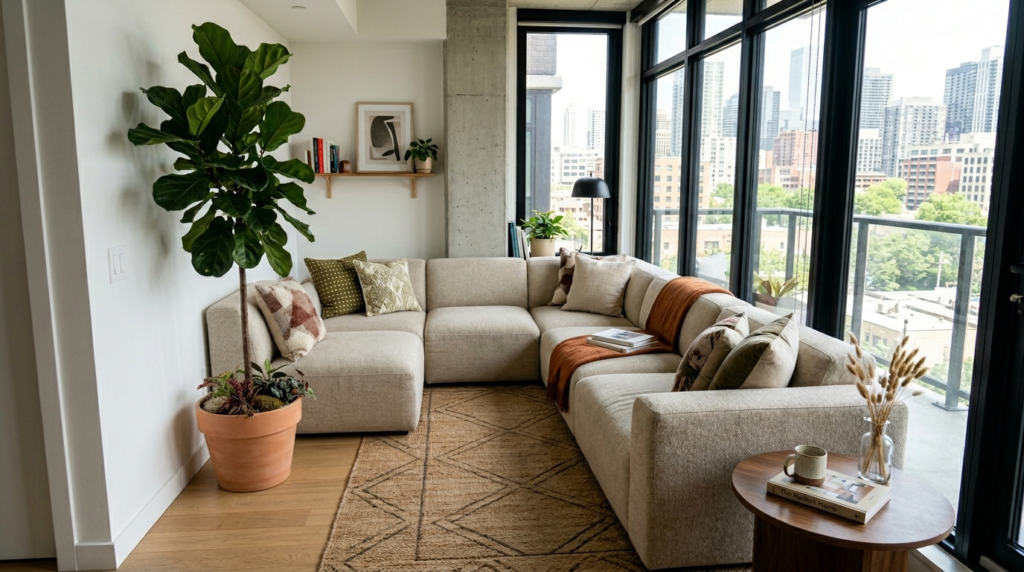
Most people try to make everything perfectly even. I found that an uneven layout often looks more modern. Put three pieces on one side and only one or two on the other. This creates a visual weight that pulls the eye toward a window or a fireplace. I saw this work well in a narrow condo. It leaves room for a tall plant or a lamp on the shorter side. It stops the room from looking like a waiting room. Use this setup to highlight a piece of art on your wall.
4. The Mirror Image Sectional
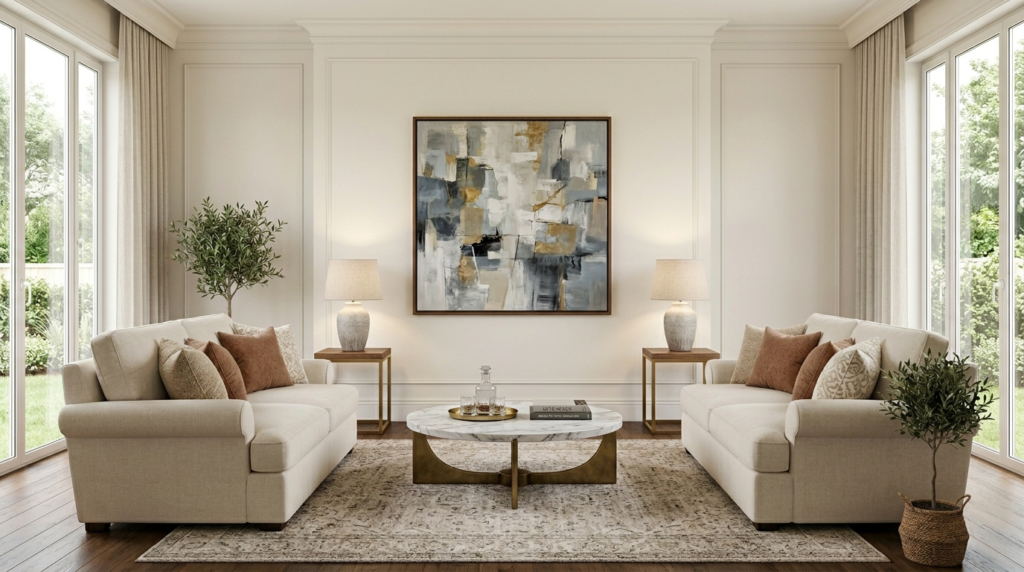
If you have a long room, try two identical smaller sectionals facing each other. I used this for a client who hosted book clubs. It creates a formal feel that is still very comfortable. You do not need to buy expensive brands for this. Two basic sets from Wayfair can look like a million bucks if you style them with matching pillows. This layout encourages people to look at each other instead of a television. It makes the room feel balanced and calm.
5. The Window Facing Daybed
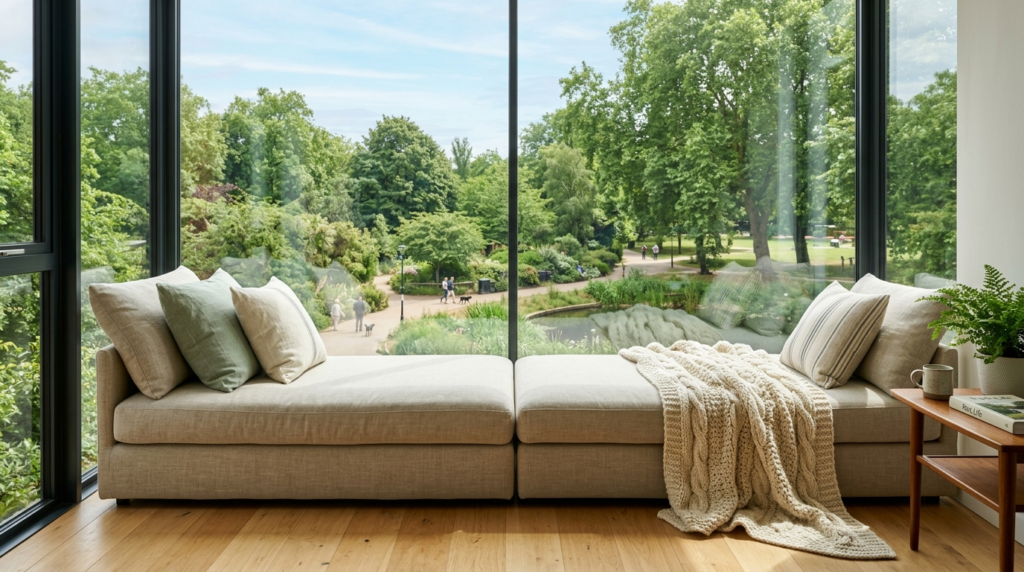
I once had a studio apartment with a beautiful view of a park. I took two modular pieces and lined them up right against the glass. It created a long bench for reading. This uses space that most people leave empty. In my experience, a daybed setup makes a small room feel like a luxury hotel suite. You can move the pieces back to a standard shape when you have company. This flexibility is the best part of modular living.
6. The Corner Wrapped Lounge
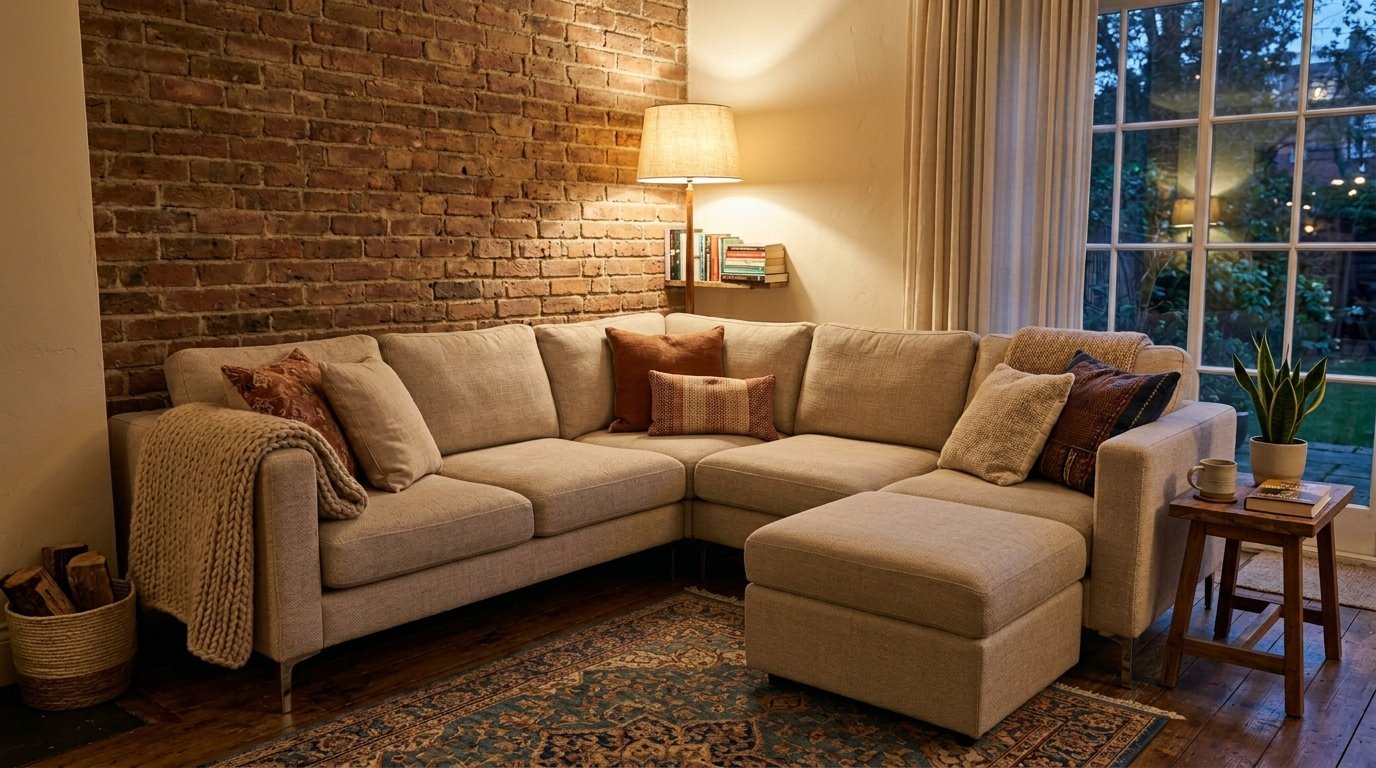
Awkward corners are the enemy of good design. I fixed a dark corner in my house by wrapping a modular sofa around the bend. Instead of a standard 90 degree turn, I used an ottoman as a bridge. This gives your legs more room to stretch. I noticed that this layout stops the “dead space” feeling in large rooms. It makes the corner feel cozy and useful. Brands like 7th Avenue are great for this because their pieces are easy to click together.
7. The Split Loveseat Duo
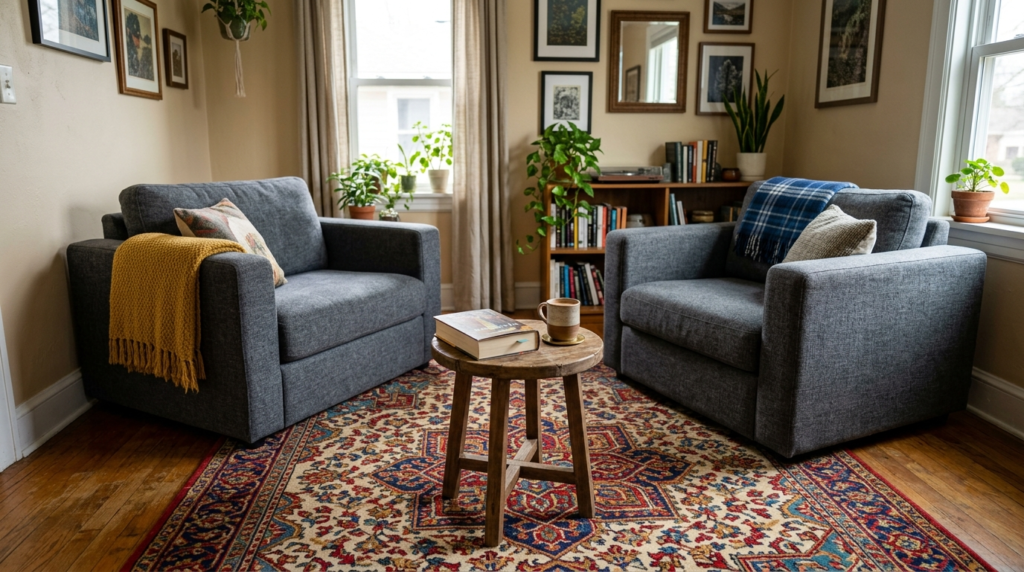
You do not have to keep all your pieces together. I tried splitting a four piece set into two separate loveseats. We put a small coffee table between them. This fixed a common problem in small homes where a big sofa blocks the door. It looks like you bought a matched set of chairs and a sofa. It gives everyone their own space while keeping the room cohesive. I have seen this work perfectly in homes with pets where you want to keep some areas hair free.
8. The Entryway Divider Layout
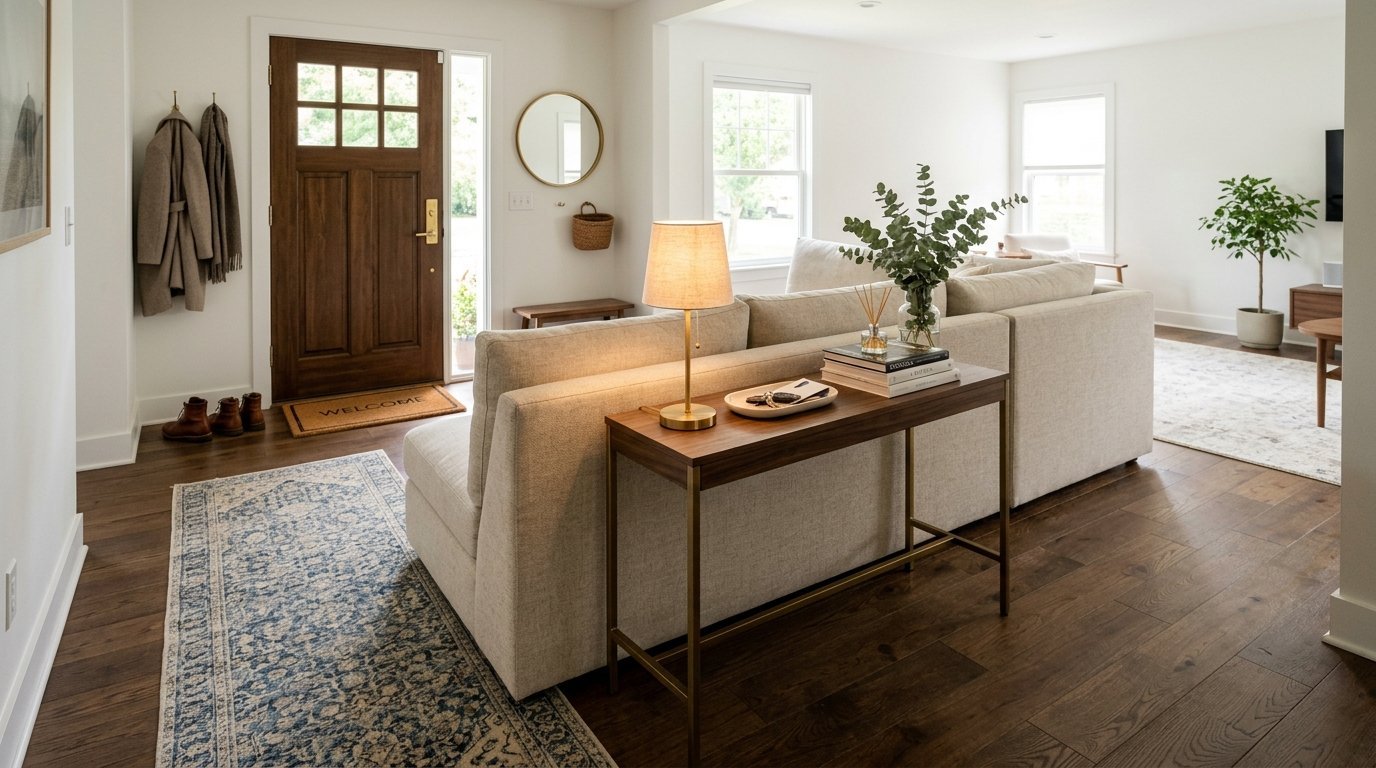
If your front door opens right into your living room, use your sofa as a wall. I placed a long three piece section with its back to the door. This creates a hallway where there was none. It makes the living area feel private and safe. I suggest using a sofa with a finished back for this. The Burrow Block Nomad is a good choice because the back looks just as good as the front. It defines the space without the cost of a renovation.
9. The Zig Zag Flow

For large parties, I like to break the sofa into separate islands. Put two pieces together here and two pieces over there. It creates a zig zag path for people to walk through. This prevents a “traffic jam” near the snacks. I saw this work at a wedding after party. People felt more comfortable moving around. It breaks the traditional rules of furniture, but it works for high energy homes. You can put them back together in five minutes once the guests leave.
10. The Extended Chaise Runner
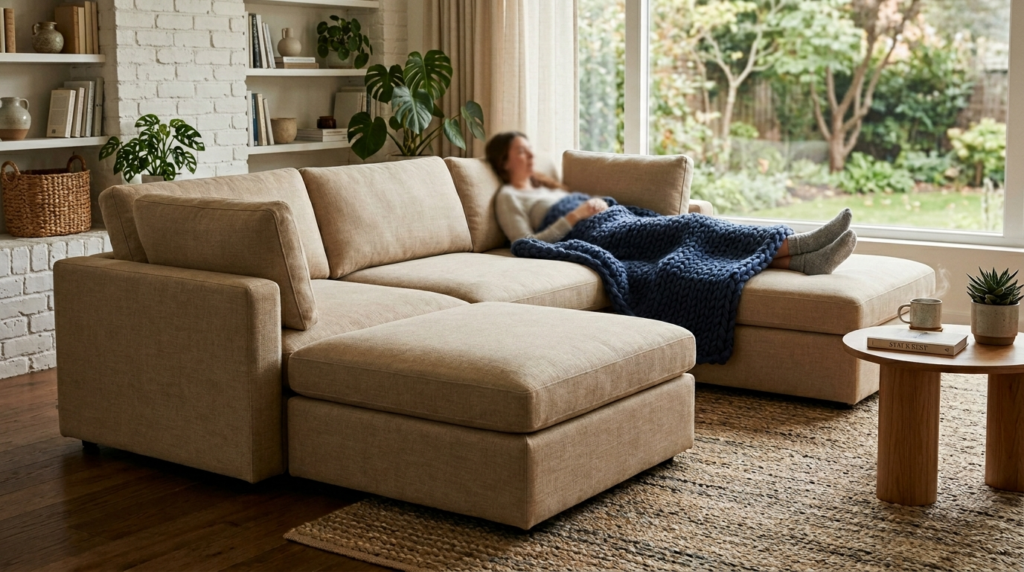
I love a chaise, but they are often too short. I tried adding an extra ottoman to the end of a standard chaise. This created a six foot long lounge area. It felt like a high end lounge in a spa. If you are tall, this is a life saver. I used this setup with a Floyd Sofa. The clean lines keep the long shape from looking messy. It is the best way to spend a Sunday afternoon with a book.
11. The Cinema Style U Shape
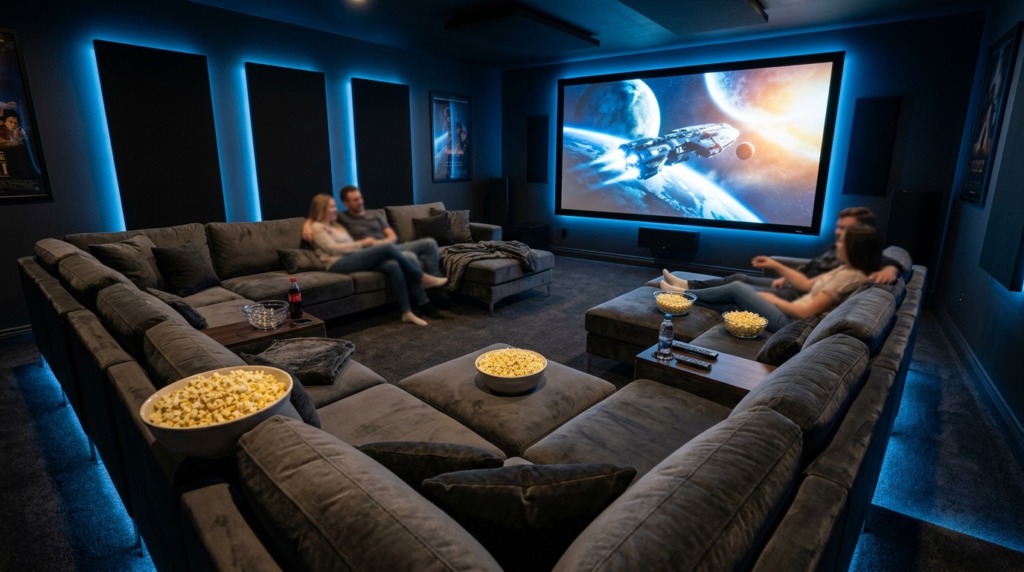
If you have a big family, the U shape is king. I noticed that people often buy a U shape that is too big for their rug. My tip is to use modular pieces to build a U that fits your specific space. Put a large rug down first, then build the sofa on top of it. This keeps the room from looking cluttered. I have tried this with the Lovesac Sactionals. You can change the size as your family grows. It is a smart long term investment for a home.
12. The Back to Back Solution
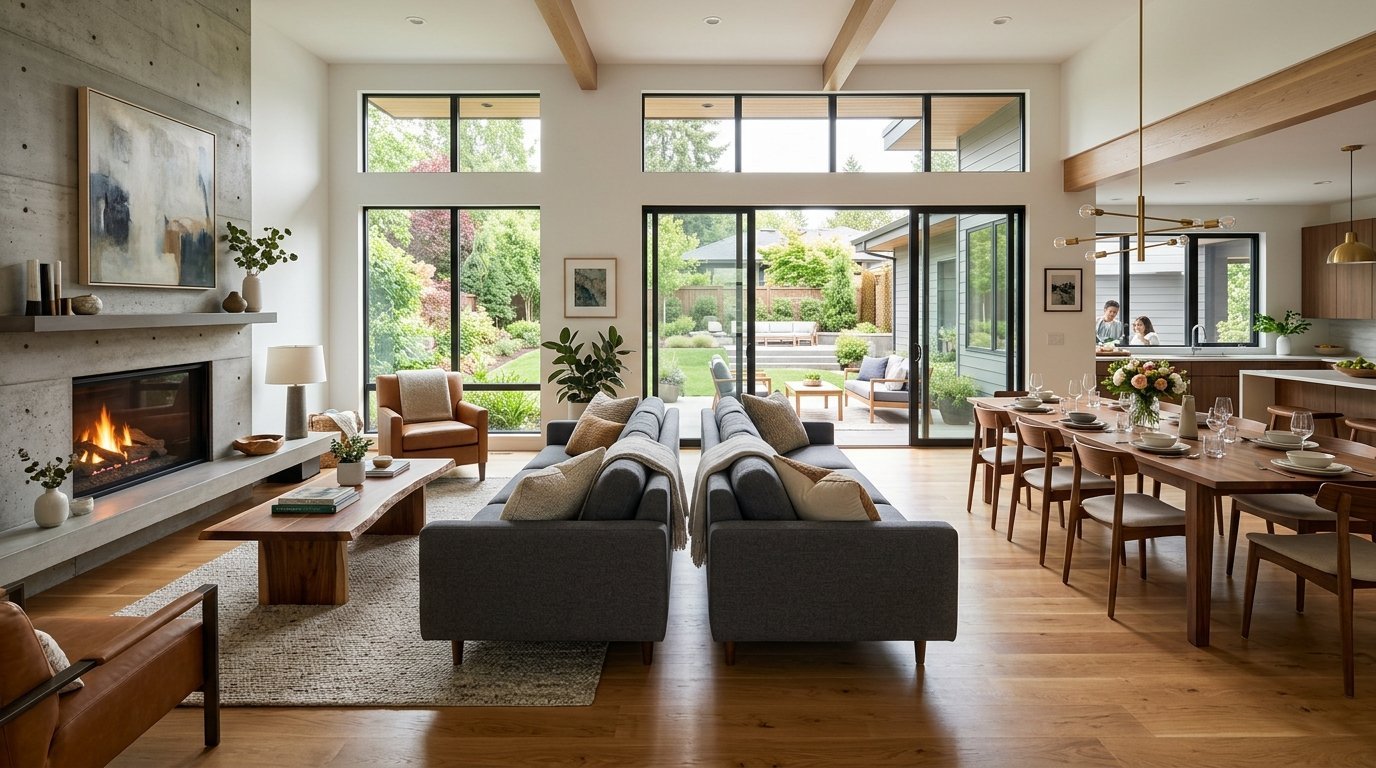
In a very large open room, you can put two sofa sections back to back. One side faces the TV, and the other side faces the kitchen. I saw this in a modern loft in Chicago. it allows two different activities to happen at once. Someone can watch a movie while someone else chats with the cook. It uses the center of the room effectively. Use neutral colors so the large piece of furniture does not overwhelm the eye.
13. The Ottoman Coffee Table Hybrid
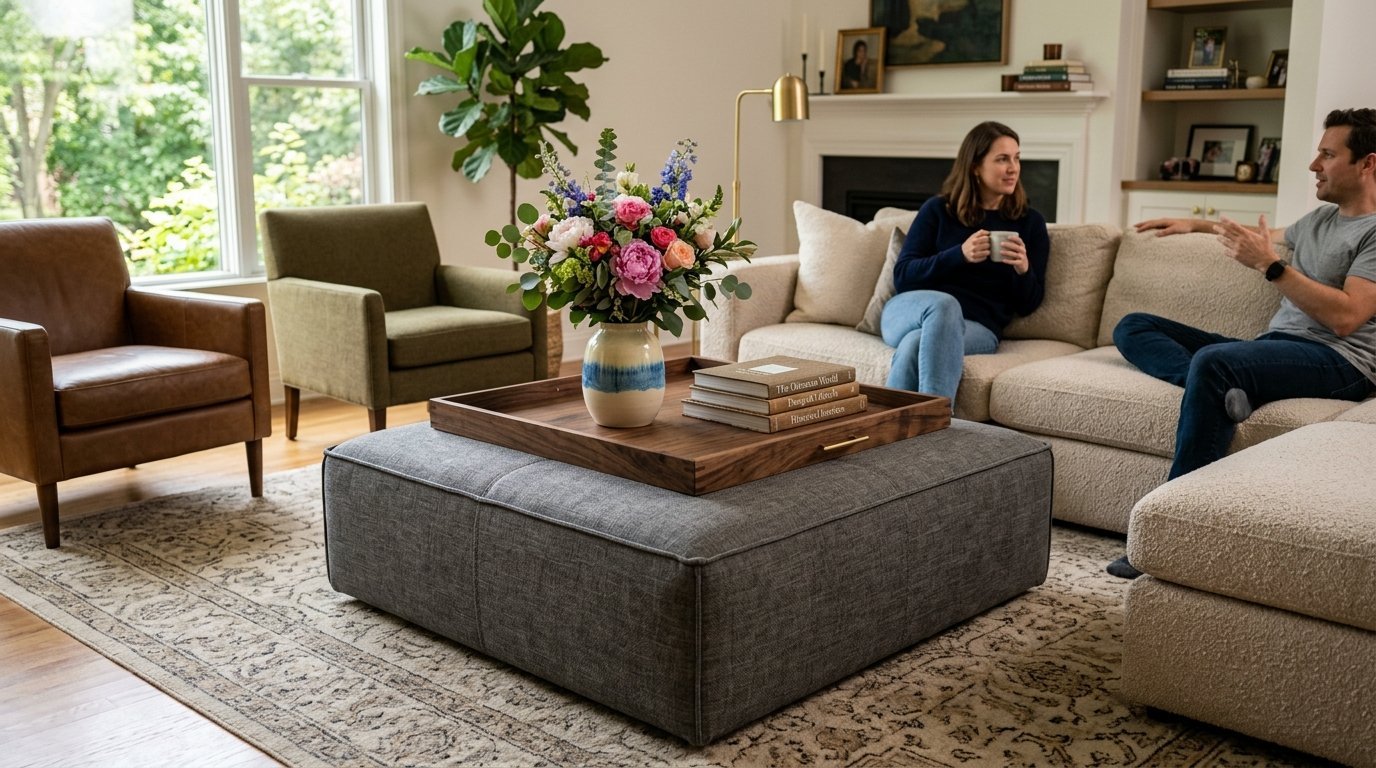
Most modular sets come with an ottoman. Instead of using it for your feet, put a large wooden tray on it. Now you have a coffee table that matches your sofa. I do this in my own home. When I need more seating, I just move the tray and someone can sit there. It saves you money because you do not need to buy a separate table. It also makes the room look more designer because the materials match perfectly.
14. The Minimalist Wall Lean
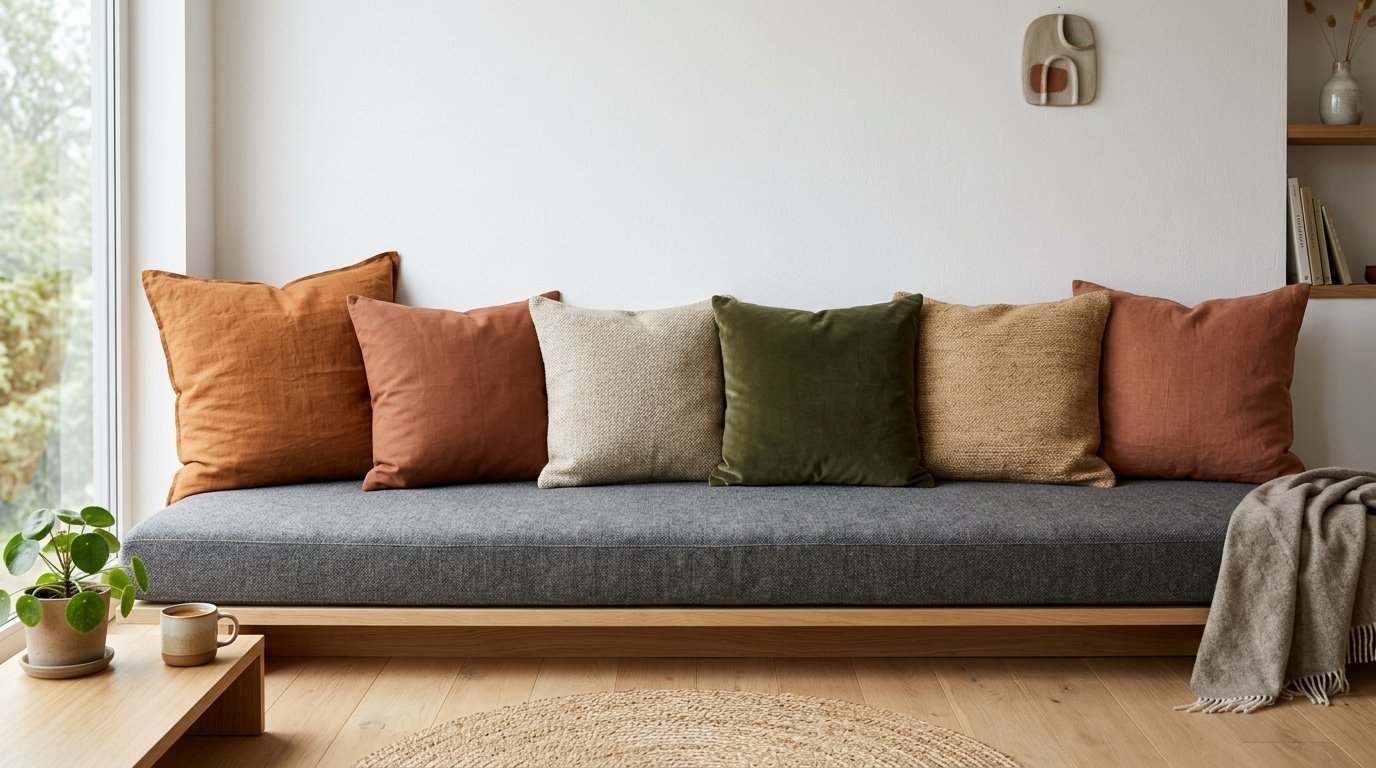
In a tiny apartment, every inch matters. I took the back cushions off my modular sofa and leaned the base right against the wall. I used large floor pillows for the back. This saved me about six inches of floor space. It sounds small, but in a studio, it is huge. It gives the room a relaxed, bohemian feel. I noticed that my friends felt more at home in this setup. It removes the formality of a standard sofa.
15. The Guest Room Transformer
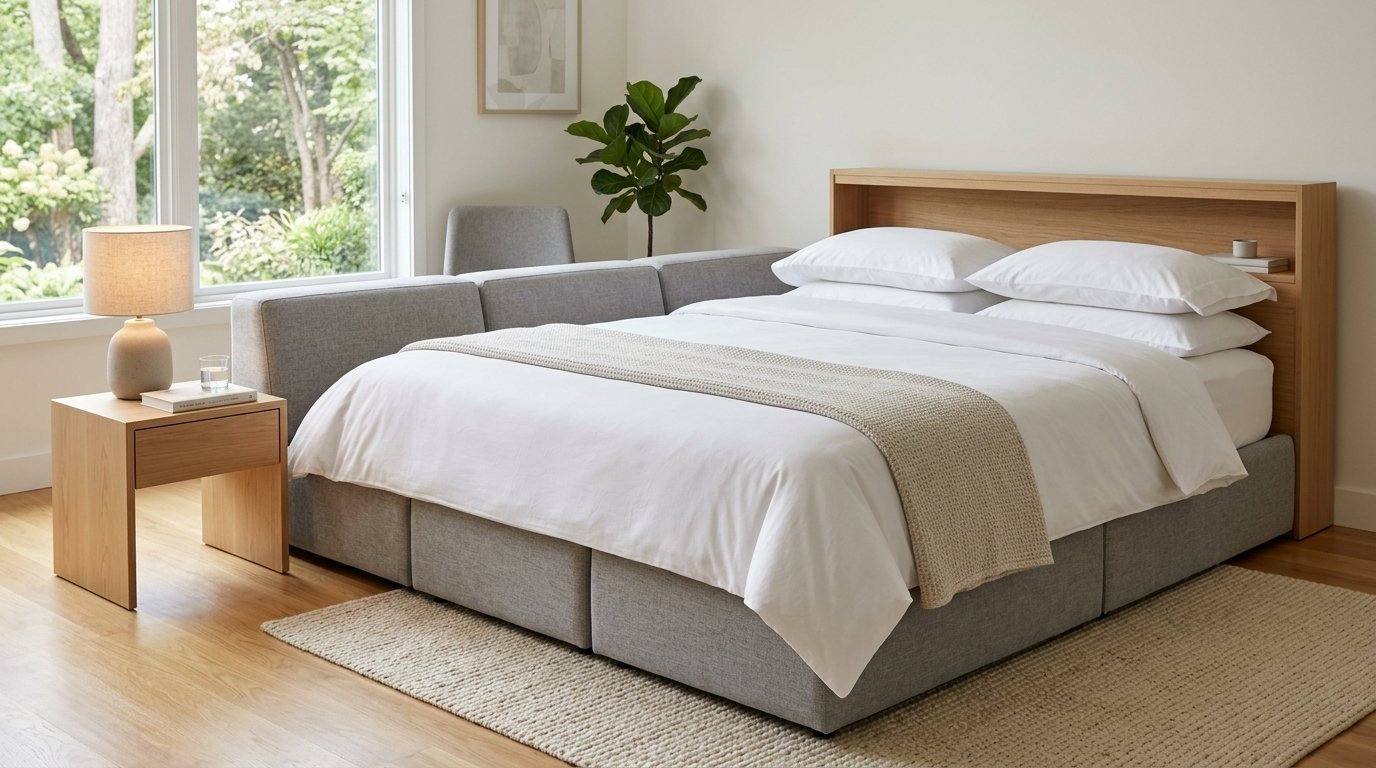
I do not have a guest room. I use my modular sofa. I move two pieces into a corner and push two more against them to make a queen size bed. I tried this with a Joybird Bryant set. The deep seats make a great mattress. I always keep a set of sheets nearby. It is a great way to host people without having a dedicated bedroom that sits empty most of the year. It makes your living room work twice as hard.
16. The Symmetric Gallery Layout
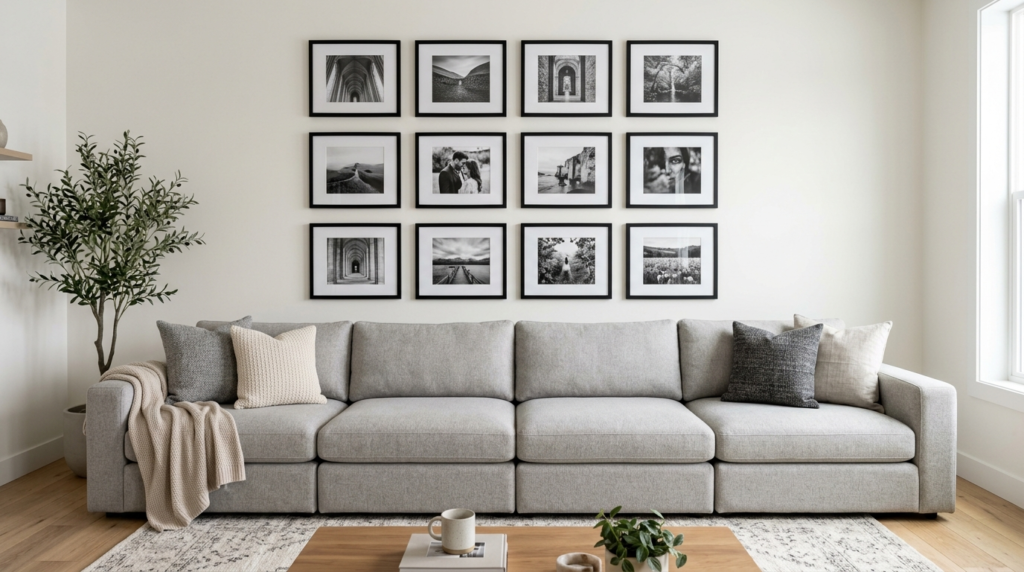
If you have a lot of art, keep your sofa low and long. Line up four pieces in a straight row under your gallery wall. This creates a strong horizontal line that leads the eye to your art. I saw this in a gallery owner’s home. It feels very expensive because it looks like a museum bench. It works best with armless modules. I like the look of the Article Abisko for this setup. It stays out of the way and lets your walls do the talking.
17. The Reading Nook Extension

I had a small alcove in my bedroom that was too small for a bed. I put one modular corner piece and one ottoman there. It became my favorite spot in the house. You can take a piece from your living room set to create this nook. If you realize you don’t use it, just move it back. This is why I tell everyone to buy modular. Your house can change based on your mood. It makes your home feel like it grew with you.
18. The Narrow Hallway Stretch
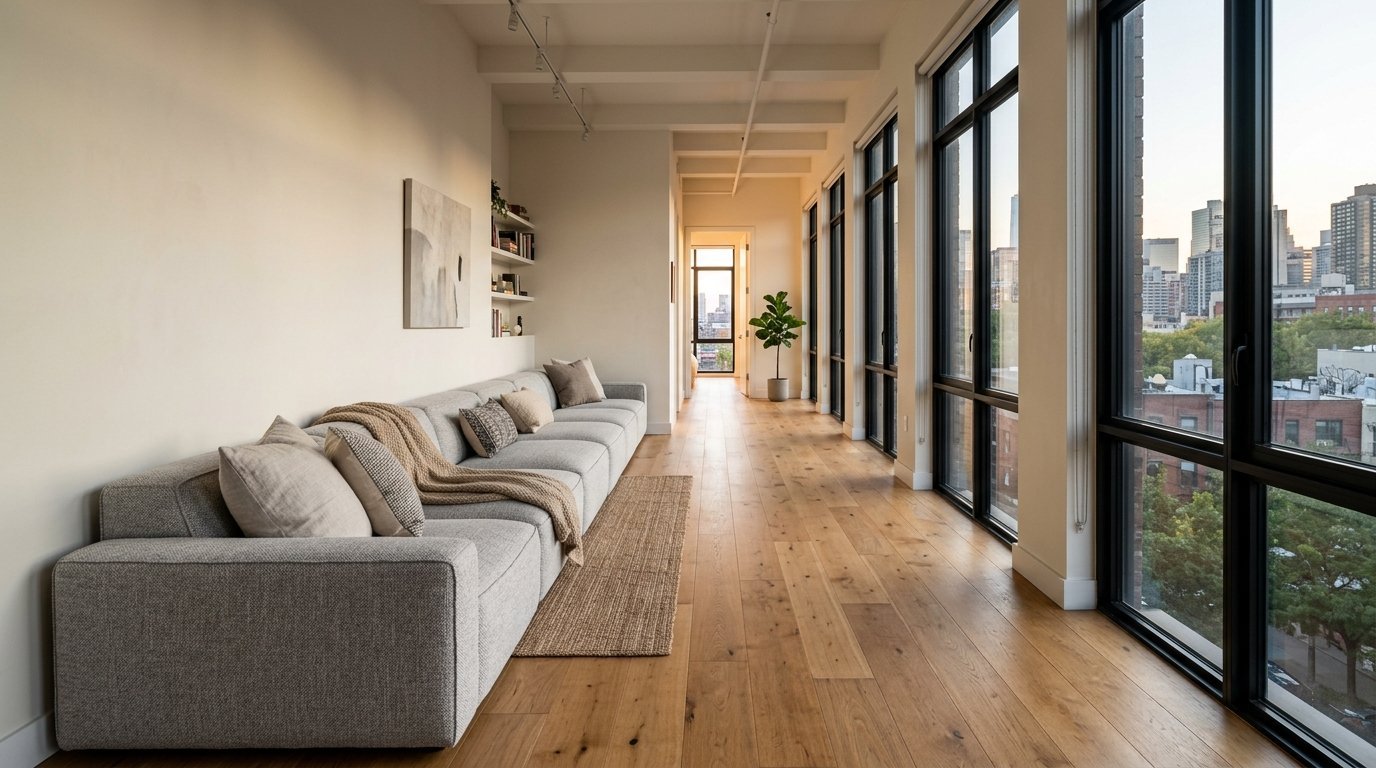
Narrow rooms are hard to style. I found that a single long line of modular pieces works better than a sectional. It keeps the walkway clear. I saw this work in a shotgun style house in New Orleans. We used five pieces in a row. It looked like a custom built-in sofa. It was much cheaper than hiring a carpenter. Use a light color like beige or light gray to keep the room from feeling heavy.
19. The Pit and Pivot Layout
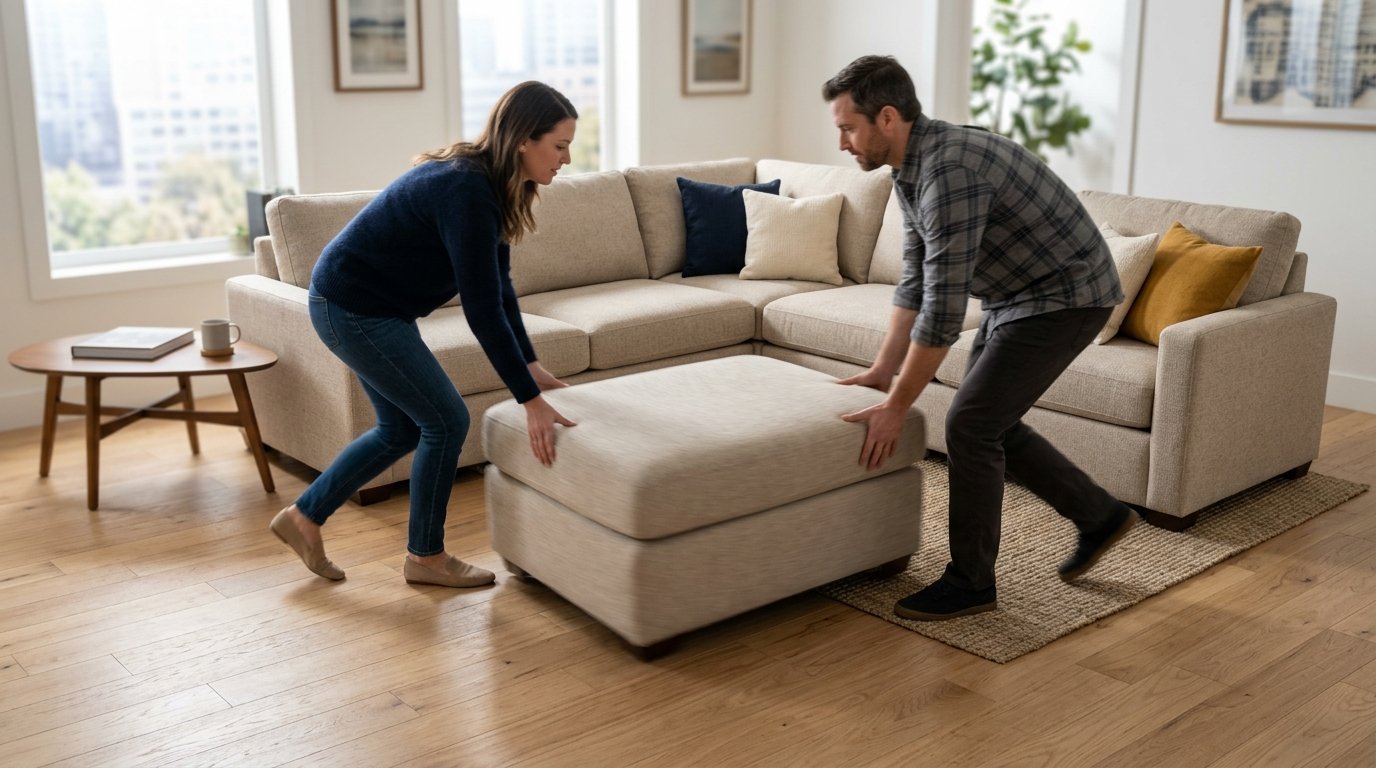
This is a mix of two styles. Keep three pieces in an L shape for daily use. Keep an ottoman tucked away in the corner. When it is time for a movie, pivot the ottoman into the center to create a mini pit. I call this the “Friday Night Flip.” It gives you the best of both worlds. I have seen this work well for couples who have different ideas of what a living room should be. It provides a compromise that feels like a win for everyone.
20. The Outdoor Indoor Bridge
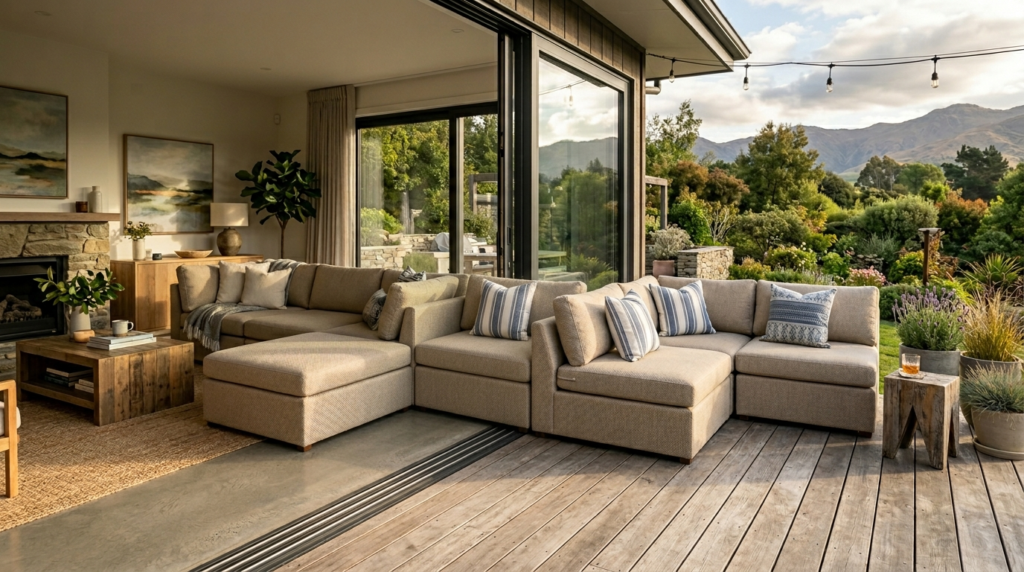
Some modular sets use fabric that works inside and out. I tried a set from West Elm that had weather resistant covers. During the summer, I moved two pieces onto the balcony. In the winter, I brought them back in to make the sofa bigger. This is a great way to maximize your furniture. It feels like you have two different sets of furniture for the price of one. Always check the fabric rating before you try this at home.
21. The Low Profile Lounge
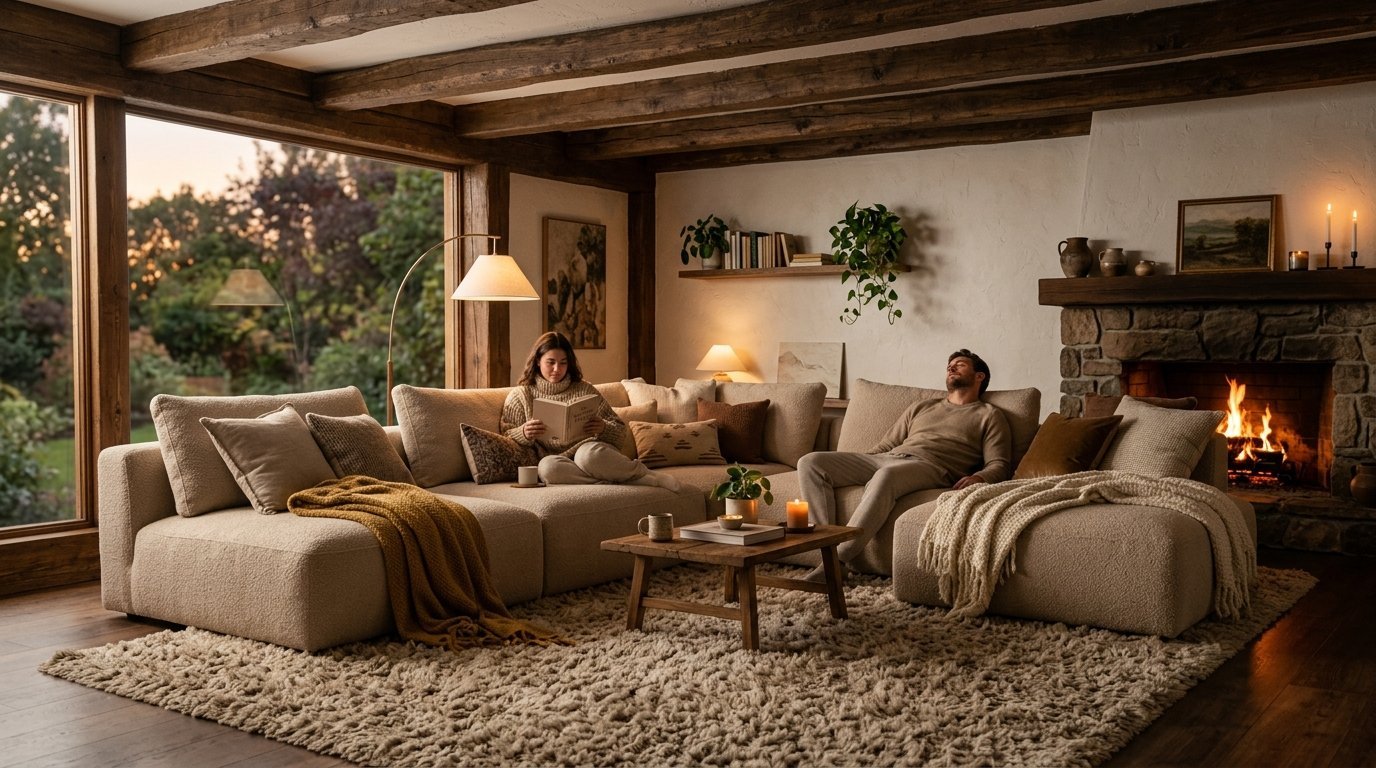
If you have low ceilings, buy a sofa that sits close to the floor. I removed the legs from a modular set last year. It instantly made the ceiling feel higher. This is a classic designer trick. It creates a “chill” vibe that is perfect for a music room or a den. I noticed that people sit differently on a low sofa. They lean back and relax more. It changes the energy of the whole room.
22. The Color Block Mix
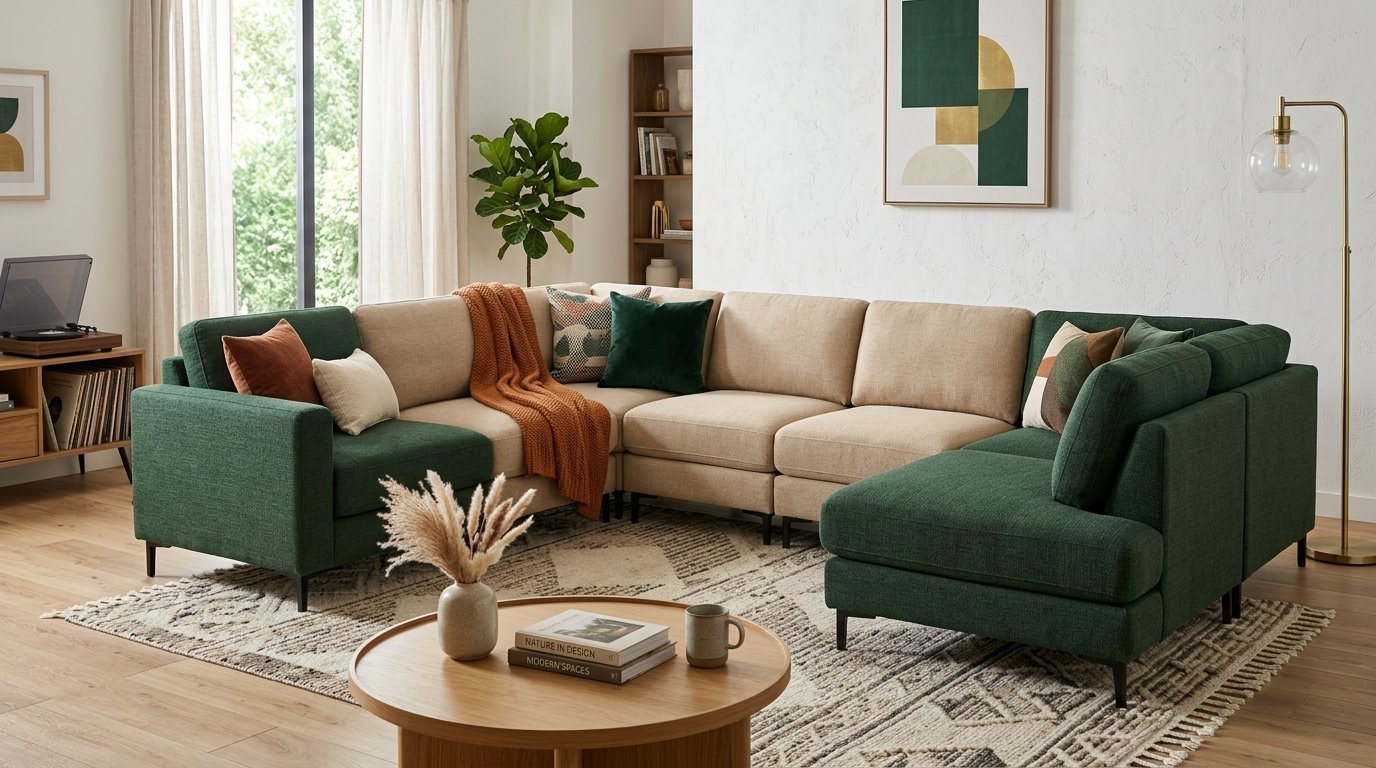
Who says all your pieces have to be the same color? I tried mixing a navy blue corner piece with three gray middle pieces. It looked like a custom piece of art. Many brands like Albany Park allow you to buy individual pieces in different colors. This is a bold move that makes your home look unique. It tells people you have a strong sense of style. In my experience, this works best if you keep the rest of the room very simple.
23. The Open End Freedom Layout
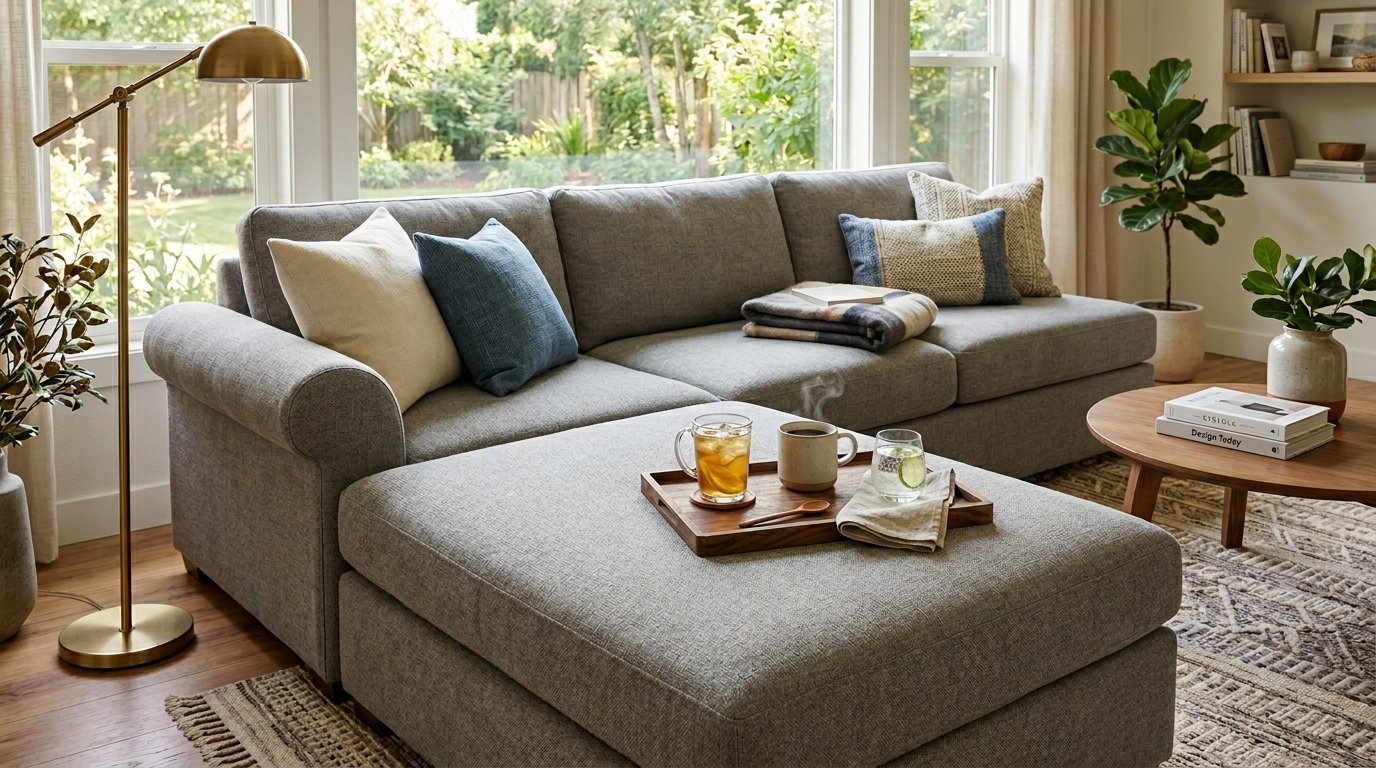
Stop putting arms on both ends of your sofa. Leave one end open with an ottoman. This makes the room feel more open. It also allows you to sit on the sofa from the side. I saw this work in a home with a small child. It gave the kid a place to climb up without hitting a hard armrest. It looks modern and fresh. It breaks the “box” shape that most sofas have.
24. The Double Facing Daybed
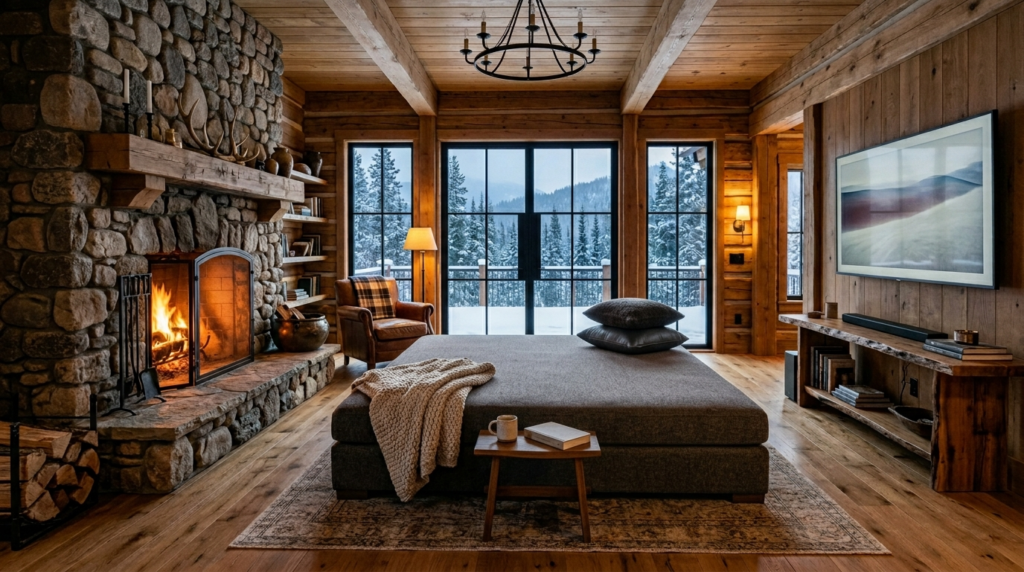
In a room with a fireplace and a TV on opposite walls, put the sofa in the middle. Use pieces with no backs or very low backs. This allows people to sit and face either direction. I saw this in a luxury mountain cabin. It was the smartest use of space I have ever seen. You do not have to choose which way to look. You can enjoy the fire and the show at the same time.
25. The Floating Corner Piece

Sometimes one piece is enough. I used a single modular corner piece in a small office as a reading chair. It was much wider and more comfortable than a standard armchair. If you buy a five piece set and it is too big for your room, do not sell the extra piece. Use it in a bedroom or an office. It ties the whole house together. This is the ultimate way to get more value from your purchase.
Tools and Comparison
When shopping for modular sofas, the brand matters as much as the layout. I have spent hours testing different clips and fabrics. Here is a quick look at how the top names stack up based on my real world use.
| Brand | Best For | Price Range | My Take |
| IKEA | Budget Starters | $600 – $1,500 | Great for first apartments. The covers are easy to wash. |
| Burrow | Small Spaces | $1,200 – $2,800 | The built in chargers are a nice touch for phone addicts. |
| Albany Park | Ultimate Comfort | $1,500 – $3,500 | The Kova model is the softest sofa I have ever owned. |
| Lovesac | Lifetime Use | $3,000+ | Very expensive but you can change every single part forever. |
| 7th Avenue | Kids and Pets | $2,500 – $5,000 | The fabric is almost impossible to stain. I tried coffee and it wiped off. |
In my experience, you get what you pay for with the clips. Cheap sofas often slide apart on hardwood floors. I suggest buying a pack of rubber furniture grippers from a hardware store. They cost five dollars and fix the sliding problem instantly. If you are on a tight budget, start with an IKEA Sodershamn. It has a high end look for a low price. You can buy new covers from third party shops later to make it look even more custom.
Frequently Asked Questions
Do modular sofas stay together well?
Most use metal clips or plastic brackets. I have noticed that on thick carpet, they stay together perfectly. On wood floors, they can drift apart. I always use extra heavy duty Velcro or rubber pads to keep mine in place. Brands like Burrow have very strong hardware that clicks into place. If your sofa is moving, check the feet. Replacing plastic feet with rubber ones usually fixes the issue.
Is a modular sofa worth the extra cost?
I believe so. You are paying for the ability to move. A standard sofa is hard to get through small doors. I once lived in a third floor walk up with a narrow hall. A modular sofa was the only thing that fit. It also lasts longer because you can replace one broken section instead of the whole couch. It is a long term play for your home.
How do I choose the right fabric for a modular set?
If you have a dog, stay away from loopy fabrics like boucle. Claws will tear them up. I saw this happen to a friend’s new sofa in a week. Go for a tight weave polyester or a performance velvet. These materials are easy to clean and do not snag. Many brands now offer swatches for free. I always rub a key against the fabric swatch to see if it pulls before I buy.
Can I mix and match different brands?
This is hard. Most brands use different heights and depths. I tried mixing an IKEA piece with a West Elm piece once. It looked messy because the cushions did not line up. Stick to one brand for the main sofa. You can use different brands for accent chairs or ottomans. If you want a custom look, change the legs or the covers instead of mixing brands.
What is the best layout for a tiny studio?
The split loveseat is my top choice. By breaking the sofa into two parts, you create a path. This stops the “wall of furniture” look that kills small spaces. You can also use an armless setup to keep the sight lines clear. It makes the room feel less crowded. I have seen this turn a cramped studio into a space that feels like a real home.
Summary of Best Practices
I have seen a lot of people make mistakes with their living rooms. The biggest one is thinking you are stuck with your first choice. Modular furniture is about freedom. Start with a neutral color. It is easier to change your rug or pillows than it is to buy a new sofa. Measure your room twice. Use blue painter’s tape on the floor to see how a layout will feel before you move the heavy pieces. My favorite trick is to leave at least thirty inches of walking space around the sofa. This keeps the room from feeling like a trap. If you follow these steps, your budget sofa will look like it was picked by a pro.
Conclusion
Creating a designer look does not require a huge bank account. It requires a bit of math and a lot of movement. I have seen these twenty-five setups work in real life for real people. Whether you are in a tiny rental or a big house, modular pieces give you the power to change your life. Start small. Buy three pieces today and two more next year. Focus on how you move through your room. In my experience, a comfortable home is a happy home. You now have the tools to fix your space. Go move your sofa and see how it feels.

Sloane Whitaker is the Editor-in-Chief at Home Wall Trends, leading editorial direction with over a decade of experience in residential interior design and home styling. Her specialty is space planning and layout, the unglamorous fundamentals that make a beautiful room actually function. A graduate of the New York School of Interior Design, Sloane has styled over 200 client homes before turning her focus to digital publishing. Her editorial standard: “If a reader can’t picture themselves doing it on a Saturday afternoon, we haven’t explained it well enough.”