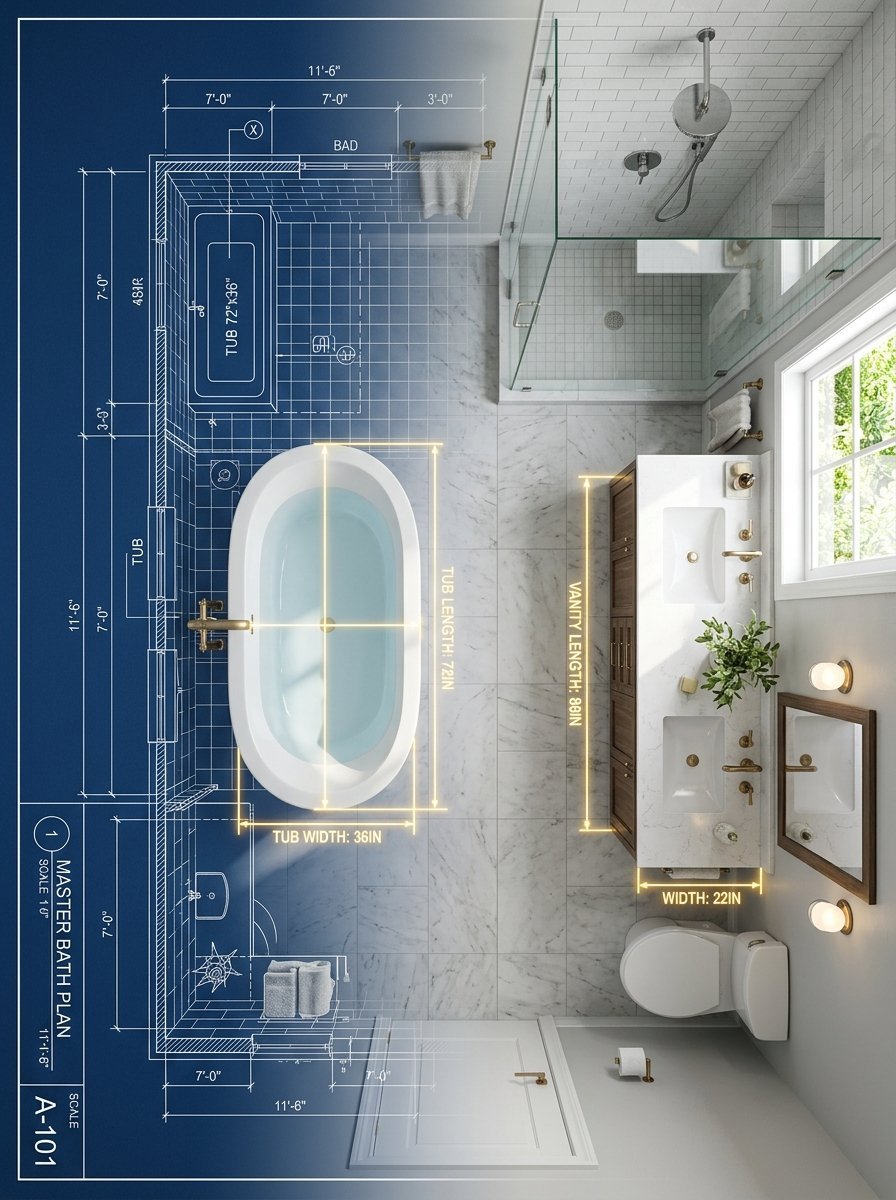
Stepping into a tiny bathroom every morning feels heavy. You bump elbows on the door frame. You knock bottles off the crowded sink. I felt this exact frustration three years ago. The walls close in fast when space is tight. But a small footprint does not require sacrifice. You can turn tight corners into a personal retreat. A modern luxury bathroom feels open and calm. It requires smart planning and precise choices. I found out the hard way through multiple renovations. You deserve a space that breathes.
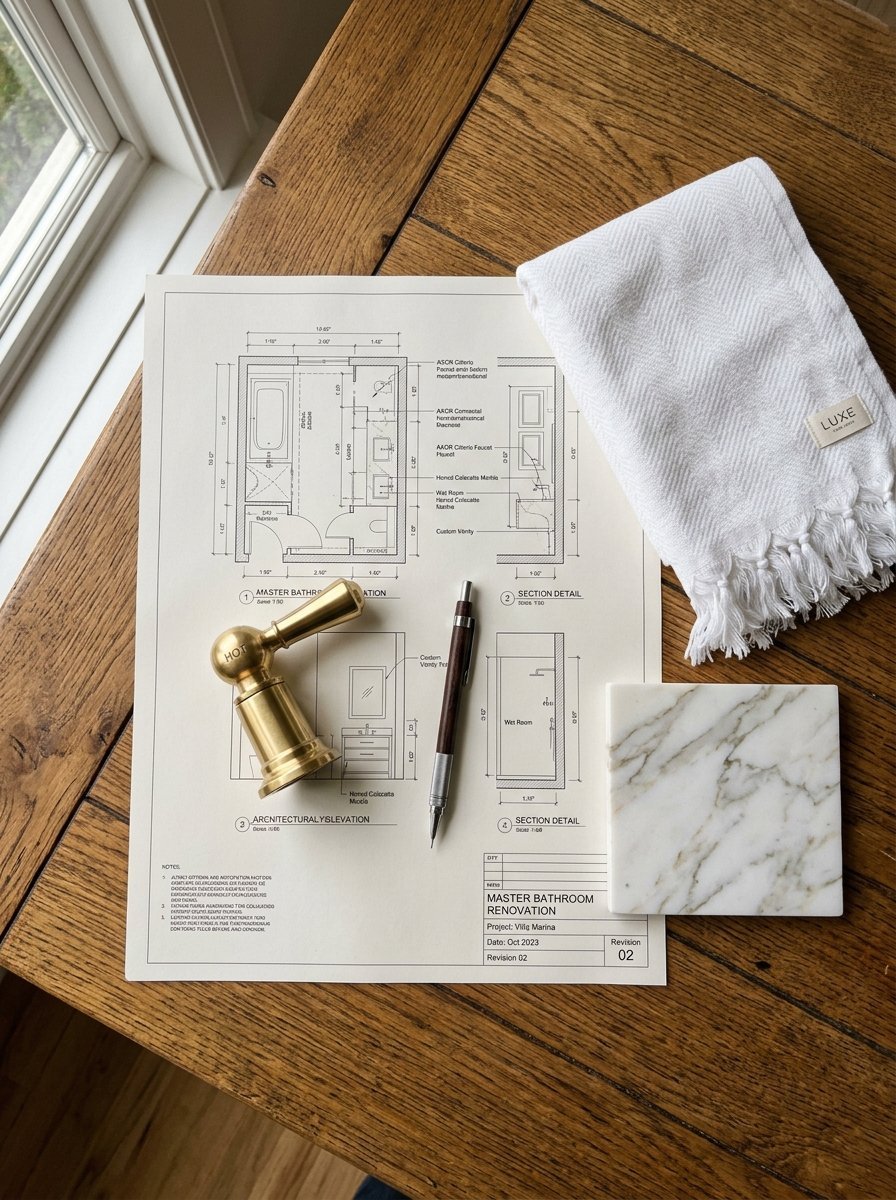
This guide delivers exactly twenty-two actionable steps for small spaces. You will see how to trick the eye with light. You will find specific material choices that save inches. These targeted changes create a spa-like retreat in your home. You get raw costs and realistic timelines for each step. Every section tackles a specific pain point in washroom design. I share exact measurements for walk in shower ideas. I explain how to protect delicate finishes from daily wear. You will stop fighting your floor plan today.
- Exact measurements for vanity clearances
- Raw costs for tile labor
- Realistic timelines for shower glass
1. Float the Vanity for Floor Space
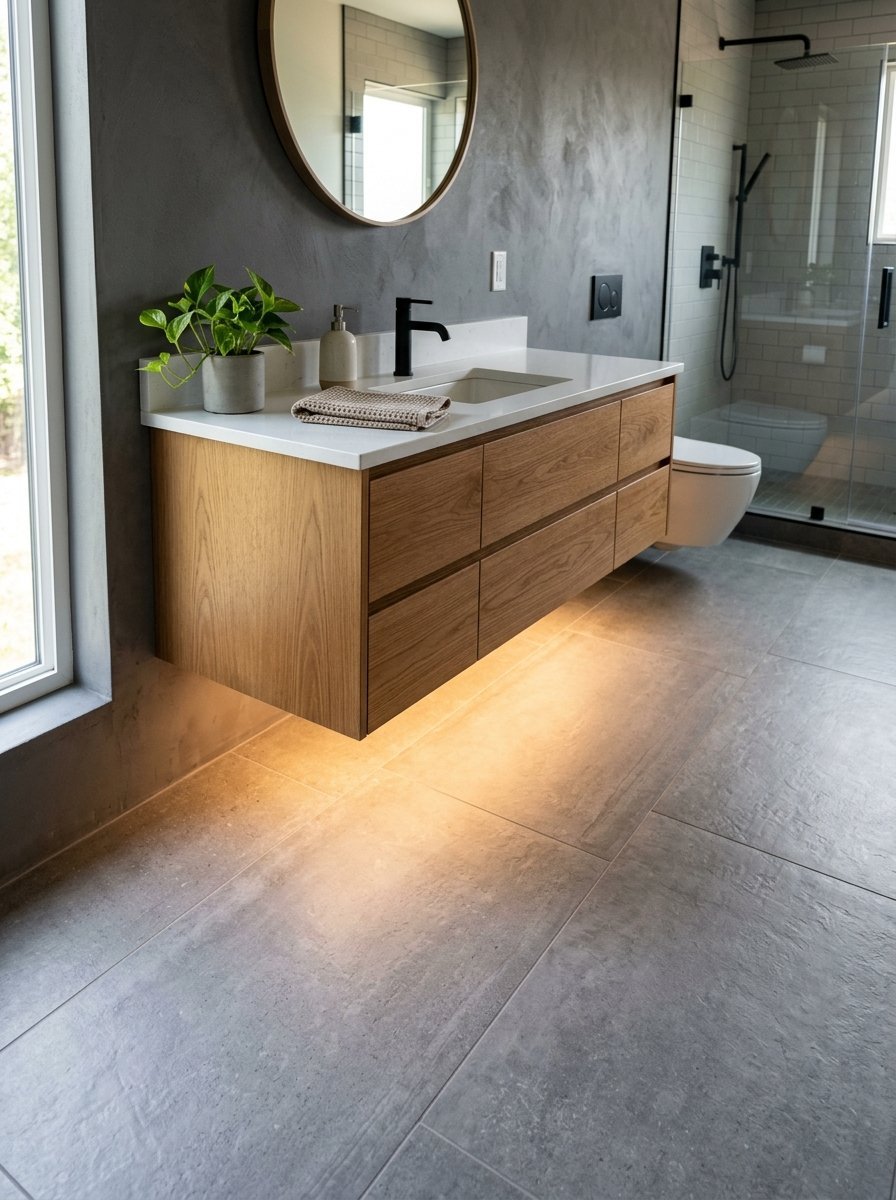
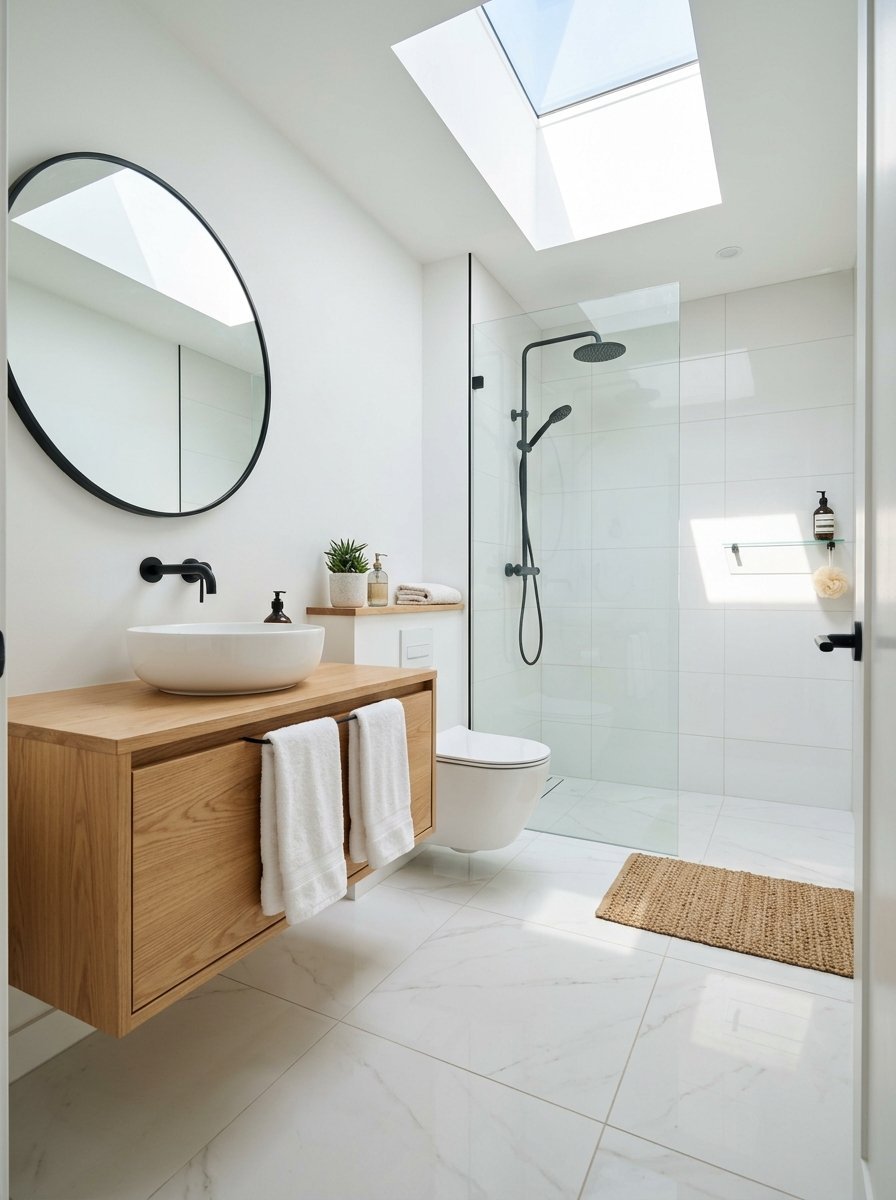
Traditional cabinets swallow precious real estate. They block the visual flow of your flooring. A wall-mounted vanity changes the entire room geometry. You expose the floor beneath the cabinet. This tricks your brain into seeing a larger room. I always mount vanities exactly 34 inches from the floor. You get standard height while opening the space below. You can slide woven baskets underneath for hidden storage. The room instantly feels like a modern luxury bathroom. Plumbers charge roughly $200 to move the pipe connections. The visual return on that small cost is massive. You strip away the bulky wood box. The room finally takes a deep breath.
2. Install a Curbless Walk-In Shower
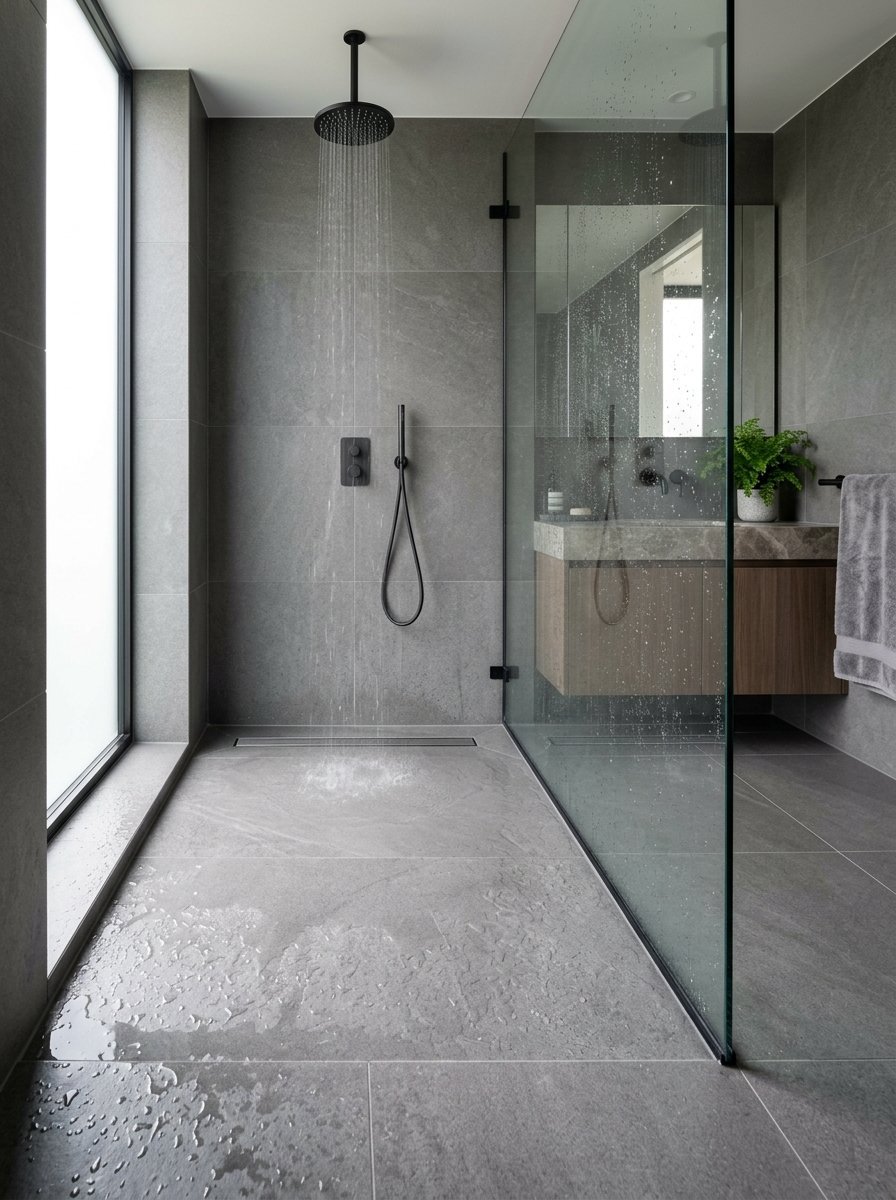
A shower curb breaks the room into two tiny boxes. It creates a visual wall on your floor. Removing that curb changes everything. You run the exact same floor tile straight into the drain pan. This is one of my favorite walk in shower ideas. The continuous floor makes the room look twice as big. You need a contractor to slope the subfloor correctly. This usually takes two days and costs around $1,500. A linear drain at the back wall handles the water flow. The finished space feels incredibly high-end. You walk straight in without stepping over a clumsy barrier. The entire room becomes a unified wet room.
3. Choose Moisture-Resistant Decorative Mirrors
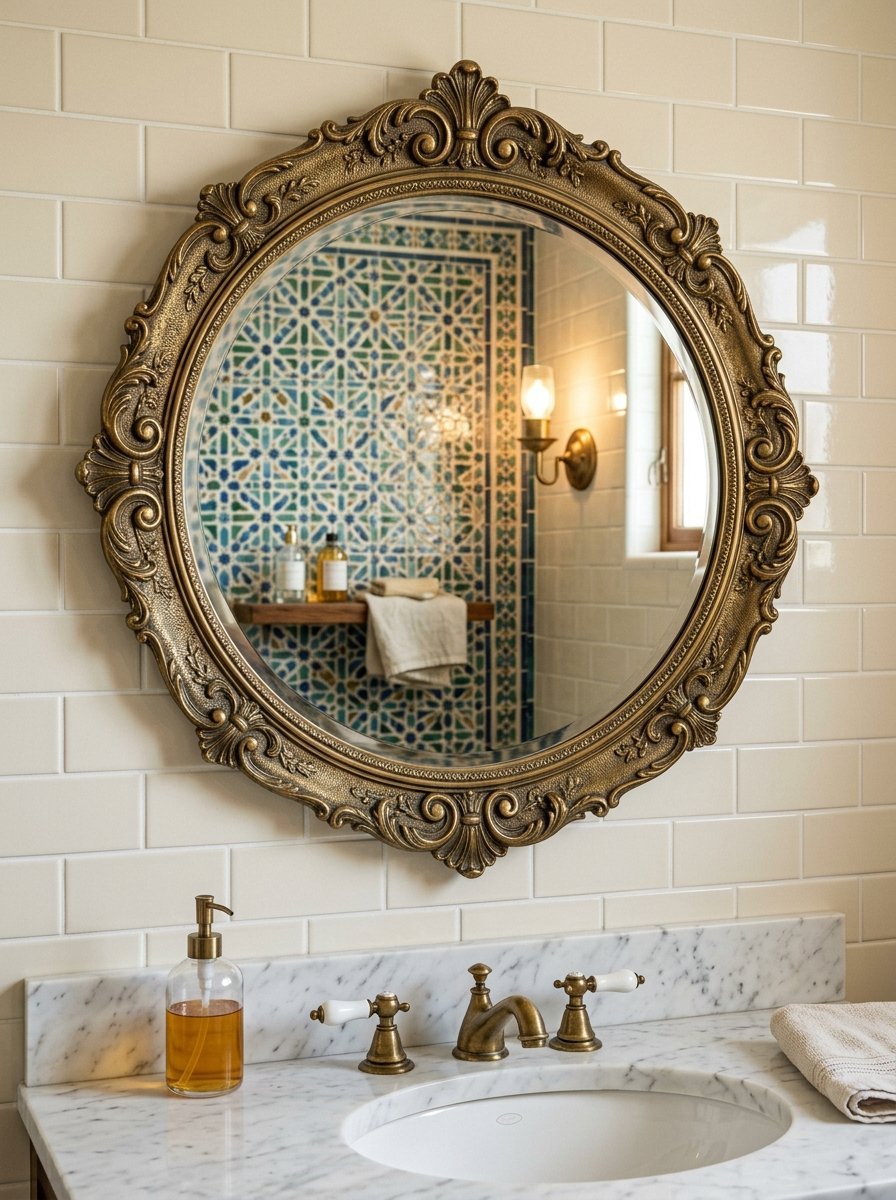
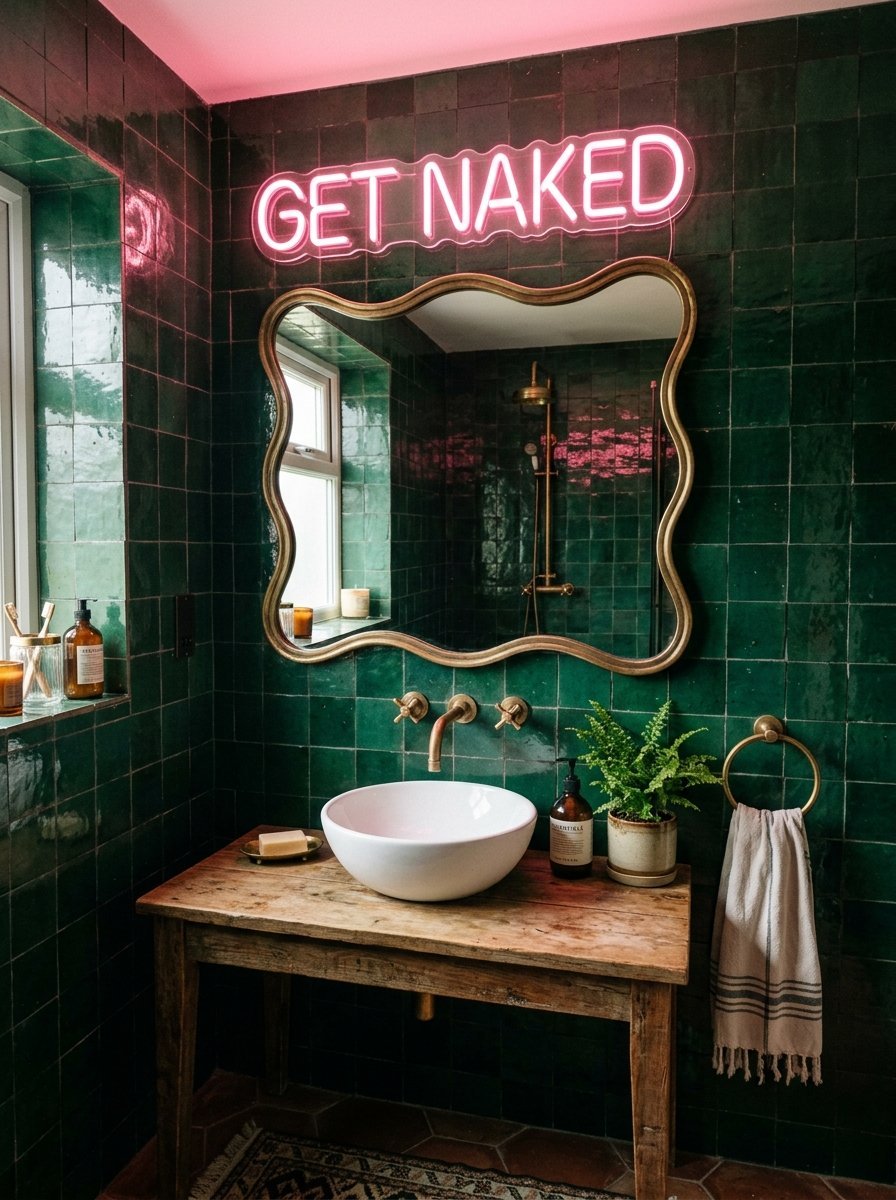
A beautiful mirror defines the room. I love large ornate frames in a modern luxury bathroom. But moisture destroys ordinary pieces very quickly. I saw this destroy a beautiful piece in my hallway in 2023. The silver backing turned black around the edges. The humidity seeped right through the unprotected frame. You must buy mirrors rated for high humidity zones. Seal the back edges with clear silicone before hanging them. This creates a waterproof barrier for the delicate silver backing. I treat round glass and ornate frames safely with this method. It takes ten minutes and saves your expensive decor. Your mirror stays perfectly clear for years.
4. Layer Warm Ambient Lighting
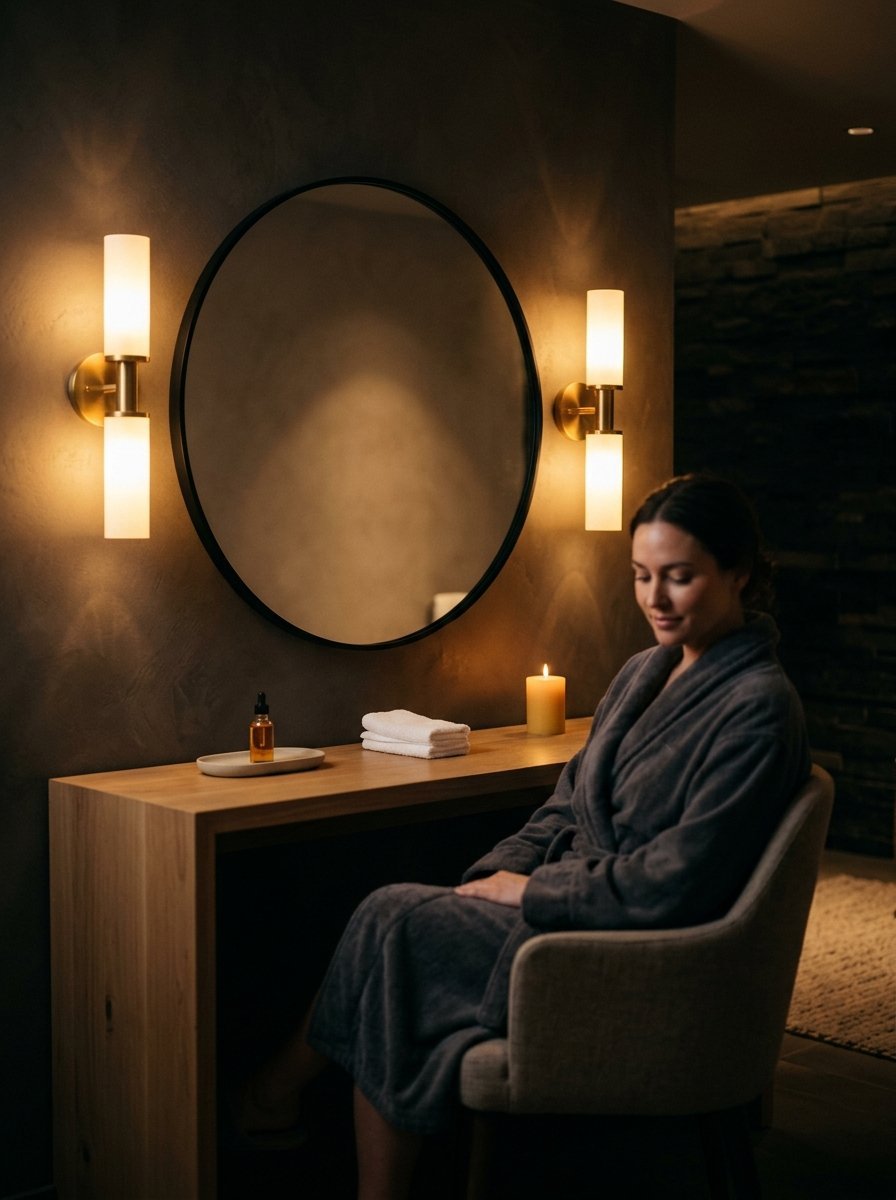
Overhead lights cast harsh shadows on your face. A single ceiling bulb makes any space feel cheap. Spa-like luxury requires multiple light sources. Place wall sconces at eye level on both sides of the mirror. This cross-illumination flatters your face perfectly. Install a waterproof recessed light inside the shower ceiling. Put everything on separate dimmer switches. You control the exact mood for early mornings or late nights. Electricians usually charge $300 to run new wires for sconces. Warm bulbs rated at 2700K create a soft and calming glow. You never want bright white daylight bulbs in a relaxing space.
5. Stick to a Cohesive Neutral Palette
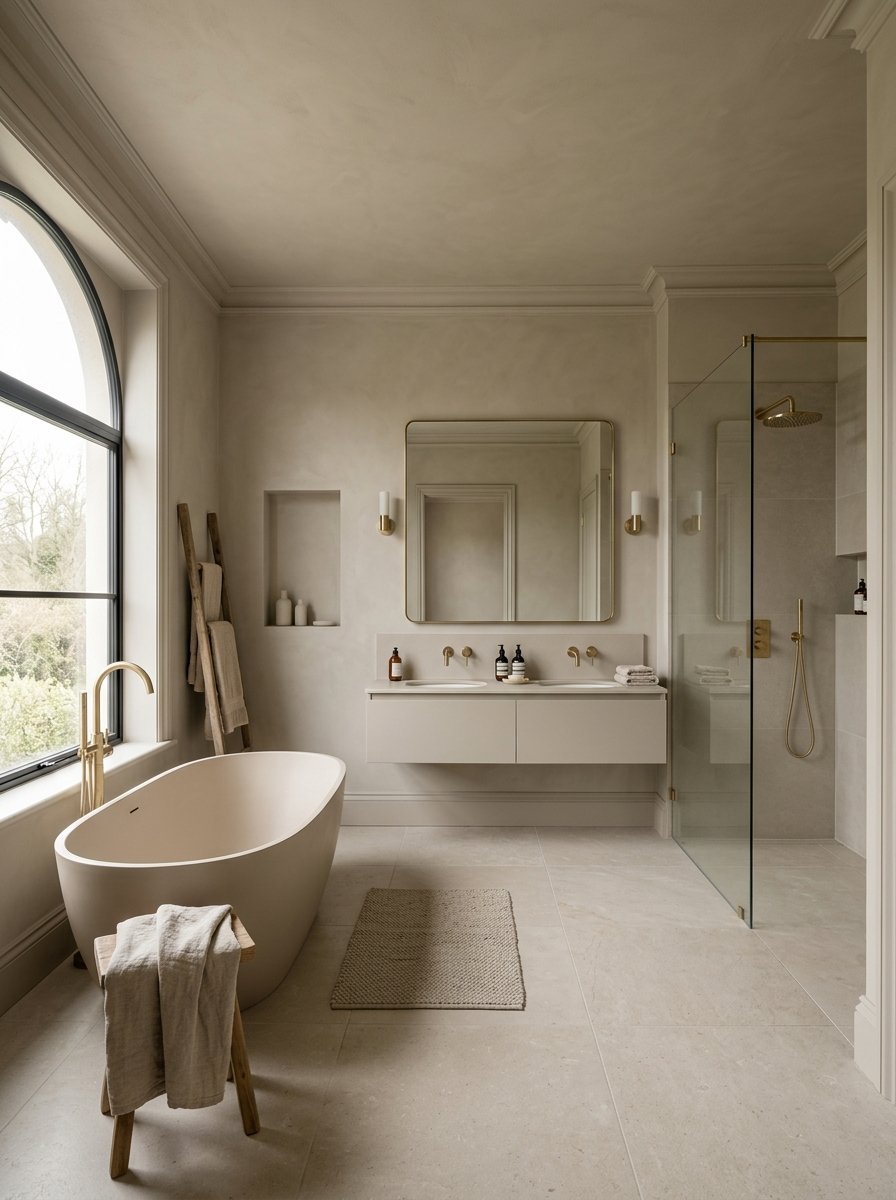
Loud patterns fight for attention in tight quarters. Bright colors make the walls close in around you. A neutral color palette calms the eye instantly. Think of soft beige, warm gray, and creamy white tones. This styling choice defines elevated washroom design. You create visual quiet. Apply the exact same color to your walls and ceiling. The boundaries of the room disappear. A stark white bathroom feels too clinical. A warm greige feels like a high-end spa. I paint trim and doors the exact same shade as the walls. This removes visual breaks. The room feels continuous and serene.
6. Frame Recessed Wall Niches
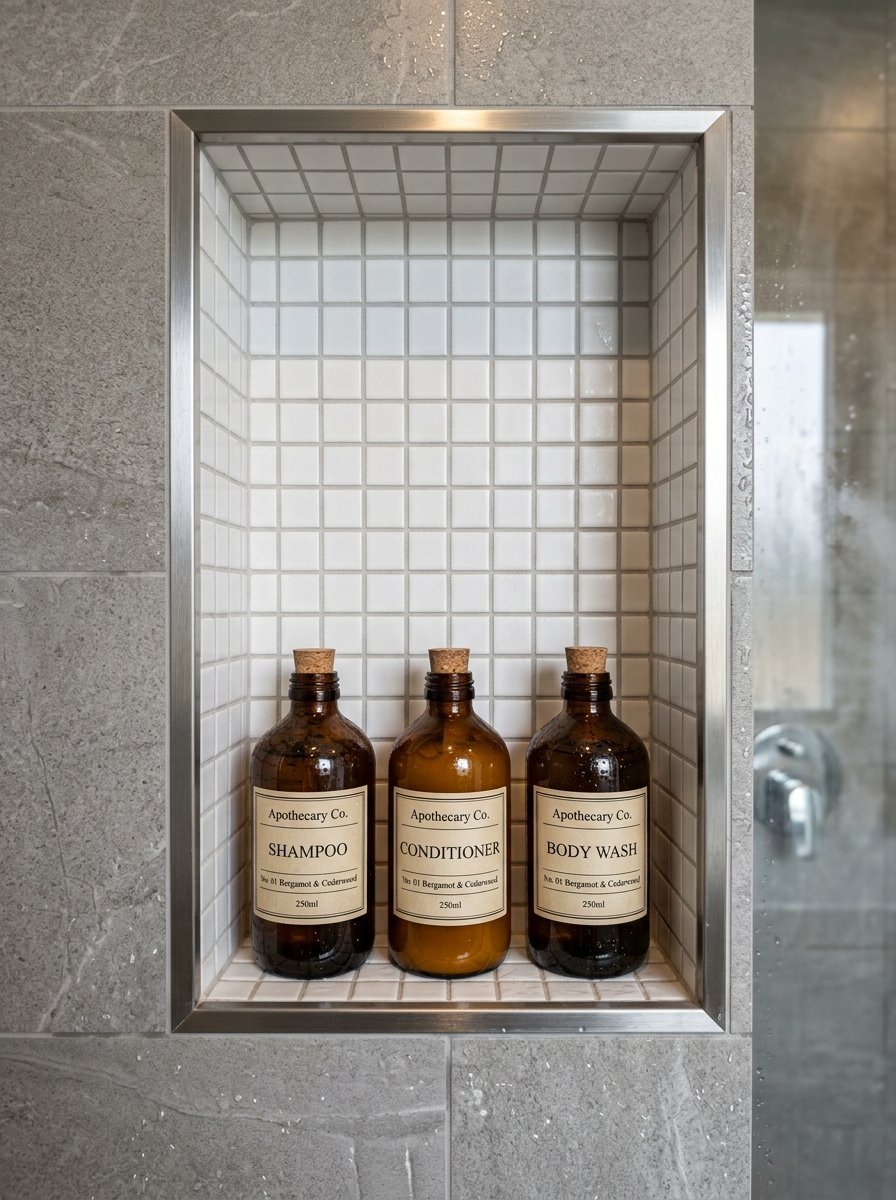
Shampoo bottles clutter the edges of your shower floor. Wire racks rust and look terrible. You need built-in storage inside the wall cavities. The space between the wall studs is completely empty. A contractor can frame a recessed niche in two hours. You tile the inside of the box. This keeps all your bottles off the main floor. The room stays visually clean. I make my niches exactly 14 inches wide and 24 inches tall. This fits tall shampoo pumps perfectly. A tidy shower is a relaxing shower. You hide the daily mess inside the architecture.
7. Select Large Format Floor Tiles
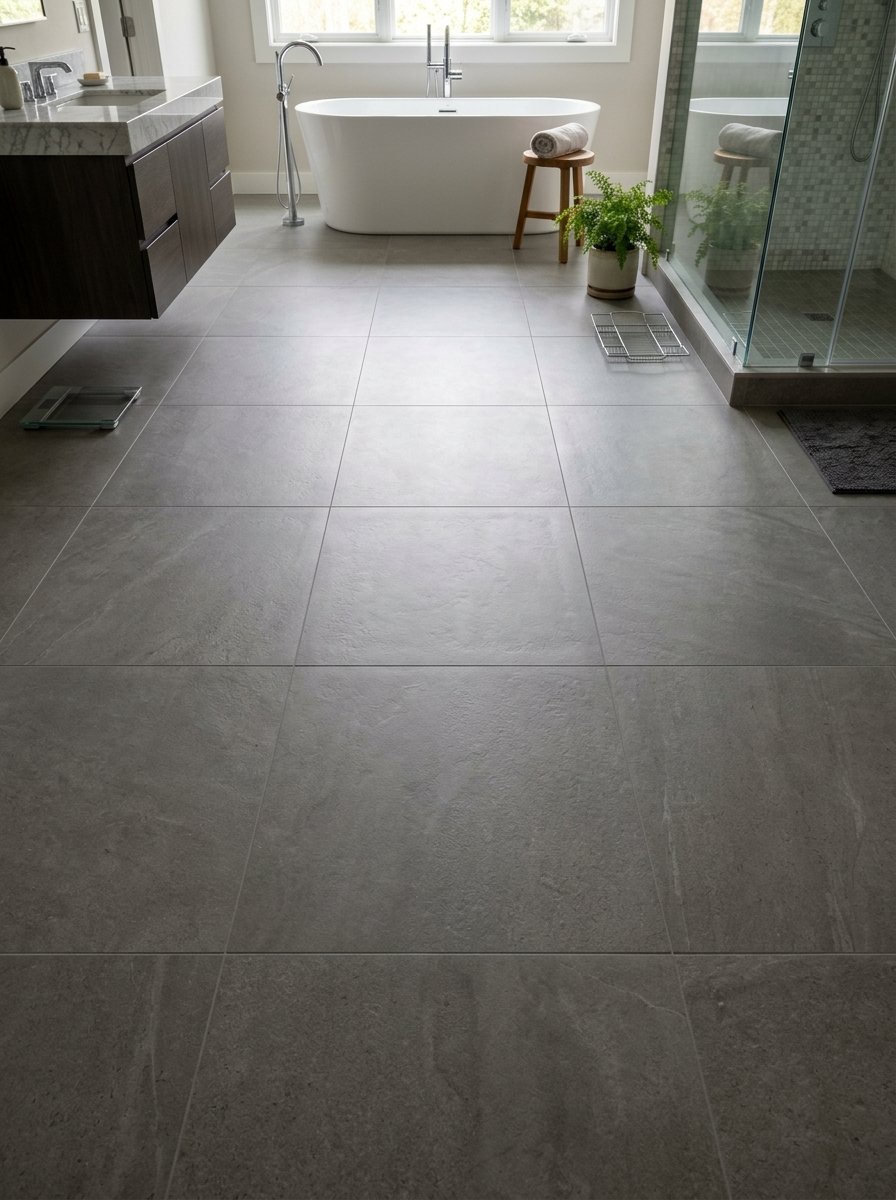
Small floor tiles mean hundreds of grout lines. Grout lines create a busy grid on your floor. A busy floor makes modern small bathrooms feel tiny. Large format tiles fix this problem immediately. I prefer tiles measuring 24 by 24 inches minimum. Fewer grout lines trick the eye into seeing more space. You sweep fewer seams. The floor looks like a solid slab of stone. Choose a matte finish to prevent slipping. Install the tiles with the smallest possible grout joint. A 1/16-inch spacing works best. The floor becomes a quiet foundation for the rest of the room.
8. Mount Faucets Directly on the Wall
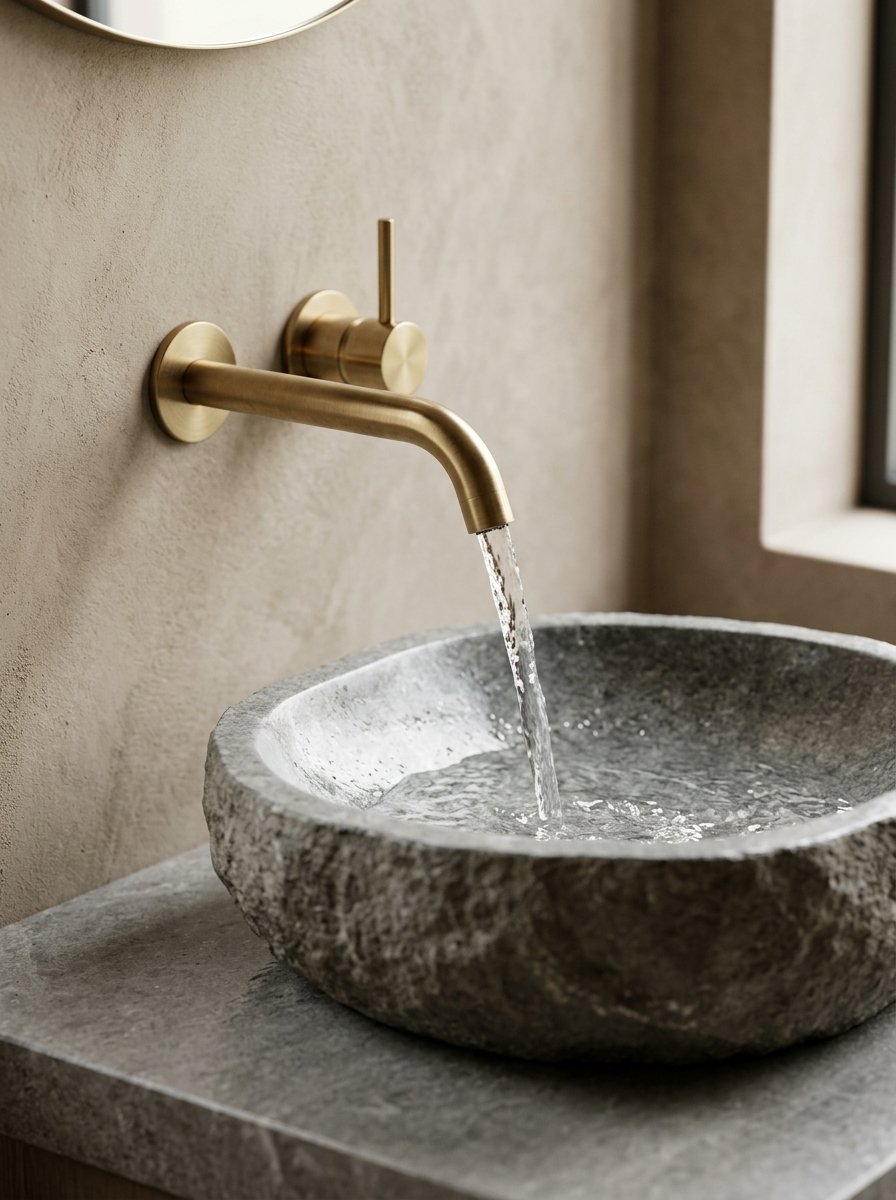
Deck-mounted faucets take up valuable counter space. They require deep vanities to fit the plumbing. Wall-mounted faucets fix this issue beautifully. The plumbing lives behind the drywall. You can use a much shallower sink and vanity cabinet. This gives you back precious inches of floor space. The water falls gracefully into the basin. It looks incredibly expensive and custom. Plumbers need exact sink measurements before closing the walls. The valve goes in early during rough plumbing. You wipe the counter clean with zero obstacles. No more scrubbing grime around the base of a tap.
9. Ditch the Clunky Built-In Tub
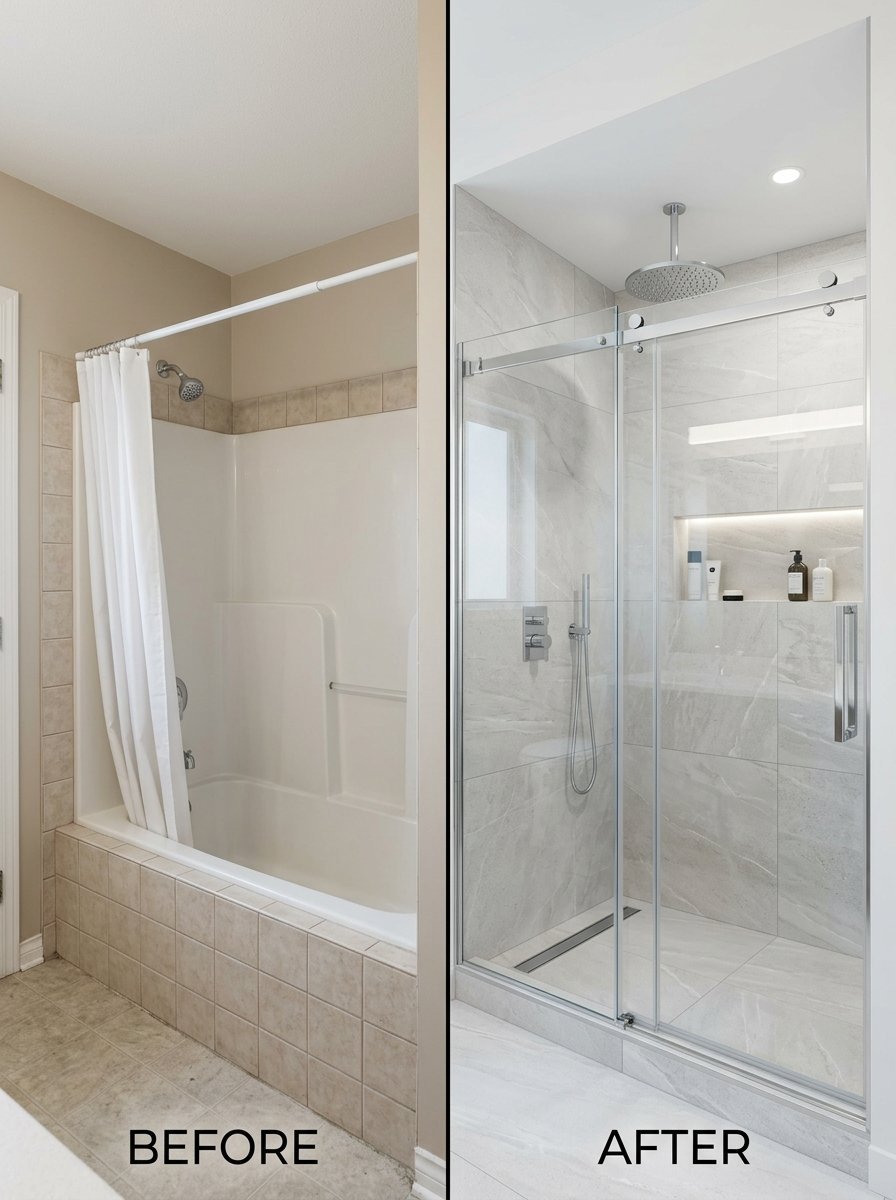
Most small bathrooms feature a standard alcove tub. These fiberglass boxes look dated and waste space. Removing the tub opens a massive amount of square footage. You can fit a luxurious double shower in that same footprint. Many homeowners worry about resale value. But a high-end shower appeals to modern buyers. The room suddenly feels expansive. You step into a spacious glass enclosure instead of a plastic tub. The demolition takes one afternoon. A sledgehammer and a pry bar get it out. You reclaim one third of your total floor plan.
10. Soften Hard Lines with Organic Textures
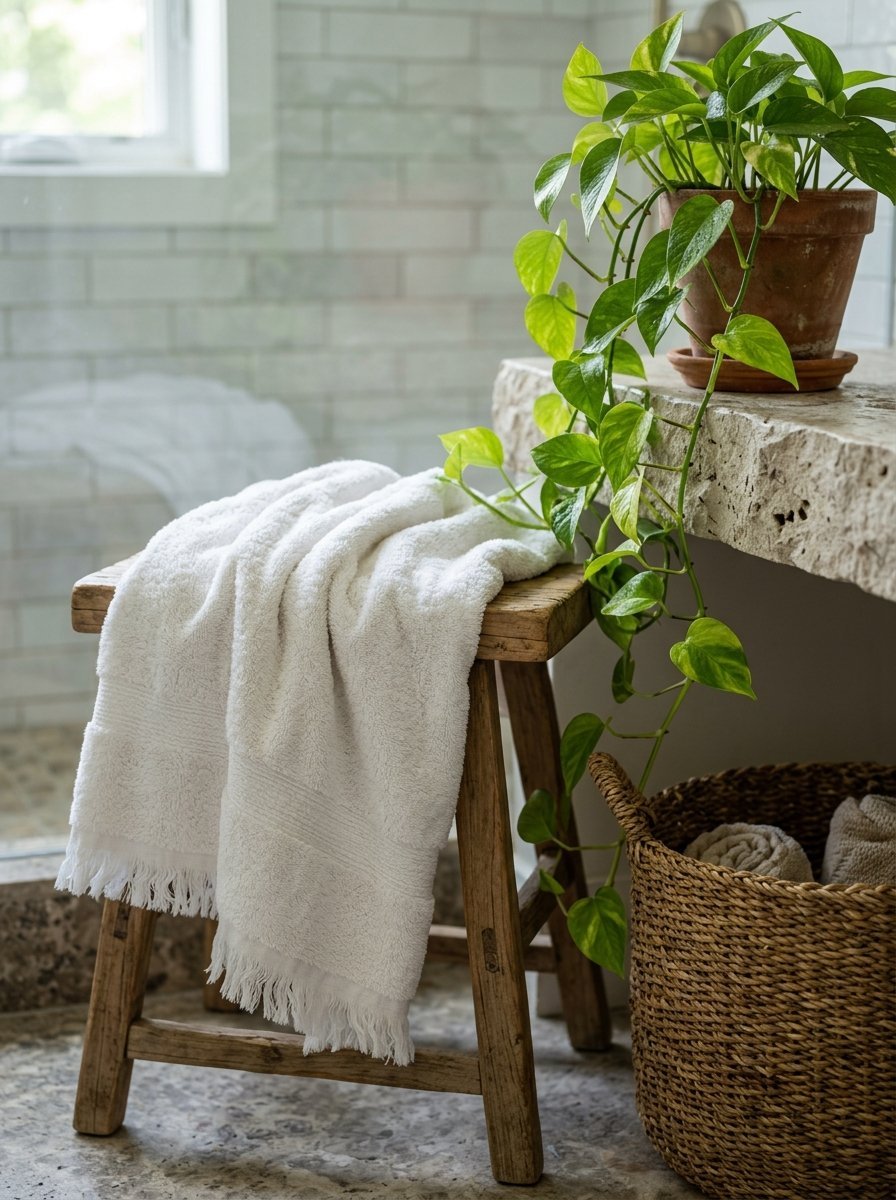
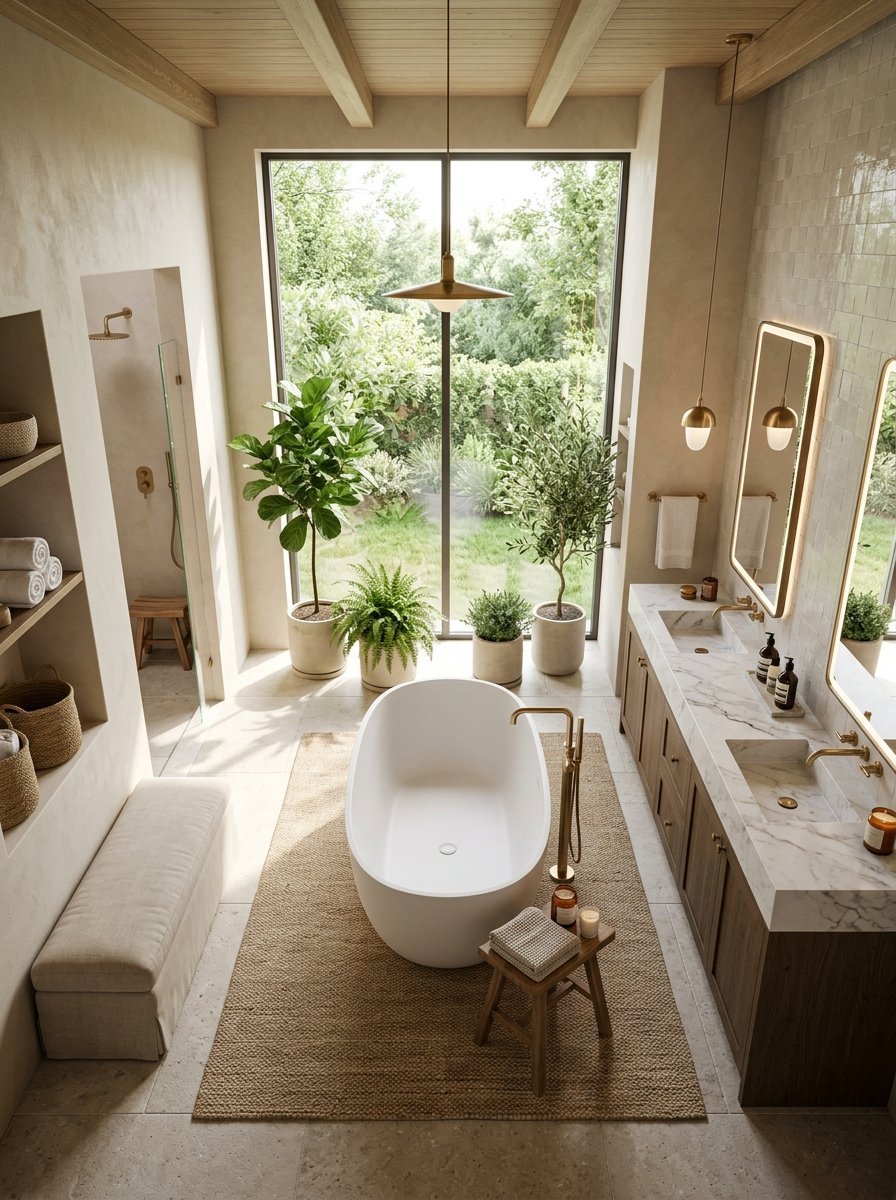
Bathrooms contain cold and hard surfaces. Tile, glass, and metal feel very sterile on their own. You must balance these materials with soft and organic items. Drape a Turkish cotton towel over a hook. Place a woven seagrass basket next to the vanity. These textures absorb sound and warm the room. A plush bath mat grounds the space. I always keep a live plant on the vanity counter. Pothos vines thrive in the humidity. These small touches make the room feel alive. You break up the rigid geometry of the tiles.
11. Clean Glass Without Paper Towels
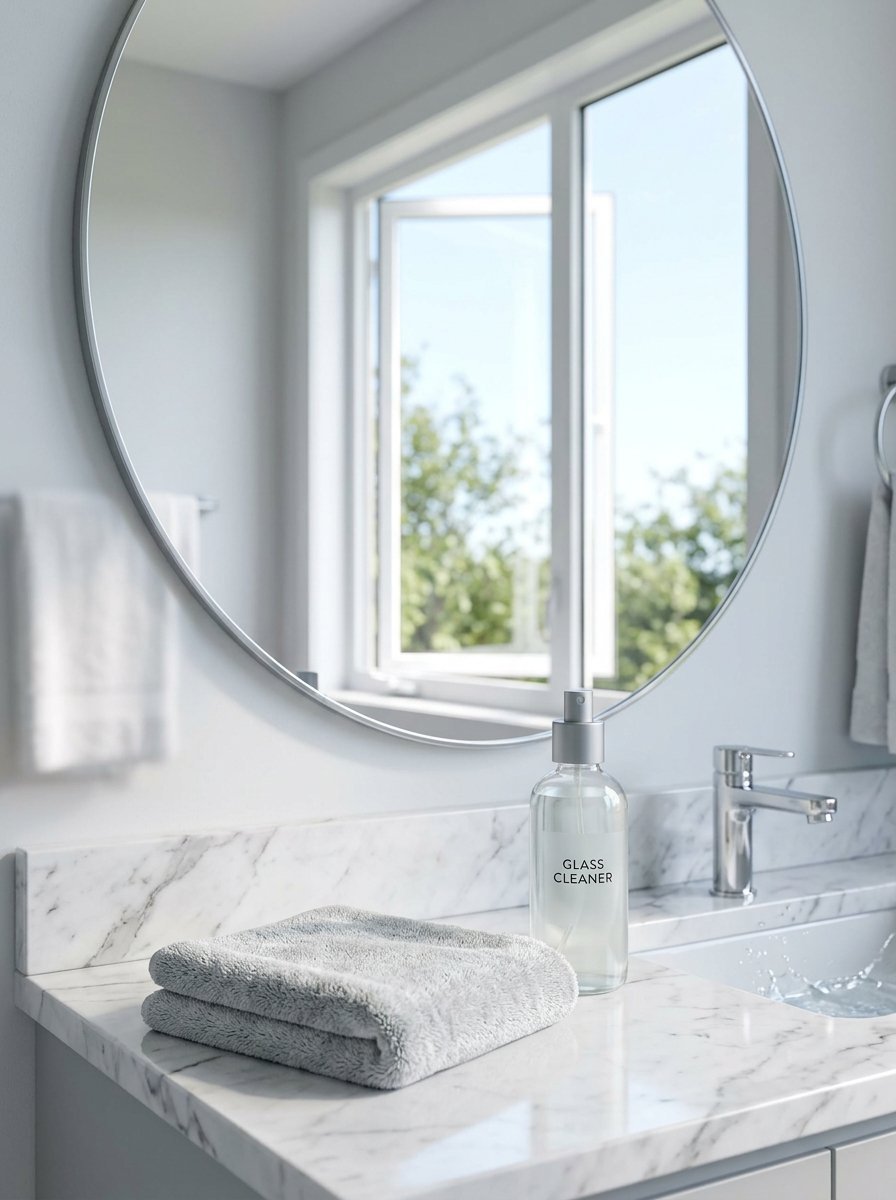
Mirrors act as the focal point of a small space. But aggressive cleaning ruins them. Last year, my mistakes left fine scratches and ugly lint behind. I used cheap paper towels and harsh chemicals. You must protect these surfaces. I now use dedicated microfiber cloths. I spray plain distilled water directly onto the cloth. You gently wipe the glass in broad circles. The glass stays clear without damaging the delicate silver backing. Never spray liquid directly onto the mirror surface. The liquid drips down and destroys the bottom edge. Perfect mirrors reflect light and make the room feel massive.
12. Upgrade to a Rainfall Showerhead
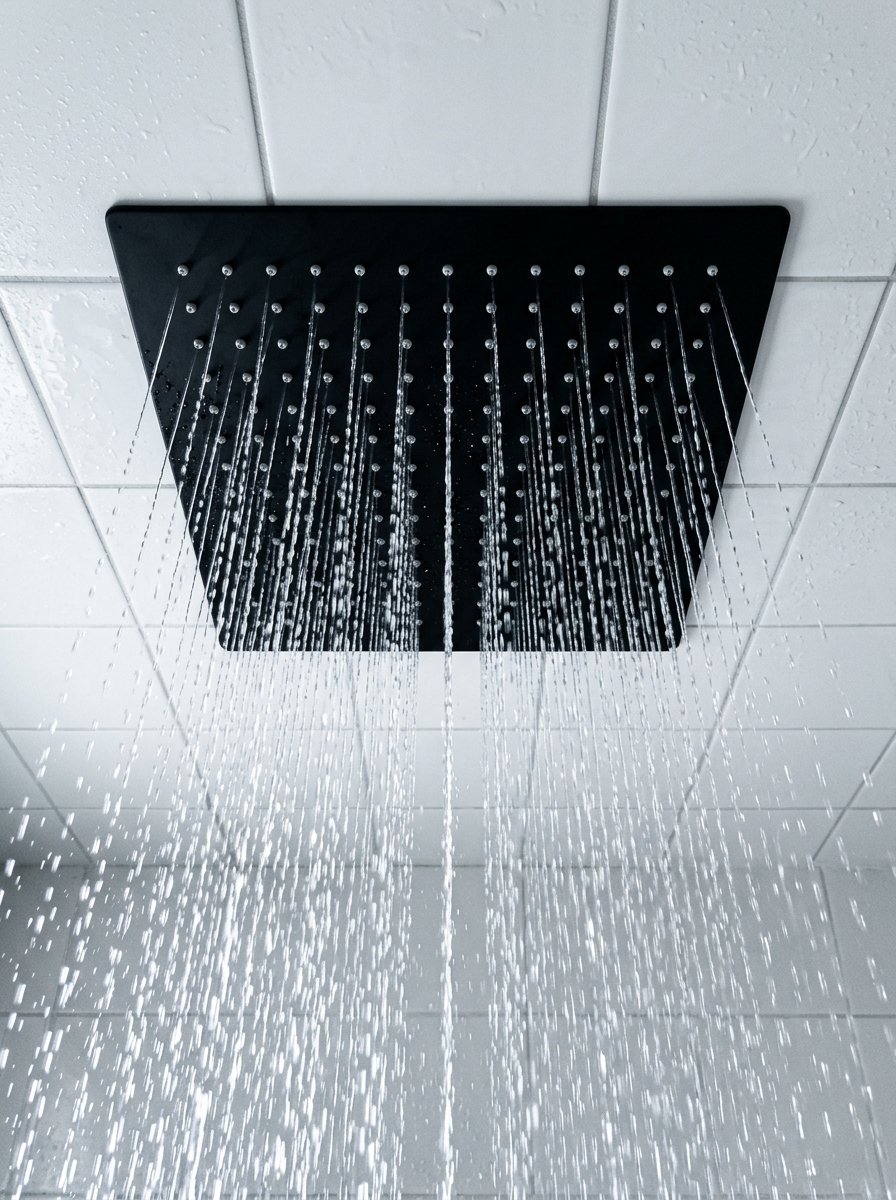
Standard showerheads spray water horizontally. They feel cheap and basic. A ceiling-mounted rainfall showerhead changes the daily routine. The water falls straight down like a warm summer rain. This creates a true spa experience at home. The plumbing moves into the ceiling cavity during renovation. This clears the visual space on your shower wall. The hardware looks sleek and minimal. I prefer an oversized 12-inch square head. It covers your whole body effortlessly. The spray is gentle and relaxing. You look forward to mornings.
13. Hide Storage Behind Flat Panels
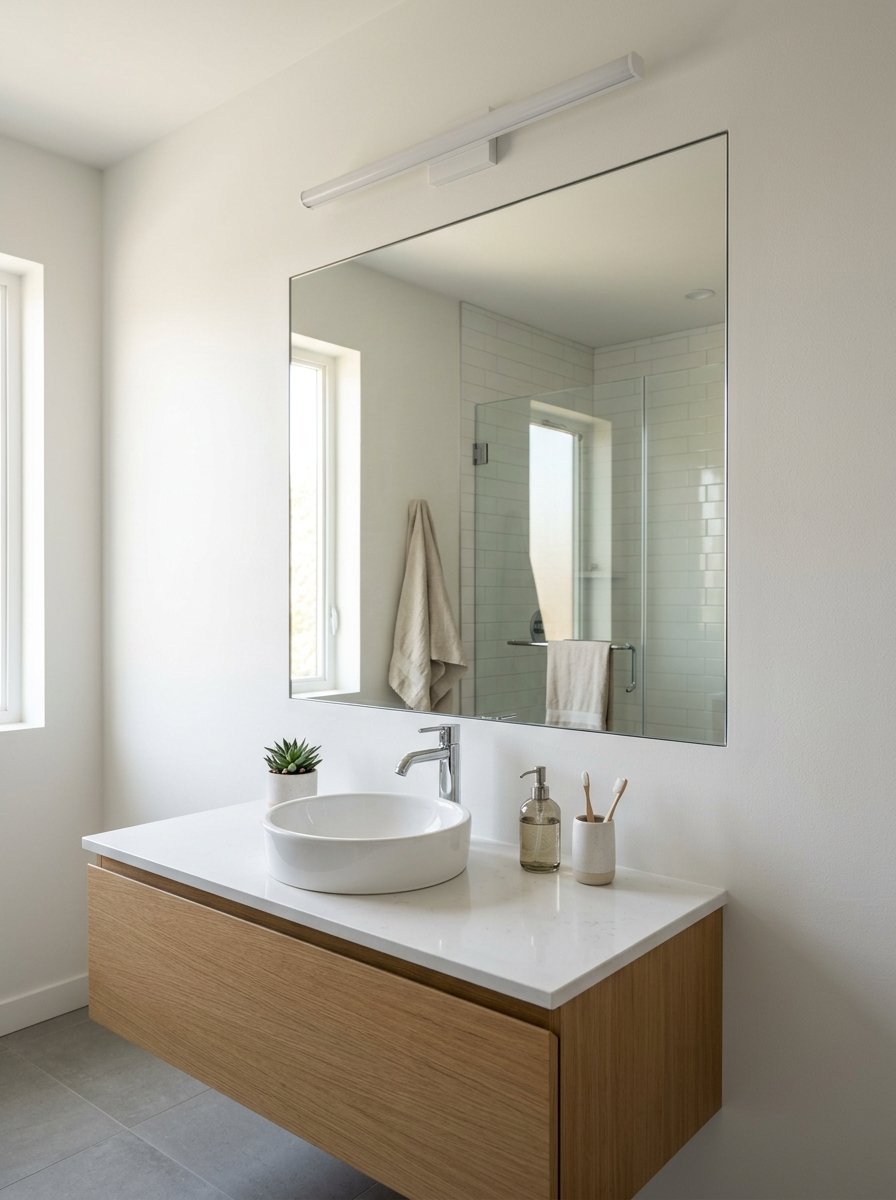
Clutter kills the relaxing vibe of any room. Open shelving looks messy in a small bathroom. You see every toothpaste tube and razor. Flat-panel medicine cabinets hide everything perfectly. The mirrored doors sit flush with the surrounding drywall. You push the glass and the door clicks open. The interior holds glass shelves for all your daily items. The room stays visually silent. You only see a clean mirror and a clear counter. Recessing the cabinet takes a carpenter about three hours. It uses the empty cavity between the wall studs. This smart storage is a classic bathroom idea.
14. Incorporate Natural Wood Tones Safely
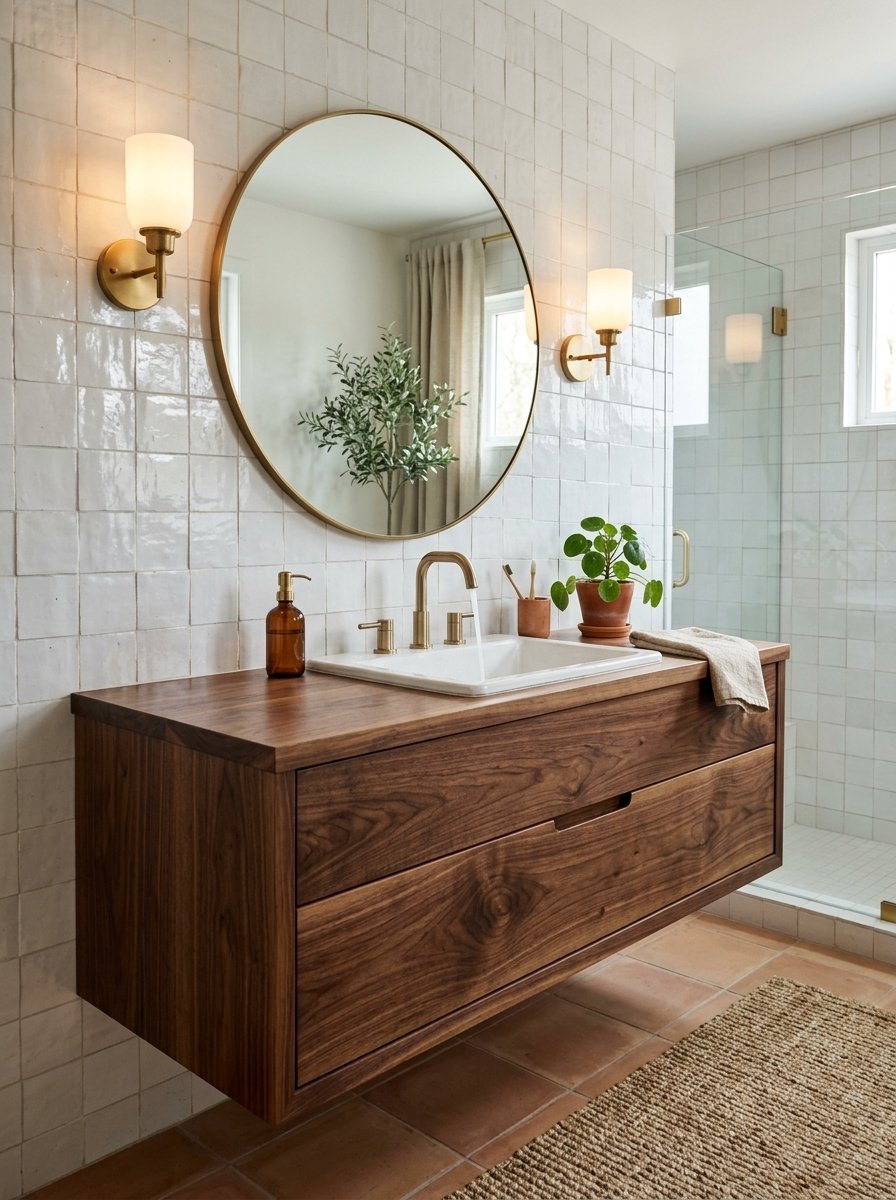
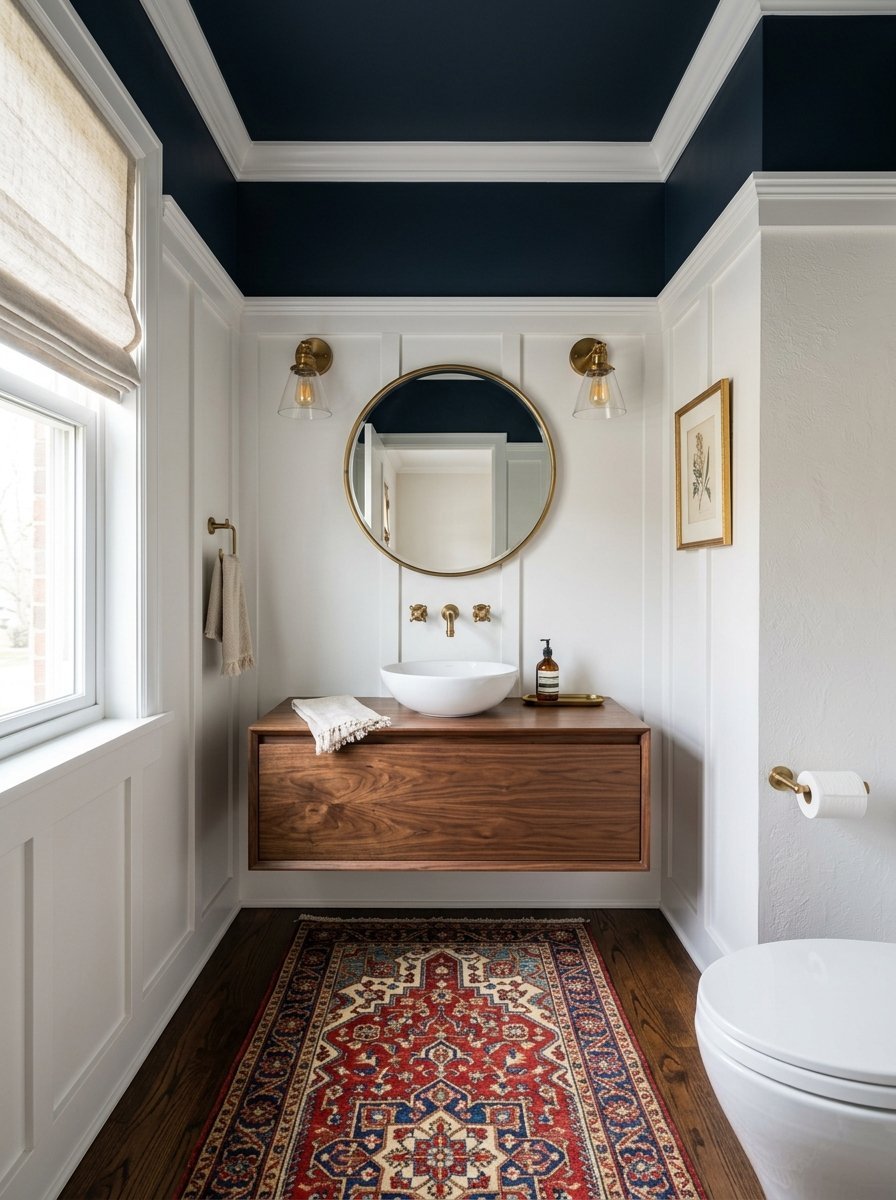
Wood brings incredible warmth to a sterile room. A solid oak vanity or a teak bench looks beautiful. But you must be very careful with finishes. I once ruined a vintage frame with a vinegar spray. The acid peeled the gold paint right off the wood. You must seal raw wood with marine-grade varnish. This protects the grain from the daily steam. Wipe wood surfaces with a damp cloth only. Avoid acidic cleaners completely. The rich tones of walnut or white oak contrast perfectly with bright white tiles. The space feels grounded and natural.
15. Install a Space-Saving Pocket Door
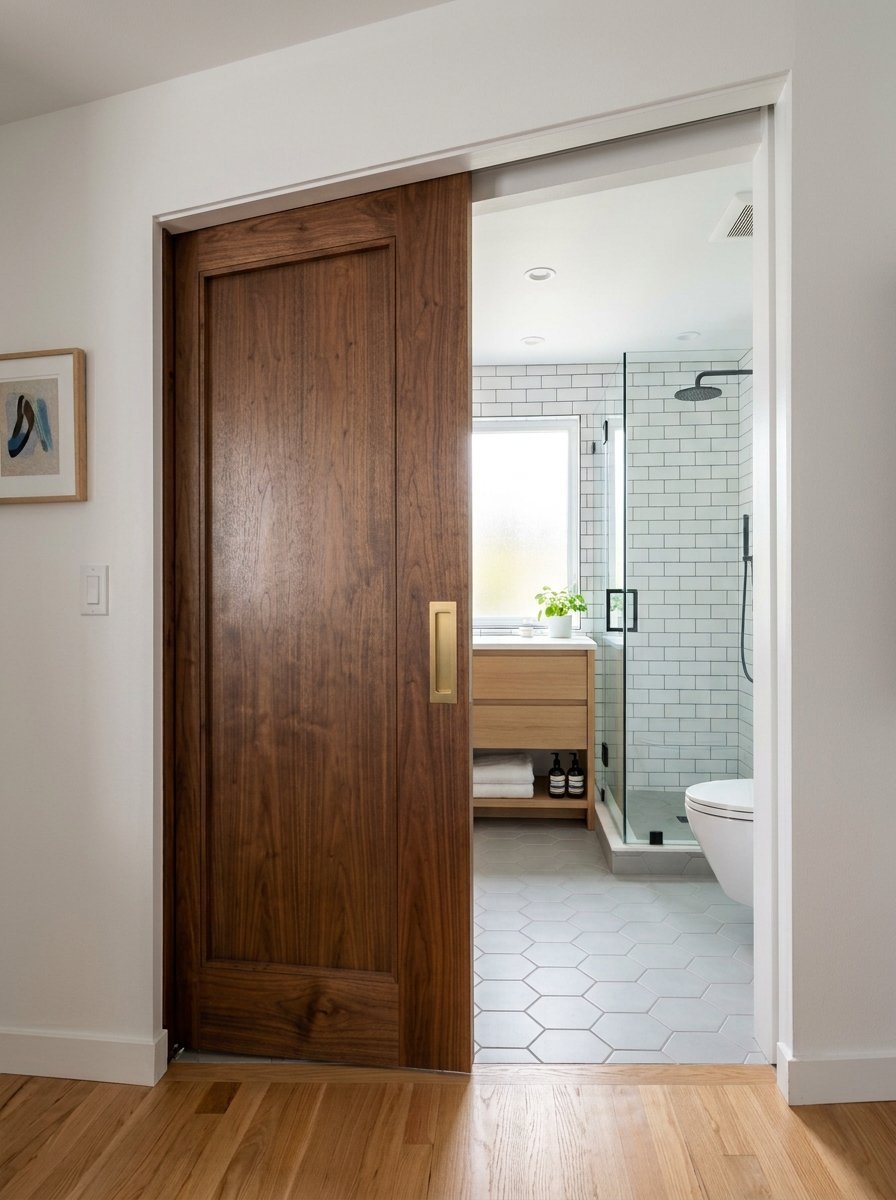
Standard doors swing inward and eat up huge amounts of space. You literally cannot stand at the sink while opening the door. A pocket door fixes this massive headache. The door slides perfectly inside the wall cavity. You free up at least nine square feet of usable room. You can place fixtures right next to the doorway. A carpenter frames a special cage inside the wall. The installation takes a full day and opens the drywall. But the payoff is permanent. You move freely around the room without dodging a heavy slab of wood.
16. Use Reflective Glossy Tiles on Walls
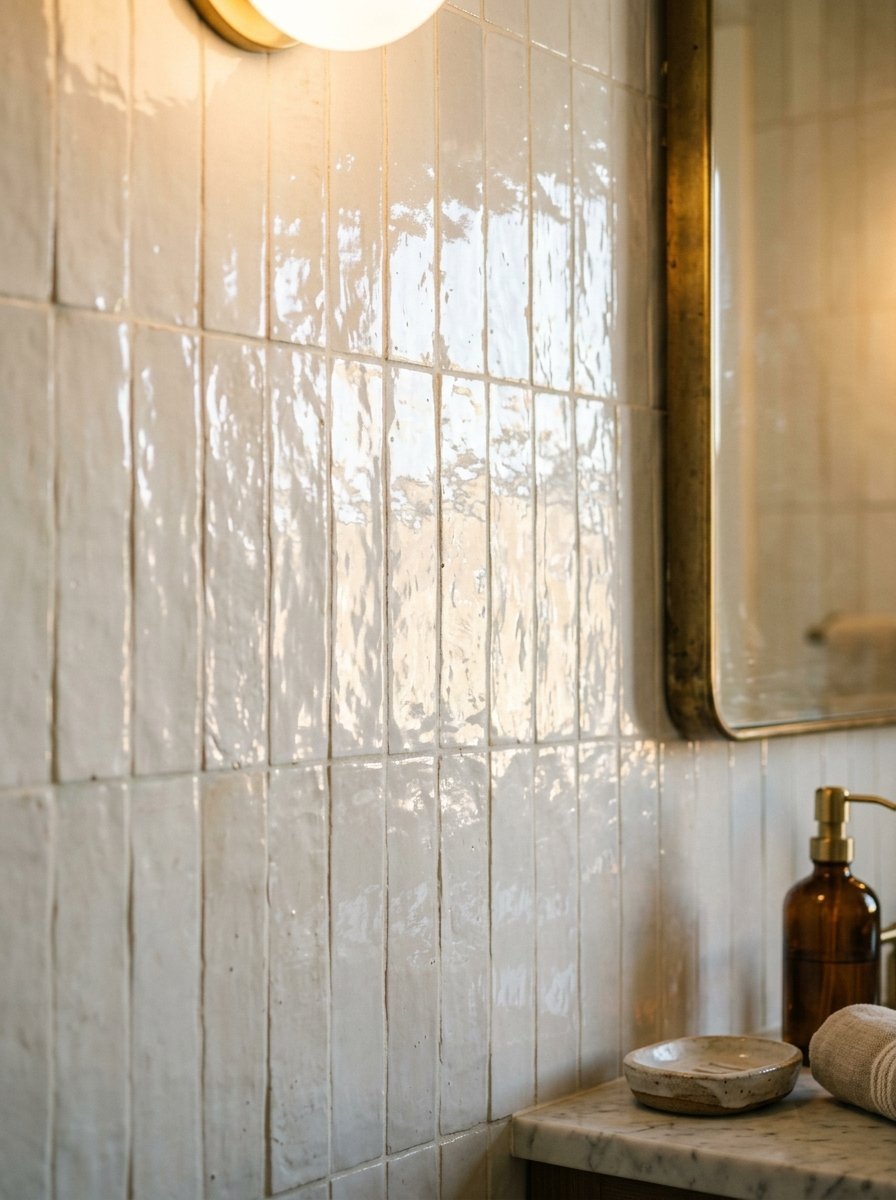
Matte tiles look great on floors. But walls need to bounce light around the room. Glossy ceramic tiles act like tiny mirrors. They catch the vanity light and reflect it back. This visually expands the walls. I love handmade zellige tiles for this purpose. The uneven surface scatters light in beautiful directions. You place them vertically to draw the eye up. The ceiling feels higher immediately. The room glows even with minimal lighting. Dark or flat tiles absorb light and make the room feel like a cave. Glossy finishes keep things airy.
17. Keep the Sightlines Completely Open
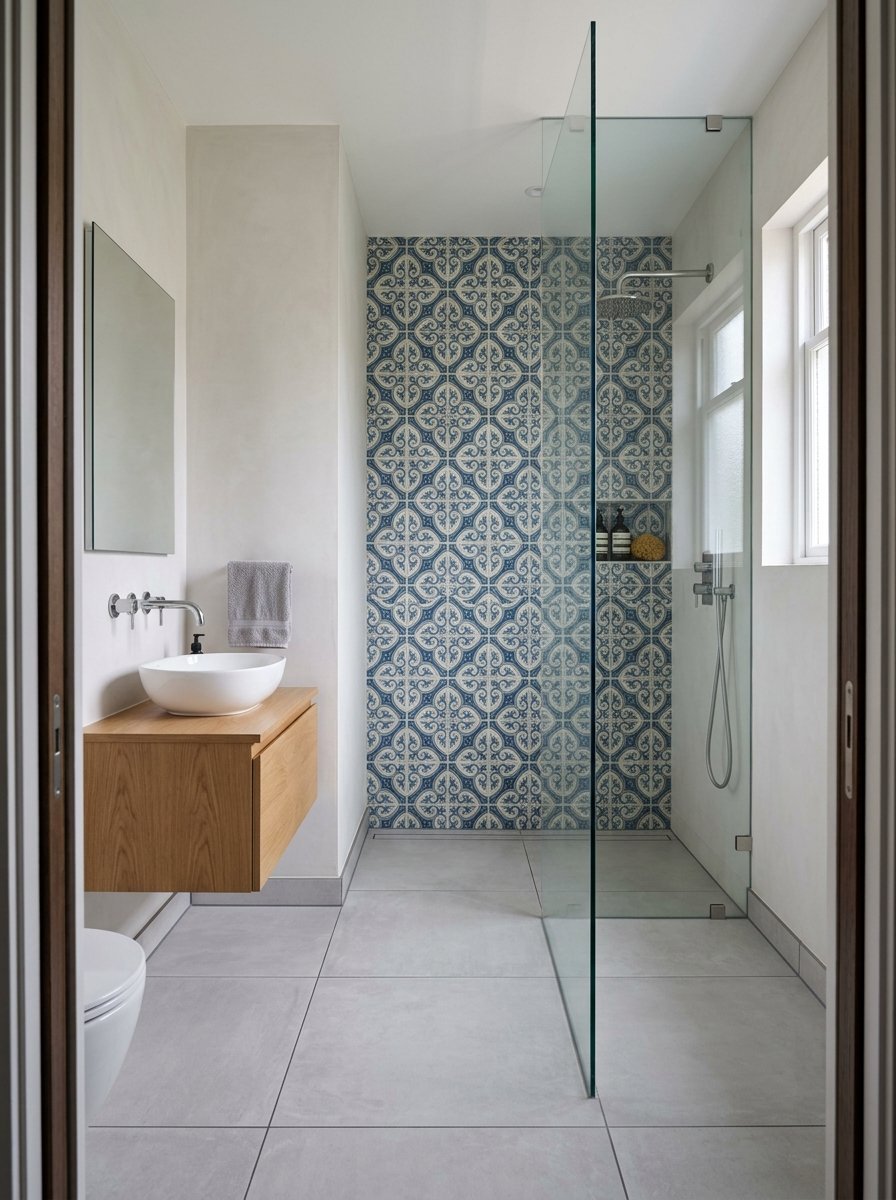
Visual barriers chop a room into tiny pieces. A shower curtain acts like a fabric wall. It hides half the room from view. Swap the curtain for a frameless glass panel. The glass is completely invisible. Your eye travels from the door all the way to the back wall. This makes the space feel twice as large. You see the beautiful shower tile from the hallway. A glass company measures and cuts a custom panel for about $800. They anchor it with simple metal clips. The room feels totally unified and massive.
18. Invest in High-End Hardware
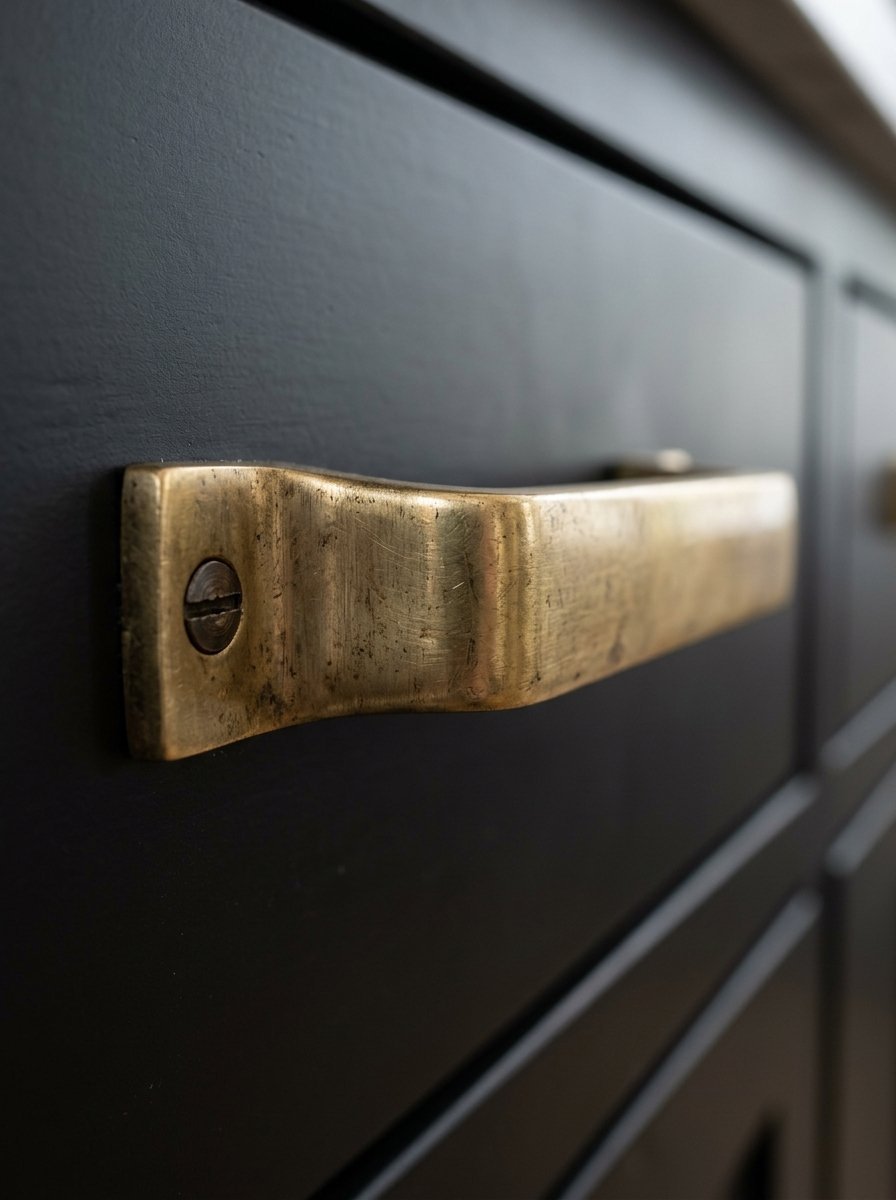
Small spaces rely on details. You do not have room for grand architectural features. The plumbing fixtures become the jewelry of the room. Cheap chrome pulls look terrible. Solid brass hardware elevates the entire bathroom design styles. Unlacquered brass ages beautifully over time. It develops a rich patina from daily touch. I swap out cabinet knobs, towel bars, and faucets. Heavy metal feels expensive in your hand. The cost difference is small, but the visual return is huge. The room feels thoughtfully curated rather than slapped together.
19. Warm the Floors with Radiant Heating
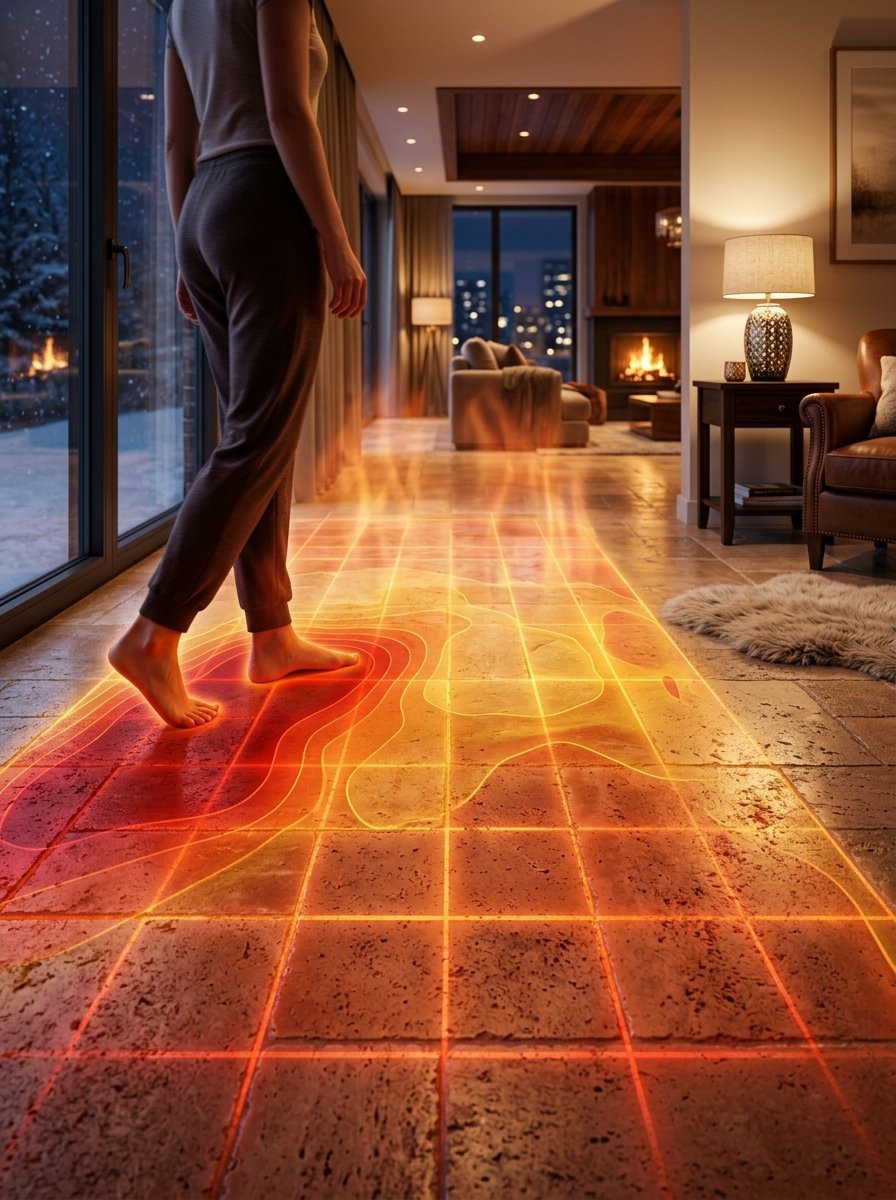
Stepping onto ice-cold tile ruins a relaxing shower. It shocks your system on winter mornings. Radiant floor heating fixes this permanently. An electrician rolls an electric mat over the subfloor before tiling. You wire it to a programmable thermostat on the wall. The floor stays at a perfect 82 degrees. The heat radiates upward and warms the whole room. The mats cost around $300 for a small bathroom. You never need an ugly space heater again. The luxury is invisible but you feel it every single day.
20. Elevate with Hotel-Style Towel Storage
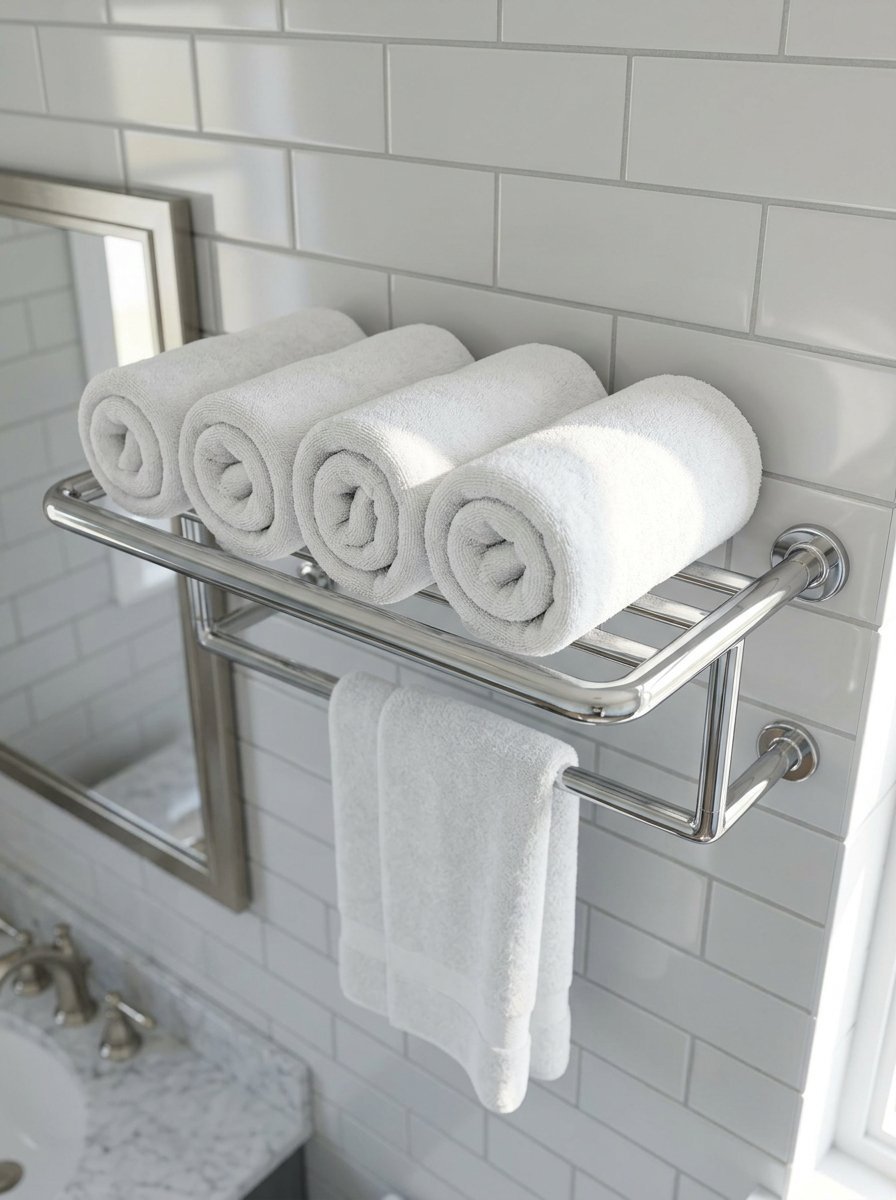
Folded towels on a toilet tank look messy. It reminds people of a cramped public toilet design. You want the feeling of a luxury hotel. Install a train rack above the door or high on the wall. Roll your crisp white towels tightly. Stack them neatly on the metal bars. This uses dead space near the ceiling. It looks intentional and highly organized. Keep only three or four fresh towels out at a time. Hide the rest in a linen closet. The presentation feels welcoming and expensive.
21. Capture Natural Light with a Skylight
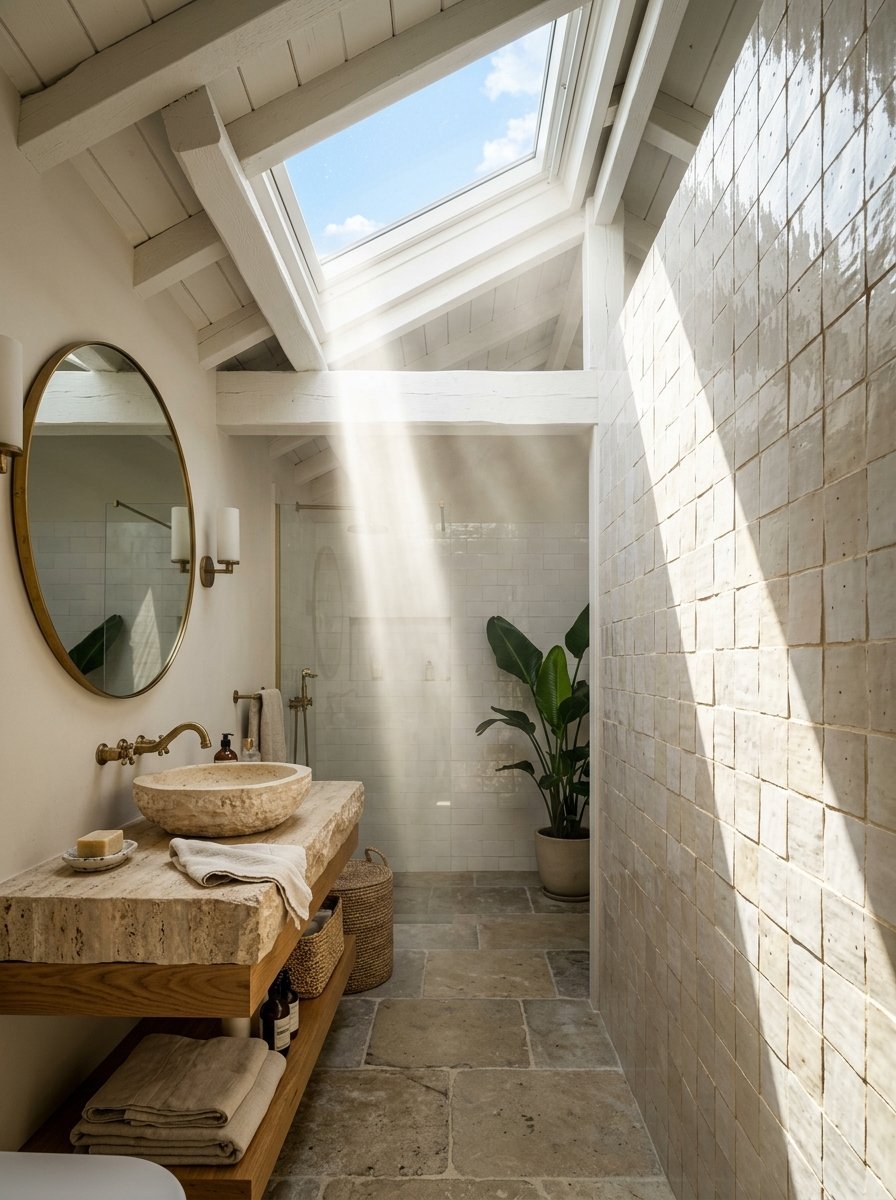
Many small bathrooms lack exterior windows. They feel like dark interior closets. A skylight changes the entire atmosphere. It pours natural sunlight directly onto the vanity. The light washes down the walls. A small 2-foot skylight provides more light than a large window. A roofer can install a basic tubular skylight in four hours. It bounces light through a reflective tube. The space feels open to the sky. You apply makeup in perfect natural light. The claustrophobia vanishes instantly.
22. Wrap the Walls in Waterproof Plaster
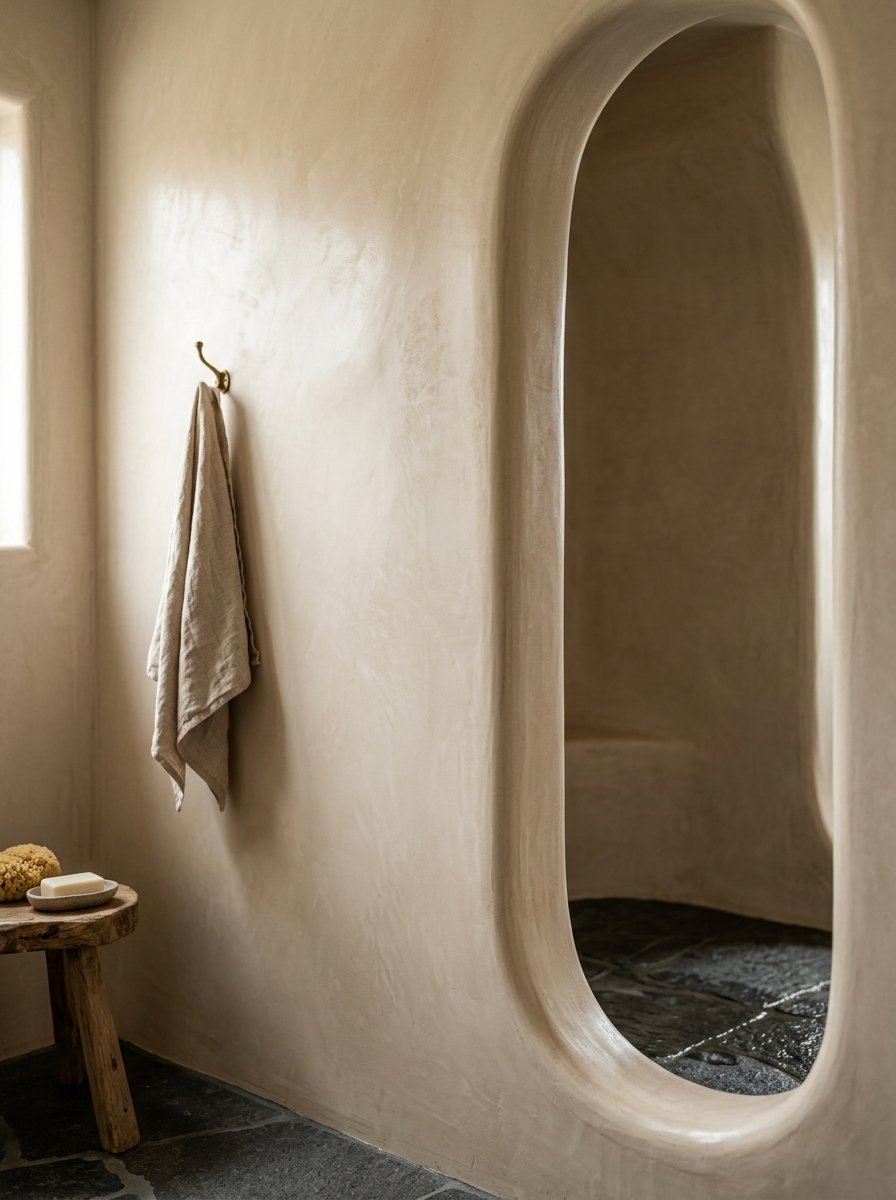
Tile grout gets dirty and requires scrubbing. Wall-to-wall tile sometimes feels too busy. Tadelakt is a Moroccan waterproof plaster. An artisan trowels it onto the walls smoothly. They polish it with a smooth stone and olive soap. The result is a smooth, velvety surface. It repels water perfectly. There are zero grout lines to clean. The walls look like soft, molded clay. It costs more than basic tile but changes the room entirely. You step into a serene, continuous cocoon of color. The space feels incredibly bespoke.
Frequently Asked Questions
How much does a small bathroom renovation cost?
A complete gut renovation ranges from $12,000 to $20,000. Basic cosmetic updates cost under $3,000. Labor takes up half the budget. You save money by keeping the plumbing locations exactly where they are.
How long does the remodeling project take?
A full tear-out takes three to four weeks. Permits and inspections cause the longest delays. Custom glass doors require a two-week wait after tile completion. Plan your timeline around material delivery dates.
Can I put a walk-in shower in a 5×8 bathroom?
Yes, a 5×8 layout fits a walk-in shower perfectly. You place the vanity and toilet on one wall. The shower takes up the entire back wall. This provides a 30 by 60 inch wet area.
What is the best paint finish for high humidity?
Always use a satin or semi-gloss finish. Flat paint absorbs moisture and shows water drips. Modern satin acrylic paints resist mildew naturally. You wipe them clean with a damp cloth easily.
Are pocket doors hard to install?
Installing one requires opening the adjacent drywall completely. A carpenter installs the tracking frame. You cannot have plumbing pipes or electrical wires inside that specific wall cavity.
How do I make my ceiling look higher?
Paint the ceiling the exact same color as the walls. Run your shower tile all the way to the top. Keep the crown molding very thin and simple. Vertical wall paneling also draws the eye upward.
Is radiant floor heating worth the cost?
The materials are very cheap for a small footprint. The labor happens quickly before the tile goes down. It completely changes the comfort of the room. Most homeowners say it was their favorite upgrade.
What size tile works best in tiny spaces?
Large 24 by 24 inch tiles work incredibly well. They eliminate distracting grout lines. The floor looks continuous and smooth. You can also use very small penny tiles for a classic textured look.
How do I clean brass fixtures safely?
Never use harsh chemical sprays on unlacquered brass. Wipe the metal with warm water and a soft microfiber cloth. The brass will naturally darken and patina over time. This aging transition looks beautiful.
Can I use wallpaper in a full bathroom?
You can use vinyl wallpaper in well-ventilated spaces. Always run the exhaust fan during showers. Apply a clear decorator’s varnish over the seams. This prevents the steam from peeling the paper away.
Where should I place the towel bars?
Mount the primary towel bar directly outside the shower door. Keep it at a height of 48 inches from the floor. Use small hooks near the sink for hand towels. Hooks take up less visual space.
Do I really need a bathtub for resale?
Real estate markets change constantly. Most buyers prefer a large, luxurious shower over a small tub. Keep one tub somewhere in the house for families with children. The master bath functions perfectly without one.
Conclusion
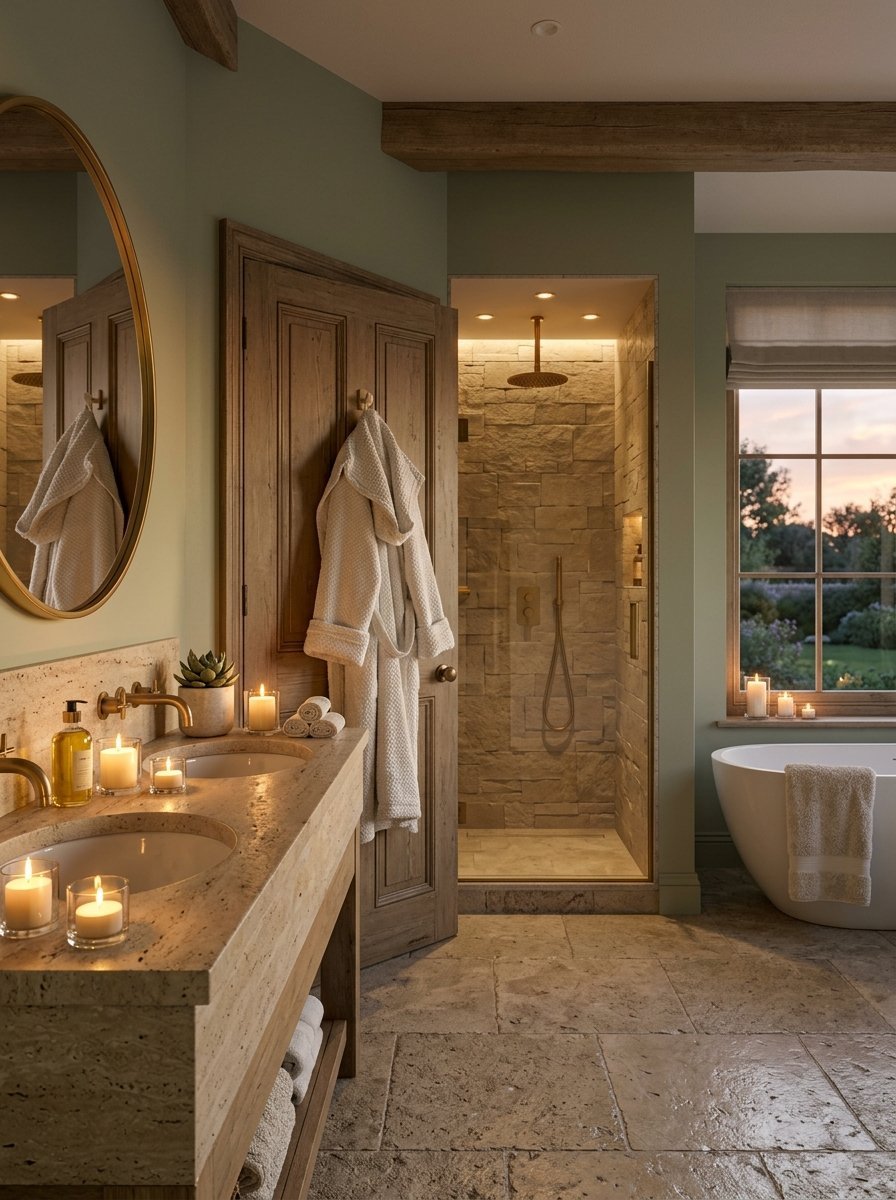
You hold the exact blueprint to change your daily routine. A tight floor plan never dictates the final feeling of a room. You take back your space by manipulating light and sightlines. Floating the vanity and losing the shower curb shifts the entire perspective. I absorbed these hard lessons over years of messy renovations. Stop letting a dark, cramped room dictate your mornings. Start with the lighting or swap the mirror this weekend.

Amelia Hart is the Senior Design Editor at Vellora Interiors, where she curates small-space and apartment content. With a background in color theory and years spent designing under-500-square-foot rentals, she’s the editor who’ll tell you exactly which paint sheen, curtain length, and lamp height to choose, no guessing. A former design lead at a boutique studio, her work has been featured in several home and lifestyle publications. Her guiding belief: “Good design isn’t about more, it’s about choosing better.”