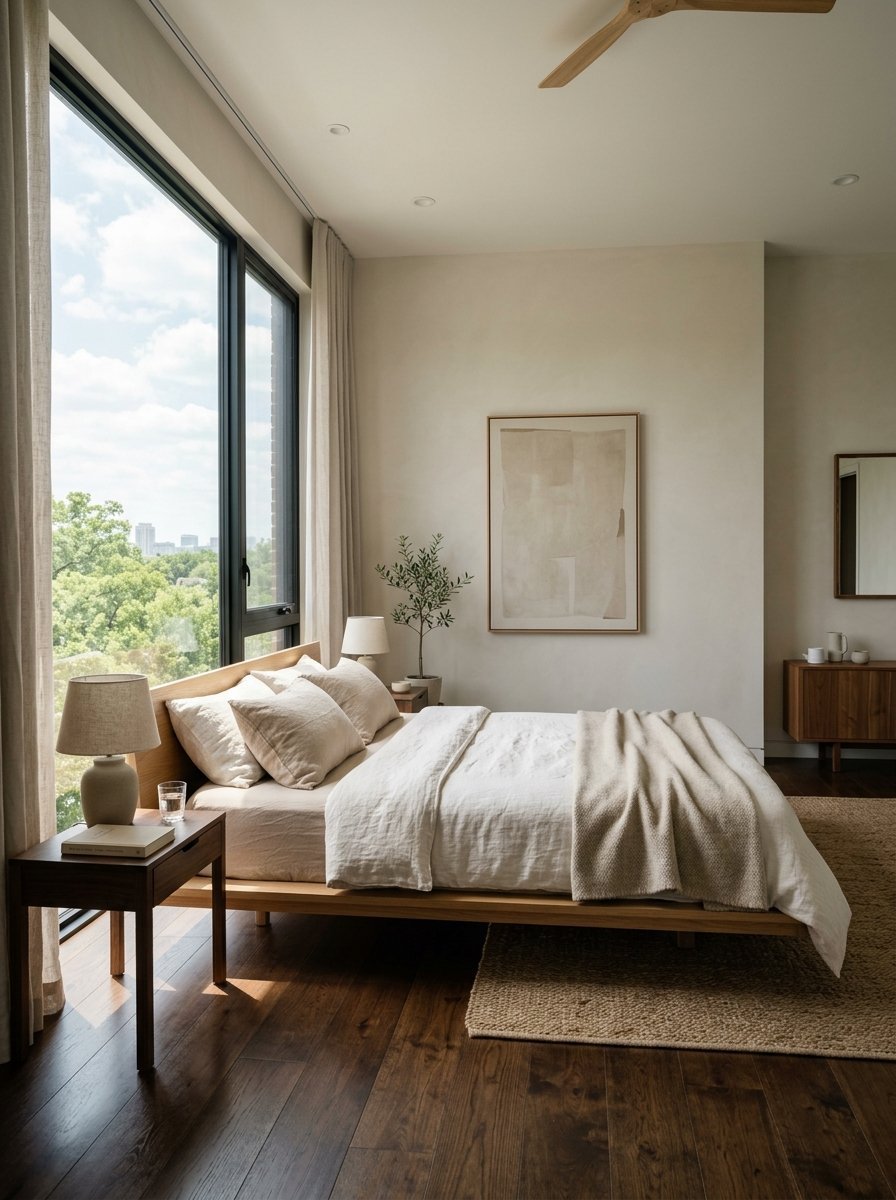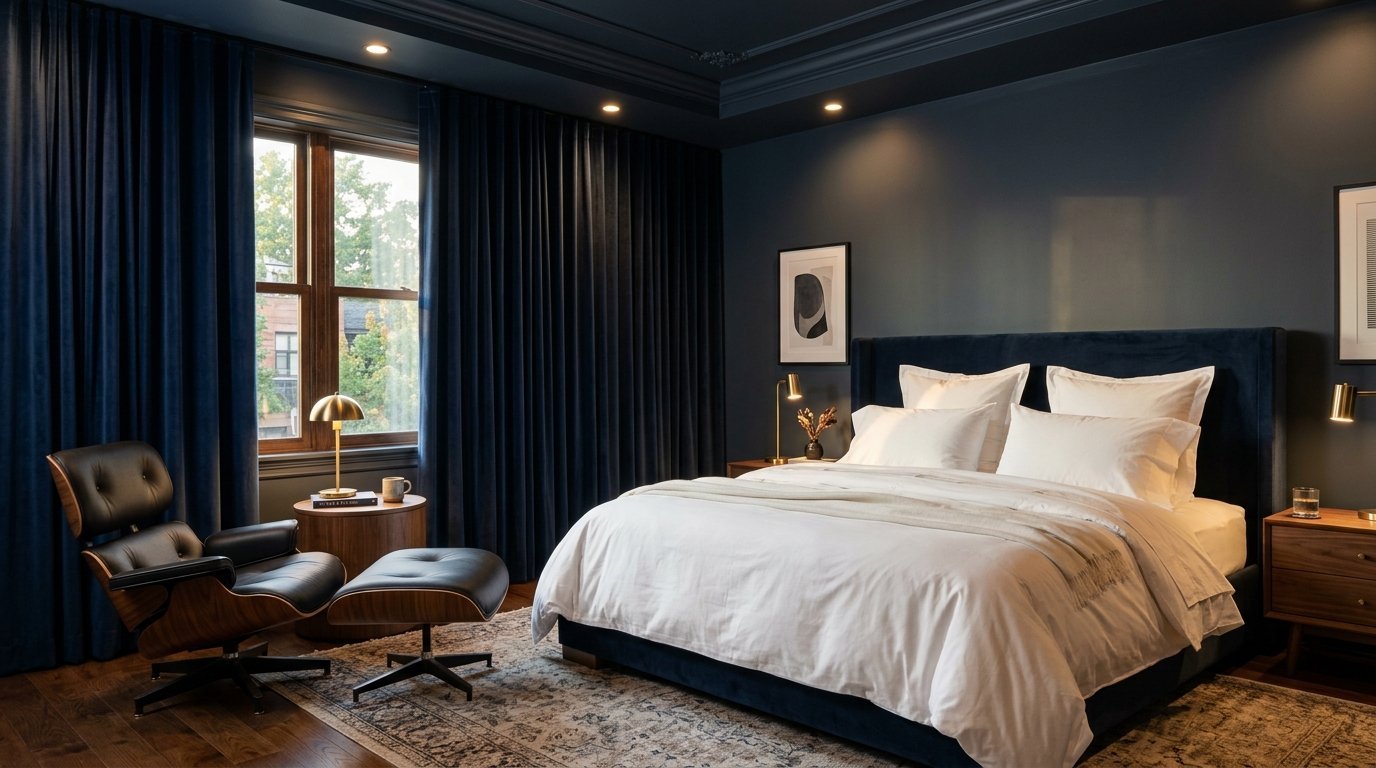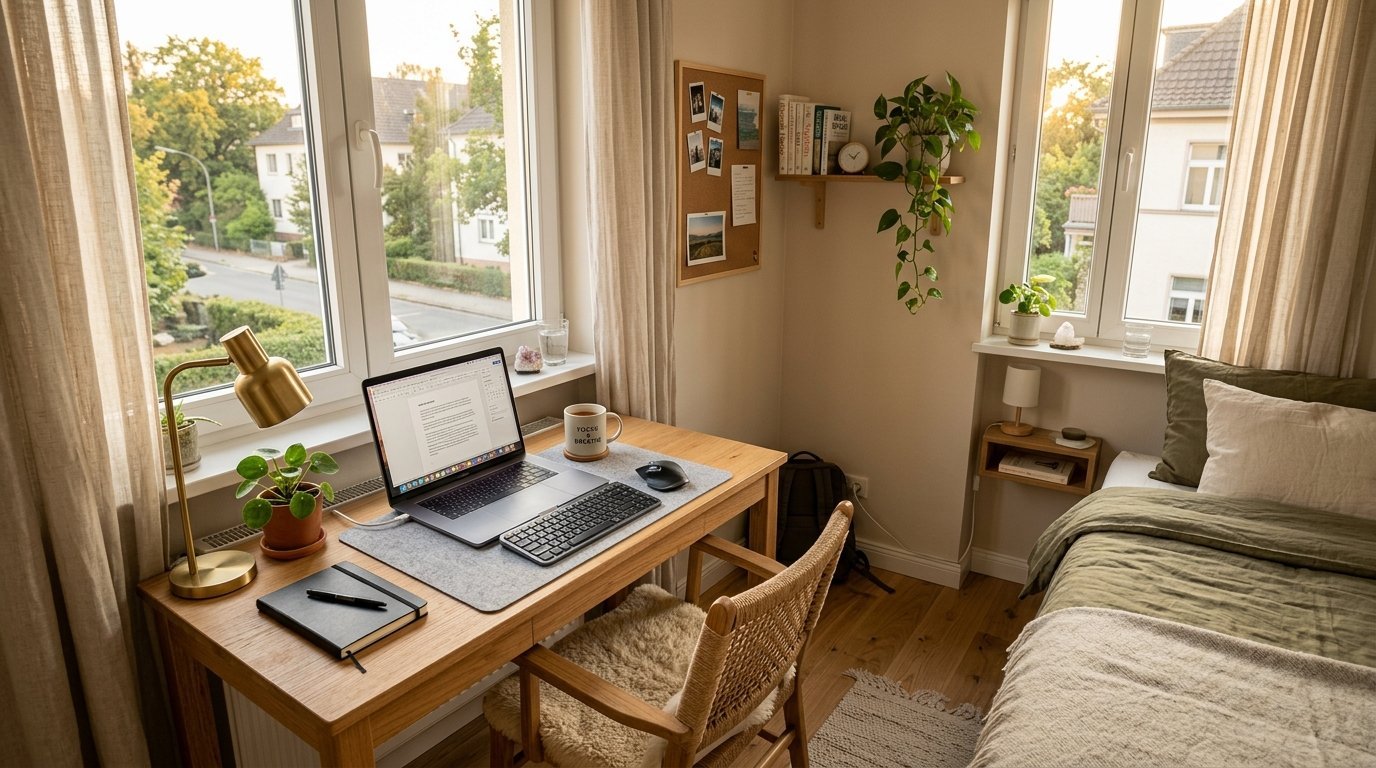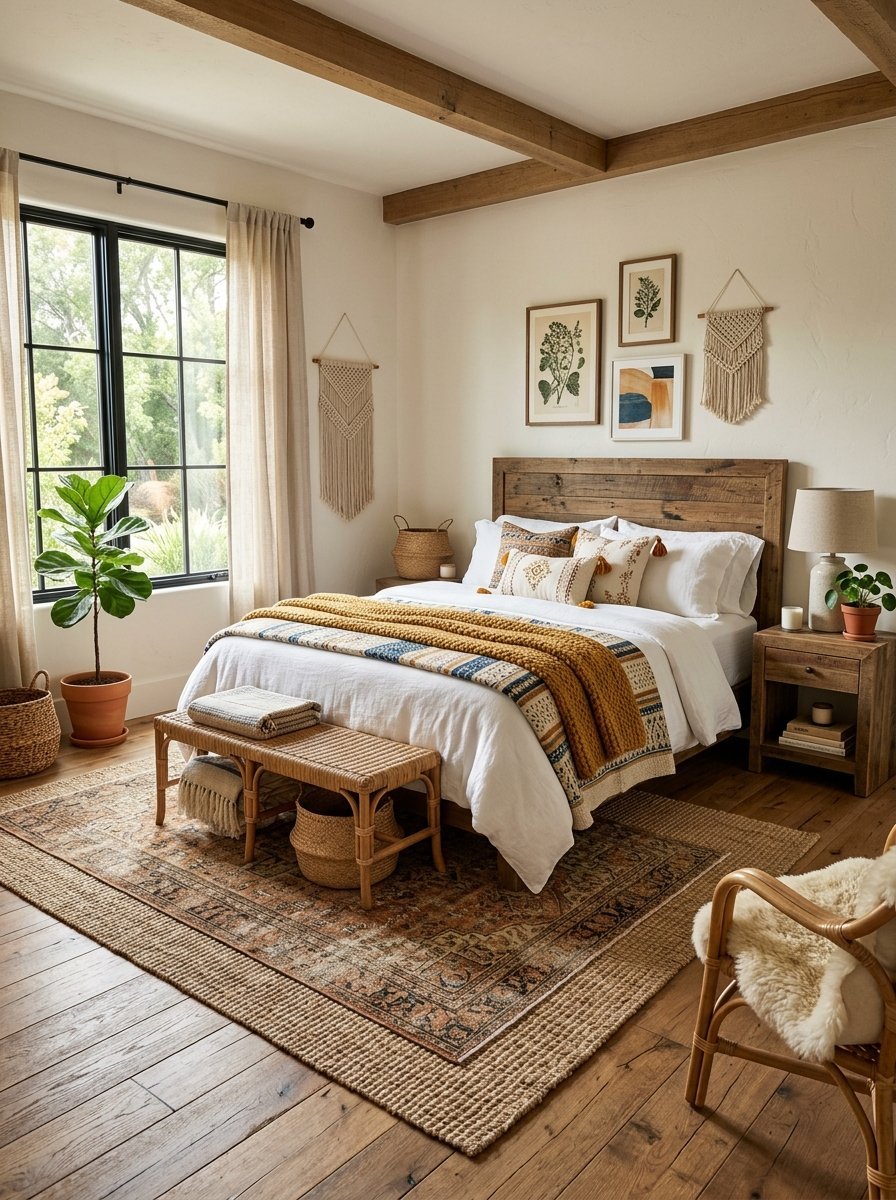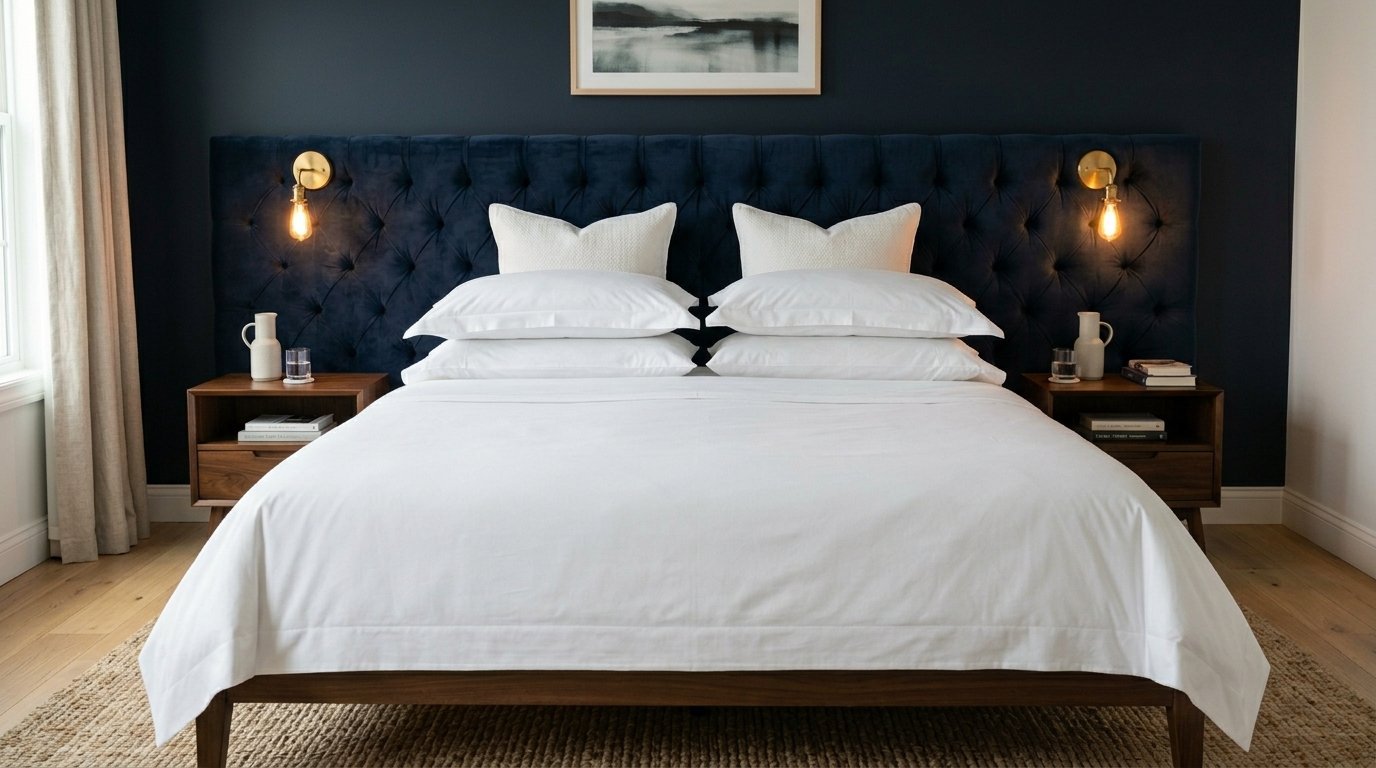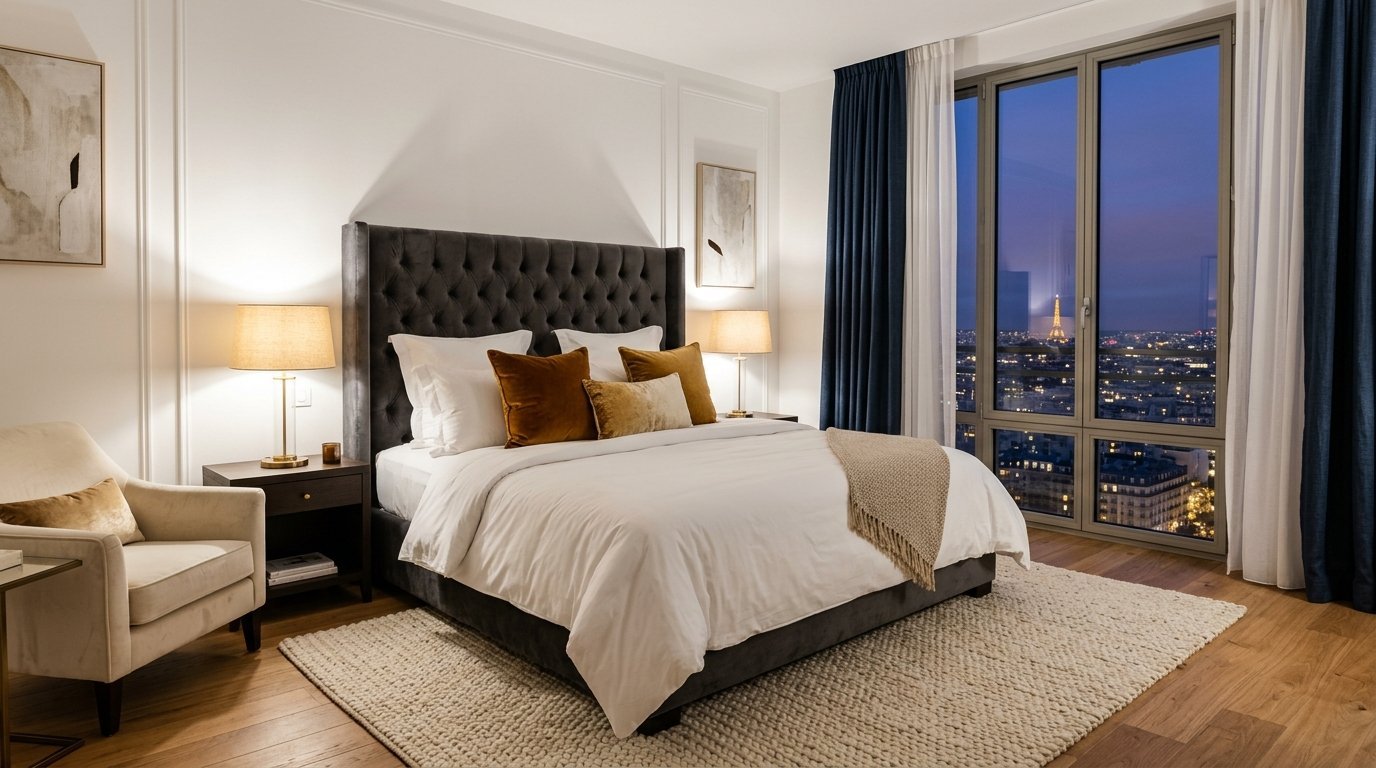
Working from bed ruins your posture and destroys your sleep quality. You wake up, grab your laptop, and suddenly your resting space feels like a noisy corporate cubicle. Creating a dedicated workspace in your sleeping quarters requires intentional planning. I have tested dozens of room layouts over the past four years. Most people place a bulky table right next to their mattress. That ruins the entire flow of the room. You need a setup that looks beautiful but functions perfectly. I will show you exactly how to arrange your furniture, choose the right chair, and hide your messy cables. You will master the exact dimensions needed for a comfortable workstation. Exploring these Bedroom with Desk Ideas gives you complete control over your environment. You can reclaim your space today.
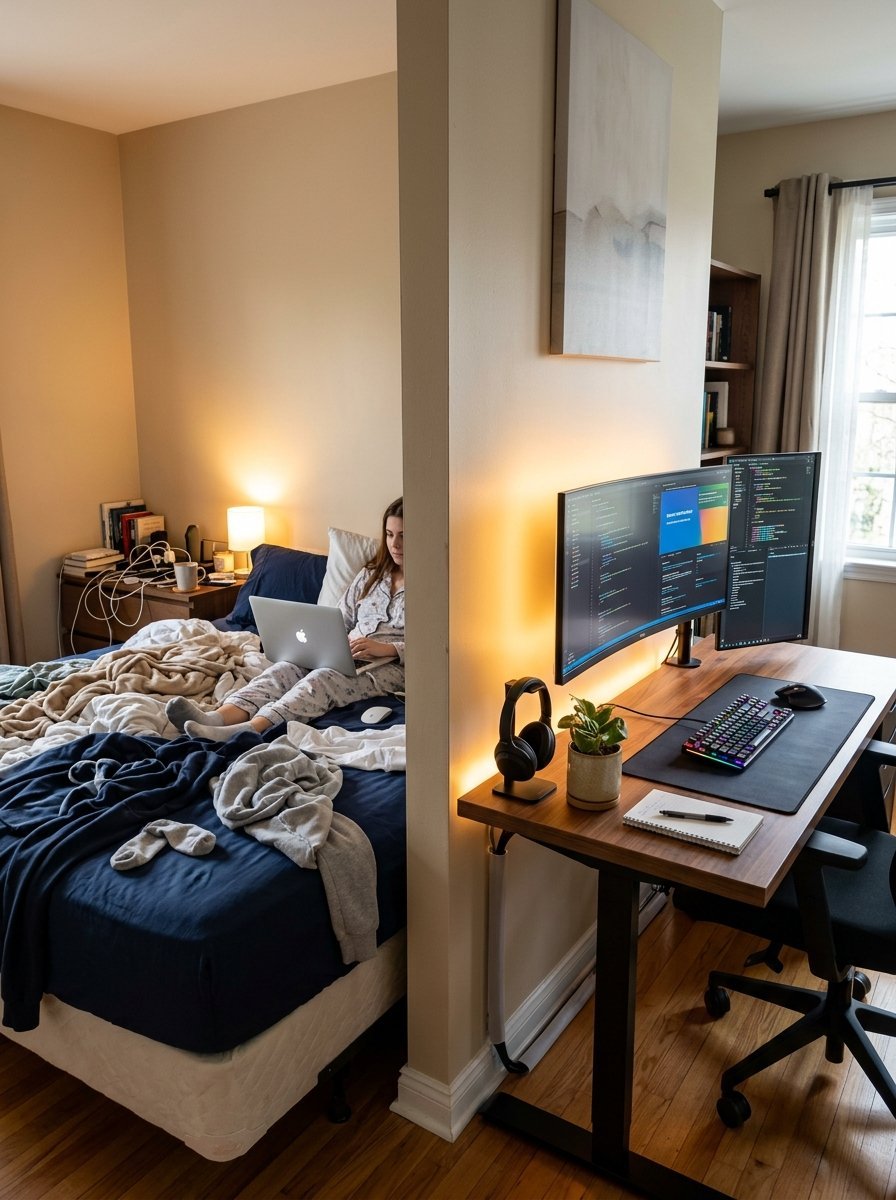
You must protect your resting space from work stress. I promise you will find a layout here that fits your exact square footage perfectly. A tight corner or an awkward closet can become a beautiful workspace. The secret lies in measuring your furniture to the exact inch. These specific setups rely on smart vertical storage and visual separation tricks. I spent three years documenting what actually works in tiny apartments and large master suites. You will see exact measurements, paint color recommendations, and cable management tricks. Stop working from your mattress right now. Review these setups and choose the one that matches your daily routine. Implementing just one small layout change will drastically alter your morning mindset.
1. The Floating Corner Workstation
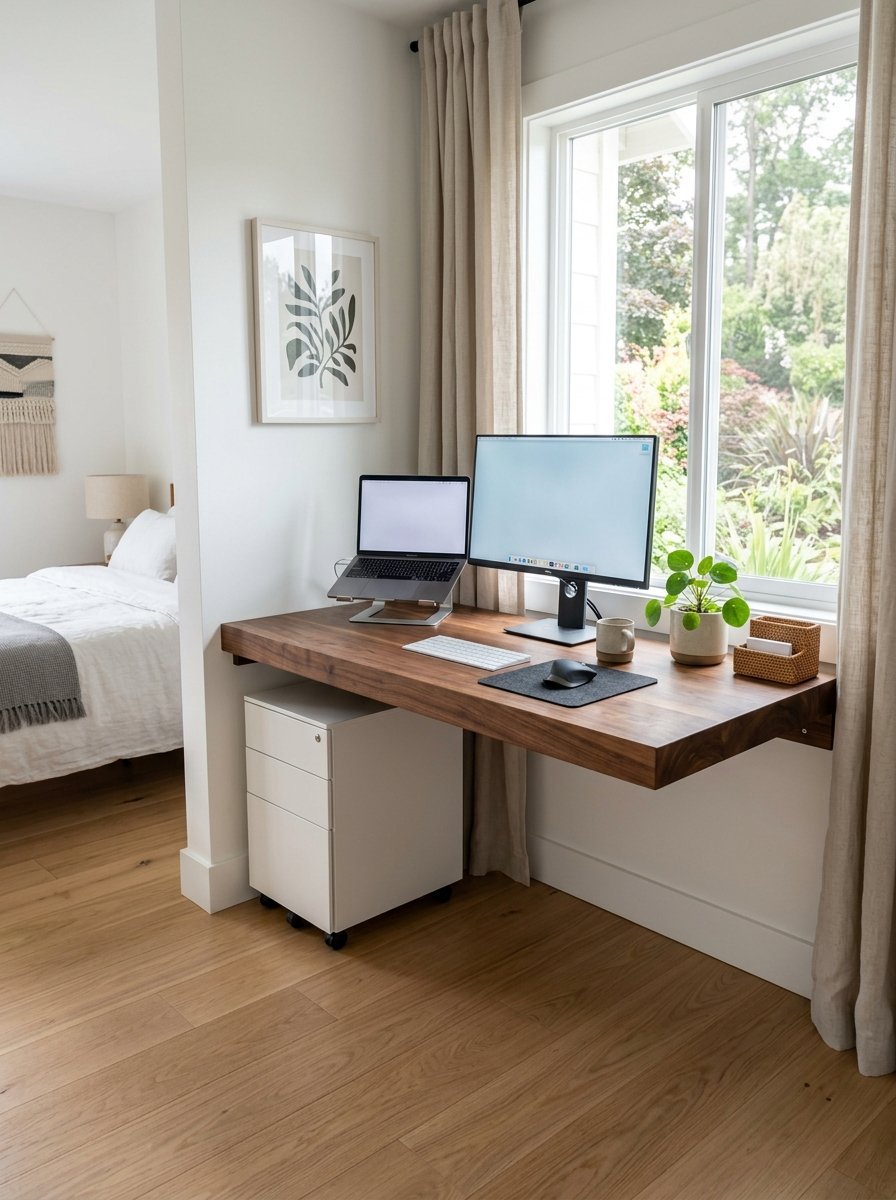
Corners often become dead space holding piles of dirty laundry. You can reclaim this square footage by installing a heavy wall-mounted floating desk. This keeps your floor completely clear. I prefer using solid walnut for these Study Table Designs because the rich wood grain provides instant visual warmth. You save about five square feet of floor space compared to a traditional four-legged table. Mount the desk exactly 29 inches from the floor for ergonomic typing. Slide a small rolling filing cabinet underneath if you need paper storage. This layout completely separates your sleeping zone from your working zone. You avoid staring at your pillows while typing emails. Use heavy-duty toggle bolts to secure the bracket directly into the wall studs. A weak anchor will rip straight through your drywall. The floating design makes running the vacuum underneath incredibly simple.
2. The Closet Conversion Workspace
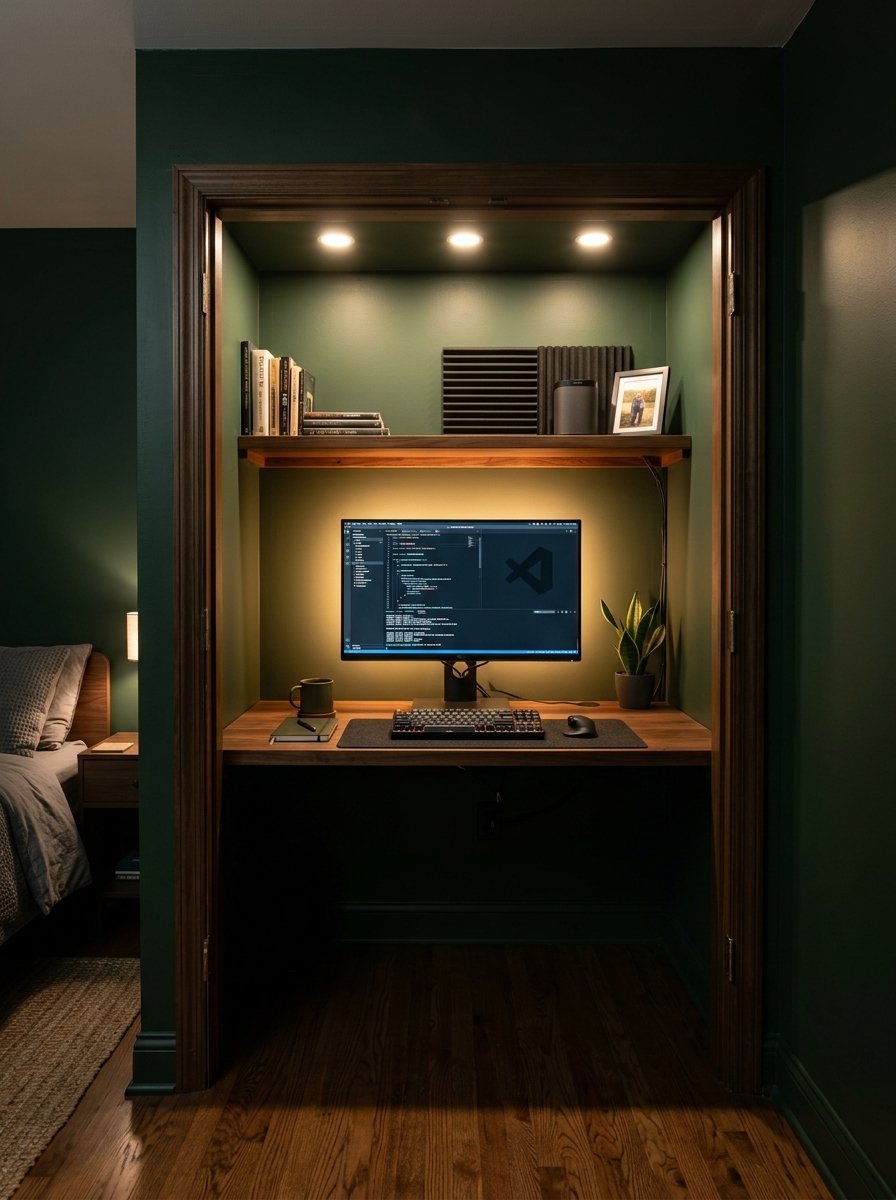
Most standard closets waste vertical space above the hanging clothing rods. You can remove the bi-fold doors and install a deep solid shelf at desk height. This creates a hidden office perfectly sized for a single external monitor and your laptop. Paint the inside of the closet a dark charcoal or deep forest green to define the zone. I did this in my guest room last year with matte paint. The visual separation works wonders for mental focus. You simply walk away when the workday ends. Install battery-powered LED puck lights under the upper shelves for clear task lighting. This entirely eliminates the need for expensive electrical hardwiring. Keep your chair lightweight so you can move it easily out of the walkway. A narrow closet requires a desk depth of exactly 20 inches to feel comfortable.
3. The Window-Facing Sunlit Desk
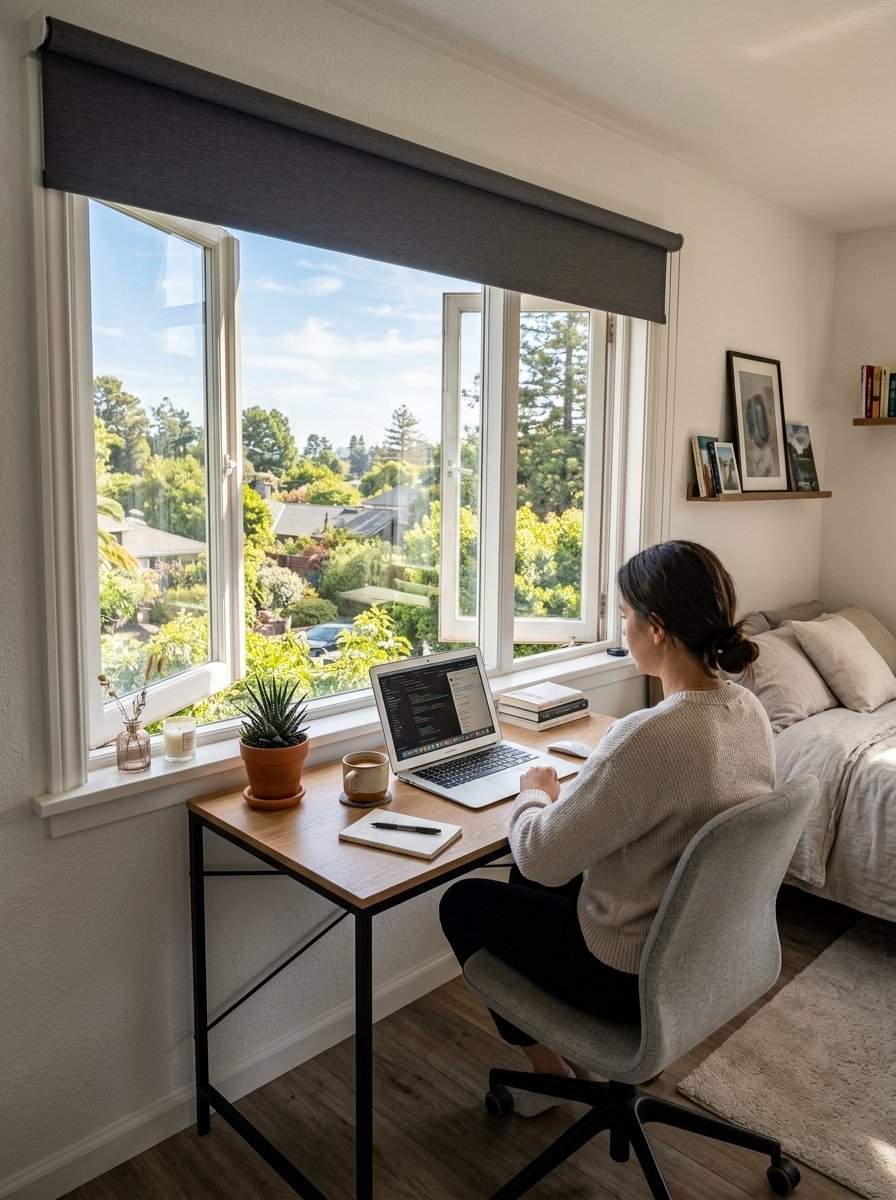
Natural light fixes bad posture better than expensive ergonomic chairs. Placing your desk directly under a window forces you to look up. You rest your eyes by looking at distant objects. I always position my monitor slightly below the window sill. This blocks harsh glare on the screen while keeping the view unobstructed. Your Zoom calls look highly professional because the light hits your face evenly. Choose a desk with a slim metal profile. A bulky frame blocks the radiator or air vents below the glass. Hang thick blackout roller shades for those intensely bright summer mornings. This arrangement makes small spaces feel twice as large. You never feel trapped in a dark cave. Keep the glass clean to maximize the natural brightness.
4. The Nightstand Double Duty Table
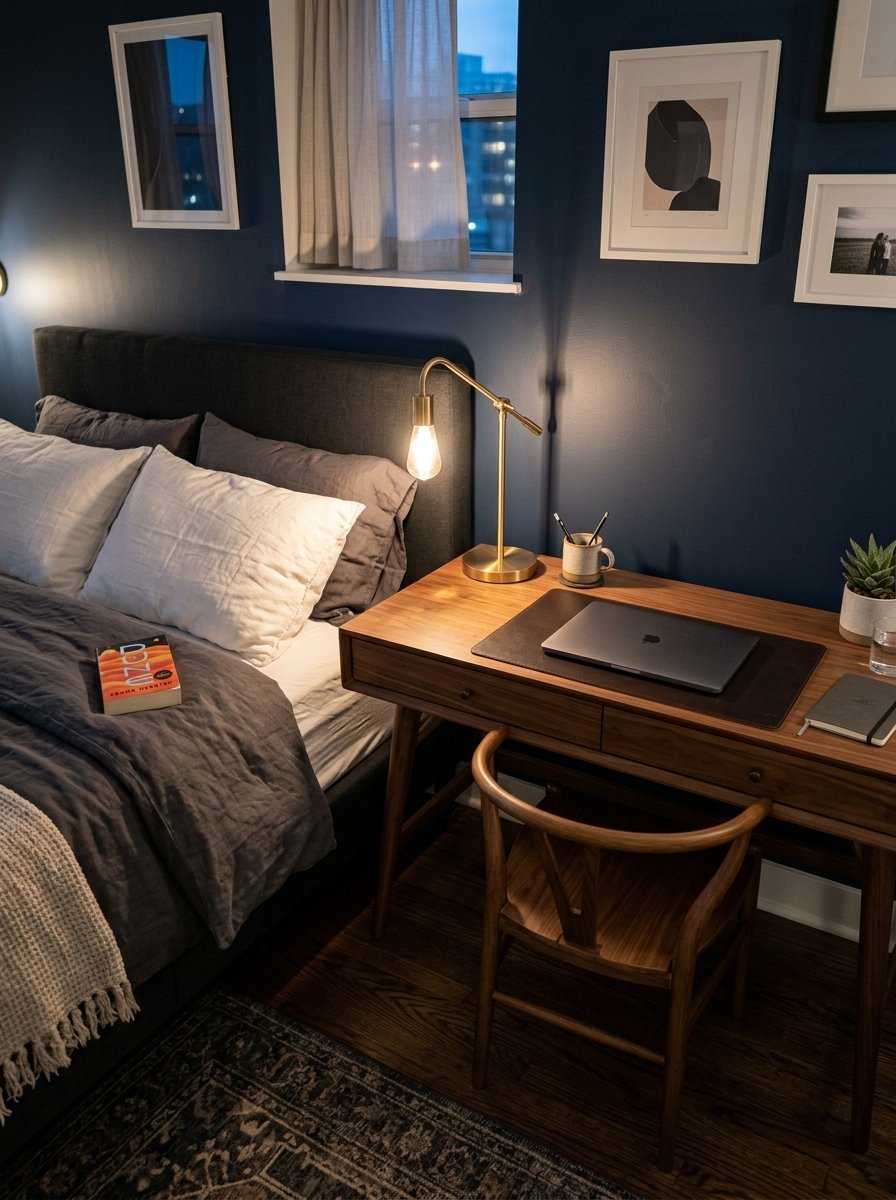
Small floor plans require furniture that serves two totally different purposes. You can replace your bedside table with a sleek writing desk. This Bedroom With Study Table Interior Design perfectly balances rest and daytime productivity. Position a small brass lamp on the corner closest to your mattress for nighttime reading. Keep your laptop and notebooks on the opposite side. I use a shallow sliding drawer to hide my chargers and pens before going to sleep. Seeing work materials at night completely ruins your rest. Choose a chair that slides completely under the table frame. A backless wooden stool works perfectly if you only type for short bursts. The dual purpose saves you hundreds of dollars on extra furniture. Use 3M Command strips to mount a small picture above the desk without ruining the drywall.
5. The Room Divider Bookshelf Desk
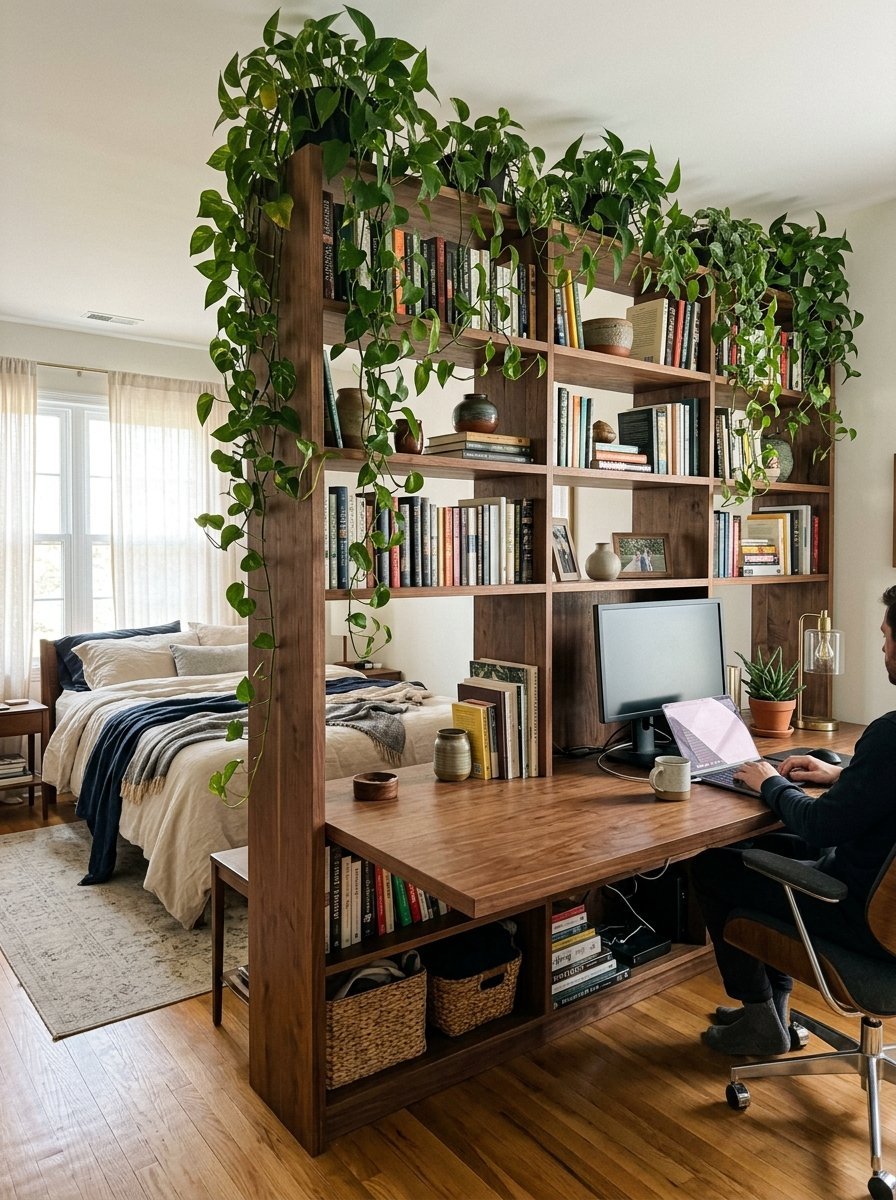
Open floor plans lack natural structural boundaries. You can use a tall freestanding shelving unit to wall off your sleeping quarters. Attach a desk surface perpendicular to the heavy shelves. This physically blocks your line of sight from the bed to the laptop. I use trailing plants like pothos on the top shelves to soften the hard wooden edges. Fill the lower cubbies with heavy hardcover books to anchor the unit safely. This layout creates two distinct rooms without any expensive drywall construction. You create a psychological barrier that helps you stop thinking about emails at night. Sound-absorbing felt panels on the back of the shelves keep typing noise down. The shelves hold all your printers and file boxes easily.
6. The Luxury Executive Suite Vibe
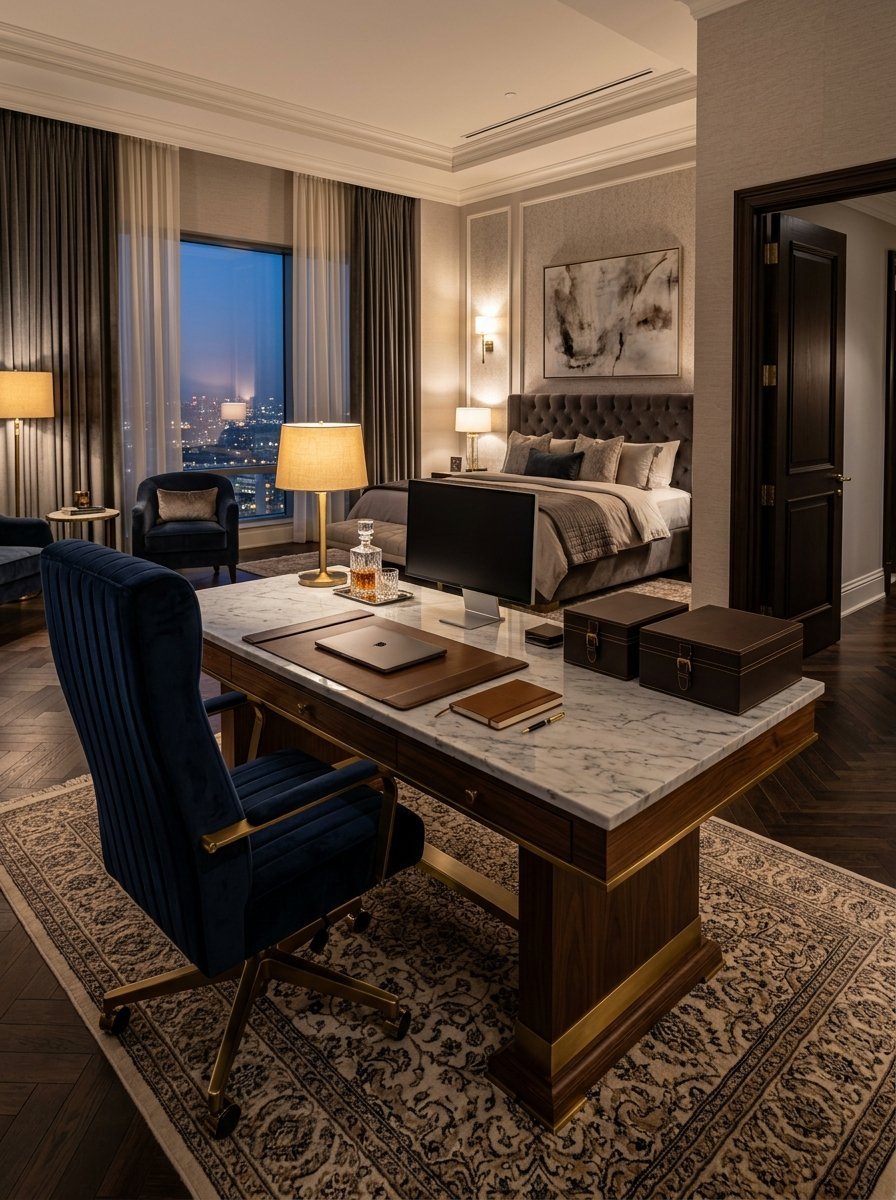
You deserve a workspace that feels like a high-end luxury hotel. Bedroom Interior Design Luxury demands premium heavy materials and flawless cable management. Center a thick marble-topped desk right in the middle of the room. Face the desk toward the doorway rather than staring at a blank wall. This commands the space and gives you a powerful vantage point. I route all thick power cables through a hollow metal desk leg directly into a floor outlet. Place a plush velvet chair with solid brass accents nearby. Hide all ugly plastic peripherals inside leather-wrapped storage boxes. Your room instantly feels like a private CEO retreat. Keep the desktop completely clear of loose papers.
7. The Minimalist Fold-Away Wall Desk
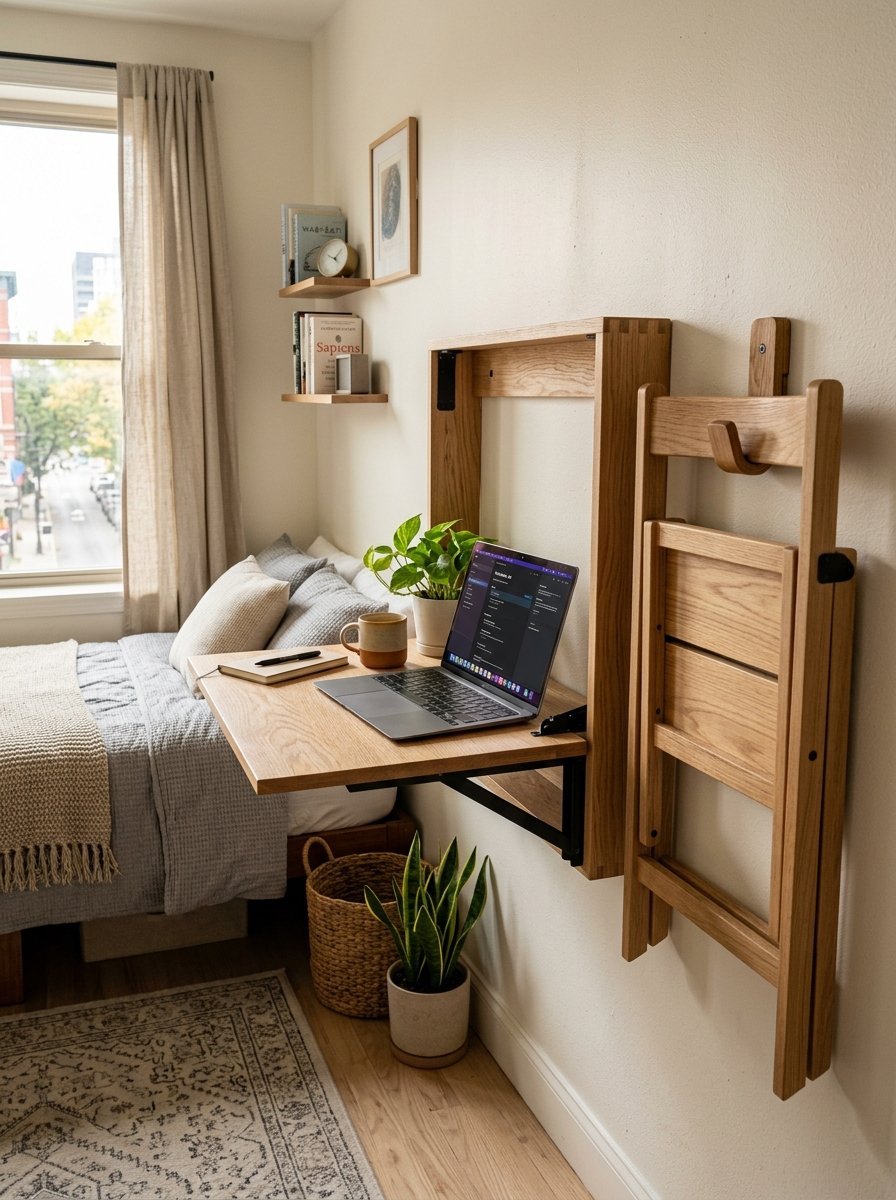
Wall-mounted folding desks save marriages in cramped city apartments. The desk surface attaches to the wall with heavy-duty steel hinges. You drop it down when you need to type. You fold it completely flat when you need to sleep. I installed one in a 100-square-foot room last spring. The entire physical change happens in exactly three seconds. Keep your laptop in a canvas bag hanging on a hook nearby. Use a folding wooden chair that hangs on the wall right next to the desk. This forces you to pack up your work completely every single day. A clean room guarantees a quiet mind before bed. The hinges must attach directly to wooden wall studs for absolute safety.
8. The L-Shaped Corner Wrap
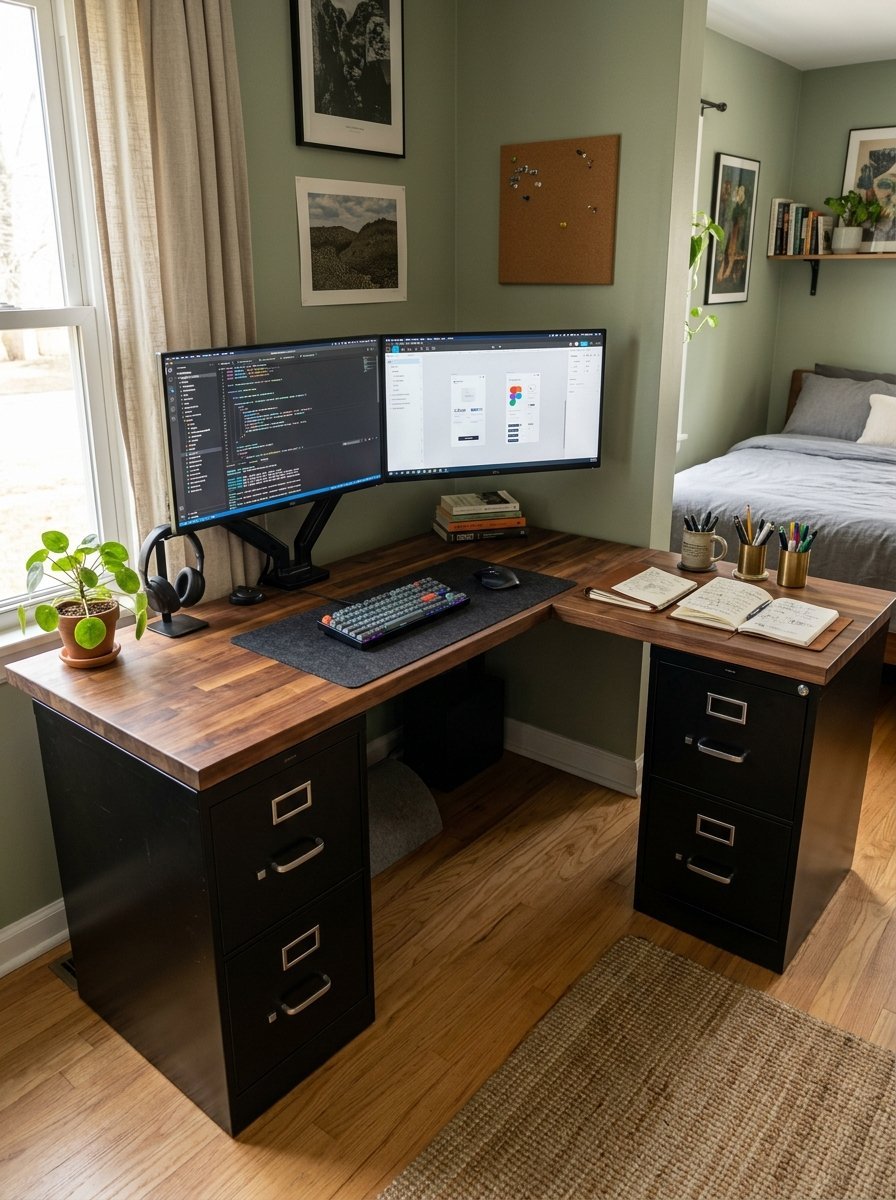
You can maximize a tight dark corner with an L-shaped surface. Place your main monitor on the long side. Place your writing pads on the short side. This gives you distinct physical zones for digital work and analog brainstorming. I prefer using a heavy butcher block countertop resting on two metal filing cabinets. This provides massive hidden storage and a massive working surface. Keep the deeper side at least 24 inches wide for proper monitor viewing distance. Make the short side 18 inches deep so it does not crowd the floor. Use an ergonomic chair with soft rubber casters to roll smoothly between the two zones. The corner placement keeps the center of your room wide open.
9. The Under-Bed Loft Station
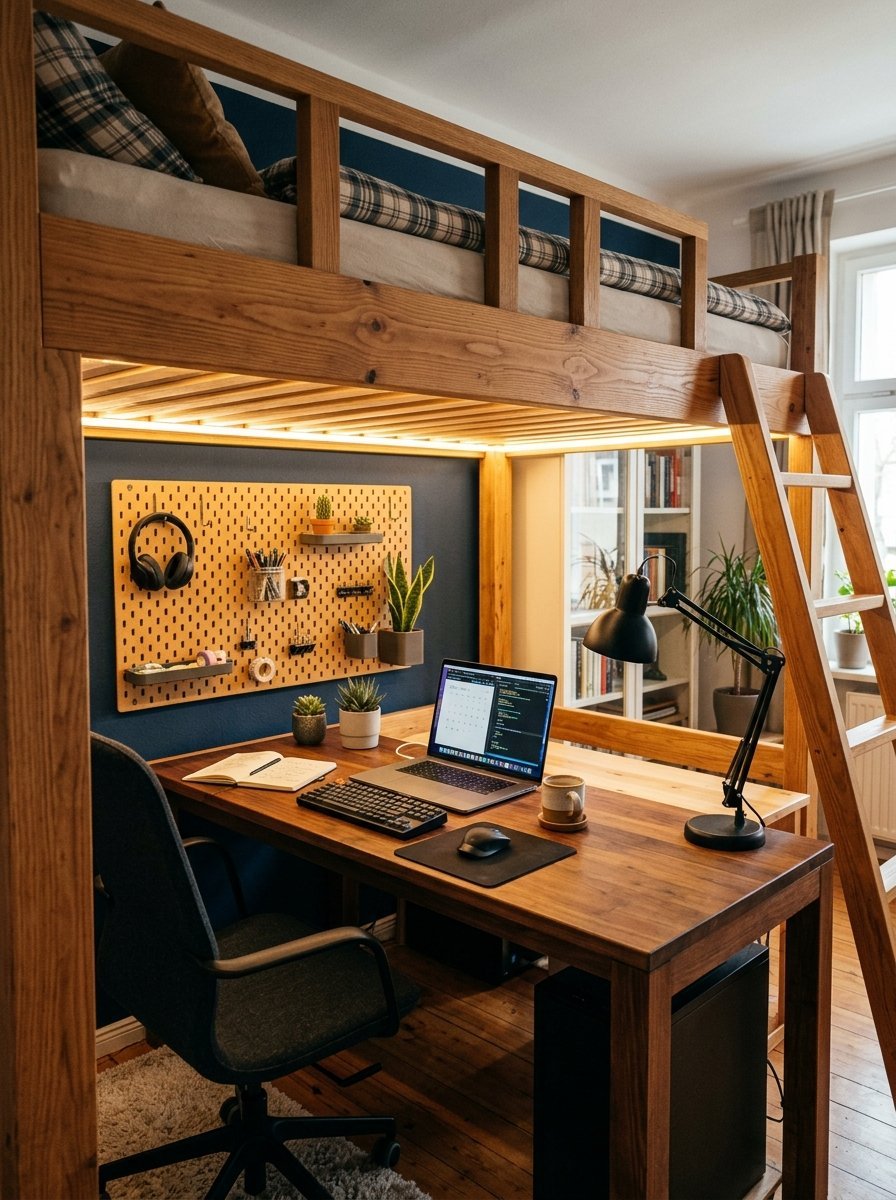
Vertical space remains the most wasted real estate in a normal house. You can elevate the mattress on a sturdy wooden frame to free up the floor. This layout dominates Kids Room Interior Design because it feels like a secret fort. Place a deep desk directly under the sleeping platform. I always install a strong LED strip light directly above the desk. The ceiling height under the bed usually feels too dark without artificial lighting. Mount a wooden pegboard to the back wall for hanging headphones and scissors. This arrangement easily fits a full desktop computer tower and dual monitors. You gain an entire room’s worth of usable floor space. Ensure the ladder does not block the desk chair.
10. The Long Wall Gallery Desk
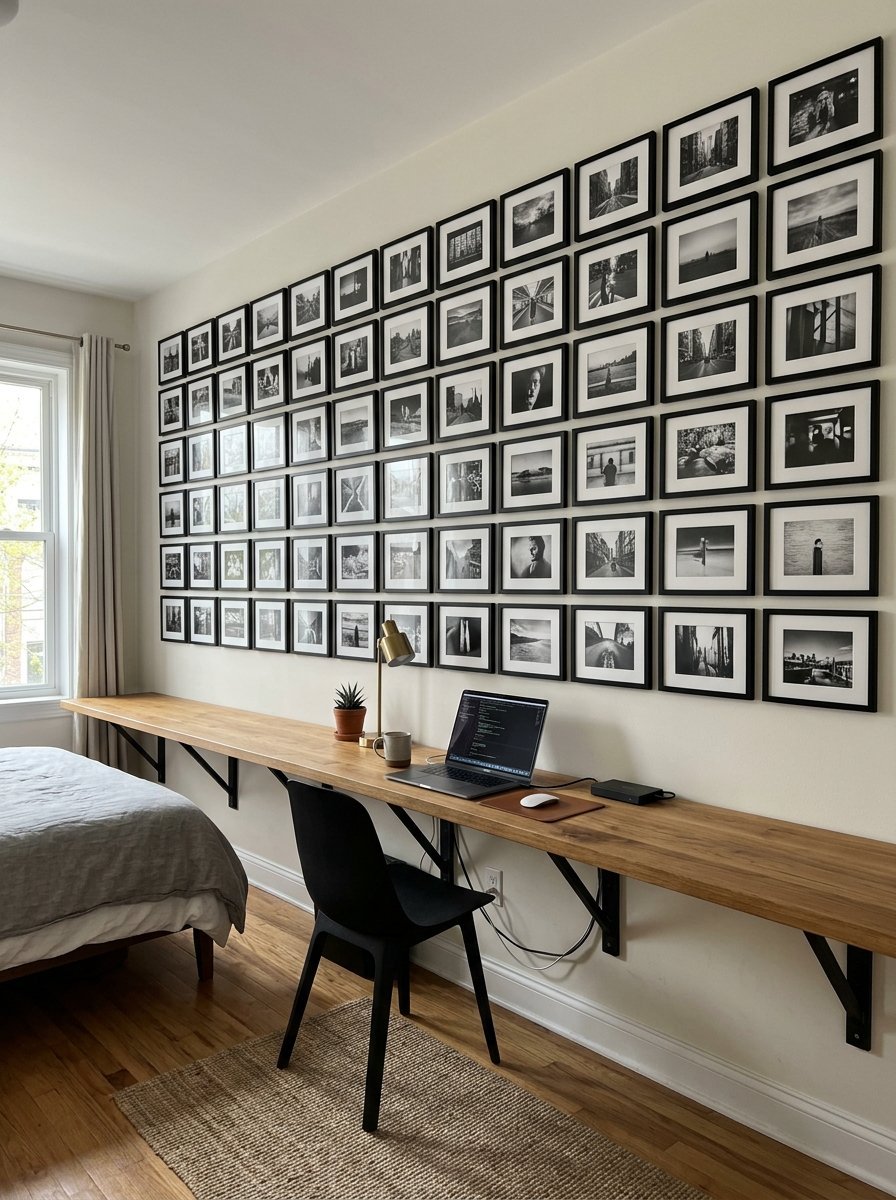
Sometimes you need a massive horizontal surface for spreading out blueprints or papers. You can run a custom wooden plank across the entire length of one wall. Support the board with heavy black iron brackets mounted directly into the wall studs. This creates enough room for two people to sit side by side. I hung a massive grid of black and white photographs directly above the desk. This gives your eyes something beautiful to rest on during long calls. Keep the depth shallow at around 20 inches to maintain walking room. Slide three matching rolling storage bins underneath to hold printer paper and supplies. The long horizontal line makes your room look much wider.
11. The Secret Armoire Workspace
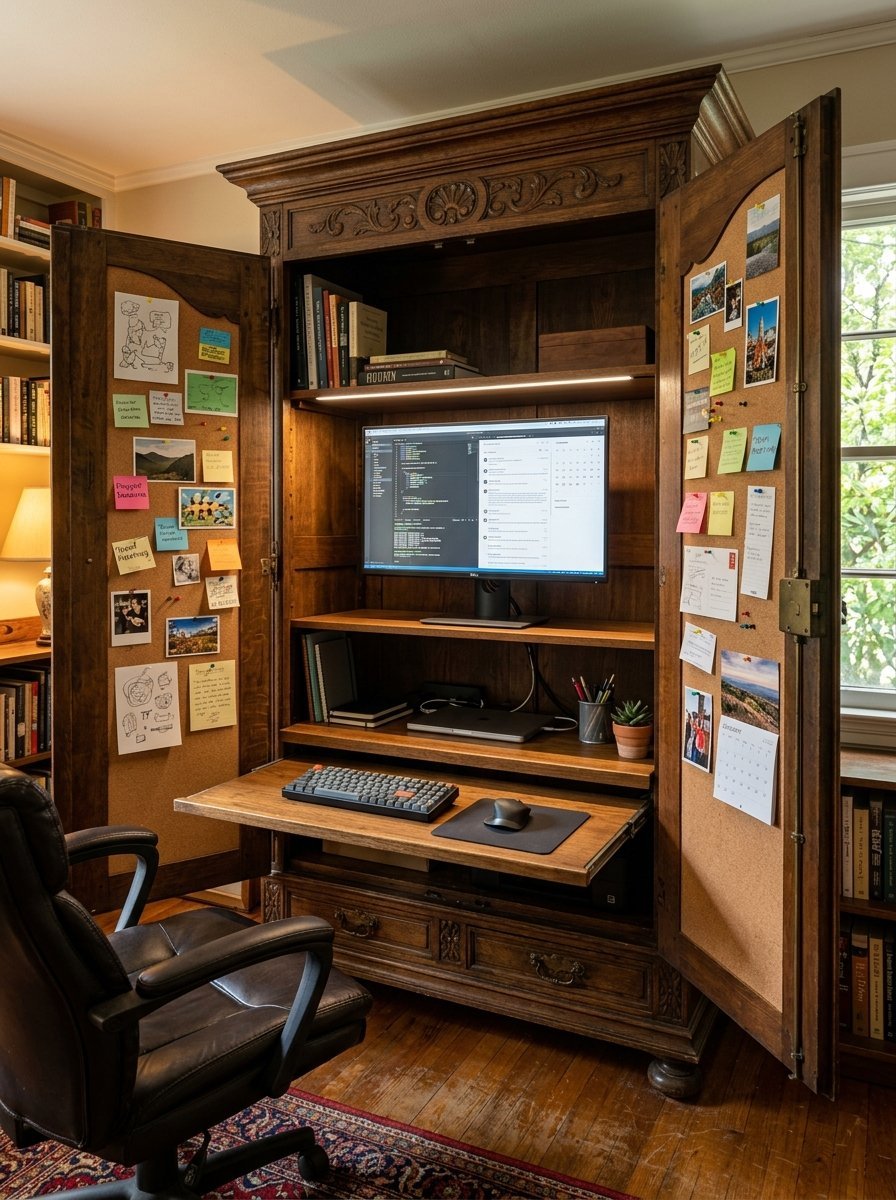
A beautiful vintage wardrobe can hide your entire professional life. You open the massive wooden doors at nine in the morning and close them at five. Remove the hanging clothes rods and install a heavy slide-out keyboard tray. Place your largest monitor on the deepest middle shelf. I drilled a two-inch hole in the back panel to route the thick power strips. This setup requires absolutely zero compromises on your room styling. The armoire looks like an expensive antique piece from the outside. You can even line the interior doors with corkboard to pin up your daily calendar. Close the doors and the office disappears entirely. This saves you from looking at work on weekends.
12. The Headboard Backed Desk
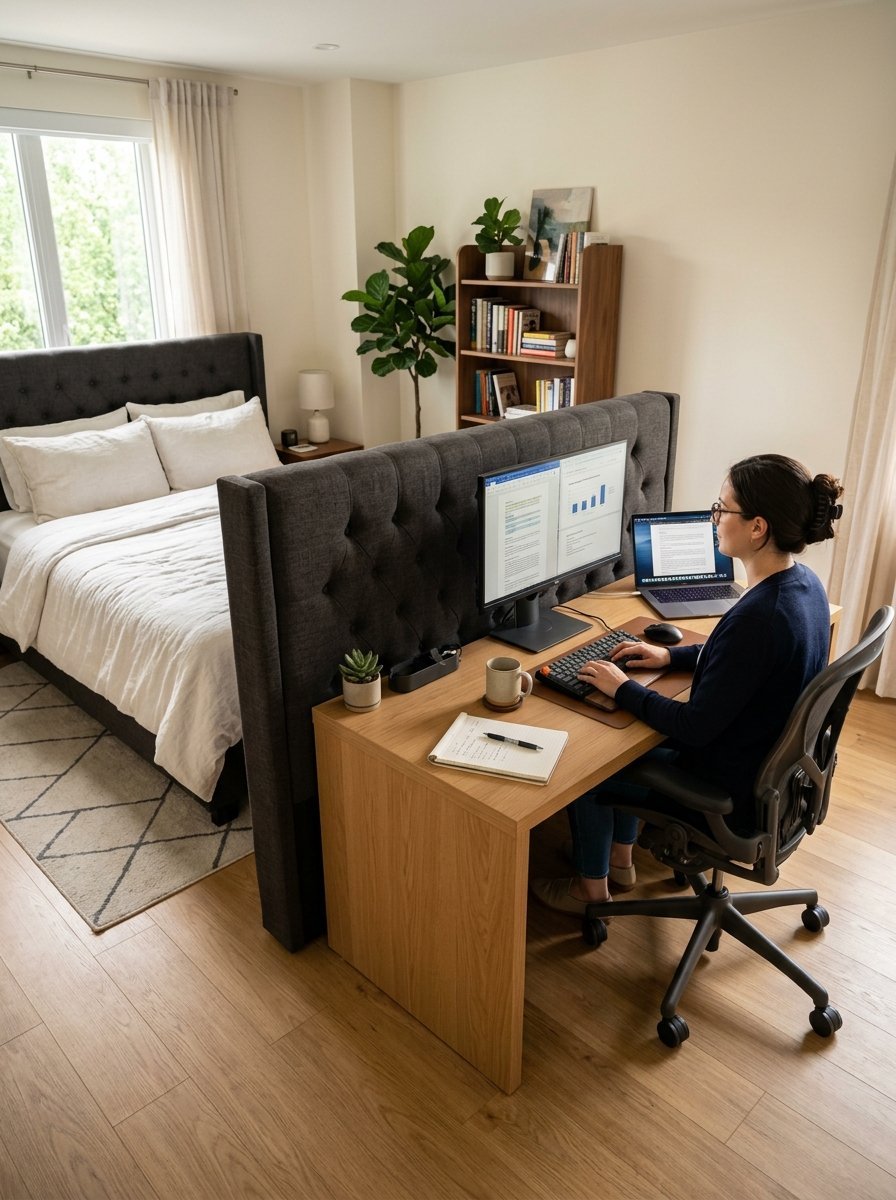
Positioning your bed in the center of the room opens up bold layout options. You can place your desk directly behind the tall headboard. You sit facing away from the pillows entirely. This layout works perfectly in long rectangular rooms. I built a custom headboard that reaches five feet high to completely hide the computer monitors. This requires running power cords under a heavy area rug to prevent tripping hazards. You gain a massive walkway around the entire perimeter of the room. The physical separation feels distinct even without putting up permanent walls. Place a stylish tall desk lamp that complements your bedside lighting. The bed anchors the room while the desk hides perfectly.
13. The Nook Built-In Masterpiece
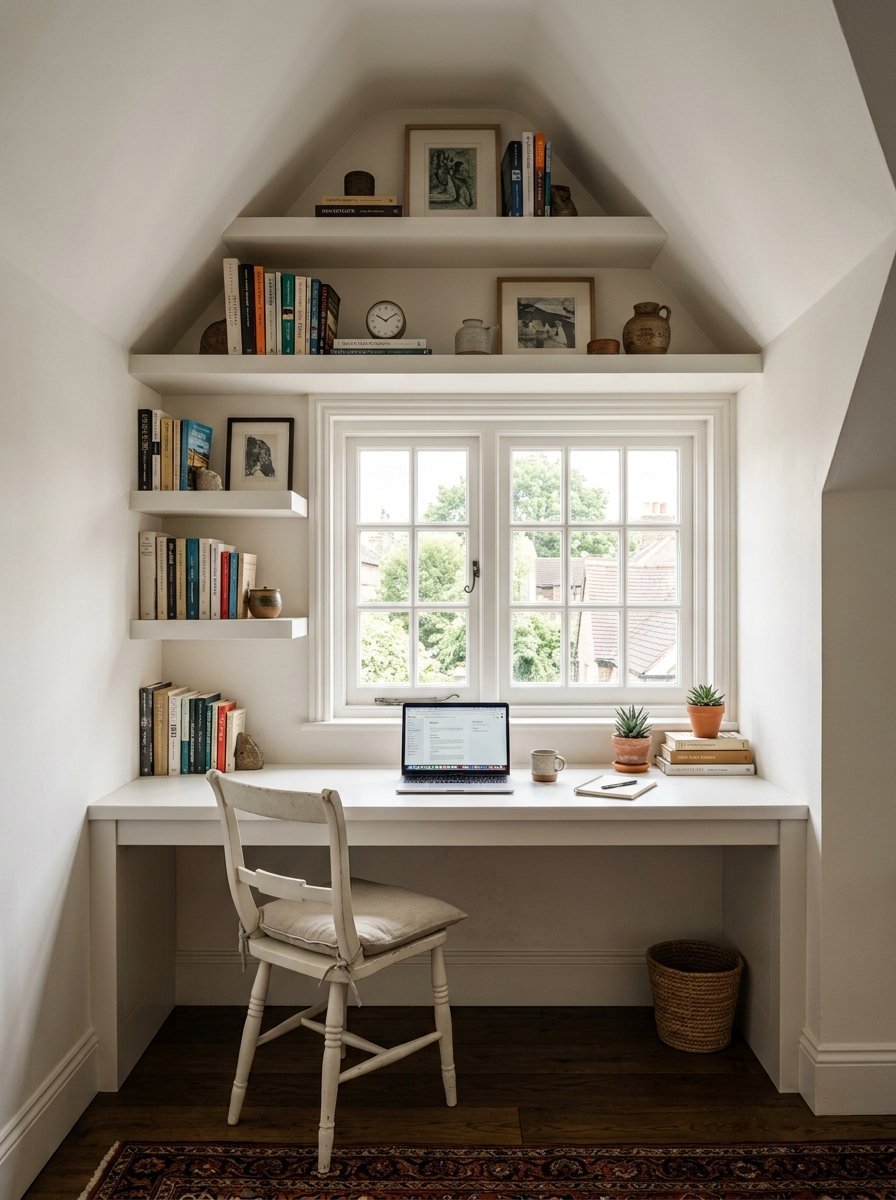
Many older homes feature weird architectural alcoves that seem completely useless. You can slide a custom-cut piece of thick plywood perfectly into these gaps. Paint the wood to match your wall trim exactly. This makes the desk look like original architecture rather than an afterthought. I filled an awkward dormer window nook with a built-in desk last winter. The slanted ceiling made standing impossible but sitting felt incredibly cozy. Mount thick floating shelves above the desk, cut to the exact same width. This vertical storage keeps your desktop completely free of paper clutter. Built-ins add massive resale value to any residential property. Paint everything the exact same color for a modern look.
14. The Glass Top Illusion Table
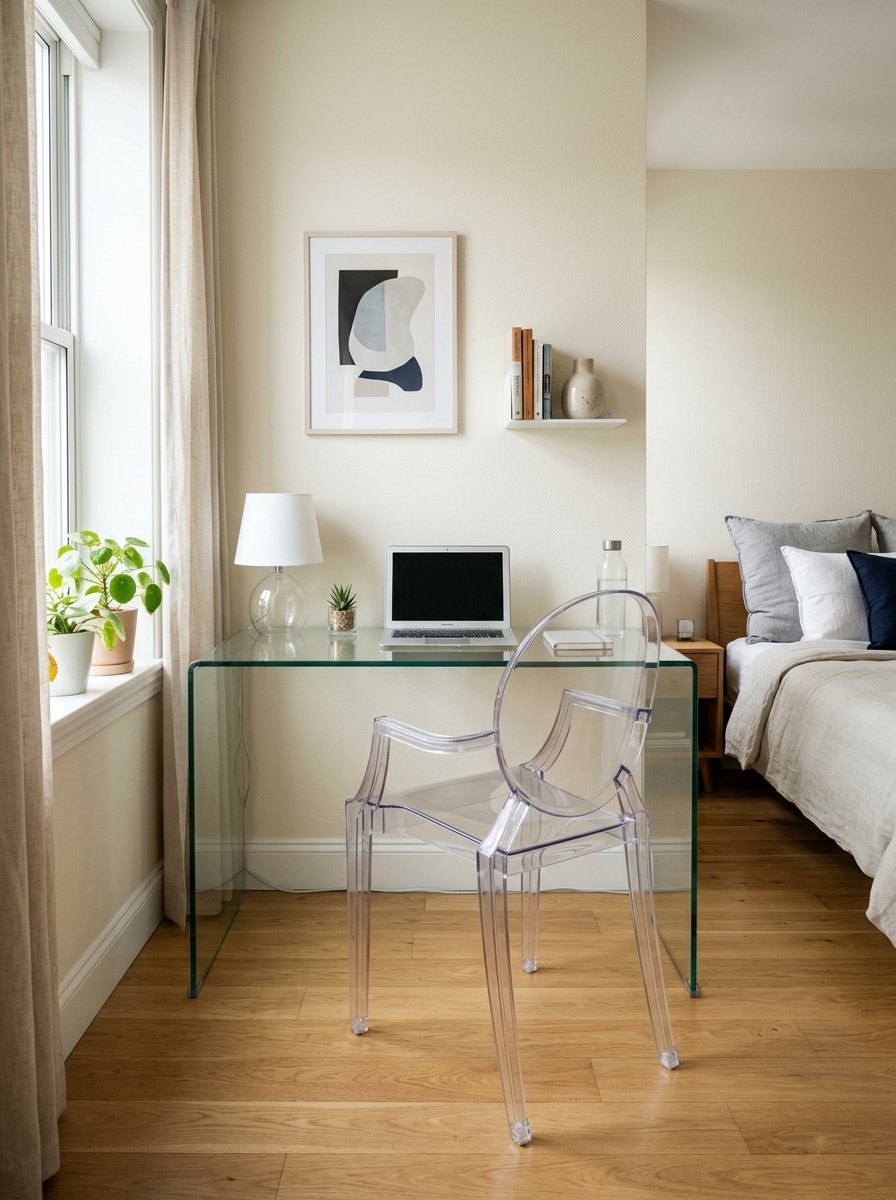
Heavy wooden furniture makes small rooms feel tightly cramped. You can trick the eye by using a completely clear glass desk. The transparent surface reflects sunlight and visually disappears into the background. I pair glass desks with clear acrylic ghost chairs to complete the invisible illusion. You must master your cable management for this to work. Tape your power strips directly to the underside of the metal desk frame. Run black cords down the back of the metal legs using tight zip ties. A messy pile of black cords ruins the clean aesthetic instantly. Wipe the glass daily with a Norwex microfiber cloth and Method cleaner to remove oily fingerprints. The room feels totally empty at first glance.
15. The Entryway Transition Zone
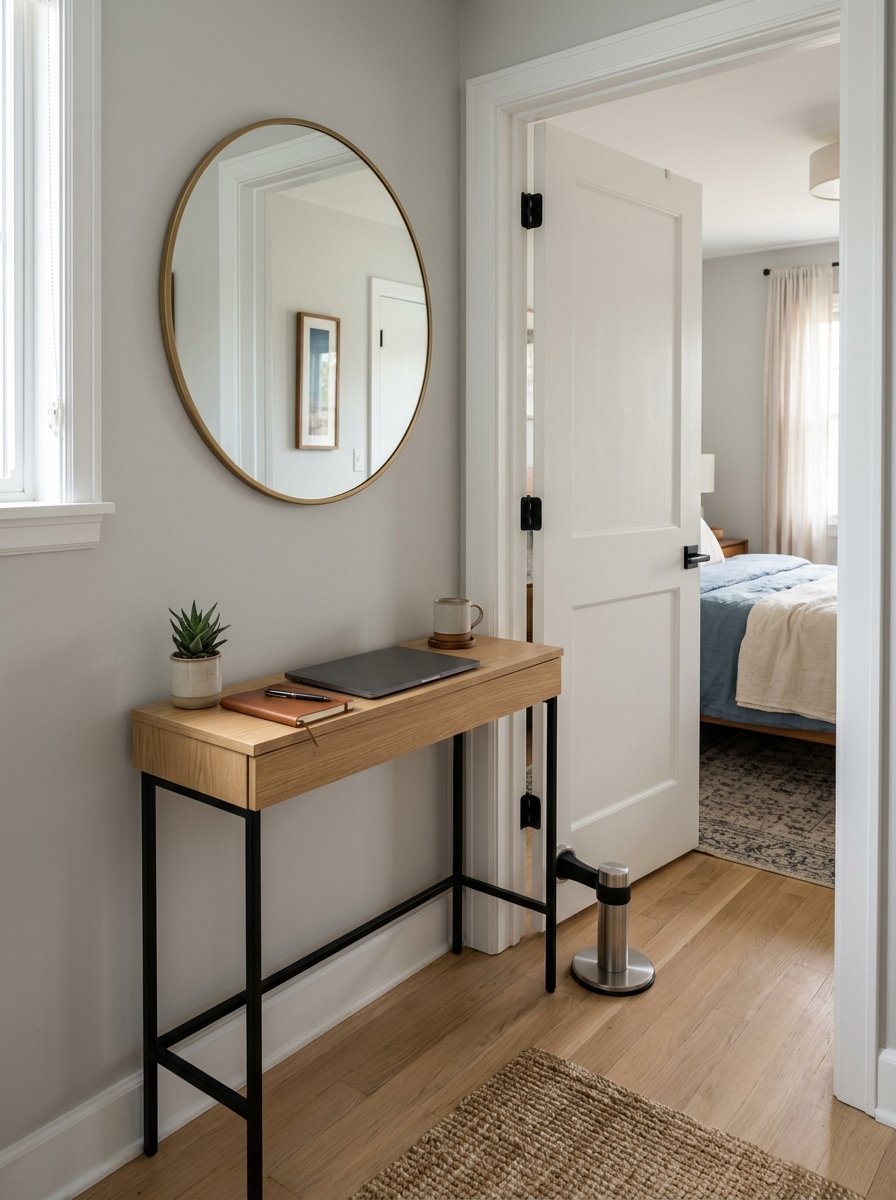
You can utilize the dead floor space right inside your bedroom door. Placing a slim desk here acts as a physical transition from the noisy hallway. This requires careful consideration of your Bedroom Door Design so the wood does not hit your chair. Install a rubber doorstop in the floor to protect your expensive furniture. I keep a shallow desk just deep enough for a small laptop. This keeps me from leaving piles of junk mail on the surface. You can hang a large round mirror directly above the desk. The mirror makes the tight entryway feel much larger and bounces natural light into the dark corner. You leave your work at the door literally.
16. The Industrial Pipe Frame Desk
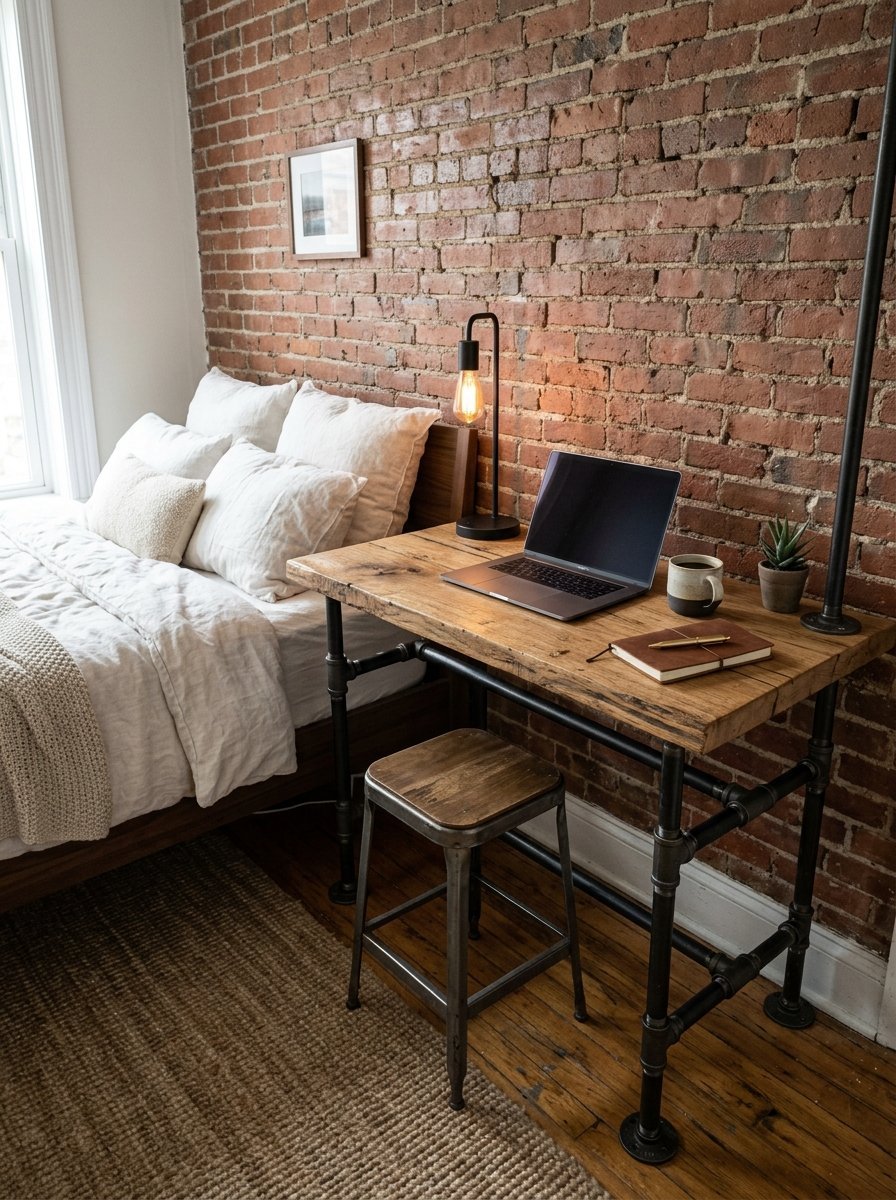
You can build a custom desk using raw black iron plumbing pipes. The heavy metal base provides strong visual weight to a plain room. Use a thick piece of reclaimed oak for the top writing surface. I sourced my wood from an old barn and sealed it with matte polyurethane. The rough texture contrasts beautifully with soft white bedding. Thread the iron pipe fittings tightly to ensure the desk never wobbles. You can customize the table height down to the exact millimeter. This style pairs perfectly with exposed brick walls or dark charcoal paint colors. The raw materials cost very little but look highly expensive. The desk lasts forever without breaking.
17. The Vintage Vanity Repurpose
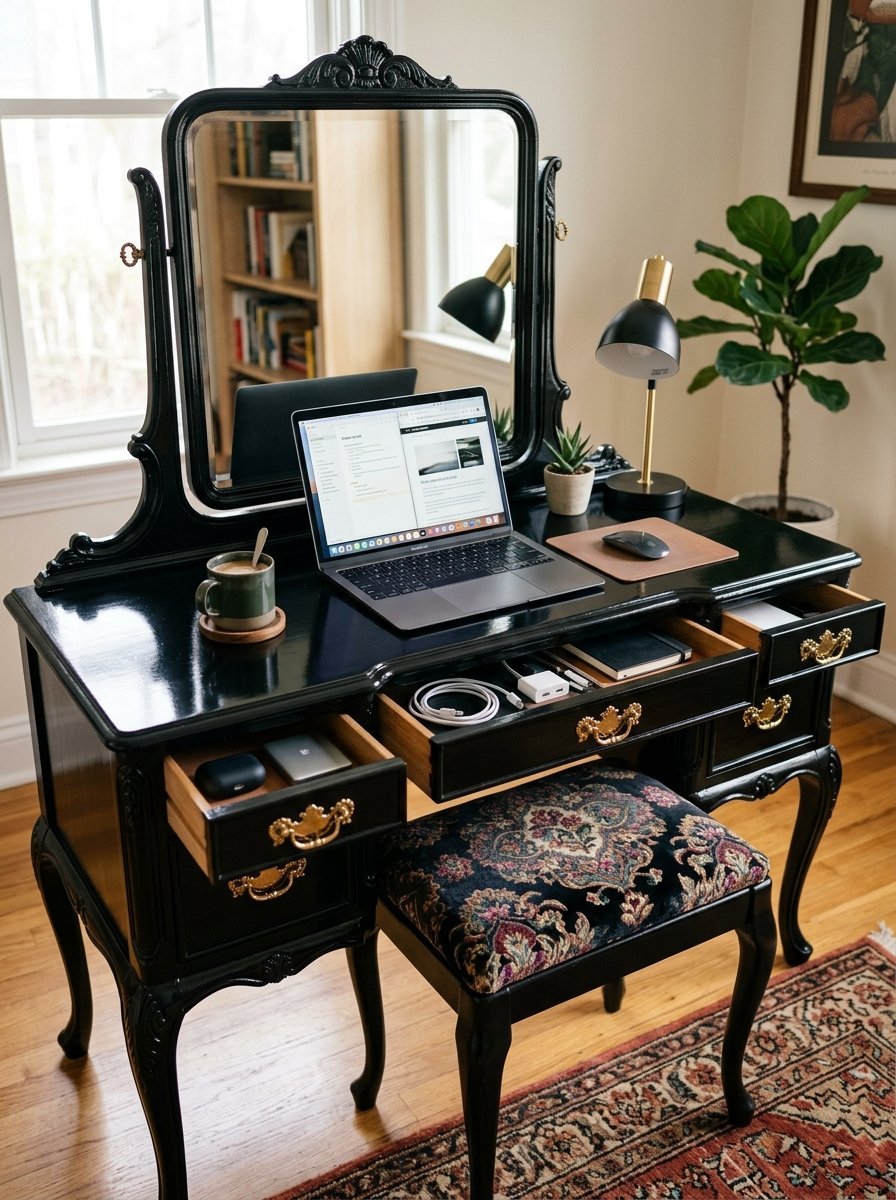
Old makeup vanities make extraordinary laptop desks for tight spaces. These pieces usually feature beautiful carved wooden details and plenty of tiny drawers. You can find these at local estate sales for almost nothing. I sanded down a 1920s vanity and painted it high-gloss black. Remove the attached heavy mirror to create space for your digital monitor. The shallow drawers perfectly hold thin pens, sticky notes, and external hard drives. The central knee-hole provides just enough room for a small upholstered stool. You pull real history into your space while fixing a modern space issue. Keep the original brass hardware to maintain the authentic antique charm.
18. The Shared Partner Dual Desk
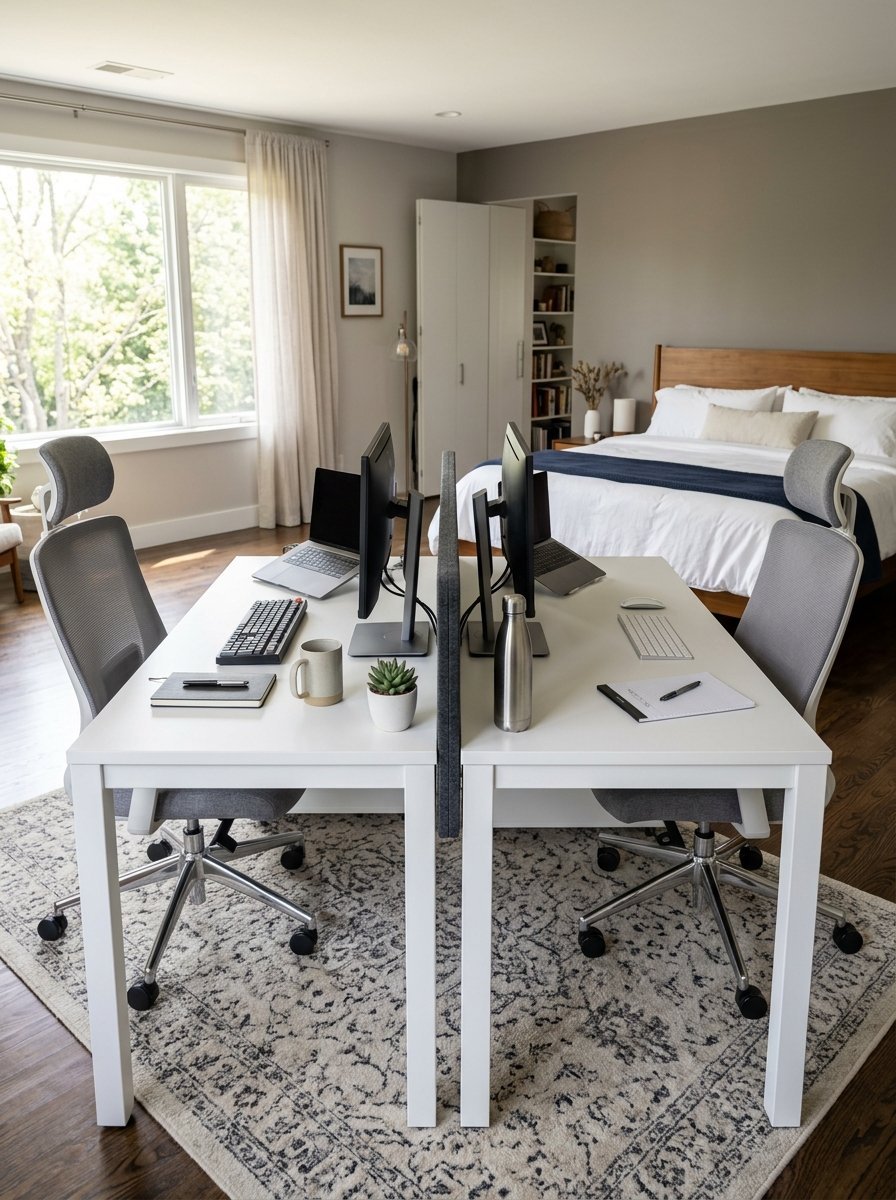
Two people working in one room requires extremely strict boundaries. You can place two identical wooden desks facing each other. This creates a classic library table layout. I used two simple white parsons desks pushed tightly together in the center. We mounted a short gray acoustic privacy panel directly down the middle seam. This blocks your partner’s bright laptop screen from distracting you. Run all power cords straight down the center legs to keep the floor perimeter clean. Use identical rolling chairs to keep the room looking symmetrical and highly intentional. You share the space without constantly bumping elbows or fighting for precious legroom.
19. The Floating Window Ledge
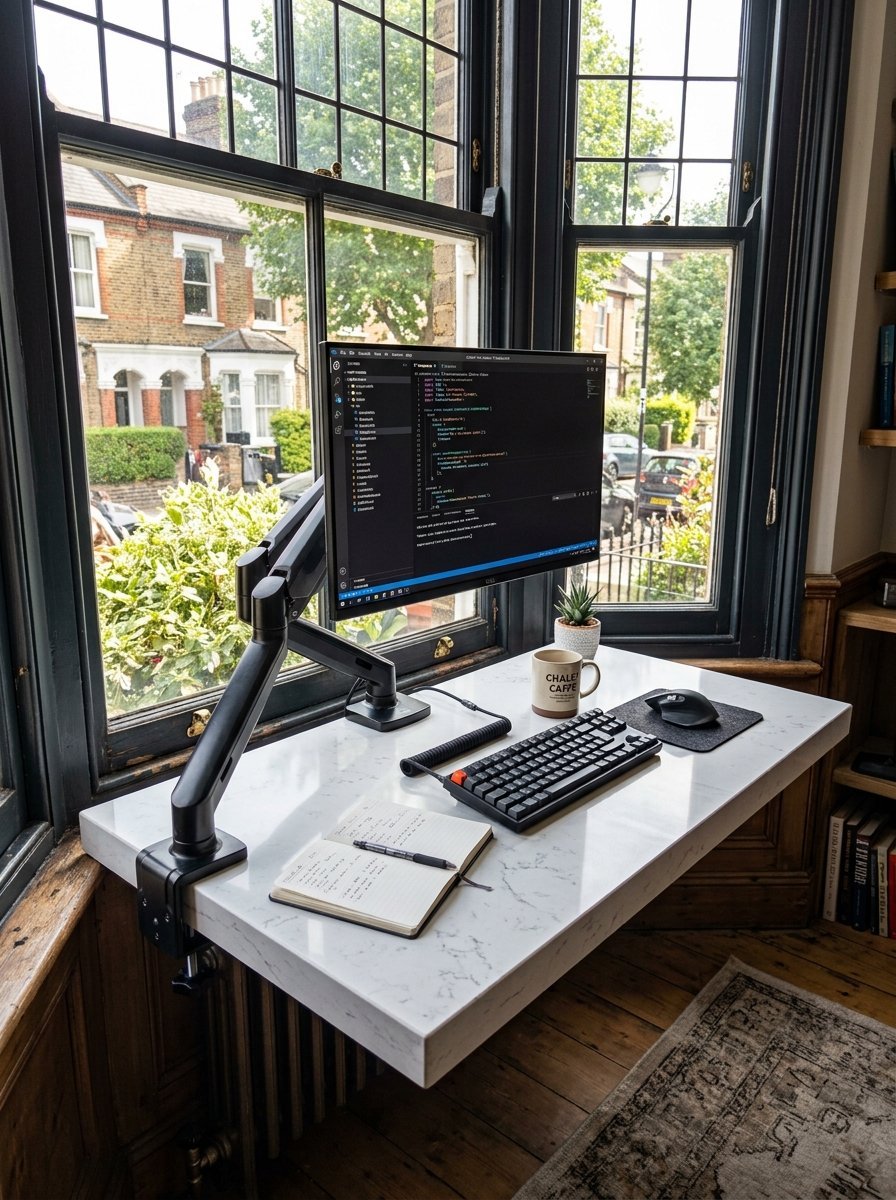
If your room has deep plaster window sills, you can extend them outward. Replace the standard thin sill with a deep slab of white quartz or thick wood. This creates a permanent workstation bathed in bright natural light. I did this in an old Victorian house with very thick exterior walls. You never have to worry about hitting your knees on wooden desk legs. Keep your monitor on a fully articulating metal arm clamped to the back edge. You can push the screen completely out of the way when the workday officially ends. This requires sturdy steel wall anchors to support the heavy weight of the extended slab.
20. The Dedicated Professional Alcove
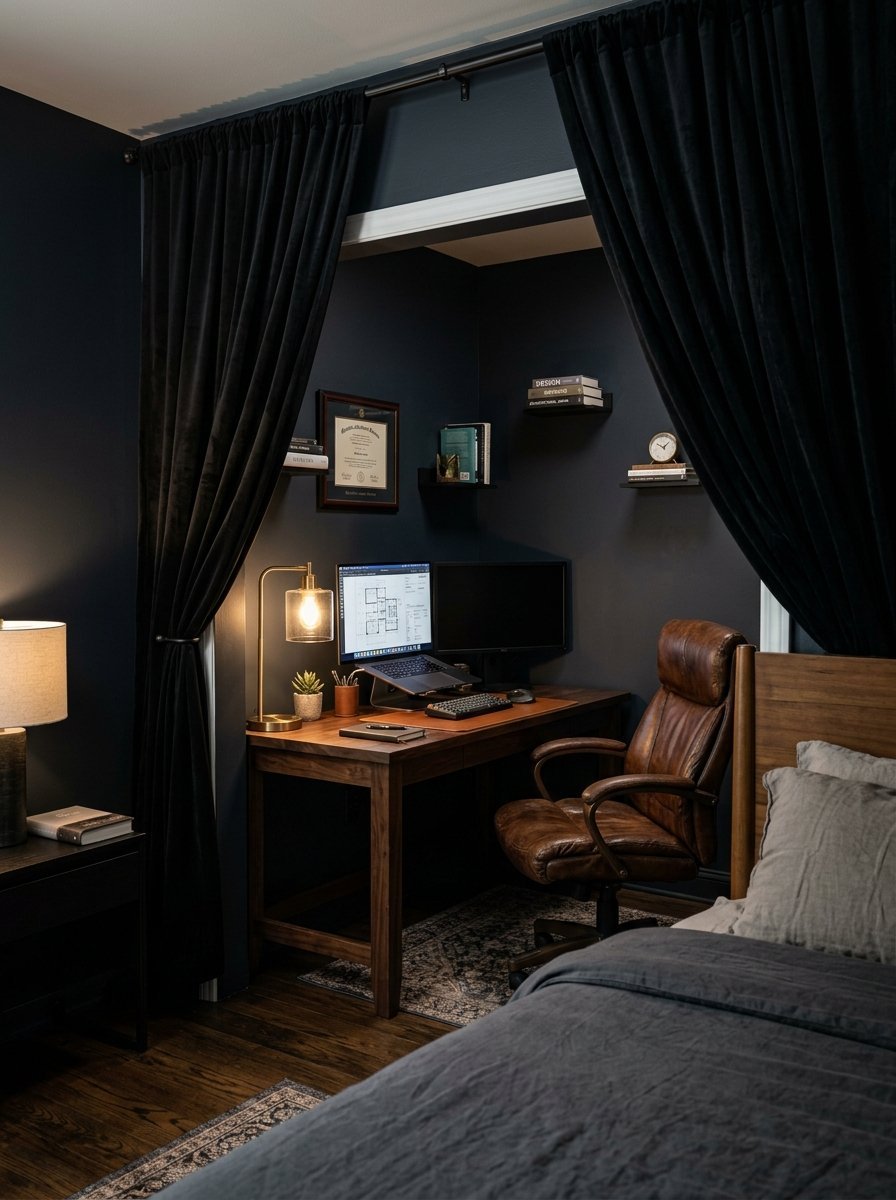
Sometimes you need extreme physical separation from your personal life. You can carve out specific Home Study Rooms within a larger master suite. Build a partial drywall partition to hide the desk entirely from the bed. I hung heavy black velvet curtains across the opening to block out light and sound. Treat this small alcove like a completely different house. Use a different floor rug and a contrasting dark paint color. Place a heavy solid wood desk and a genuine leather executive chair inside. You enter this specific space to make money and you leave it to rest. The physical boundary completely protects your mental peace.
21. The Mid-Century Modern Statement
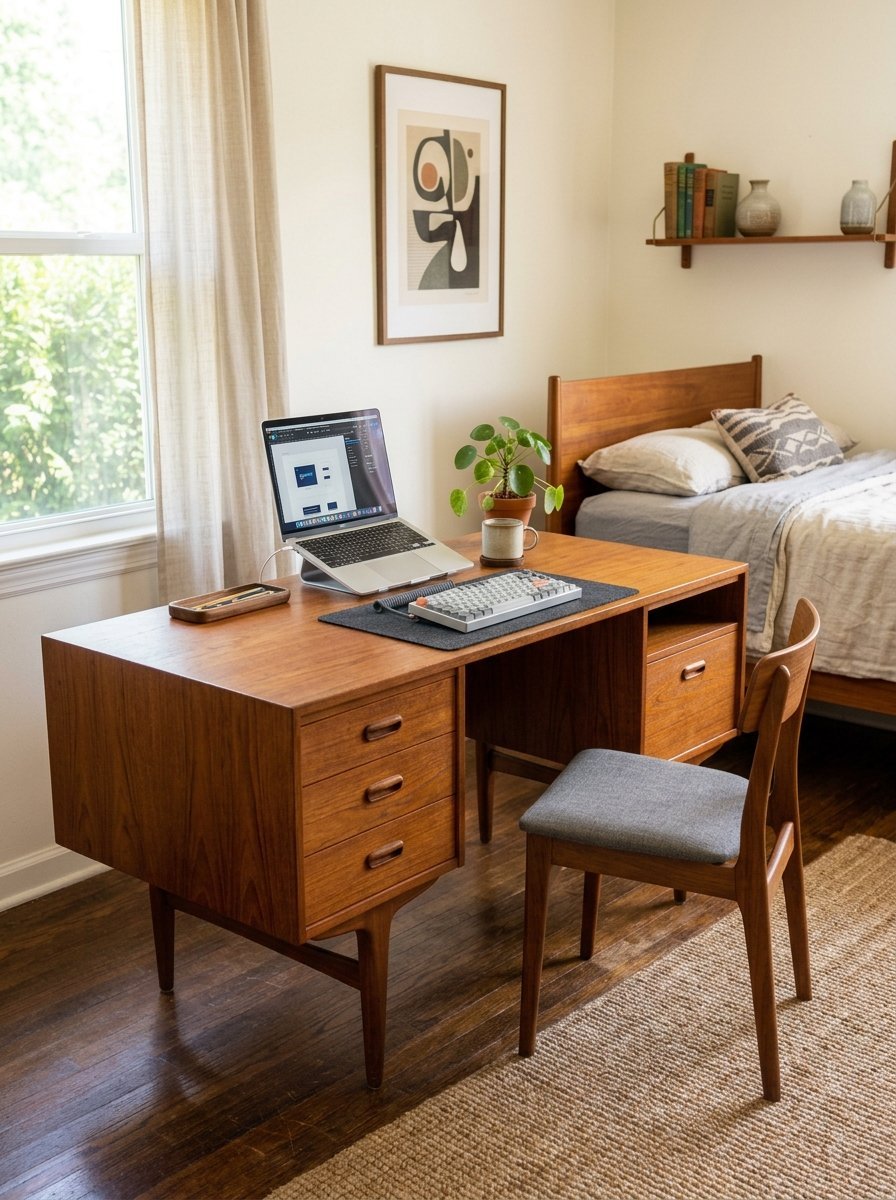
Furniture with tapered wooden legs and warm teak tones always looks sophisticated. Choose an authentic mid-century desk with asymmetrical side drawers. These vintage pieces sit high off the floor, allowing air and light to pass completely underneath. I found a beautiful piece from the 1960s with a floating top design. The natural wood grain looks like expensive art. Keep your desktop technology minimal to match the clean retro vibe. Use a sleek silver Apple MacBook and a simple Logitech mechanical keyboard. Hide all modern plastic accessories deep in the bottom drawers. This style proves that your daily workspace does not have to look like a boring corporate cubicle.
22. The Cozy Bay Window Seat Desk
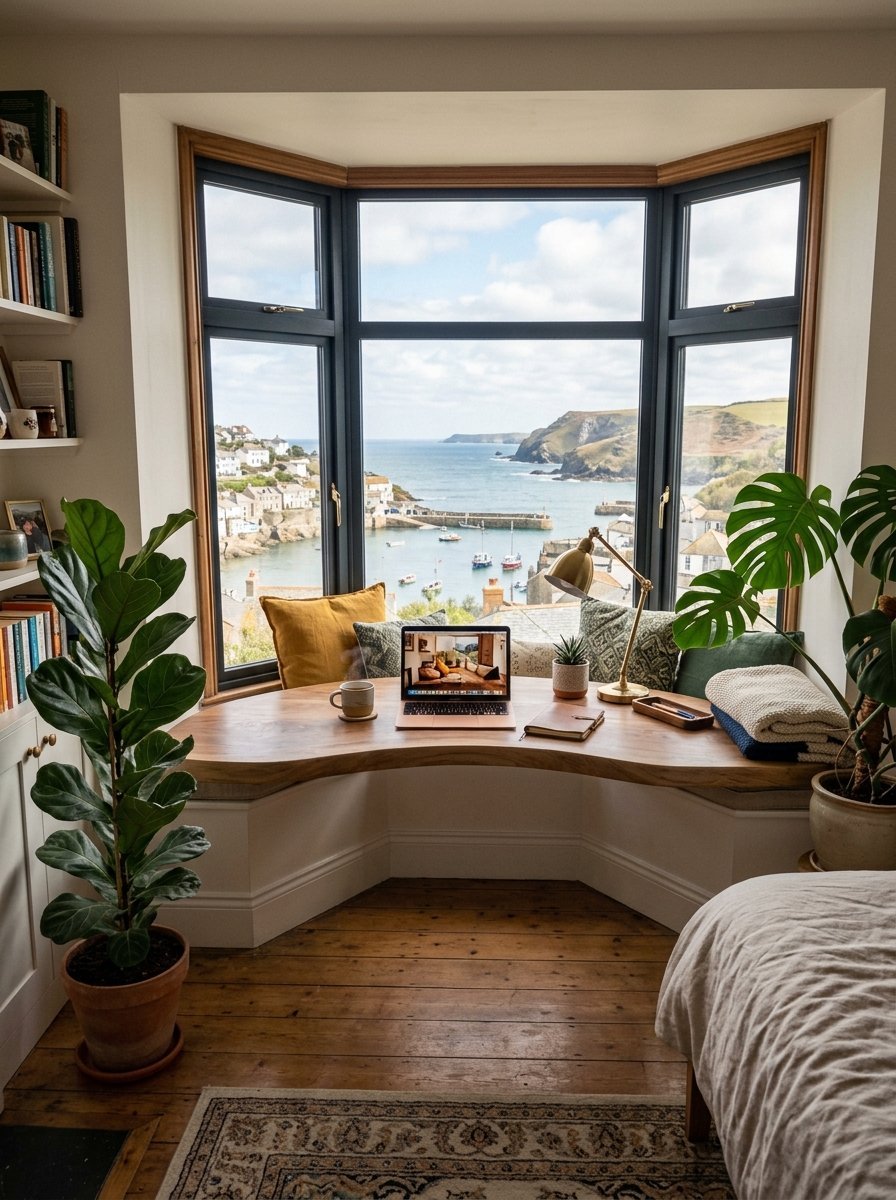
Bay windows offer a natural structural indentation in your floor plan. You can remove the built-in wooden bench seat and slide a curved desk right into the glass alcove. This surrounds you with 180 degrees of bright natural light. I measured the exact angles of the walls to cut a custom wooden desktop. The desk fits flawlessly against the cold glass. You feel like you are working directly outside. Place tall green potted plants on the floor next to the desk to frame the outside view. Use a low-profile white chair so you do not block the window from the rest of the dark room.
23. The Geometric Asymmetrical Setup
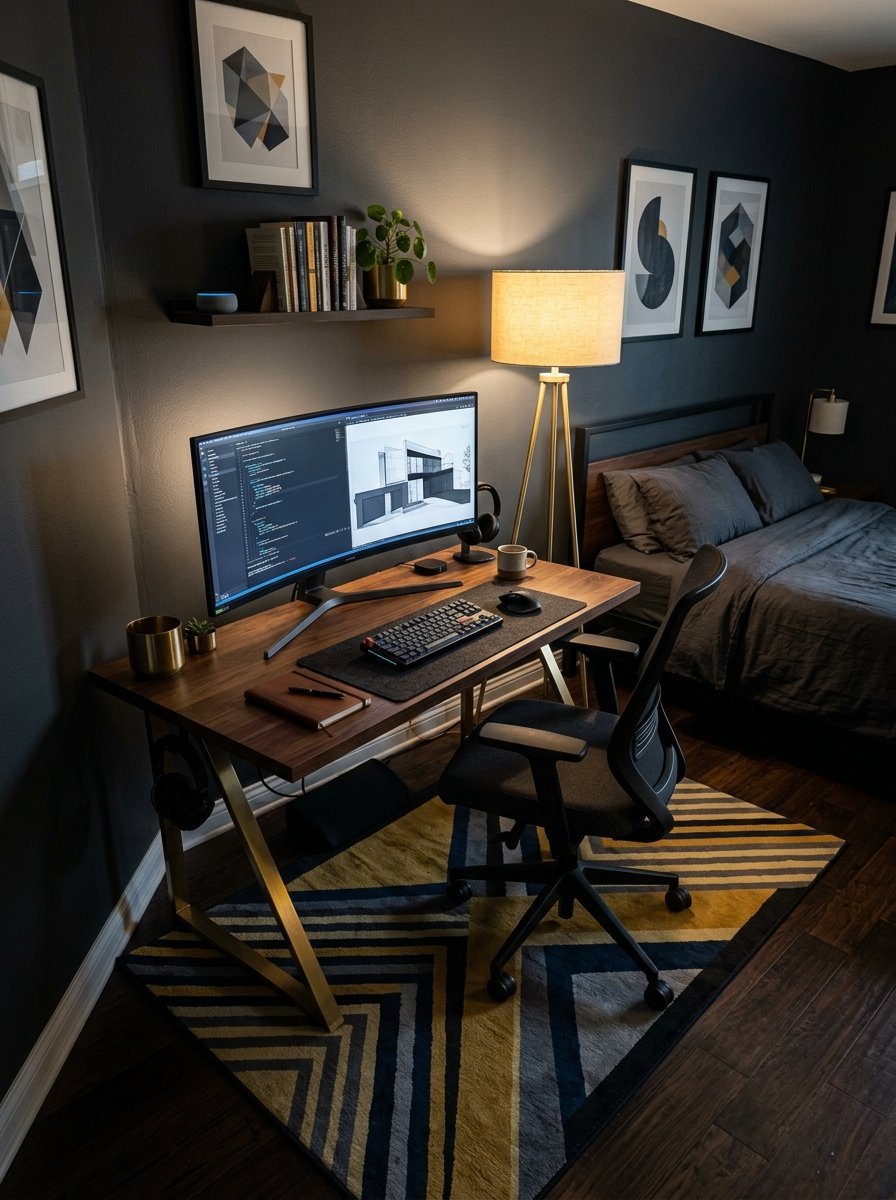
Boring rectangular rooms benefit from sharp, unexpected visual angles. You can position your desk diagonally across a dark corner. This specific Study Room Design breaks up rigid grid layouts completely. I place a tall brass floor lamp behind the monitor to fill the dark triangular void in the corner. You get a commanding wide view of the entire room. Place an angular geometric rug directly under the chair to anchor the setup. This layout demands more floor space but feels incredibly energetic. Choose a desk with bold, unusual metal legs to highlight the standalone nature of the furniture piece.
24. The Acoustic Panel Wrapped Desk
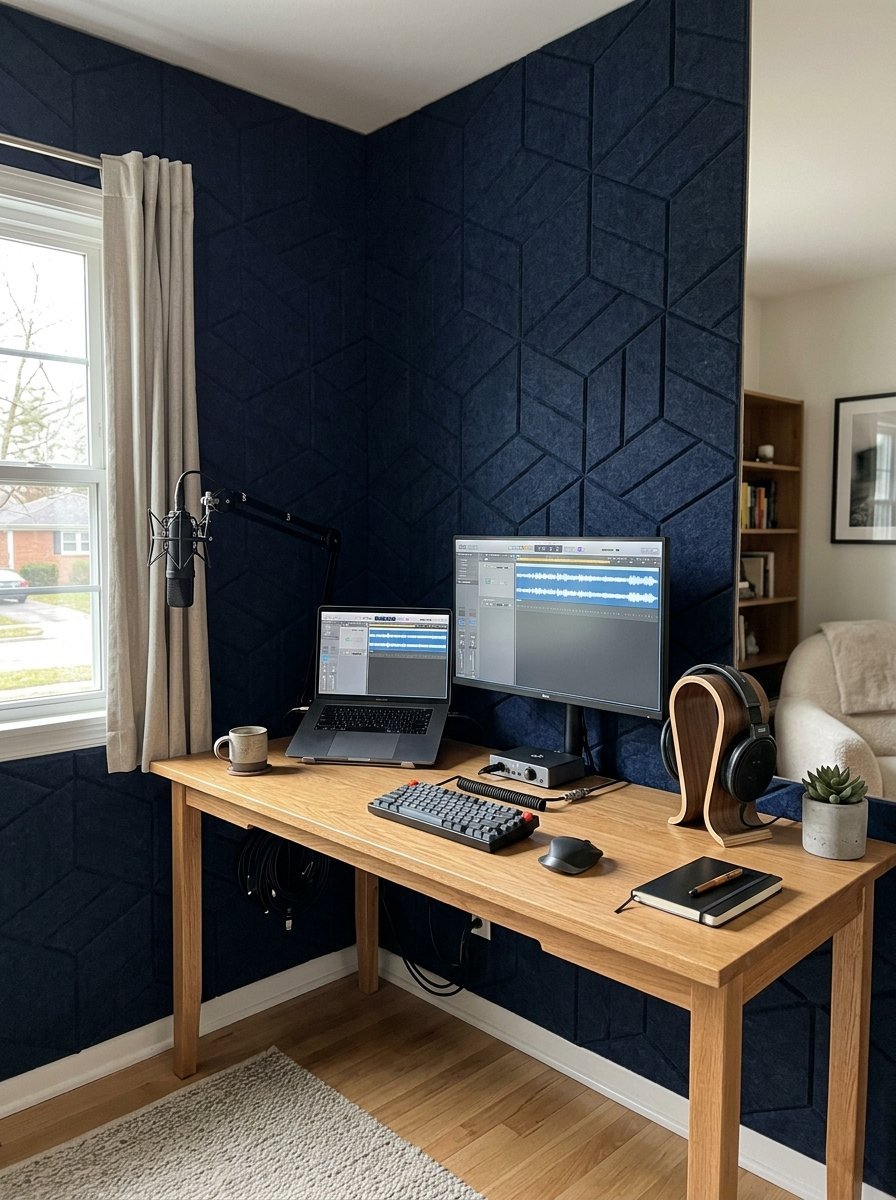
Echoes and loud typing noises destroy your mental focus instantly. You can install sound-absorbing felt panels directly onto the drywall surrounding your desk. These thick panels come in rich dark colors and beautiful textured geometric patterns. I wrapped the walls of my corner setup in dark navy acoustic felt last month. It dropped the ambient noise level in the room drastically. The panels also serve as a massive pinboard for your paper sketches and calendars. Keep your wooden desk simple and let the textured walls make the heavy visual statement. This setup guarantees professional audio quality on your daily morning conference calls.
Frequently Asked Questions
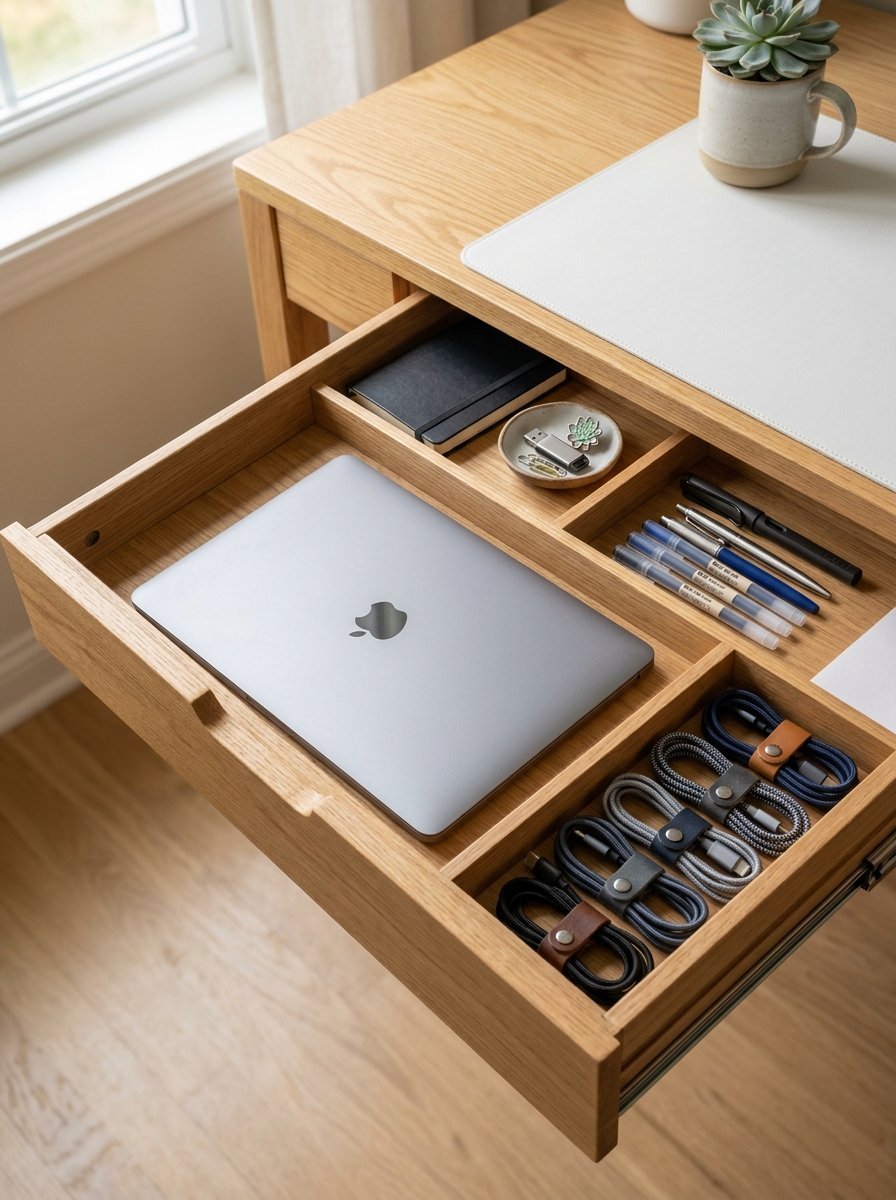
How do I hide computer wires in a small room?
Use adhesive cable clips stuck to the back legs of your desk. Route all power strips into a decorative woven basket on the floor. I prefer using hollow desk legs to run thick monitor cables down to the outlet. This completely hides the black cords from view.
What is the proper desk height for typing?
Your desk surface should sit exactly 28 to 30 inches from the floor. Your elbows must rest at a 90-degree angle when typing. I use a fully adjustable chair to fix any height discrepancies perfectly. This prevents serious wrist pain after long typing sessions.
Can a workspace ruin my sleep quality?
Staring at work documents from your bed keeps your brain fully active. You must physically hide your laptop inside a drawer or cover your monitors with a cloth. I force a strict visual separation of these two zones. You need a clear mind to fall asleep fast.
What chair looks good but supports my back?
Avoid gaming chairs with bright plastic racing stripes. Choose a fully adjustable ergonomic chair covered in neutral gray or black fabric. I use a Herman Miller Aeron because it blends in while fixing my posture. It breathes well during hot summer months.
How much space do I need behind the desk?
You need exactly 36 inches of clearance to push your chair back and stand up comfortably. Anything less forces you to squeeze against the drywall. I always measure this distance with tape on the floor before buying a deep table. You must protect your walking paths.
Conclusion
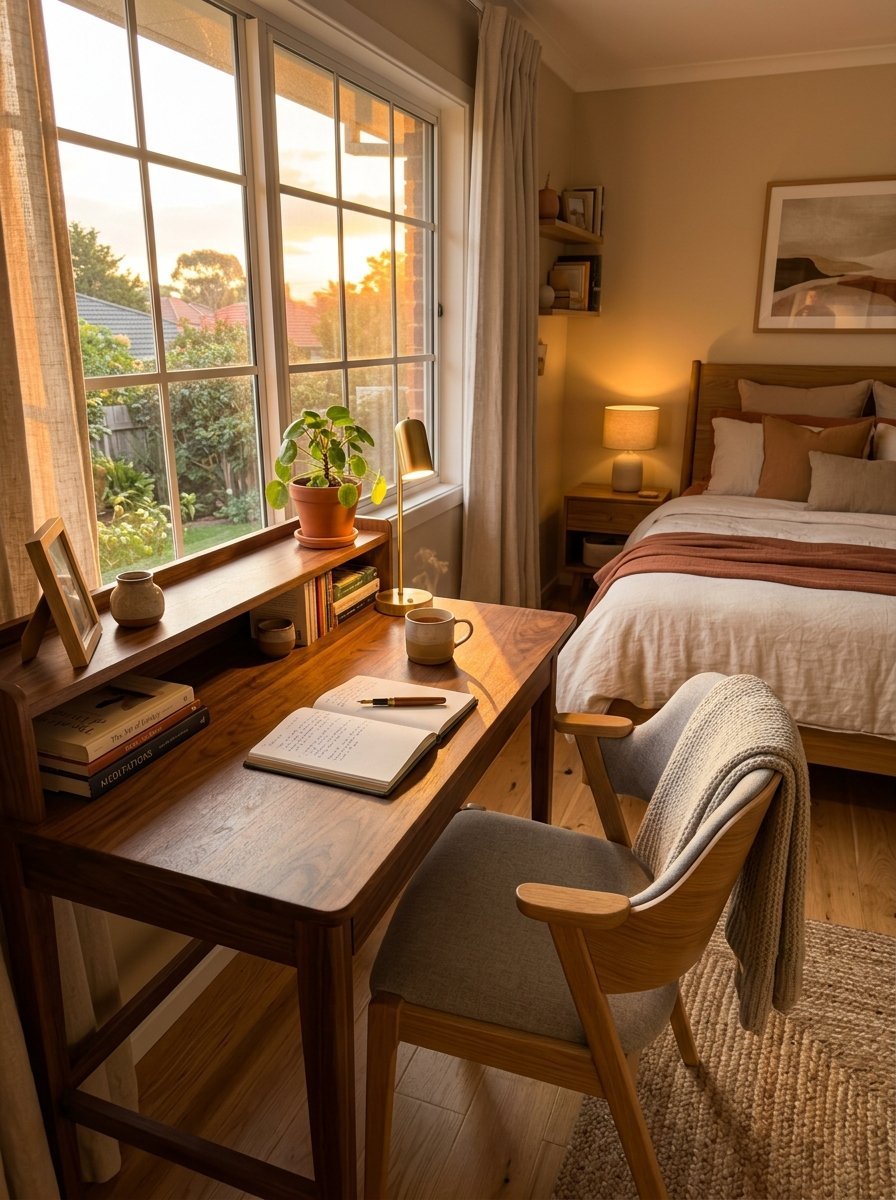
Your sleeping quarters do not have to look like a messy corporate office. Implementing just one of these exact layouts will radically change how you feel during the workday. I have watched people drastically change their daily mood simply by facing a bright window instead of a blank wall. You must measure your floor space tonight and choose the setup that fits your exact room dimensions. Buy the right ergonomic chair, hide those ugly black cables, and claim your quiet space.

Amelia Hart is the Senior Design Editor at Vellora Interiors, where she curates small-space and apartment content. With a background in color theory and years spent designing under-500-square-foot rentals, she’s the editor who’ll tell you exactly which paint sheen, curtain length, and lamp height to choose, no guessing. A former design lead at a boutique studio, her work has been featured in several home and lifestyle publications. Her guiding belief: “Good design isn’t about more, it’s about choosing better.”