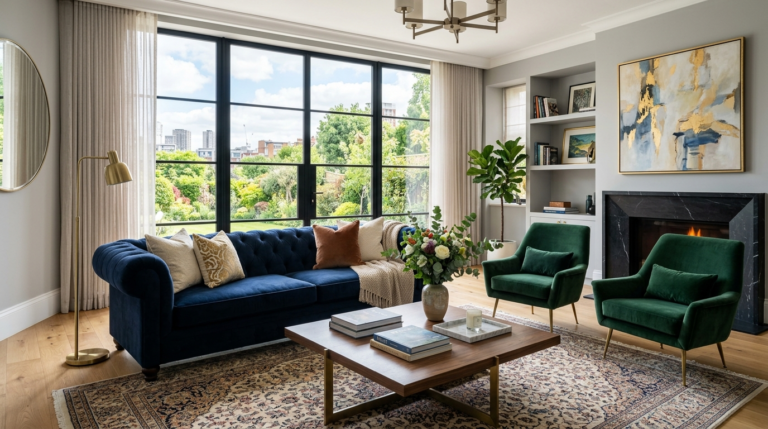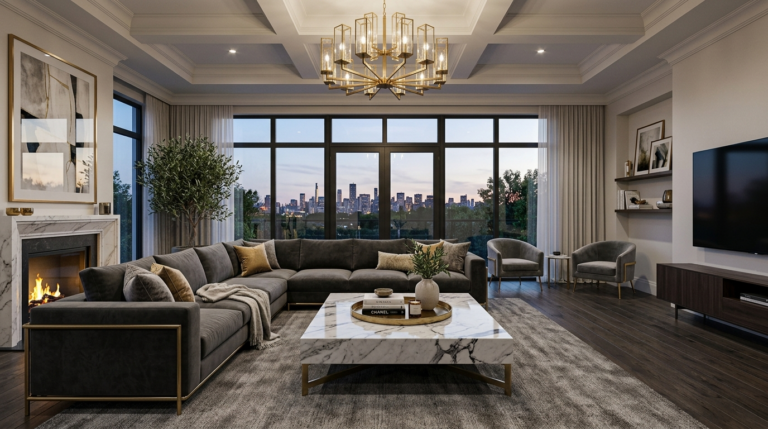
Walking into a room that feels like a cold hospital wing is the worst. I remember helping a friend with her new apartment last year. She had white walls and grey floors. It felt empty and sad. We decided to use a mix of sea blue and leaf green. The change was instant. The room went from sterile to a cozy sanctuary. Blue and green are colors from nature. They remind us of the ocean and the forest. People often worry these colors will clash. They think it might look like a preppy polo shirt from 2005. That is not the case if you do it right.
In my experience, this color duo is the secret to a balanced home. Blue brings the calm. Green brings the life. This guide shows you how to mix them like a pro. You do not need a massive budget. You just need a few smart moves. These blue and green living room decor hacks to try will change how you see your space.
1. Paint Your Walls in Muted Sage and Navy
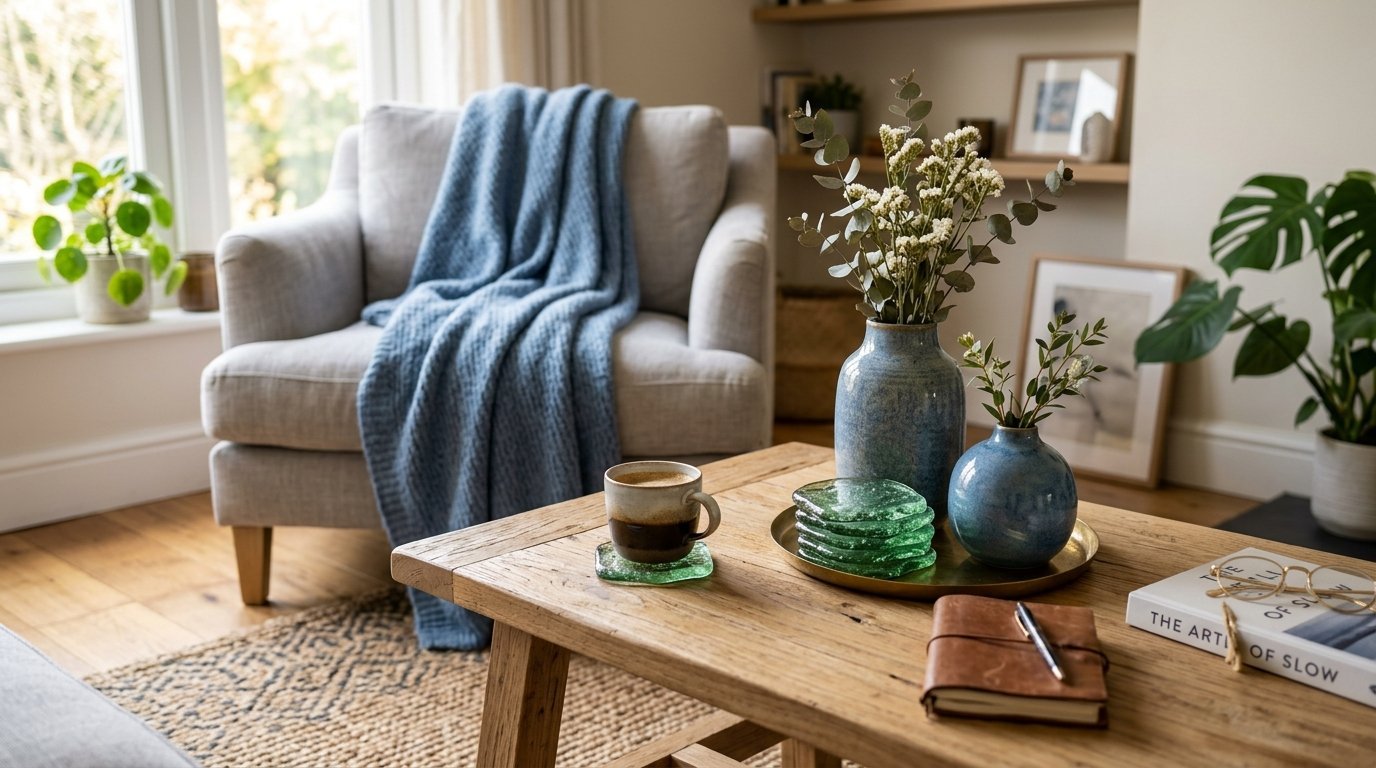
Choosing the right paint is the first step. I once made the mistake of picking a neon green for a small den. It looked like a tennis ball. I learned that muted tones work better. Try a soft sage green on three walls. Use a deep navy blue for one accent wall. This creates depth. It makes the room feel larger.
Benjamin Moore has a shade called Saybrook Sage. It is perfect for this. Pair it with Hale Navy for a classic look. The sage acts as a neutral. The navy adds a bold punch. I see this work well in rooms with lots of natural light. It stops the dark blue from feeling too heavy. You can find these paints at any local hardware store. Most gallons cost around fifty dollars. This is a cheap way to make a big impact.
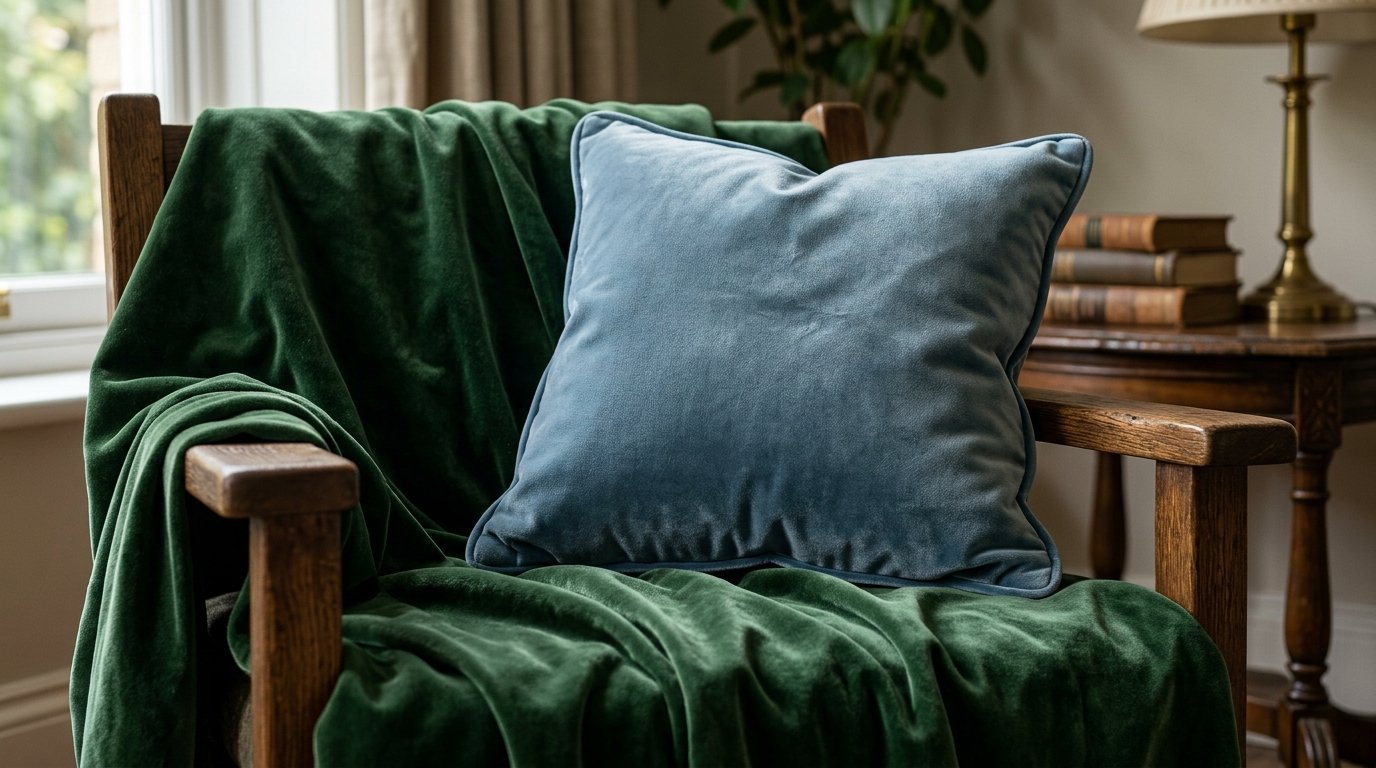
2. Layer Different Velvet Textures
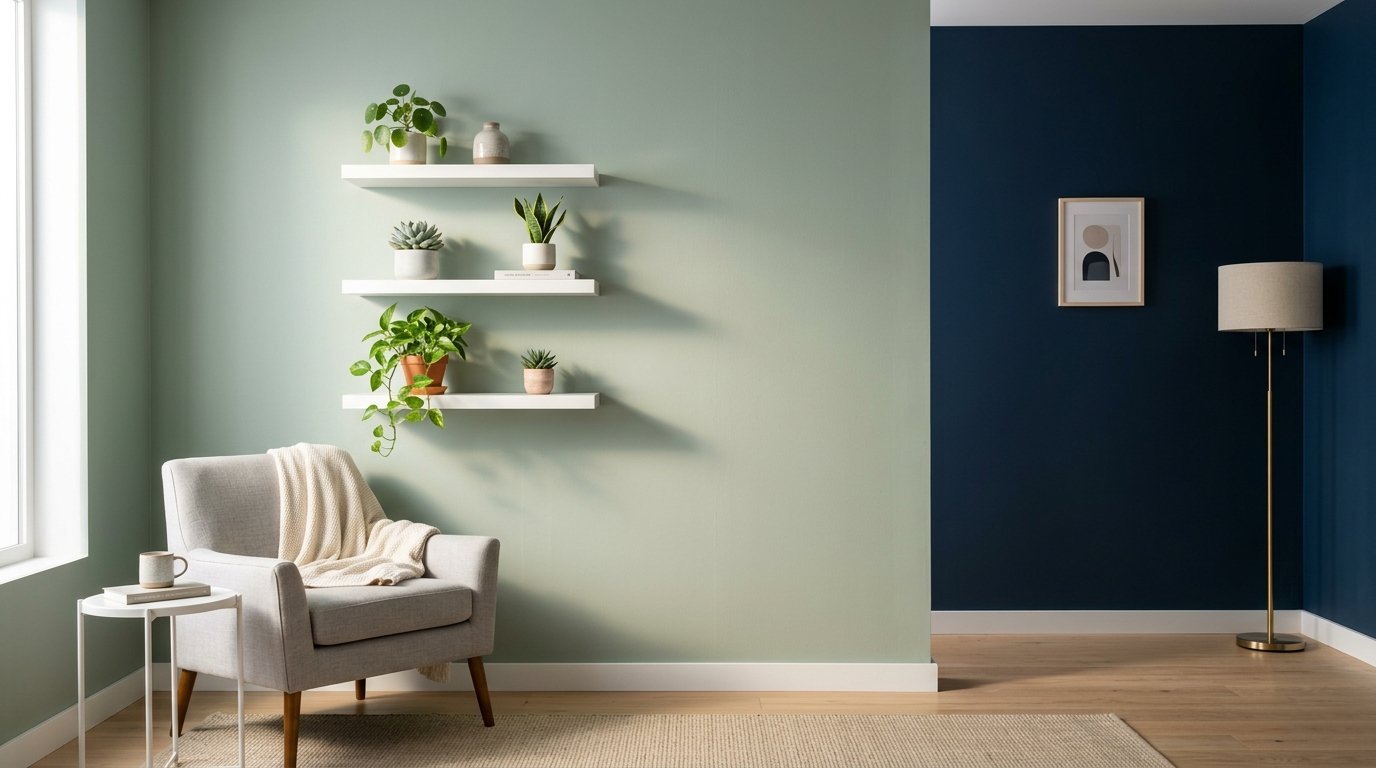
Texture is everything in a living room. If everything is flat, the room feels boring. Velvet is my favorite fabric for blue and green. It catches the light in different ways. I suggest a forest green velvet sofa. Add some dusty blue velvet pillows on top.
Last spring, I helped a client style a West Elm velvet couch. We mixed teal and emerald. The result was rich and inviting. Velvet feels expensive but you can find affordable options at Wayfair. It is also durable. My own velvet chairs have survived two cats and a toddler. Just use a lint roller once a week. The fabric keeps the colors looking saturated and deep.
3. Use Indoor Plants as Your Primary Green
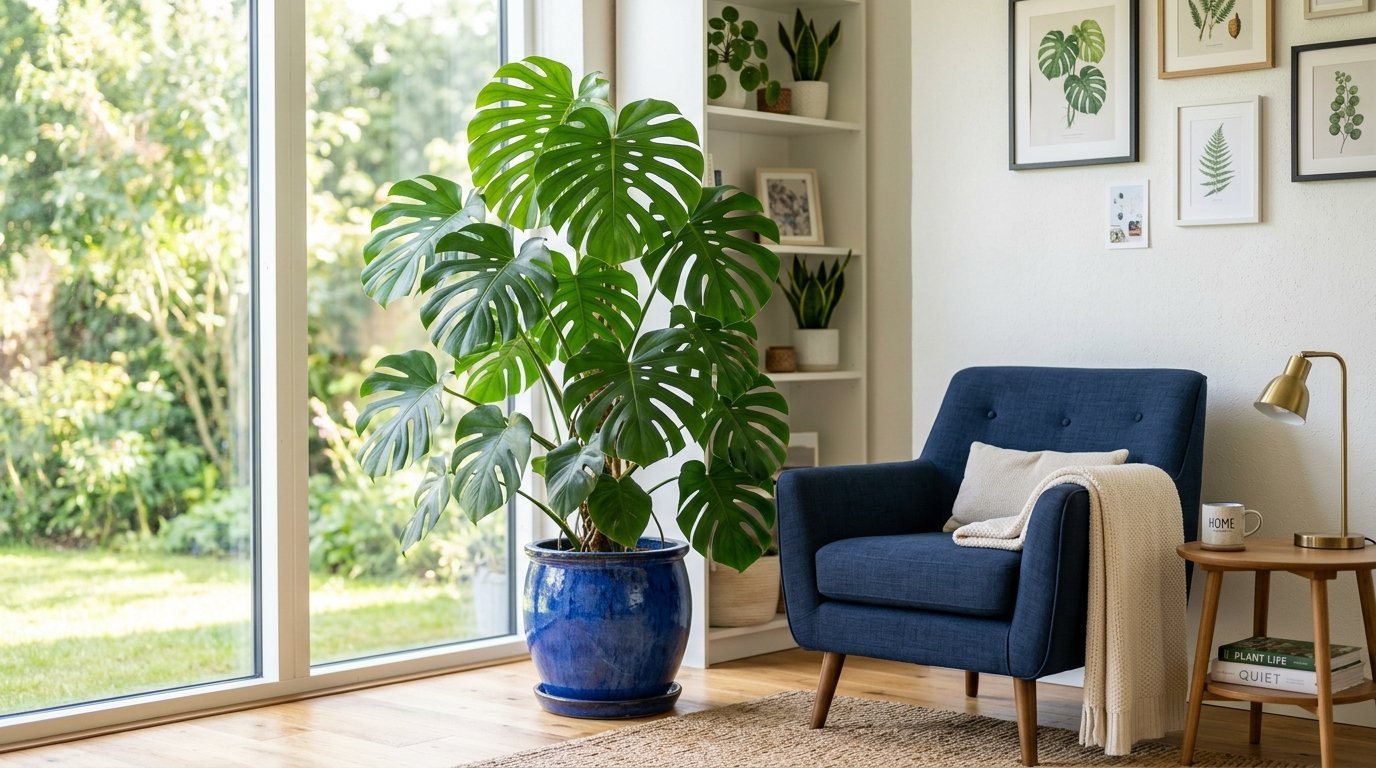
You do not always need paint to get green into a room. Plants are living decor. They also clean your air. I like using large fiddle leaf figs or monstera plants. Their big green leaves look amazing against blue walls.
Place a tall plant in a corner next to a navy blue armchair. The contrast is stunning. If you struggle to keep plants alive, try a snake plant. They are hard to kill. I have ignored mine for weeks and it still looks great. For a blue touch, use ceramic pots in cobalt or turquoise. This ties the plant into the color scheme. It feels organic and fresh.
4. Ground the Space with a Persian Rug
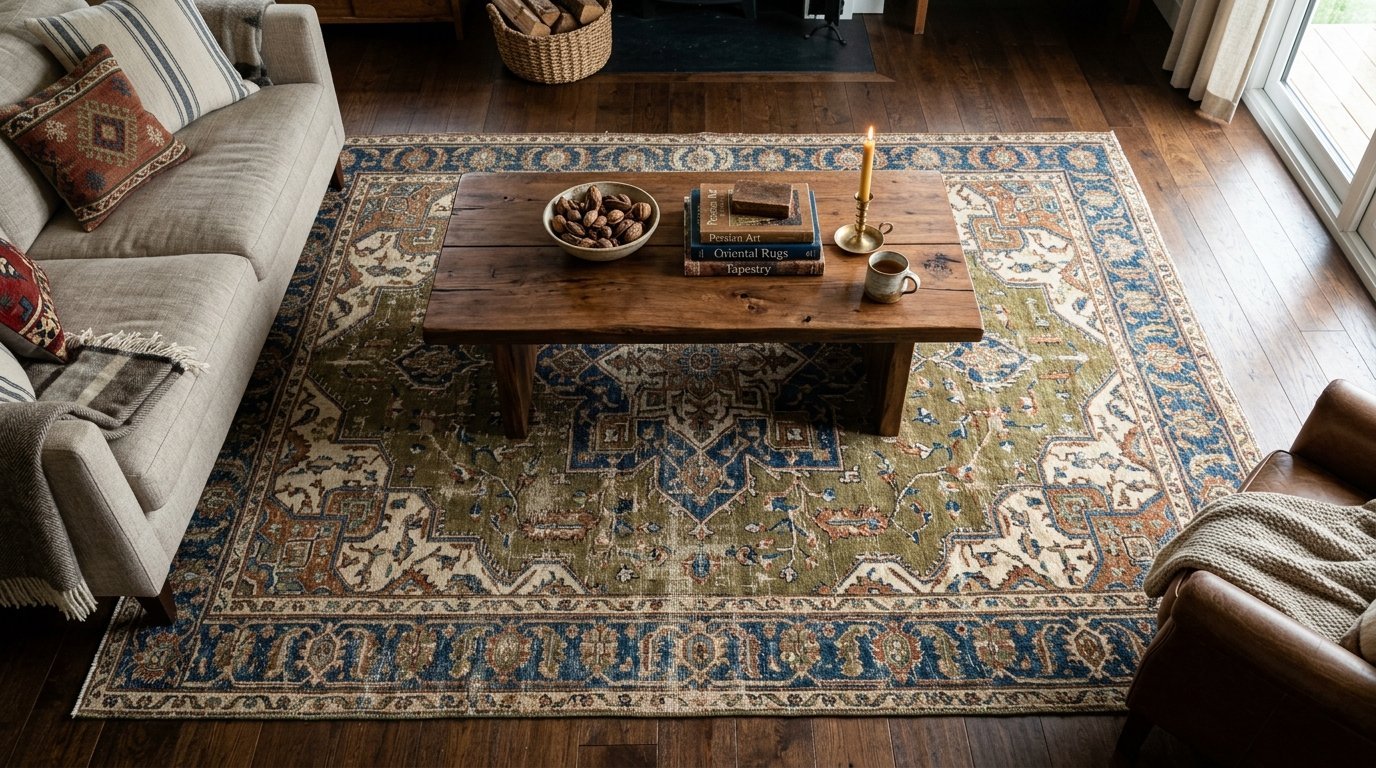
A rug connects all your furniture. Look for a vintage or Persian style rug. These often have beautiful mixes of indigo and moss green. I found a great one at a thrift store for eighty dollars last month.
Ruggable offers washable versions if you have kids or pets. A rug with a busy pattern hides stains well. It also adds a sense of history to the room. Position the front legs of your sofa on the rug. This makes the seating area feel like a defined zone. The intricate patterns prevent the blue and green from looking too solid or blocky.
5. Mix Brass Accents for a Warm Glow
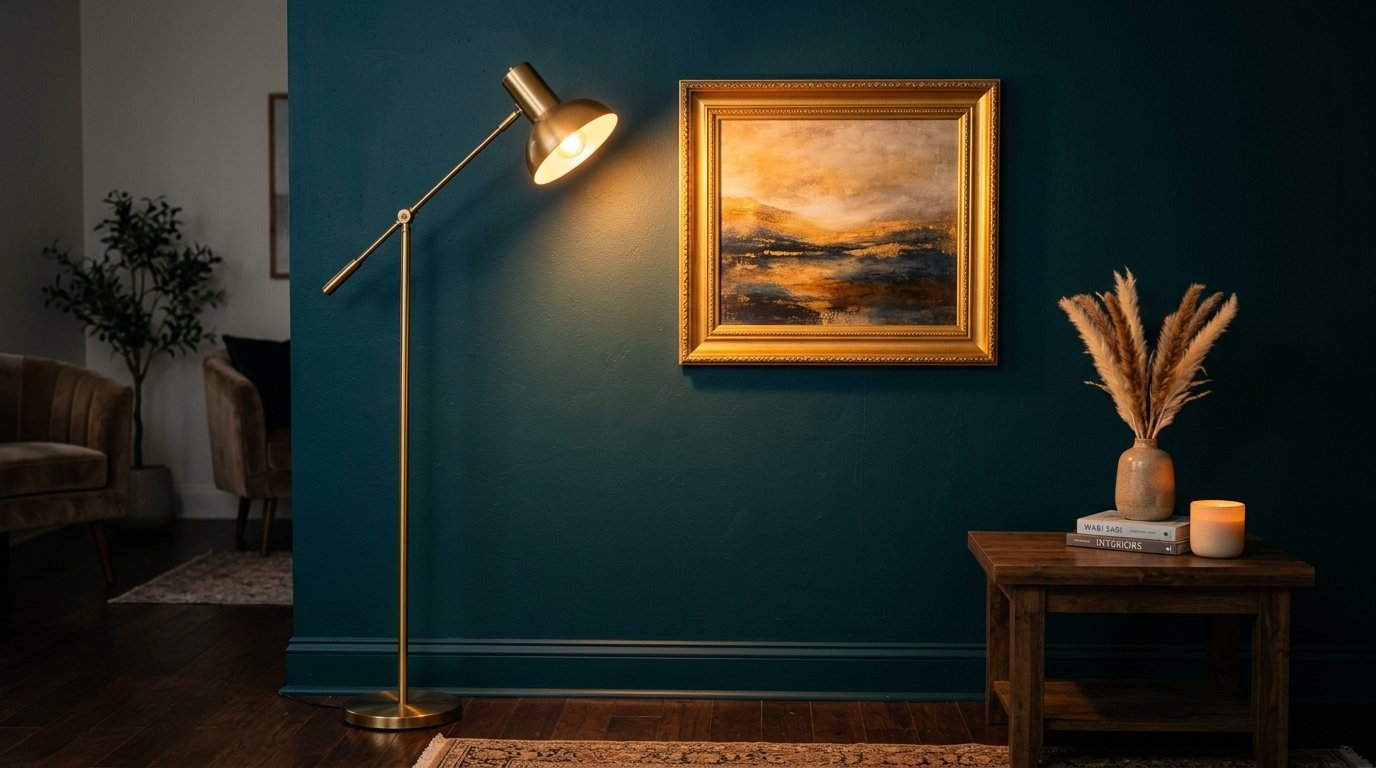
Blue and green are cool colors. They can sometimes feel a bit chilly. You need a warm metal to balance them. Brass or gold is the best choice. Think about brass floor lamps or gold picture frames.
I noticed that silver makes blue look too cold. Brass makes it look royal. Switch out your standard cabinet knobs for brass ones. You can buy a pack of ten on Amazon for twenty dollars. It is a tiny change that feels high end. The yellow tones in the brass pop against a dark green wall. It adds a bit of sparkle that catches the eye.
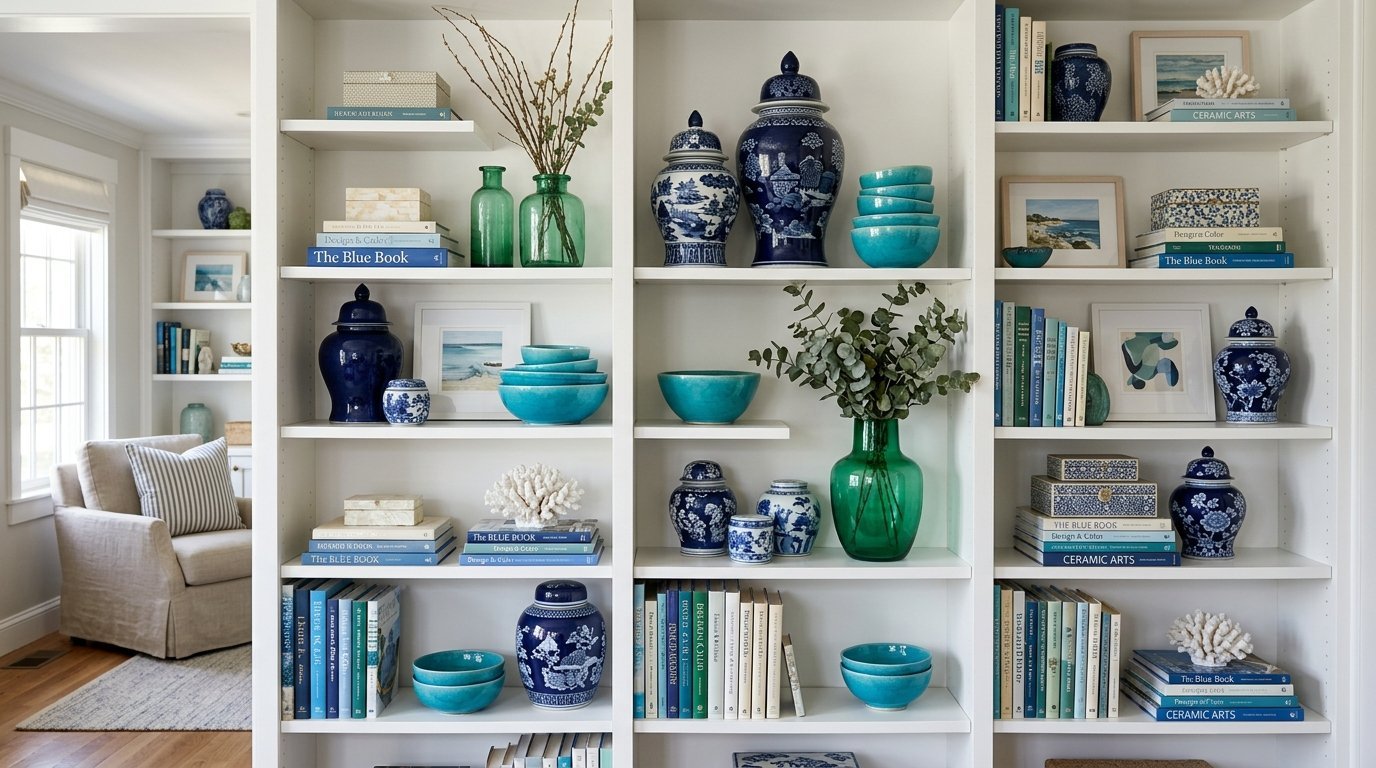
6. Style Your Shelves with Blue Ceramics
Your bookshelves are a great place to experiment. Do not just fill them with books. Add some blue ginger jars or green glass vases. I like to group items in threes. Place a tall navy vase next to two shorter mint green bowls.
Target usually has a great selection of affordable ceramics. I once found a set of turquoise bookends that changed my whole shelf look. It pulls the colors from your furniture up to the walls. This makes the color palette feel intentional. It creates a visual flow around the entire room.
7. Try the Fifth Wall Trick
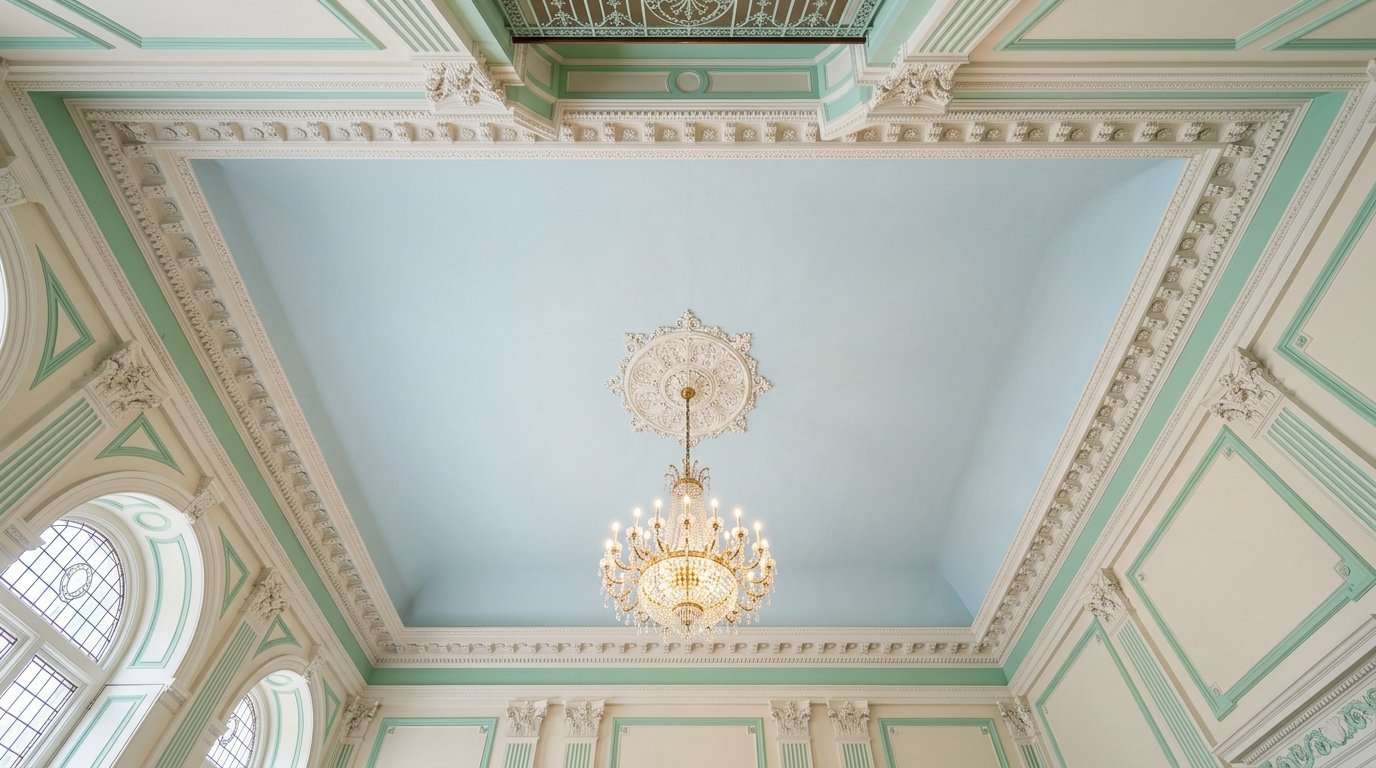
The ceiling is often ignored. Designers call it the fifth wall. Painting your ceiling a very pale sky blue can make the room feel airy. It mimics the sky outside.
If you have high ceilings, try a soft mint green. I saw this in a coastal cottage recently. It felt like being in a garden. Keep the walls a simple creamy white. This prevents the room from feeling closed in. Use a flat finish paint for the ceiling. This hides any bumps or imperfections in the plaster. It is an unexpected move that guests always notice.
8. Hang Botanical Prints in Blue Frames
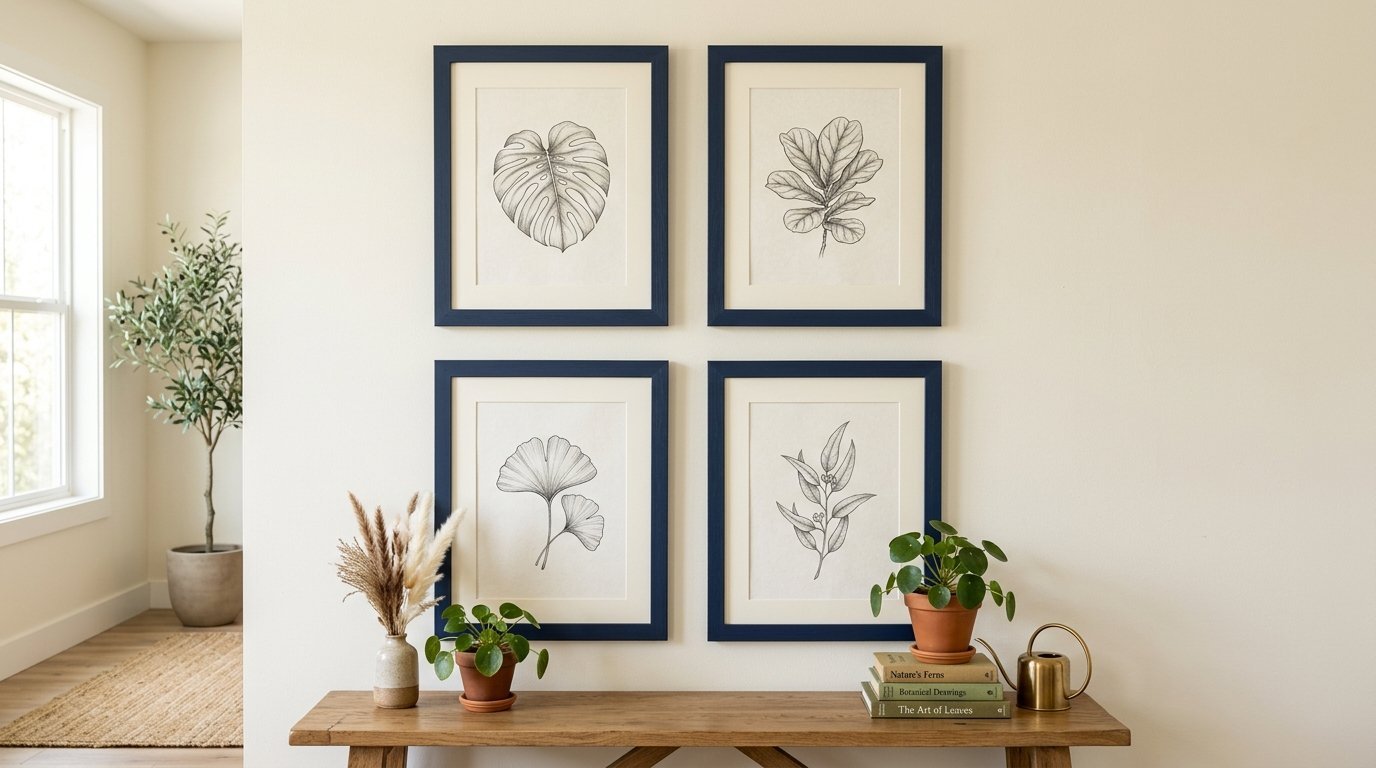
Wall art does not have to be expensive. Botanical prints are a classic choice for green decor. You can find vintage ones online and print them at home. To make them unique, use navy blue frames.
I did this in my own hallway. I used simple black and white leaf sketches. The dark blue frames made the green in the prints look more vivid. Place them in a grid of six. This creates a focal point above a sofa or sideboard. It brings a touch of nature indoors without the maintenance of real plants.
9. Swap Your Curtains for Sheer Teal
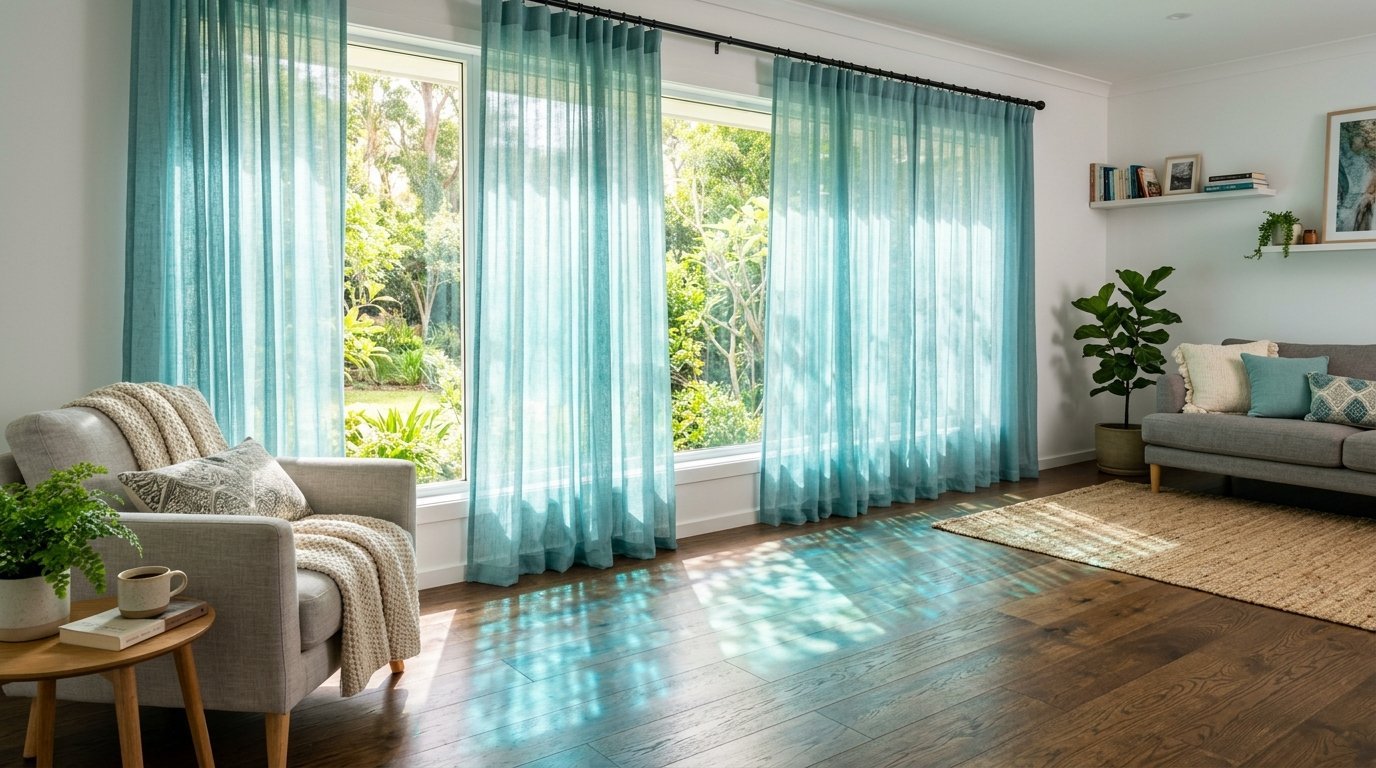
Light is your best friend when using blue and green. Heavy curtains can block the sun and make the colors look muddy. I recommend sheer teal curtains. They let the light filter through.
When the sun hits them, they cast a beautiful blue glow across the room. It feels like being underwater in a clear tropical sea. Anthropologie has some beautiful options with small embroidered details. If you need privacy at night, add a simple white roller shade behind them. This setup gives you the best of both worlds.
10. Upcycle an Old Cabinet with Emerald Paint
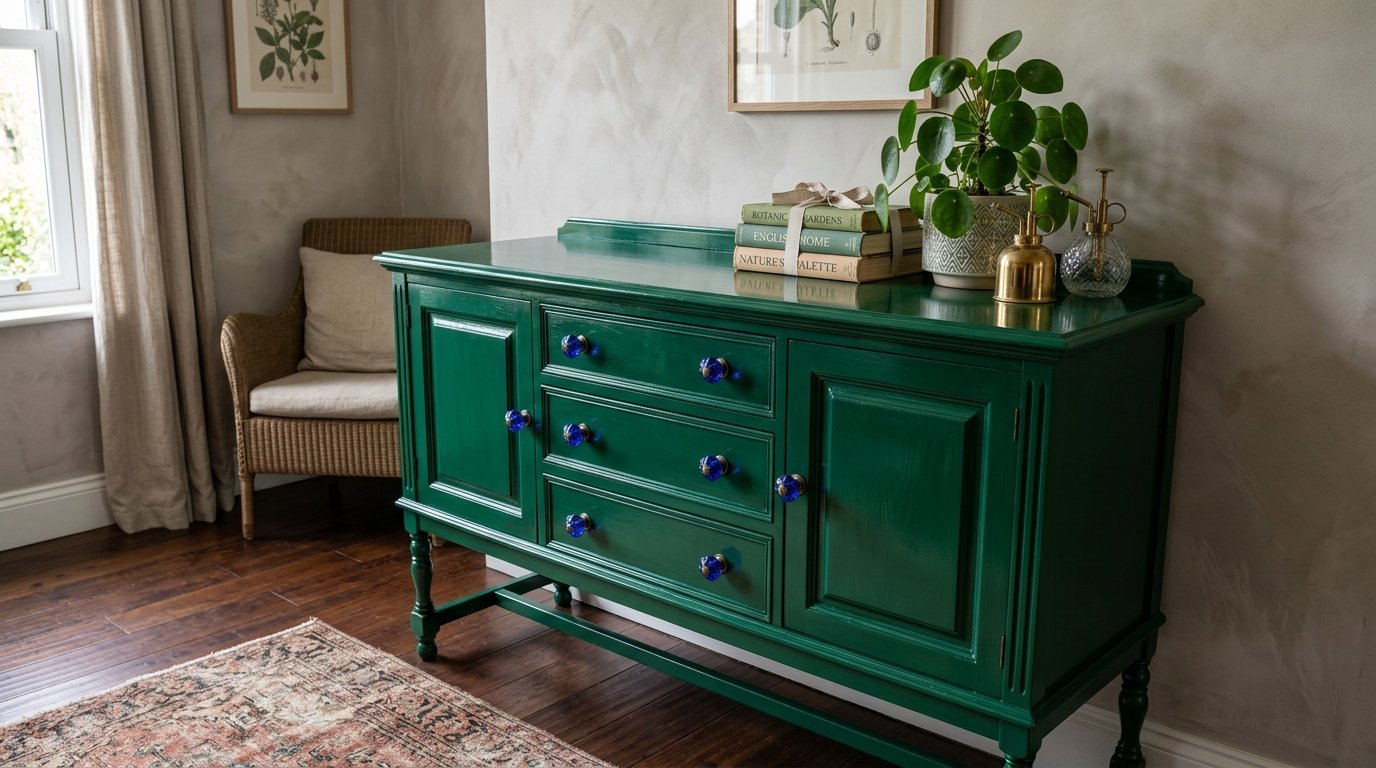
Don’t buy new furniture if you have old pieces. A fresh coat of paint can do wonders. I found an old wooden sideboard at a garage sale. It was scratched and ugly. I sanded it down and painted it in a high gloss emerald green.
I used Behr paint in the shade Vine Leaf. The transformation was incredible. I added some blue glass knobs I found on Etsy. Now it is the main piece in my living room. Painted furniture is a great way to add a specific shade of green that you cannot find in stores. It makes your home feel one of a kind.
11. Layer Blue and Green Throw Blankets
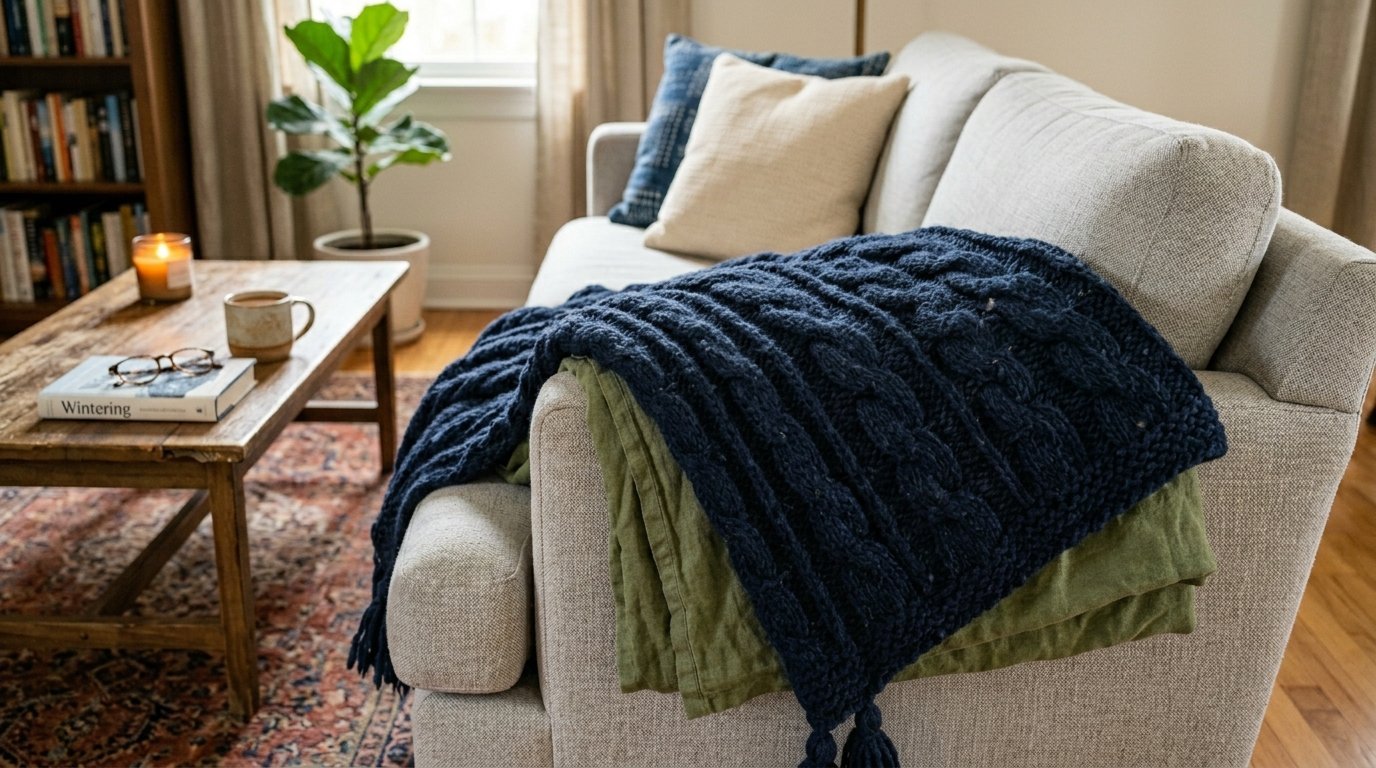
A sofa looks lonely without a blanket. Layering is the key here. I put a chunky knit navy blanket over the arm of my couch. Then I drape a thinner olive green linen throw over the back.
This creates a lived in feel. It makes people want to sit down and relax. Linen is great for summer. Wool is better for winter. I’ve seen this work in many homes. It adds softness to the lines of your furniture. You can find great blankets at Pottery Barn or IKEA. They are easy to wash and change as the seasons turn.
12. Use Navy as a Neutral Base
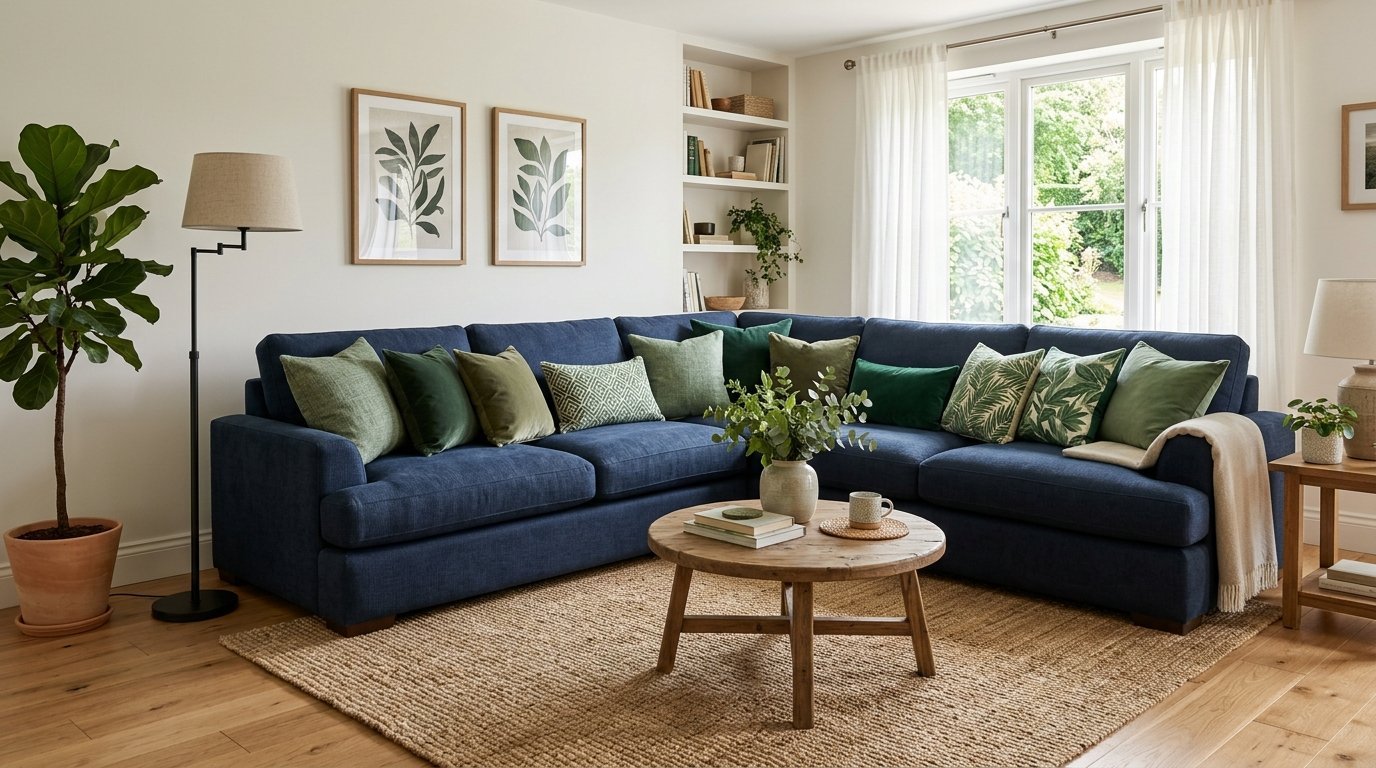
Many people think beige or grey are the only neutrals. That is not true. Navy blue works just like a neutral. It goes with almost everything. Use a navy blue rug or a large navy sectional sofa.
From there, you can add any shade of green you like. Emerald looks moody and cool. Lime green looks bright and modern. I started using navy as my base color five years ago. It stays looking clean longer than light grey. It provides a solid foundation for all your other blue and green living room decor hacks to try.
13. Create a Gallery Wall of Ocean Photography
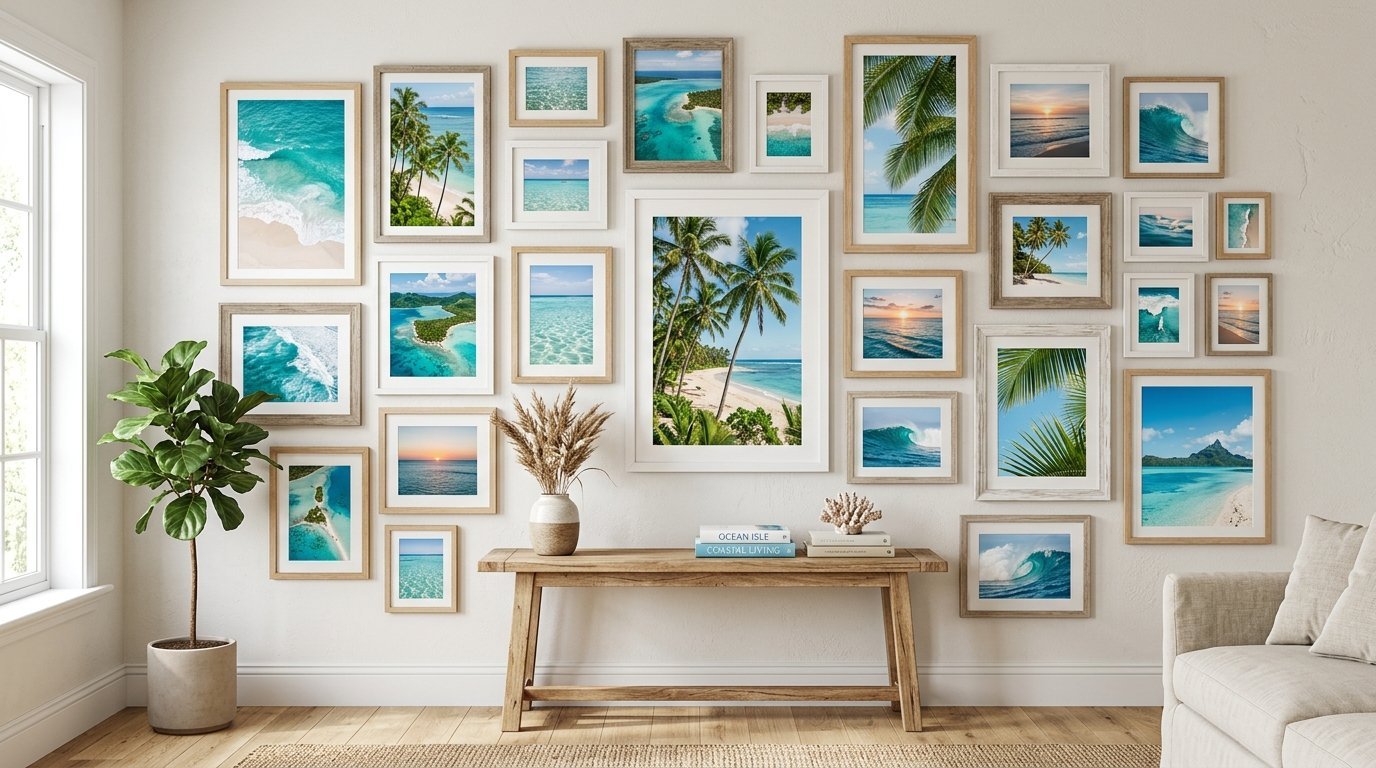
If you love the ocean, use it as your inspiration. A gallery wall of beach and wave photos brings in many shades of blue. Mix in some photos of palm trees or forests for the green element.
I suggest using different frame sizes for a relaxed look. Frame some in wood and some in white. This keeps the wall from looking too stiff. It adds a personal touch to your decor. You are telling a story about the places you love. Every time you look at the wall, you will feel a sense of peace.
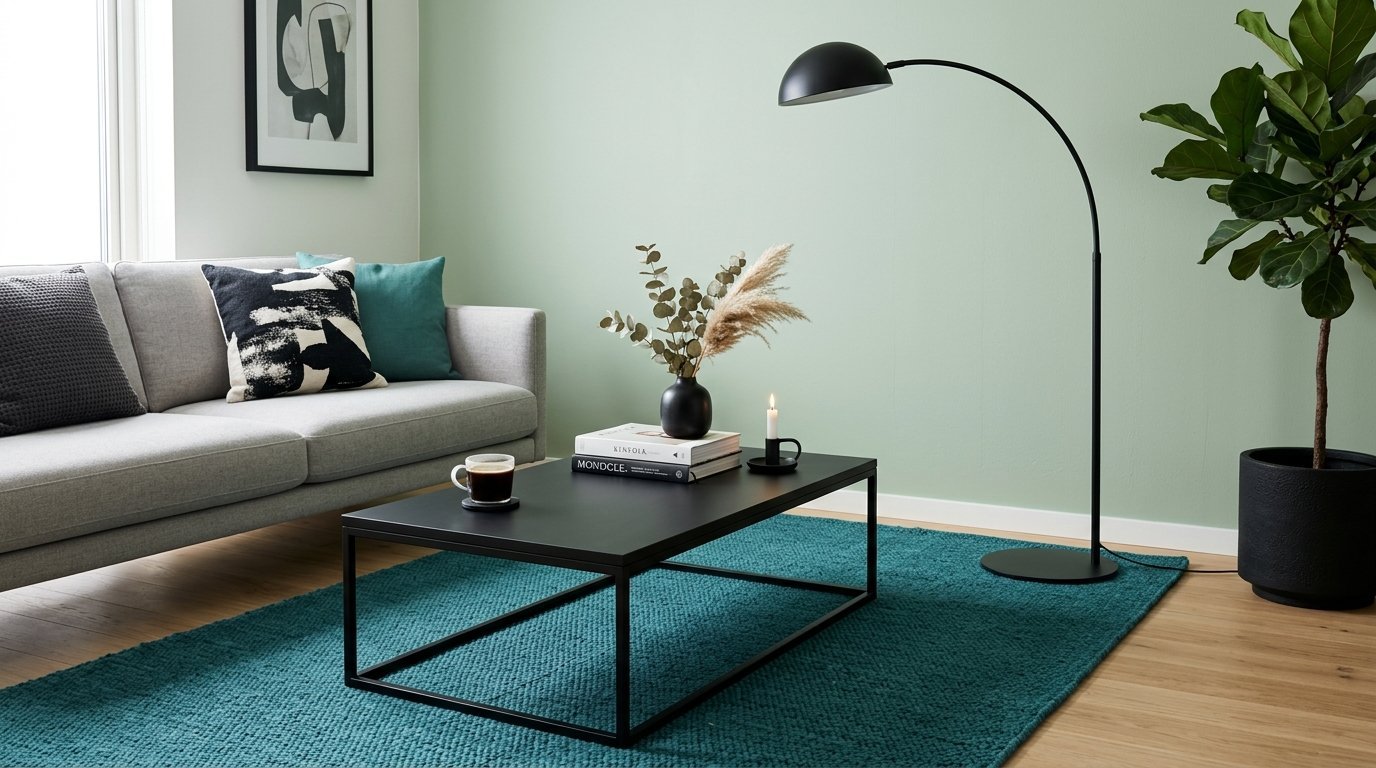
14. Add Contrast with Black Accents
Too much blue and green can start to feel a bit sweet. You need something to ground the colors. Small black accents provide that sharp contrast. Think about a black metal coffee table or black picture lights.
In a recent project, we added a matte black floor lamp to a room with teal walls. It made the teal look more sophisticated. Black acts like an anchor. It gives the eye a place to rest. It stops the colors from floating away. Just a few small pieces are enough to make a difference.
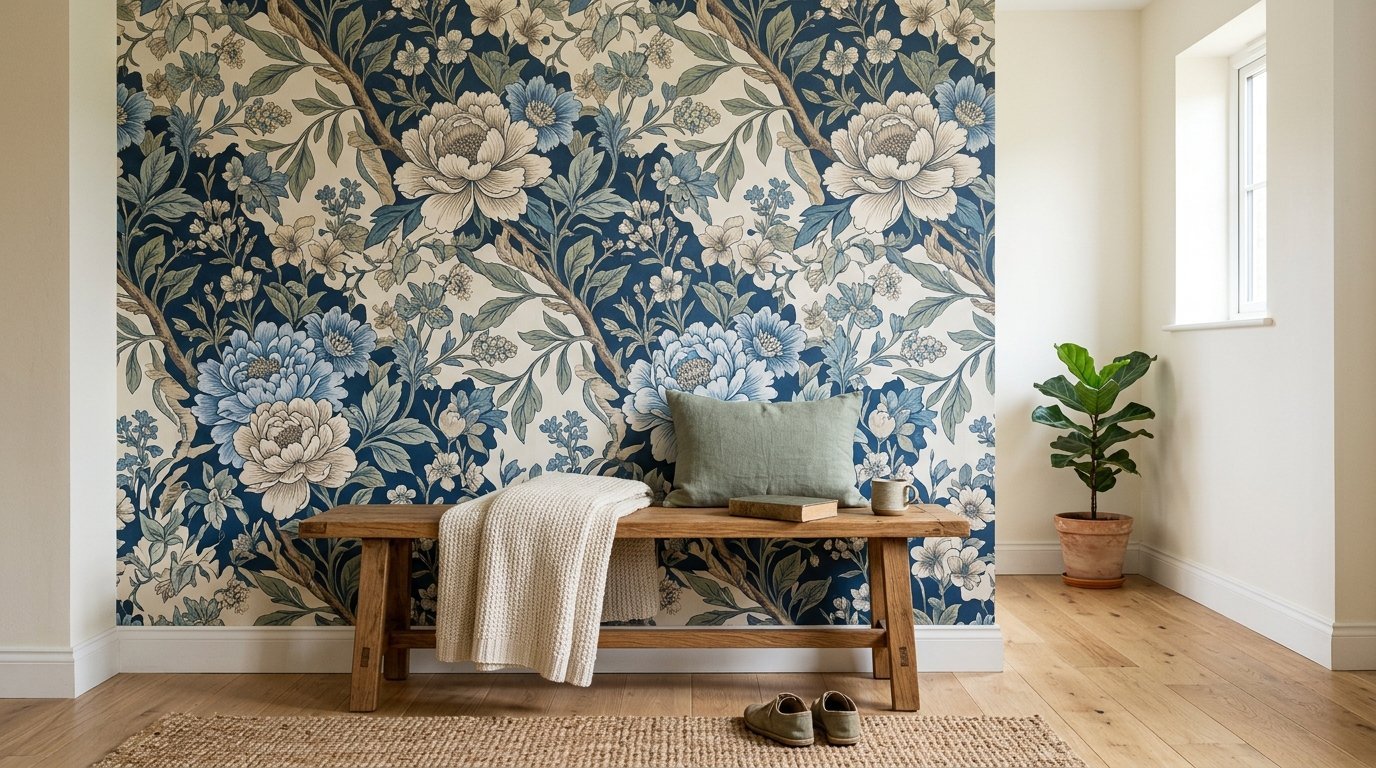
15. Experiment with Patterned Wallpaper
Wallpaper is back in style. A bold floral print with blue flowers and green leaves is a brave choice. If that feels too much, try a subtle grasscloth wallpaper in a soft blue.
I used a peel and stick wallpaper from Spoonflower in my guest room. It had a delicate fern pattern. It was easy to put up and changed the whole vibe. Wallpaper adds a level of detail that paint cannot match. It makes the walls feel like art themselves. If you are renting, peel and stick is a perfect temporary solution.
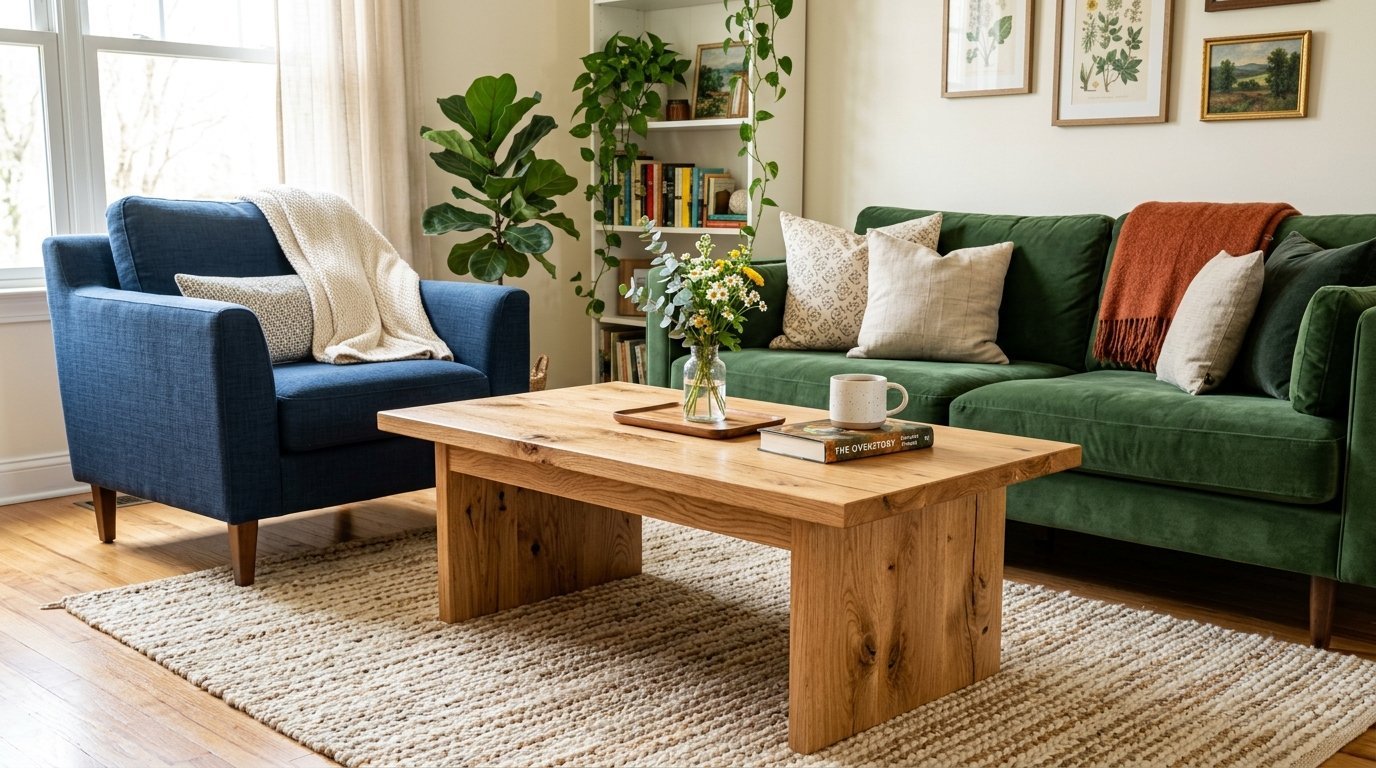
16. Use Natural Wood to Bridge the Colors
Wood tones are essential when mixing blue and green. They act as a bridge between the two colors. Light oak works well with light blues and mint greens. Dark walnut looks better with navy and forest green.
I always include a wooden coffee table in my designs. It adds warmth and an earthy feel. The brown of the wood is a natural partner for green. It makes the room feel like a cozy cabin or a forest glade. Avoid woods that are too red, like cherry. They can clash with certain greens. Stick to neutral browns for the best result.
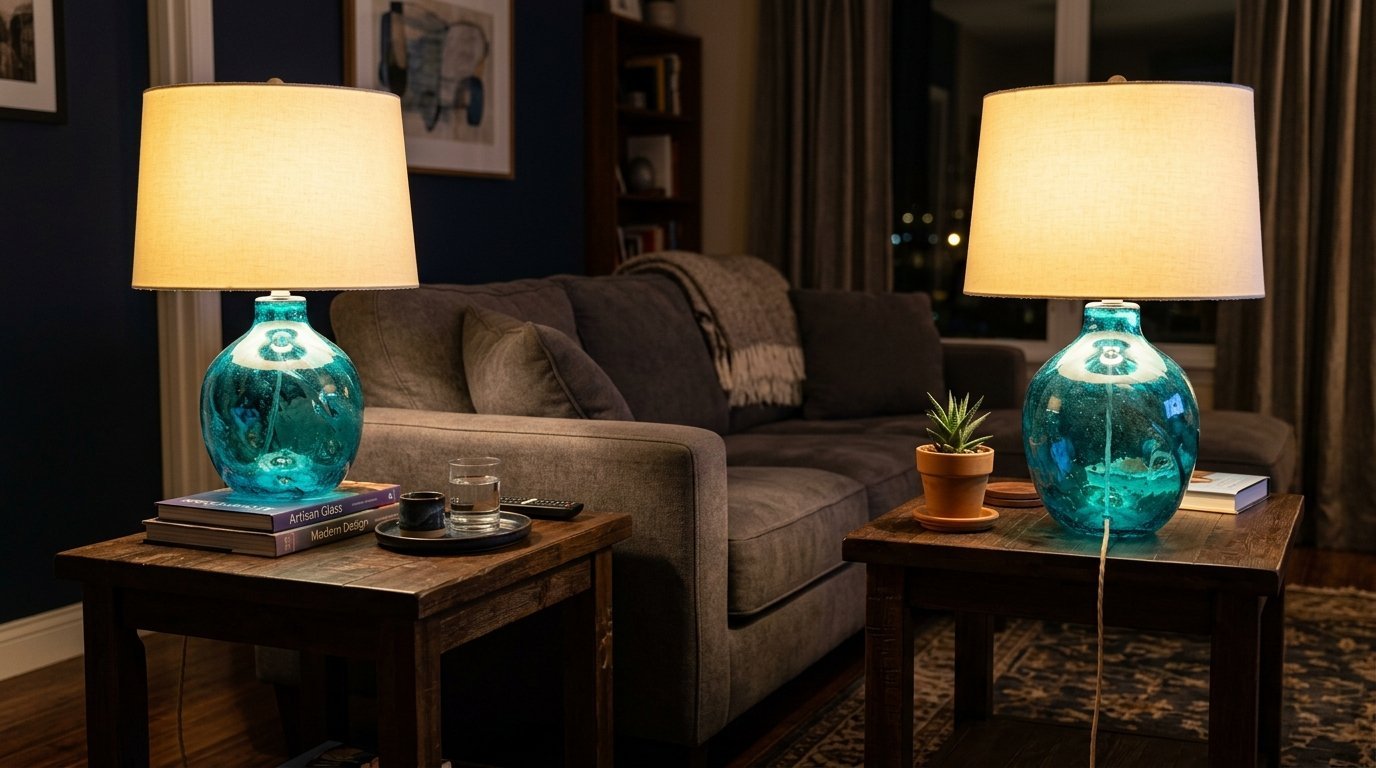
17. Update Your Lighting with Colored Glass
Lighting changes the mood of your colors. Blue and green glass pendants look beautiful even when the lights are off. I found some hand blown glass lamps in a turquoise shade.
They sit on my end tables. When I turn them on at night, they give off a soft colored light. It makes the whole room feel magical. Avoid cool white bulbs. They make blue look like an office. Use warm yellow bulbs. This keeps the room feeling like a home. Lighting is often the last thing people think about, but it should be the first.
18. Match Your Pillows to Your Art
A simple trick to make a room look professional is matching colors. Find a piece of art you love that has blue and green. Then, find throw pillows in those exact shades.
I did this for a friend who had a large abstract painting. We pulled out the specific seafoam green and royal blue from the canvas. When we put those pillows on the sofa, the whole room clicked together. It creates a sense of harmony. It shows that you put thought into every detail. You can even bring a photo of your art to the store to match the fabric perfectly.
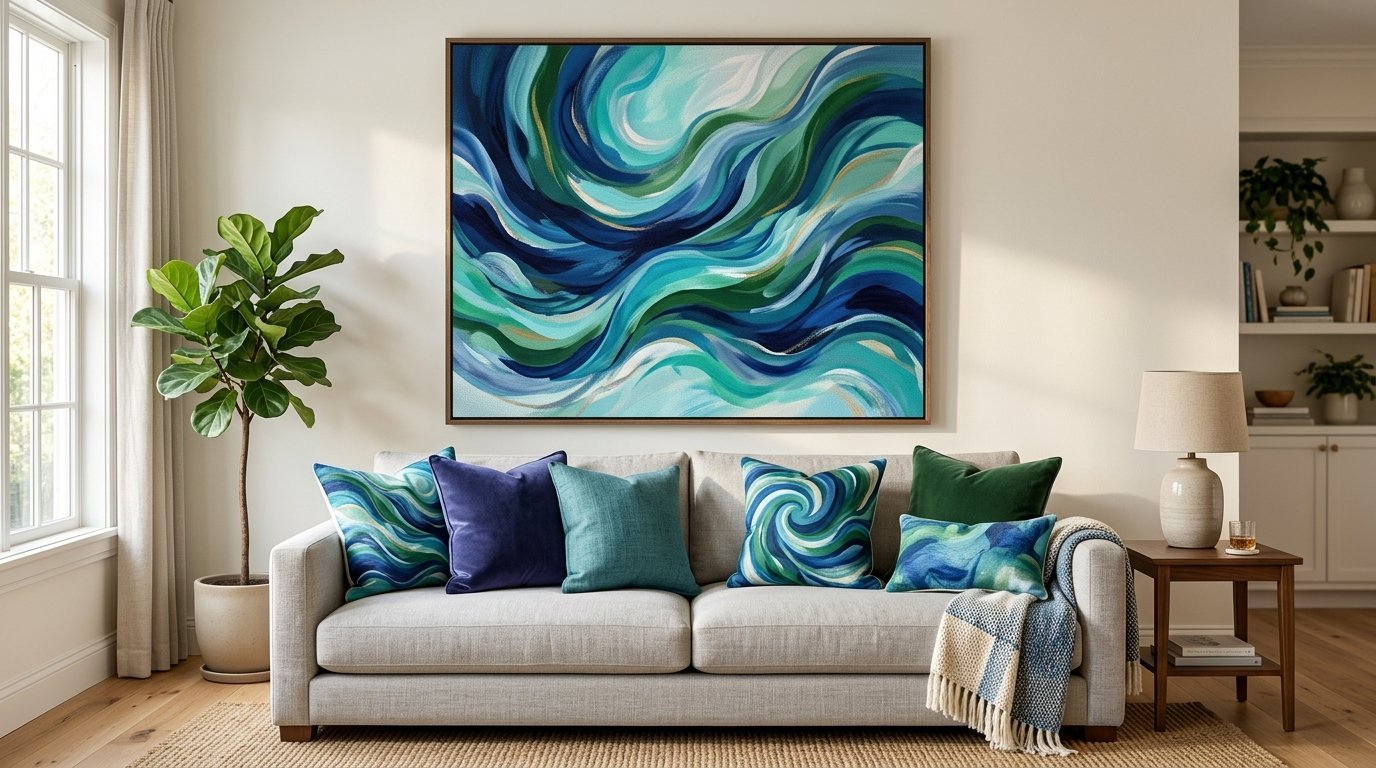
19. Try a Tonal Look with One Color
If mixing two colors feels scary, try a tonal look. Use different shades of just green in one area. For example, a dark green chair with a light green pillow. Then, use different shades of blue in another area.
I saw this in a high end hotel in New York. One corner was all shades of forest and moss. The other was all navy and sky. It felt organized and calm. This is a safe way to start using these colors. You can slowly start to mix them as you get more comfortable. It is all about building your confidence.
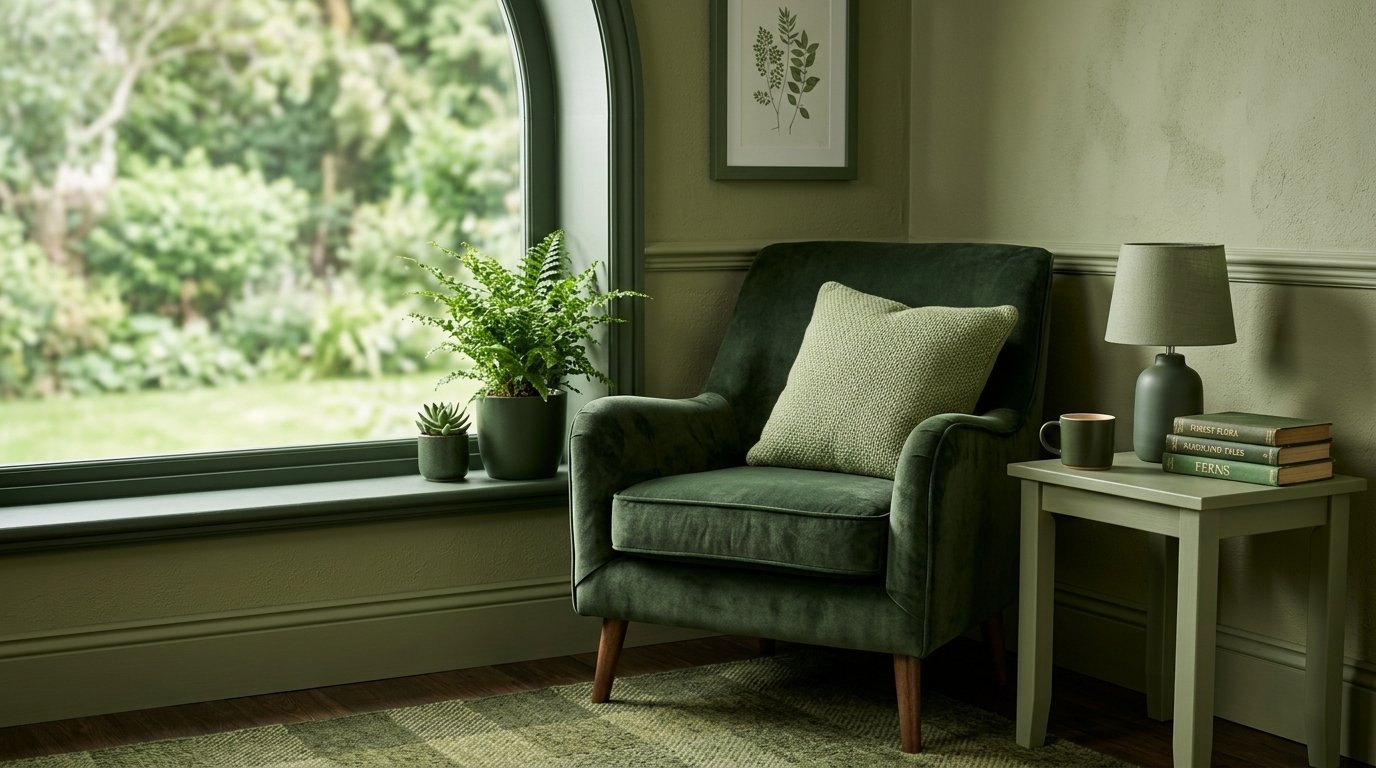
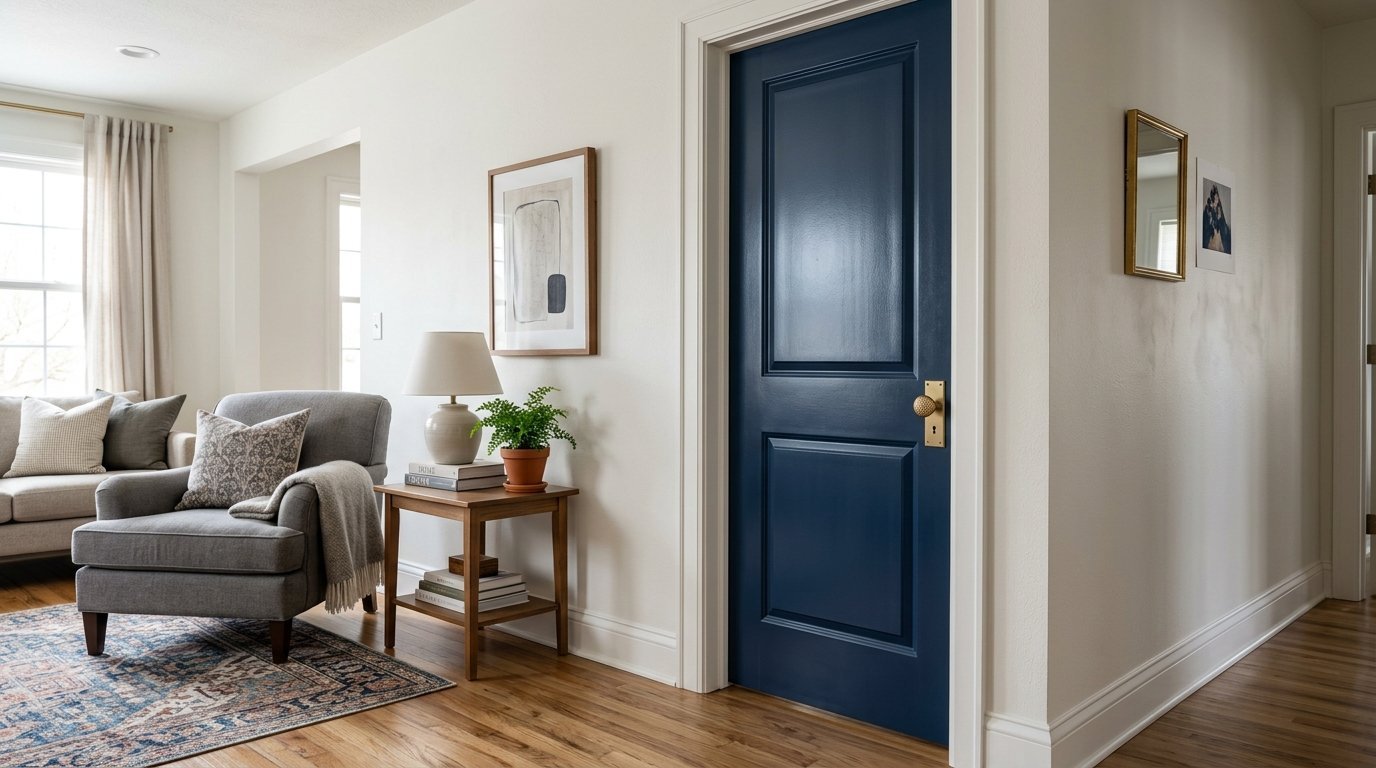
20. Paint Your Interior Doors
This is a fun hack that most people miss. Don’t leave your doors white. Paint them a deep navy blue or a soft sage. It adds a pop of color in an unexpected place.
I painted my pantry door a bright teal last year. Every time I go into the kitchen, it makes me smile. It is a small project that only takes a few hours. Use a durable semi gloss paint. Doors get touched a lot, so you want a finish that is easy to wipe down. It makes your living room feel like it was designed by an expert.
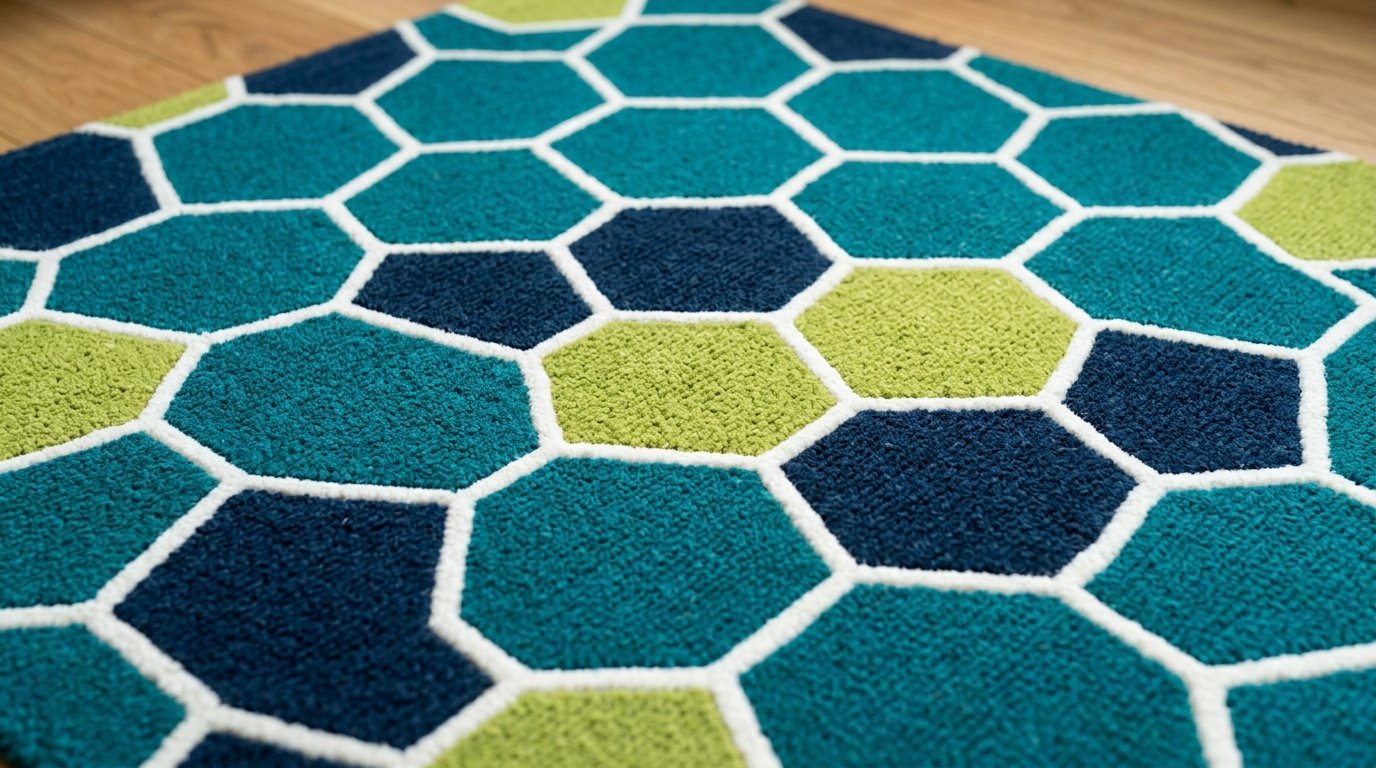
21. Incorporate Geometric Patterns
Blue and green can sometimes feel too soft. Adding geometric patterns brings in some energy. Look for pillows or rugs with triangles or hexagons in these colors.
I have a rug with a blue and green diamond pattern. It adds a modern touch to my traditional furniture. It keeps the room from looking too old fashioned. Patterns also help to hide wear and tear. If you have a busy household, this is a practical choice. It adds movement and interest to the space.
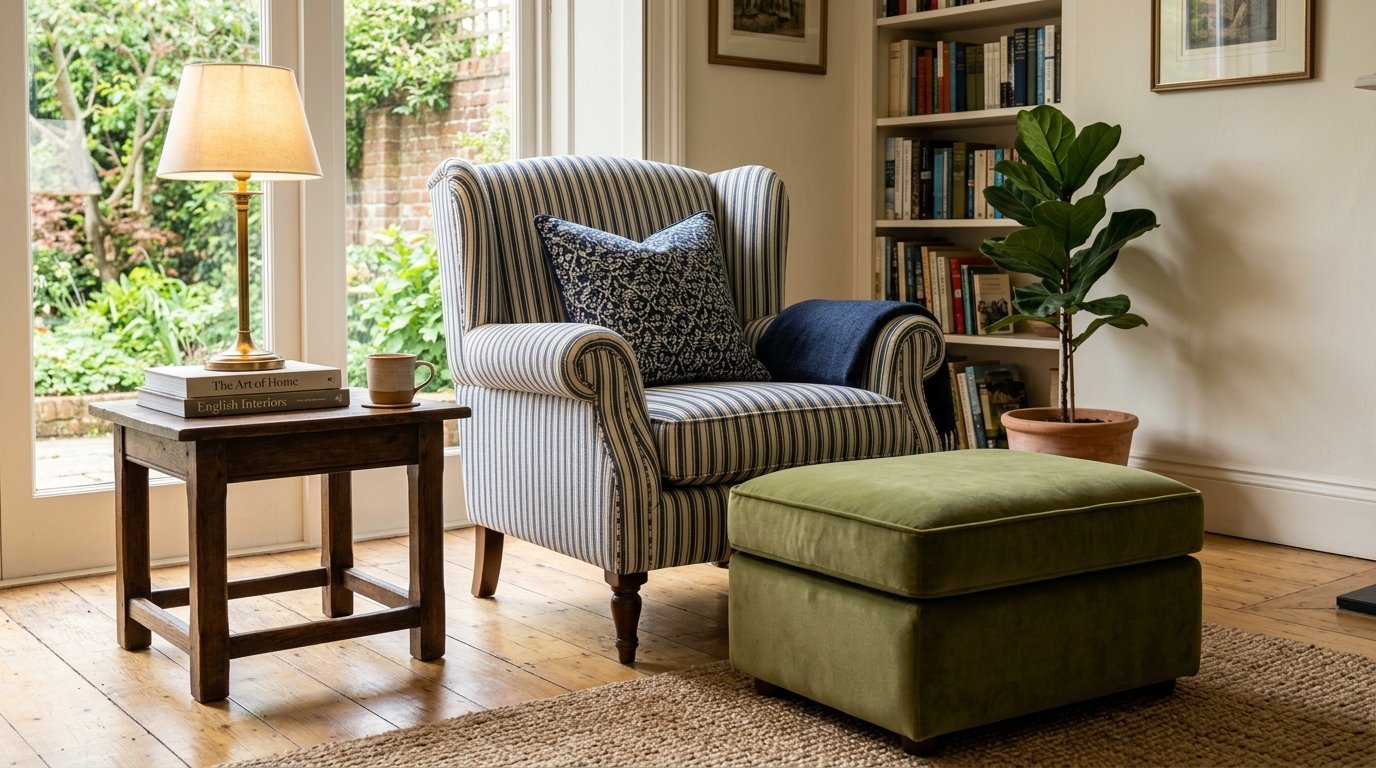
22. Use Stripes for a Classic Touch
Stripes never go out of style. A blue and white striped chair is a classic piece. Pair it with a solid green ottoman. This looks great in a coastal or farmhouse style home.
I once styled a sunroom with navy striped curtains and green wicker furniture. It felt like a summer holiday every day. Stripes are easy to mix with other patterns too. Just make sure the colors are in the same family. A thin stripe is more subtle. A thick stripe makes a bold statement. Choose the one that fits your personality.
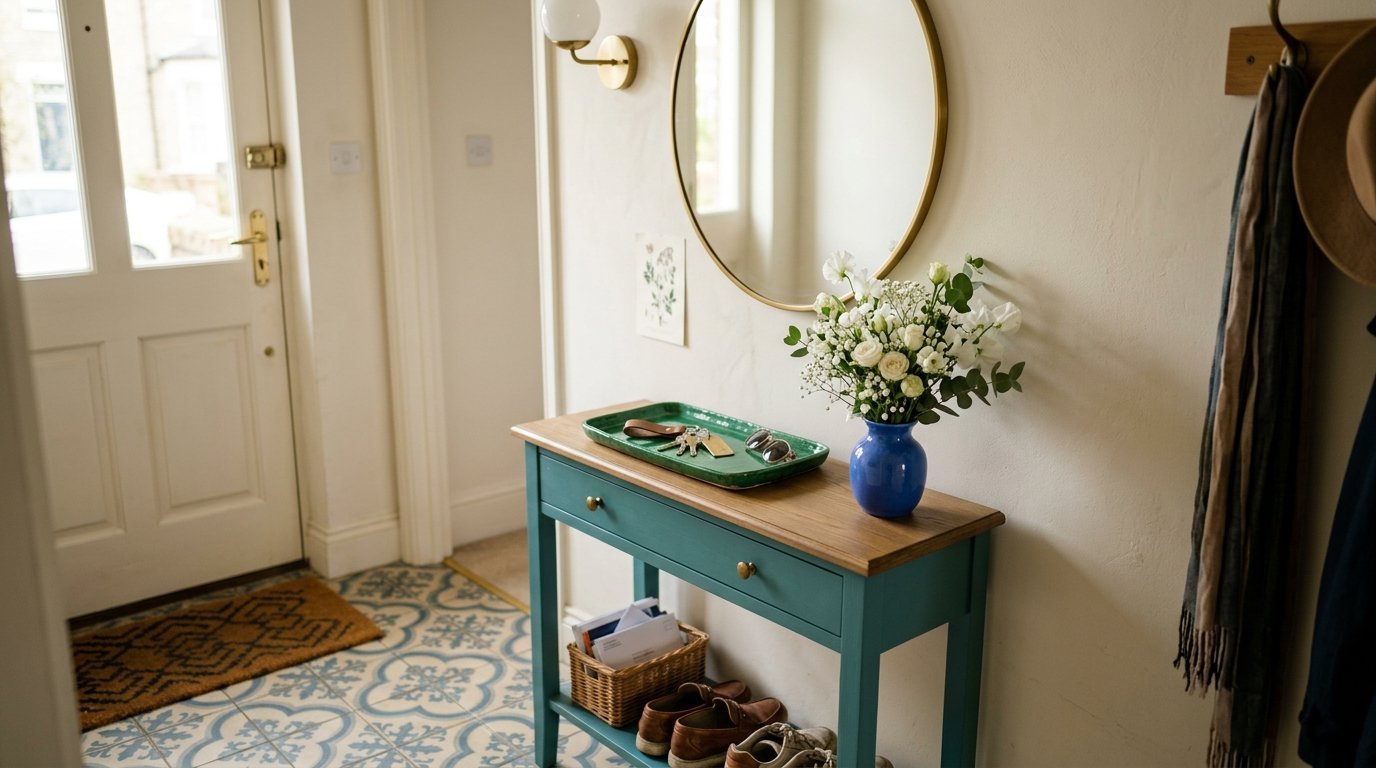
23. Focus on Your Entryway First
The living room often starts at the front door. Use your entryway to set the tone. A blue console table with a green tray for keys is a perfect start.
I noticed that when my entryway looks good, I feel better coming home. Use a small rug in these colors to welcome guests. It gives them a taste of what is coming in the rest of the house. It makes the transition from outside to inside feel smooth. This is the final touch to your color journey.
24. Frequently Asked Questions
How do I stop blue and green from looking like a kid’s room?
The secret is in the shades you pick. Avoid bright primary colors. Instead, choose muted or “dirty” versions of the colors. Think sage instead of lime. Think navy instead of royal blue. These tones feel more adult and sophisticated. Also, mix in plenty of natural materials like wood and stone. This grounds the colors and makes them feel like part of a real home.
Can I use blue and green in a small living room?
Yes, you can. In fact, these colors can help a small room feel bigger. Cool colors like blue tend to recede. This means they make the walls feel further away. Use a light blue on the walls to open the space up. Use green in smaller doses, like in plants or pillows. Keep the floor light to help the light bounce around. It will make your tiny room feel like a breath of fresh air.
What other colors go well with blue and green?
Cream and white are the best neutral partners. They keep the room looking fresh. For a bit of warmth, try a soft terracotta or coral. These colors are opposite blue on the color wheel, so they provide a nice pop. Brass and gold are the best metals. If you want a moody look, charcoal grey works well too. Avoid red, as it can be too jarring against green.
Is blue and green decor out of style for 2026?
No, these colors are timeless because they come from nature. While specific shades might go in and out of fashion, the combination itself is a classic. Currently, we see a move toward “earthy” versions of these colors. Deep forest greens and oceanic teals are very popular right now. People want their homes to feel like a sanctuary from the digital world. These colors do exactly that.
How do I mix different patterns without it looking messy?
Stick to a common color palette. If your rug has navy and sage, make sure your pillows also have navy or sage. Vary the scale of the patterns. If the rug has a large diamond print, use a small floral print on the pillows. This prevents the patterns from fighting for attention. Using solid blocks of color in between patterns also helps to give the eye a rest.
Should I paint my trim or leave it white?
White trim is a safe and classic choice. It makes the blue and green on the walls pop. However, painting the trim the same color as the walls is a big trend right now. This is called color drenching. It makes a room feel very cozy and modern. If you have a small room, painting the trim can actually make it feel larger because there are fewer visual breaks.
25. Conclusion
Transforming your space does not have to be a giant task. Using blue and green is a simple way to bring peace and energy into your home. I have seen these hacks work in tiny apartments and large houses. The key is to start small. Maybe just buy a new green plant or a couple of blue pillows today.
As you get more comfortable, you can move on to the bigger projects like painting a wall or upcycling furniture. My own home is a constant work in progress. I am always moving things around and trying new shades. That is the fun of decorating. It is a way to express yourself and create a place where you truly feel at home. I hope these 23 blue and green living room decor hacks to try give you the spark you need. Your dream living room is closer than you think.
Sloane Whitaker is the Editor-in-Chief at Home Wall Trends, leading editorial direction with over a decade of experience in residential interior design and home styling. Her specialty is space planning and layout, the unglamorous fundamentals that make a beautiful room actually function. A graduate of the New York School of Interior Design, Sloane has styled over 200 client homes before turning her focus to digital publishing. Her editorial standard: “If a reader can’t picture themselves doing it on a Saturday afternoon, we haven’t explained it well enough.”