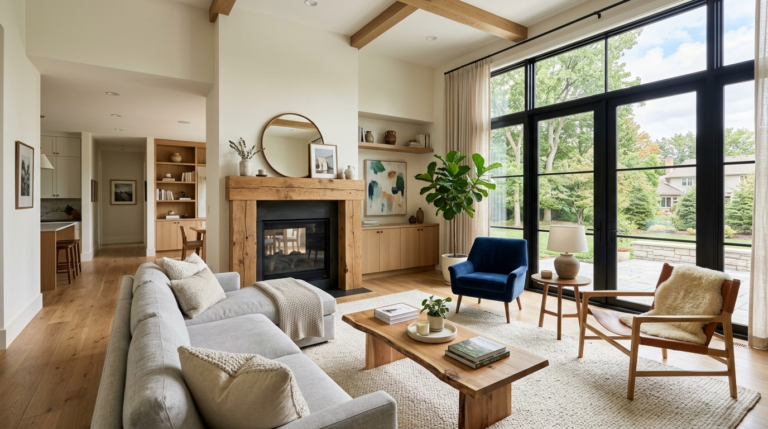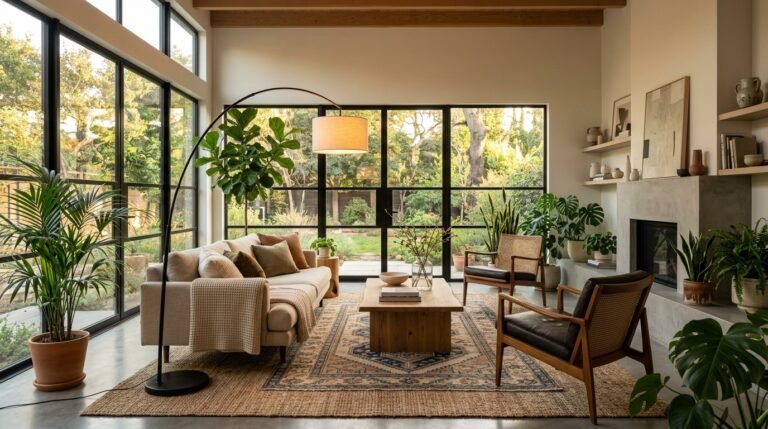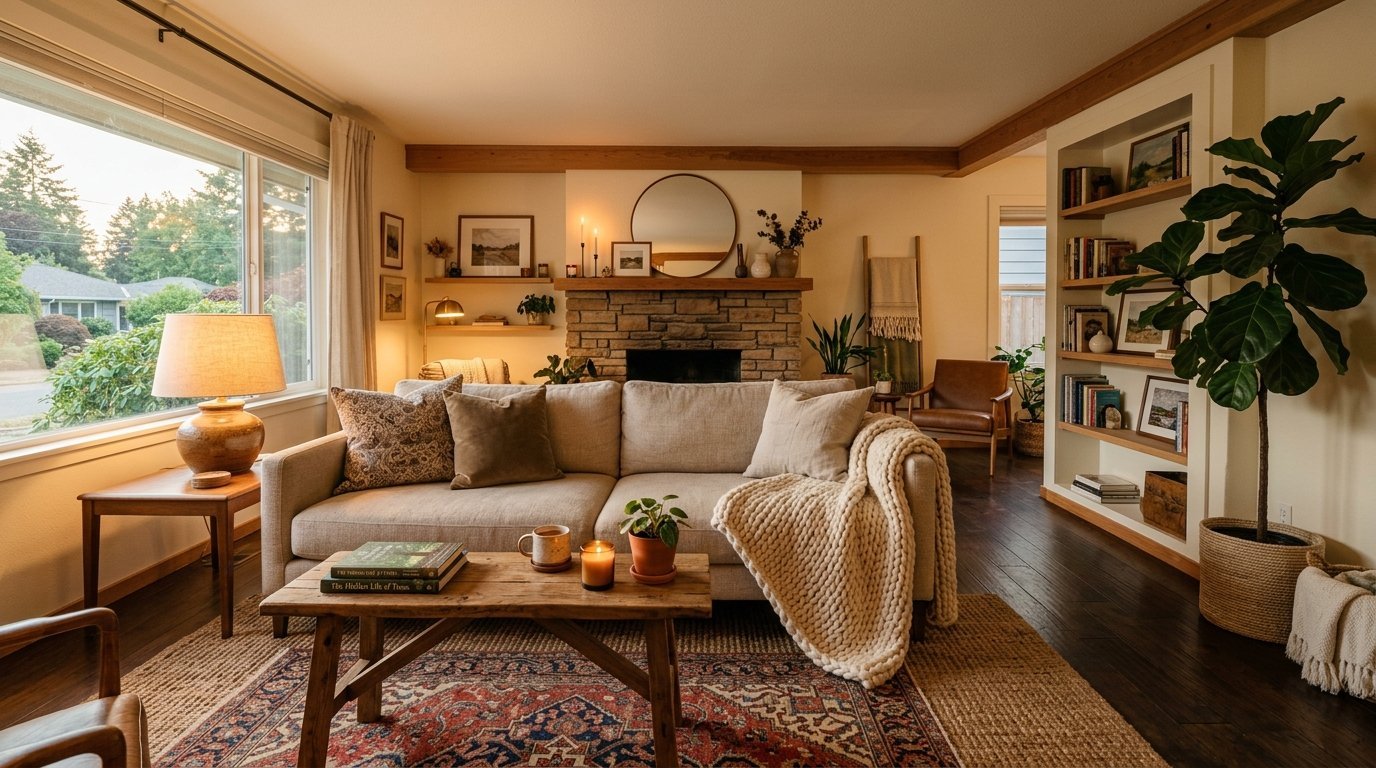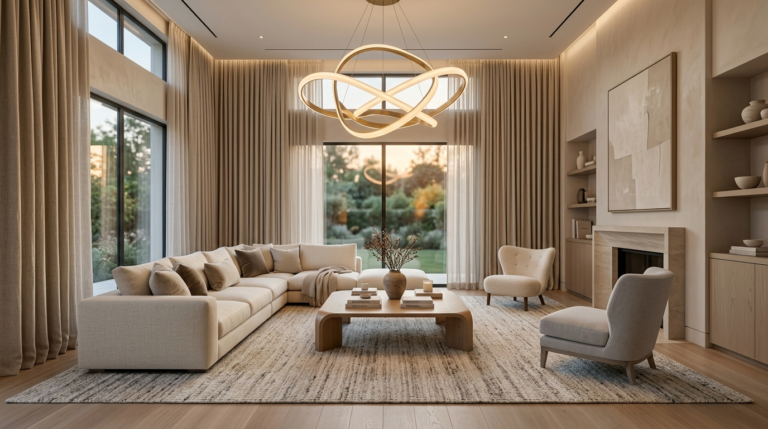
You walk into a room and instantly feel the luxury. The air feels crisp. The furniture looks curated. You assume it cost a fortune. I used to think the same until I realized high-end design is a series of small, smart choices. Last year I helped a friend refresh her rental for under five hundred dollars. When her neighbors visited, they asked if she had hired a professional decorator. She hadn’t. She just used the right tricks. Luxury is not about the price tag. It is about how you treat the space. You can create a high-end home without a massive bank account. These ideas focus on texture, light, and scale. They turn a basic room into a sanctuary. You will see how simple changes lead to big results.
Executive Summary
This guide provides 22 practical ways to elevate your living room. You will learn how to use scale to your advantage. I cover everything from curtain height to the psychological impact of scent. Most projects here cost less than fifty dollars. Some are completely free. I’ve tested these methods in various homes over ten years. These steps work for small apartments and large houses alike. You will find a comparison table of costs later. I also address the most common mistakes people make when trying to look rich on a budget. By the end, you will have a clear plan to make your space feel expensive and intentional.
1. Hang Curtains High and Wide
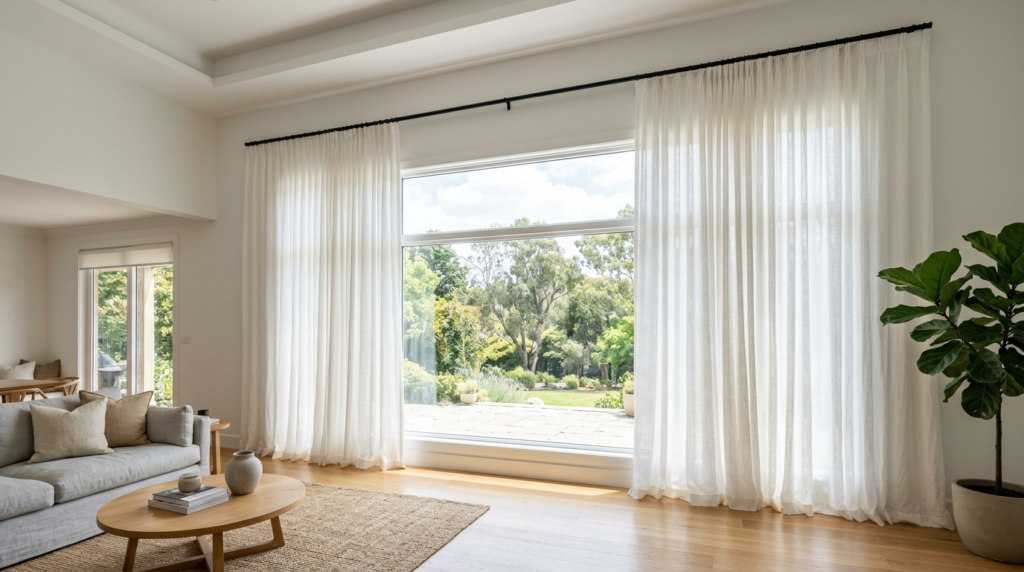
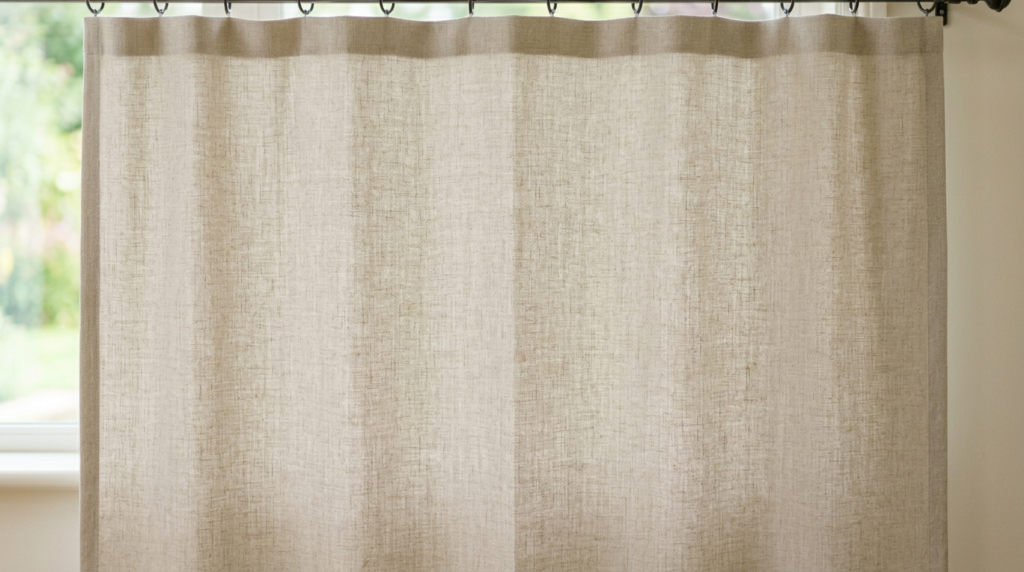
Most people hang curtain rods right above the window frame. This is a mistake. I always tell my clients to “go high and go wide.” Mount your curtain rod at least six inches above the window. In my experience, taking it all the way to the ceiling is even better. This trick draws the eye upward. It makes your ceilings feel ten feet tall. Buy curtains that are twice as wide as the window. This ensures they look full and lush when closed. Avoid thin, shiny fabrics. Choose linen blends or heavy cotton. These materials hang with a weight that screams quality. Your room will feel grander instantly.
2. Use Oversized Art Pieces
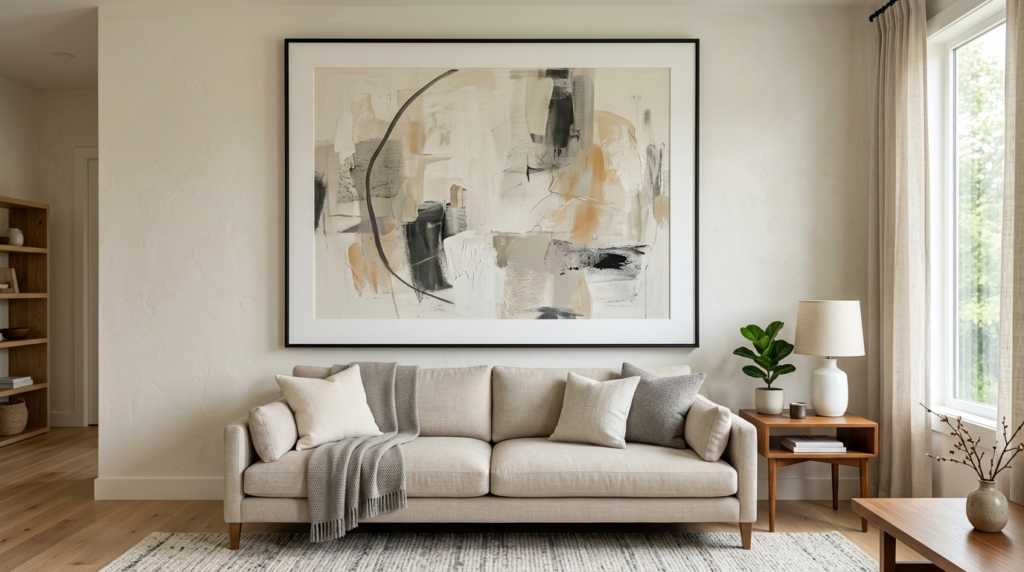
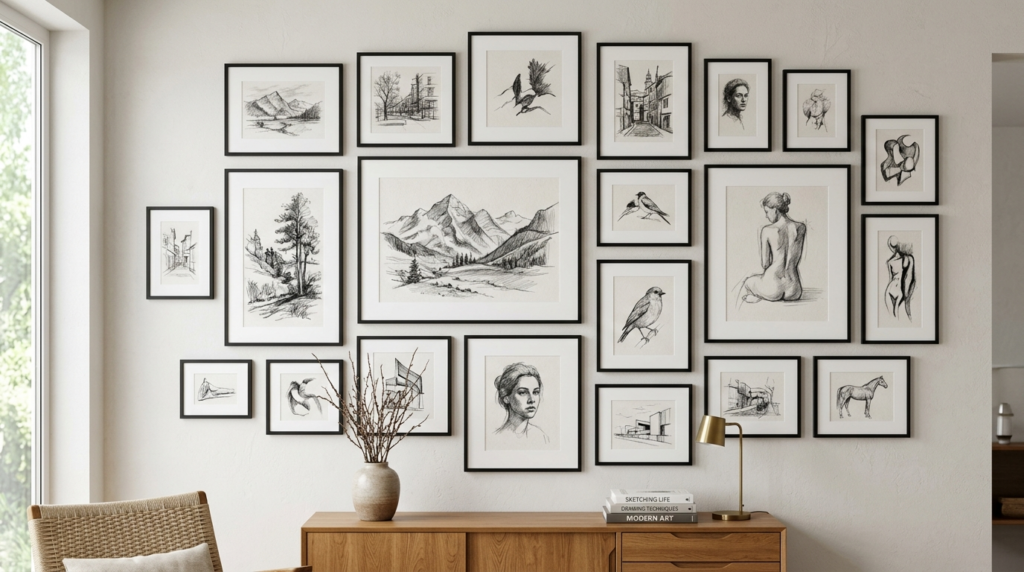
Small pictures on a large wall look cheap. They make the room feel cluttered and nervous. Instead, find one massive piece of art. This creates a focal point. You don’t need to spend thousands at a gallery. I often buy digital art files for fifteen dollars. I print them at a local shop as a large engineering print. Place the print in a simple black frame with a wide white mat. This wide mat is the secret. It adds a professional, curated look to any image. One large piece feels confident. It tells guests that you have a specific vision for your home.
3. Swap Out Basic Hardware
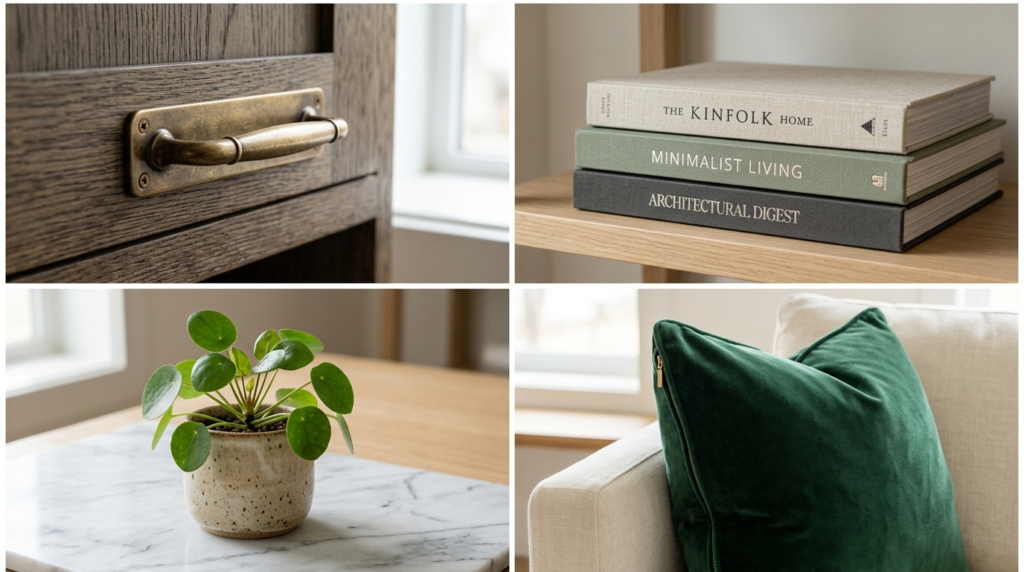
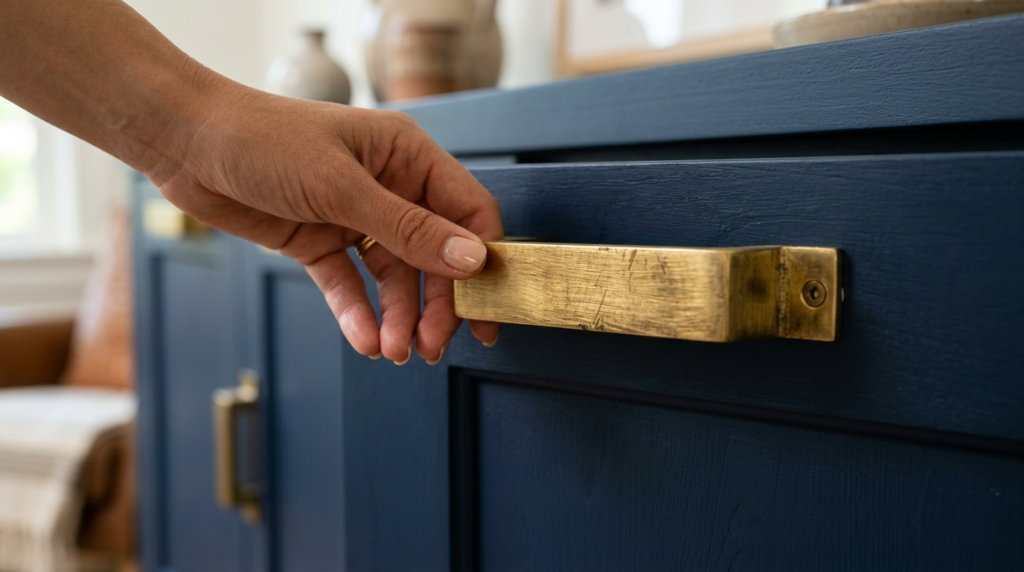
Builders often use the cheapest knobs and pulls available. These plastic or flimsy metal pieces bring down the whole room. Replace them with heavy brass or matte black hardware. I did this on my media console and it changed the entire vibe. Look for solid metal options that feel heavy in your hand. Weight suggests quality. This applies to your door handles and light switches too. Swapping a plastic switch plate for a metal one takes two minutes. It is a detail most people miss. But your hands notice it every day. It is a tactile luxury that costs very little.
4. Layer Your Lighting
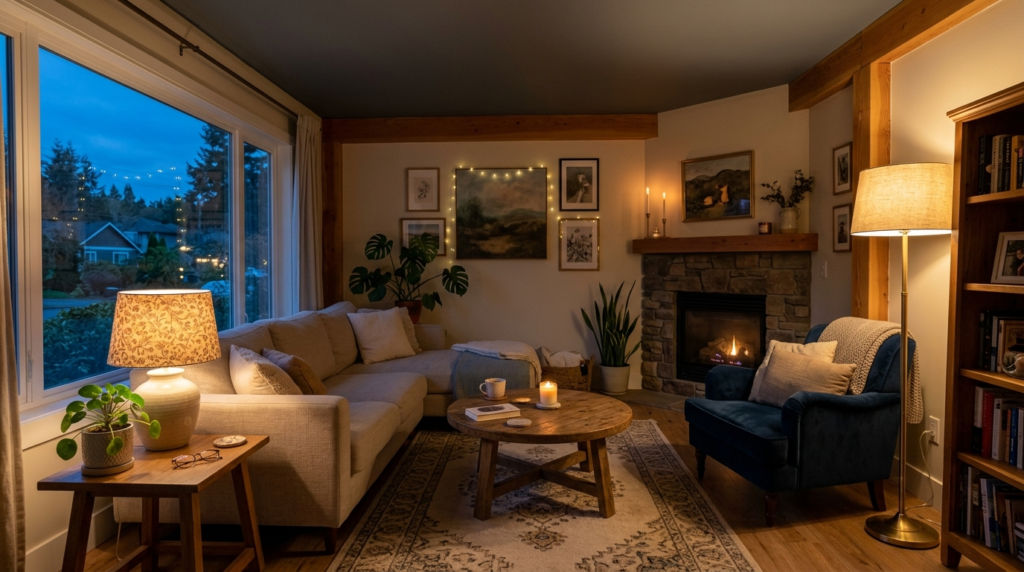
A single overhead light is the enemy of expensive design. It creates harsh shadows and feels cold. Expensive rooms use layers. I recommend at least three sources of light in every living room. Start with your overhead for tasks. Add a floor lamp for height. Place a table lamp on a side board for warmth. In my experience, warm white bulbs are essential. Look for bulbs labeled 2700K. This creates a golden hour glow all night long. Use plug-in wall sconces if you cannot wire them. They add architectural interest without a contractor.
5. Invest in a Large Rug
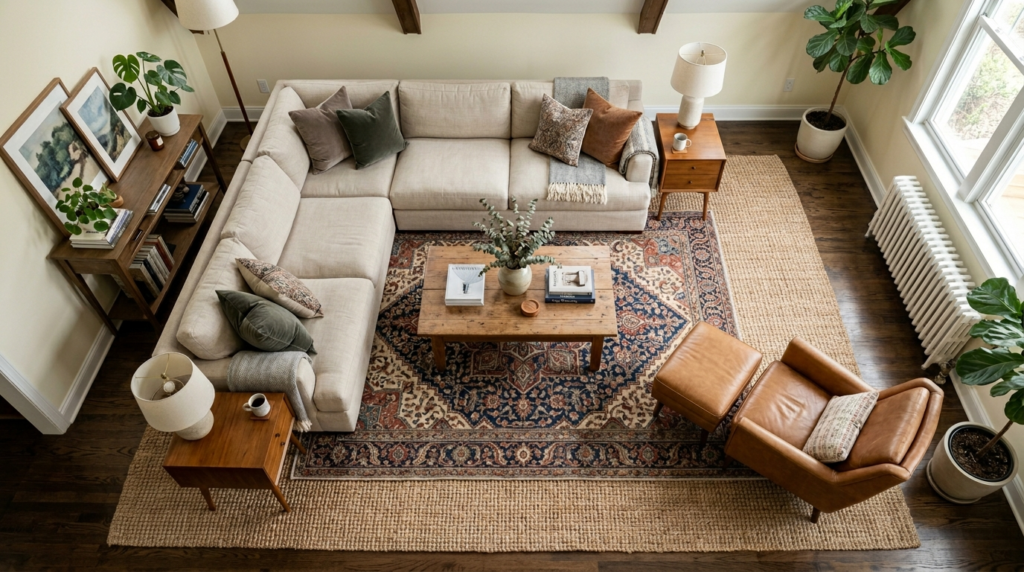
A small rug makes your furniture look like it is floating in a void. It shrinks the room. For a pricey look, your rug must be large enough for all furniture legs to sit on it. At the very least, the front legs of every chair and sofa should touch the rug. If a large wool rug is too expensive, try layering. Buy a large, affordable jute rug as your base. Place a smaller, high-quality patterned rug on top. I have seen this work in dozens of homes. It adds texture and depth. It also saves you hundreds of dollars on floor coverage.
6. Style Your Coffee Book Layers
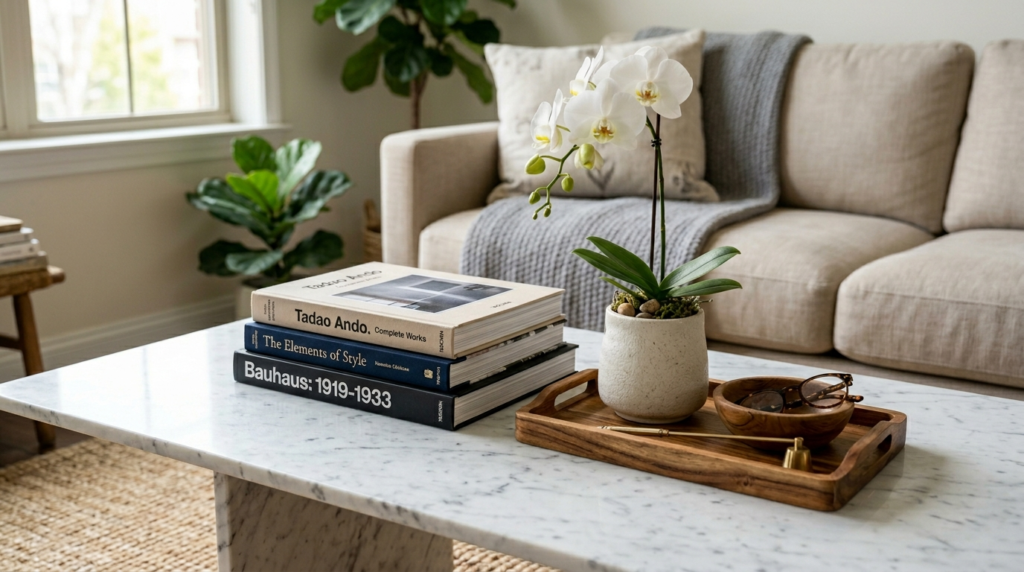
Coffee tables are often dumping grounds for remotes. Expensive homes treat them like mini stages. Use the “rule of three” here. Place a stack of large books on one side. Put a tray on the other side. Add a natural element like a bowl of stones or a small plant. I buy my decor books from thrift stores. Look under the paper jackets. Often, the hardcovers underneath are beautiful linen or neutral colors. Stack them from largest to smallest. This creates a sense of order. It makes your living room feel like a library in a boutique hotel.
7. Hide the Television
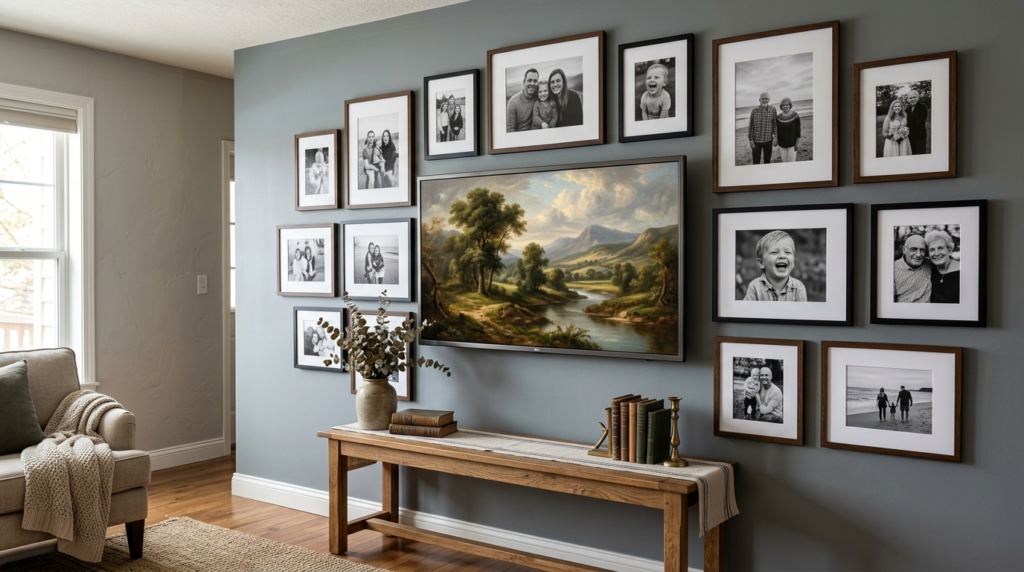
A giant black rectangle on the wall is not high-end. It breaks the visual flow. If you can’t afford a Frame TV, use art to distract from it. Surround the television with a gallery wall of black and white photos. This helps the screen blend in when it is off. I also like to use digital art screensavers. Many streaming apps offer free “fireplace” or “museum” loops. This turns the tech into a moving painting. It changes the energy of the room from a theater to a lounge. It is a free upgrade with a huge impact.
8. Introduce Different Textures
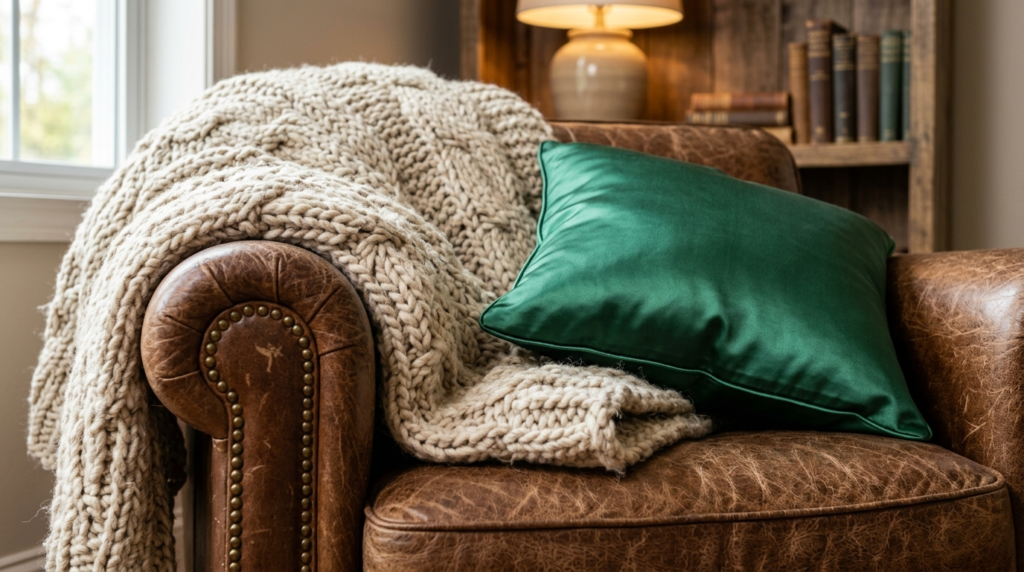
Matchy-matchy furniture sets look like a showroom floor. They lack personality. Expensive rooms feel collected over time. Mix your materials. If you have a leather sofa, add a velvet pillow. Place a wooden side table next to a metal lamp. I’ve noticed that adding something “rough” like a stone bowl makes “smooth” things look more expensive. Texture creates visual interest. It invites people to touch and feel the space. Avoid buying everything from one store. Scour different shops to find pieces that don’t perfectly match but share a color palette.
9. Paint the Trim the Same Color
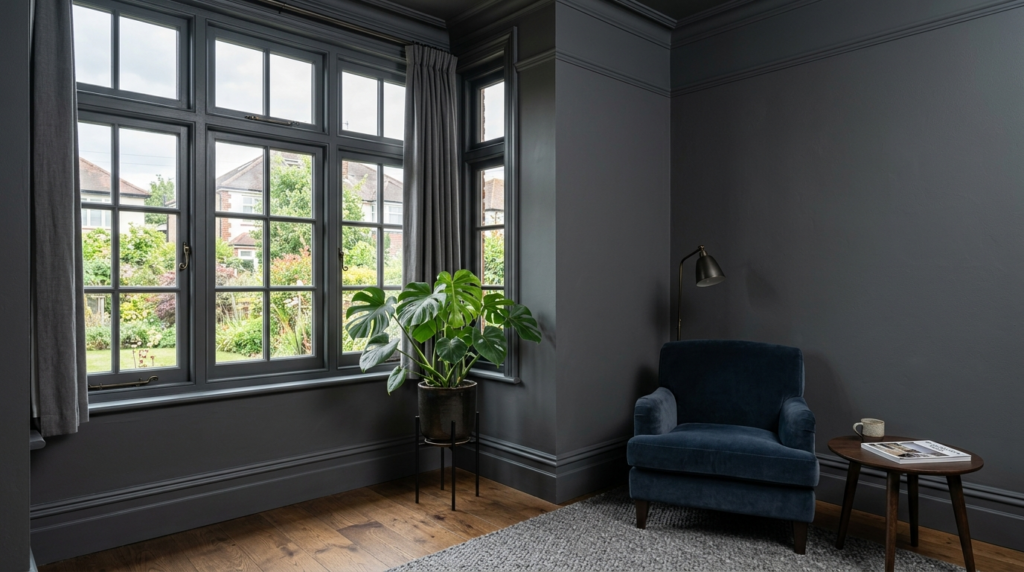
Most people paint walls one color and trim white. This is safe. For a custom, expensive look, try color drenching. Paint your baseboards, window trim, and walls the exact same color. Use a flat finish for walls and a satin finish for trim. This creates a seamless look. It hides the lines of the room and makes it feel expansive. I tried this with a moody dark green in a small den. The room suddenly felt like a private club. It looks expensive because it requires a bold choice. It shows you aren’t afraid of your space.
10. Add Crown Molding
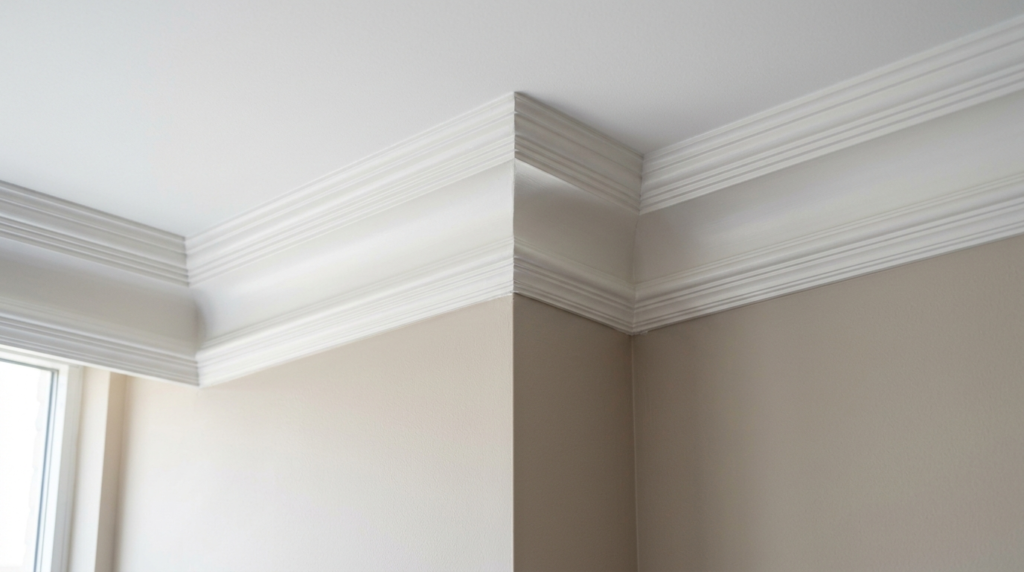
Architectural details are the hallmark of luxury homes. Many modern houses lack these details. You can add them yourself with peel-and-stick molding. I was skeptical at first. Then I tried it in a guest room. Once painted, you cannot tell it isn’t wood. It adds a finished look to the top of the walls. It makes the ceiling feel like it was designed, not just built. This small addition adds value to your home. It provides a frame for your entire living room. It is a weekend project that pays off for years.
11. Choose a Neutral Palette
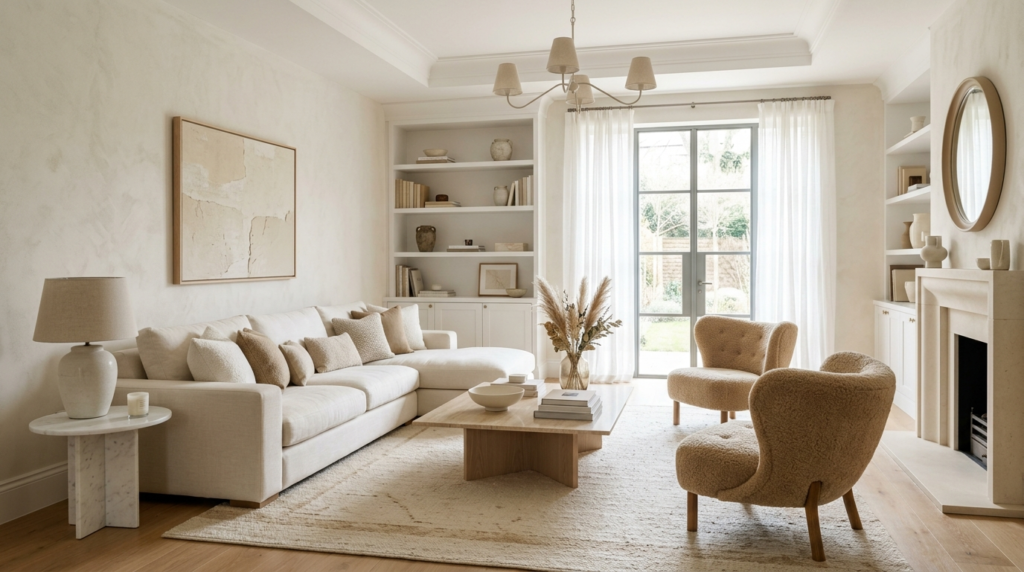
Neon colors and loud patterns are hard to pull off. They often look dated quickly. High-end designers often stick to neutrals. Creams, beiges, and soft grays create a calm environment. I recommend using different shades of the same neutral color. This is called tonal decorating. Use a cream sofa with oatmeal pillows and a tan rug. This layering of similar colors looks intentional and expensive. It creates a “quiet luxury” vibe. You can always add a pop of color with fresh flowers. This way, the base of your room stays timeless.
12. Incorporate Indoor Greenery
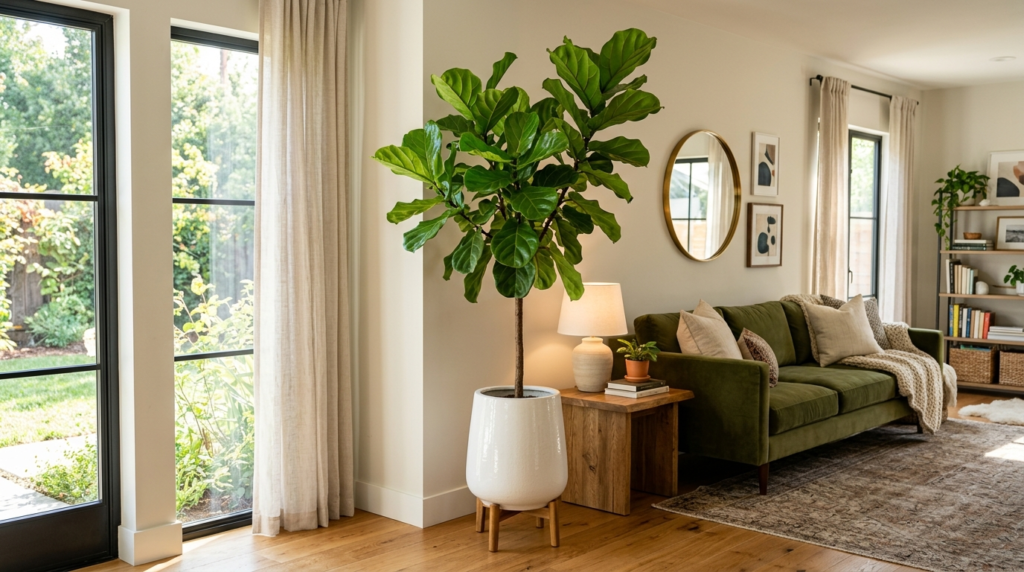
Plants are the ultimate budget luxury. They add life and movement. A large fiddle leaf fig or an olive tree in the corner fills empty space. In my experience, the pot matters as much as the plant. Avoid plastic nursery pots. Buy a large ceramic or terracotta planter. If the plant is too small for the pot, use a stand to give it height. I have seen cheap ivy look like a million bucks when draped over a high shelf. Greenery also cleans the air. A healthy plant suggests the owner has the time and care to maintain a beautiful home.
13. Use Mirrored Surfaces
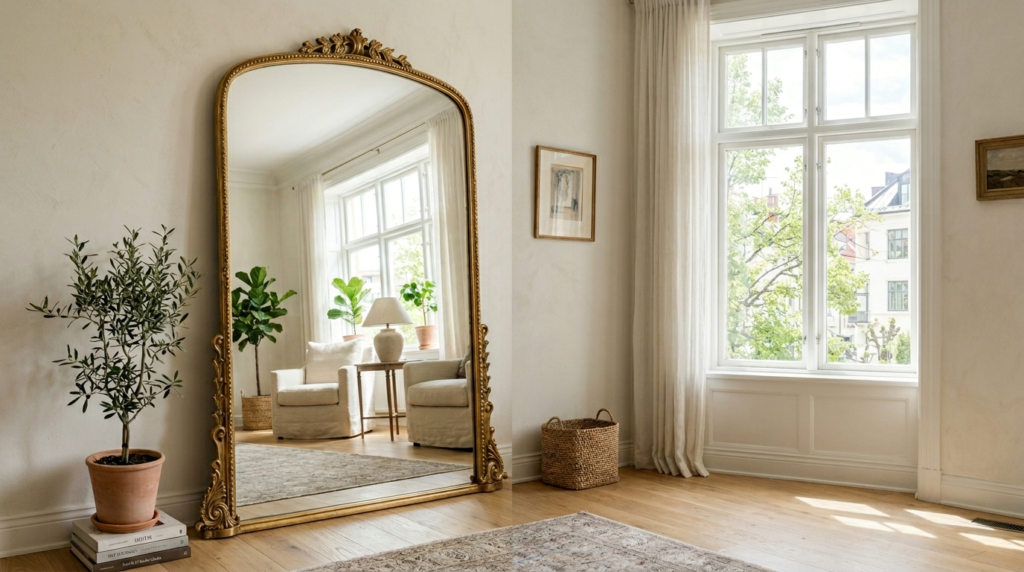
Mirrors do more than just show your reflection. They bounce light around the room. They make small living rooms feel double the size. For a pricey look, use a large floor mirror leaning against a wall. Avoid small, cheap mirrors with plastic frames. Look for thin metal frames or even frameless options. I like to place mirrors opposite windows. This pulls the outdoors inside. It creates a sense of depth that feels like a custom architectural feature. It is a classic designer move for a reason.
14. Clear the Clutter
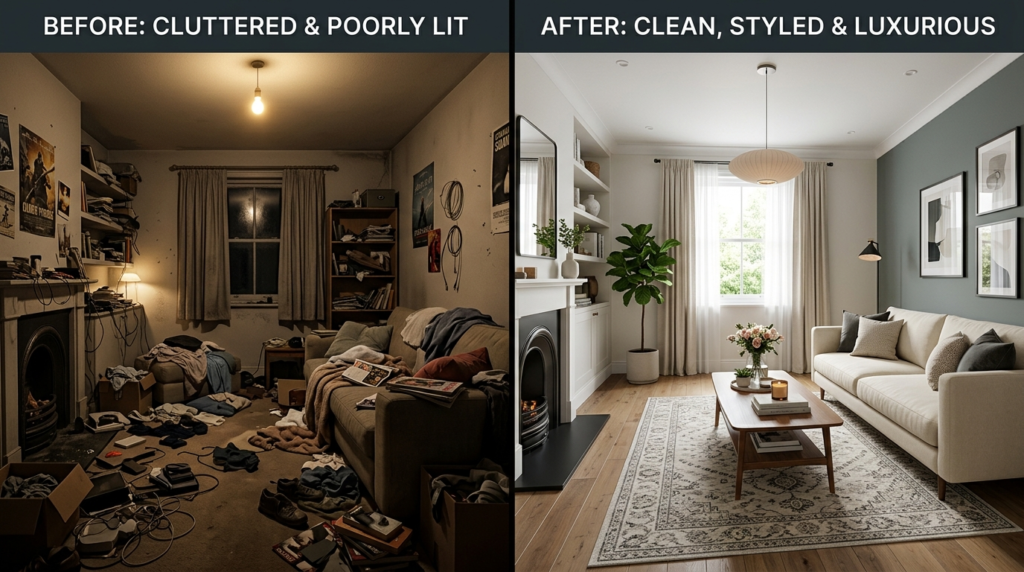
Nothing ruins a luxury vibe faster than piles of mail or tangled cords. Wealthy spaces are organized. I’ve noticed that “negative space” is a design element itself. You don’t need to fill every corner. Leave some room for the eyes to rest. Use decorative boxes to hide remotes and chargers. Mount your power strips to the underside of tables. In my experience, a clean room looks 50% more expensive immediately. It costs zero dollars to declutter. It only takes your time. Treat your surfaces with respect and the room will feel more valuable.
15. Upgrade Your Scent
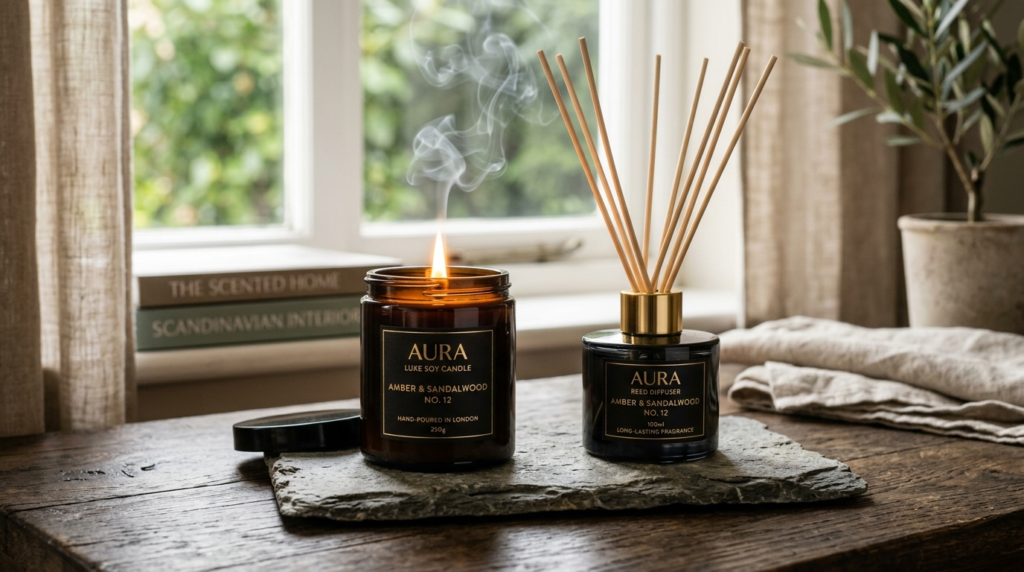
Luxury is a multi-sensory experience. High-end hotels have a signature scent. Your home should too. Avoid cheap aerosol sprays. Use a high-quality reed diffuser or a soy candle. I prefer scents like sandalwood, cedar, or tobacco. These “earthy” smells feel more sophisticated than “fruit” or “candy” scents. I’ve seen people use essential oil diffusers to keep a constant, subtle aroma. When a guest walks in and it smells like a spa, they automatically think the home is high-end. It sets the mood before they even sit down.
16. Install Wall Paneling
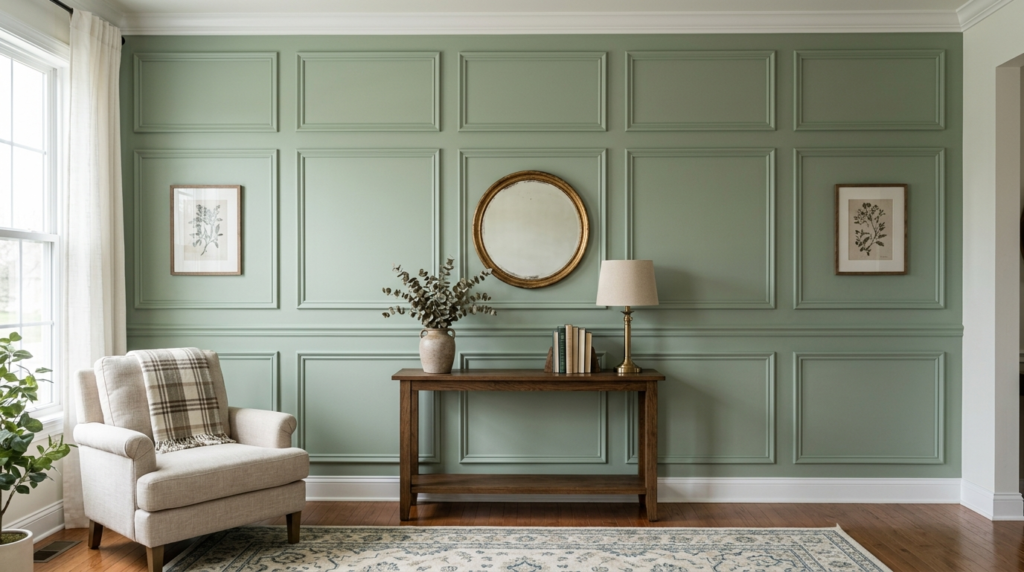
Picture frame molding is a DIY dream. You buy thin strips of wood and nail them to the wall in rectangles. Once you paint over them, they look like custom carpentry. I did this in my first apartment and the landlord thought I spent thousands. It adds a layer of history to a new building. It provides a structured background for your furniture. You can find pre-cut kits online that make the math easy. This is a classic European look that never goes out of style. It brings a sense of permanence to the room.
17. Buy Vintage Pieces
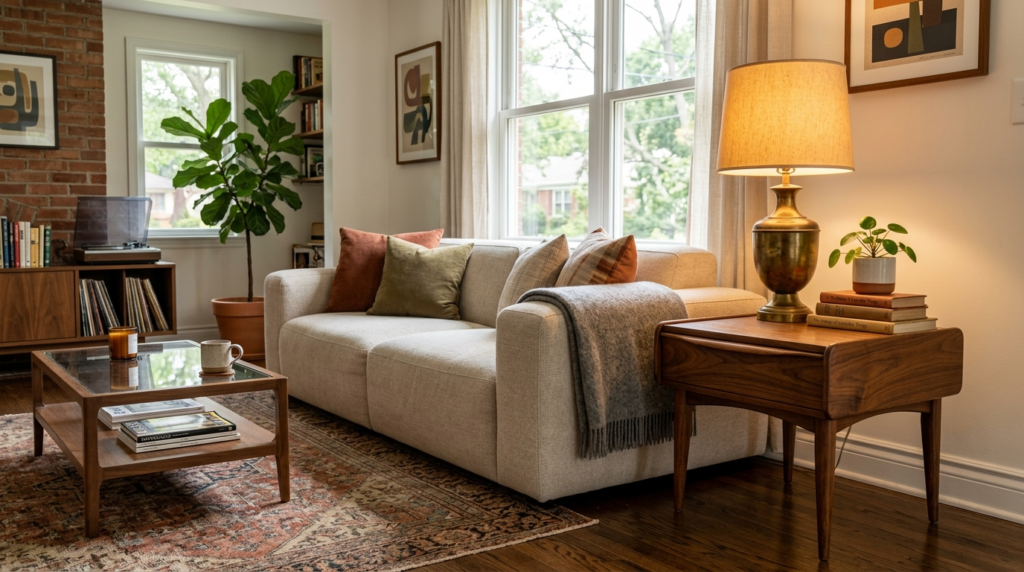
Everything new looks like a catalog. Everything old looks like an inheritance. Mix in one or two vintage pieces. A weathered wooden chest or an old brass lamp adds character. I spend my Saturday mornings at estate sales. You can find high-quality, solid wood furniture for less than the price of flat-pack items. These pieces have a soul. They tell a story. In my experience, a room with a “past” feels much more expensive than a room that was bought in a single afternoon. Look for unique shapes and sturdy construction.
18. Match Your Frames
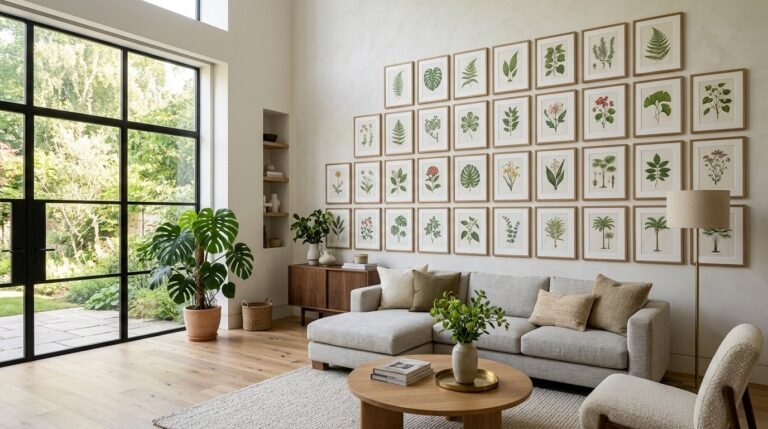
A gallery wall looks expensive when it is cohesive. Use the same color and style of frame for all your photos. I like thin black frames for a modern look. If you prefer traditional, go with all gold. When the frames match, the art inside can be anything. I’ve used postcards, fabric scraps, and old maps. Because the frames are consistent, the collection looks like a curated set. This is a great way to fill a large wall on a tiny budget. It looks like you commissioned a professional to design the layout.
19. Style with Fresh Flowers
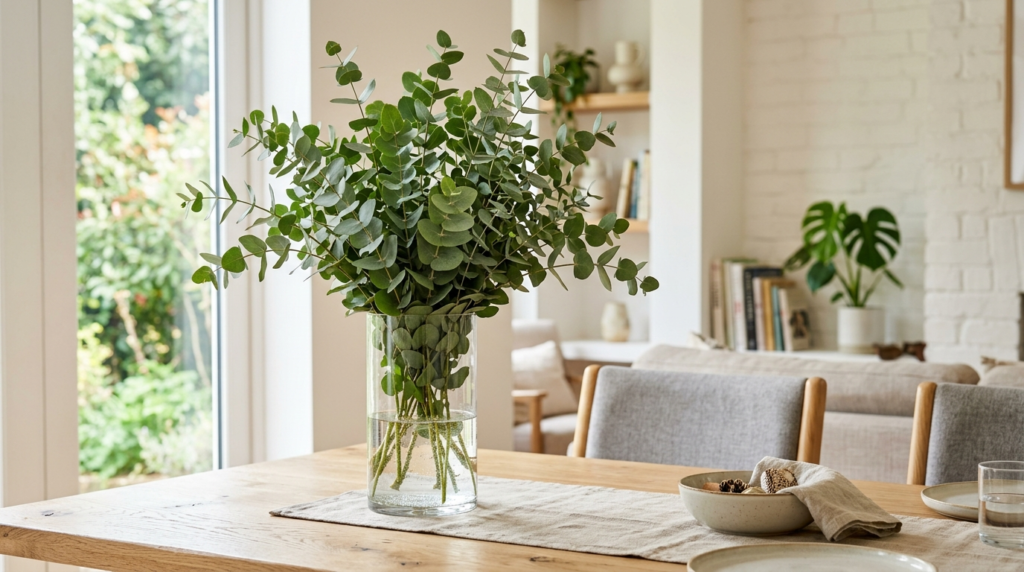
Fake flowers often look dusty and cheap. Fresh flowers are a luxury that changes every week. You don’t need a huge bouquet. One or two green branches in a tall vase look modern and chic. I buy eucalyptus from the grocery store. It lasts for three weeks and smells incredible. Place them on your entryway table or coffee table. It shows that you put effort into the daily state of your home. It adds a burst of natural color that feels far more high-end than any plastic decoration.
20. Steam Your Fabrics
Wrinkles are the enemy of elegance. A beautiful linen sofa looks cheap if it is covered in creases. Buy a hand steamer. Use it on your curtains, your throw blankets, and your pillows. In my experience, this is the most underrated tip in interior design. Crisp fabrics look expensive. They look like they were just installed by a professional. It takes ten minutes but changes the visual texture of the room. It makes everything feel intentional and well-maintained. A smooth curtain hangs better and catches the light more evenly.
21. Group Your Collections
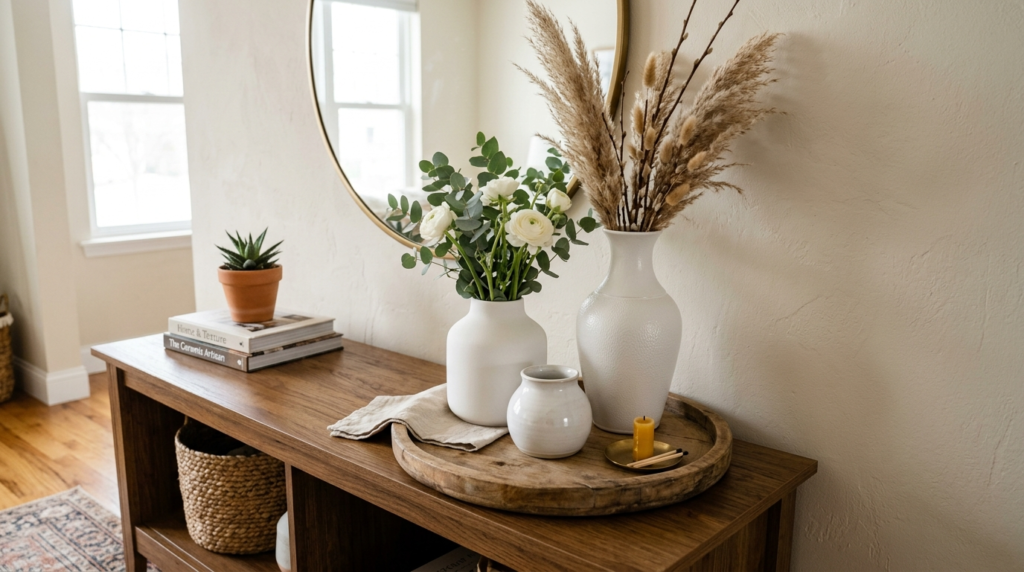
Five small vases scattered around the room look like clutter. Five small vases grouped together on a tray look like a collection. Use the power of repetition. If you have several small items you love, keep them close to each other. This creates a stronger visual impact. I’ve noticed this works well with candles too. Group three candles of different heights on a marble slab. Suddenly, they aren’t just candles. They are a centerpiece. This trick makes your existing decor work harder for you. It simplifies the room and adds a “gallery” feel.
22. Deep Clean Regularly
The most expensive thing a room can be is clean. Dust on a baseboard or a smudge on a window kills the luxury vibe. High-end homes are sparkling. I make it a habit to wipe down my light fixtures once a month. Glass globes that shine make the light look better. Vacuum the edges of your rugs. Polish any metallic surfaces. When a home is truly clean, the materials can shine. It shows you value what you have. This pride of ownership is the ultimate sign of a pricey, well-cared-for home.
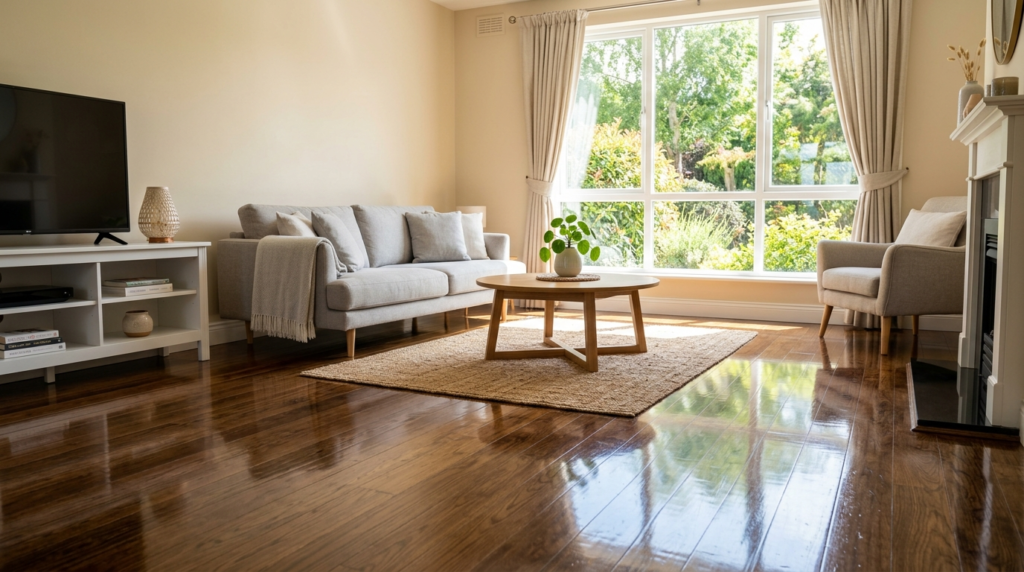
Comparison of Budget vs. Luxury Impact
| Design Element | Budget Option | Luxury Look Hack | Estimated Cost |
| Window Treatment | Plastic Blinds | Ceiling-high Linen Curtains | $40 – $80 |
| Wall Decor | Many Small Prints | One Oversized Digital Print | $25 – $50 |
| Flooring | Bare Floors | Layered Jute and Pattern Rugs | $100 – $200 |
| Lighting | Single Ceiling Fan | Three Source Layered Lighting | $60 – $120 |
| Hardware | Standard Knobs | Solid Brass Heavy Pulls | $5 – $10 each |
| Ambience | Air Freshener | Wood-scented Soy Candles | $15 – $30 |
Frequently Asked Questions
How can I make a cheap sofa look more expensive?
I have found that the easiest way is to swap the legs. Many budget sofas have plastic legs that screw on. You can buy wooden or metal tapered legs online for twenty dollars. It changes the silhouette. Also, replace the standard pillows with high-quality feather inserts. A pillow that you can “chop” looks much more expensive than one stuffed with foam.
What is the best paint color for a luxury feel?
In my experience, “greige” or warm whites are the safest bet. Look for colors like Swiss Coffee or Revere Pewter. These shades react well to different lighting throughout the day. If you want something dark, navy or charcoal gray feels very high-end. Avoid colors with yellow undertones as they can look dingy over time.
Can I mix gold and silver hardware?
Yes. Mixing metals is a designer secret. It makes the room look like it evolved over time rather than being bought as a set. I recommend keeping one metal as the “main” and the other as an “accent.” For example, use black for your curtain rods and lamps, but use gold for your picture frames and trays.
Is wallpaper too expensive for a budget?
Traditional wallpaper is pricey. However, peel-and-stick options have become very high-quality. Use it on a single accent wall or inside a bookshelf. It adds a custom pattern that feels like a luxury upgrade. Look for grasscloth textures for the most expensive appearance.
Conclusion
Creating a pricey living room on a budget is about focus. You do not need to change everything at once. Pick two or three ideas from this list and start there. I usually suggest starting with the curtains and the rug. These cover the most surface area and have the biggest impact. Remember that luxury is a feeling. It comes from order, light, and care. When you treat your home with intention, it will look expensive to everyone who enters. Your space should reflect your personality. Use these tips to build a foundation that feels rich, comfortable, and uniquely yours.

Amelia Hart is the Senior Design Editor at Vellora Interiors, where she curates small-space and apartment content. With a background in color theory and years spent designing under-500-square-foot rentals, she’s the editor who’ll tell you exactly which paint sheen, curtain length, and lamp height to choose, no guessing. A former design lead at a boutique studio, her work has been featured in several home and lifestyle publications. Her guiding belief: “Good design isn’t about more, it’s about choosing better.”