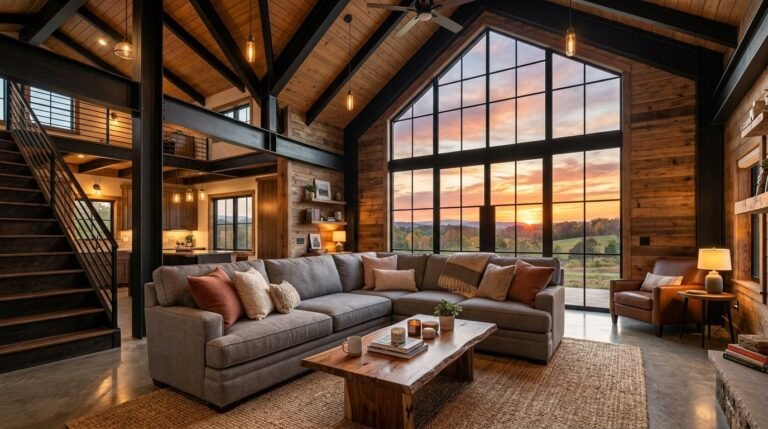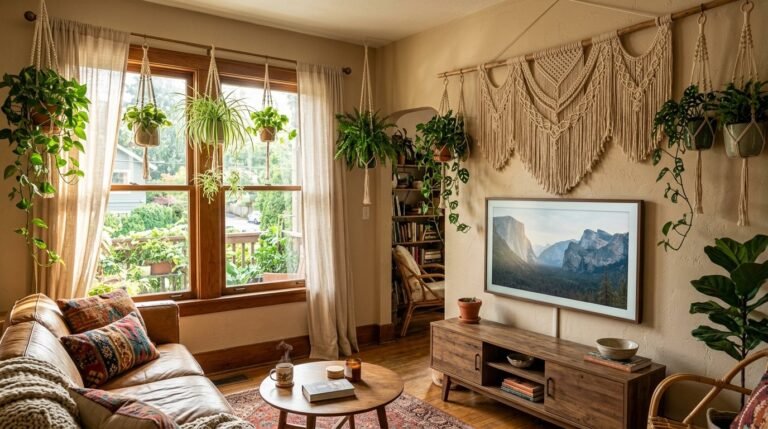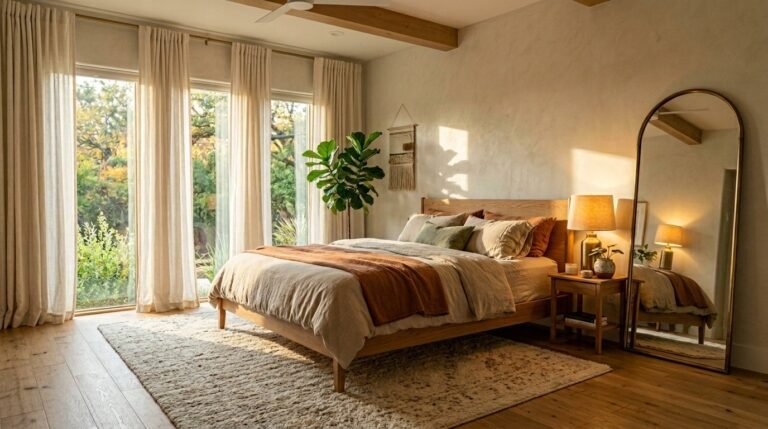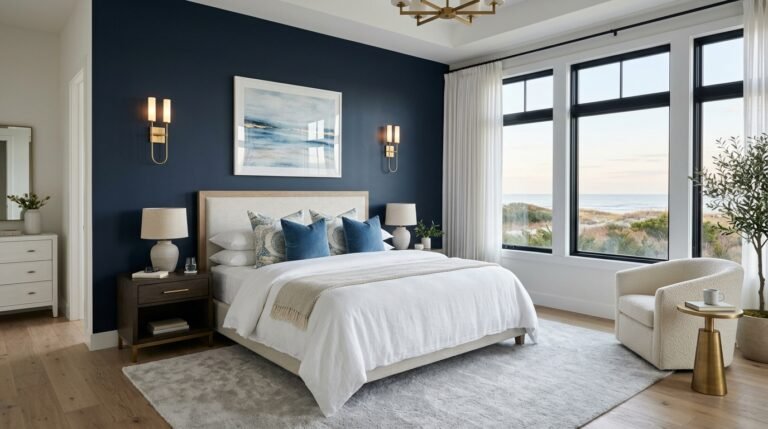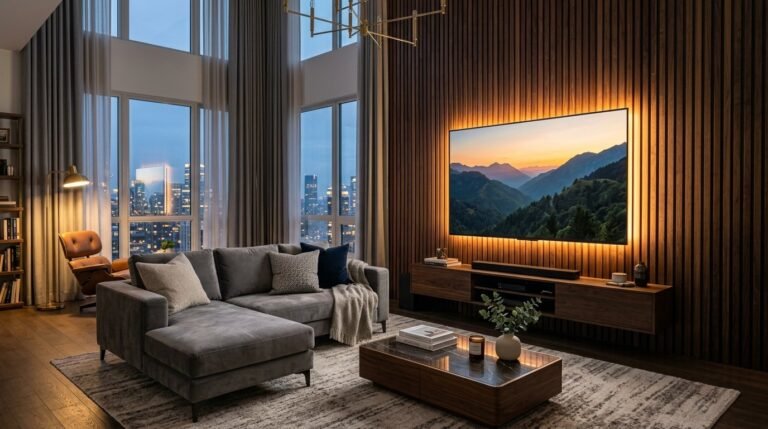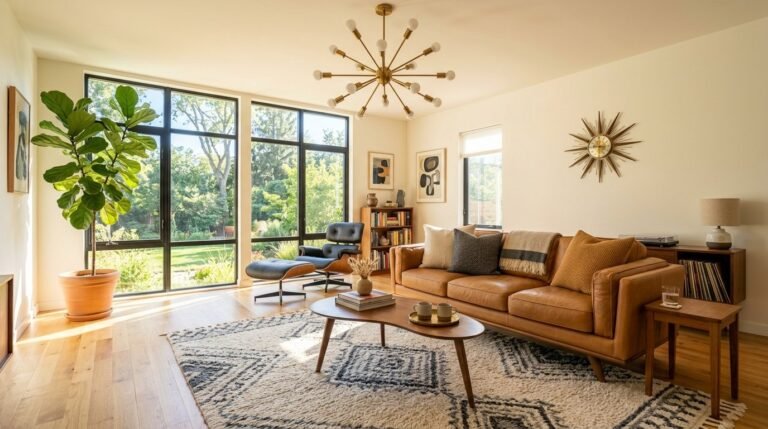
Last year, a friend of mine spent $12,000 on solid hardwood only to have her water heater burst two months later. The warping was heartbreaking and the insurance claim was a nightmare. That is exactly why I started recommending these Lvp flooring ideas to anyone looking for a durable and chic home without the fragile ego of natural timber. You want a floor that can handle a spilled gallon of milk and a 70-pound golden retriever without flinching.
In my experience, modern vinyl has evolved so much that even seasoned contractors have to kneel down to tell the difference between a high-end plank and real white oak. It is about more than just looking good though. It is about a floor that works as hard as you do while keeping your bank account intact.
Executive Summary
This guide provides a comprehensive roadmap to transforming your home with luxury vinyl plank solutions that balance aesthetics with extreme durability. You will discover exactly how to select wear layers that survive high-traffic kitchens and moisture-prone basements without the premium price tag of stone or wood. We cover 23 specific styles ranging from coastal light oaks to industrial concretes, including the latest snap in flooring technologies that reduce labor costs by 70 percent.
I have included specific price breakdowns for major brands like COREtec and Lifeproof so you can plan your budget with precision. We will skip the low-quality peel-and-stick options and focus entirely on high-performance materials that offer a genuine return on investment. By the end of this article, you will have a clear plan for your floor and wall design that looks professional but costs significantly less than a traditional contractor install.
1. Natural Oak Planks
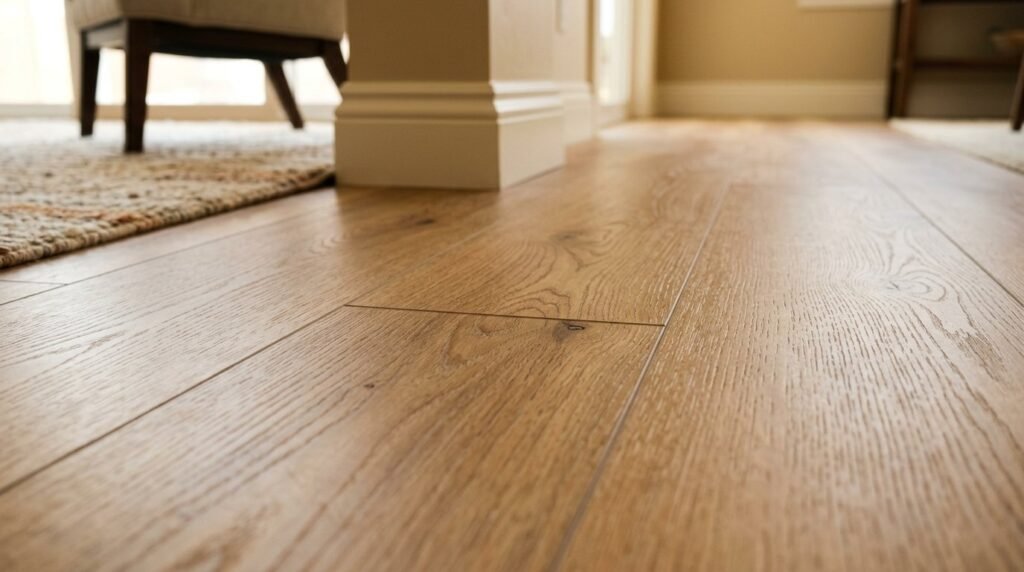
Natural oak remains the gold standard for creating a warm and inviting atmosphere. In a recent project, I used a mid-tone oak plank to brighten a dim hallway and it instantly made the space feel three times larger. Look for products with a 20-mil wear layer to ensure the finish lasts for two decades. You should buy a single box first and lay it out in your specific lighting to check for orange undertones. Expect to pay around $3.50 per square foot for quality planks. A common mistake is choosing a grain pattern that is too repetitive which makes the floor look fake.
2. Matte Slate Finish
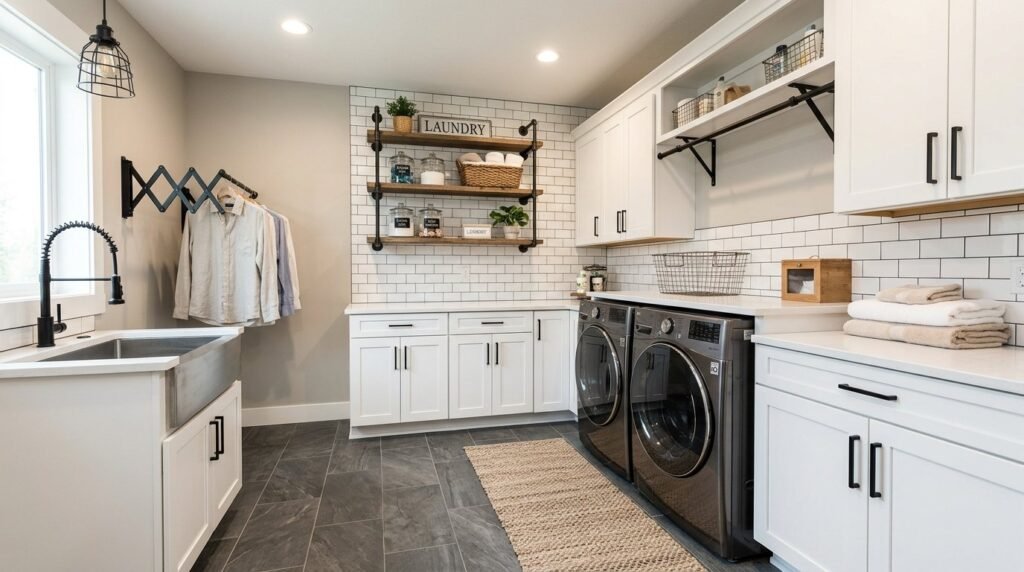
Matte slate vinyl offers the high-end look of natural stone without the cold temperature or the risk of cracking. I have seen this work beautifully in modern mudrooms where boots and wet umbrellas are a daily occurrence. One practical action is to use a dark grout-look vinyl to hide dirt in high-traffic zones. Quality stone-look LVP typically costs $4.00 per square foot. It takes about one weekend to complete a standard bathroom. Do not skip the underlayment or the floor might feel hollow under your feet.
3. Layout Direction
Running planks parallel to the longest wall makes a small space feel significantly larger and reduces the number of cuts needed. In a narrow hallway, laying the vinyl lengthwise creates a seamless flow that guides the eye toward the light source.
Avoid laying planks perpendicular to the main doorway, as this creates a “choppy” visual effect that screams DIY. A professional trick is to dry-lay three rows first to see how the light hits the seams before committing to the adhesive.
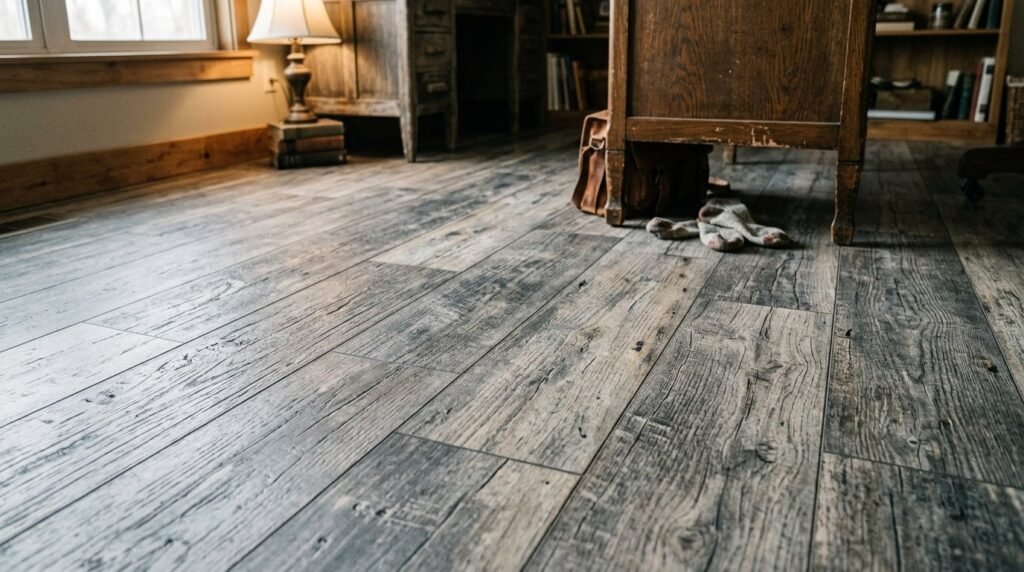
4. Distressed Grey Wood
Distressed grey wood planks are perfect for hiding pet hair and small scratches in busy households. I installed a weathered grey vinyl in a rental property three years ago and it still looks brand new despite multiple tenants. You can find these styles at big box stores like Home Depot under the Lifeproof brand for $3.80 per square foot. Use a staggered layout to make the distressed marks look intentional rather than mechanical. Some people think grey is fading as a trend but it remains the best neutral for hiding daily wear and tear.
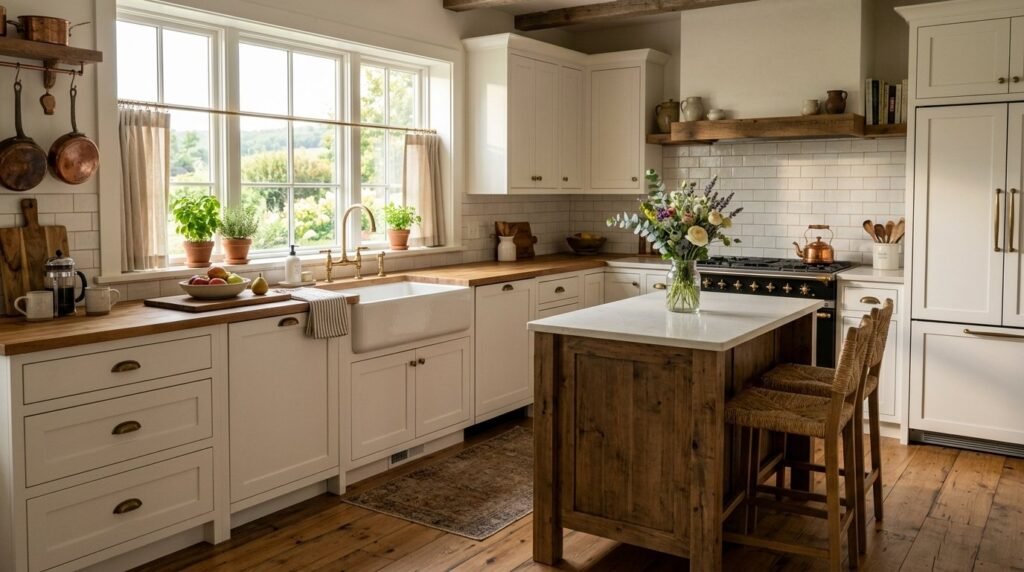
5. Wide Plank Pine
Wide planks create a rustic farmhouse feel that mimics century-old floors. I noticed that 7-inch wide planks specifically help ground a large living room with high ceilings. You should look for boards with painted bevels to add depth between the planks. These often run slightly higher at $4.50 per square foot due to the material width. It usually takes an extra day of acclimation for these wider boards to settle in your climate. Avoid using wide planks in tiny powder rooms as they can make the space feel cramped.
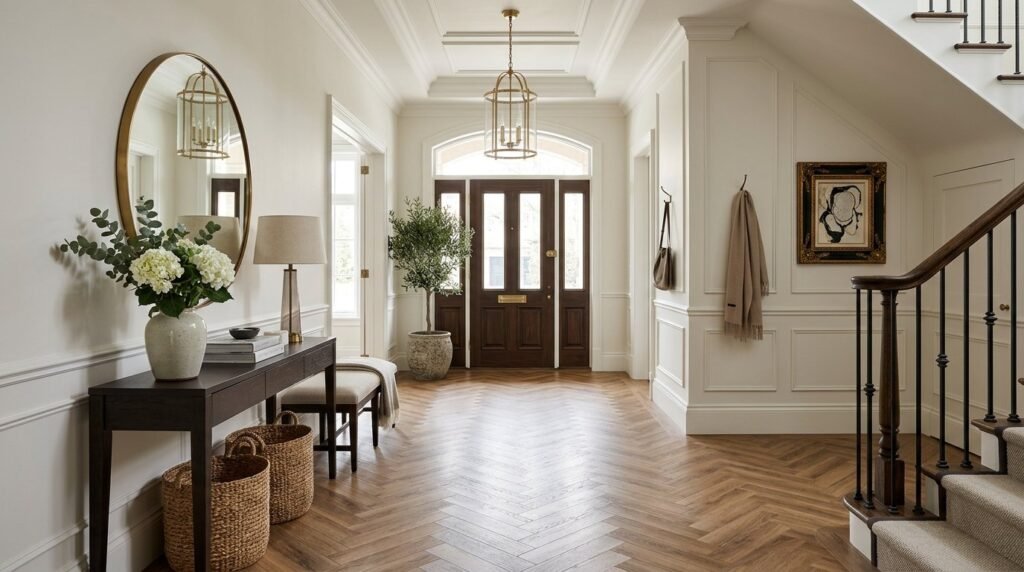
6. Herringbone Pattern Vinyl
Herringbone is the ultimate way to add a luxury feel to a standard room layout. I recently watched a DIYer tackle a herringbone entry and the result looked like a $20,000 custom job for under $1,200 in materials. You must buy 15 percent extra material to account for the intricate cuts required at the walls. This pattern works best with shorter planks to emphasize the geometric design. A common pitfall is starting from a corner instead of the center of the room which leads to a crooked finish.
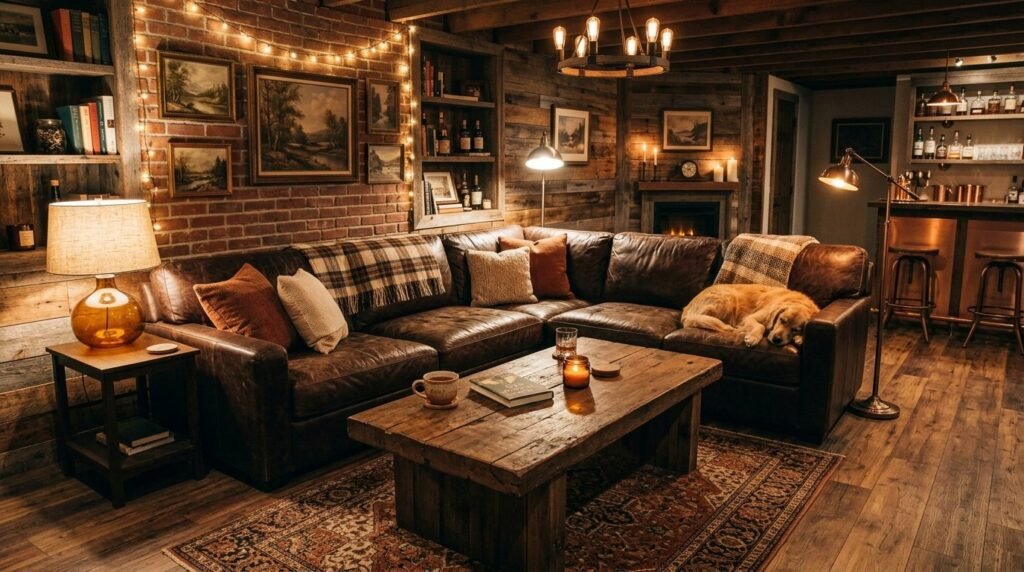
7. Reclaimed Barn Wood
Reclaimed styles offer high contrast and deep textures that are very forgiving for families with children. I love using this in basements because it adds instant character to a space that often feels sterile. Look for a brand like Mohawk that offers deep embossing-in-register technology. This means the texture actually follows the grain of the wood print. Expect to spend $4.25 per square foot for this level of detail. Make sure your subfloor is perfectly level or the textured planks may show gaps over time.
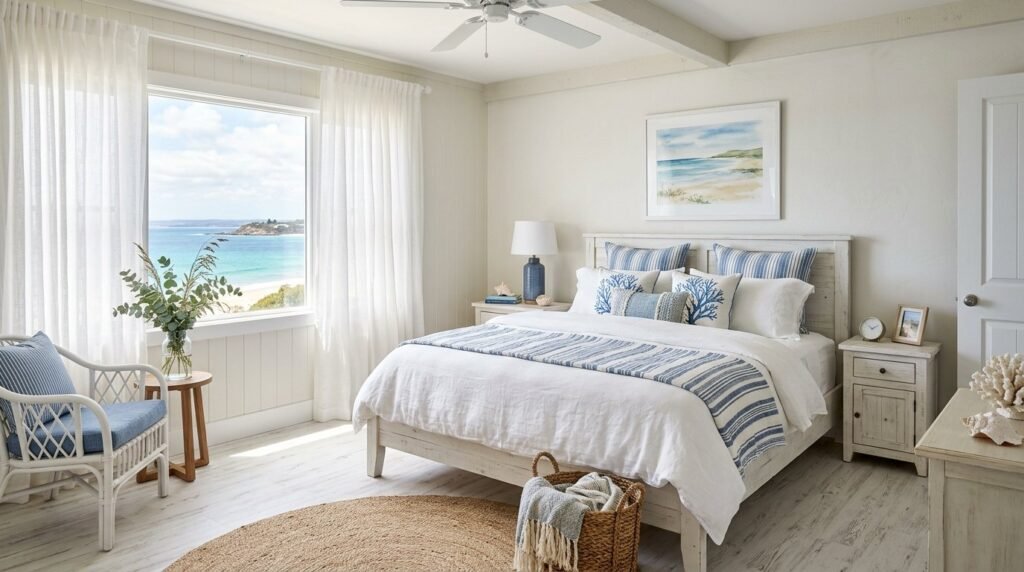
8. Coastal White Wash
White-washed LVP is the best choice for beach-inspired homes or dark apartments with limited natural light. In my experience, these floors reflect light upward and make ceilings appear higher than they are. You can pair these with navy blue accents for a classic nautical look. Budget around $3.20 per square foot for basic white-wash styles. You need to use a high-quality microfiber mop to keep these looking crisp. A common mistake is using a yellow-toned transition strip that clashes with the cool white planks.
9. Modern Concrete Aesthetic
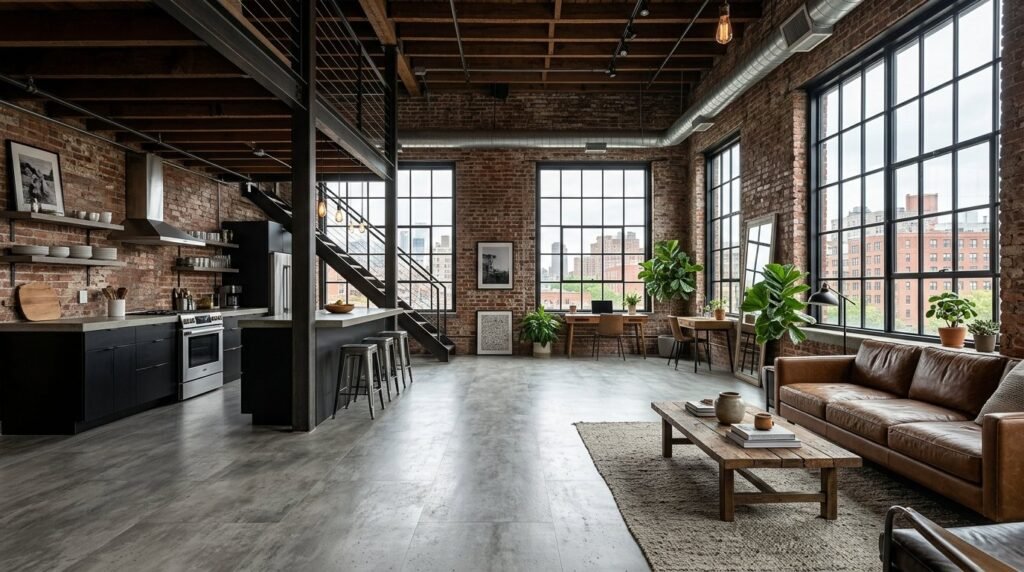
Concrete-look vinyl is a game changer for industrial lofts or modern kitchens. It provides the visual of a poured floor with the soft, warm feel of vinyl. I once used these in a home office and the homeowner was shocked at how much quieter it was than actual concrete. These large-format tiles usually cost $4.75 per square foot. They install quickly because each piece covers a large surface area. Watch out for thin vinyl that mimics concrete as it often lacks the necessary rigidity for a flat finish.
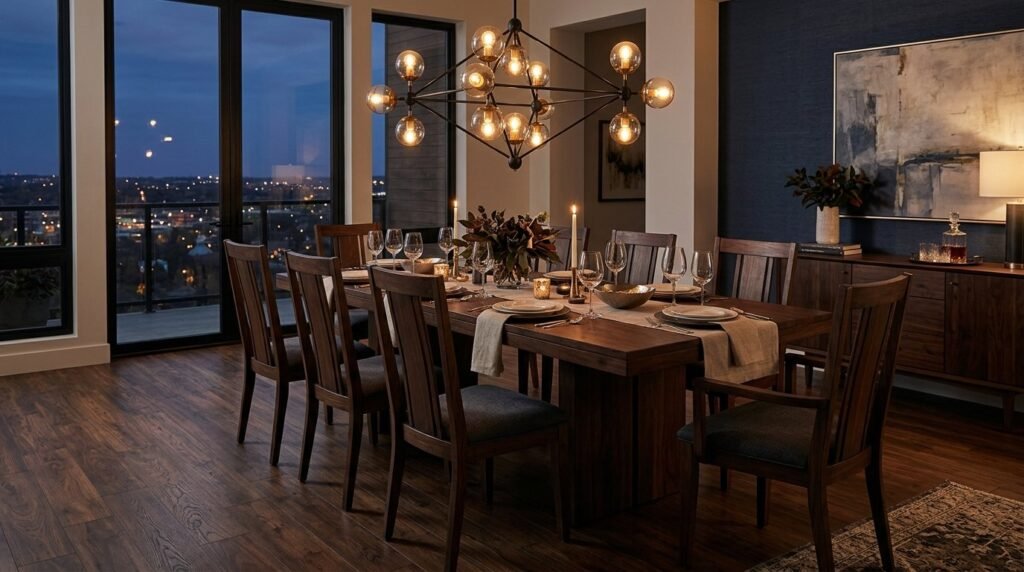
10. Deep Walnut Tones
Walnut vinyl provides a rich and sophisticated look that pairs perfectly with white cabinets. I have seen this combination raise home appraisal values by thousands of dollars for a very small investment. Aim for a plank with a thick core to prevent the dark finish from showing dents. High-end walnut LVP costs roughly $5.00 per square foot. Use felt pads on all furniture to prevent micro-scratches on the dark surface. Do not use dark walnut in a small room without plenty of overhead lighting or it will feel like a cave.
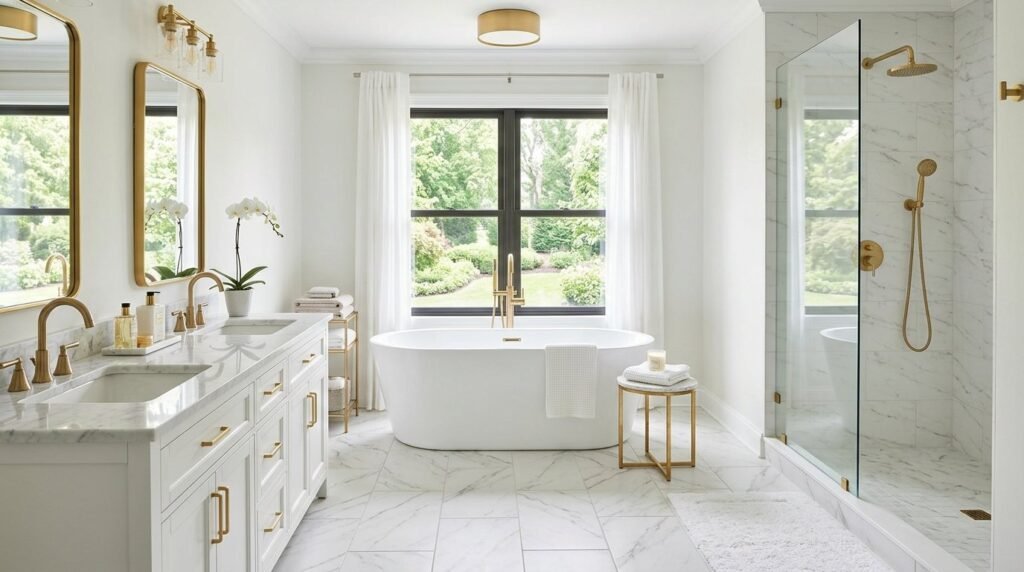
11. Luxury Marble Tile
Marble-look vinyl tiles give you the appearance of a luxury hotel suite for a fraction of the cost. I prefer these over real marble in bathrooms because they are not slippery when wet. You can find snap-together marble tiles that require zero mortar or mess. These typically cost $5.50 per square foot. Installation can be done in four hours for a standard-sized bathroom. Be sure to stagger the “vein” patterns so two identical tiles are not sitting right next to each other.
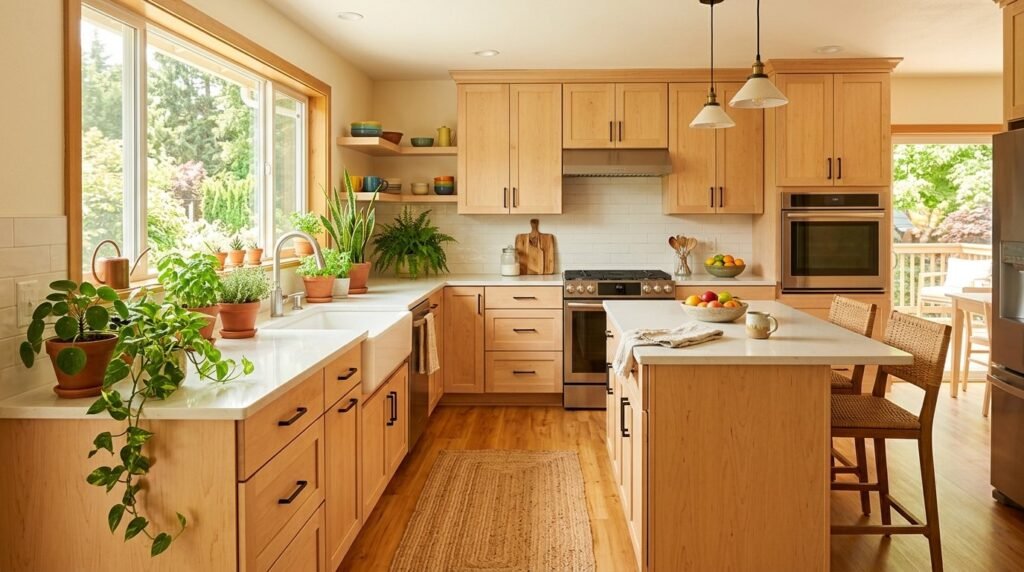
12. Honey Maple Warmth
Honey maple is a classic choice that brings a natural glow to any space. I recommend this for kitchens because it hides crumbs and flour better than any other color. Look for a satin finish rather than a high gloss to keep maintenance low. This is often one of the most affordable options at $2.80 per square foot. It is a great choice for a first-time DIY flooring project. Some designers call this “dated” but it is actually a timeless neutral that survives every trend cycle.
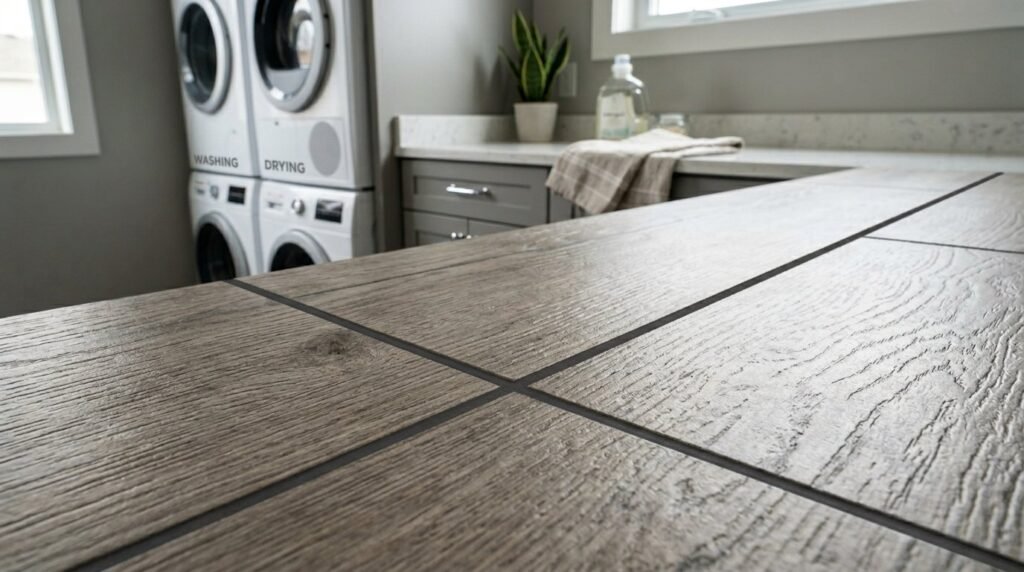
13. High Contrast Grout Lines
Using vinyl tiles with integrated grout lines adds architectural interest to a laundry room. I’ve noticed that this small detail makes the flooring look like expensive ceramic rather than a sheet of plastic. Choose a light grey grout for a modern look or a dark charcoal for high-traffic zones. These tiles usually retail for $4.25 per square foot. Use a specialized vinyl cutter for the edges to keep the lines sharp. Do not use actual grout with these products as it will crack when the vinyl naturally expands.
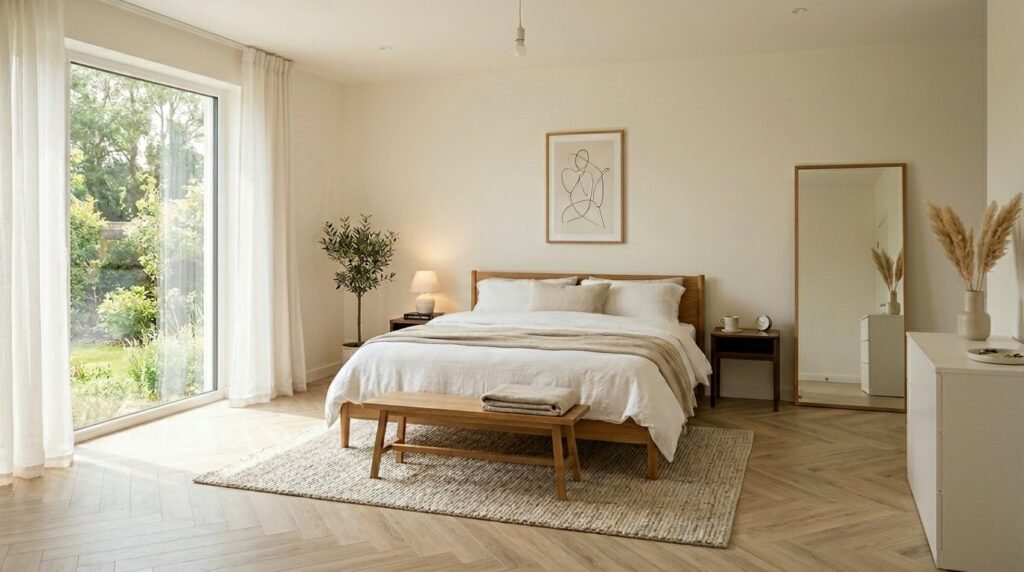
14. European Chevron Style
Chevron patterns offer a sharper, more modern V-shape than standard herringbone. This is a bold choice for a primary bedroom where you want a focal point. I suggest using a light wood tone to keep the pattern from feeling overwhelming. You will likely need to order this as a special request which can take three weeks for delivery. Cost is typically $6.00 per square foot for the specialized planks. Ensure your installer has experience with chevron as the alignment is much tighter than a standard floor.
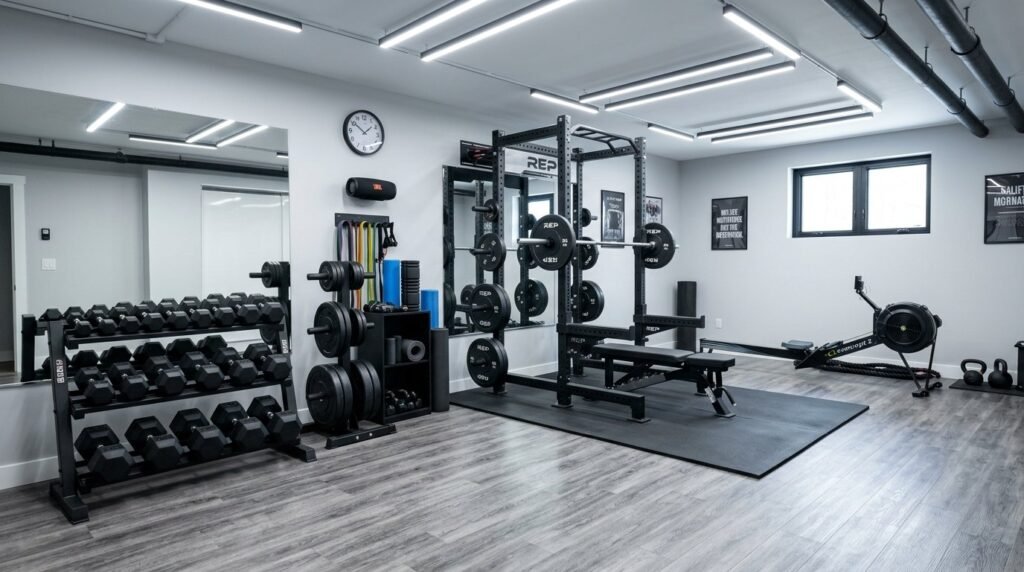
15. Industrial Steel Grey
Steel grey vinyl with a subtle metallic sheen works perfectly in home gyms or workshops. It is incredibly resistant to heavy weights and dropped equipment. I installed this in a garage conversion last summer and it has handled car tires and oil spills without staining. You can find heavy-duty versions for $3.90 per square foot. Use a rubber mallet during installation to ensure the locking mechanisms are fully seated. Do not leave this in direct sunlight for long periods as the dark grey can absorb heat and expand.
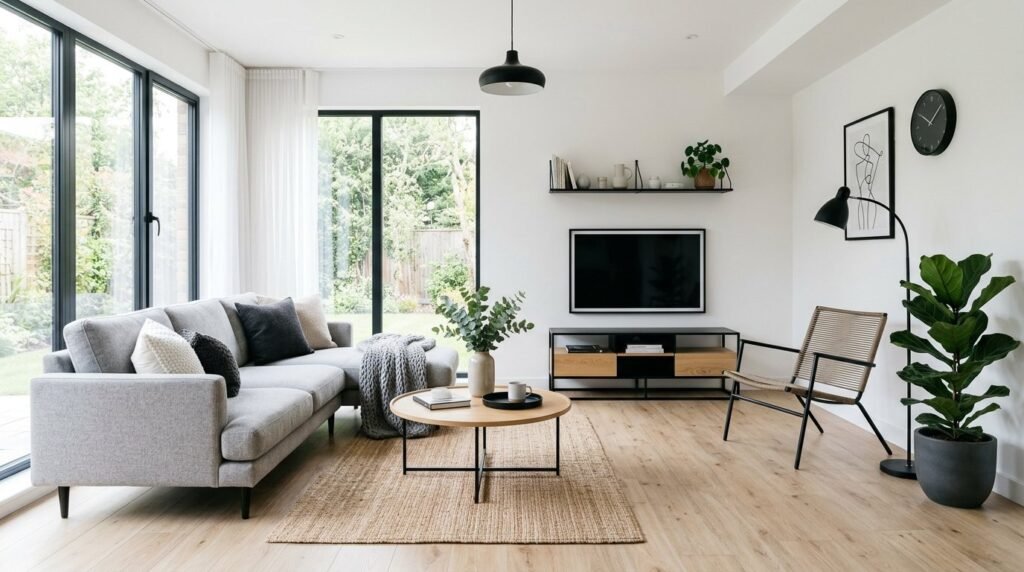
Blonde wood is the core of the minimalist design movement. It creates a clean and airy feeling that works well with black hardware and green plants. I find that blonde LVP shows the least amount of dust compared to darker options. You can find quality blonde planks for $3.50 per square foot at most flooring outlets. Use a transitions strip that matches the wood grain exactly for a seamless flow between rooms. A common mistake is using a heavy wood grain that distracts from the minimalist aesthetic.
17. Victorian Checkerboard Pattern
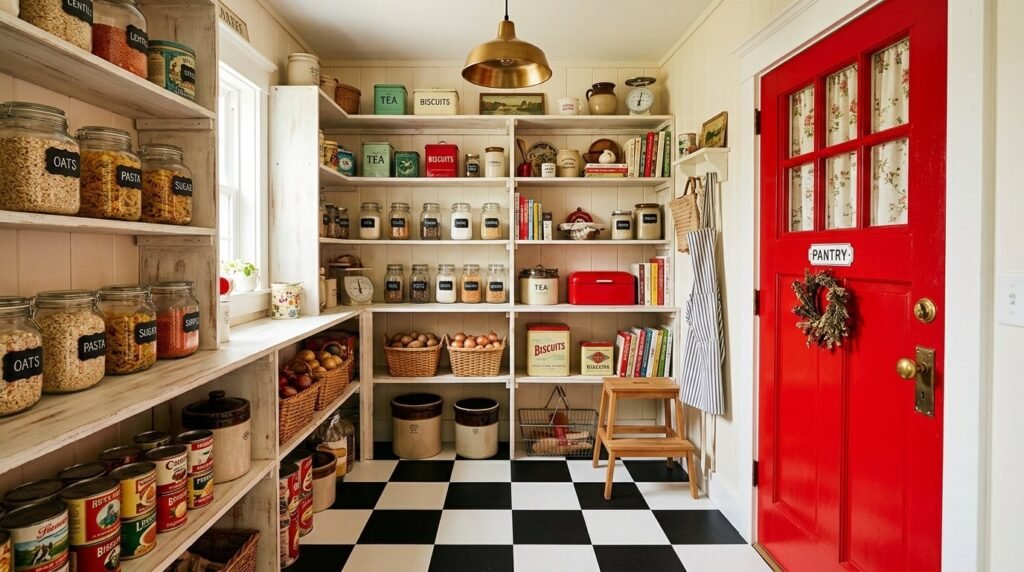
Black and white checkerboard vinyl tiles are a fun way to add personality to a pantry or small entry. I love the retro vibe this creates when paired with a bright red or yellow door. These are usually 12-inch by 12-inch snap-in tiles that cost $3.00 per square foot. You can mix and match different colors to create a custom pattern. Make sure you start your layout from the center of the door to keep the pattern symmetrical. Avoid using this in large open-concept spaces as the pattern can become visually tiring.
18. Weathered Teak Planks
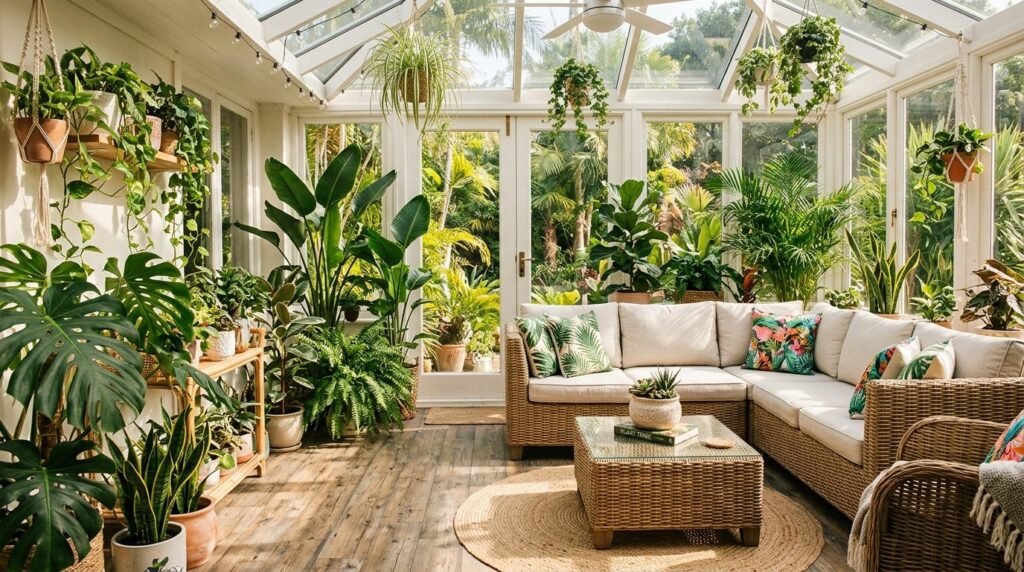
Teak-look vinyl is the best choice for sunrooms or areas with high humidity. It has a warm and tropical feel that mimics high-end outdoor decking. I recommend choosing a product with a UV-resistant coating to prevent fading near large windows. This style typically costs $4.80 per square foot. It pairs beautifully with wicker furniture and indoor palms. One practical tip is to check the slip resistance rating if you plan to use it near an indoor hot tub. Do not buy the cheapest version of teak as the color can often look orange under artificial light.
19. Dark Charcoal Stone
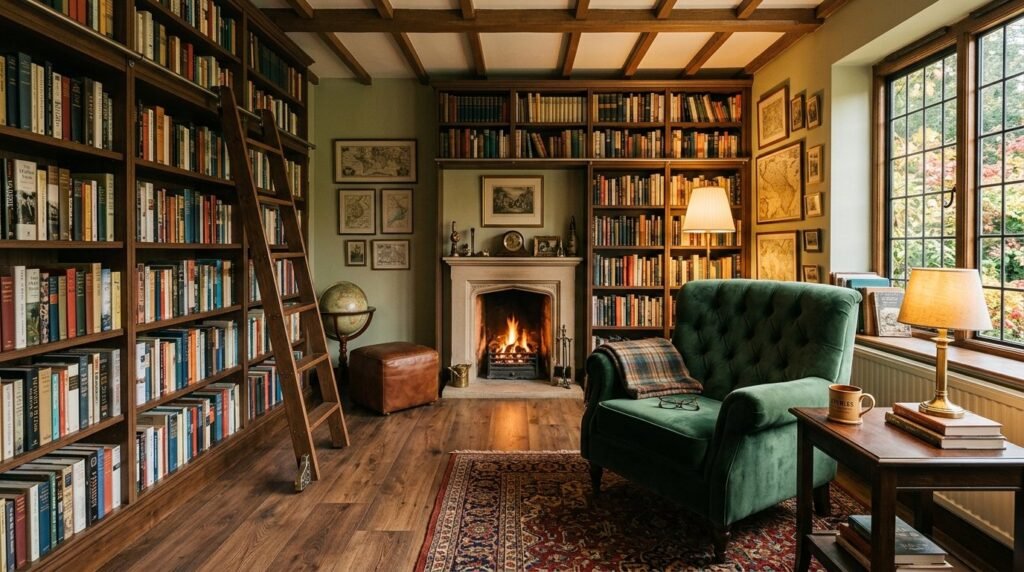
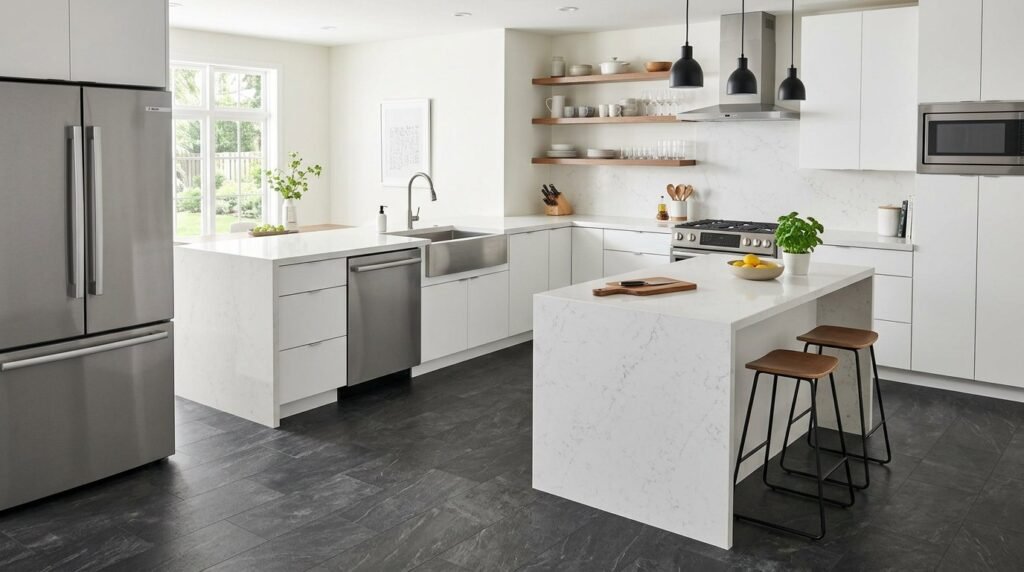
Dark charcoal vinyl provides a dramatic foundation for a contemporary kitchen with white quartz counters. In my experience, this contrast makes the entire kitchen look much more expensive than it actually was. You should use a white or light grey baseboard to make the dark floor pop. These tiles are usually $4.50 per square foot. They are very easy to clean with just a damp cloth and mild soap. Be careful with flat matte charcoal as it can sometimes show oily footprints more than a textured surface.
20. Toasted Chestnut Grain
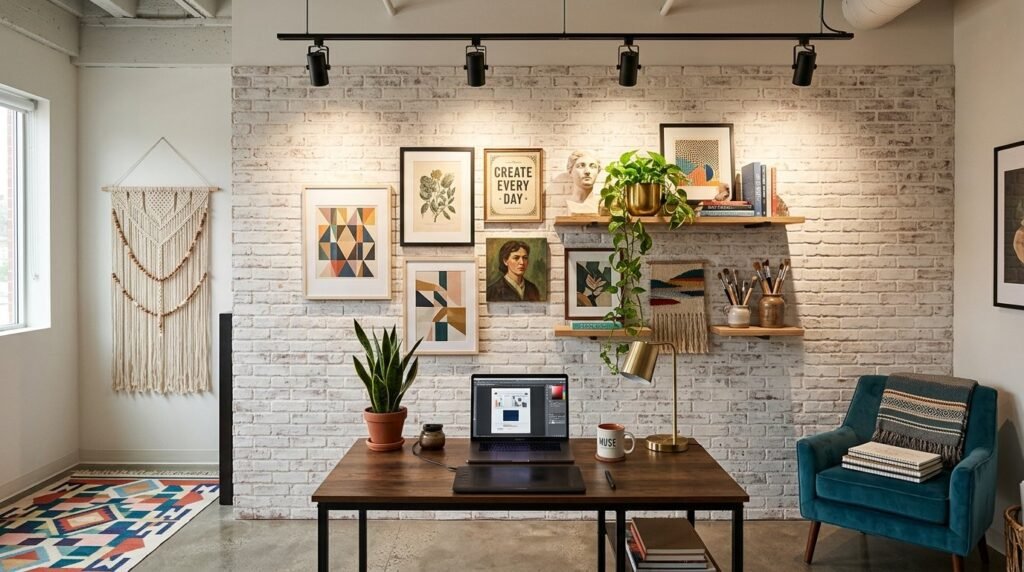
Toasted chestnut is a mid-dark wood tone that offers a cozy and traditional library feel. I suggest using this in a home office or den to create a sense of focus and warmth. The deep brown tones hide scratches from rolling office chairs exceptionally well. Expect to pay $3.75 per square foot for a high-quality chestnut finish. You should use a 6-mil poly film underlayment if installing over concrete to block moisture. A common error is buying planks that are too short which makes the floor look busy and cheap.
21. Whitewashed Brick Vinyl
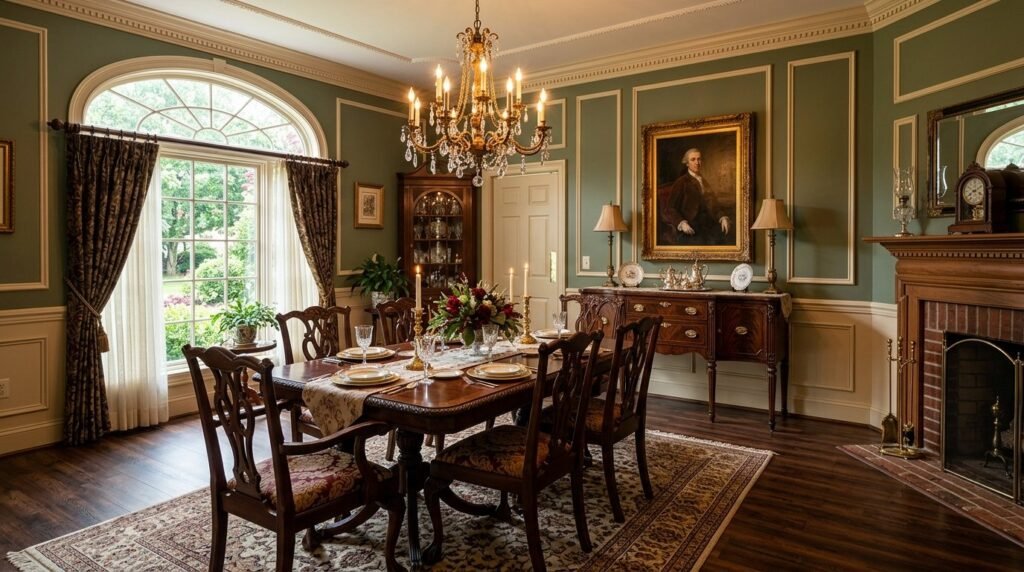
Vinyl that mimics whitewashed brick is an excellent choice for a creative feature wall or a unique laundry room floor. It provides the texture of masonry without the weight or the difficult installation. I have seen this used as a backsplash in a kitchen and it was much easier to wipe down than real brick. This specialty style costs around $5.25 per square foot. Use a sharp utility knife to score and snap the tiles for a clean edge. Do not use this in a shower as the locking joints are not designed for standing water.
22. Smoked Cherry Planks
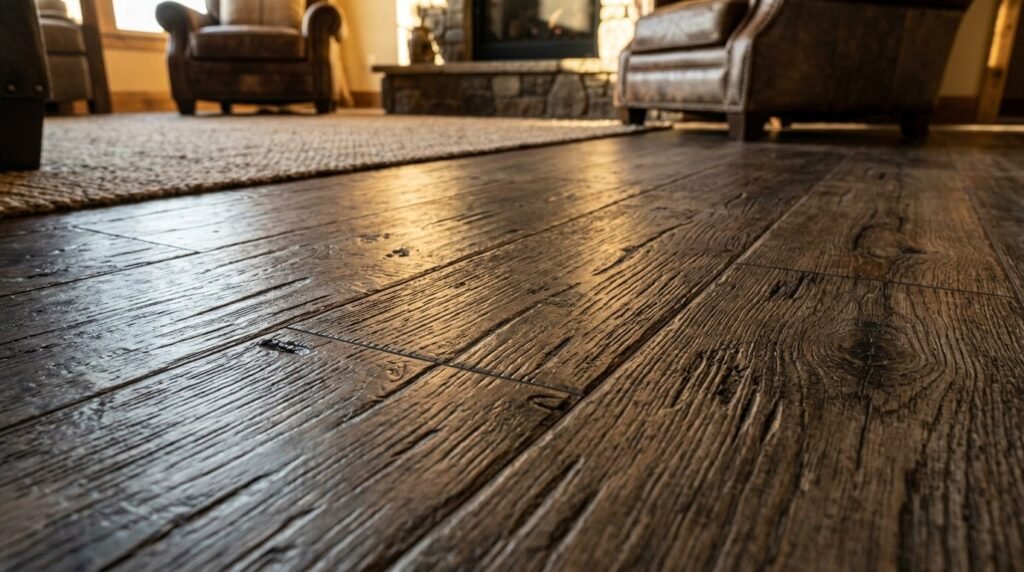
Smoked cherry offers a reddish-brown hue that brings a sense of history to a new construction home. I find that this color works best with traditional furniture and brass accents. Look for a brand that offers a lifetime residential warranty for peace of mind. Pricing is usually around $4.10 per square foot. You will need a transition piece if moving from vinyl to carpet. A common mistake is pairing cherry floors with cherry cabinets which can result in a room that feels too heavy and dark.
23. Hand Scraped Texture
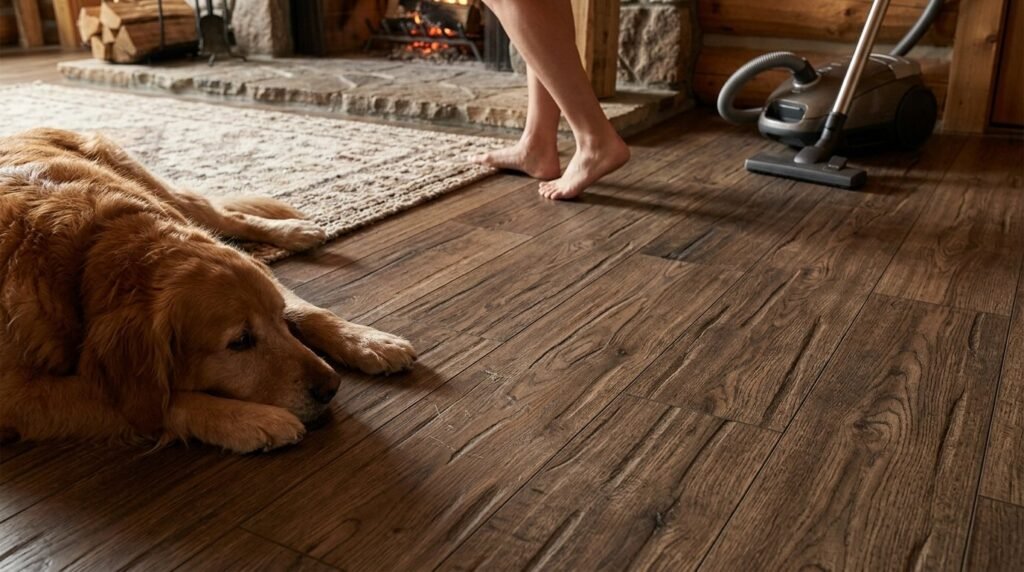
Hand-scraped LVP has intentional dips and grooves that mimic the work of a traditional craftsman. This is the ultimate “cheat code” for a home with big dogs because any real scratches blend right into the design. I once installed this in a mountain cabin and the owners could not believe it was not real timber. These premium planks cost $5.50 per square foot due to the complex manufacturing process. Use a vacuum without a beater bar to keep the grooves clean of dust. Do not buy low-end hand-scraped vinyl as the texture can feel like plastic under bare feet.
Frequently Asked Questions
Can I install LVP flooring over my existing tile?
Yes you can install luxury vinyl over existing tile as long as the tile is level and firmly bonded to the subfloor. In my experience you must fill the grout lines first with a floor leveler to prevent “telegraphing” where the pattern of the tile shows through the new vinyl over time. This process adds about $0.50 per square foot in material costs but saves you the massive labor of ripping out old tile. If the tile is uneven or loose you must remove it or the new floor will fail within a few months.
How do I know if my vinyl floor is actually waterproof?
Most modern LVP is marketed as waterproof but the real protection comes from the locking mechanism and the core material. Look for a Stone Plastic Composite or SPC core which is the most stable and water-resistant option. I have seen SPC floors survive basement floods that would have ruined any other material. Keep in mind that while the planks are waterproof the subfloor underneath is not. If water gets under the planks you must pull them up to dry the area or mold will grow.
What is the best wear layer thickness for a home with pets?
For a home with dogs or cats you should never go below a 12-mil wear layer and I strongly recommend a 20-mil layer for total peace of mind. The wear layer is a clear coating over the print that prevents scratches and scuffs from reaching the design. I have noticed that 20-mil floors stay looking new even with large dogs running on them daily. Expect to pay about $1.00 more per square foot for a 20-mil layer compared to a 6-mil or 12-mil builder grade product.
Is snap in flooring really easy for a beginner to do?
Snap in flooring is one of the most accessible DIY projects for a homeowner because it requires very few specialized tools. All you really need is a utility knife a rubber mallet and a spacers kit which costs under $50 total. I have seen people finish a 200-square foot room in a single Saturday. The hardest part is the first row and making sure it is perfectly straight. Once the first two rows are locked in the rest of the room goes very quickly.
Conclusion
Choosing the right floor is the single most important design decision you will make for your home. These Lvp flooring ideas prove that you do not have to choose between a chic aesthetic and a floor that can survive your real life. I have seen how small changes like switching to a durable vinyl can completely transform a space and remove the stress of maintaining hardwood. Save this post on Pinterest so you have these styles ready for your next renovation and try starting with a small room like a bathroom to build your confidence. You will be amazed at the professional results you can achieve on a budget.

Meet Sloane Whitaker
Sloane Whitaker is the creative force and lead editor behind Vellora Interiors. With a background in architectural design and a passion for coastal-inspired living, Sloane specializes in bridging the gap between high-end luxury and everyday comfort.
After spending years curateing spaces in the Charleston market, she launched this platform to share her “elevated-yet-attainable” design philosophy. Whether she’s exploring the quiet simplicity of Japandi aesthetics or the storied charm of Craftsman architecture, Sloane’s goal is to help homeowners create spaces that feel both timeless and deeply personal.