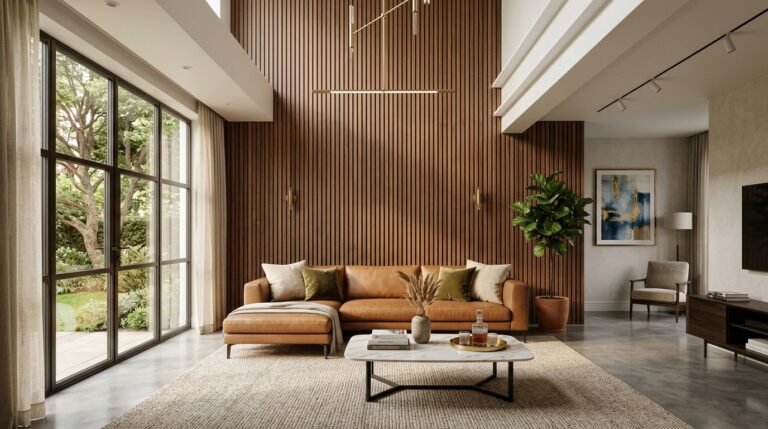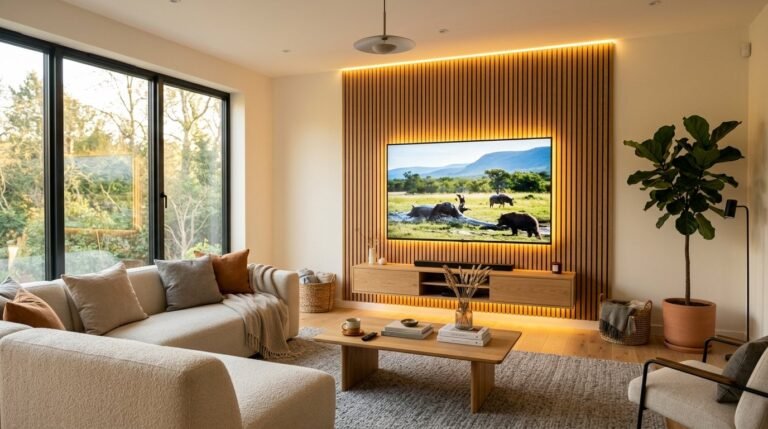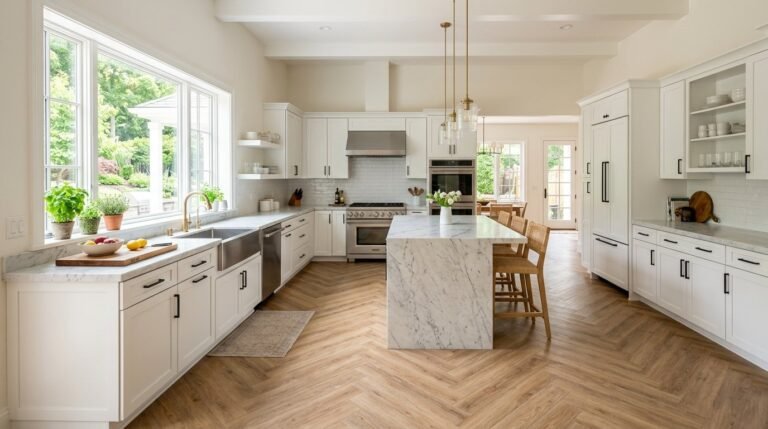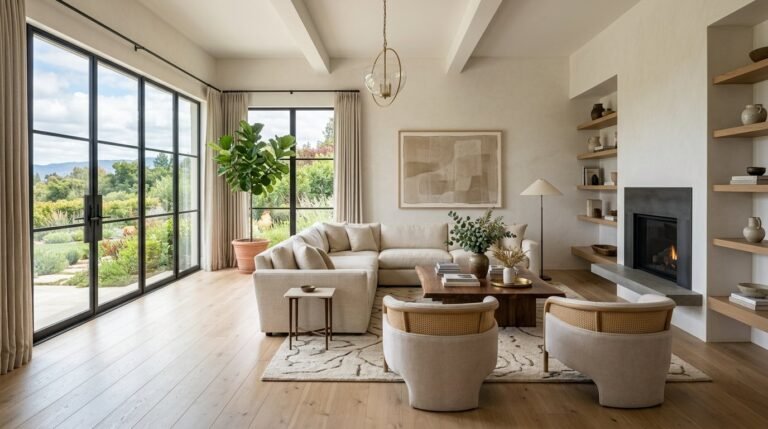
Choosing the right foundation for your home is the most expensive design decision you will ever make, and getting it wrong can cost you thousands in redo fees. Last spring, I watched a friend rip out brand-new $12,000 floors because the undertones clashed with her natural light, turning a “peaceful living” vibe into a muddy mess. High-end flooring isn’t just about the price tag; it’s about the intersection of light, texture, and durability that makes a space feel intentional. Whether you are chasing the airy warmth of light wood floors living room styles or the architectural weight of stone look tile, the right choice transforms a simple living room into a curated sanctuary. How do you balance the current living room trends with timeless value? What materials actually survive real life while looking like a magazine spread?
Executive Summary
This guide provides a comprehensive roadmap to achieving a luxury aesthetic through 23 specific flooring strategies. We cover everything from the rising demand for wide-plank European oak to the technical nuances of luxury tile and modern carpet styles. You will discover how to match neutral furniture with specific wood undertones, the ROI of various stone finishes, and why the “Stone Look Tile” trend is dominating high-end renovations in 2026. We address the primary hurdle of “luxury vs. maintenance,” offering practical solutions for high-traffic homes that don’t want to sacrifice style. By the end of this article, you will have a clear budget-conscious path to a high-end finish, including specific brand recommendations and installation secrets that the pros usually keep to themselves.
1. White Oak Planks
Wide-plank white oak is the undisputed gold standard for creating a bright, expansive atmosphere. In my experience, choosing a 7-inch or wider plank immediately signals a custom, high-end build rather than a developer-grade home. Use a matte UV oil finish to keep the wood looking raw and organic while protecting it from spills. This choice works perfectly with light wood floors living room layouts where natural light is abundant. A common mistake is choosing a “natural” stain that turns yellow over time; look for “Nordic” or “Raw” stains to keep those cool, modern undertones.
2. Herringbone Parquet
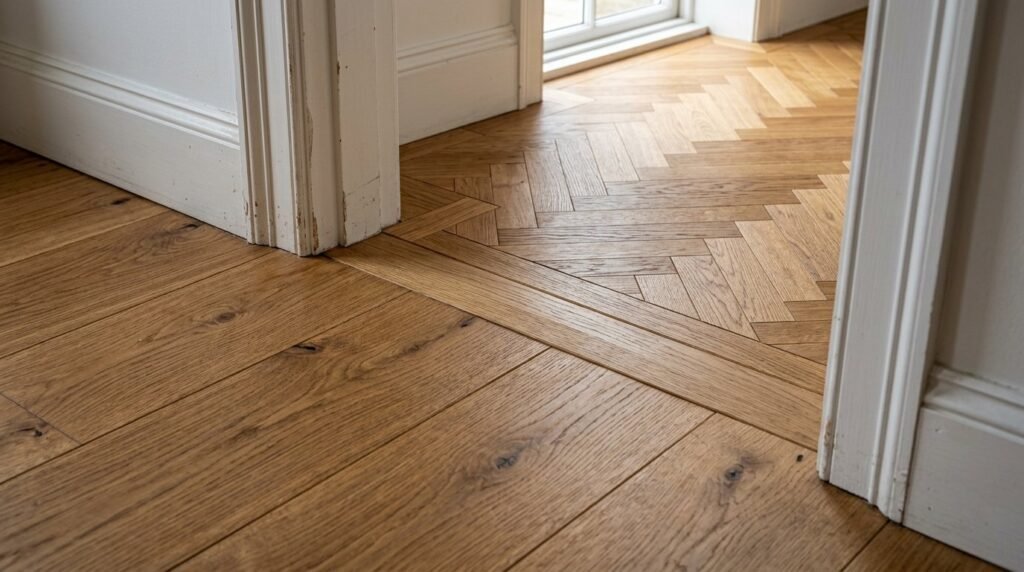
Traditional herringbone patterns add an architectural layer that makes any room feel like a European estate. I’ve noticed that using a smaller slat size in entryways creates a high-impact transition, while larger slats in the main living area maintain a sense of calm. Brands like Stuga offer DIY-friendly locking herringbone that saves roughly $5 per square foot on labor. Ensure your subfloor is perfectly level, as any dip will cause the points of the “V” to misalign.
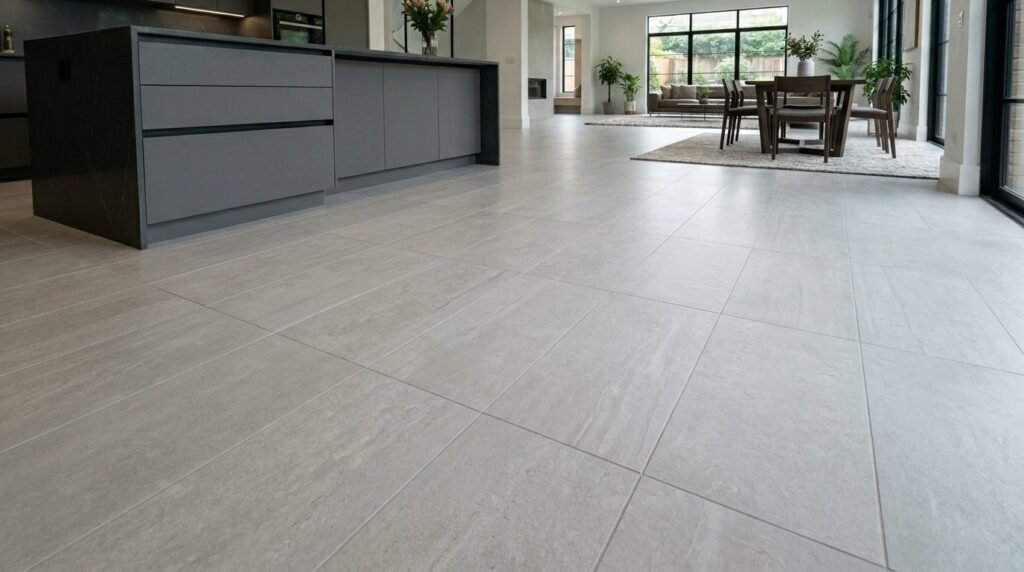
3. Large Format Porcelain
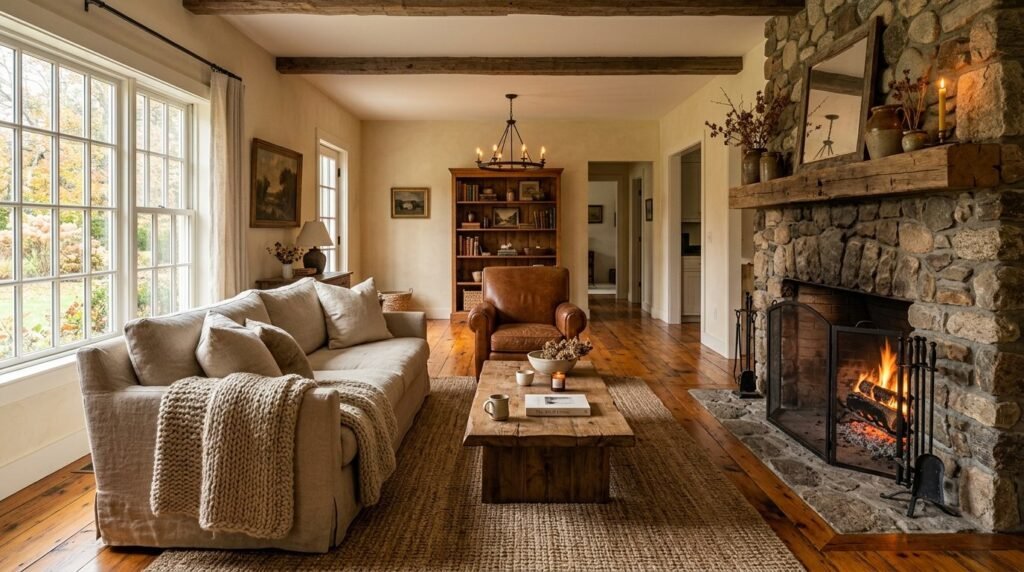
Installing 24×48 porcelain tiles creates a seamless, monolithic look that mimics expensive slab stone. This is the ultimate luxury tile solution for modern, open-concept homes where you want the floor to disappear into the architecture. I recently saw this used in a coastal home where the “Stone Look Tile” transitioned from the living room to the patio, blurring the indoor-outdoor line. Use a grout color that is one shade darker than the tile to hide dirt while maintaining the seamless illusion.
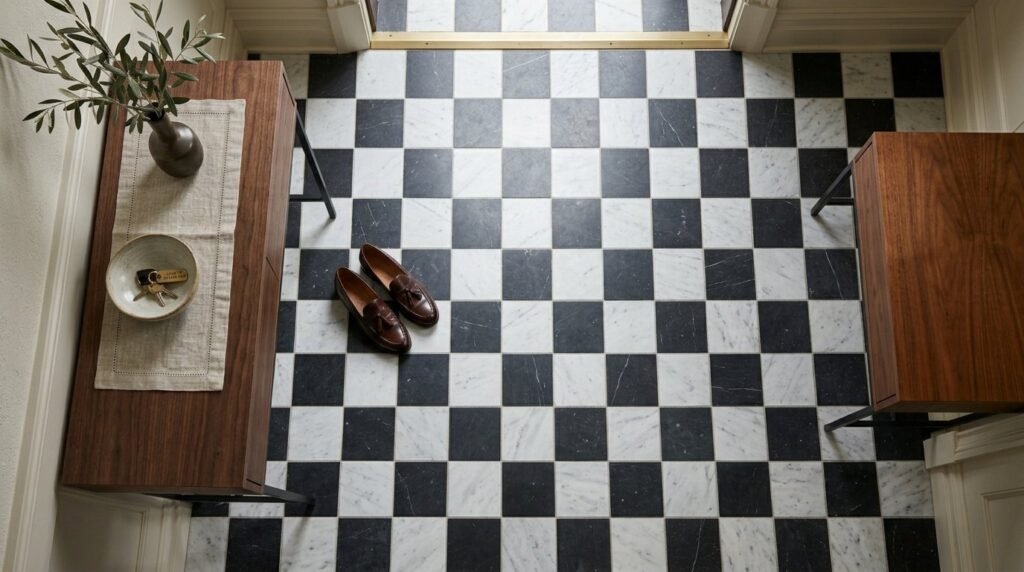
4. Honed Checkboard Marble
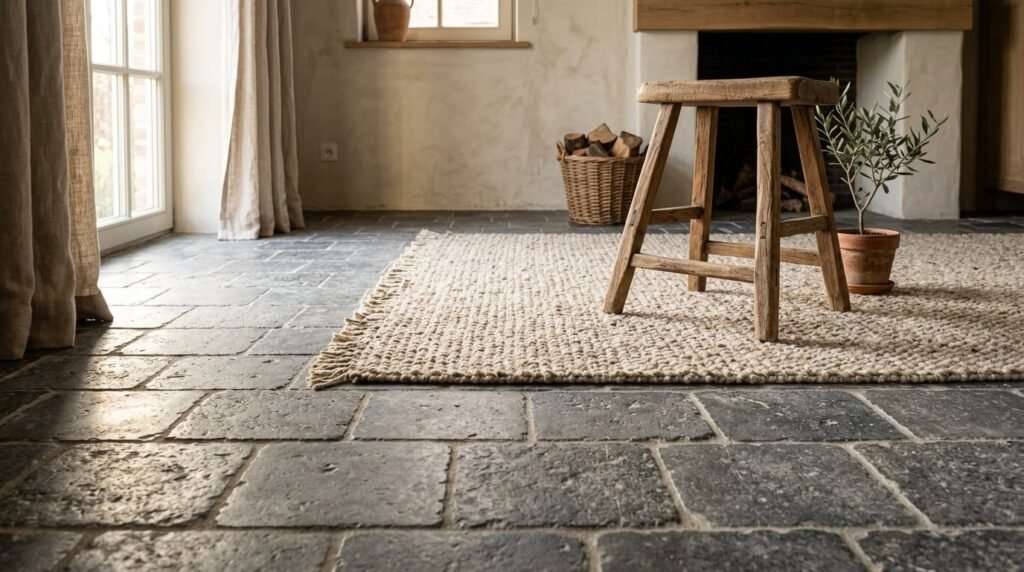
A matte or “honed” finish on classic checkerboard marble removes the “bank lobby” shine and adds a soft, lived-in luxury. Move away from high-gloss black and white; instead, try a soft grey and creamy white combination. This setup anchors neutral furniture beautifully and provides a timeless backdrop for living room trends that come and go. Expect to pay around $15-$20 per square foot for quality marble, plus a premium for the diagonal installation.
5. Reclaimed Heart Pine
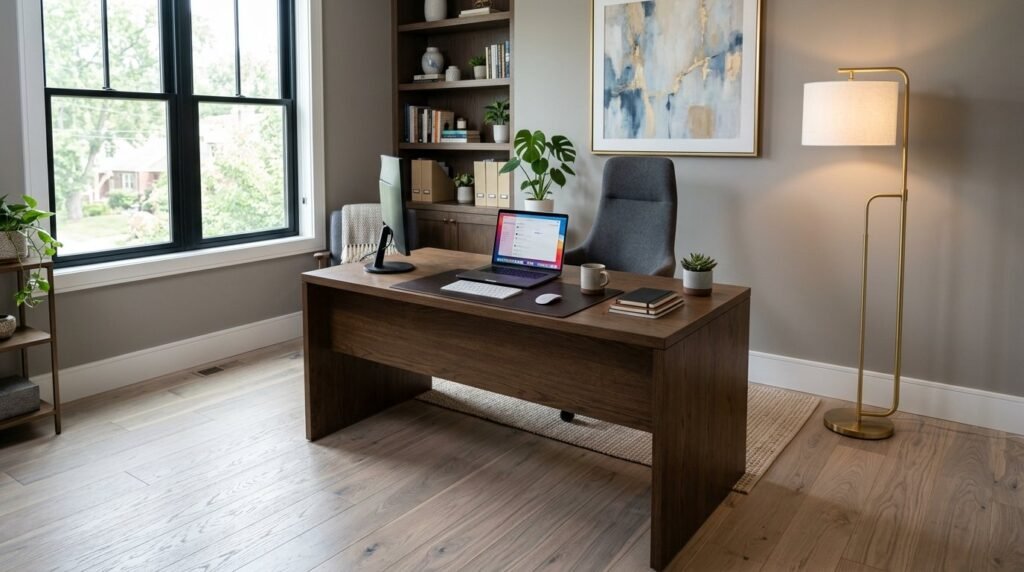
Reclaimed wood offers a level of character and history that new lumber simply cannot replicate. The deep amber tones and original nail holes provide a “Simple Living Room” with instant soul. I’ve seen these floors salvaged from old textile mills, and the density of the old-growth wood makes them incredibly resistant to dents. Always ask for a kiln-dried certificate to ensure the wood won’t warp or shrink once it’s in your climate-controlled home.
6. Belgian Bluestone Tile
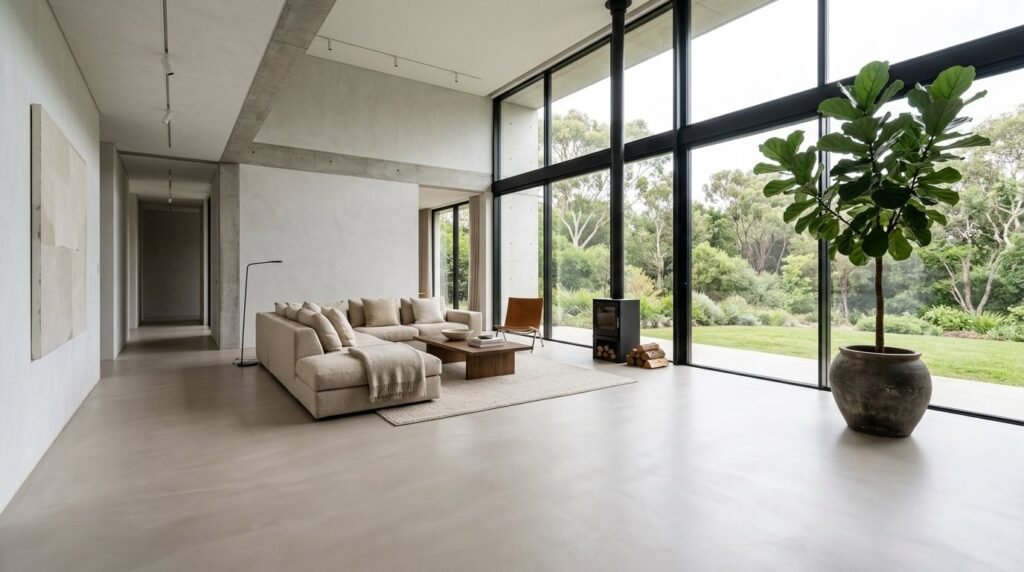
Deep charcoal tones in a tumbled finish provide a grounded, earthy luxury that hides every speck of dust. This stone look tile variant is perfect for mudrooms or kitchens that flow into living areas. It offers a “Peaceful Living” aesthetic because it feels connected to the outdoors. A pro tip: use a high-quality impregnating sealer to prevent oil spots, especially if you have pets or kids.
7. Bleached Walnut
Walnut is usually dark, but bleaching it results in a sophisticated, soft grey-tan that is incredibly rare. This is a favorite for high-end designers who want the stability of walnut but the lightness of oak. It creates a stunning contrast with dark, moody cabinetry or brass accents. Because the bleaching process is specialized, labor costs can be 20% higher than standard staining.
8. Terrazzo Slabs
Modern terrazzo with large marble chips is making a massive comeback in luxury living room trends. Unlike the poured floors of the 70s, today’s terrazzo comes in large-format tiles that are easier to install. It’s an “Inspiration” staple for mid-century modern enthusiasts. Be sure to choose a neutral base color (like cream or light grey) to ensure the floor doesn’t dictate your entire color palette for the next decade.
9. Concrete Micro-cement
Micro-cement provides a continuous, joint-free surface that is ideal for a minimalist, high-end finish. This isn’t just painted concrete; it’s a specialized resin-based coating applied in thin layers. It’s highly durable and waterproof, making it a great choice for “Simple Living” spaces. I’ve tried this in small bathrooms and found it creates a much larger-feeling space due to the lack of grout lines.
10. Wool Sisal Weave
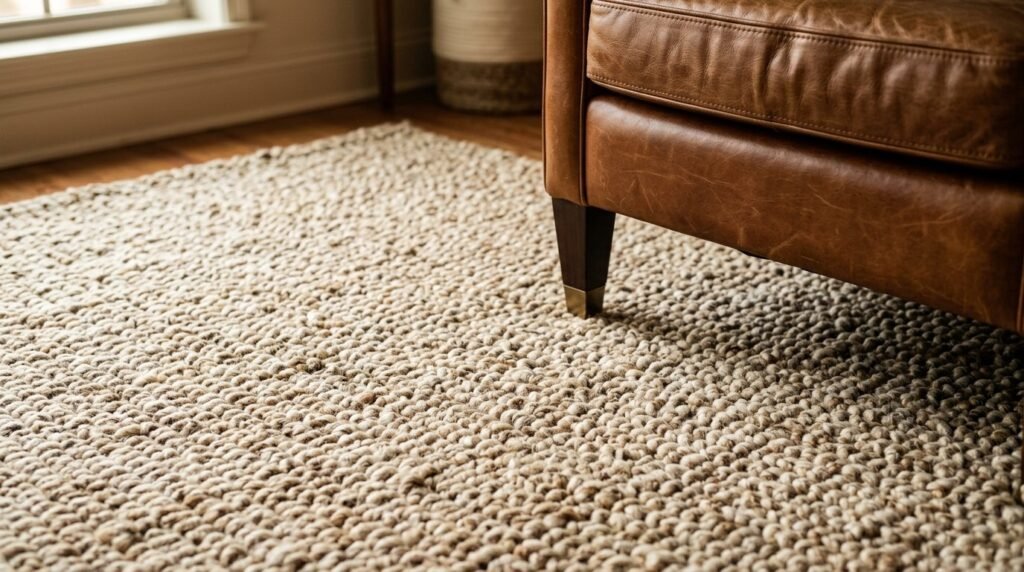
Wall-to-wall wool sisal offers the texture of natural fiber with the softness of high-end carpet styles. Real sisal can be scratchy and stain-prone, but wool blends offer a luxurious feel underfoot. It’s the perfect base for layering a smaller, decorative Persian rug on top. For a “Neutral Furniture” setup, a chunky bouclé weave in a “Oatmeal” shade provides incredible depth.
11. Travertine Versailles Pattern
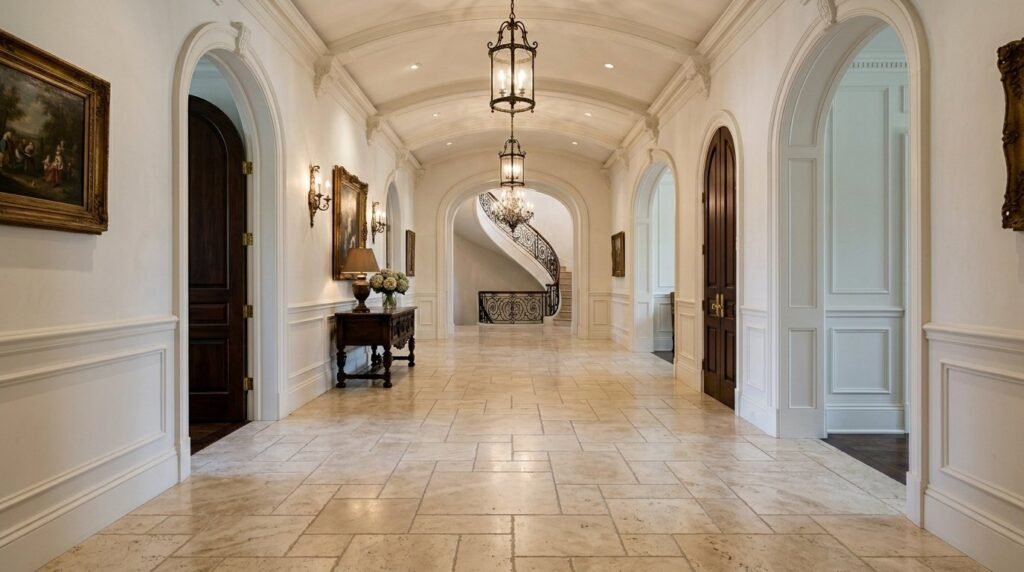
The multi-sized Versailles pattern breaks up the grid and adds a sense of history to stone look tile or natural stone. Use a “filled and honed” travertine to prevent crumbs from getting lost in the natural pits of the stone. This style is frequently seen in high-end Mediterranean or Tuscan-inspired homes. It’s a labor-intensive install, so budget an extra $3-$4 per square foot for the pattern layout.
12. Blackened Steel Tiles
For an industrial-luxe vibe, cold-rolled steel floor tiles develop a stunning patina over time. This is a niche, high-end choice often seen in urban lofts or modern architectural masterpieces. It is incredibly heavy, so ensure your joists can handle the load. I’ve noticed that these floors stay surprisingly cool in the summer, which is a hidden benefit in warmer climates.
13. Chevron Oak Blocks
Chevron differs from herringbone by meeting at a sharp 45-degree angle, creating a more continuous “arrow” effect. This pattern leads the eye through the room, making it feel longer and more “High-End.” Use a wire-brushed texture to hide minor scratches and keep the look feeling organic. Avoid using this in very small rooms, as the busy pattern can feel overwhelming.
14. Limestone Flagstone
Large, irregular flagstones in a creamy limestone offer a “Peaceful Living” vibe that feels like a French farmhouse. This is a “Tile Inspiration” favorite for 2026. Because limestone is porous, it requires a professional-grade sealer every 2 years. I’ve seen this look replicated with high-end porcelain for those who want the look without the maintenance.
15. Dark Espresso Maple
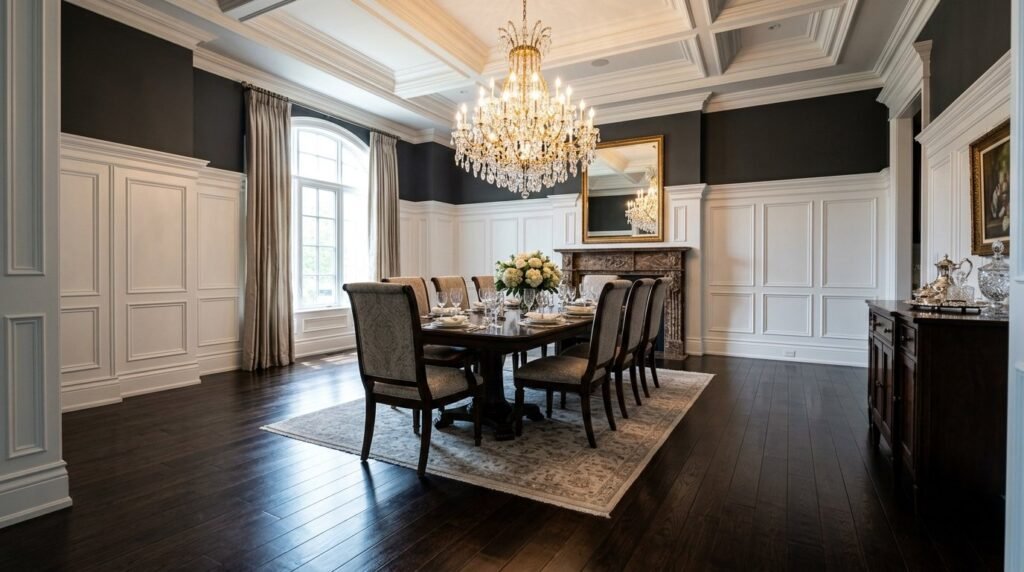
While light floors are trending, a deep espresso floor provides a high-contrast luxury that feels incredibly formal. Pair this with white walls and heavy crown molding for a classic “High-End Home Finish.” Maple is a very hard wood, but it takes stain unevenly; always insist on a pre-stain conditioner to avoid a blotchy look.
16. Leather Floor Tiles
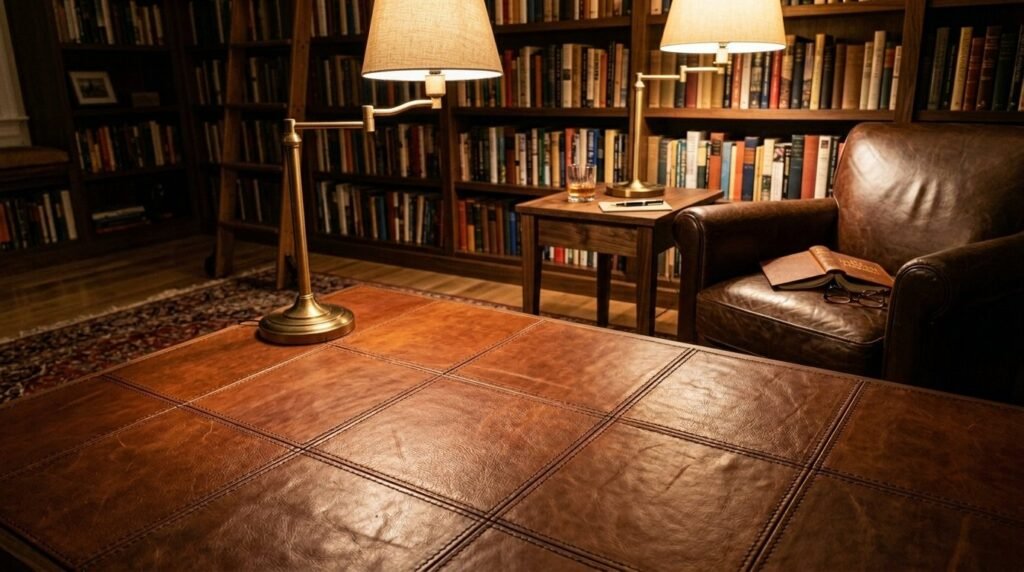
Made from recycled leather, these tiles are warm, quiet, and offer a unique tactile luxury. They are most commonly used in home offices or libraries. I’ve seen these age beautifully, developing a “worn-in” leather jacket look that feels very expensive. They are not suitable for wet areas like kitchens or entryways.
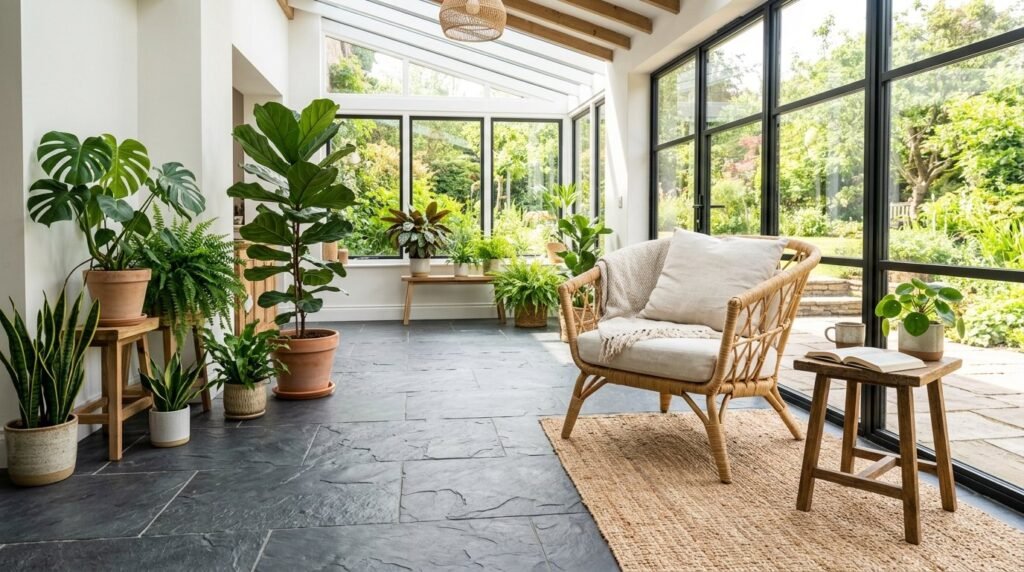
17. Matte Slate Rectangles
Large, 12×24 slate tiles in a calibrated (even thickness) cut offer a modern take on a rustic material. The natural “cleft” texture provides built-in slip resistance, which is practical for “Simple Living Room” designs. Use a dark grout to make the floor look like one solid dark mass.
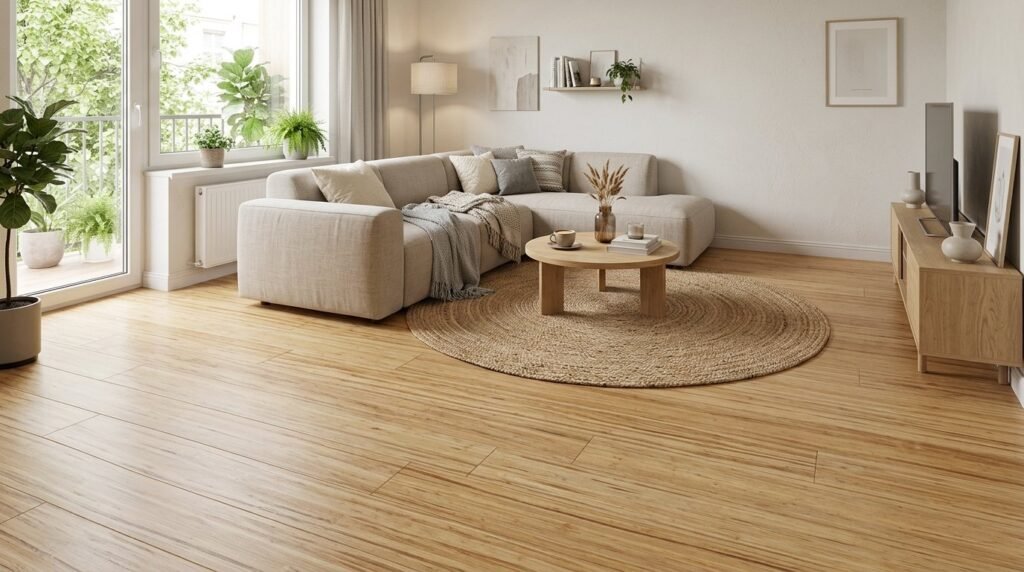
18. Bamboo Wide Plank
High-quality strand-woven bamboo is twice as hard as oak and offers a sustainable luxury option. Look for “carbonized” bamboo for a rich, through-body color that won’t show scratches as white marks. It’s a great way to get the “Light Wood Floors” look while being eco-conscious.
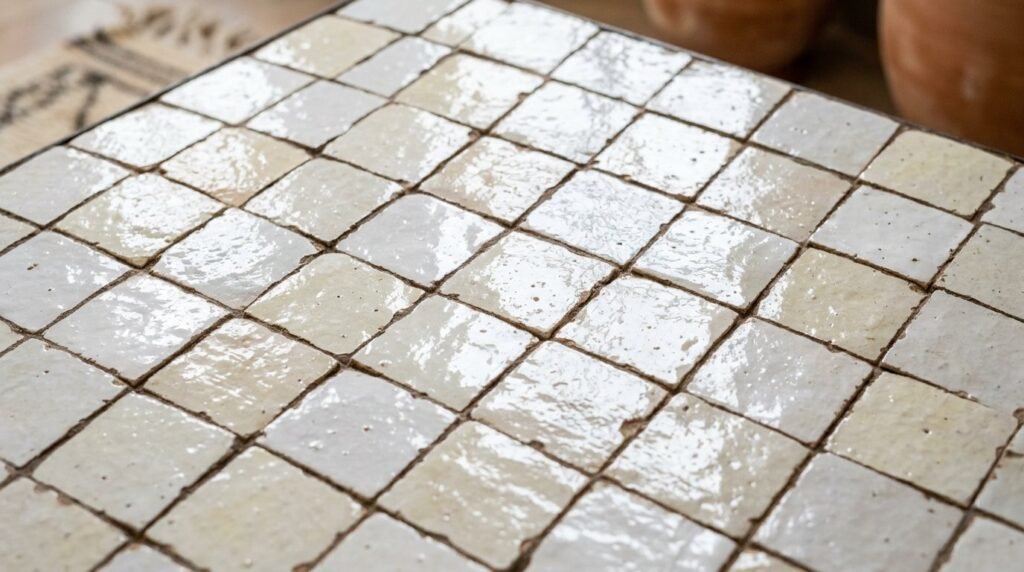
19. Moroccan Zellige Floor
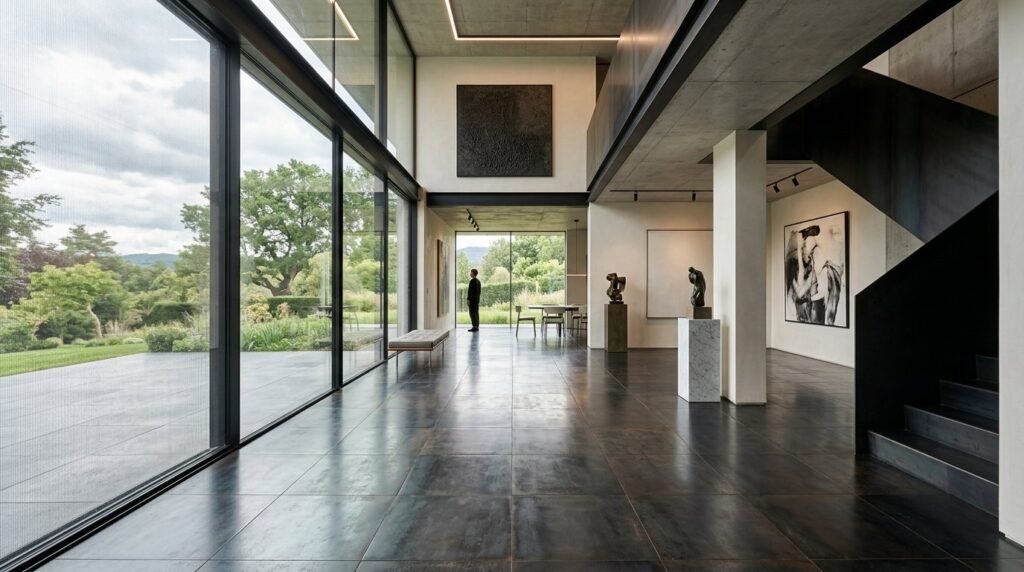
Hand-chiseled clay tiles offer an imperfect, shimmering luxury that feels like art underfoot. While usually used for backsplashes, the floor-grade versions are stunning in entryways or sunrooms. Each tile is unique, which is the hallmark of a “Luxury Tile” installation.
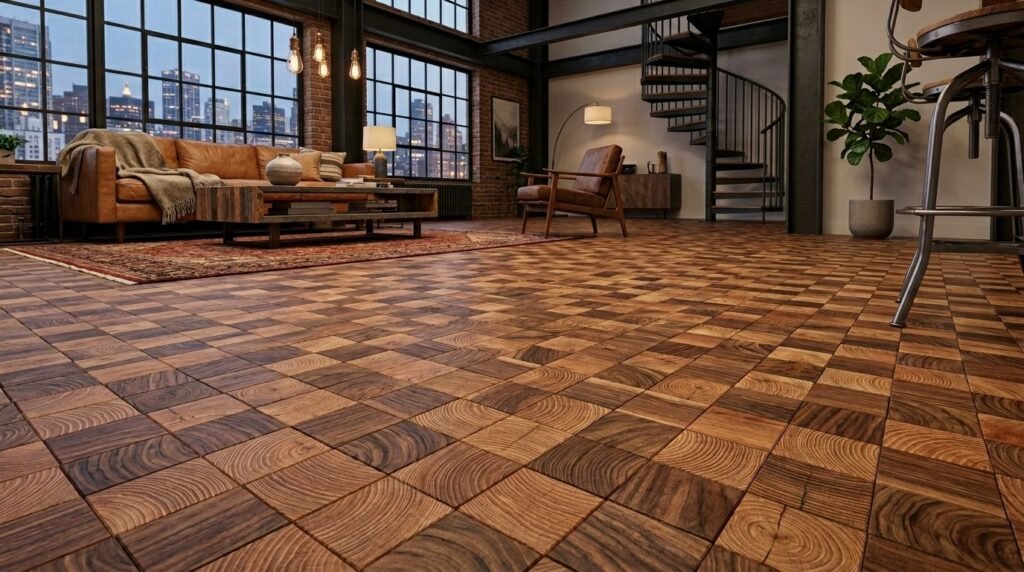
20. End-Grain Wood Blocks
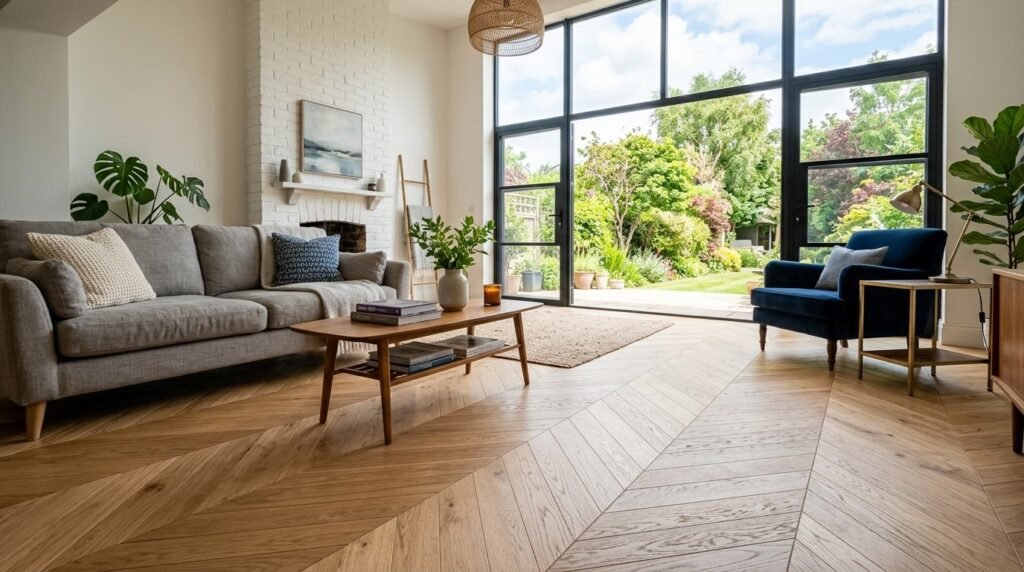
Cutting the wood across the grain exposes the growth rings, creating a floor that is nearly indestructible and visually fascinating. This was historically used in factories but has been elevated for high-end residential use. It’s a “Contrarian” choice that guests will definitely comment on.
21. High-Pile Plush Wool
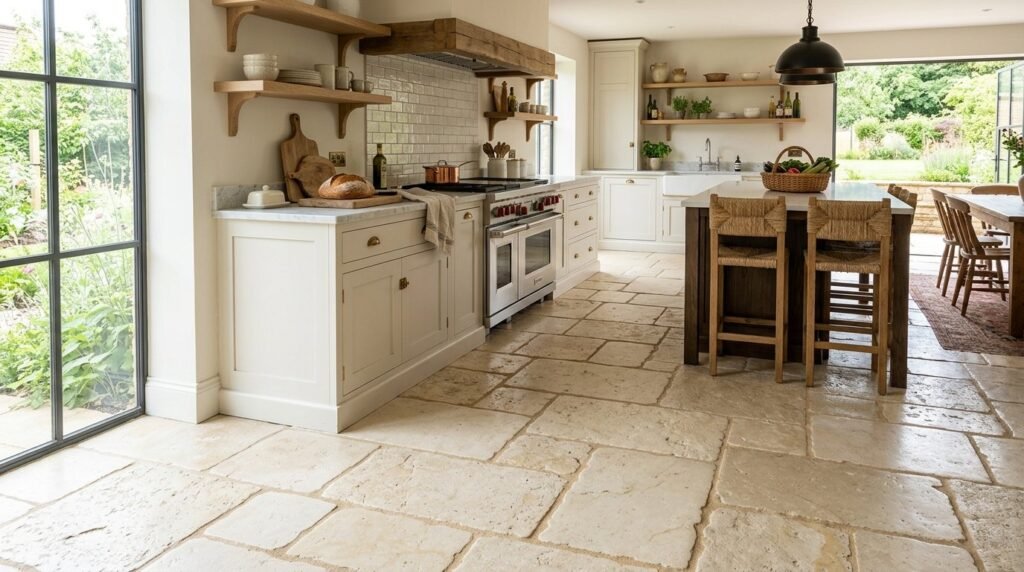
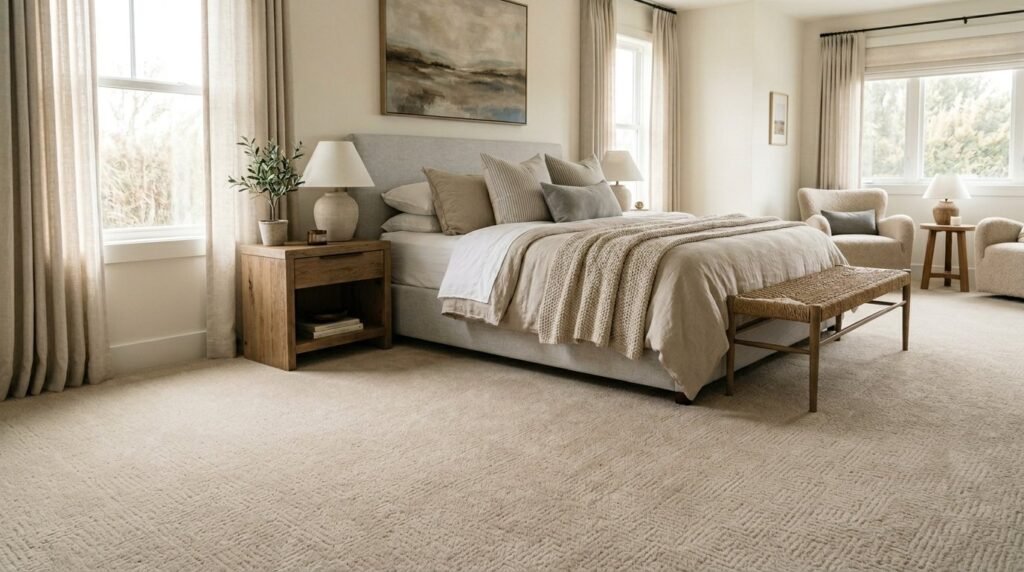
In bedrooms, nothing says “High-End” like a thick, wall-to-wall wool carpet that your feet sink into. Move away from synthetic nylons; wool is naturally soil-resistant and fire-retardant. Look for a “Cut and Loop” pattern to add subtle visual interest without the floor feeling “busy.”
22. Painted Checkerboard
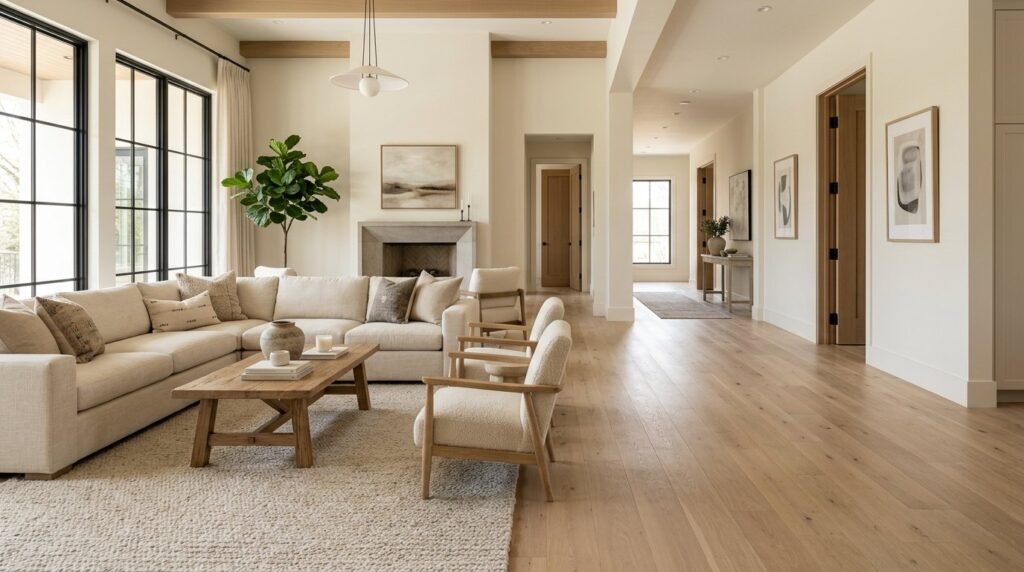
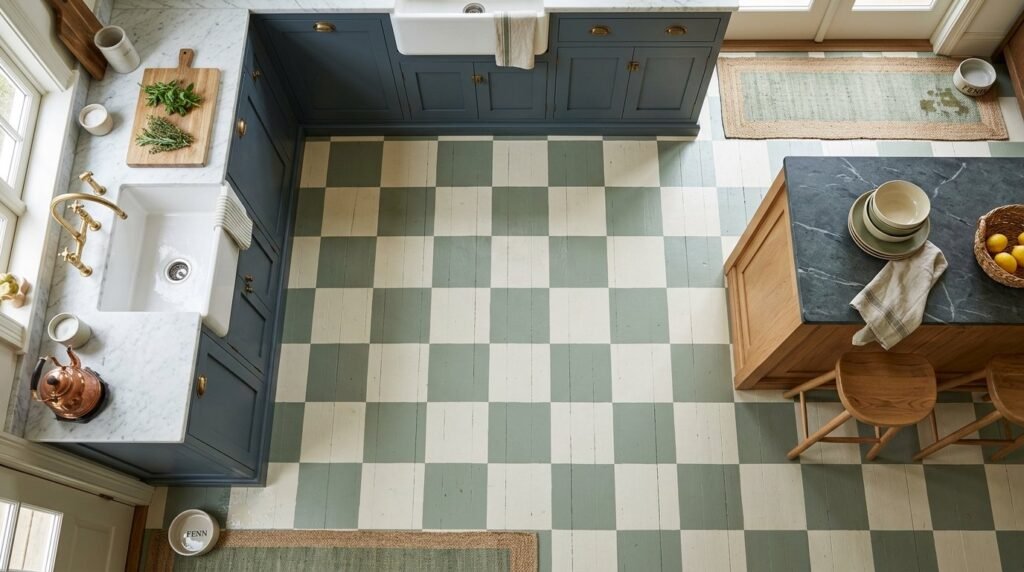
For a custom, artistic finish, painting a checkerboard pattern onto existing wood floors is a designer secret. I’ve seen this work wonders in older homes where the original floors were too damaged to refinish traditionally. Use a high-traffic porch and floor enamel for longevity.
23. Cork Plank Flooring
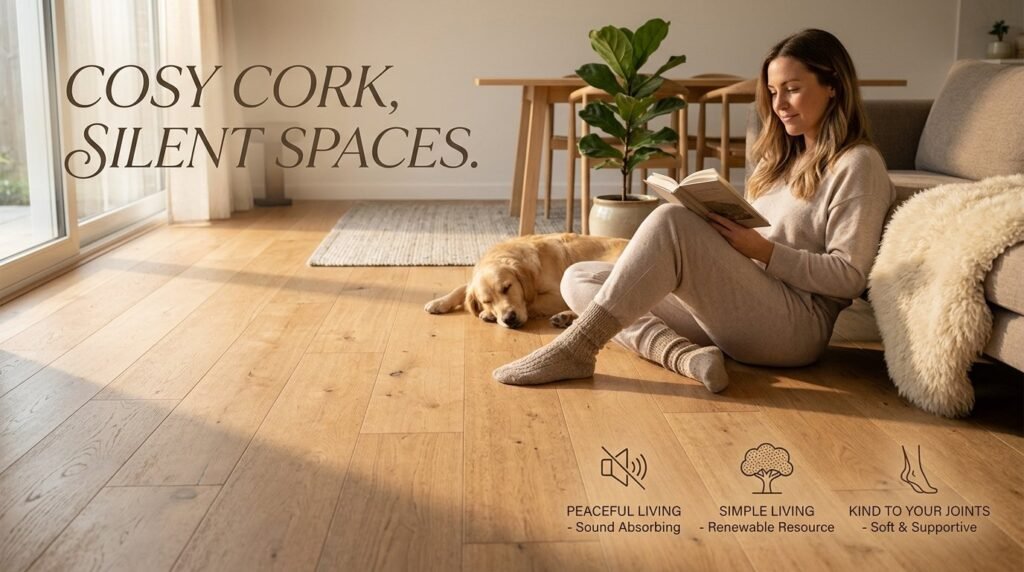
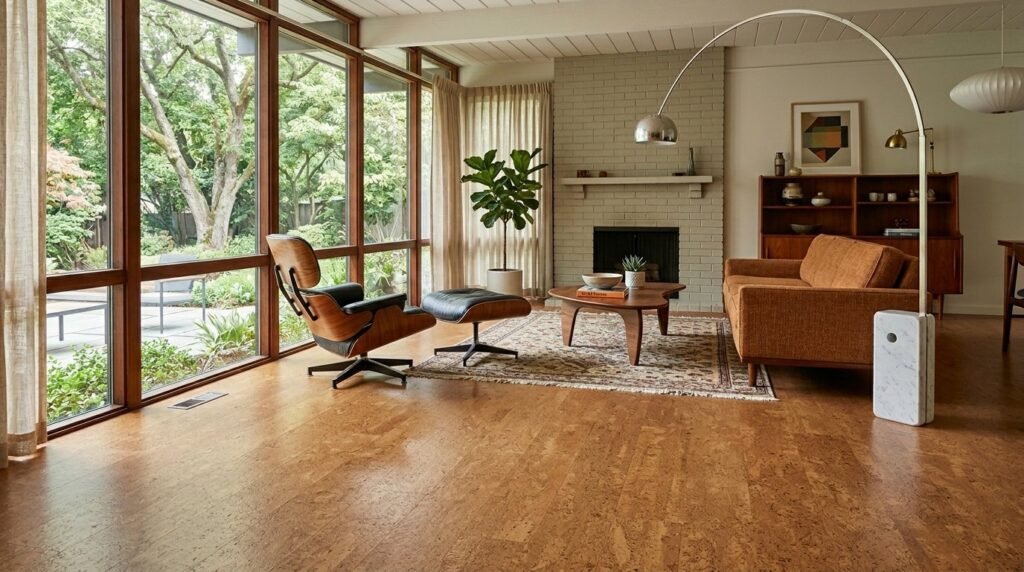
Modern cork comes in wide planks that look like wood but feel soft and warm like carpet. It’s the ultimate choice for “Peaceful Living” because it absorbs sound so effectively. It’s also a renewable resource, making it a “Simple Living” win for the environment and your joints.
Frequently Asked Questions
Which flooring adds the most value to a home?
In the current market, wide-plank European white oak consistently provides the highest return on investment. Buyers associate “Light Wood Floors” with luxury and cleanliness. In my experience, homes with high-quality wood floors sell faster and for 3-5% more than those with carpet or laminate.
Is stone look tile better than real stone?
For most homeowners, yes. High-end porcelain “Stone Look Tile” is virtually indistinguishable from real limestone or marble but requires zero sealing and won’t stain from red wine or oil. If you want a “Peaceful Living” experience without the stress of maintenance, go with porcelain.
How do I choose a floor color for neutral furniture?
If your furniture is warm (beiges, creams), look for floors with a slight golden or white-washed undertone. If your furniture is cool (grey, navy), go with “Nordic” or light grey wood finishes. Avoid clashing undertones—pink-toned woods often struggle with modern neutral palettes.
What are the best carpet styles for 2026?
Low-profile, chunky wool weaves are the dominant trend. We are moving away from shaggy textures toward “Carpet Styles” that look more like woven rugs. This creates a tailored, high-end finish that feels deliberate rather than an afterthought.
Can I mix different flooring in an open floor plan?
It’s best to keep one consistent floor throughout the main living areas to create a sense of flow. If you must switch (e.g., wood to tile), use a “Luxury Tile” transition that is flush with the wood rather than using a bulky T-molding.
How do I maintain a “High-End Home Finish” look?
Use felt pads on all furniture—this is the #1 way to save your floors. For wood, use a pH-neutral cleaner like Bona. For “Stone Look Tile,” avoid harsh acids that can eat away at grout over time.
The foundation of your home sets the tone for every piece of furniture and art you place upon it. By choosing one of these 23 best flooring ideas, you aren’t just picking a surface; you are deciding how your home feels at the start of every day. I’ve seen how small changes, like choosing a wider plank or a honed stone finish, can completely transform a space from ordinary to extraordinary. Whether you opt for the organic warmth of light wood floors living room designs or the architectural strength of luxury tile, remember that the most high-end finish is one that reflects your personal style and stands the test of daily life. Save this guide to your Pinterest board, pick your favorite texture, and start your journey toward a more beautiful, peaceful living space today.

Meet Sloane Whitaker
Sloane Whitaker is the creative force and lead editor behind Vellora Interiors. With a background in architectural design and a passion for coastal-inspired living, Sloane specializes in bridging the gap between high-end luxury and everyday comfort.
After spending years curateing spaces in the Charleston market, she launched this platform to share her “elevated-yet-attainable” design philosophy. Whether she’s exploring the quiet simplicity of Japandi aesthetics or the storied charm of Craftsman architecture, Sloane’s goal is to help homeowners create spaces that feel both timeless and deeply personal.