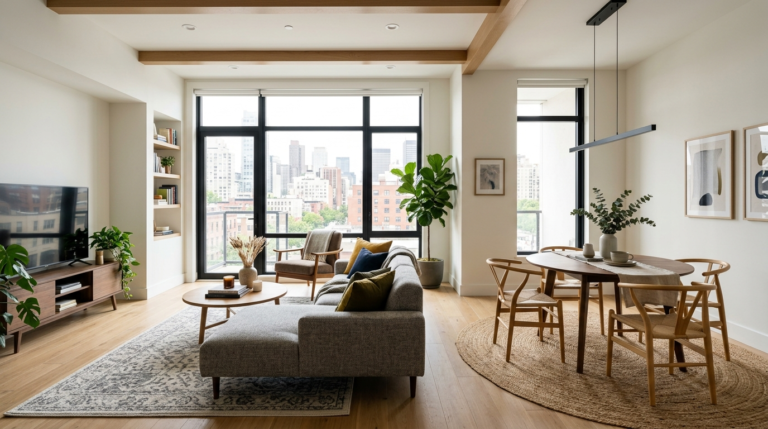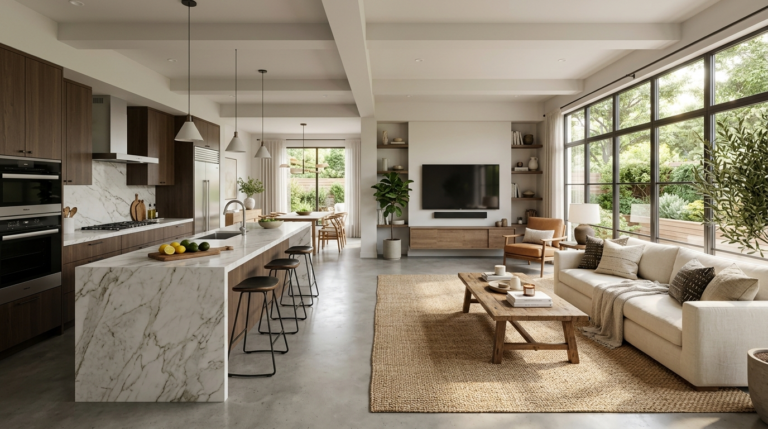
Moving your furniture is the fastest way to change how your home feels. I have spent years helping people fix rooms that felt “off.” Often, the fix is not buying new things. It is about where things sit. Whether you have a tiny apartment or a giant open floor plan, your layout dictates your mood. I once worked with a family who never used their large living area. We moved the sofa six feet. Suddenly, they spent every night there. Here is how you can find that same magic.
Executive Summary
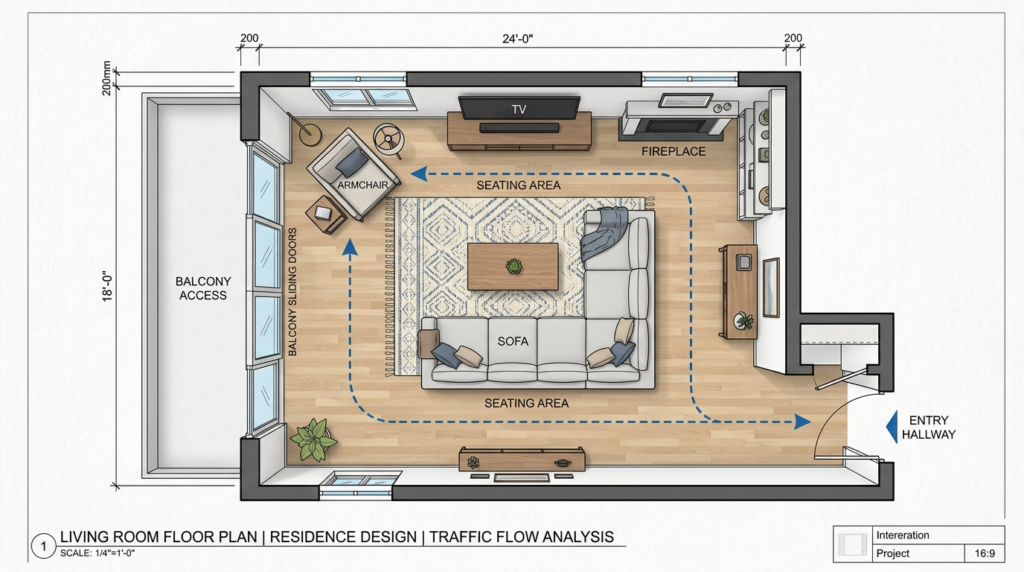
You can fix a broken room today. A great layout respects traffic flow and focal points. You will see how to handle tricky corners and huge empty floors. I will share layouts for 25 different needs. You will find ways to fit a home office or a kids‘ play zone without losing style. Most people make the mistake of pushing every chair against the wall. I will show you why floating furniture works better. We will look at tools like IKEA Home Planner and Roomstyler. These help you test ideas before you lift a heavy couch. You will find ways to use rugs as anchors. By the end, you will know exactly how to measure your floor and place your pieces for the best results.
1. The Classic Conversation Circle
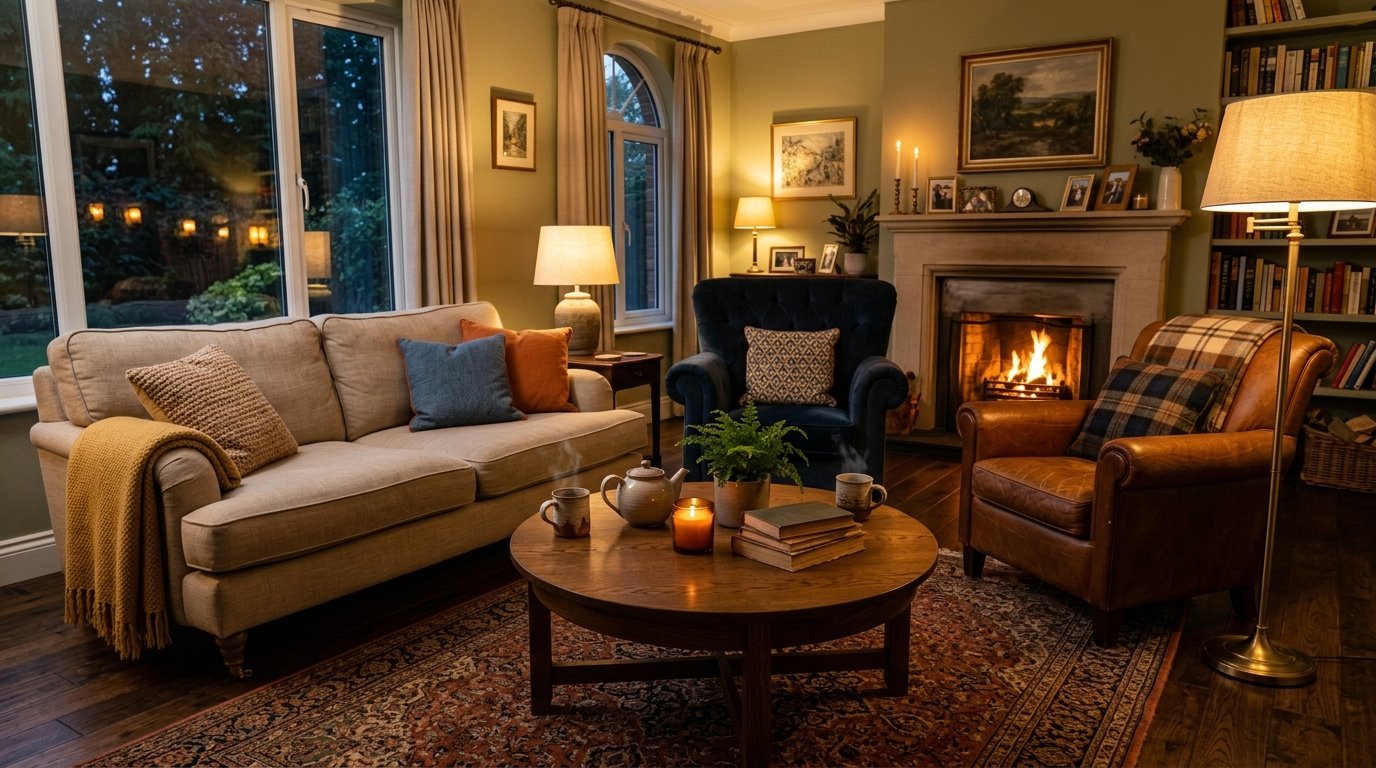
This layout is the gold standard for a reason. You place your main seating in a circle around a central point. Usually, this is a coffee table. I have seen this work best in square rooms. It makes guests feel included. Nobody is shouting across a long gap.
I tried this in my own home last year. I pulled my two chairs and sofa toward the middle of the room. It left about two feet of space behind the sofa. That small gap made the room feel twice as big. It also made cleaning easier. Use a round rug to soften the sharp lines of your furniture. This setup encourages people to put down their phones and talk.
2. The Window-Facing Sun Trap
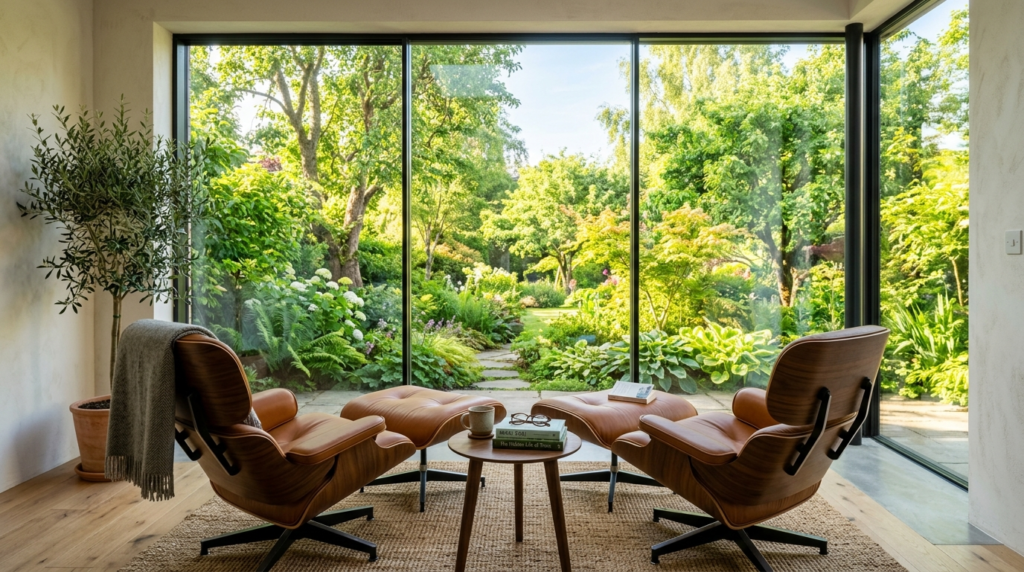
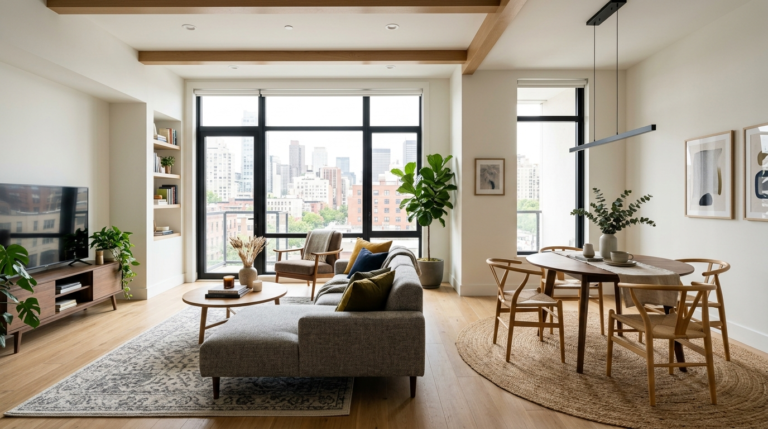
If you have a great view, use it. Most people point their sofa at a TV. Try pointing it at your largest window instead. This works well if you live near a park or have a nice garden.
I worked with a client in a high-rise. We turned her chairs toward the skyline. She told me later that her morning coffee felt like a luxury hotel stay. It changes the energy of the room from “watching” to “being.” Just watch out for glare. Use light curtains to filter the sun if it gets too bright at noon.
3. The Modern L-Shape Flow
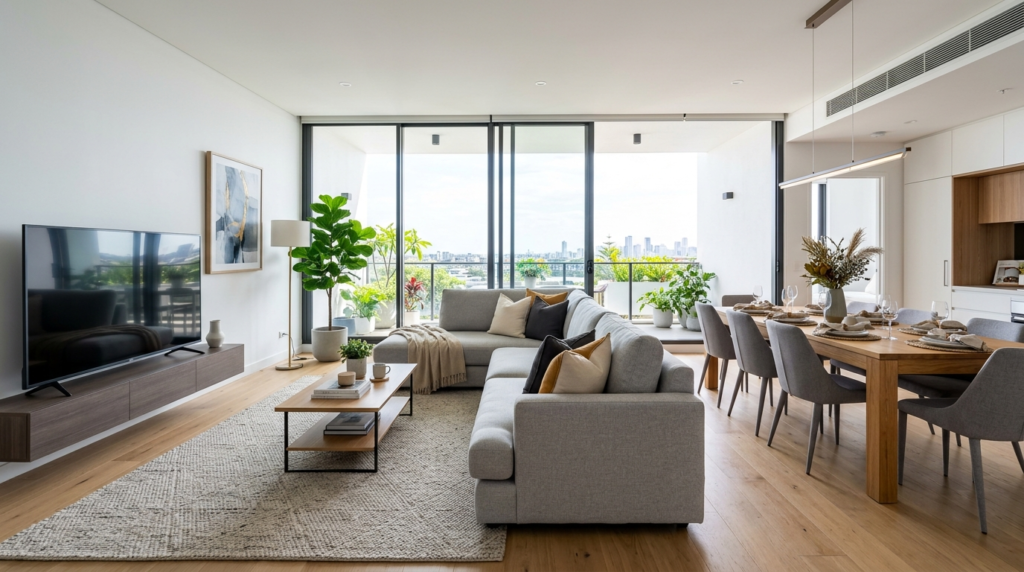
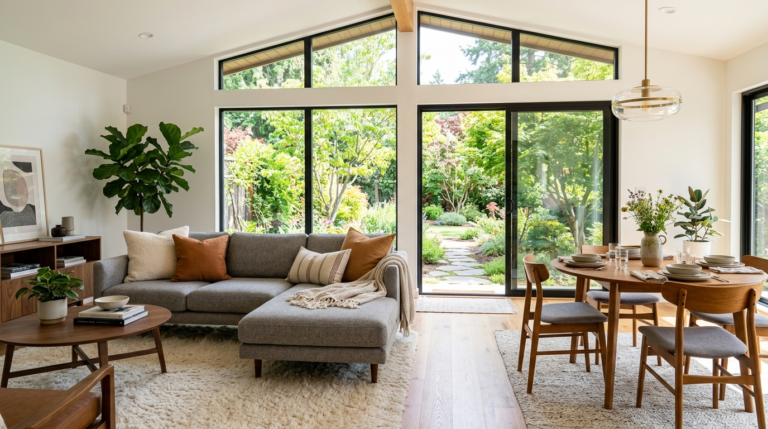
Sectional sofas are popular because they fit many bodies. But they can block a room if placed poorly. The best way to use an L-shape is to tuck the “L” into a corner that does not have a door. This opens the middle of the floor.
In my experience, a sectional acts as its own room divider. If you have an open kitchen and living area, the back of the sofa can act as a wall. It tells the eye where the kitchen ends and the lounge begins. I like using a low-profile sectional so it does not block the line of sight across the house.
4. The Fireplace Anchor
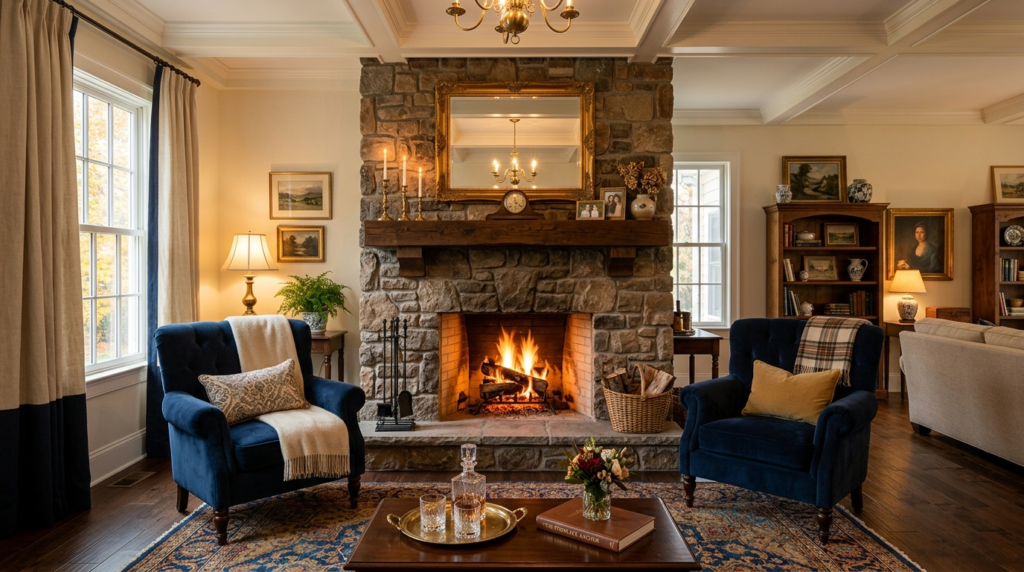
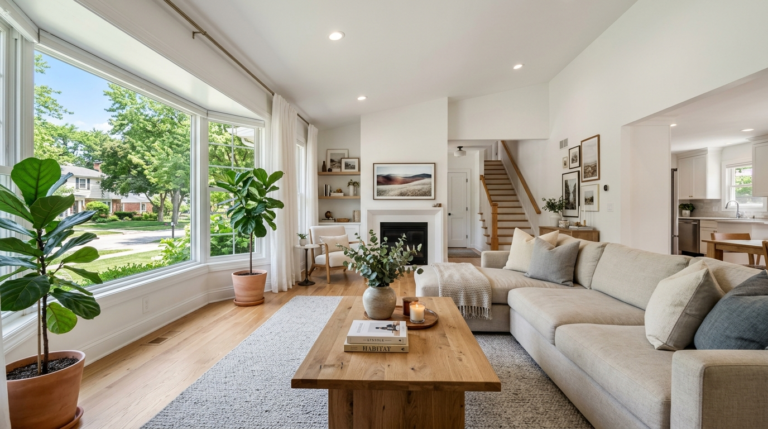
A fireplace is a natural focal point. You should not fight it. Arrange your furniture so the hearth is the star. Place your sofa directly across from it. Put two matching chairs on either side of the fireplace.
This creates a sense of balance. I noticed that rooms with this layout feel very formal and calm. It is perfect for old houses with character. If you have a TV too, try mounting it to the side or above the mantel. But keep the furniture focused on the fire for those cozy winter nights.
5. The Small Space Floating Sofa
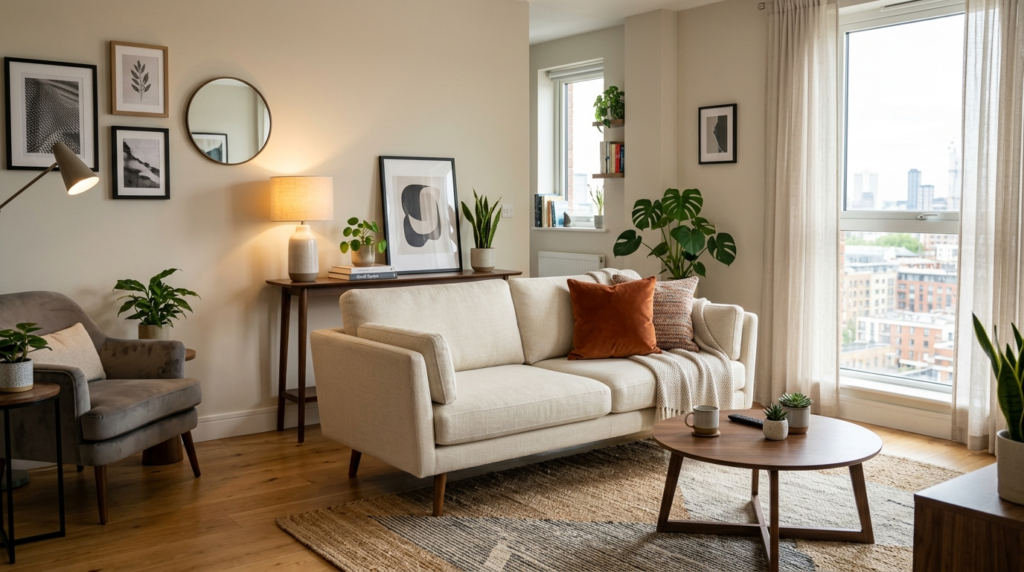
Stop pushing your sofa against the wall. It feels like a safe choice but it makes small rooms look cramped. Pulling the sofa just six inches away from the wall creates a shadow. This shadow adds depth.
I once lived in a 400 square foot studio. I floated my loveseat in the middle of the space. It felt like I had a real “living room” instead of just a bed with a couch next to it. It also let me put a slim console table behind the sofa for extra storage.
6. The Multi-Zoned Open Plan
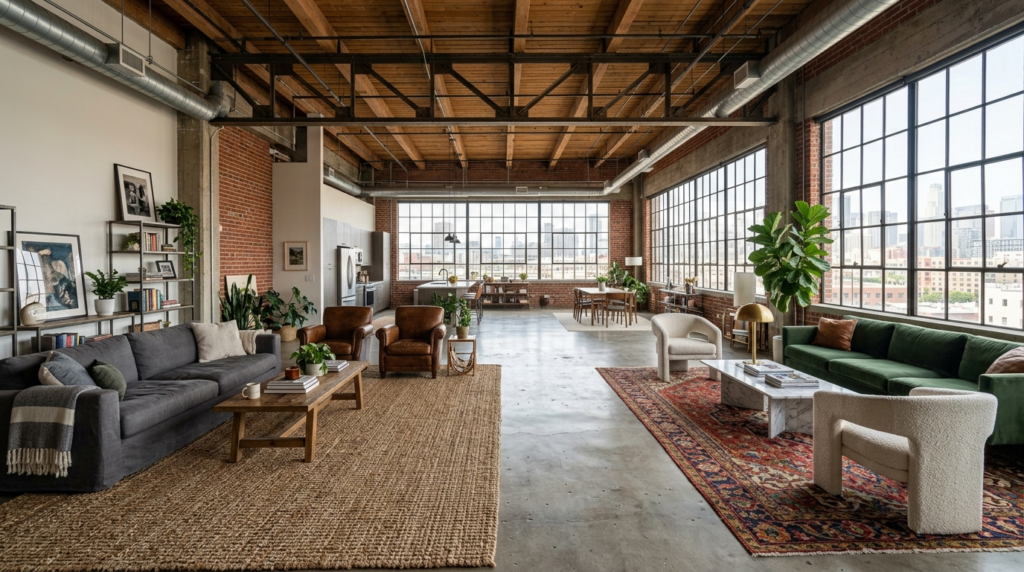
Big rooms are harder to style than small ones. If your room is huge, it can feel cold. You need to create zones. Use rugs to define these areas. One rug for the TV area. One rug for a reading nook.
Think of it like a map. I suggest leaving at least three feet of walking space between these zones. This keeps the room from feeling cluttered. I saw a designer use a large bookshelf to split a giant room into a lounge and a dining area. It worked because the shelf was open on both sides. You could still see through it, so the room stayed bright.
7. The Home Office Hybrid
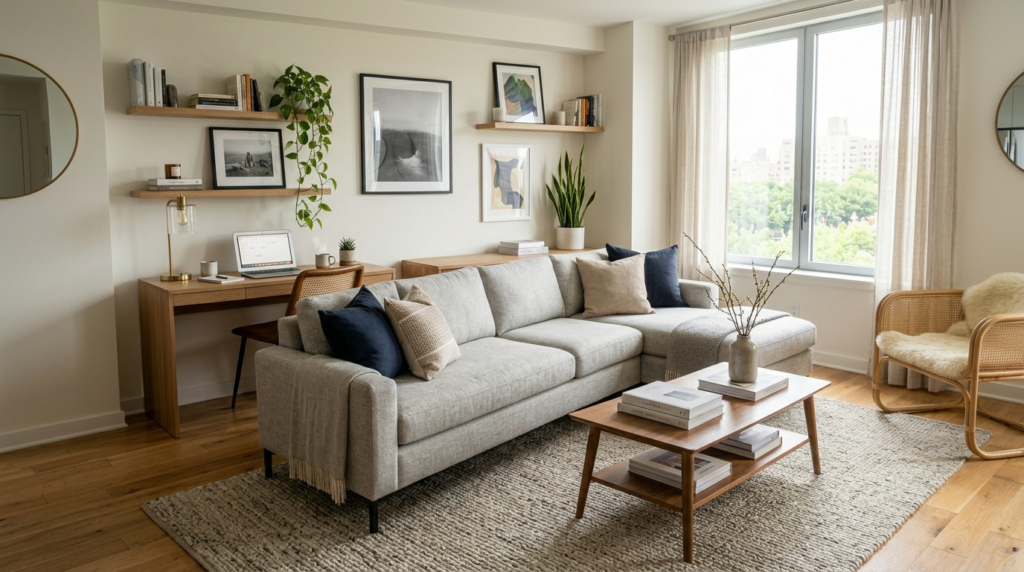
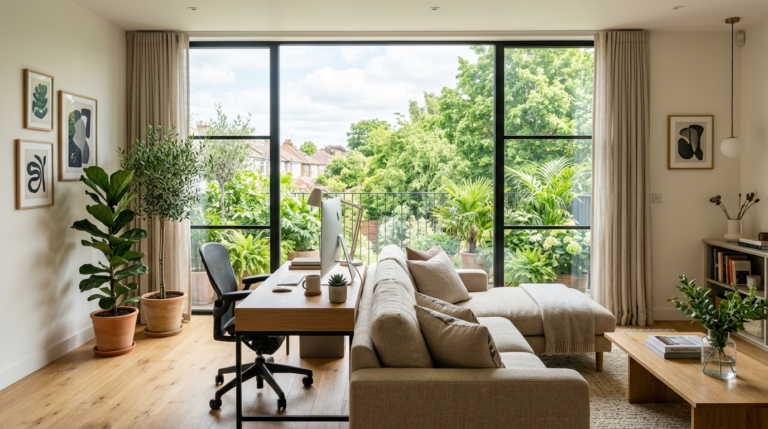
Many of us work from home now. You might not have a spare room for a desk. A living room layout can include a workspace. The trick is to hide the desk.
Try placing a slim desk behind your sofa. It replaces the console table. You can use a chair that matches your living room decor. When you finish work, you just tuck the chair in. It looks like part of the room. I use this setup in my guest room. It keeps the desk out of the way of the foot traffic.
8. The Kids Play Corner Layout
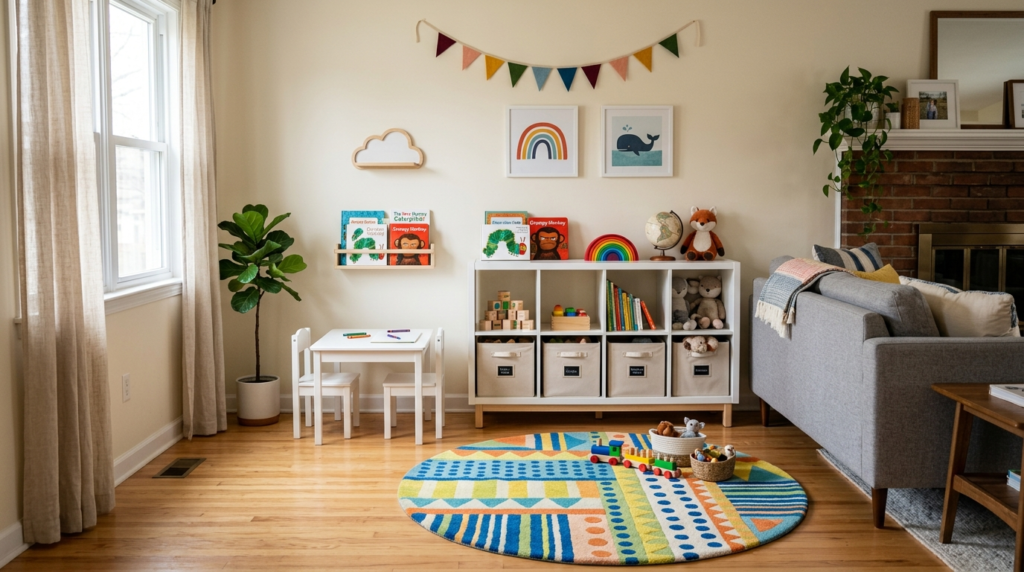
If you have kids, their toys usually take over. Instead of fighting it, give them a corner. Use a low cabinet to block off a small area of the room.
I have seen this work wonders for parents. The kids feel like they have their own “house” inside the room. The low cabinet keeps the blocks and dolls from rolling into the main seating area. You can still watch them while you sit on the couch. Use a washable rug in their zone for easy cleanup.
9. The Cozy Library Nook
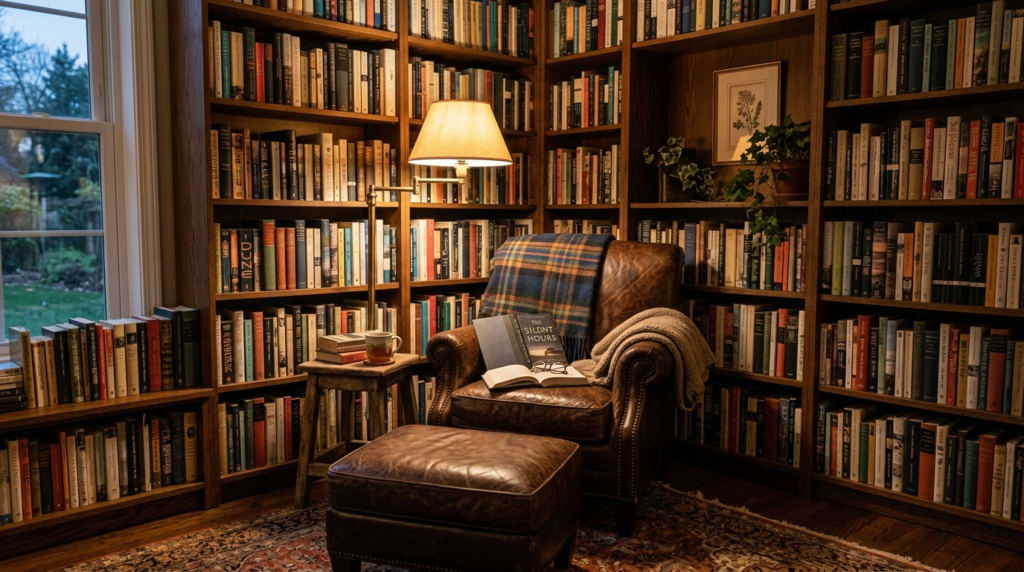
Not every living room needs to be for big groups. If you love to read, dedicate a corner to books. Place a tall shelf against one wall. Put a very comfortable chair next to it.
Add a small side table and a lamp. This creates a room within a room. In my experience, these corners become the most used spots in the house. It feels like an escape. I recommend a chair with a high back to block out the noise from the rest of the house.
10. The TV-Free Minimalist Setup
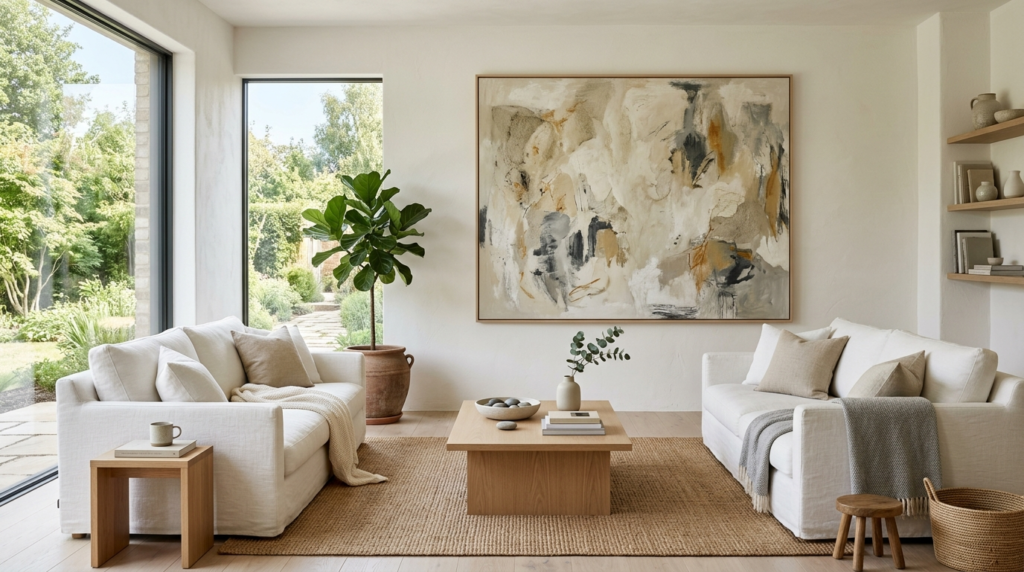
Some people want a space just for talk. If you move your TV to another room, your layout options grow. You can face two sofas toward each other.
This creates a high-end look. It feels like a hotel lobby. I tried this for a client who wanted to host more dinner parties. Without the TV, the room felt much more elegant. We used a large piece of art as the focal point instead. It sparked more conversation than a black screen ever could.
11. The Asymmetric Boldness
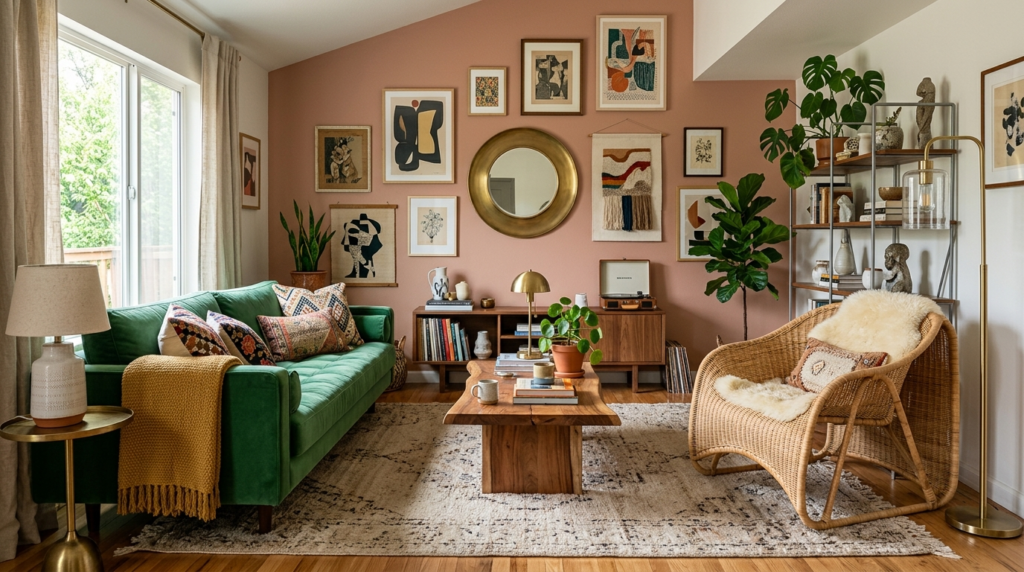
You do not need everything to match. Asymmetric layouts feel modern and casual. Put a sofa on one side and two different chairs on the other.
The key is to keep the weight the same. If you have a heavy sofa, use two chunky chairs to balance it. I like this style because it feels lived-in. It is great for people who collect furniture over time. It looks like your home grew naturally rather than being bought from a catalog.
12. The Symmetric Formal Look
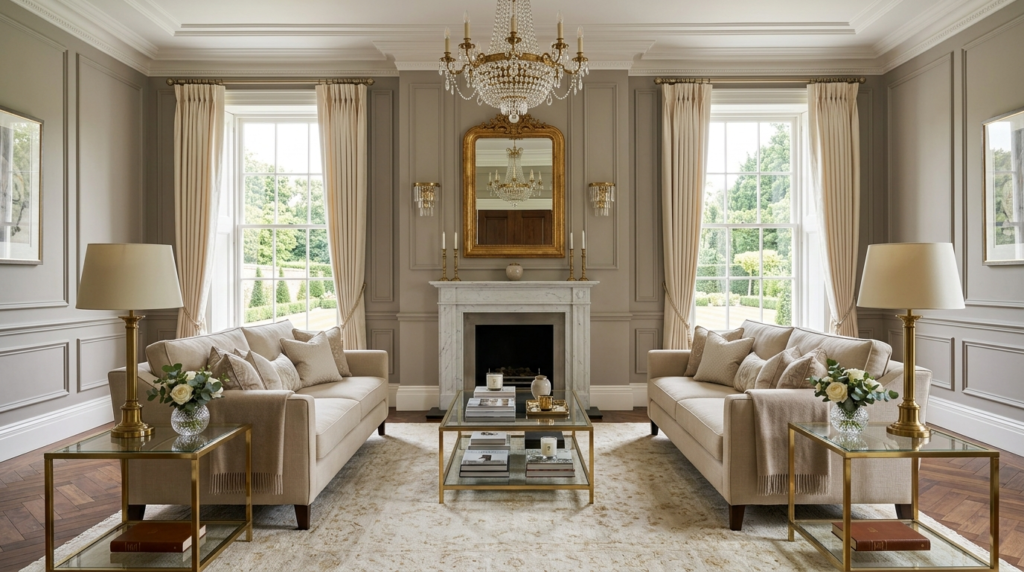
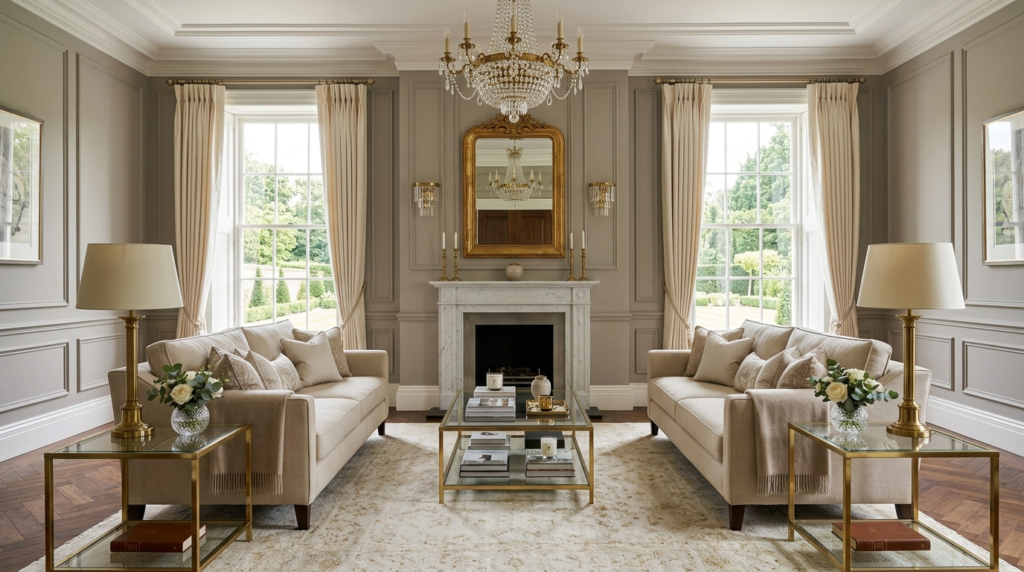
If you love order, symmetry is your friend. Place two identical sofas facing each other. Put a large coffee table between them.
This layout is very common in high-end design. It feels stable and expensive. I see this a lot in formal “front rooms” where you greet guests. It makes the room look organized even if there is a little mess on the table. Use matching lamps on side tables to finish the look.
13. The Walkway-Friendly Path
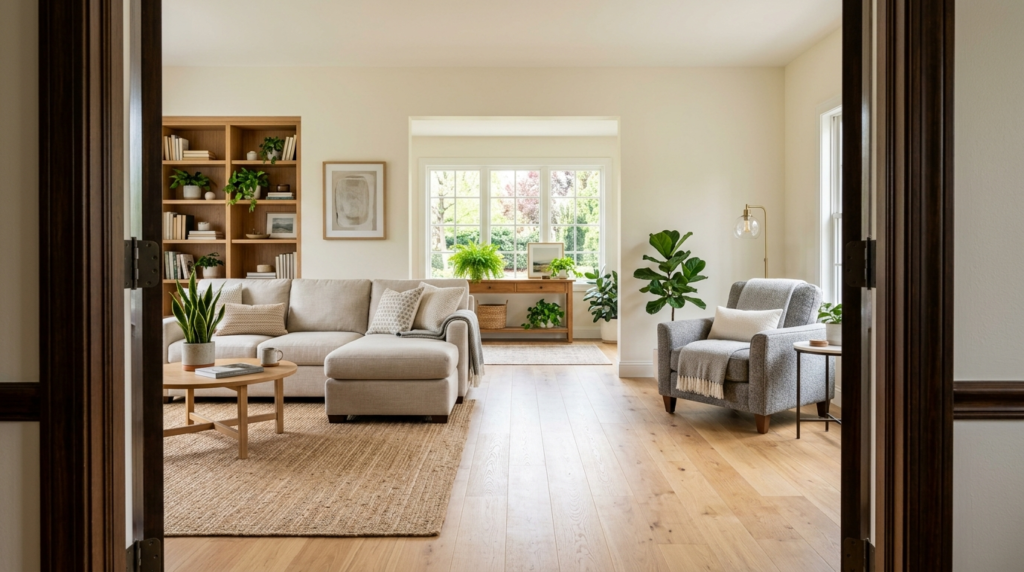
A room fails if you have to dodge furniture to get to the kitchen. You must plan for traffic. Look at where the doors are.
Draw a straight line between the doors. Keep that path clear. I often see people put a coffee table right in the way of a door. It leads to stubbed toes. In narrow rooms, keep all the furniture on one side of the room. This leaves a wide, clear path on the other side.
14. The Corner Sectional Power Move
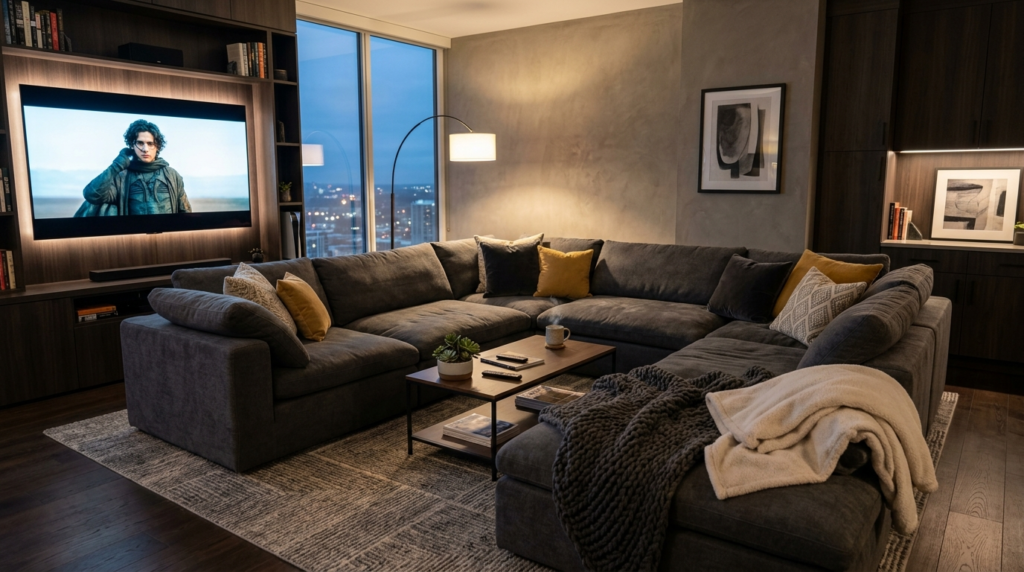
If your room has a strange corner, fill it. A custom sectional can make a weird space look intentional.
I once helped a friend with a room that had a 45-degree angle wall. A standard sofa looked terrible. We found a modular sectional that we could curve. It turned the awkward wall into the best seat in the house. This works best in media rooms where you want to cram in as many people as possible.
15. The Back-to-Back Double Seating
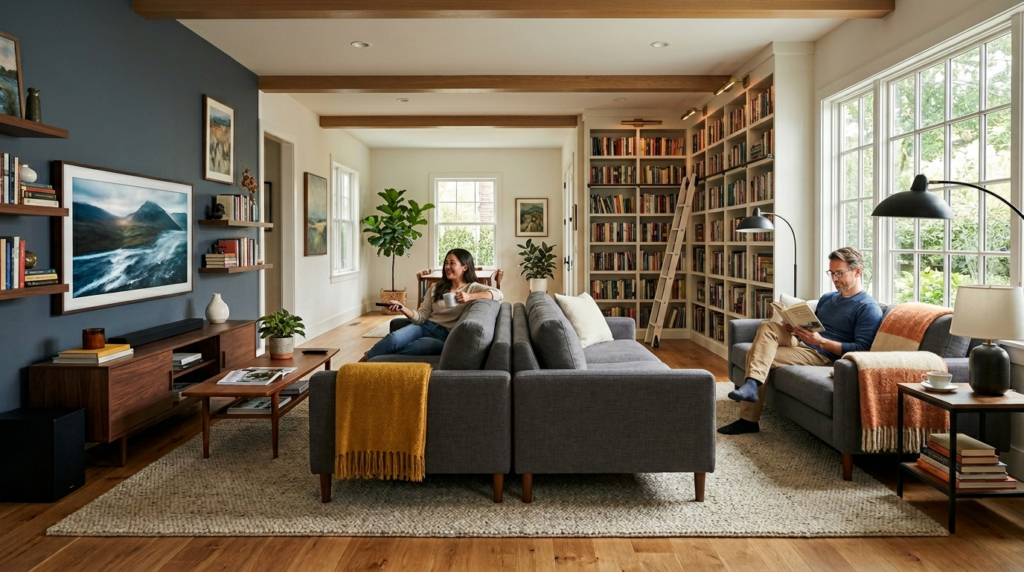
In very long rooms, one sofa is not enough. You might have a “dead” space at one end. Try placing two sofas back-to-back in the center.
One sofa faces the TV. The other faces the window or a fireplace. This creates two distinct seating areas in one room. I saw this in a large ranch house. It allowed the kids to watch a movie while the adults had a glass of wine on the other side. It felt like two different rooms without building a wall.
16. The Rug-Defined Island
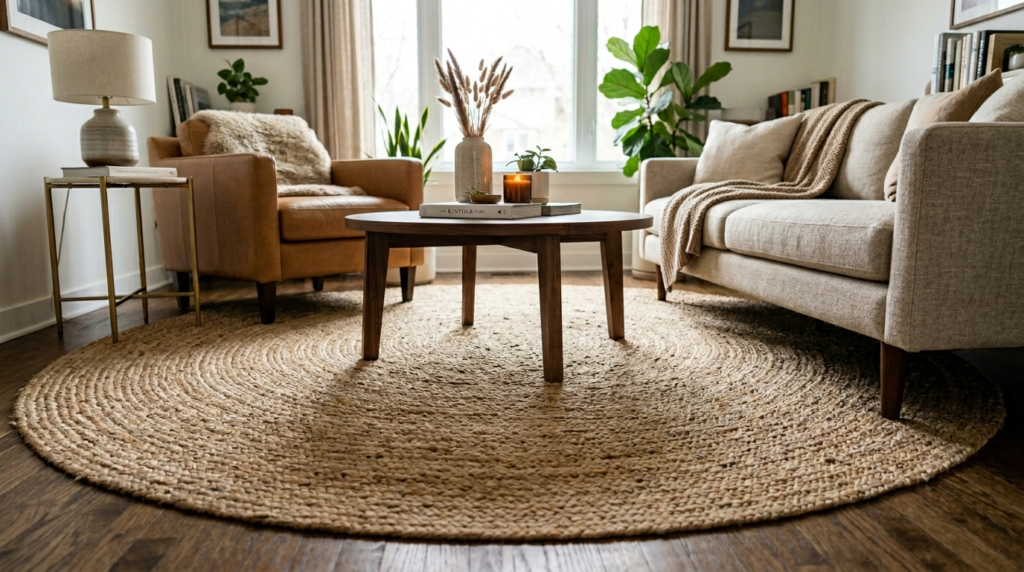
Rugs are the most powerful tool for layouts. If you have hardwood floors, your furniture can look like it is floating away. A rug ties them together.
Make sure the rug is big enough. All furniture legs should sit on the rug. If the rug is too small, the room looks cheap. In my experience, an 8×10 rug is the minimum for most living rooms. I once saw a room transform just by swapping a small rug for a giant one. The whole space felt more grounded and warm.
17. The Entryway Divider
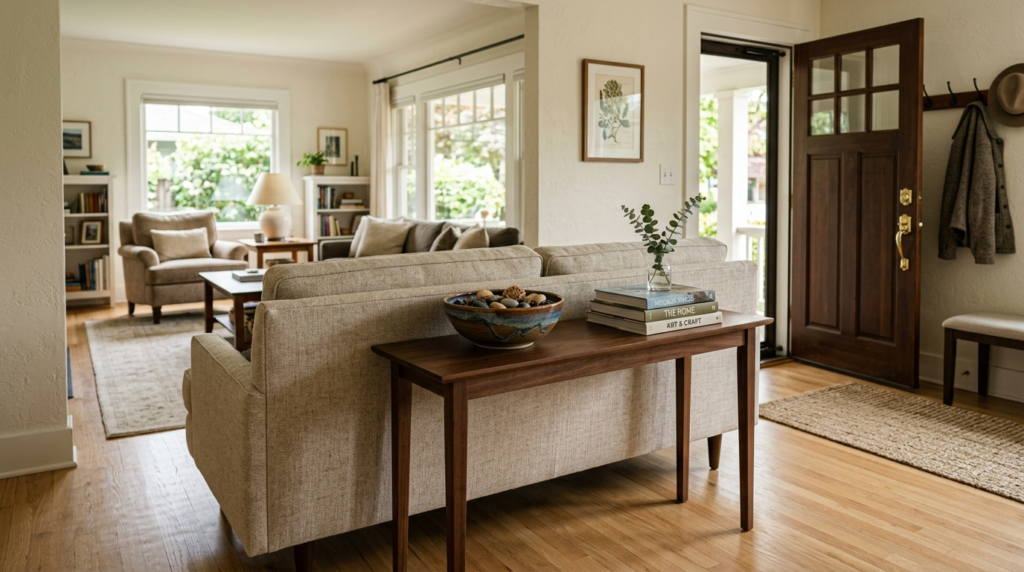
If your front door opens right into your living room, you lack a foyer. You can create one with furniture. Place the back of your sofa toward the door.
This creates a “hallway” behind the couch. It gives you a place to drop your keys and take off your shoes. I suggest adding a long console table against the back of the sofa. It makes the “wall” feel more solid and provides a spot for a lamp or a bowl for mail.
18. The Narrow Room Solution
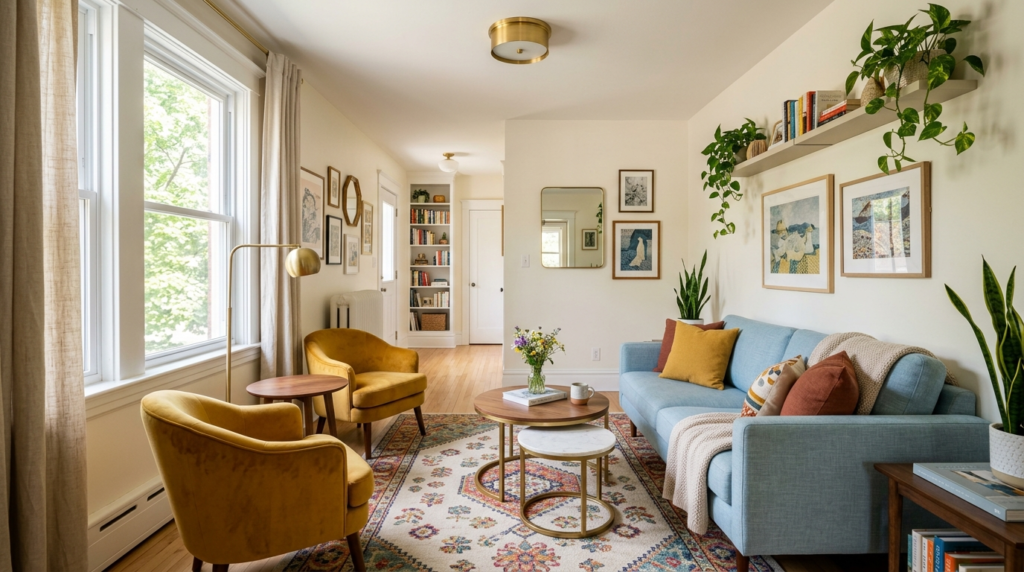
Narrow rooms feel like tunnels. To fix this, stop using long furniture along the long walls. It only makes the room look longer and thinner.
Instead, use two small chairs facing the sofa across the short width. Or, use a small sectional that cuts across the room. This breaks the “tunnel” effect. I found that using round tables also helps. They take up less visual space than square ones and prevent the room from feeling like a hallway.
19. The High Ceiling Scale Layout
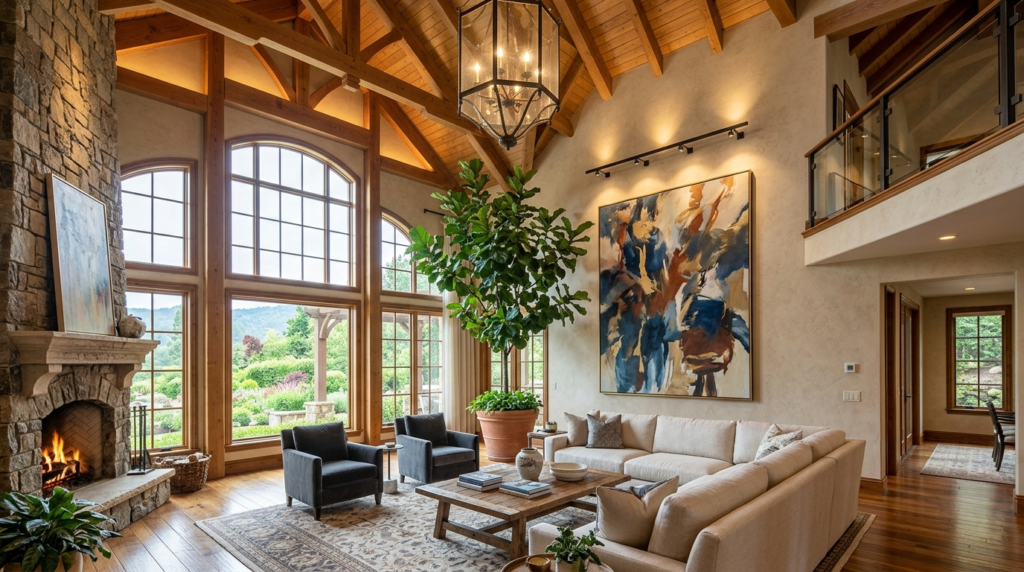
High ceilings are beautiful but can make a room feel empty. You need tall furniture to match the scale. Low-slung modern sofas can get lost in a room with 20-foot ceilings.
Use tall bookshelves or large trees like a Fiddle Leaf Fig. I like to hang art higher than usual in these rooms. It draws the eye up. If the furniture is too small, the room feels like a gym. You want the space to feel filled but not crowded.
20. The Studio Apartment Divider
In a studio, your living room is also your bedroom. You need a layout that protects your privacy. Use a tall, open bookshelf as a divider.
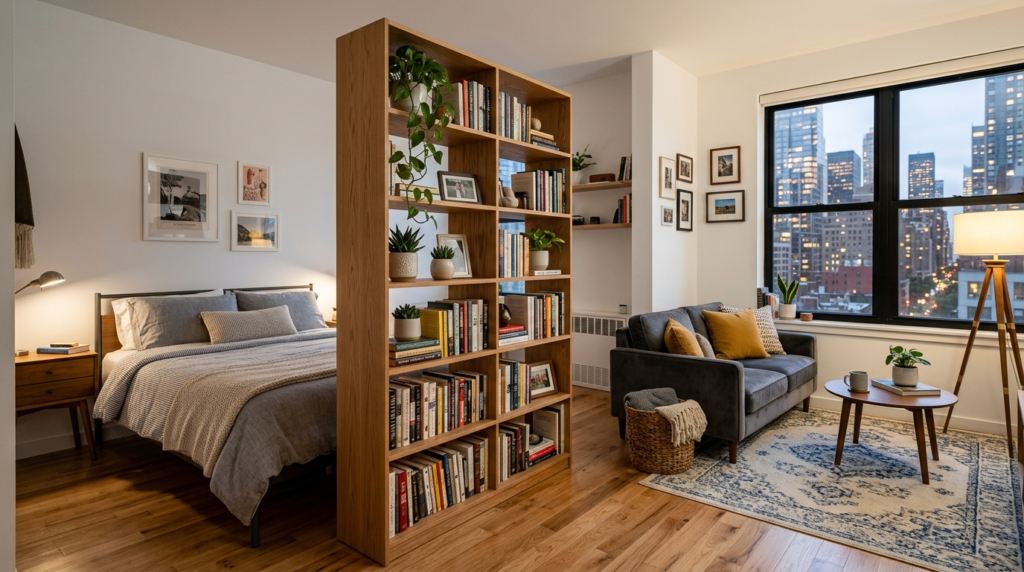
Place the living room on one side and the bed on the other. It lets light pass through but blocks the direct view of your pillows. I have seen people use hanging curtains for this too. It makes the living area feel like a real room where you can host friends without them seeing your unmade bed.
21. The Circular Flow for Parties
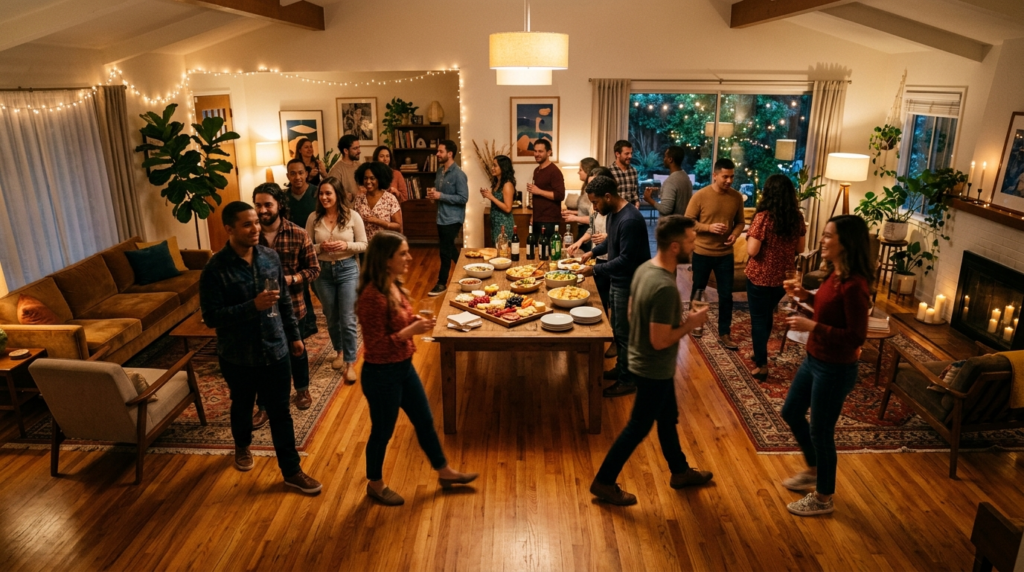
If you host a lot, you need a room that moves. Avoid “dead ends” where people get stuck. Leave gaps between your furniture so people can walk in a circle.
I like to use ottomans instead of heavy chairs for extra seating. You can move them around easily. When the party starts, push the coffee table to the side to open up the floor. This layout is about flexibility. It should feel like the room can breathe.
22. The Reading Bench Window Seat
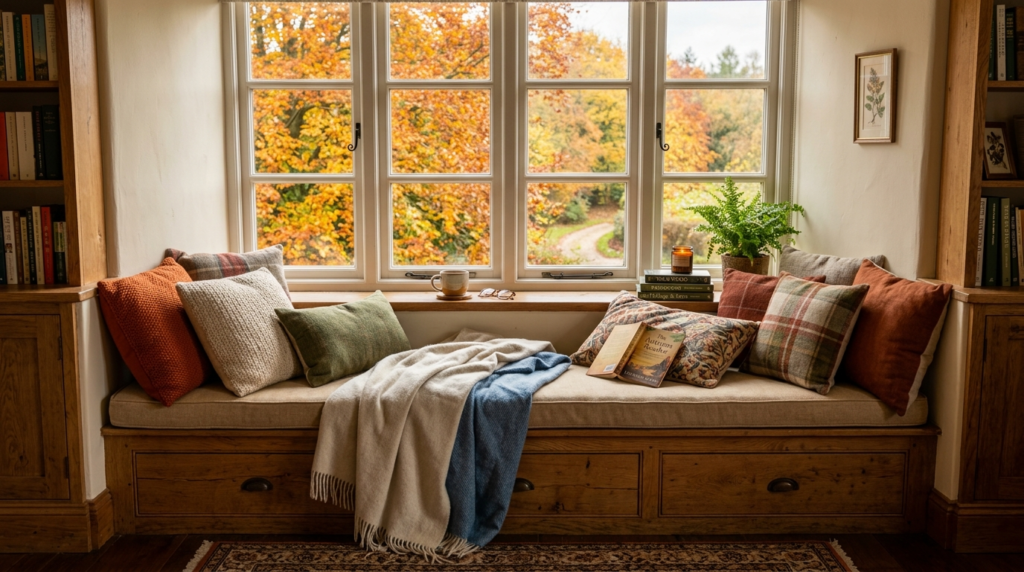
If you have a large window with a deep sill, use it as furniture. You do not always need a chair. A bench or a pile of cushions can turn a window into a lounge.
This saves floor space. I saw a small apartment where they replaced a bulky armchair with a custom window bench. It opened up the whole room. It also provided hidden storage under the seat. It is a smart way to use every inch of your square footage.
23. The Gallery Wall Backdrop
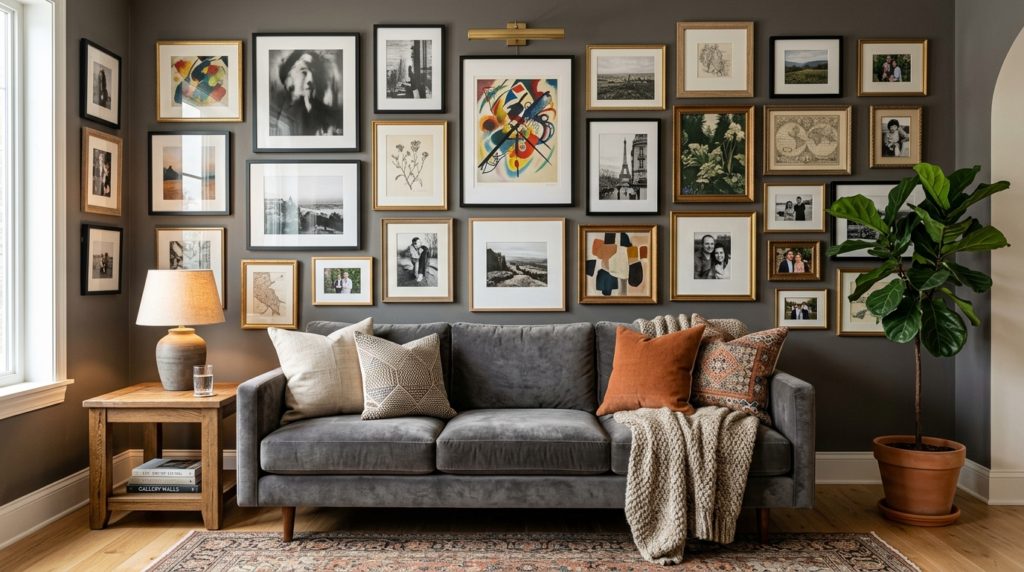
Your layout is not just about the floor. It is about the walls too. A sofa looks best when it has something behind it. A gallery wall of photos or art creates a “frame” for your seating.
I recommend centering your main sofa under your largest piece of art. This creates a focal point. I once helped a client who had a very plain room. We added a wall of black and white photos behind her grey sofa. Suddenly, the furniture looked intentional and expensive. It gives the eye a place to land.
24. The Pet-Friendly Open Floor
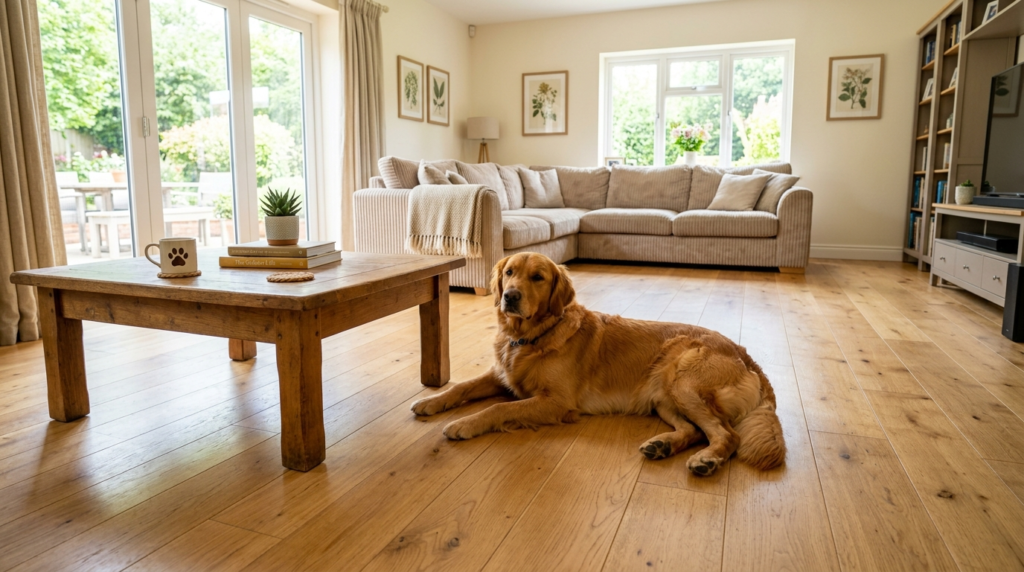
Pets need space to run and nap. If you have a dog, avoid layouts with tight corners or fragile side tables. They will get knocked over.
Keep the center of the room open. I prefer using sturdy, heavy coffee tables that a dog tail cannot move. In my experience, pets love a “path.” If you leave a clear lane around the outside of the furniture, they will stay off the rug more often. Use performance fabrics like crypton or leather so your layout stays clean.
25. The Moveable Modular Setup
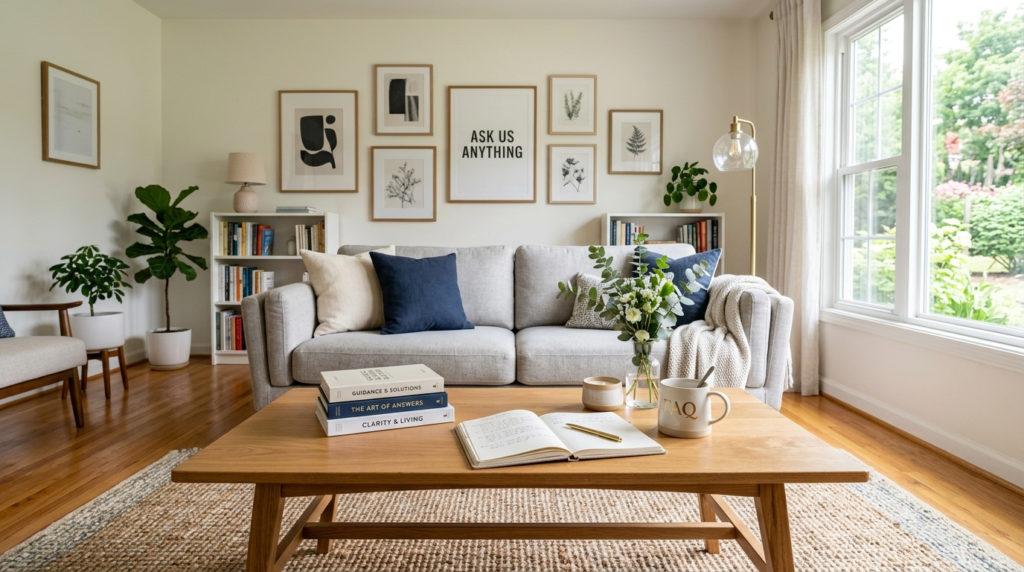
Life changes. Your layout should too. Modular furniture is the future of home design. You can buy pieces that fit together like a puzzle.
One day it is a long sofa. The next day it is two chairs and a bench. I love this for people who move often. I have a modular set that has lived in three different apartments. It fit perfectly in each one because I could change the shape. It is a smart investment for anyone who likes to refresh their space often.
Frequently Asked Questions
What is the best layout for a small living room?
The best choice is often a floating sofa. Pull your furniture a few inches away from the wall. Use a large rug to define the space. Avoid bulky furniture that blocks windows. Use light colors to make the room feel open. I have found that leggy furniture works better than pieces that sit flat on the floor. It lets you see more of the floor, which tricks the brain into thinking the room is bigger.
How do I arrange furniture with a TV and a fireplace?
This is a common struggle. If they are on different walls, place the sofa across from the fireplace. Put the TV on a side wall. You can use swivel chairs to face either one. If the TV is above the fireplace, ensure it is not too high. You do not want to strain your neck. I usually suggest putting the TV on a console next to the fireplace if there is room. It keeps the room feeling balanced.
Where should a rug be placed in a living room?
A rug should sit under the front legs of all your seating. It anchors the group. If the rug is floating in the middle without touching furniture, it looks too small. I always tell people to go bigger than they think. A giant rug makes a room look grand. A tiny rug makes it look cluttered.
How much space do you need between a coffee table and a sofa?
You need about 18 inches. This is enough space to walk through but close enough to reach your drink. I have seen people push the table too far away. It makes the room feel disconnected. If you have a very large room, use a bigger coffee table rather than more space.
Can you put a sofa in front of a window?
Yes, but keep it low. You do not want to block the light or the view. A low-back sofa works well. Just make sure there is a small gap for the curtains to move. I like to leave about four inches. This prevents the sofa from feeling like it is squashing the window.
How do I fix a long, narrow living room?
Break the room into two zones. Use one end for TV and the other for a desk or a reading nook. Use rugs to show where one zone ends and the next starts. Avoid long pieces of furniture on the long walls. This stops the “bowling alley” look. I find that round ottomans help break up the long lines of the room.
Conclusion
Changing your living room layout is the easiest way to improve your life at home. You do not need a big budget. You just need a tape measure and a little bit of time. Start by finding your focal point. Clear the paths. Pull the furniture off the walls. I have seen these small changes turn a house into a home. Try one of these 25 ideas this weekend. You might find that your room had the potential to be great all along. Your home should work for you, not the other way around.
Sloane Whitaker is the Editor-in-Chief at Home Wall Trends, leading editorial direction with over a decade of experience in residential interior design and home styling. Her specialty is space planning and layout, the unglamorous fundamentals that make a beautiful room actually function. A graduate of the New York School of Interior Design, Sloane has styled over 200 client homes before turning her focus to digital publishing. Her editorial standard: “If a reader can’t picture themselves doing it on a Saturday afternoon, we haven’t explained it well enough.”