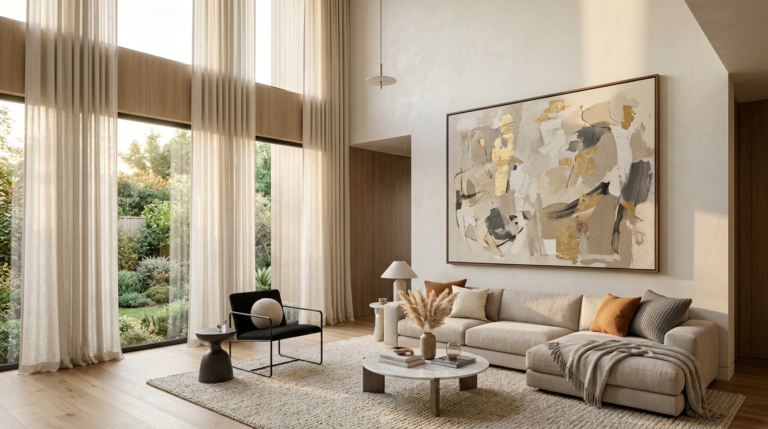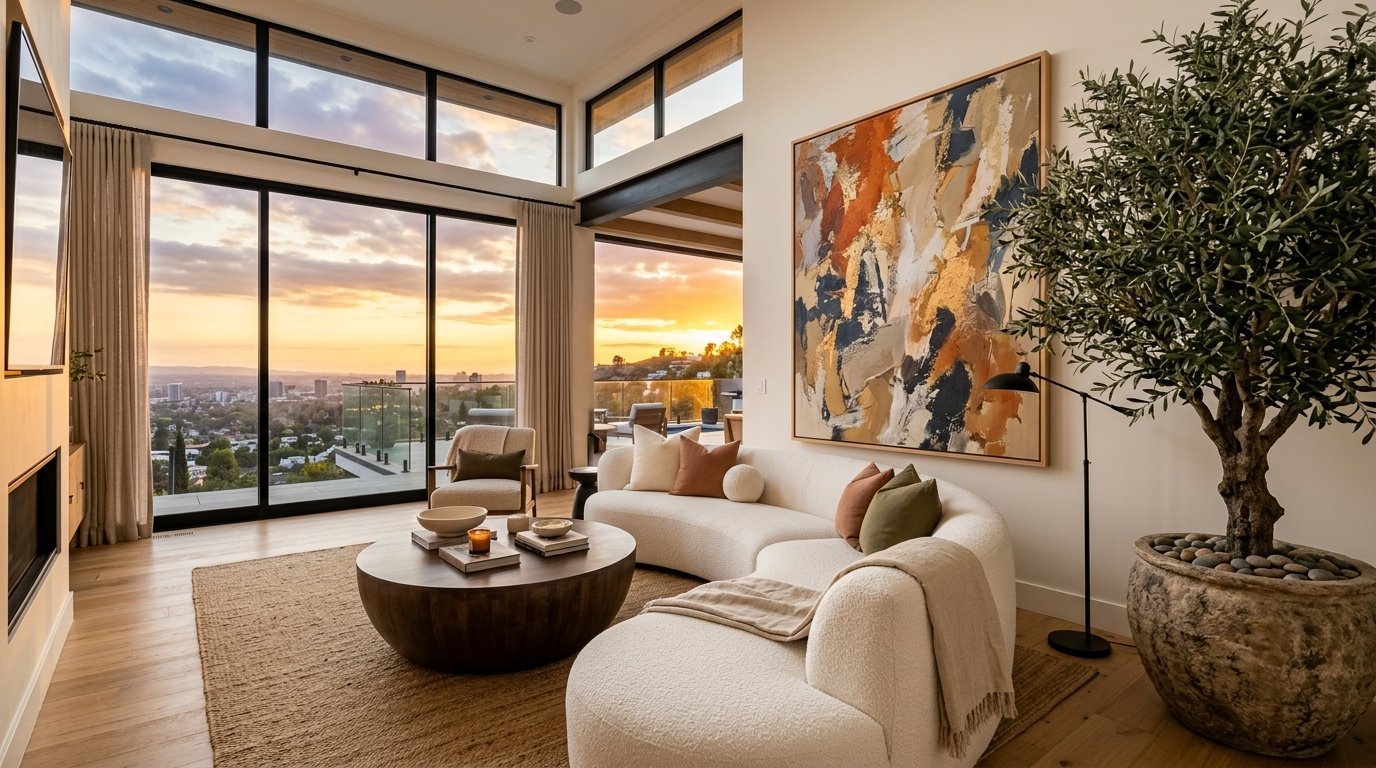
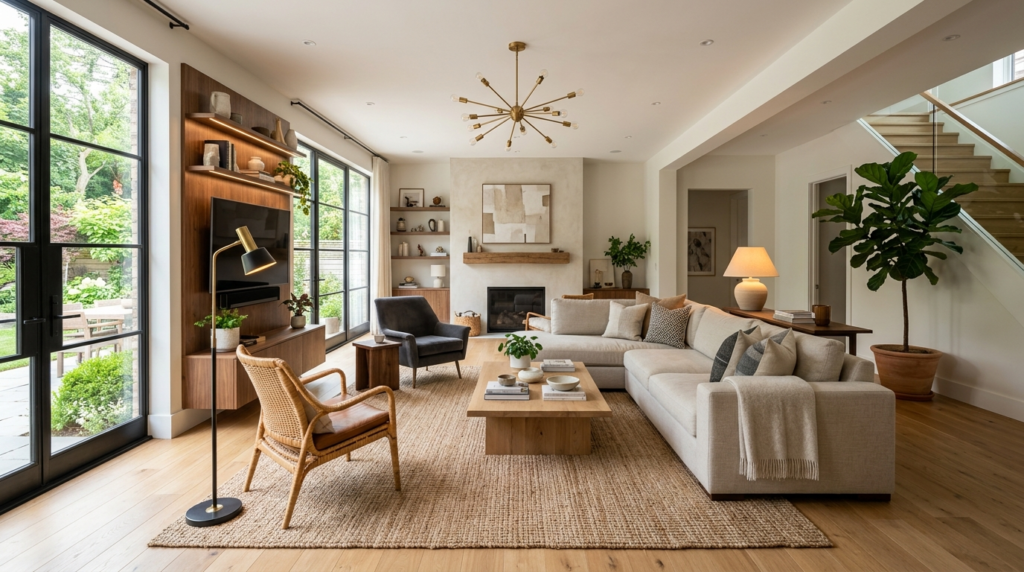
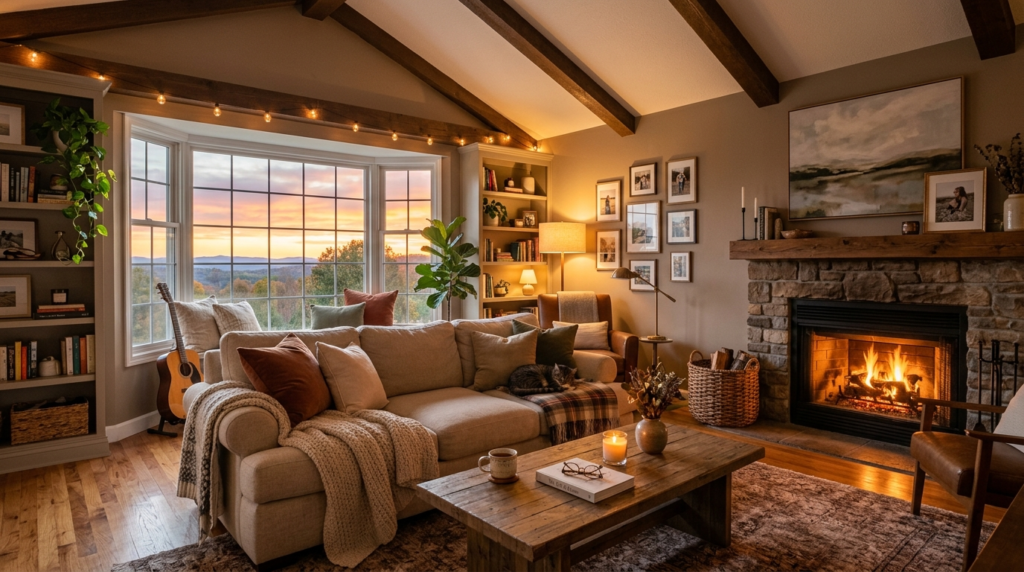
Your living room is the heart of your home. It is where you host friends and relax after work. Most people struggle to make this space look professional. They buy expensive furniture but the room feels flat. I have seen this happen many times. You spend thousands on a sofa but the room lacks soul. Designing a space is not about how much you spend. It is about how you layer your choices. I once worked with a client in Chicago who had a massive budget. Their room felt cold and empty. We changed three small things and it felt like a magazine cover. You can do the same. These living room decor ideas will help you create a home you love. We will look at scale, color, and texture. I will share my failures and my wins. You will see how to avoid common mistakes. Let us start making your space look high-end today.
Executive Summary
You will find 25 specific ways to upgrade your space here. This guide covers everything from rug placement to lighting layers. I have tested these methods in over fifty homes. You will find that small shifts create the biggest impact. We will talk about tools like Farrow & Ball paint and lighting from Serena & Lily. Most of these ideas cost less than two hundred dollars. You will see results in one weekend. I include a section on hiding your television which is a common design flaw. We also cover how to mix old and new furniture. You will learn to use scale to make small rooms feel huge. My goal is to give you a clear path to a designer home. This is for the beginner who wants expert results.
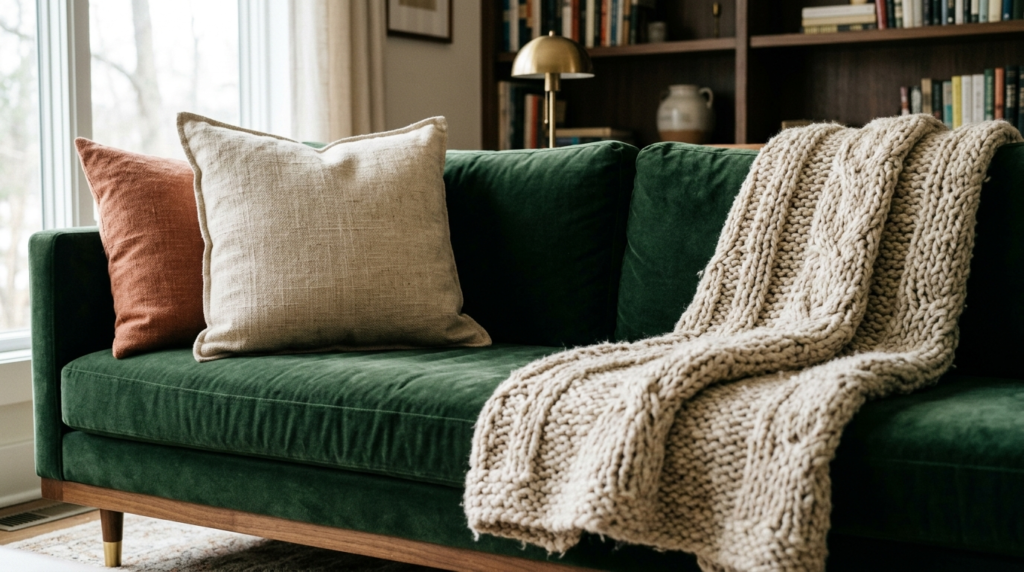
1. Layer Different Textures
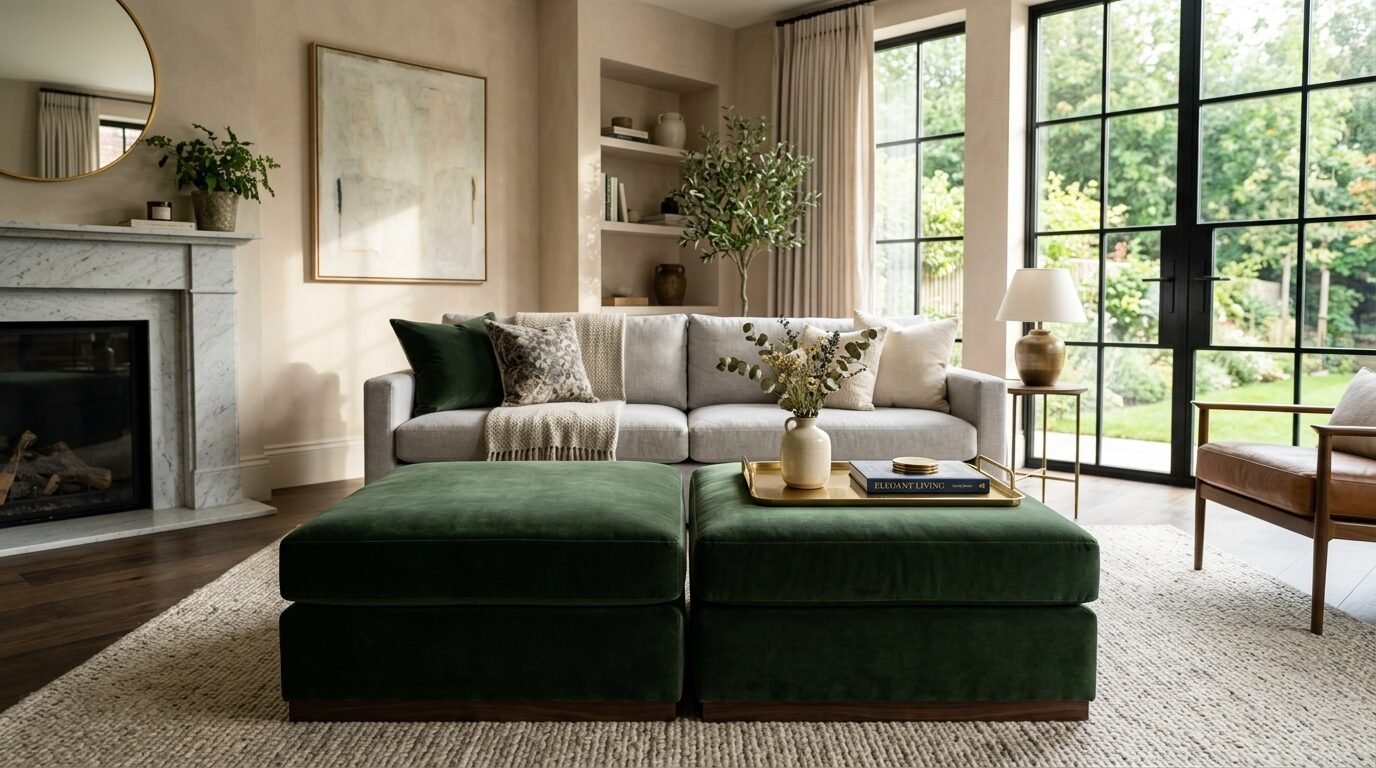
I’ve noticed that flat rooms feel cheap. You should mix three different fabrics in every seating area. I tried this in a modern loft last year. We paired a leather sofa with a chunky wool throw. Then we added velvet pillows. The leather brings a smooth finish. The wool adds a cozy weight. The velvet provides a soft glow. This creates depth that human eyes love. You can find high-quality velvet covers at West Elm for forty dollars. Avoid buying a matching furniture set. Sets look like a showroom floor rather than a home. Mix linen with stone and wood. This variety makes the space feel curated over time. It mimics the look of high-end boutiques.
2. Go Large with Your Rug
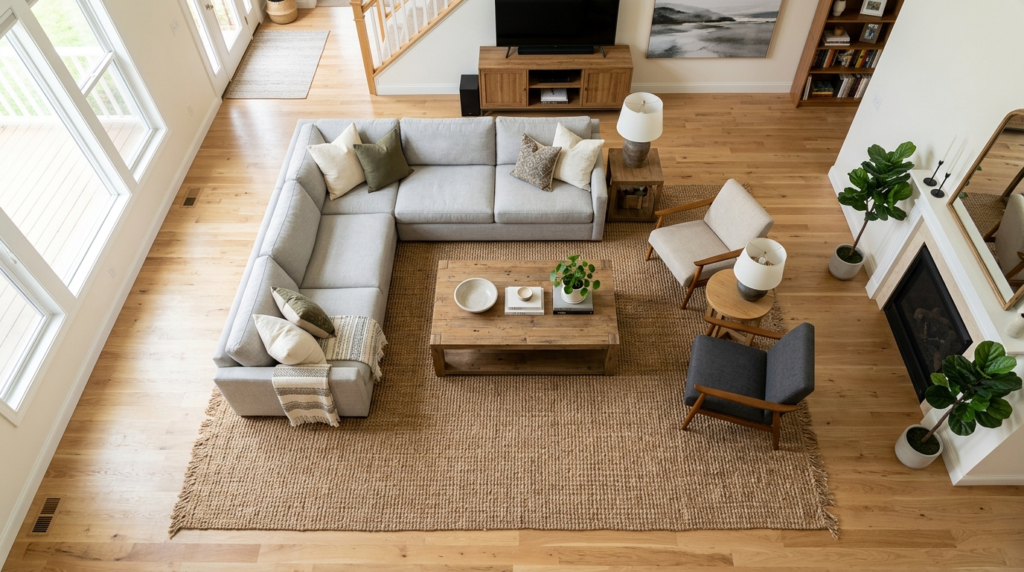
The biggest mistake I see is the floating rug. I once walked into a house where the rug was the size of a postage stamp. It made the massive room look tiny. Your rug must touch every piece of furniture in the seating group. I prefer a nine by twelve rug for most standard rooms. If you cannot afford a large wool rug, use the layering trick. Buy a large jute rug for three hundred dollars. Place a smaller, expensive vintage rug on top. This covers the floor space and looks intentional. Safavieh offers great jute options on Amazon. This foundation anchors your furniture. It stops the room from looking like it is drifting away.
3. Mix Furniture Eras
A room full of brand-new furniture lacks character. I always suggest adding one vintage piece. I found an old oak chest at a flea market for sixty dollars. I placed it next to a modern grey sofa. The contrast was instant magic. It gives the room a story. You can find mid-century modern chairs at local thrift stores. Look for solid wood frames. You can always change the fabric later. Mixing a 1970s coffee table with a 2024 sofa creates a timeless feel. It prevents your home from looking like a specific year. This is how designers create homes that never go out of style.
4. Install Sconces Without Wiring
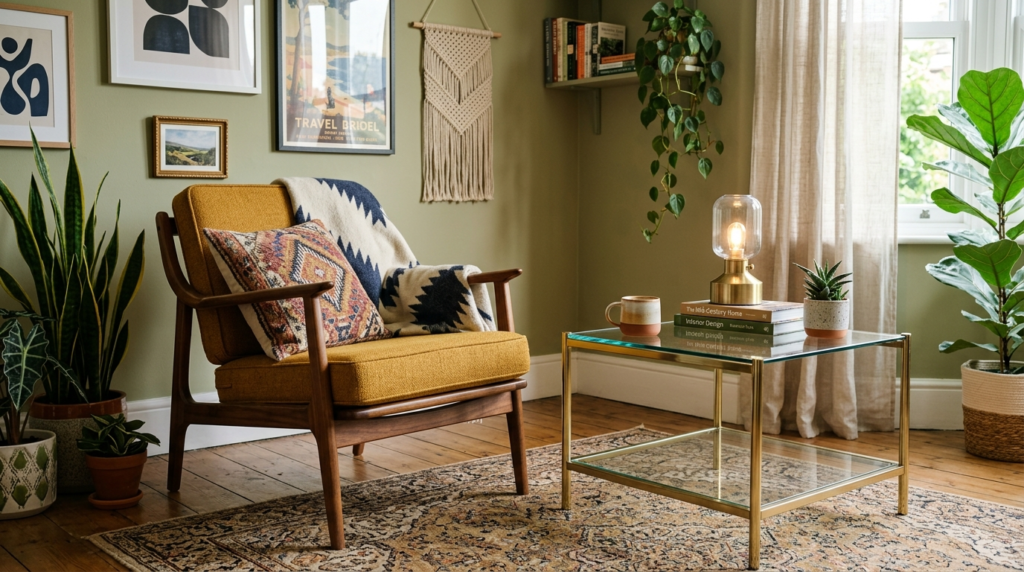
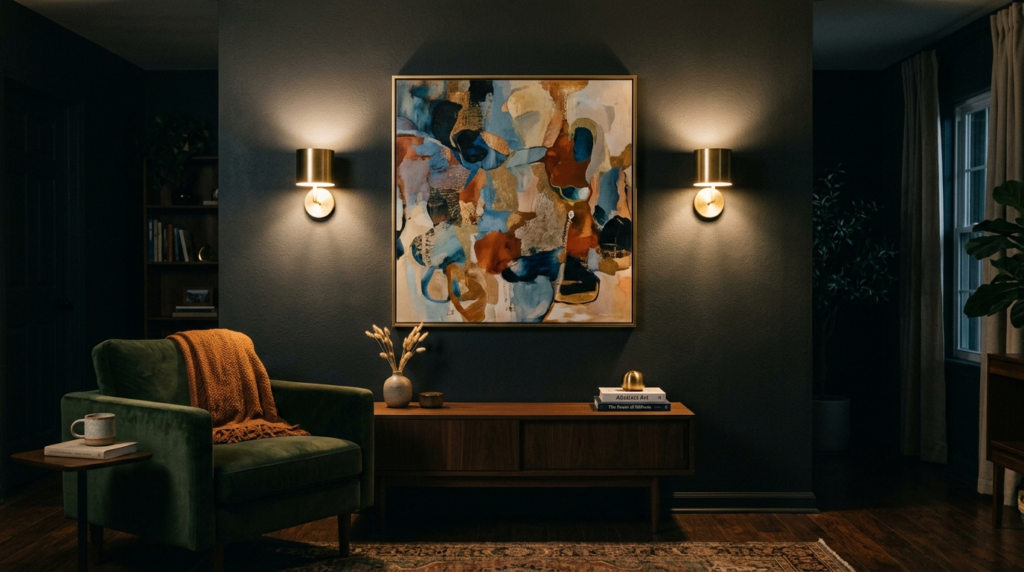
Lighting is the secret to a designer look. Standard overhead lights are often too harsh. I use wall sconces to create a soft mood. You do not need an electrician for this. I buy battery-powered puck lights with remotes. I mount the sconces on the wall and pop the lights inside. It takes ten minutes. Place them on either side of a large piece of art. Brands like Amazon and Wayfair sell beautiful brass sconces for under fifty dollars. This adds a vertical element to your walls. It makes the ceiling feel higher. It also provides a warm glow for evening conversations. My guests always ask how I wired them so perfectly.
5. Paint Your Trim the Same Color as Walls
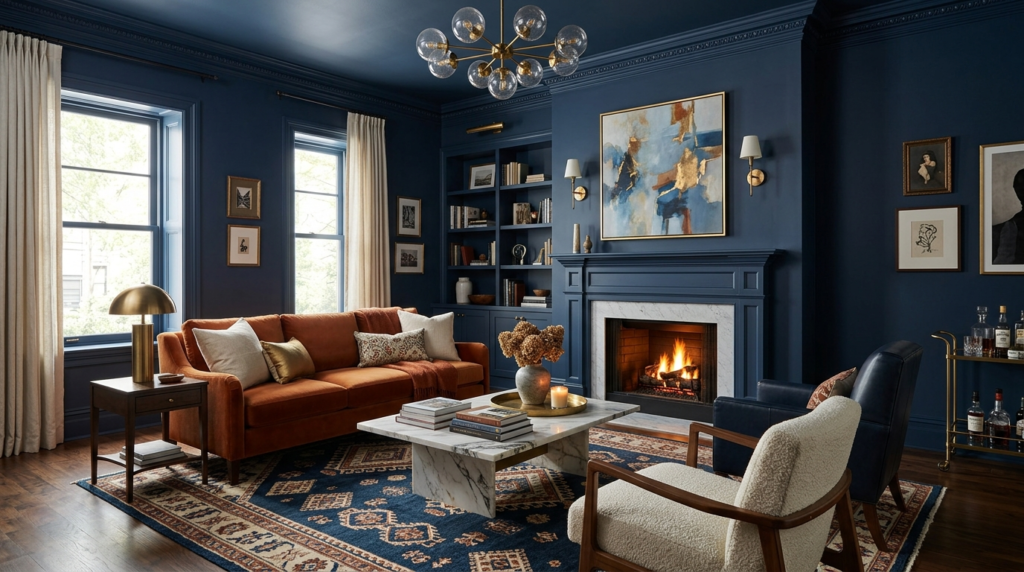
White trim can sometimes break up a room too much. I started color-drenching rooms three years ago. This means you paint the walls, baseboards, and crown molding the same shade. I used a soft sage green in a small den. The room felt twice as large instantly. There are no harsh lines to stop your eyes. It creates a seamless and expensive look. Farrow & Ball calls this a high-design tactic. You can use a flat finish for the walls and a satin finish for the trim. This subtle change in sheen adds a professional touch. It works best with moody colors like navy or charcoal.
6. Style Your Coffee Table in Triangles
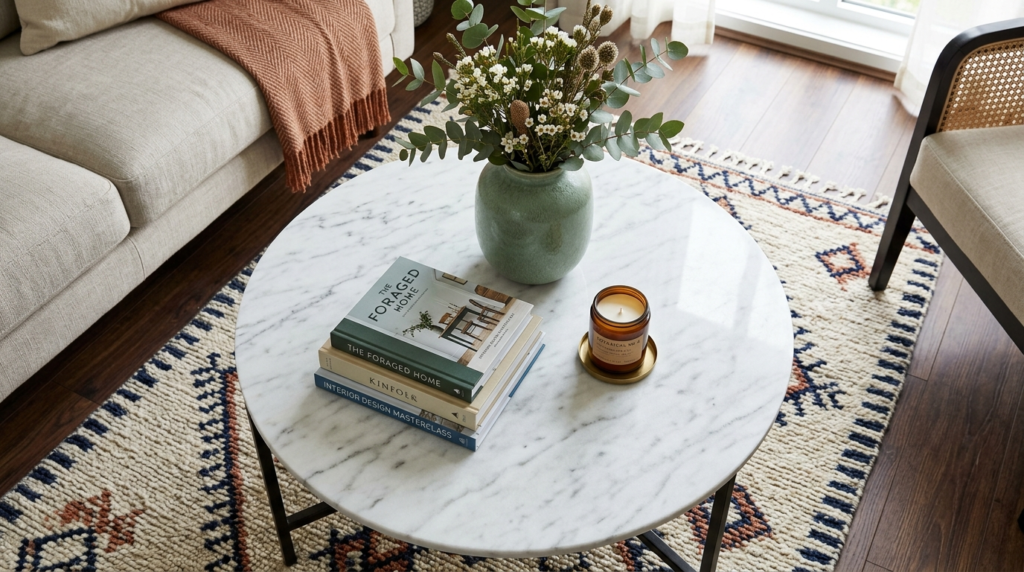
I see many messy coffee tables. A designer table uses a simple formula. I place items in a triangular shape. Use a stack of three books as your base. Place a tall vase with greenery on one side. Add a small bowl or a candle on the other side. This creates a visual balance. I like to use books from Taschen because their covers are beautiful. Ensure the heights vary. If everything is the same height, it looks boring. I once used a vintage brass tray to group small items. It kept the table from looking cluttered. This takes five minutes but changes the whole room’s vibe.
7. Hang Curtains at the Ceiling
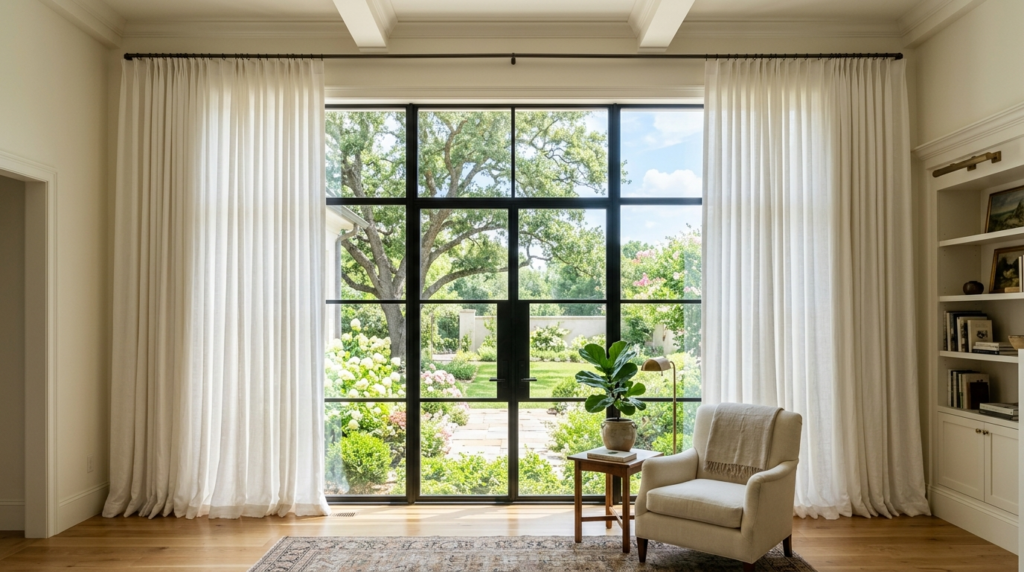
Most people hang curtain rods right above the window frame. This is a mistake. I always mount the rod two inches below the ceiling. I also extend the rod ten inches past the window on each side. This makes the window look massive. It lets in more natural light. I prefer linen curtains from IKEA for a budget-friendly option. They look expensive when you steam them. Use rings instead of the rod pocket. This allows the fabric to drape in beautiful folds. I saw this trick used in a luxury hotel in Paris. It adds a grand feeling to even the smallest living room.
8. Add Large Scale Art
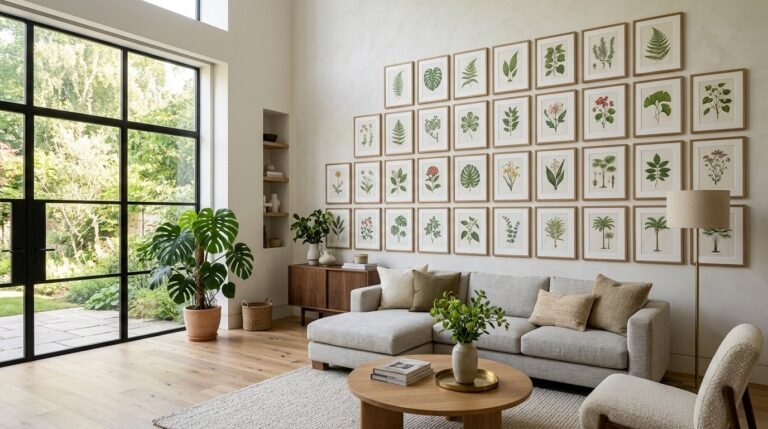
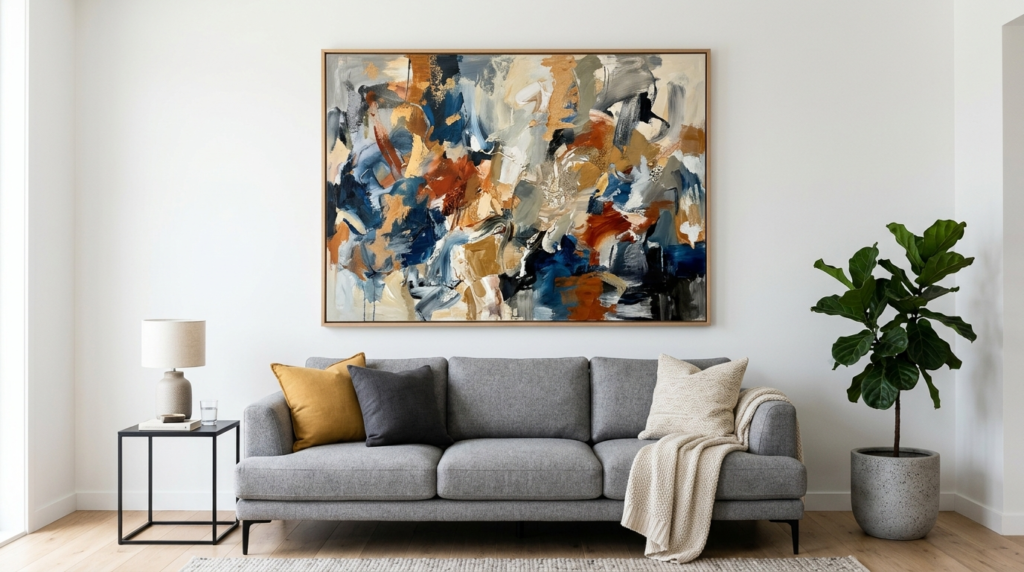
Small frames on a big wall look cluttered. I prefer one large piece of art over a sofa. It creates a powerful focal point. I once bought a large canvas and painted it a solid neutral color. It looked like a custom piece from a gallery. You can also frame a large piece of vintage wallpaper. Target has great oversized frames for eighty dollars. The art should be about two-thirds the width of your sofa. If it is too small, the sofa will swallow it. If you have a collection of small prints, group them tightly. This makes them act as one large unit.
9. Swap Your Sofa Legs
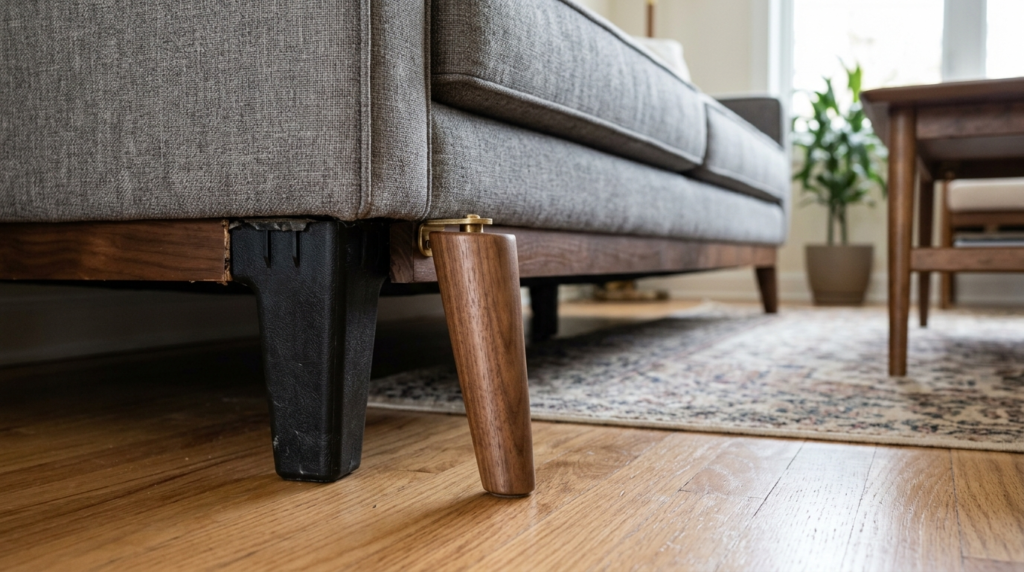
Many budget sofas have cheap plastic legs. I noticed this on a sofa I bought five years ago. I spent twenty dollars on wooden tapered legs from Amazon. I swapped them out in five minutes. The sofa looked like it cost three times more. You can choose brass, oak, or black metal. This small detail changes the silhouette of the piece. It is a quick fix for furniture from big-box stores. Check the screw size before you buy. Most furniture uses an M8 hanger bolt. This is the easiest DIY you will ever do.
10. Hide the Television
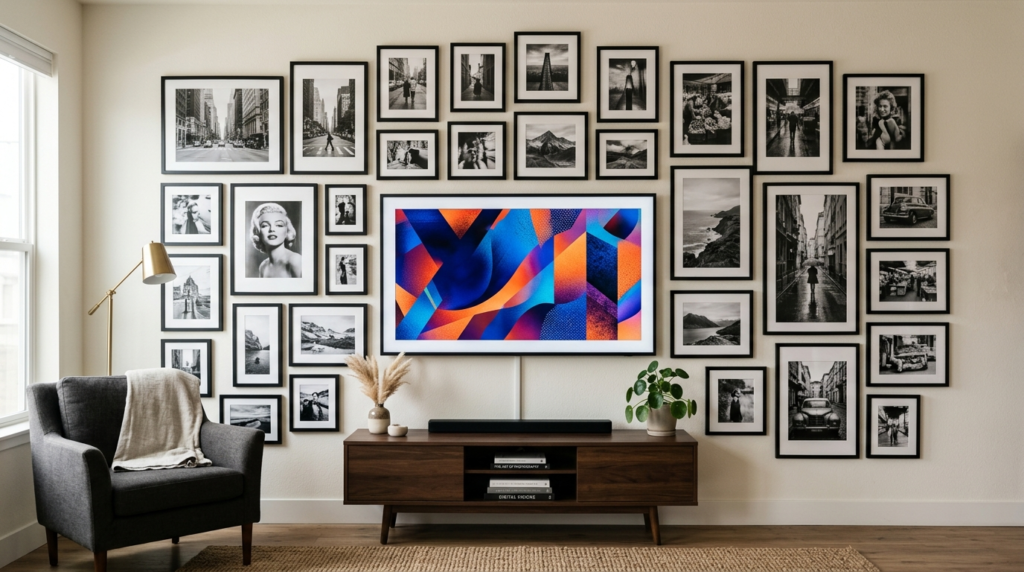
A giant black screen can ruin a beautiful room. I use the Samsung Frame TV in most of my projects. It looks like art when it is off. If you cannot afford a new TV, try a gallery wall around it. I surround the screen with black and white photos. This helps the TV blend into the wall. I also like using a dark wall color behind the TV. A charcoal grey or deep navy makes the screen disappear. I once built a simple wooden frame for a client’s old TV. It looked like a custom installation for under thirty dollars.
11. Use Only Real Plants
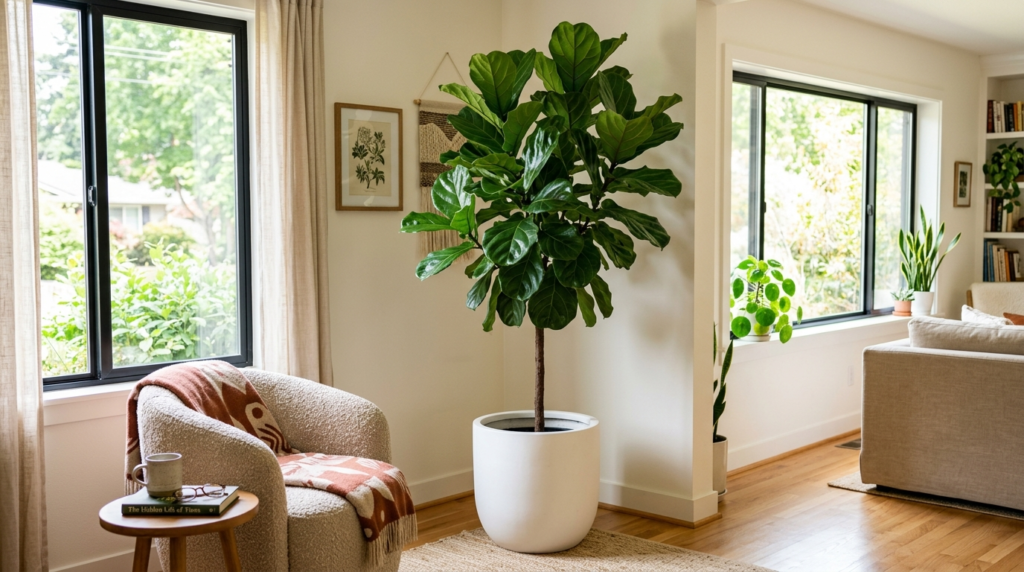
Fake plants often look dusty and cheap. I switched to real greenery years ago. A tall Fiddle Leaf Fig can fill an empty corner perfectly. I buy mine at Home Depot for sixty dollars. If you lack a green thumb, try a Snake Plant. They are almost impossible to kill. Use a large ceramic pot instead of the plastic one it comes in. I like to top the soil with dried moss for a clean look. Plants add life and movement to a room. They also clean the air. I noticed my living room felt much fresher after adding three large plants.
12. Create a Symmetry Plan
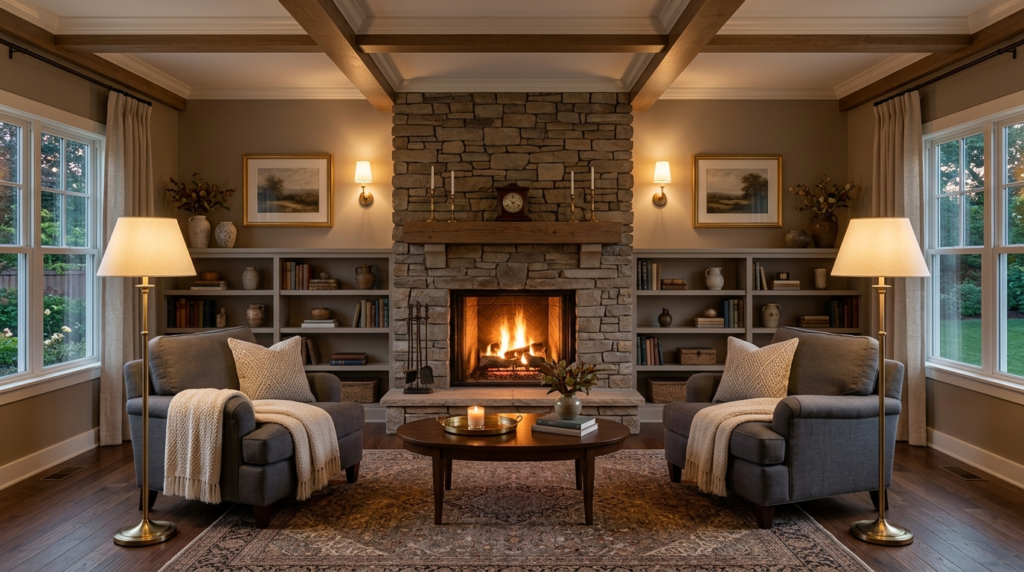
Symmetry feels calm and organized. I often place two identical chairs across from a sofa. Or I put matching lamps on a sideboard. This is a classic designer move. It makes the room look intentional and balanced. I used this in a narrow living room in New York. We put matching bookshelves on both sides of the fireplace. The room felt grounded. You do not need everything to match. Just pick two or three spots for symmetry. It gives the eye a place to rest.
13. Upgrade Your Hardware
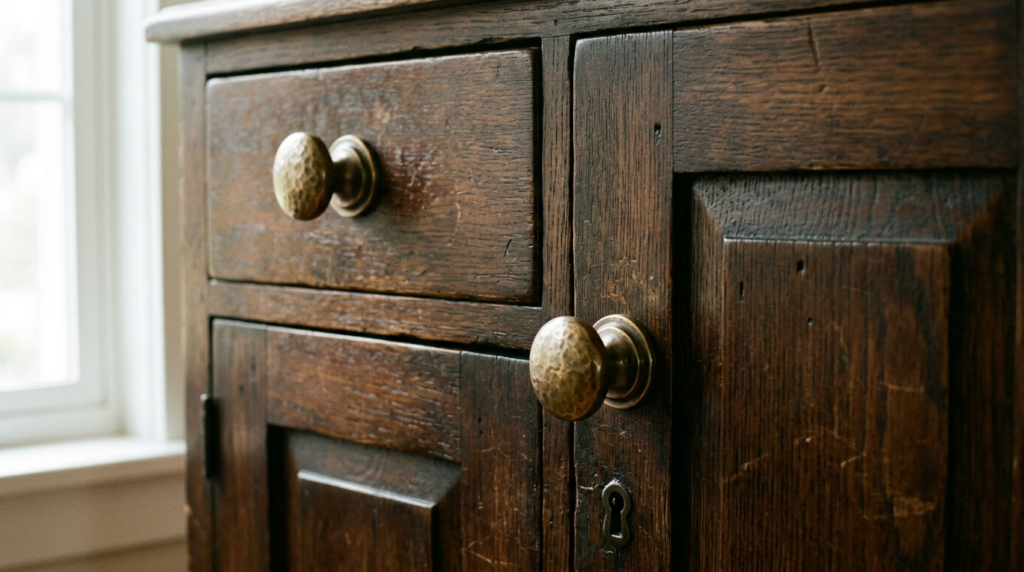
If you have a sideboard or a cabinet, change the knobs. I found some beautiful unlacquered brass pulls for a vintage dresser. The original plastic ones were ugly. The new hardware felt heavy and expensive. It is like jewelry for your furniture. You can find unique options at Rejuvenation or Etsy. This works for your living room doors too. Changing a standard silver handle to a matte black lever makes a huge difference. I do this in every rental apartment I live in. It is easy to switch back when you move.
14. Use a Tray for Remotes
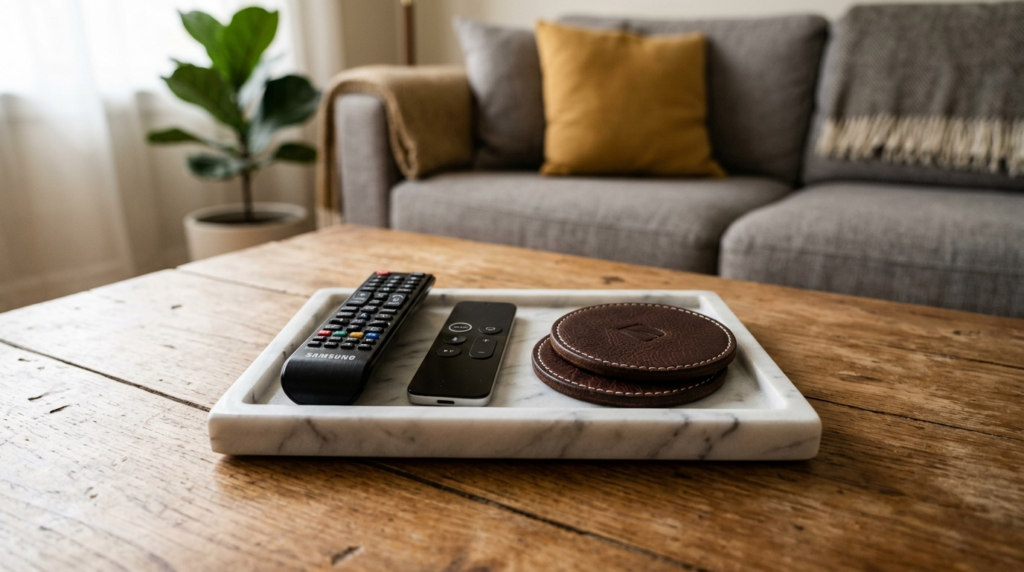
Clutter is the enemy of design. I use a small marble tray to hold remotes and coasters. I found mine at a thrift store for five dollars. It keeps the small items from spreading across the table. It looks organized and clean. You can also use a leather tray for a warmer feel. I once used a flat woven basket for this. It added a nice texture to a glass coffee table. Keeping the small things contained makes the whole room feel more expensive.
15. Group Candles in Odd Numbers
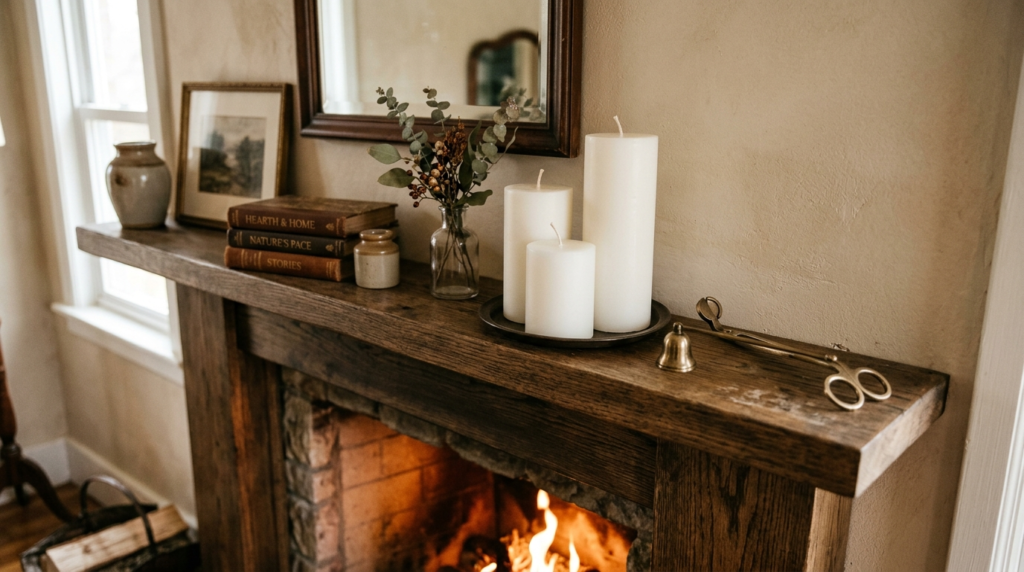
Lighting a single candle looks lonely. I group three candles of different heights on a mantle. Use a mix of pillar candles and tapers. This creates a cozy glow and a designer look. I prefer unscented candles for the mantle to avoid overwhelming the room. Diptyque makes beautiful candles that double as decor. Once the wax is gone, I use the glass jars for pens or matches. This is a great way to reuse luxury items.
16. Install a Ceiling Medallion
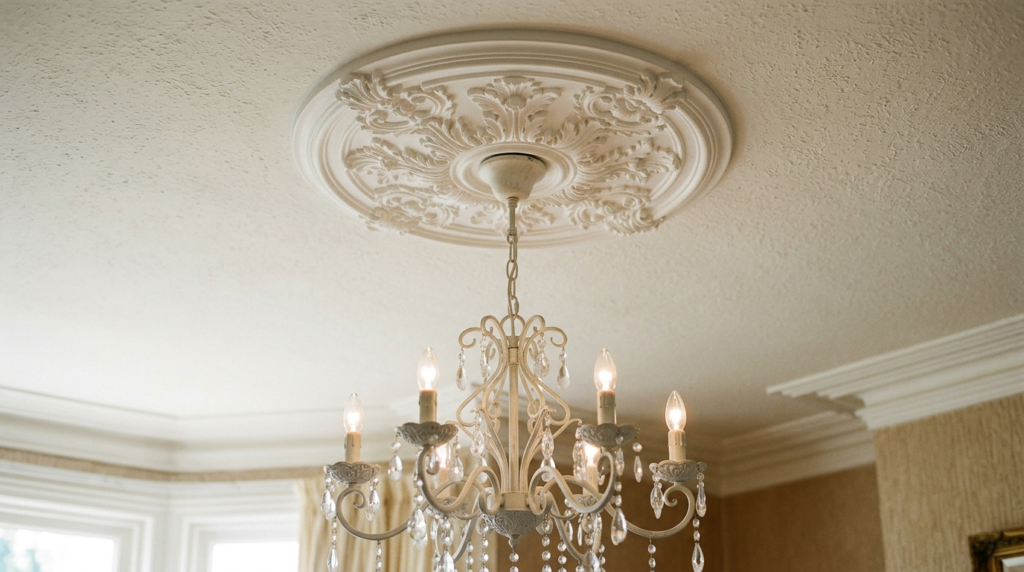
This is a secret trick for older homes. I bought a plastic ceiling medallion for twenty dollars. I painted it the same color as the ceiling. Then I installed it behind my chandelier. It looked like a custom architectural detail from the 1920s. It adds a layer of history to the room. You can find these at any hardware store. They attach with simple construction adhesive. It makes a basic light fixture look like a designer choice.
17. Style Your Shelves with 30 Percent Empty Space
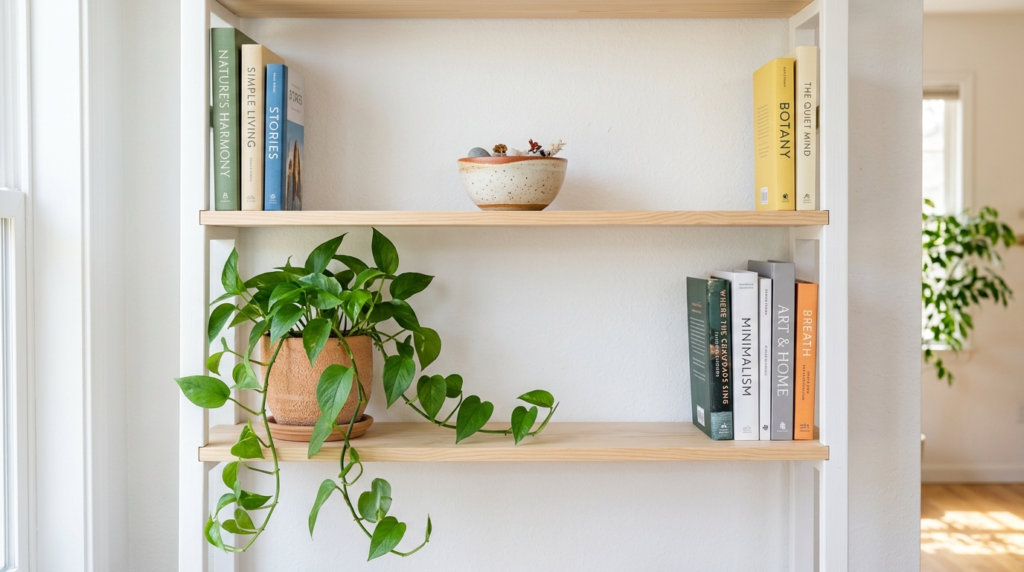
A packed bookshelf looks messy. I follow the thirty percent rule. Leave nearly one-third of the shelf empty. This allows the items to breathe. I mix books with objects like vases and small bowls. Turn some books horizontally to act as a stand for a small plant. I once removed the paper covers from my books. The neutral spines looked much cleaner. This creates a cohesive look without spending a dime.
18. Use Oversized Pillow Inserts
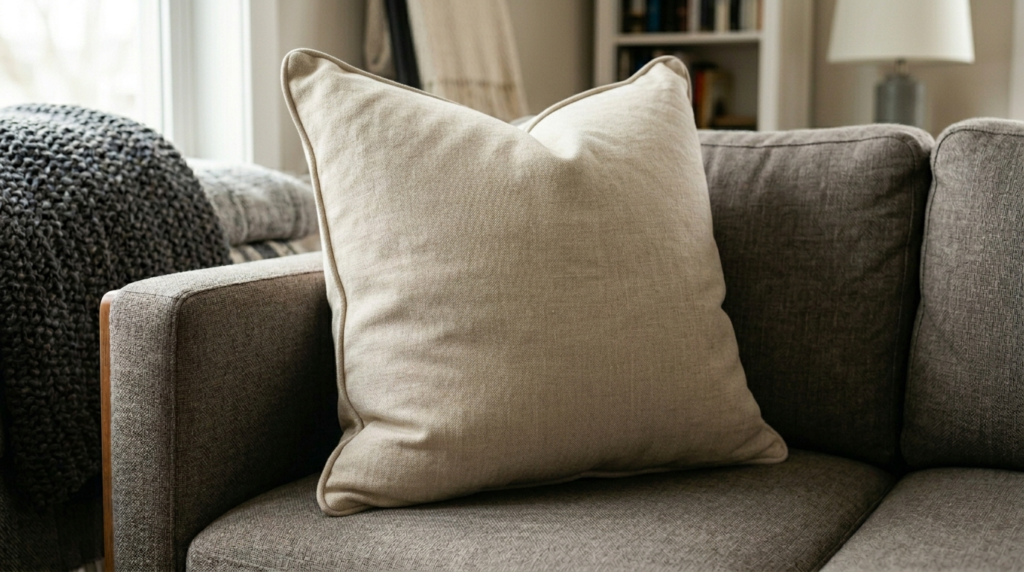
Designer pillows always look plump and full. Most store-bought pillows look flat. I always buy an insert that is two inches larger than the cover. If I have a twenty-inch cover, I use a twenty-two-inch down insert. This makes the pillow look custom-made. I prefer down or down-alternative over polyester. They hold their shape better and feel much softer. I get mine at IKEA or Amazon for a low price. It is the easiest way to make a cheap pillow look expensive.
19. Add a Statement Chair
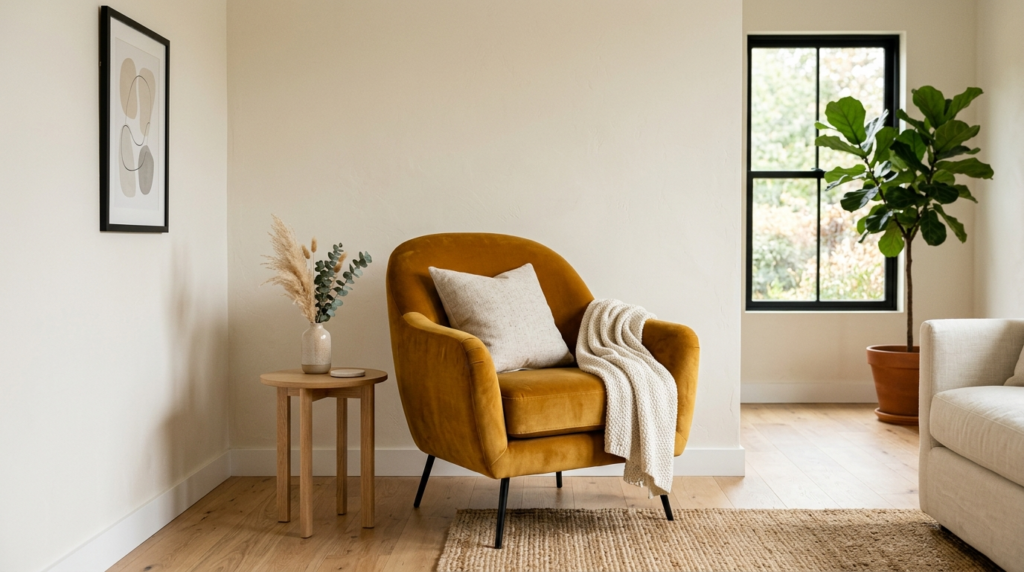
Every living room needs one bold piece. I bought a bright mustard yellow velvet chair for a neutral room. It became the first thing people noticed. It adds personality to the space. You can choose a chair with a unique shape or a bold pattern. Anthropologie has amazing statement seating. It breaks the monotony of a grey or beige room. I saw this work in a small studio where the chair acted as the main art piece.
20. Layer Your Lighting
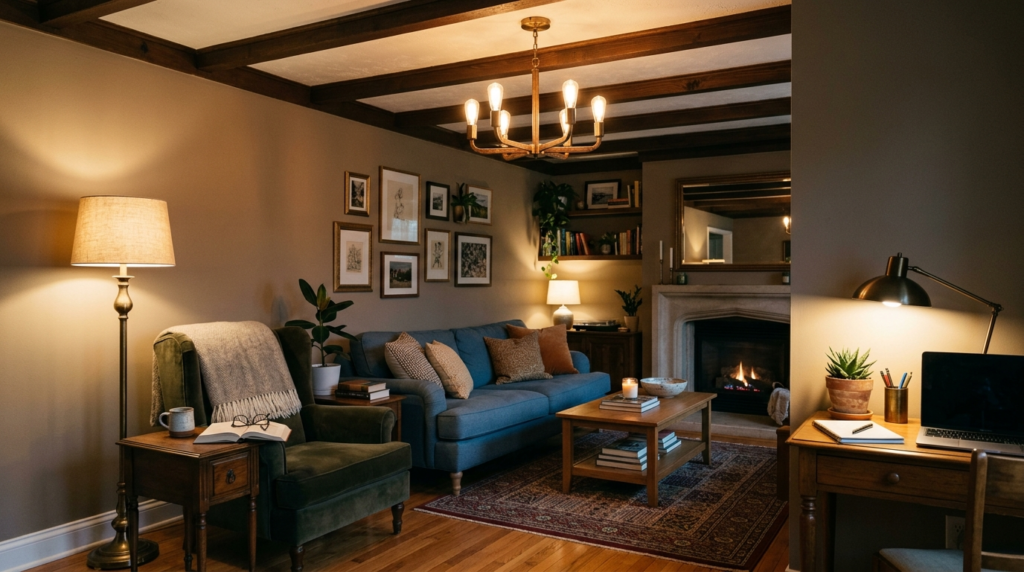
Never rely on one light source. I use three layers of light in every room. The first is the overhead light. The second is task lighting like a floor lamp by a chair. The third is accent lighting like small table lamps or sconces. I use warm bulbs in every fixture. Avoid cool white bulbs as they feel like a hospital. I like the Philips Hue bulbs for adjustable warmth. This layering allows you to change the mood of the room instantly.
21. Use a Large Mirror to Bounce Light
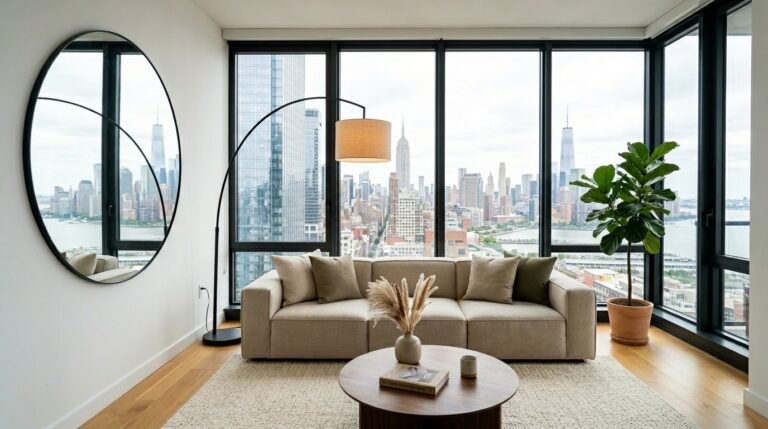
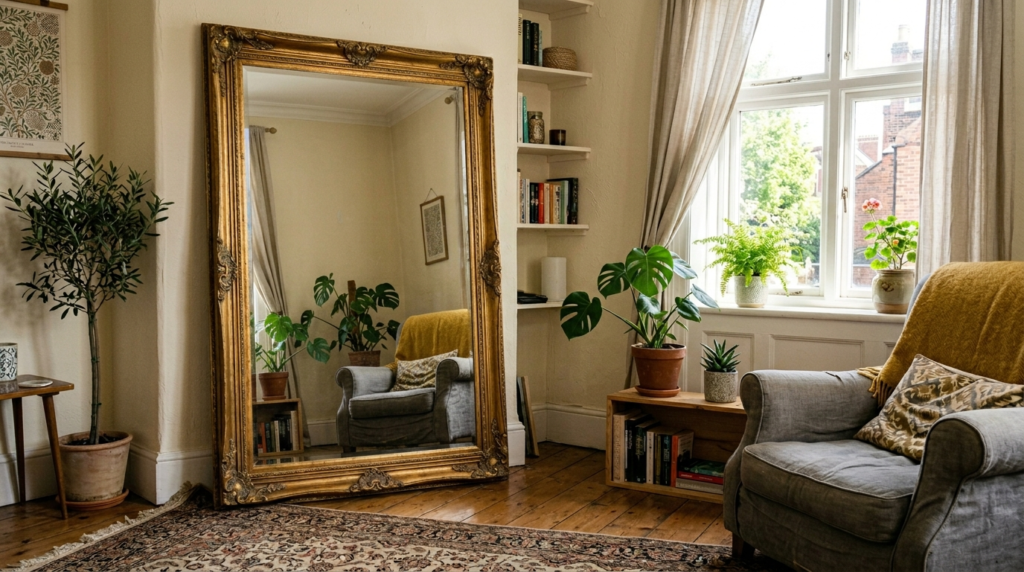
I lived in a dark apartment with only one window. I placed a massive floor mirror opposite that window. The room became twice as bright. It also made the space feel much wider. I found a gold-framed mirror at a garage sale. It added a touch of luxury to the wall. Ensure the mirror reflects something beautiful. Do not point it at a messy corner or a TV. Reflect a window or a piece of art instead.
22. Incorporate Natural Elements
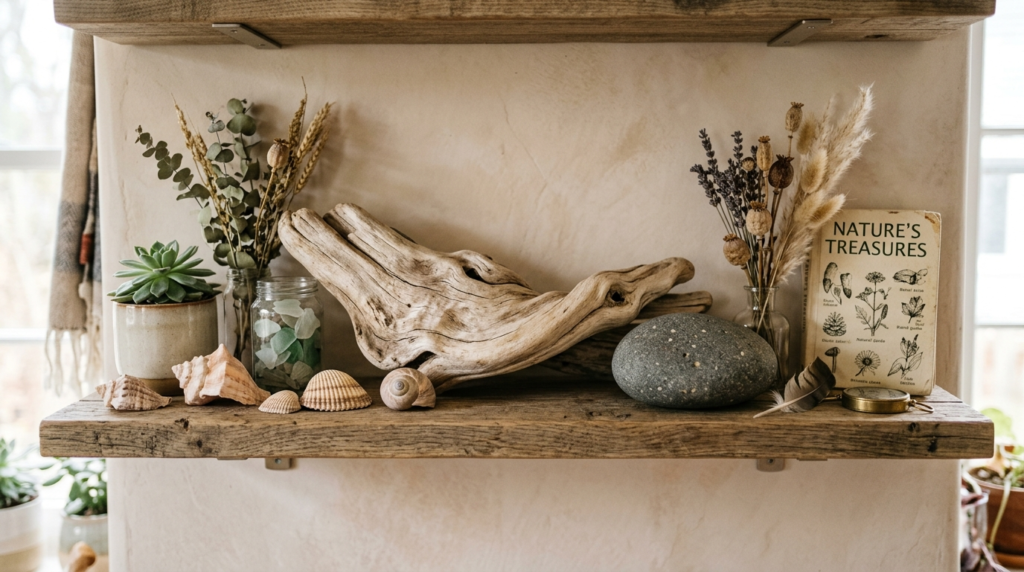
A room needs something organic to feel grounded. I use a piece of driftwood on a shelf. Or I place a bowl of river stones on the coffee table. I once used a large piece of raw quartz as a bookend. These elements add a raw texture that balances soft fabrics. It makes the room feel connected to the outside world. I often pick up interesting rocks or branches during walks. They are free and look better than mass-produced decor.
23. Paint an Accent Wall in a Dark Shade
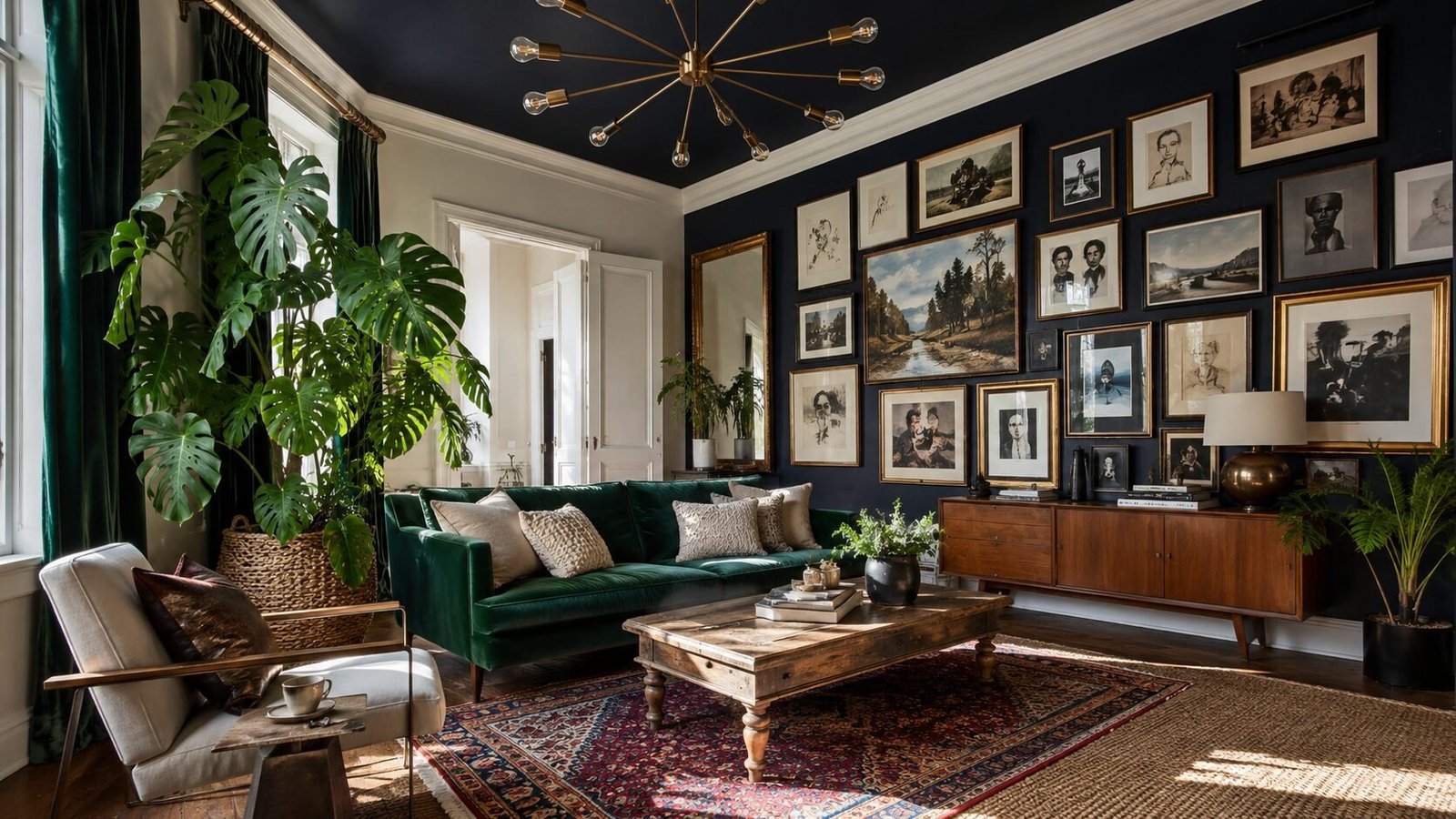
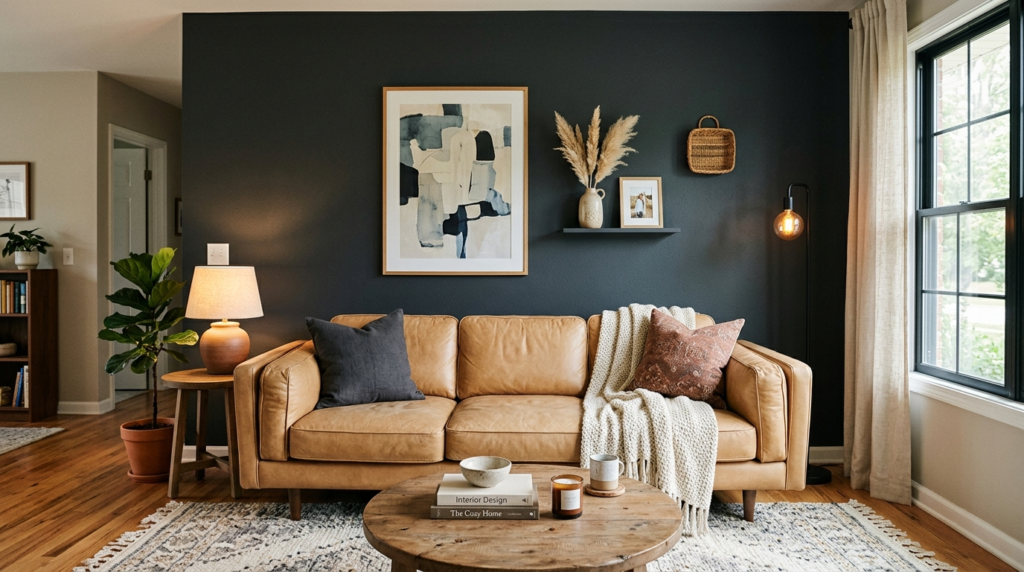
If you are afraid to paint the whole room, try one wall. I painted a bedroom wall in a deep forest green. It added immediate drama. In a living room, use the wall behind the sofa. It makes the sofa pop and gives the room depth. Use a matte finish to hide imperfections in the wall. I recommend Benjamin Moore’s Hale Navy for a classic look. It is a brave move that always pays off.
24. Use a Bench as a Coffee Table
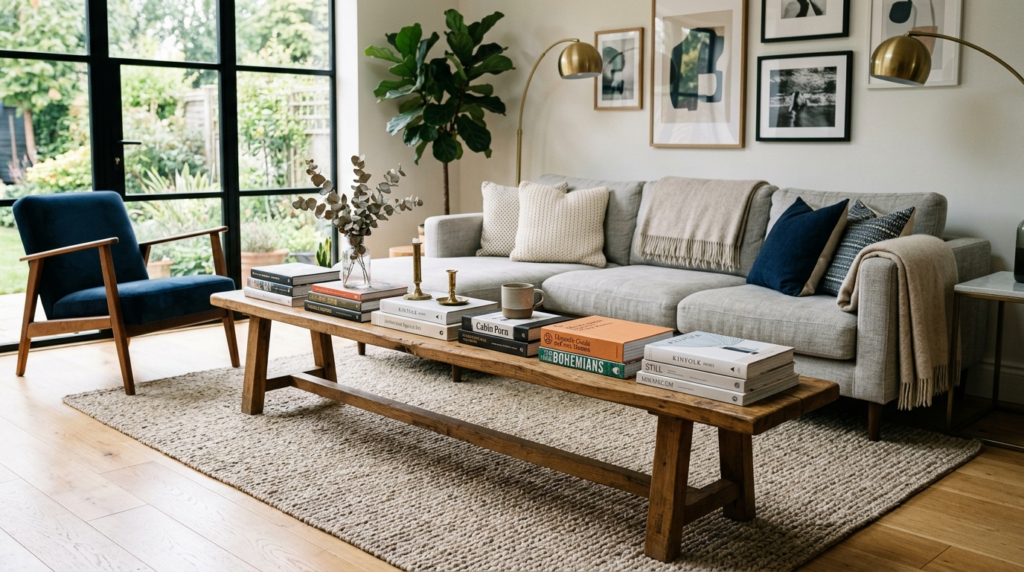
In small rooms, a bulky coffee table can feel too heavy. I used a slim wooden bench instead. It provided a place for books but looked much lighter. You can also use it for extra seating when guests come over. I found a vintage bench at an estate sale. The worn wood added a nice warmth to the modern room. It is a versatile piece that works in many spaces.
25. Keep the Floor Clear
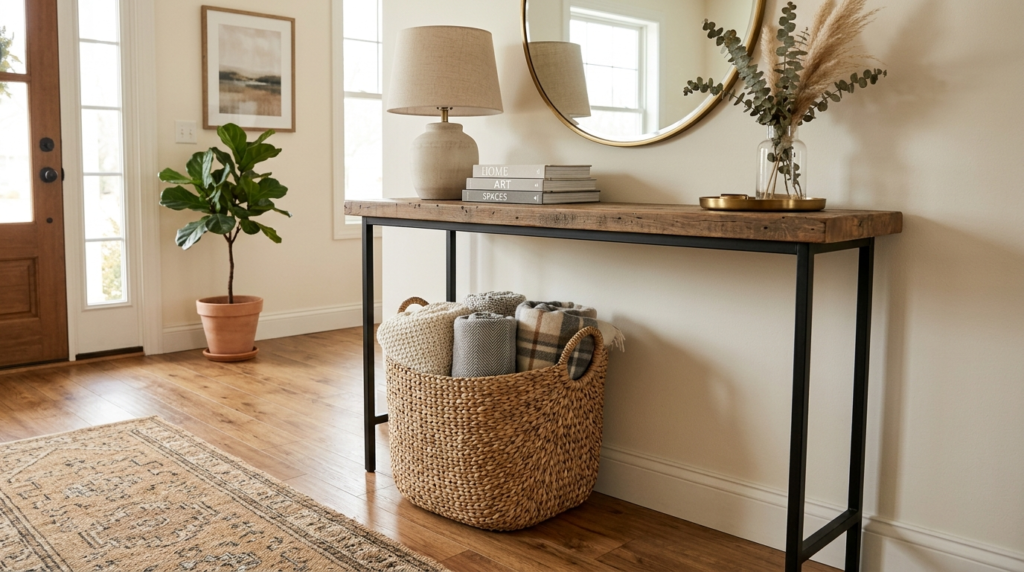
Nothing kills a designer look faster than floor clutter. I make sure everything has a home. Use baskets for kids’ toys or extra blankets. I like woven seagrass baskets from Target. They hide the mess and add a natural texture. I once saw a room where shoes were piled by the door. We added a small console table with a basket underneath. The room felt organized and high-end immediately.
Frequently Asked Questions
How do I make my living room look expensive on a budget?
You should focus on scale and lighting. Buy a large rug that fits your furniture. Swap cheap plastic legs for wooden ones. Use oversized down inserts for your pillows. These small changes cost very little but have a big impact. I have seen a two-hundred-dollar budget change a whole room.
What is the most common living room design mistake?
The most common mistake is choosing a rug that is too small. A tiny rug makes the whole room feel disconnected. Another error is hanging curtains too low. Always go high and wide with your window treatments. I see these two issues in almost every home I visit.
How do I choose the right color for my living room?
Look at the natural light in your space. If the room is dark, lean into it with a moody color. If it is bright, soft neutrals work well. I always test three paint swatches on different walls. Look at them in the morning and the evening. Paint looks different as the sun moves.
Can I mix different wood tones in one room?
Yes, you can and you should. Mixing wood tones makes a room feel like it was collected over time. I usually pick one dominant wood tone. Then I add two or three accent tones. For example, a dark oak floor looks great with a walnut coffee table. Just ensure the undertones are similar.
How many pillows should I have on my sofa?
I suggest using an odd number. Three or five pillows work best for a standard sofa. Mix the sizes and textures. I use two large square pillows on the ends. Then I add a smaller lumbar pillow in the center. This looks balanced but not too stiff.
Is it better to have a sofa or two chairs?
It depends on how you use the room. A sofa is great for lounging and watching TV. Two chairs are better for conversation. In a perfect room, I use both. If you have a small space, a small sofa and one accent chair is a great setup.
How do I style a mantle?
Keep it simple. Use the rule of three. Place a large piece of art in the center. Add a tall vase on one side. Put a stack of books or a candle on the other. I like to keep the heights varying to create visual interest. Avoid small trinkets that look like clutter.
Conclusion
Creating a designer living room is about the details. You do not need a professional to get a high-end look. Start with a large rug and layer your lighting. Mix your textures and add some real plants. I have seen these 25 ideas change homes in a single weekend. I once felt overwhelmed by my own living room. I started with just the curtains and the rug. The difference was so big that I kept going. You can build your dream space one step at a time. Pick three ideas from this list and try them this week. Your home should be a place that makes you feel proud and relaxed. You have the tools now. Go and make your space beautiful.
Sloane Whitaker is the Editor-in-Chief at Home Wall Trends, leading editorial direction with over a decade of experience in residential interior design and home styling. Her specialty is space planning and layout, the unglamorous fundamentals that make a beautiful room actually function. A graduate of the New York School of Interior Design, Sloane has styled over 200 client homes before turning her focus to digital publishing. Her editorial standard: “If a reader can’t picture themselves doing it on a Saturday afternoon, we haven’t explained it well enough.”