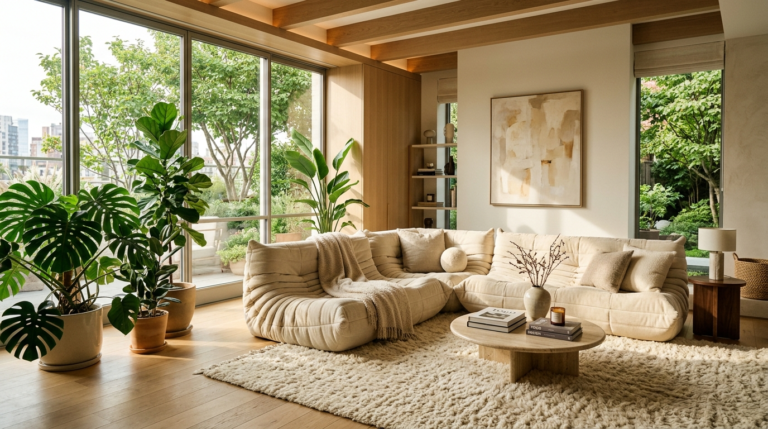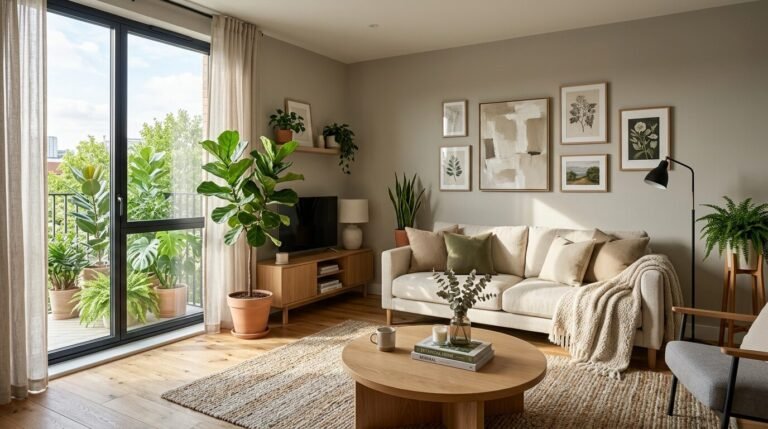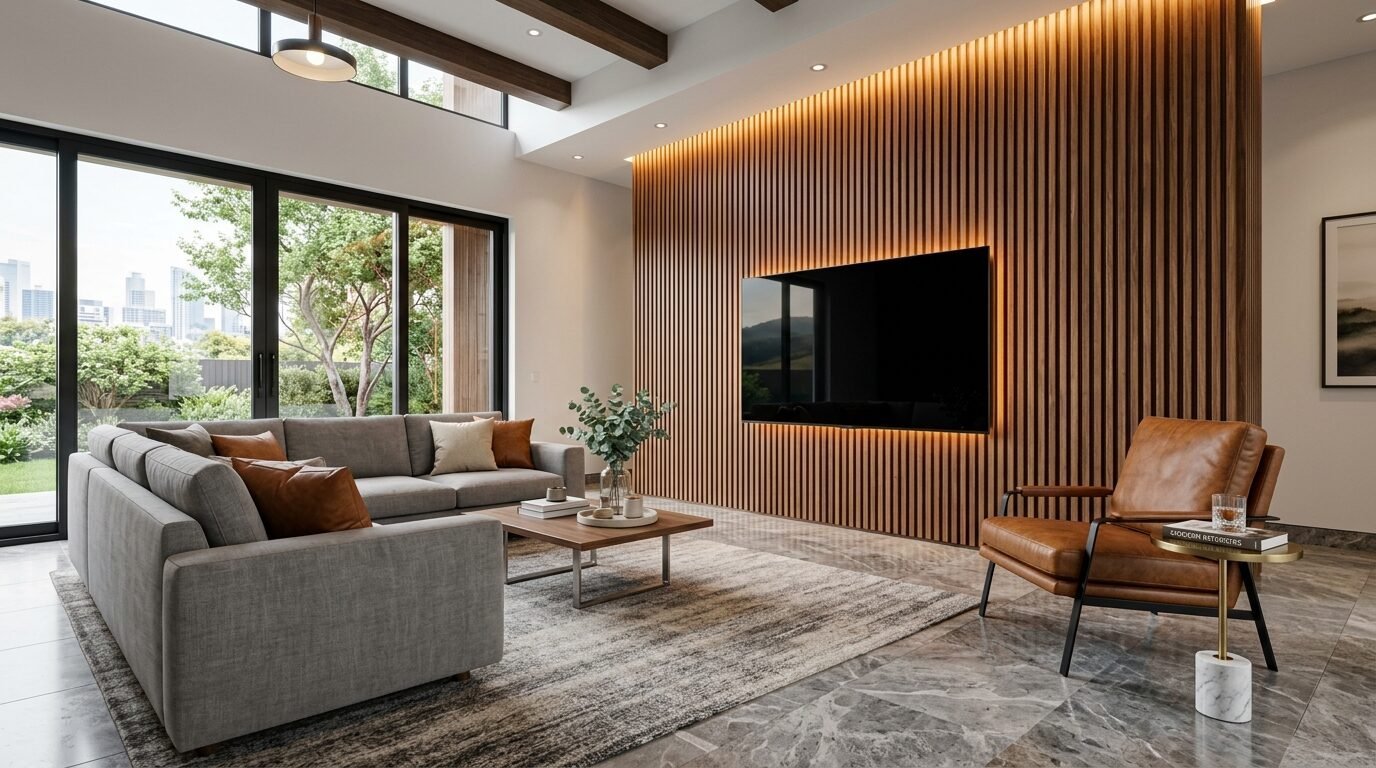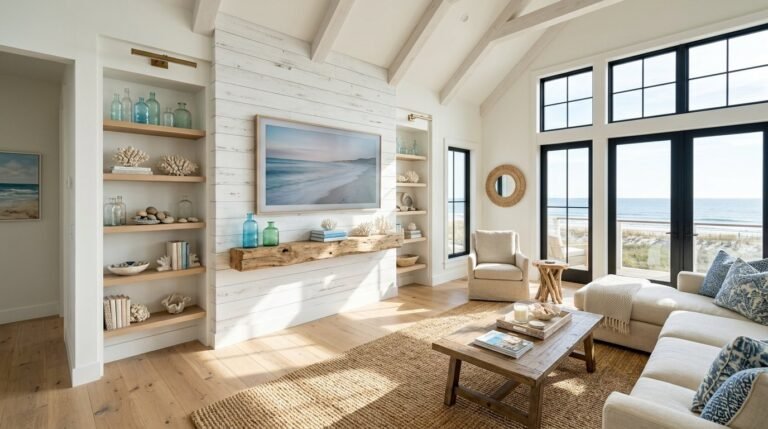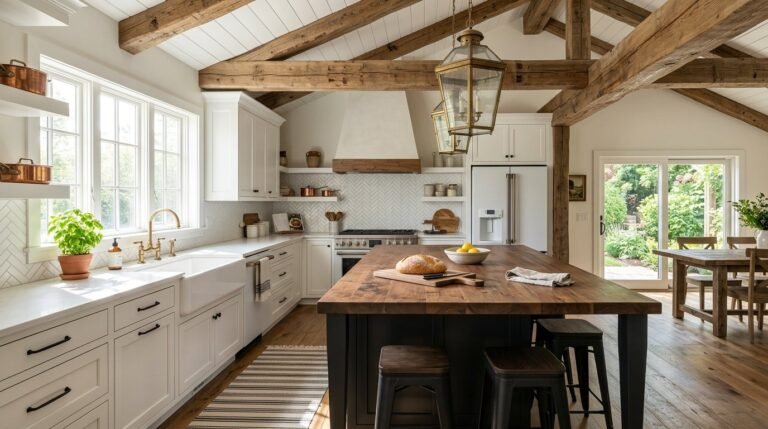
Last Saturday morning I sat in my sunroom with a lukewarm coffee. I looked at my beige walls and felt nothing. They were flat. They lacked soul. I realized then that many people feel this same disconnect. We want homes that hug us back. Farmhouse style offers that warmth. It combines history with modern comfort. Over the last five years I have helped dozens of families find this balance. I have seen what works and what feels like a museum.
Modern farmhouse design has moved past the literal barn. It is now about texture and story. It uses quiet colors and loud materials. This article covers the exact trends making waves this year. These ideas focus on making your space livable. You will find ways to mix old items with new purchases. I have tested these strategies in my own home and in client projects. Here is how you create a space that feels like a permanent hug.
Executive Summary
This guide provides 21 specific trends for your living area. You will see how to use natural textures and vintage finds. We look at specific brands like Pottery Barn and Magnolia Home. I share my experience with limewash and reclaimed wood. This article also covers common mistakes like over-decorating with signs. You will get a clear plan for your next renovation. These trends help you build a room that lasts. They work for small apartments and large estates. Expect to find actionable steps for every budget level.
1. Limewash Walls for Depth
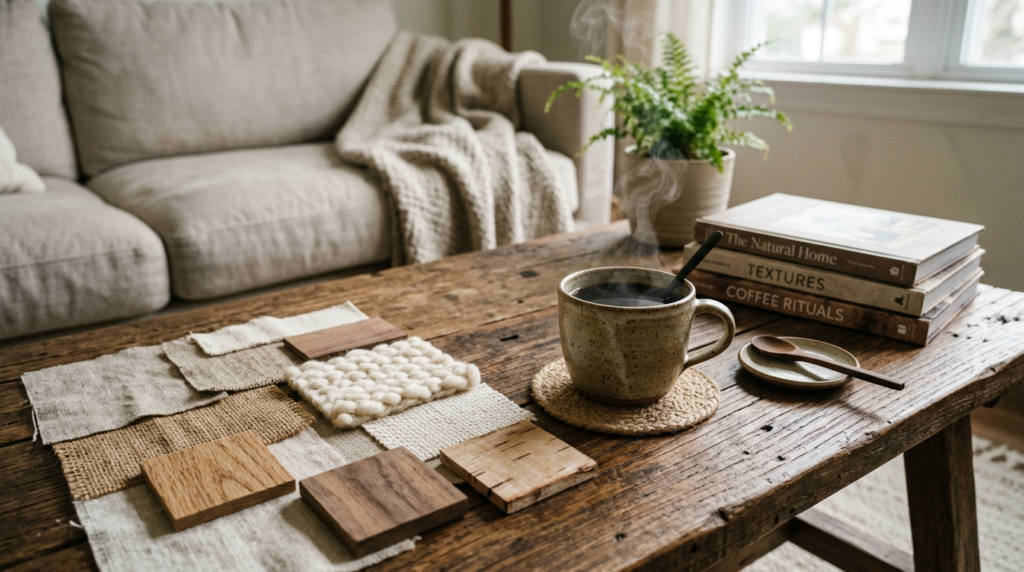
Limewash is a ancient technique that feels fresh today. It creates a chalky and matte finish. I used Romabio Classico Limewash in my own living room last spring. It hides small drywall imperfections beautifully. The finish reflects light in a soft way. It does not look like flat paint. It looks like stone.
You should choose a neutral shade like “Avorio” or “Bianco White.” Apply it with a large masonry brush in “X” patterns. This creates the movement people love on Pinterest. In my experience this adds instant age to a new house. It feels like a European farmhouse from the start.
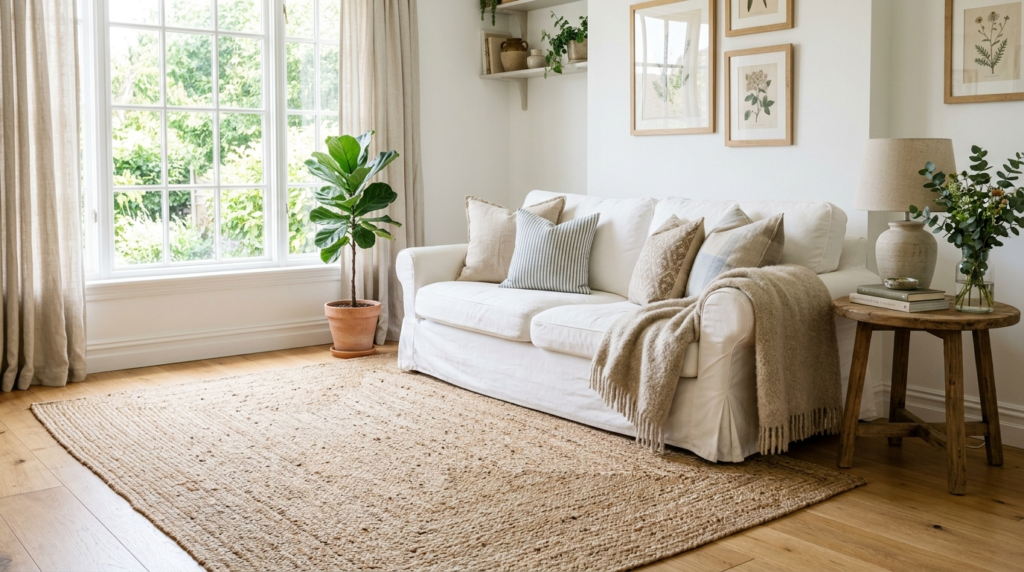
2. Oversized Jute Rugs
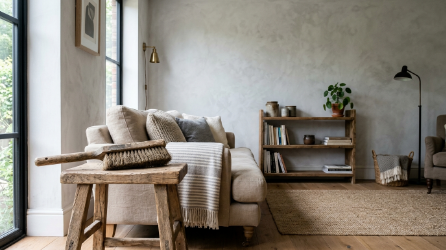
A large rug anchors the whole room. Jute is the hero of farmhouse style. It is durable and relatively cheap. I often recommend the Safavieh Natural Fiber collection from Amazon or Wayfair. These rugs handle high traffic from kids and pets.
I suggest buying a rug that is larger than you think you need. All furniture legs should sit on the rug. This makes the room feel massive. If jute feels too scratchy for your feet just layer a smaller wool rug on top. I saw this work perfectly in a beachy farmhouse project in Florida. It added comfort without losing the raw texture.
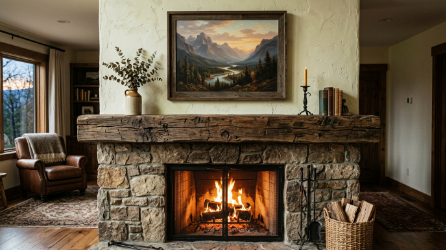
3. Reclaimed Wood Mantels
The fireplace is the heart of a farmhouse room. A thin or painted mantel often looks too modern. I always look for solid beams from old barns. You can find these at local salvage yards or on Etsy.
A thick beam adds a heavy and grounded feel. It tells a story. I noticed that hand-hewn beams with visible axe marks get the most compliments. Pair this with a simple white brick surround. Keep the decor on top minimal. One large mirror or a single landscape painting is enough.
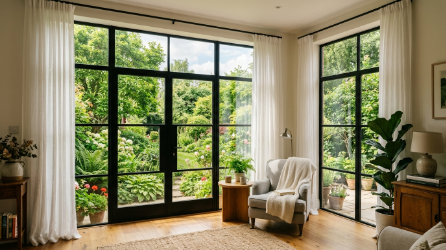
4. Black Window Frames
Contrast is a key part of the farmhouse look. Black window frames act like a frame for a beautiful view. They make the outside world ook like art. If you cannot replace your windows you can paint the trim.
I have seen people use Sherwin-Williams Tricorn Black with great success. It gives a sharp and clean edge to the room. This trend works best when you have white or light gray walls. It prevents the space from looking too washed out.
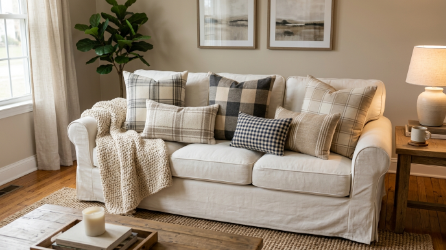
5. Slipcovered Sofas
Practicality is a farmhouse requirement. A living room is for living and not just for looking. Slipcovered sofas are the ultimate solution. I love the IKEA Ektorp or the Pottery Barn York series.
You can pull the covers off and wash them when life happens. I once spilled red wine on my white slipcover during a dinner party. A quick wash with OxiClean saved it. This peace of mind allows you to enjoy your home. Stick to linen or cotton fabrics for a relaxed look.
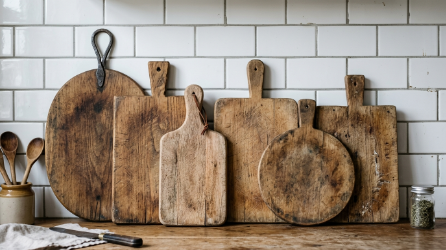
6. Antique Bread Boards
Wall decor does not always mean frames. Antique bread boards are a staple in my design kits. You can find them at flea markets or through vendors like Elsie Green.
Lean three or four boards against the back of a shelf or hang them in a cluster. The different wood tones add warmth. I prefer the ones with visible knife marks. Those marks show years of family meals. They represent a life well-lived. This small detail adds huge character to a corner.
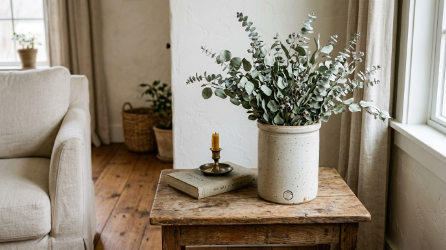
7. Dried Eucalyptus Arrangements
Fresh flowers are great but they die quickly. Dried eucalyptus lasts for months. It has a dusty green color that fits the farmhouse palette.
I put a large bunch in a tall stoneware crock. The scent is subtle and refreshing. I noticed that many Pinterest-worthy rooms use greenery to break up neutral tones. Eucalyptus provides that organic shape without the maintenance of a live tree. You can buy high-quality dried bunches at Trader Joe’s or local florists.
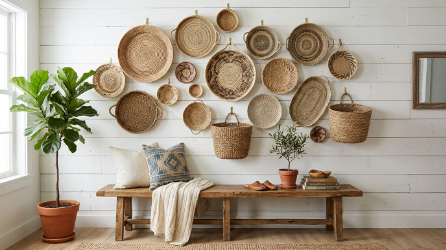
8. Woven Wall Baskets
Empty walls can feel cold. Woven baskets add height and texture. I like to source African or seagrass baskets. Brands like The Little Market offer beautiful handmade options.
Arrange them in an asymmetrical group above the sofa. This fills the space without the weight of heavy art. I tried this in a small cottage renovation recently. It made the low ceilings feel much taller. The natural fibers also soften the hard lines of furniture.
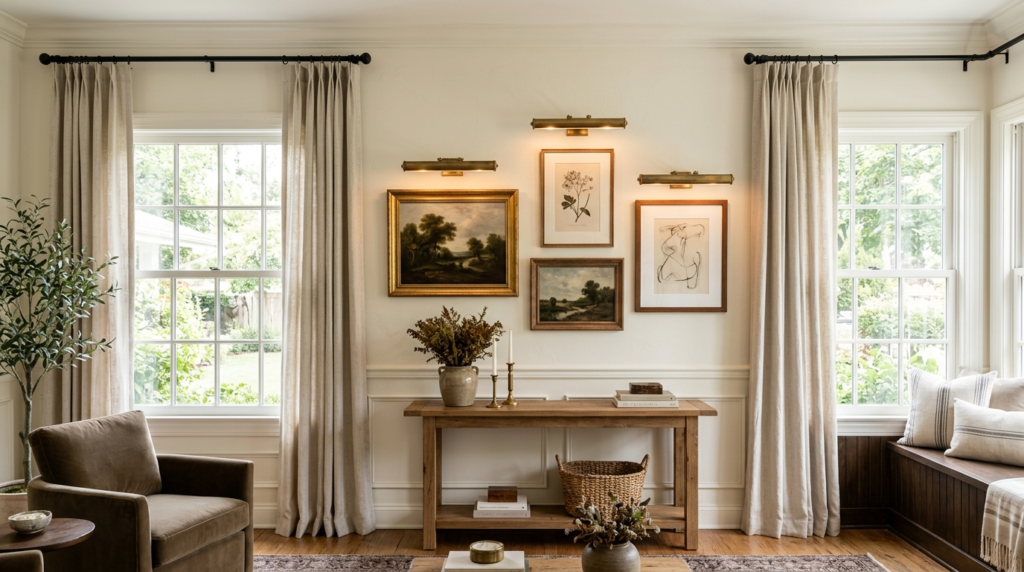
9. Mixed Metal Accents
Gone are the days of matching every light fixture. Farmhouse style thrives on a mix. I like combining matte black with antique brass.
Use black for your large items like curtain rods or sconces. Use brass for smaller details like picture lights or cabinet knobs. I saw this combination in a Magnolia Home catalog and it felt very high-end. It stops the room from looking like a showroom floor. It looks like a collection built over time.
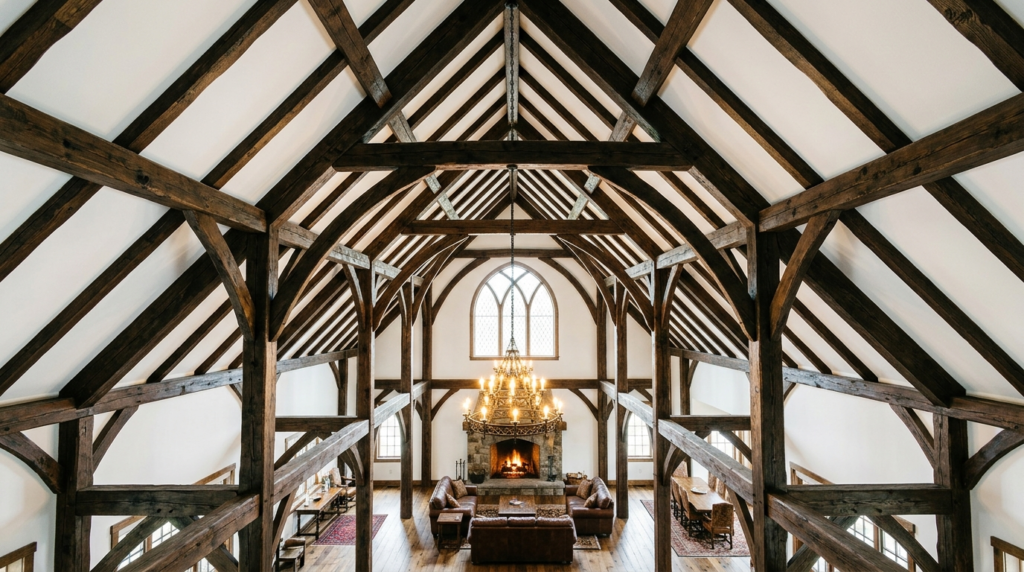
10. Exposed Ceiling Beams
If your budget allows for a structural change look at the ceiling. Vaulted ceilings with exposed wood beams are a classic farmhouse move.
You can even install faux beams if your ceiling is flat. Companies like Barron Designs make lightweight U-shaped beams that look like real oak. In my experience this is the fastest way to add architectural interest. It draws the eye upward and makes the room feel grand.
11. Sliding Barn Doors
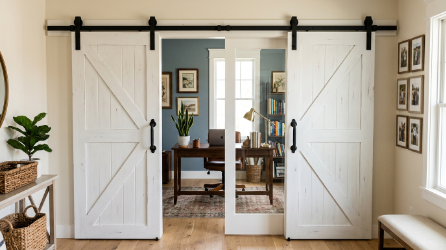
Sliding doors are functional and stylish. They save floor space because they do not swing open. I recommend using them for closets or as a divider between the living room and office.
Avoid the bright red or heavily distressed “shabby chic” versions. Go for a clean white or a natural white oak. Use simple black hardware. I installed a pair of these for a client in Austin. They loved how it hid the messy playroom while adding a focal point.
12. Shiplap Accents
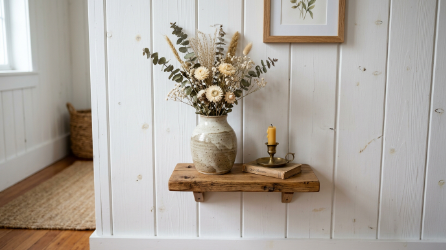
Shiplap is still relevant if used correctly. Do not put it on every wall. Use it as an accent. I like it behind a bed or as a backer for open shelves.
Paint it the same color as your walls for a subtle texture. If you want a more modern take try vertical shiplap. It feels a bit more “Scandi-farmhouse.” I noticed vertical lines make the walls look much longer. Use real wood planks instead of cheap MDF panels for the best look.
13. Vintage Turkish Runners
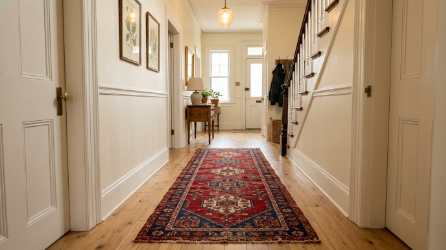
A small pop of color goes a long way. Vintage Turkish Oushak rugs are perfect for this. Place a runner in the transition space between your living room and kitchen.
These rugs feature faded reds and blues. They hide dirt well and offer a bit of history. I source many of mine from Etsy shops based in Turkey. They are one-of-a-kind. No one else will have the same rug as you. This exclusivity adds to the “expert” feel of your design.
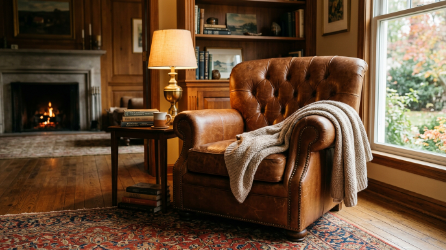
14. Leather Club Chairs
Every room needs a bit of weight. A cognac leather chair provides that perfectly. I am a fan of the West Elm Hamilton chair.
The leather gets better with age. It develops a patina that fabric cannot match. I noticed that people naturally gravitate toward the leather chair in a room. It feels sturdy and masculine. Pair it with a soft knit throw blanket to balance the textures.
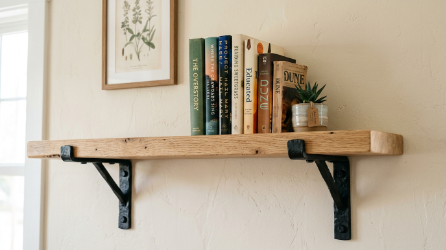
15. Open Shelving with Iron Brackets
Storage should be part of the decor. Use thick wood slabs and heavy iron brackets. You can find beautiful hardware at Rejuvenation or Signature Hardware.
Display your favorite books and a few pieces of pottery. I suggest keeping 30% of the shelf empty. This prevents the room from feeling cluttered. I saw a project where the owner used old scaffolding boards as shelves. It looked incredible and cost almost nothing.
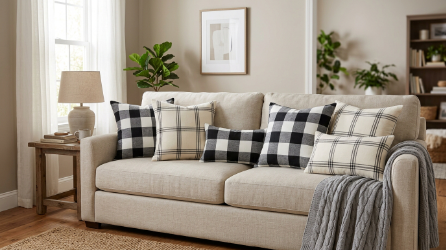
16. Neutral Plaid Pillows
Patterns should be simple. Buffalo check or thin windowpane plaid works best. Stick to colors like cream, charcoal, and navy.
I buy my pillow covers from Target’s Hearth & Hand line. They are affordable and high quality. Mix different scales of plaid for a professional look. A large check next to a small stripe creates visual interest. I use feather inserts instead of poly-fill. They hold their shape and look more expensive.
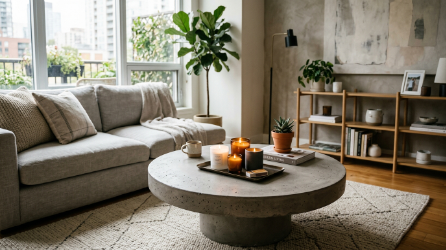
17. Concrete Coffee Tables
Industrial elements keep farmhouse style from feeling too sweet. A concrete coffee table is a bold choice. It is heavy and cool to the touch.
Arhaus has a great selection of these. Concrete is very durable. You do not have to worry about coasters. I noticed that the gray tone of concrete looks great against a warm wood floor. It adds a modern edge that balances the vintage items.
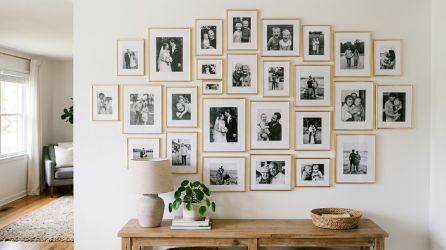
18. Gallery Walls with Gold Frames
Gold frames add a touch of elegance. Use them for a gallery wall of family photos. I suggest using black and white prints for a cohesive look.
Lay your frames on the floor first to plan the layout. Leave about two inches between each frame. I tried this in my hallway and it feels like a personal museum. The gold pops against white walls without feeling flashy.
19. Layered Lighting
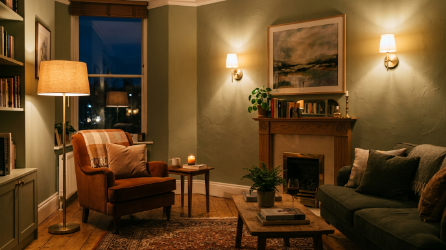
Never rely on just one overhead light. You need layers. I use a mix of floor lamps, table lamps, and wall sconces.
Put your lamps on dimmers. I like the task lamps from Restoration Hardware for a vintage look. In my experience warm light bulbs make a room feel cozy instantly. Use bulbs with a 2700K color temperature. This mimics the glow of a sunset.
20. Indoor Olive Trees
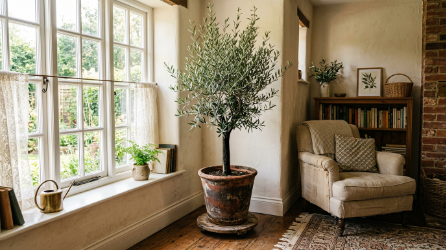
Olive trees are the “it” plant for farmhouse homes. They have delicate silvery leaves. A real tree needs a lot of light.
If your room is dark buy a high-quality faux tree. Nearly Natural or Pottery Barn offer realistic options. Place it in a large woven basket or a vintage olive jar. I noticed that a tall tree in a corner fills the dead space perfectly. It adds a bit of height and life to the room.
21. Mudroom Transitions
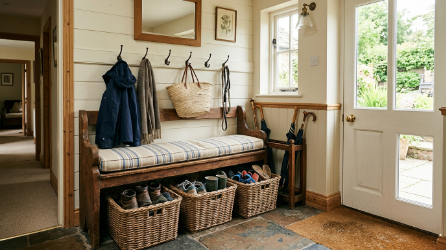
The entrance to your living room matters. Create a small mudroom zone if you do not have a dedicated room. A simple bench and a few hooks will do.
I like the look of a vintage wooden bench. Add a few wicker baskets underneath for shoes. This keeps the clutter out of your main seating area. I saw this work well in a small ranch home. It defined the space and made it feel organized.
Comparison of Popular Farmhouse Rugs
| Rug Type | Material | Durability | Best For |
| Jute | Natural Fiber | High | High traffic areas |
| Sisal | Agave Fiber | Very High | Entryways |
| Wool | Sheep Hair | Medium | Seating areas |
| Seagrass | Dried Grass | High | Sunrooms |
| Polyester | Synthetic | Medium | Families with pets |
Essential Tools for Your Farmhouse Project
- Paint Sprayer: I recommend the Graco TrueCoat for a smooth finish on furniture.
- Drill Set: DeWalt makes reliable tools for hanging shelves and mantels.
- Stud Finder: Essential for mounting heavy mirrors or barn doors.
- Laser Level: This saves hours of frustration when creating gallery walls.
- Orbital Sander: I use this to distress new wood for a vintage look.
- Heavy Duty Brackets: Signature Hardware offers the best iron supports.
- Quality Brushes: Purdy brushes are worth the extra money for a clean edge.
- Fabric Protector: Scotchgard keeps your slipcovers looking new.
Pros and Cons of Modern Farmhouse Style
Pros
- It feels warm and inviting for guests.
- The materials are often durable and age well.
- It is easy to mix in heirlooms or vintage finds.
- The neutral palette is easy to update with small items.
- It works for many different types of architecture.
Cons
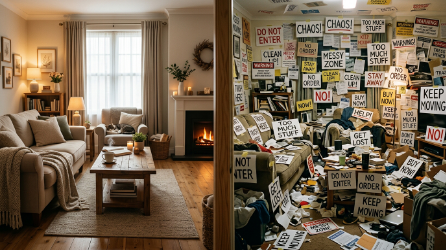
- It can look cluttered if you use too many small signs.
- White furniture requires frequent cleaning.
- Real reclaimed wood can be expensive to source.
- The style is very popular and can feel less unique.
Frequently Asked Questions
Is farmhouse style still in style for 2026?
Yes it is. The style has evolved into “Organic Modern Farmhouse.” This version uses fewer literal farm items and more natural textures. People still want cozy and functional homes. The core principles of comfort and light remain very popular. I see this trend staying strong for years.
How do I make my farmhouse room look modern?
Focus on clean lines and contrast. Use black accents and avoid ruffles or overly floral patterns. Choose furniture with simple shapes. Mix in a few industrial or mid-century pieces. I noticed that a single modern light fixture can change the whole feel of a rustic room.
What are the best farmhouse paint colors?
I always recommend Sherwin-Williams Alabaster for a warm white. For a cooler white try Benjamin Moore White Dove. If you want a bit of color look at Sea Salt by Sherwin-Williams. It is a very pale green-gray that feels very coastal farmhouse.
How can I do farmhouse on a budget?
Shop at thrift stores for wood furniture. You can sand and stain old pieces to look like new oak. Use paint to update your walls and trim. Focus on small items like pillows and baskets first. I started my own home journey with a bucket of white paint and a used coffee table.
Are barn doors a good idea for small rooms?
They are excellent for small rooms. They do not need space to swing open. Just make sure you have enough wall space for the door to slide. I have seen them used perfectly for pantry doors and laundry rooms. They add a great focal point without taking up floor space.
Conclusion
Creating a farmhouse living room is about finding what makes you feel at home. It is a mix of textures and memories. Start with one or two trends that resonate with you. Maybe it is a jute rug or a new mantel. You do not have to change everything at once. I have learned that the best homes are built slowly. They reflect the people who live inside them. Take your time and choose items that tell your story. Your home should be a place where you can truly rest.

Sloane Whitaker is the Editor-in-Chief at Home Wall Trends, leading editorial direction with over a decade of experience in residential interior design and home styling. Her specialty is space planning and layout, the unglamorous fundamentals that make a beautiful room actually function. A graduate of the New York School of Interior Design, Sloane has styled over 200 client homes before turning her focus to digital publishing. Her editorial standard: “If a reader can’t picture themselves doing it on a Saturday afternoon, we haven’t explained it well enough.”